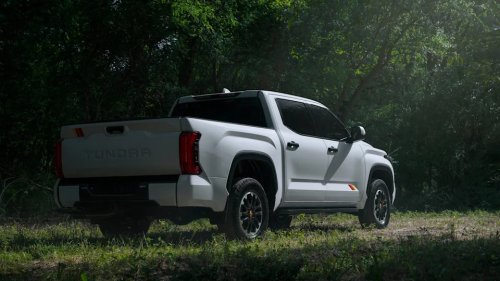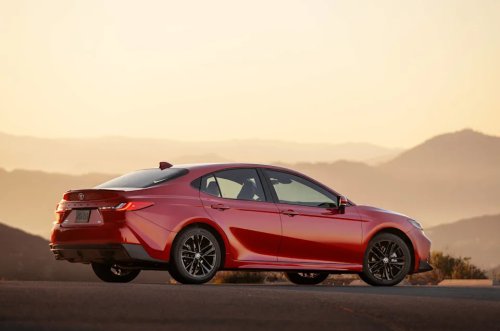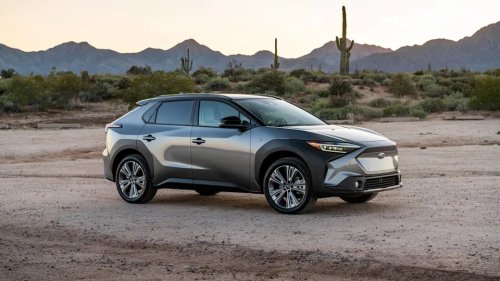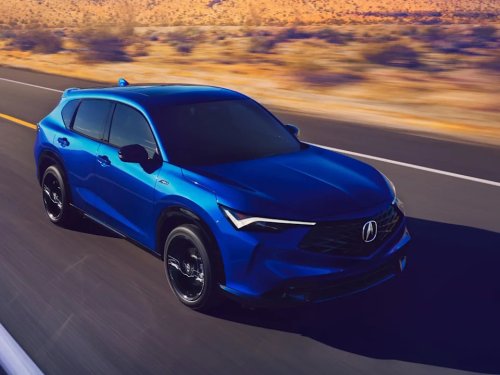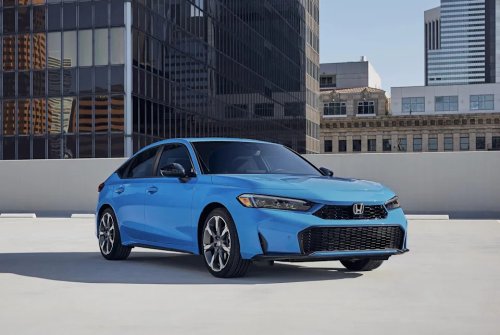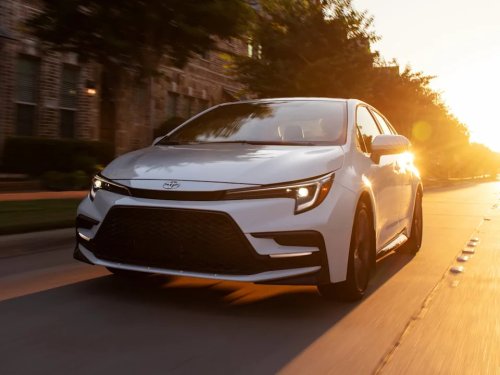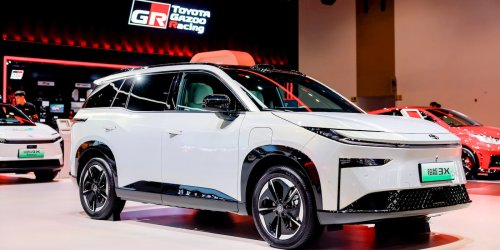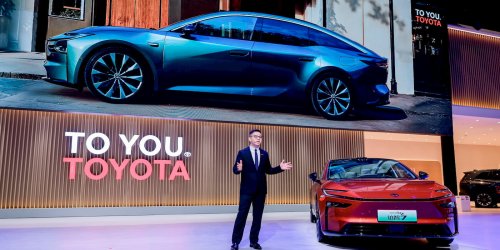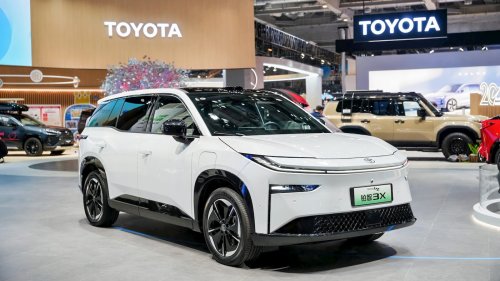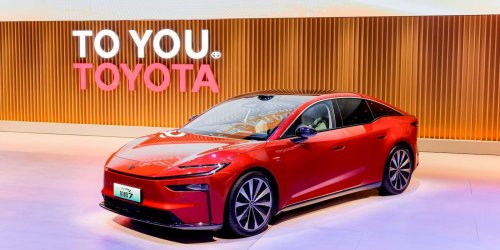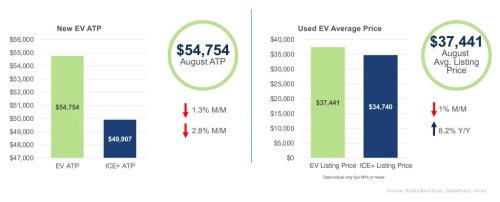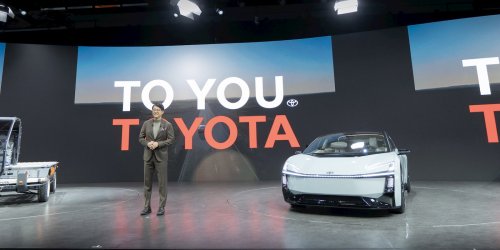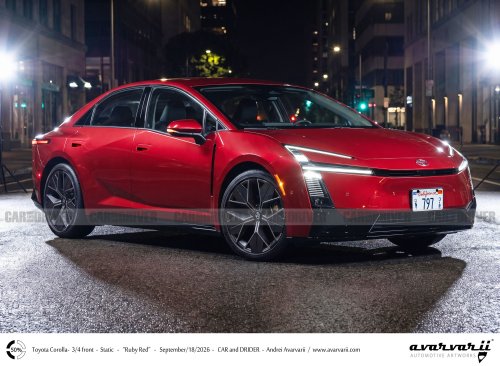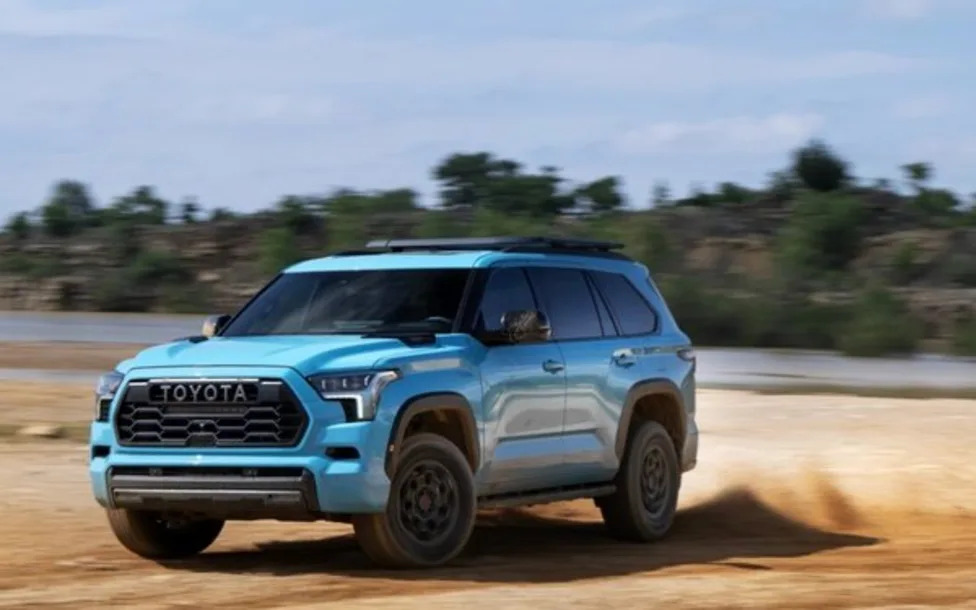



















Luxury automakers offer nocustomer satisfaction advantage over their mass-market counterparts, according to this year's American Customer SatisfactionIndex.The study, which features rankings and performance trends, examines how changing consumer expectations are reshaping customer satisfaction across the auto industry.The data includes updated brand rankings, fuel source comparisons, and new benchmarks for driving range and expected resale value. AdvertisementAdvertisementToyota (83, up 1%) takes theindustry lead. Toyota and Honda (80, down 1%) have also maintained broad sedan lineups while competitors have shifted to SUVs, offering lower transaction prices that give more buyers access to the newcar market.Mercedes-Benz (down 1% to 81) leads the luxury segment. Audi surges 4% to 80, the largest luxury gain, after a 4% decline in 2025 that was largely attributed to EVfrustration.Lexus drops 10% to 78 after leading the entire industry a year ago. Lexus posted record U.S. sales of 370,260 vehicles in 2025 (up 7.1%), with electrified vehicles at35.6% of sales. The luxury hybrid category overall declines 4%, which directly affects a brand with a heavy electrified mix.According to the study, the luxury segment drops 3% toan ACSI score of 78 (on a scale of 0-100), falling into a tie with the mass-market segment, which dips 1% to 78. The overall automobile industry declines 1% to 78.AdvertisementAdvertisementThe luxurymass-market convergence is the headline, but the real story is what's driving it, says Forrest Morgeson, associate professor of marketing at Michigan State University and director of researchemeritus at the ACSI. "Customers at every price point are rethinking what they expect for their money, and luxury brands are finding they're not immune to thatpressure," Morgeson says in a release. "When someone is making payments on a vehicle for six or seven years, reliability and value matter more than the nameplate. Hybrids have quietlybecome the most compelling value proposition in the market. They deliver fuel savings without the range concerns or infrastructure demands of EVs, and they do it at price points closer to conventionalvehicles."Every measured aspect of the luxury customer experience either declines or stays flat. Gas mileage posts the steepest decline (down 3% to 78), while drivingperformance (down 2% to 82) and mobile app quality (down 2% to 82) also fall. Luxury complaint rates jump 14% to 32%.Luxury complaint handling deteriorates to 73 (down 4%). The topthree complaint areas for luxury customers are service/dealer/customer support. electrical/battery/software, and engine/powertrainAdvertisementAdvertisementThe shift comes as affordability pressureintensifies across the industry. Average monthly new car payments reached $767 in the fourth quarter of 2025, up 2.8% year over year according to Experian data, with average transaction pricessurpassing $50,000. The ACSI Automobile Study 2026 is based on 6,699 completed surveys. Customers were chosen at random and contacted via email between July 2025 and June2026.Founded in 1994 at the University of Michigan's Ross School of Business, the ACSI measures customer satisfaction with more than 400 companies in over 40 industries,including federal government services, based on approximately 200,000 annual interviews.A CarEdge consumer survey found that 42% of prospective new-car buyers have already canceled their purchase plans due to high prices, while 65% said they would exit the market if monthly paymentsrose by just 5%. These pressures, compounded by tariff-related uncertainty, are reshaping who buys new vehicles and what they expect for their money.AdvertisementAdvertisementAcross fuel sources, hybridvehicles continue to deliver the highest customer satisfaction with an ACSI score of 80, unchanged from last year, outscoring both gasoline vehicles (down 3% to 78) and electric vehicles (EVs) (down1% to 72).