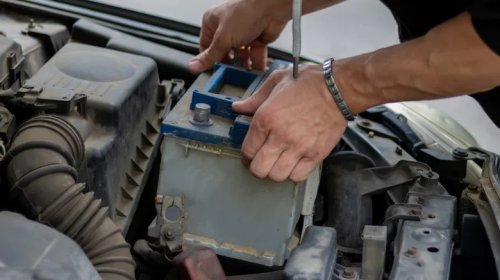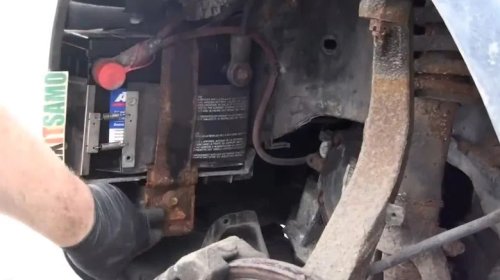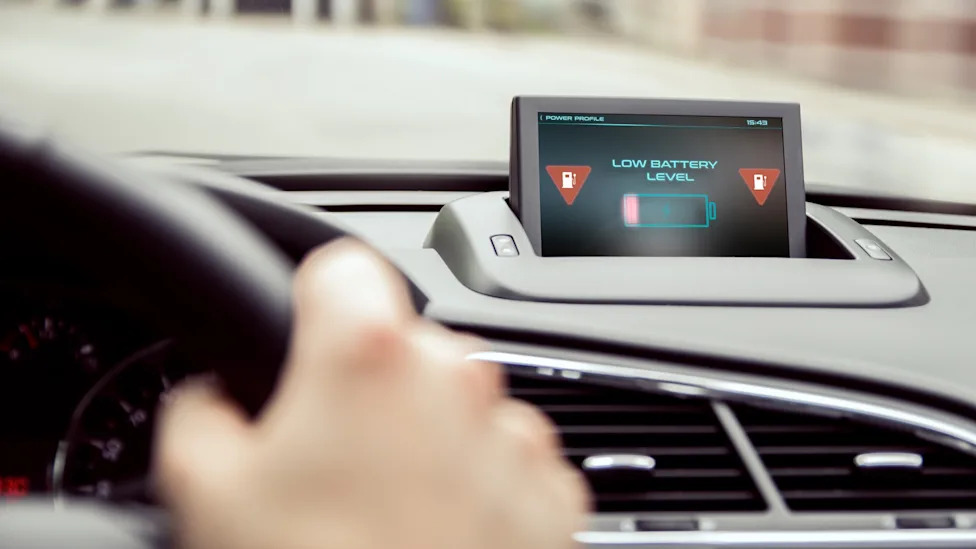



















Modern cars rely on their batteries for far more than a quick jolt to start the engine. From power steering in a 2022 Hyundai Tucson to the security system in an older Honda Civic, almost every convenience depends on a healthy 12‑volt unit. When that battery fails without warning, the result is a stranded driver and a car that suddenly feels very old. For any owner, the key question is not whether the battery will eventually die, but how long it will last before that roadside drama. The answer lies at the intersection of chemistry, climate, driving habits, and maintenance, and it is more predictable than many drivers assume. What a car battery actually does Before talking about lifespan, it helps to understand the job a starter battery performs. A typical lead‑acid unit converts chemical energy into electrical energy that can crank the engine, power the fuel pump, and feed the ignition system. Once the engine is running, the alternator takes over most of the electrical load and recharges the battery. The starter battery also stabilizes voltage for everything from the infotainment screen in a Toyota Camry to the power windows in a Ford F‑150. Guidance from service networks that explain what a battery emphasizes that repeated discharge and recharge cycles gradually wear out the internal plates. Even if the car starts every morning, that chemical aging continues in the background. The real average lifespan Across mainstream passenger cars, most experts cluster around the same basic range. Several repair and dealership guides describe a typical battery life of three to five years, with three years as a conservative planning horizon. One dealership service department lists the average car battery as three or four years, while other technical advisories extend the upper end to about five. That range assumes a conventional flooded lead‑acid battery in regular use, in a vehicle that is driven several times a week. Premium absorbed glass mat units and some original equipment batteries in models like the Toyota RAV4 or Subaru Outback can sometimes stretch beyond five years, but those are the outliers. Insurers that track breakdown data advise drivers to monitor performance closely once a battery reaches the three‑year mark and to be skeptical of any unit older than five. Why climate and parking habits matter Temperature is one of the biggest variables in how long a battery survives. Heat accelerates chemical reactions inside the case, which boosts performance in the short term but shortens life. Technical bulletins that examine battery performance point out that under‑hood temperatures can exceed 140 degrees Fahrenheit, which can warp plates and evaporate electrolyte. Cold climates create a different problem. A weak battery that still starts a car in September can fail outright when temperatures drop below freezing, since cold slows the chemical reaction and thickens engine oil. Guides focused on winter reliability, including a cold weather survival, stressing that paying attention to warning signs before the first hard freeze can prevent a no‑start in a snow‑covered parking lot. Driving patterns that quietly kill batteries How a car is used can be just as significant as where it lives. Short, stop‑and‑go trips that never give the alternator time to fully recharge the battery are a common culprit. One set of maintenance tips explicitly advises drivers to avoid short trips whenever possible, since those patterns can leave a battery perpetually undercharged. Extended periods of sitting can be just as damaging. Modern vehicles draw a small but constant current for alarm systems, keyless entry receivers, and memory functions. Advice that addresses how long a note that leaving a vehicle parked for weeks at a time can drain the charge enough to prevent starting, especially in older batteries. Accessories add another layer. Repeatedly running a powerful audio system, aftermarket light bars or a portable refrigerator while the engine is off forces the battery to discharge deeply. That kind of use, common at tailgates or campgrounds, can dramatically shorten the useful life of a starter battery that was never designed for deep cycling. Maintenance that extends battery life Although no battery is permanent, basic care can stretch its lifespan and reduce the odds of being stranded. Regular inspections for corrosion on the terminals, loose clamps, and cracked cases help catch early problems. Service guides that explain how long the car highlights simple steps like cleaning terminals and ensuring the hold‑down bracket is tight so vibration does not damage internal components. Periodic testing is equally important. Retailers that outline how long they recommend having the battery load‑tested at least once a year after it passes the three‑year point. A simple conductance or load test can reveal declining capacity long before the car fails to start. For vehicles that sit for long stretches, such as a Mazda MX‑5 stored for winter or a Chevrolet Corvette that only comes out on weekends, a smart trickle charger can keep the battery at an ideal state of charge. Storage guides that explore how long a suggest that, without such support, a parked car can run its battery flat in as little as two weeks, especially if the battery is already aging. Warning signs before a breakdown Drivers rarely get a calendar reminder when their battery is about to quit, but many receive subtle warnings. A common early symptom is slower cranking, where the engine turns over more sluggishly than usual. Guides that explain how to know describe this slow engine turnover as the most frequent complaint before failure. Other signs include dimming headlights at idle, intermittent power to the infotainment system, and warning lights such as a battery or charging icon on the dashboard. Diagnostic checklists that help drivers learn the signs point to scenarios where the engine starts, then dies immediately, or where there are headlights and power but no start. In some cases, a failing battery can even trigger strange electrical glitches, from flickering interior lights to malfunctioning power seats. Industry advocates who catalog warning signs caution that some batteries fail with little or no notice. That uncertainty is why age and regular testing matter as much as watching for symptoms. When to replace before it fails Replacing a battery proactively may feel wasteful, but the cost of a tow and lost time can be far higher than the price of a new unit. Several service advisories recommend planning a replacement at around three years in harsh climates and no later than five years in moderate ones, even if the battery still passes a basic test. Decision tools that walk through the factors that affect encourage drivers to look at age, test results, and usage patterns together. A four‑year‑old battery that has endured Phoenix summers, frequent short trips, and several deep discharges is a stronger candidate for preemptive replacement than a similar‑age unit in a commuter car that racks up steady highway miles. Choosing the right replacement also matters. Owners of feature‑rich vehicles like the Audi Q5 or BMW X5 often need higher reserve capacity batteries to support heavy electrical loads. Franchise networks that discuss battery service operations and acquisition programs, such as acquisitions Jiffy Lube, illustrate how standardized testing and sizing help match batteries to specific vehicles. How to avoid getting stranded Ultimately, staying ahead of battery failure comes down to a few habits. Drivers who track the age of their battery, schedule a test each year after the third anniversary, and respond quickly to slow cranking or dim lights dramatically cut their odds of a roadside surprise. Owners who rely on social channels such as Jiffy Lube Facebook or Twitter Jiffy Lube for maintenance reminders, and who monitor local shops like Alford Tire Center or Twitter Alford TireCtr, can also keep battery care on their radar. For drivers who prefer to research service options, tools from Net Driven or financing calculators tied to Goodyear credit cards can make planned replacement easier to budget. More from Fast Lane Only Unboxing the WWII Jeep in a Crate 15 rare Chevys collectors are quietly buying 10 underrated V8s still worth hunting down Police notice this before you even roll window down The post How long will that new car battery last before it leaves you stranded? appeared first on FAST LANE ONLY.