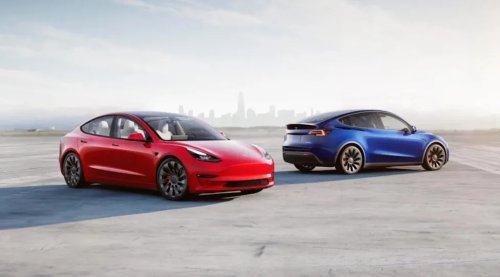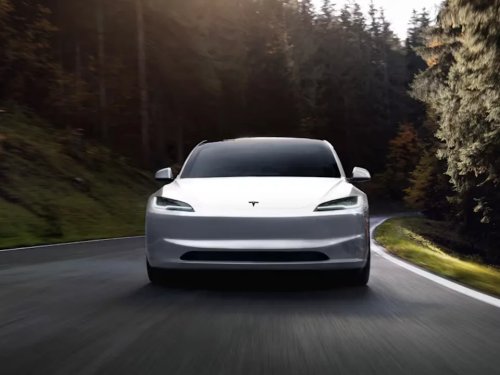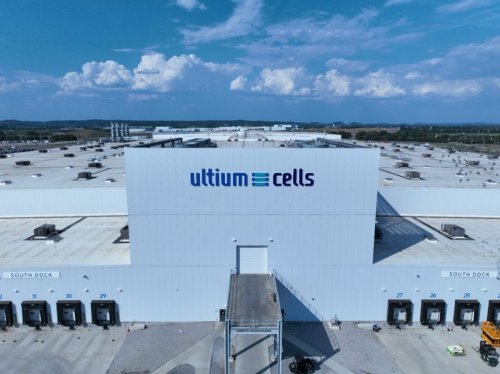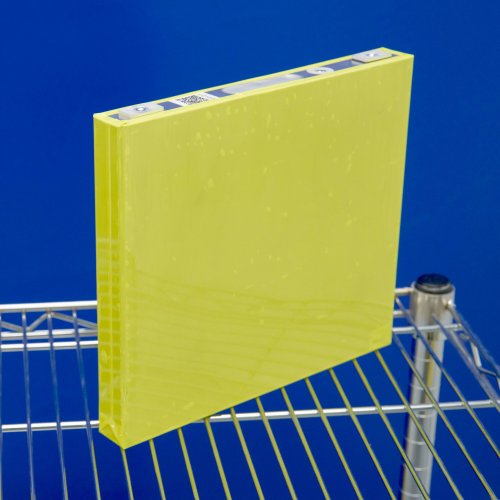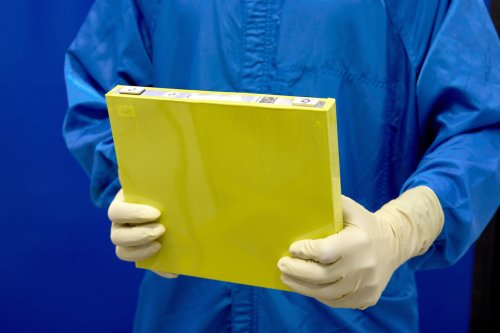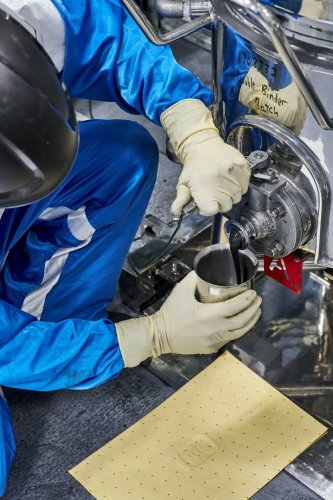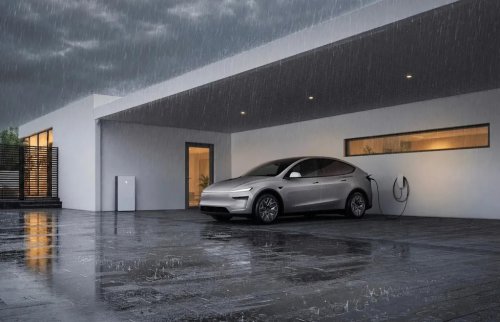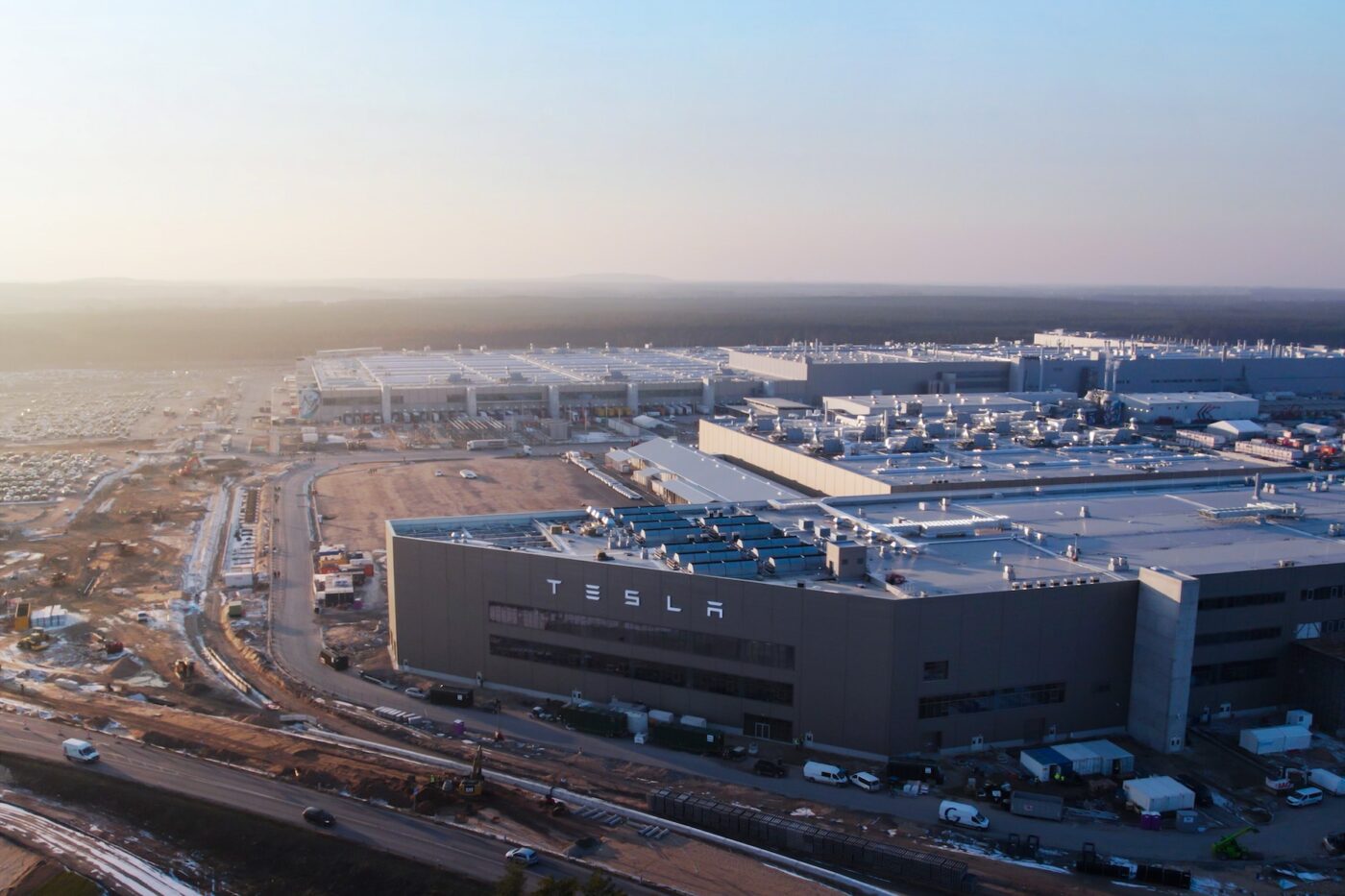



















Image: TeslaTesla’s plans for battery cell production in Grünheide are evolving rapidly. As recently as December, the company had announced a production capacity of 8 GWh for the site, with production scheduled to begin in the first half of 2027 as reported.In April, it emerged that Tesla was seeking several hundred new employees for battery cell production to support these plans. However, André Thierig, Plant Manager at Grünheide, has now declared these plans outdated.On LinkedIn, the senior executive announced: “Today, we announced a $ 250m investment for our Giga Berlin Cell factory. This will enable 18GWh of annual 4680 cell production and create more than 1500 new jobs. Good news during challenging times for the German industry.” The announced investment is equivalent to approximately €210 million.By establishing cell production at the plant, Tesla aims to take its supply chain vertical integration to the next level. Until now, Tesla has used LFP cells from CATL and NCM cells from LG Energy Solution in Grünheide for the various versions of the Model Y. In future, Tesla states that everything from battery cells to electric vehicles will be produced at a single site from around 2027, adding that “this is unique in Europe.” Tesla intends to become more resilient through this move.The recruitment of 1,500 employees for cell production is set to take place in the medium term, as the German Tagesspiegel learned. The $250 million investment is also expected to be spread over several years, though no further details are available.The most notable aspect of the new announcement is the increase in planned annual capacity from 8 GWh to 18 GWh. This makes it more realistic for the vehicle production to be fully supplied with battery cells. At 8 GWh, external cell supplies would likely still have been required, at least in part. With the new target, Tesla is now on par with other manufacturers. For example, VW subsidiary PowerCo plans an initial capacity of 20 GWh at its new facility in Salzgitter, with a later expansion to 40 GWh under consideration.Tesla’s existing battery assembly facility in Grünheide is already equipped to handle the planned cell format. Recently, 4680 battery cells produced by Tesla in Austin, Texas, have been integrated into battery packs there—another step towards reducing dependency on suppliers and increasing value creation.The idea of a battery cell factory in Grünheide is not new. Tesla CEO Elon Musk first announced in 2020 that, alongside the car factory officially known as Gigafactory Berlin-Brandenburg in Grünheide, the company also aimed to establish ‘the world’s largest battery cell production facility,’ with an initial annual capacity of up to 100 GWh, later expanding to 250 GWh. However, Tesla put these plans on hold in 2022—the same year the car factory opened—to prioritise the US due to the prospect of substantial subsidies. As a result, the Gigafactory in Texas already has an integrated cell production facility. The plans for Europe are now set to proceed, albeit on a significantly smaller scale than originally announced.Meanwhile, Tesla has also announced that the 750,000th Model Y recently rolled off the production line in Grünheide. The factory opened in 2022, with Tesla stating a theoretical annual production capacity of 375,000 vehicles. In 2025, the plant is said to have produced more than 200,000 units. After a slump in demand last year, orders have recently picked up again, prompting Tesla to announce in April that it would hire around 1,000 new employees in Grünheide by the end of June. Tesla recently confirmed the workforce expansion to the German Press Agency (dpa) as reported here. Once the expansion is complete, around 11,700 people are expected to work at the Grünheide plant, according to the dpa—excluding the aforementioned jobs in the cell factory.A quick look back: just over two years ago, the German Tesla factory employed 12,400 people. In early January, ahead of the highly contentious works council election, an internal document from the election committee listed only 10,703 employees—a discrepancy of 1,700 workers. Tesla denied any ‘significant job cuts among the core workforce’ at the time, describing fluctuations in the total workforce, which includes temporary workers, as completely normal for a plant of this size. This view is now supported by the recent short-term expansion of 1,000 positions.Tesla said the move is intended to respond to rising demand for the Model Y, which has recently seen a rebound. March 2026 was a strong month for Tesla in Germany, and at the EU level, Tesla’s performance has also improved significantly after a mixed 2025, as the latest figures from the European Automobile Manufacturers’ Association (ACEA) show. The driving force behind this demand is seen as the more affordable versions of the Model Y, which have been available on the market since last autumn in Germany.linkedin.com, tagesspiegel.de, electrek.co, x.com (Model Y)