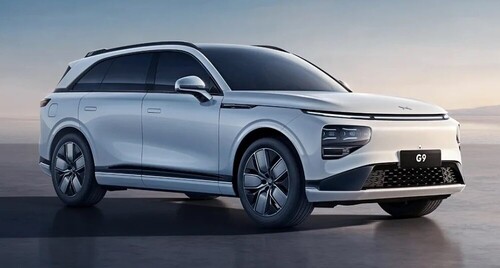
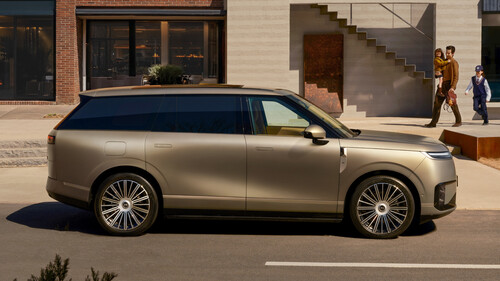
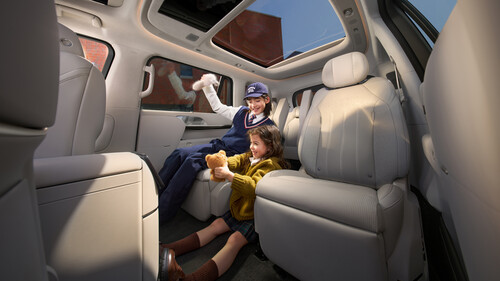
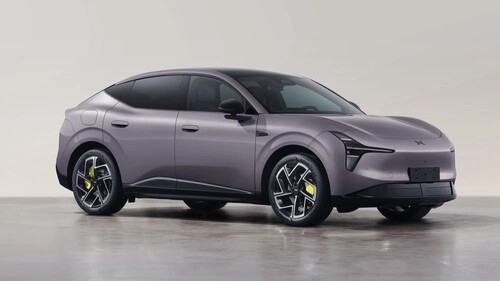
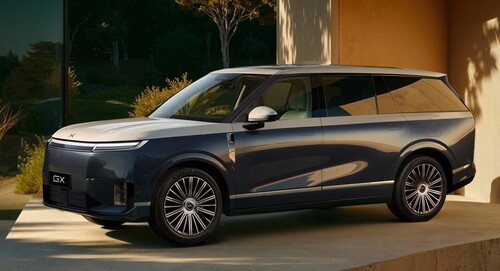
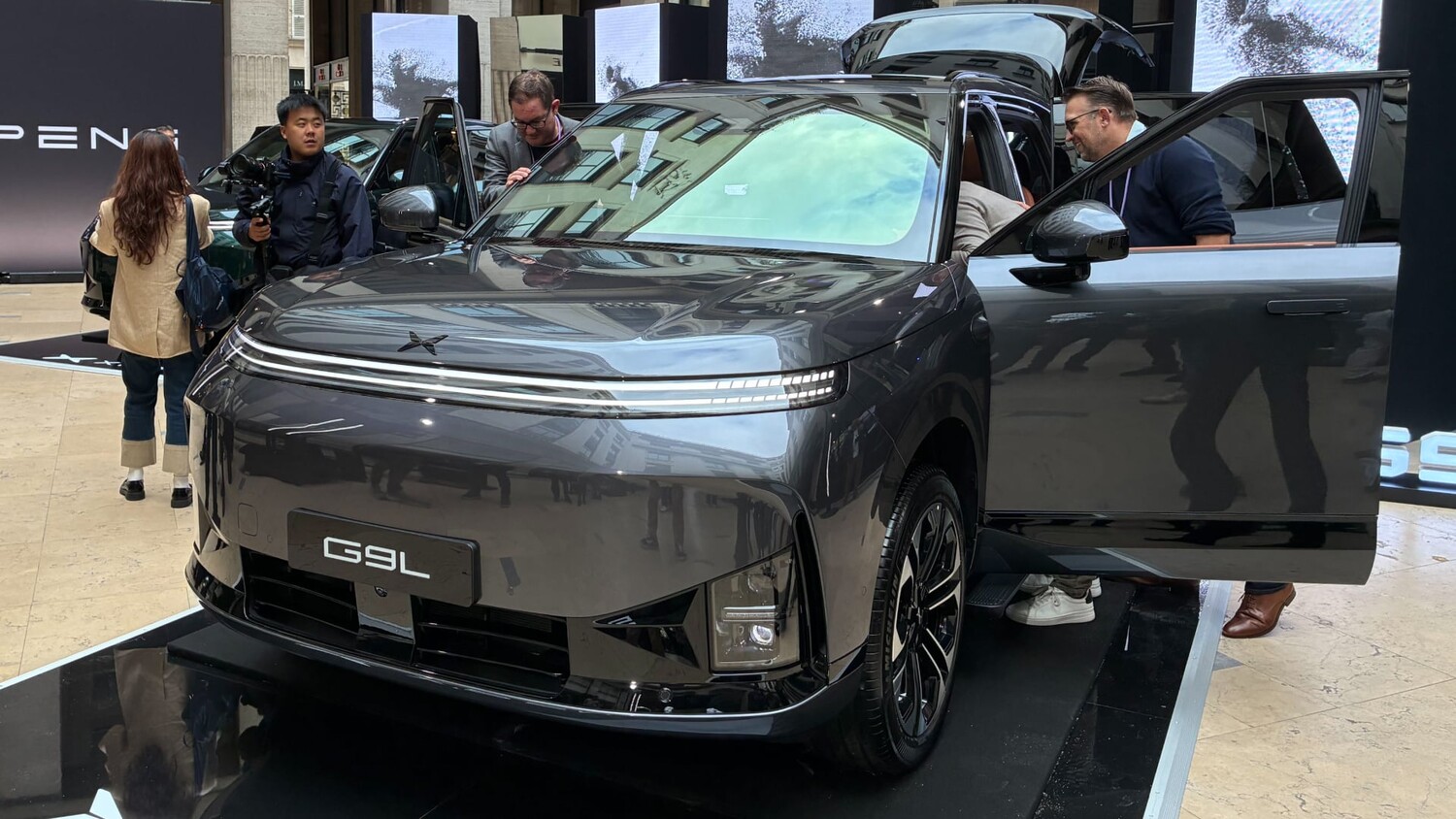
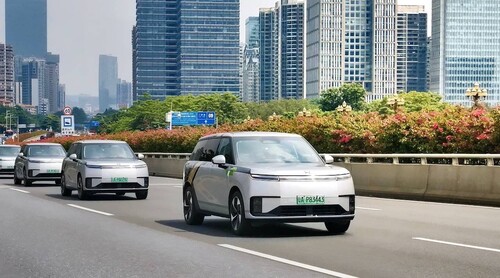
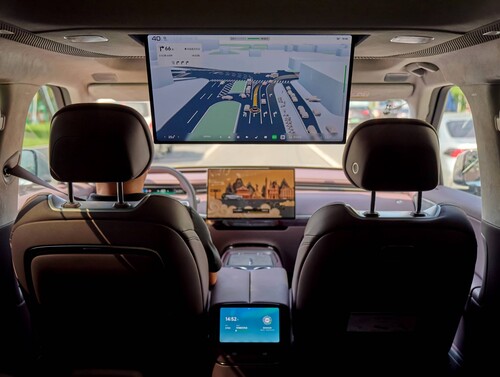
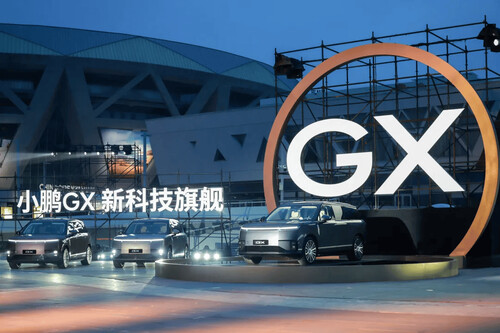
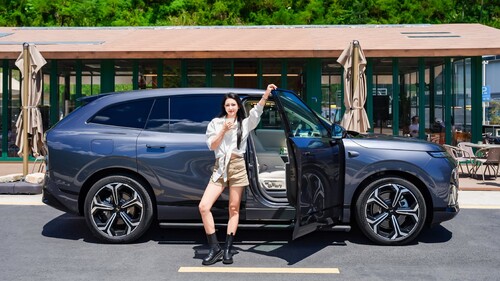
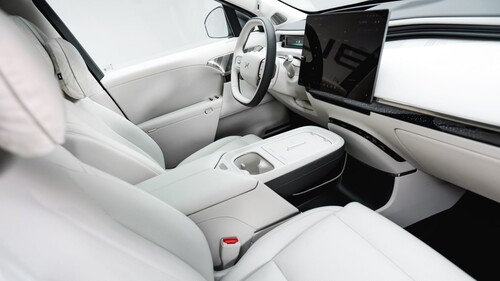
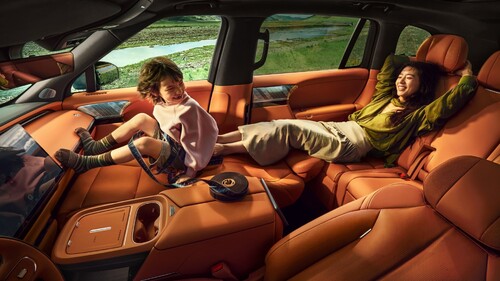
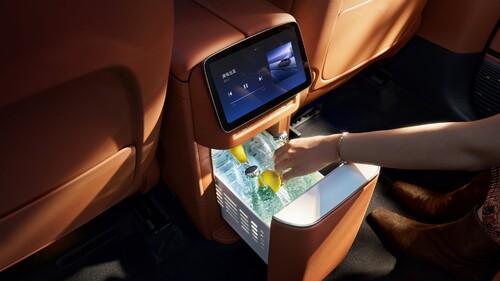
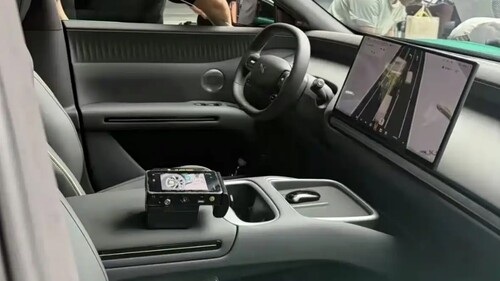
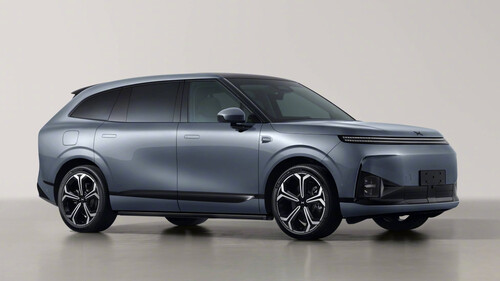
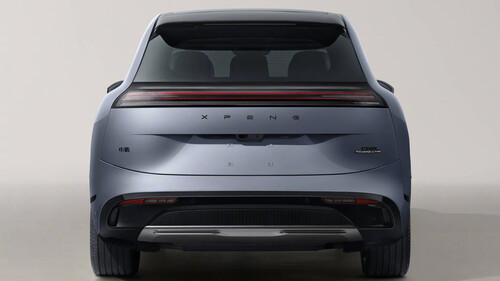
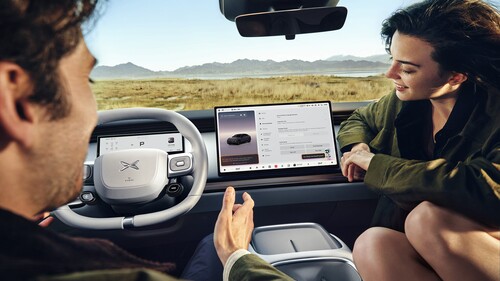
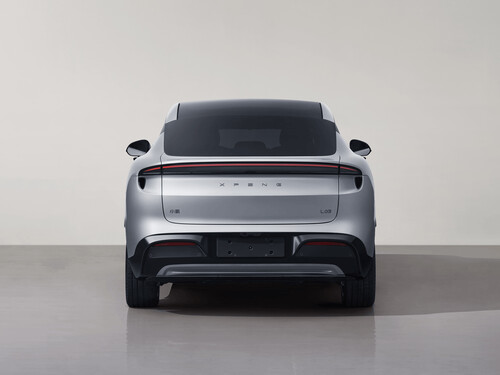
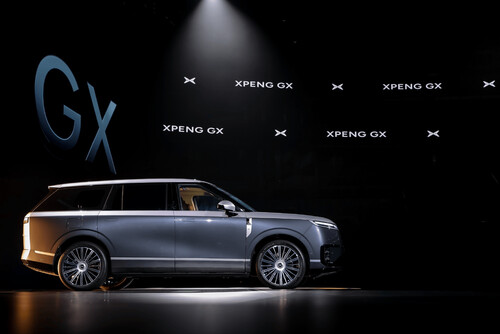
Gasgoo Munich- XPENG Motors began pre-sales of its first full-size flagship SUV, the XPENG GX, on April 15, 2026, priced at 399,800 yuan. The new model is available in two powertrain types: pure electric and extended-range. The pure electric all-wheel-drive version has a CLTC range of 750 km, while the extended-range version offers 430 km of electric-only driving and a total range of 1,585 km.Image Source: XPENG MotorsFeaturing L4-native architecture, a steer-by-wire chassis, aviation-grade redundant safety, and technology derived from robotaxis, the XPENG GX sets new standards for the full-size flagship SUV segment.Safety System: From Passive Protection to System RedundancyCurrent industry standards prioritize passive safety with basic active features as a supplement, yet risks of single-point failures in high-level autonomous driving scenarios remain. The XPENG GX addresses this with a three-layer safety system: passive, active, and redundant.Regarding passive safety, the GX uses 16,000-ton mega-casting for front and rear structures. It passed the industry’s first 720-degree, five-stage continuous collision test with a five-layer protection design. The vehicle is equipped with 11 airbags, including a 41-liter three-chamber far-side airbag for the front row and side curtains covering all three rows that maintain pressure for up to six seconds.For active safety, the Automatic Emergency Braking (AEB) system can stop the vehicle from 150 km/h. The Automatic Emergency Steering (AES) functions at up to 130 km/h, even on low-friction icy roads. A driver monitoring system operates during highway autonomous driving; if it detects an issue, the system activates hazard lights, brakes gently, changes lanes, pulls over, and calls for help.Image Source: XPENG MotorsRedundant safety is a key feature. The GX introduces aviation-grade, six-domain redundancy covering steering, braking, drive, communication, power, and unlocking. The steer-by-wire system has quadruple backups, allowing a safe roadside stop even if three systems fail. The braking system has fourfold redundancy, capable of stopping the car if a hydraulic line fails or the pedal malfunctions. The drive system offers dual redundancy, with a second motor engaging within 1 millisecond if one fails. These designs meet the stringent requirements for system failure probabilities in L4 autonomous driving.Measuring 5,265 mm long, 1,999 mm wide, and 1,800 mm tall with a 3,115 mm wheelbase, the GX’s dimensions support its safety layout. Full-length side curtains cover all three rows, addressing the issue where third-row passengers in full-size SUVs are in a "blind spot" for passive safety.Handling and Space: Benefits of Steer-by-Wire Chassis LayoutXPENG’s system uses a native steer-by-wire chassis designed for the AI era. The core control unit is the X-VMC intelligent motion control system, which integrates steer-by-wire for front and rear wheels, brake-by-wire, an AI suspension, and an intelligent AWD system.The front steer-by-wire system achieves a variable ratio: 7:1 at low speeds, requiring 0.6 turns lock-to-lock, and 15:1 at high speeds. Removing the steering intermediate shaft eliminates the risk of chest injury from the steering column during extreme collisions and increases cabin space. Rear-wheel steering reduces the turning radius to 5.4 meters—smaller than an A0-class sedan—allowing a U-turn on a two-lane road. The braking distance from 100 km/h is 34.4 meters, ranking it among the top full-size six-seater SUVs.Data from the X-VMC system indicates a 50% reduction in trajectory deviation during AES obstacle avoidance on ice and a 20% faster collision response time. It maintains stability at speeds up to 180 km/h during a high-speed tire blowout and improves yaw stability by 40% on icy surfaces.Image Source: XPENG MotorsHandling logic is linked to spatial design. By removing mechanical steering links and using 16,000-ton die-casting, the GX eliminates the extended engine bay layout of the internal combustion era and the rear floor hump. The result is first- and second-row space comparable to D-segment luxury sedans, while the third row offers 0–180° electric backrest adjustment and full recline. The trunk holds 673 liters—enough for six 24-inch suitcases when fully occupied—along with 62 storage spaces throughout the cabin. The GX is the world’s only large six-seater SUV with electric three-row folding; the third row supports 50:50 independent stowage, switching between 4/5/6 seat modes. These spatial gains result from the steer-by-wire chassis and integrated die-casting.Intelligent Driving & Cockpit: Robotaxi Technology Transfer and Smart Home IntegrationThe XPENG GX is China’s first mass-production vehicle with full-stack, in-house developed hardware typically used in robotaxis, applying robotaxi-level driving capabilities to mass-market cars.Image Source: XPENG MotorsRegarding computing power, it features up to 3,000 TOPS of effective compute. This provides the capacity for physical-world AI algorithms, multi-sensor fusion perception, and real-time decision-making in traffic.For software, the second-generation VLA model supports campus navigation and obstacle avoidance in heavy rain, dense fog, or low light. VLA and VLM (Vision Language Model) have cross-domain fusion, enabling voice-controlled driving. Users can command the car to turn or accelerate, or use vague instructions like "park near the elevator." The second-generation VLA supports autonomous parking in highway service areas without human intervention.The cockpit features an on-device VLM large model, supporting local natural language dialogue, including searches for vague locations and complex route selection. AI digital projection headlights communicate with the outside world through light patterns, signaling lane changes or yielding to pedestrians.The transfer of driving capabilities integrates with the cockpit's "Smart Home 2.0" features. These include an AI antibacterial, dual-door, dual-zone fridge; AI-dimming privacy glass; a "soft wind" central air conditioner; a 33-speaker, 2,032-watt sound system; and a 21.4-inch 3K rear screen. These systems share the same AI foundation as the driving technology. Dimming glass adjusts to light, the AC directs airflow based on occupant position, and seats adjust by linking with the VLM. Architecturally, the autonomous driving and cockpit systems share perception, computing, and execution chains.In summary: The XPENG GX’s strategy avoids the traditional luxury SUV focus on configuration stacking. Instead, it uses features like L4-native design, steer-by-wire chassis, aviation-grade redundancy, and robotaxi technology transfer. The pre-sale price of 399,800 yuan places this technology combination below 400,000 yuan.Competitors include the Li Auto L9, AITO M9, and NIO ES8. The GX differentiates itself with a "built for the L4 era" technical framework, establishing a new value system centered on underlying technology. The industry race in full-size SUVs is shifting from surface-level specifications like screens, seat materials, and fridge volume to underlying technologies like steer-by-wire chassis, redundant safety, and autonomous driving compute. This shift leads to a reconstruction of the vehicle's electronic-electrical architecture, control logic, and safety systems.