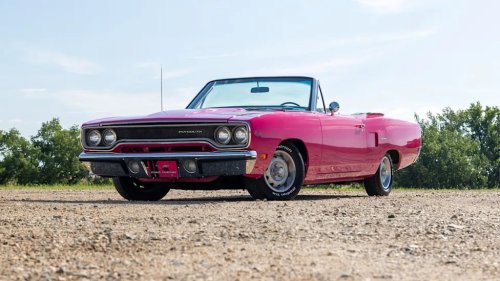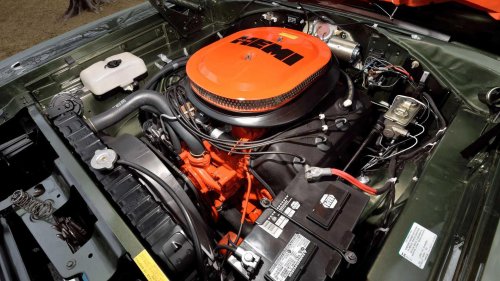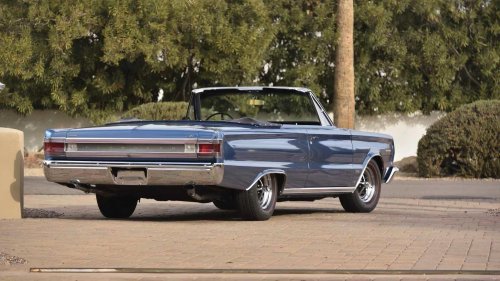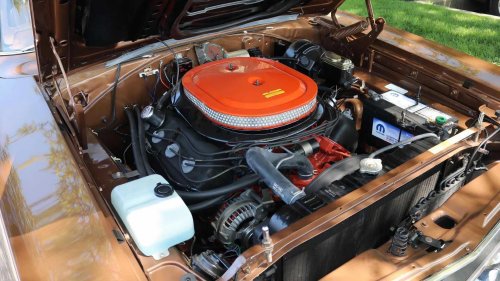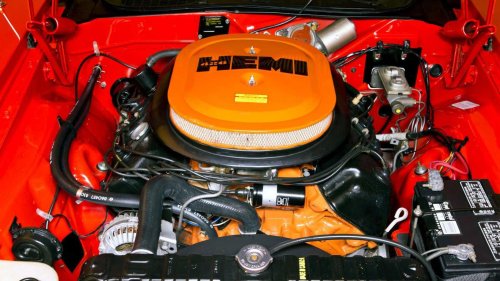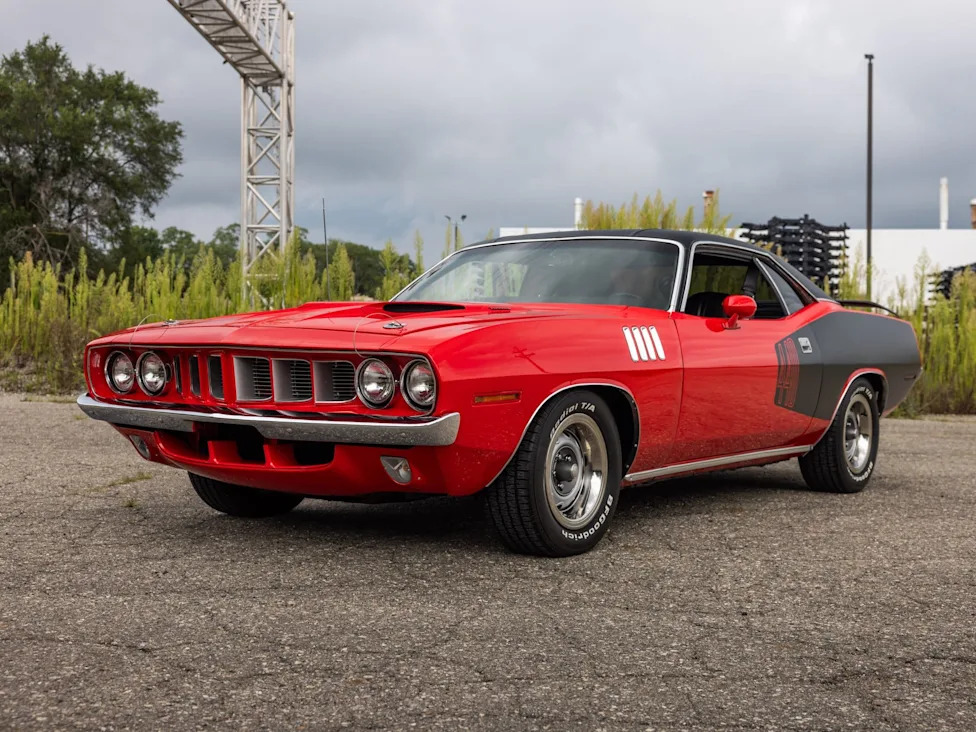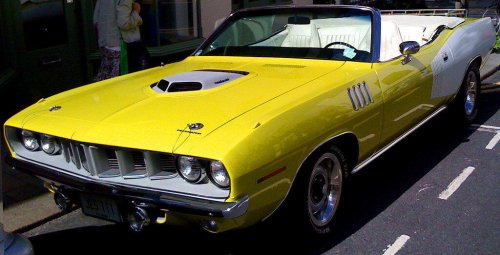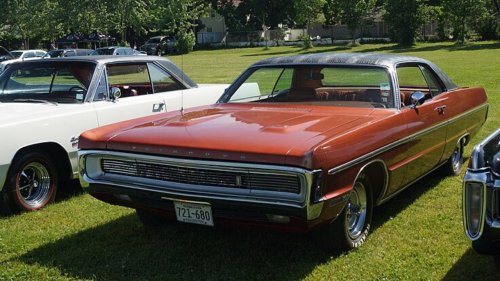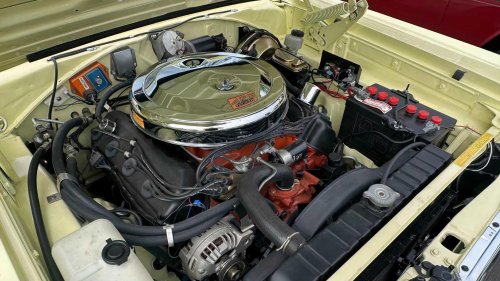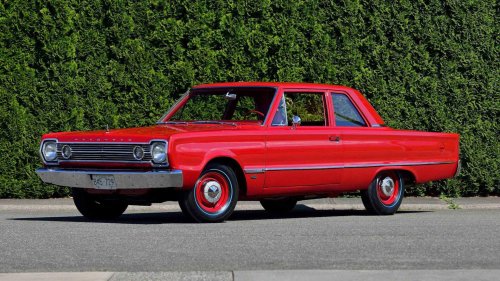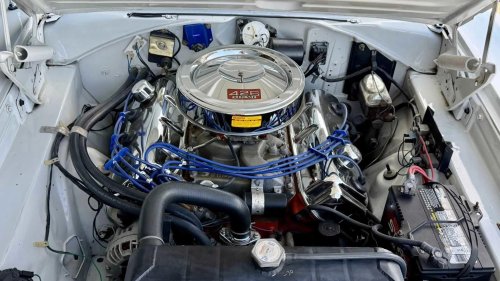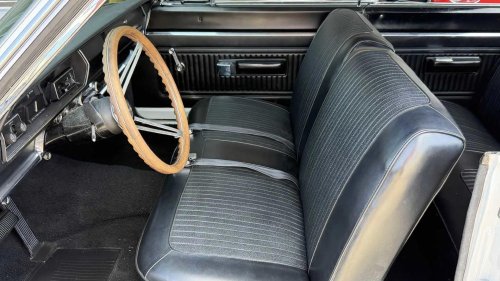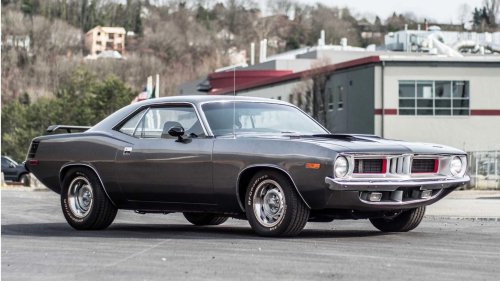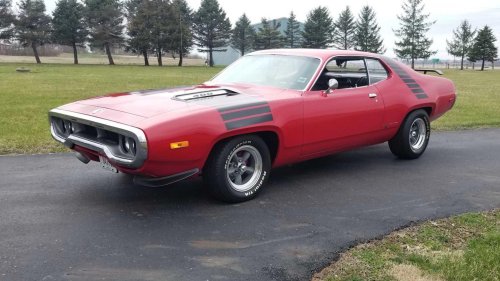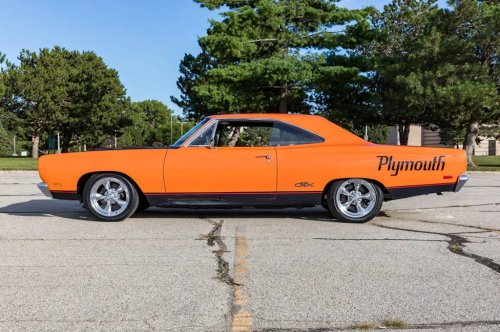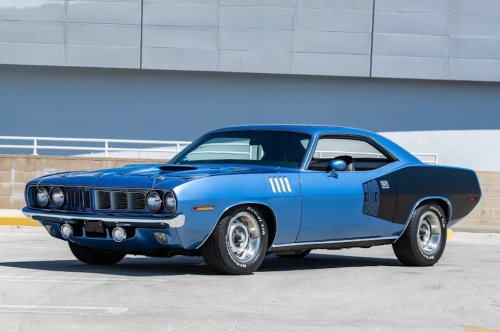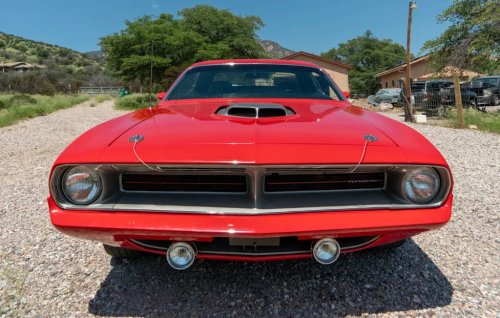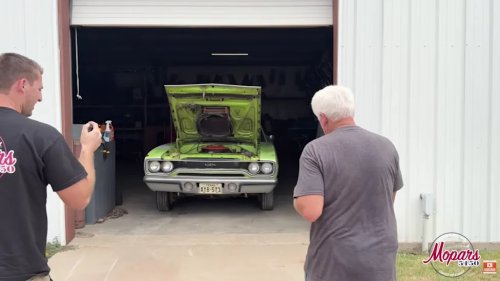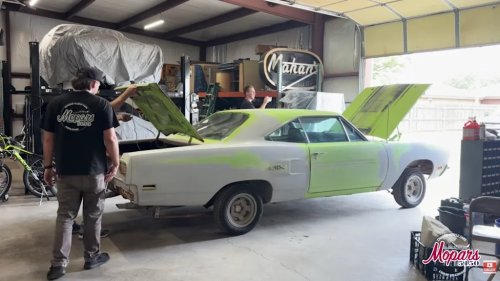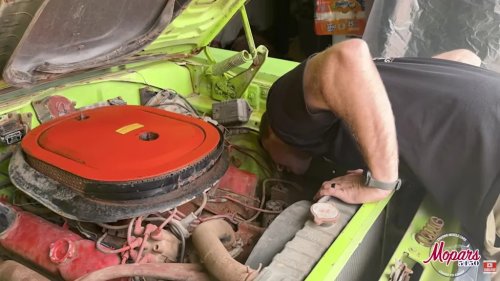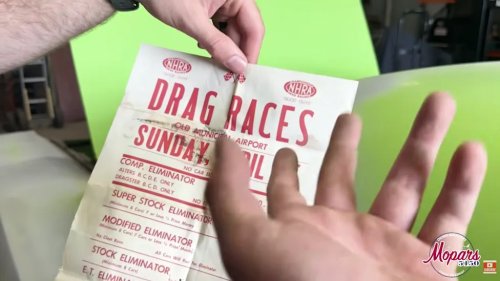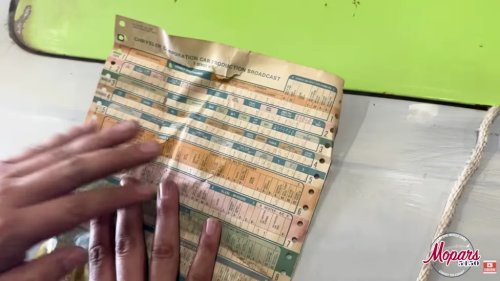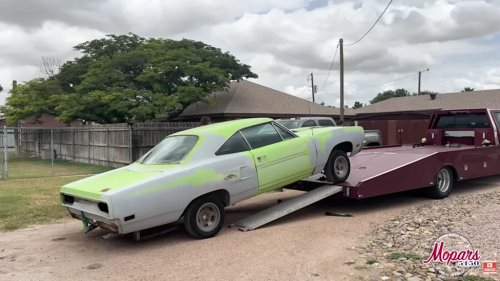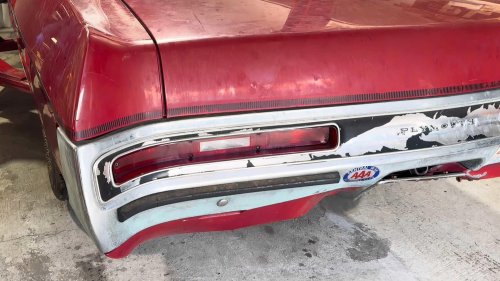
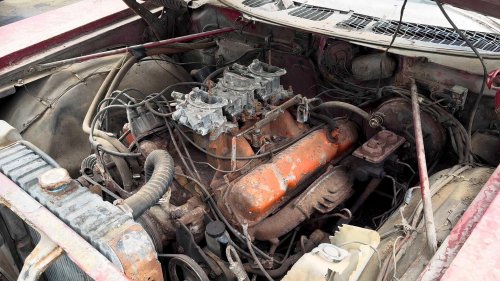
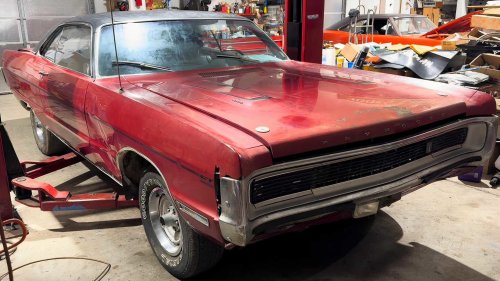
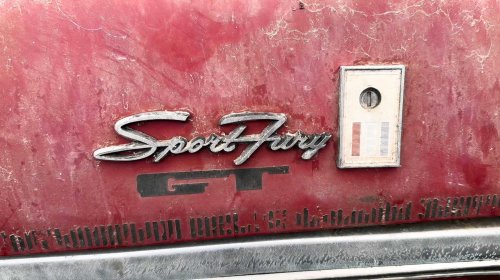
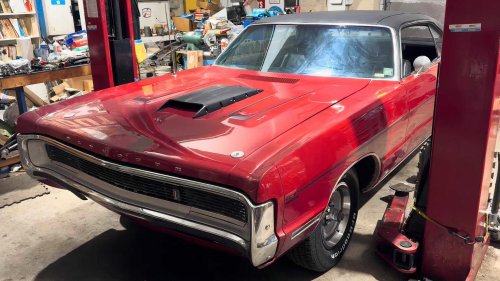



















Ask folks to name a classic Mopar legend and many of them will immediately point to the venerable Hemi ‘Cuda. For model-years 1970 and ‘71, Plymouth’s third-gen Barracuda was blessed with the legendary 426 Hemi as a top-tier engine option, thus giving birth to a true icon of muscle car culture. With 425 horsepower (SAE gross) and 490 pound-feet of torque ready to rock, the big-block V8 was an absolute monster capable of sending the ‘Cuda from zero to 60 mph in a little over five seconds. But what sat below the hood wasn’t the only thing that made Plymouth’s muscle car so appealing. The Stuff Of Mopar Fans’ Wildest Dreams Rocket Restorations/YouTubeIts cult classic aura is also warranted by rarity, as these Hemi-powered Barracudas are far from easy to get your hands on. Even if you do manage to find one of only 652 hardtops and 14 convertibles produced for the model-year 1970, or perhaps a 1971 variant of which 114–119 copies are believed to exist, you’ll need high-end supercar money to make it your own. We’re talking millions for the ultra-rare convertibles and anywhere between $300,000 to $900k for the more common hardtops, which is absolutely wild by every metric. For instance, a manual 1971 convertible restored to perfection was sold for a mind-blowing $3.5 million at Mecum Seattle in 2014. Another went under the hammer at $3.3 million earlier this year. So, the old Hemi ‘Cuda is clearly in a league of its own when it comes to collectability. Blurring The Line Between Luxury And Muscle Rocket Restorations/YouTubeBut what if we told you there’s an even rarer Plymouth muscle car that everyone seems to have forgotten about? It’s arguably just as interesting as the ‘Cuda in many regards, but more of a short-lived oddball experiment that took place at the tail end of American muscle’s golden days.In 1970, the segment was at a point where manufacturers would happily implement some wild ideas, and Plymouth was wondering what might happen if it dropped a nice bit of big-block Mopar goodness into a full-size luxury coupe. The result would be a sleeper, ready to surprise with its capabilities instead of visually betraying its intentions for everyone to know what it’s up to. Meet The Quintessential Mopar Unicorn Rocket Restorations/YouTubeYou’d think Plymouth didn’t need another performance model, since its lineup already had the Road Runner and GTX besides the legendary ‘Cuda. Still, the idea of taking a full-size car based on Chrysler’s C-body platform and turning it into a true performance weapon was too tempting.That’s how the Sport Fury GT 440-6 came to be, and its existence manages to baffle gearheads to this very day. Sure; the Fury nameplate had been associated with performance before, but that was no longer the case by the late sixties. Plymouth had shifted its muscle car aspirations to the B-body platform used by the Road Runner and its GTX sibling, so the C-body Sport Fury GT from 1970 was an unexpected entry, for sure. 440-6 Specifications That numerical “440-6” designation refers to the hardware occupying its engine bay: a 440-cube Six-Barrel V8 known as the Six Pack in Dodge terminology. It came with triple Holley two-barrel carbs and a very healthy 390 hp, as well as truckloads of torque peaking at 490 lb-ft. That, right there, is just as much twisting force as you’d get from the glorious 426 Hemi, so the Fury GT 440-6 was capable of serious acceleration despite weighing more than 4,000 pounds. According to Mopar Connection Magazine, the GT Six-Barrel could go from zero to 60 mph in 6.6 seconds, while completing the quarter-mile sprint in 14.7 ticks. A Wolf In Sheep’s Clothing Rocket Restorations/YouTubeAnd aside from that sweet Six-Barrel engine option, the A52 package offered on the Sport Fury GT also included several chassis upgrades. Among them were 11-inch heavy-duty drum brakes, a front sway bar and stiffer suspension, as well as Rallye wheels measuring 15 inches in diameter and six inches in width. Dual exhausts and a high-flow intake manifold were on the menu, too, together with a heavy-duty driveshaft and rear axle.All these goodies turned the luxury-oriented Fury into a fully-fledged muscle car, but one dressed in a tuxedo rather than a tank top and cargo shorts. As intriguing as it might seem on paper, though, buyers didn’t really know what to make of it and few ended up choosing the GT over Plymouth’s other performance models.So, those who sought muscle were inclined to look elsewhere, while the full-size luxury coupe crowd didn’t quite resonate with the whole Six-Barrel affair. The timing only added insult to injury, as entering the muscle car segment in 1970 was the same as turning up to a party one hour before it ends. Not long after the Sport Fury GT 440-6 made its debut, the whole scene it became part of started going downhill at lightning speed. Insurance premiums on big-blocks rolled in and tighter emissions regulations were doing a number on compression ratios and performance. Plymouth’s full-size beast was pretty much doomed to fail right from the get-go. Very few copies left the assembly line in this configuration, making it one of the rarest Mopar unicorns in existence. Redefining What “Rare” Actually Means Rocket Restorations/YouTubeOnly 66 units were ever produced, and it’s unclear how many of them have survived until the present day, which means they’re almost impossible to come by. Hemi ‘Cudas numbering hundreds seem plentiful by comparison, and one can only imagine the sort of cash that a GT 440-6 might command at auction. Indeed, these things are so rare that there are no actual records we can refer to at this time, but it’s worth mentioning the fairly recent barn find which made Mopar aficionados weak at the knees. A Sport Fury Six-Barrel was rescued in 2025 after collecting rust and grime for well over four decades.It’s seen better days, for sure, but Tom Hergert and his team over at Rocket Restorations in Olympia, Washington are having it resurrected back to its former glory. We honestly can’t wait to see the outcome, because it’s sure to be a genuine treat for those with even a passing interest in old-school American muscle.Road Runners, ‘Cudas and the prestigious GTX are all undeniably cool, yet the Plymouth Sport Fury GT 440-6 is in a league of its own in terms of scarcity and potential interest from collectors. We look forward to the day when one such specimen will hit the auction block, because it’ll be fascinating to see just how much cash people are prepared to throw at it.