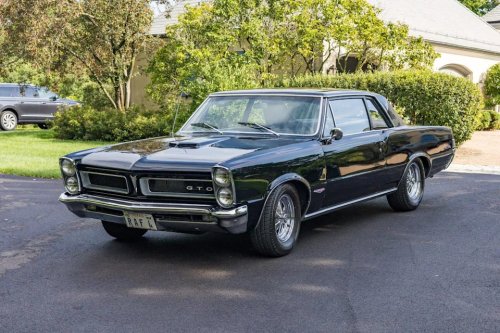
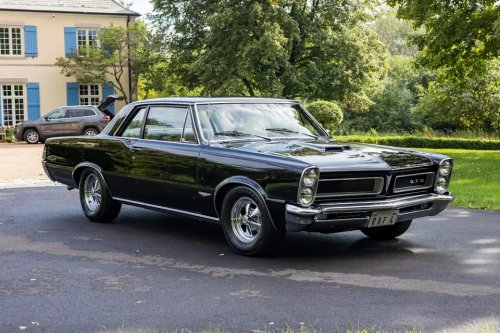
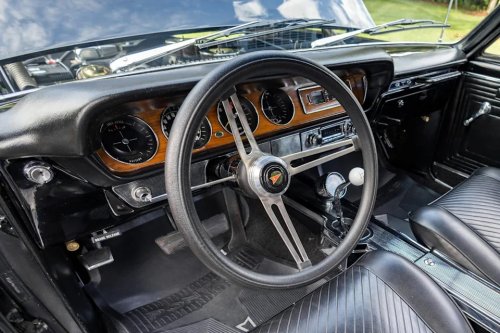
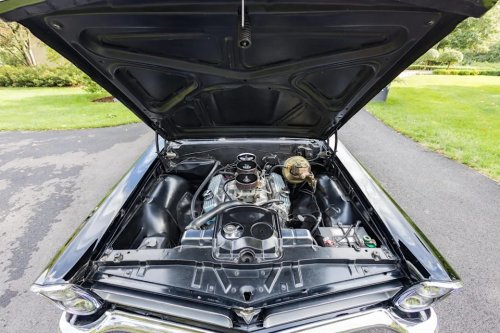
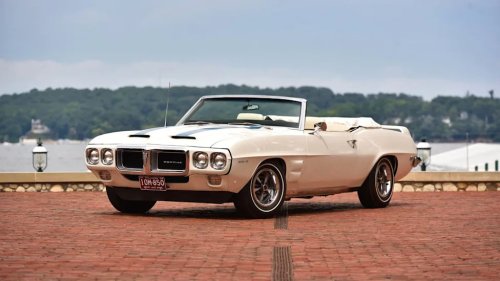
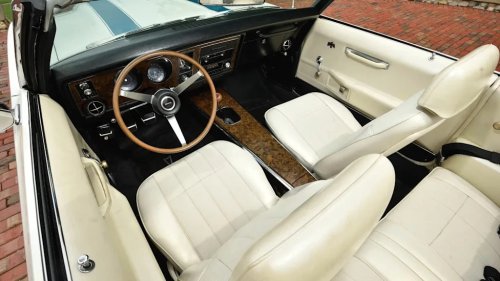
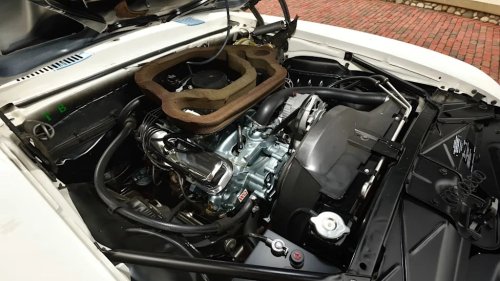
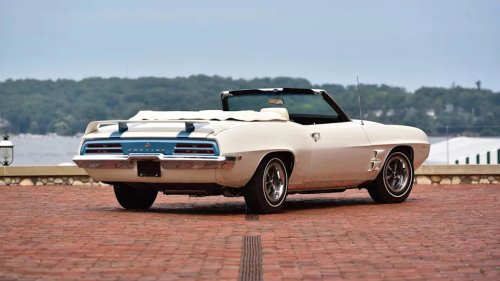
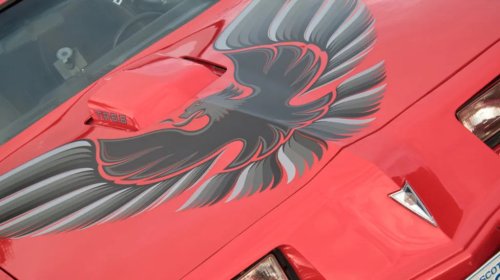
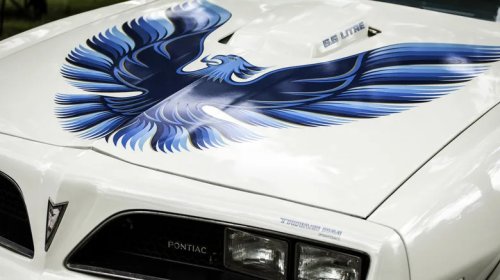
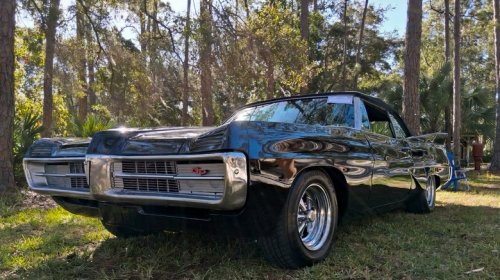
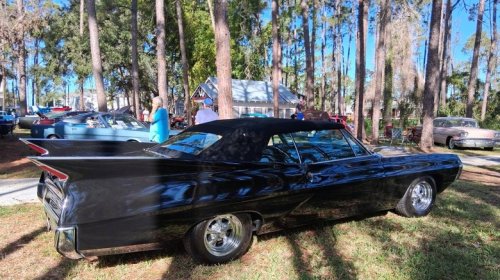
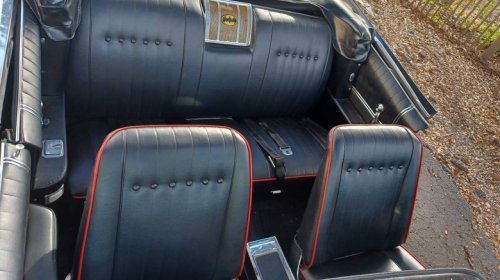
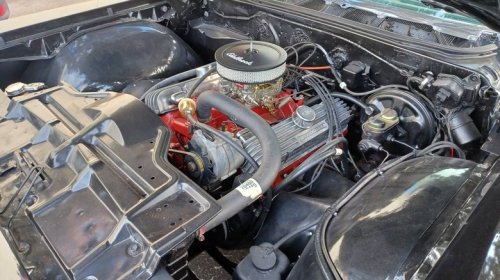
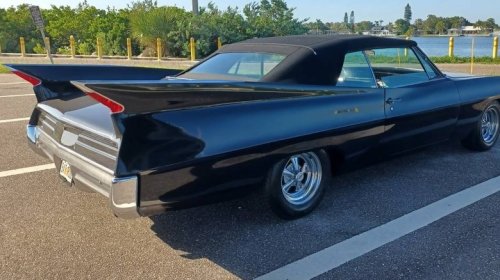
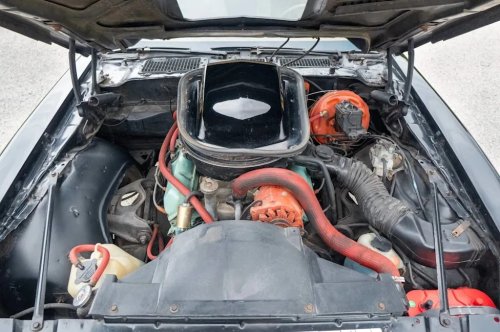
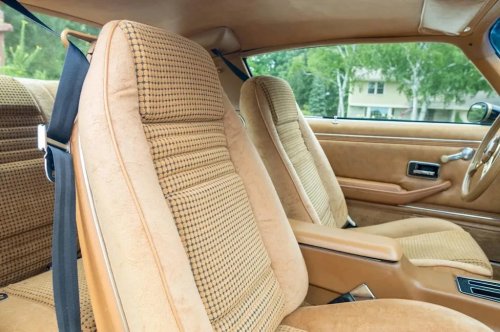
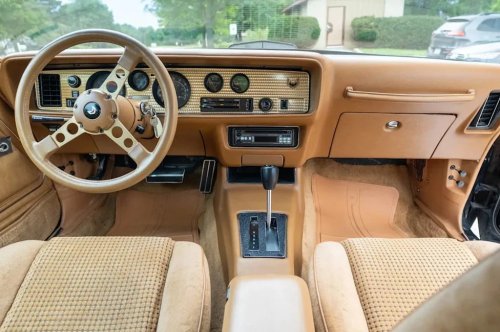
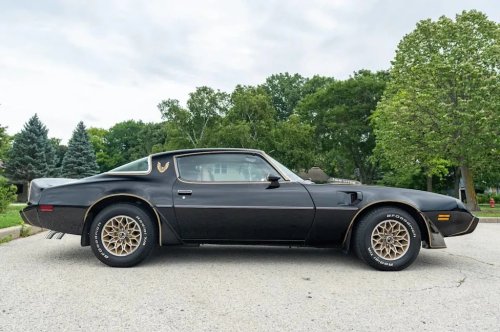
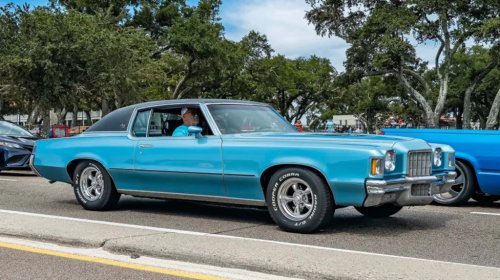
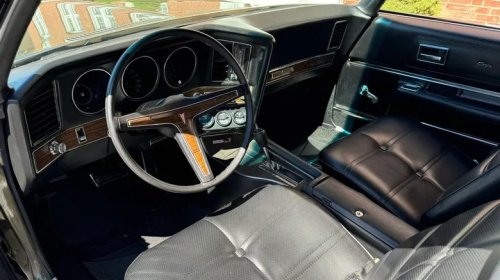
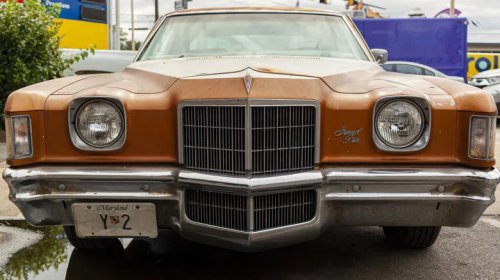
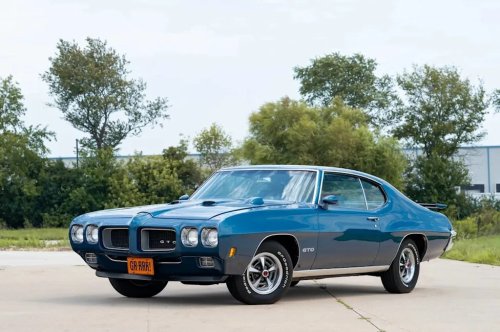
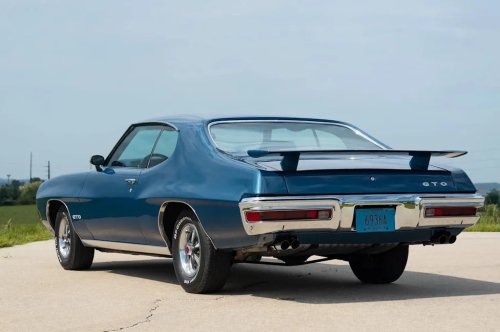
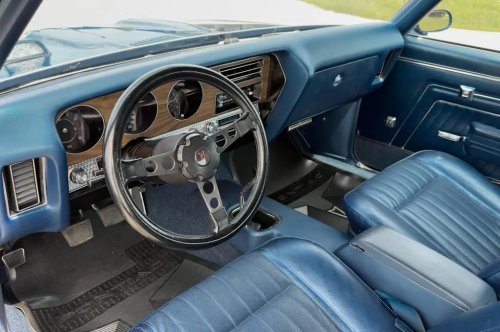
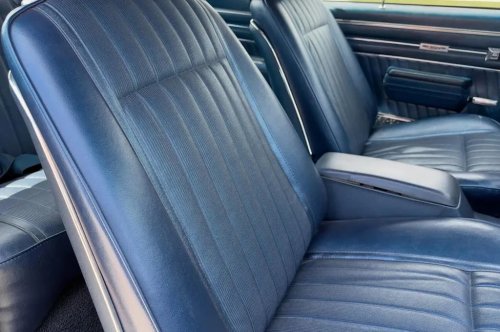
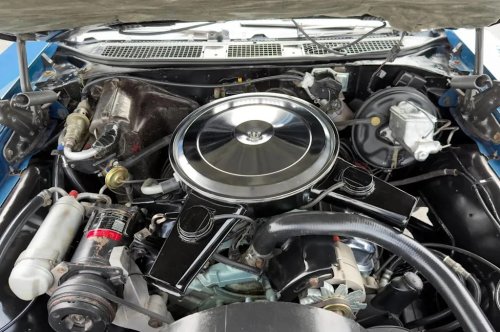
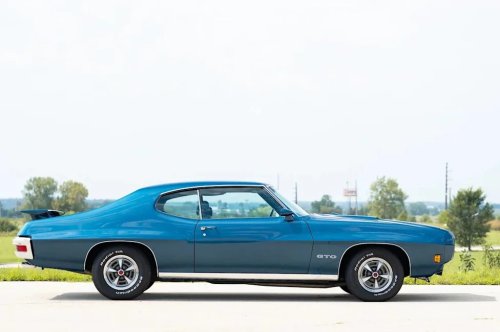
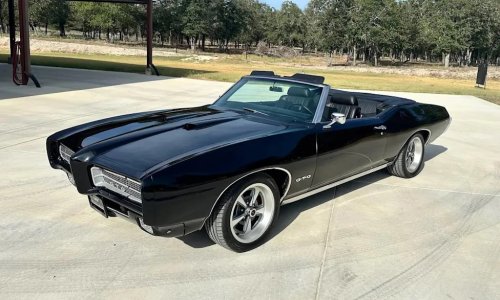
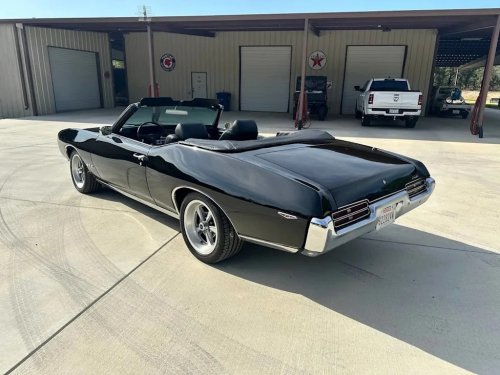
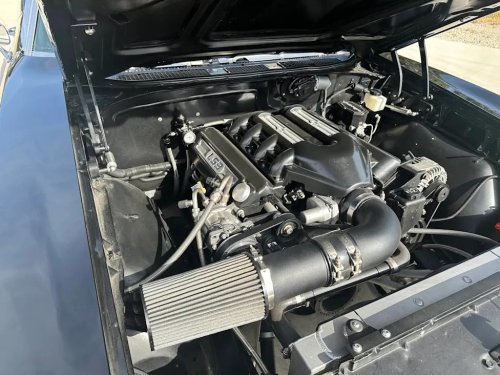
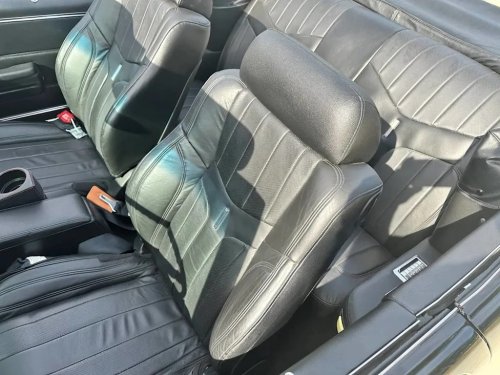
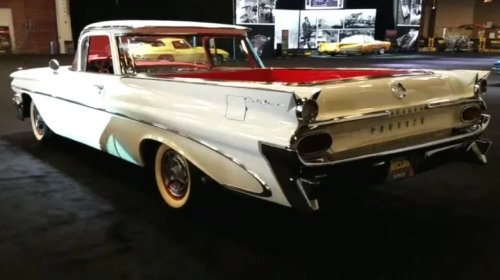
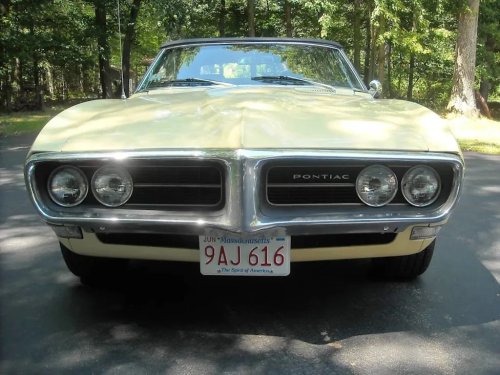
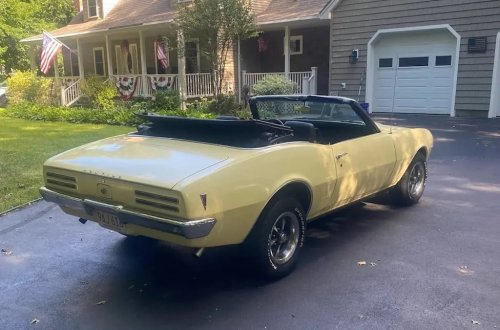
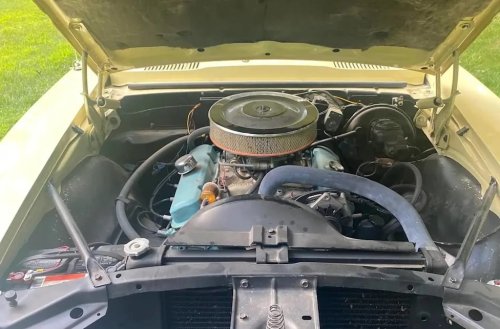
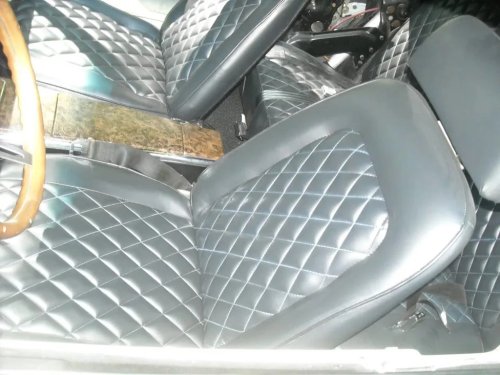
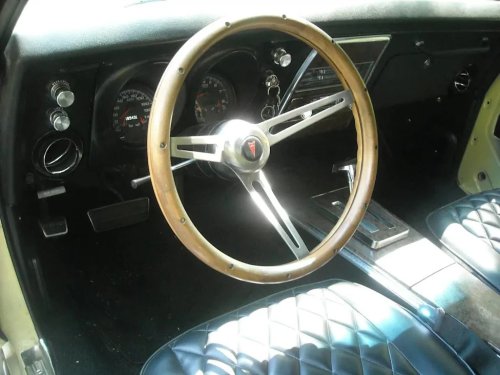
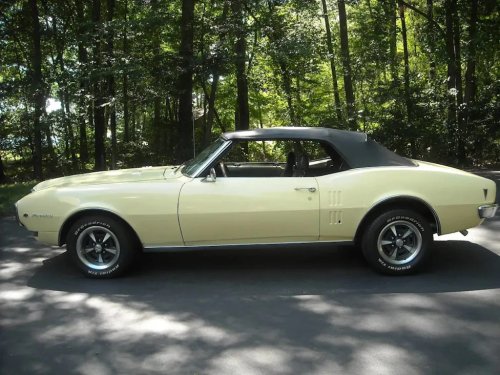
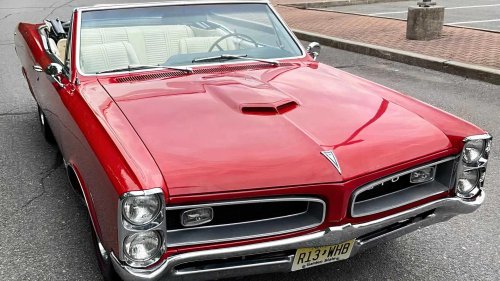
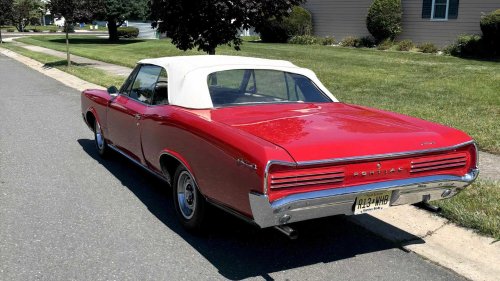
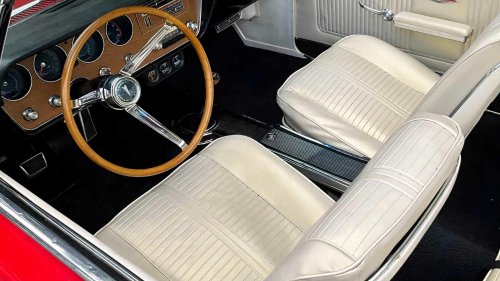
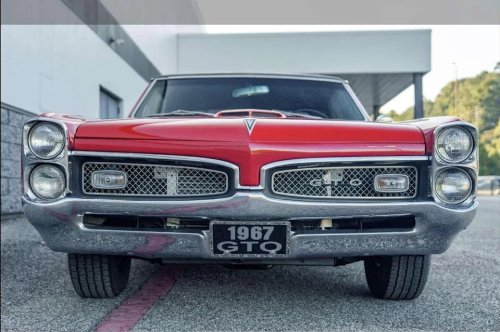
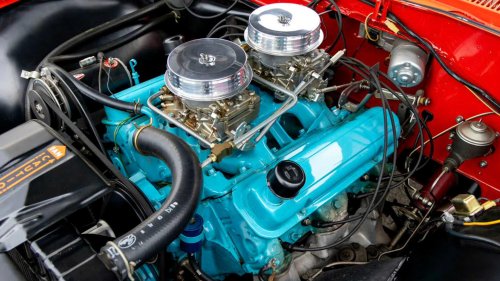
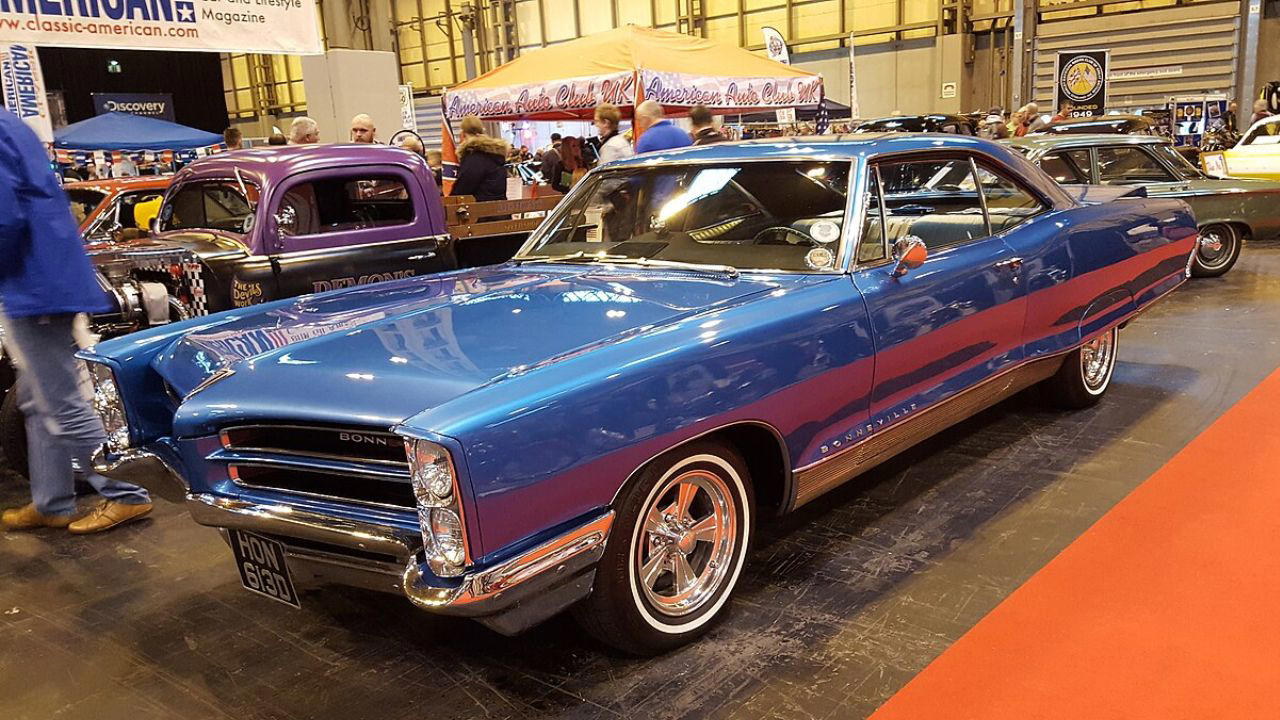
Pontiac’s 1966 Bonneville delivered full-size muscle with 0–60 mph near 7 secondsThe 1966 Pontiac Bonneville stands as a remarkable blend of full-size elegance and muscle car performance, with its powerful V8 engine enabling impressive acceleration times. This iconic vehicle not only captured the spirit of its era but also set a benchmark for full-size cars in terms of speed and style. The Pontiac Bonneville Legacy The Pontiac brand has carved a significant niche in American automotive history, renowned for producing vehicles that balance performance and style. Founded in 1926, Pontiac quickly gained a reputation for offering sporty cars that appealed to a younger demographic. The introduction of the Bonneville in 1957 further elevated Pontiac’s status, establishing it as a full-size luxury car that didn’t shy away from performance. By the time we reached the mid-1960s, Pontiac had firmly planted its flag in the muscle car movement, with the 1966 Bonneville serving as a prime example of this evolution. The 1966 Bonneville was a culmination of Pontiac’s design and engineering efforts, showcasing the brand’s commitment to performance without sacrificing comfort and luxury. Its evolution from the original Bonneville, which had a more understated design and performance profile, marked a shift towards more aggressive styling and powerful engines. The 1966 model featured unique characteristics, like its elongated body lines and distinctive front grille, which set it apart from other full-size cars of the time, making it a symbol of American automotive ingenuity. The Powertrain of the 1966 Bonneville At the heart of the 1966 Pontiac Bonneville was its formidable powertrain, which included several V8 engine options. The standard engine was a 389-cubic inch V8, generating a respectable 325 horsepower. For those seeking even more power, Pontiac offered an optional 421-cubic inch V8 engine that produced an impressive 376 horsepower. This selection of engines allowed drivers to tailor their Bonneville to their performance preferences, whether they sought a smooth ride or a more thrilling driving experience. The torque figures of the 1966 Bonneville were equally impressive, peaking at over 400 lb-ft, which contributed to its acceleration and overall performance. Coupled with a choice between a three-speed Turbo-Hydramatic automatic transmission or a four-speed manual transmission, the Bonneville provided a driving experience that could be both refined and exhilarating. The sophisticated engineering behind the transmission options allowed drivers to harness the power of the V8 effectively, enhancing the car’s acceleration and making it a formidable competitor on the road. This combination of power and engineering excellence was instrumental in establishing the Bonneville as a leader in the full-size car segment. Performance Metrics: 0–60 mph in Near 7 Seconds The 1966 Pontiac Bonneville was not just about luxury; it delivered impressive performance metrics, achieving 0–60 mph in nearly 7 seconds. This was a remarkable feat for a full-size car of its time, especially when compared to contemporaries like the Chevrolet Impala and the Ford Galaxie, which often lagged behind in acceleration. The Bonneville’s performance was bolstered by its powerful V8 engine, lightweight chassis design, and aerodynamic body shape, which together optimized acceleration and handling. Factors influencing the Bonneville’s 0-60 mph time included its weight distribution and aerodynamics. Weighing in at around 3,800 pounds, the Bonneville was lighter than many of its competitors, which contributed to its sprightly performance. Automotive tests from publications like Car and Driver highlighted its ability to compete effectively in a crowded market where speed was an essential selling point. Anecdotes from automotive enthusiasts often recount the thrill of driving a Bonneville and the surprise it evoked from those who expected a full-size car to be more leisurely. Design and Aesthetic Appeal The exterior styling of the 1966 Bonneville was a striking blend of elegance and muscularity. Featuring long, sweeping lines, a prominent front grille, and distinctive headlights, the Bonneville turned heads wherever it went. Color options were plentiful, with shades like “Regimental Red” and “Bamboo Beige” adding to its visual appeal. The design team at Pontiac ensured that the Bonneville wasn’t just another full-size car; it was a statement on the road that exuded confidence and charisma. Inside, the Bonneville offered a luxurious experience, with plush seating, quality materials, and an array of features that catered to driver and passenger comfort. The interior was designed with attention to detail, featuring wood accents, spacious legroom, and an optional eight-track player, which was a novel entertainment feature for the era. This combination of style and comfort made the Bonneville a desirable choice for families and young professionals alike, solidifying its place in the market during the 1960s. The Bonneville and the Muscle Car Movement In the context of the 1960s muscle car landscape, the Pontiac Bonneville held its own against formidable competitors like the Ford Mustang and Chevrolet Chevelle. While many muscle cars were compact and designed for agility, the Bonneville presented a unique proposition as a full-size “sleeper” car. Its powerful engine and impressive acceleration capabilities allowed it to surprise competitors who underestimated its performance based solely on its size. Comparing the Bonneville to other muscle cars of the era highlights its distinctiveness. While cars like the Plymouth Barracuda and Dodge Charger focused on lightweight designs and nimble handling, the Bonneville offered a different flavor, combining luxury with muscle. It appealed to those who wanted a car that could comfortably transport a family while still providing the thrill of muscle car performance. In this regard, the Bonneville was not just a car; it was a versatile vehicle capable of meeting the diverse needs of its drivers. Collectibility and Market Trends Today, the 1966 Pontiac Bonneville is gaining traction in the collector’s market. Current market values for well-maintained models can range from $20,000 to upwards of $50,000, depending on factors such as mileage, condition, and original features. These values reflect a growing appreciation for classic cars that combine performance with historical significance. Enthusiasts are increasingly drawn to the Bonneville for its unique place in automotive history as a full-size muscle car that offered both style and speed. Factors contributing to its desirability include the nostalgia associated with the Pontiac brand, the rarity of certain models, and the increasing interest in classic muscle cars as investment opportunities. The Bonneville’s ability to stand out amongst other classic muscle cars makes it a sought-after addition to any collection. As the market for classic cars continues to evolve, the Bonneville’s status is likely to appreciate, especially among collectors who appreciate its performance pedigree and luxurious features. Maintenance and Restoration Tips Maintaining a 1966 Pontiac Bonneville requires a keen eye for detail and a commitment to preserving its unique characteristics. Common maintenance issues can include rust, particularly in areas prone to moisture accumulation, and engine wear due to age. Regular checks of the engine oil, transmission fluid, and coolant levels are essential for keeping the car running smoothly. Additionally, it’s crucial to inspect the brakes and suspension components regularly to ensure safety and performance. For those looking to restore a 1966 Bonneville to its original glory, sourcing authentic parts can be a challenge. Thankfully, there are several resources available, such as online communities and forums dedicated to Pontiac enthusiasts. Websites like AutoEvolution provide valuable insights into restoration projects and can connect enthusiasts with suppliers of hard-to-find parts. Engaging with local car clubs can also provide support and guidance on restoration efforts, allowing owners to share experiences and resources. The Future of the Pontiac Bonneville Legacy As time moves forward, the legacy of the Pontiac Bonneville is remembered fondly by car enthusiasts and collectors alike. The model has made its mark on automotive culture, often referenced in discussions about classic cars that encapsulated the spirit of the 1960s. With modern muscle cars drawing inspiration from their classic counterparts, the Bonneville serves as a reminder of an era when performance and style were paramount. The appreciation for classic models like the Bonneville continues to grow, especially as younger generations discover the joys of vintage automobiles. The potential for future appreciation in value is promising, as collectors seek out models that offer a unique blend of history and performance. With the right care and attention, the Pontiac Bonneville will not only remain a cherished classic but also continue to inspire admiration in automotive culture for years to come. More from Fast Lane OnlyUnboxing the WWII Jeep in a Crate15 rare Chevys collectors are quietly buying10 underrated V8s still worth hunting downPolice notice this before you even roll window down



















 +28 others