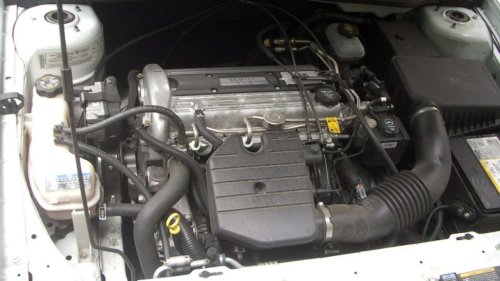
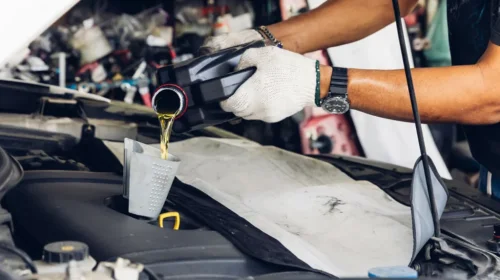
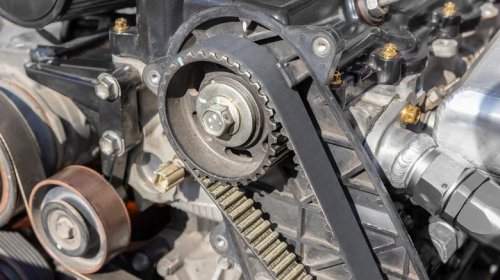
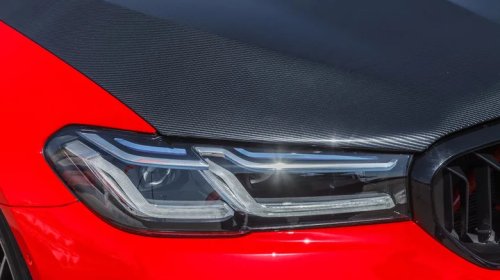
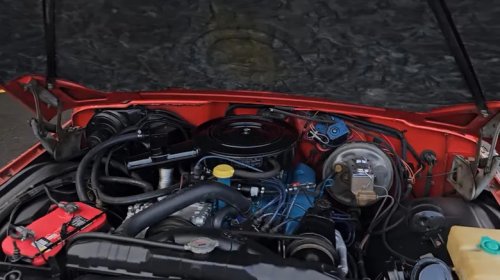
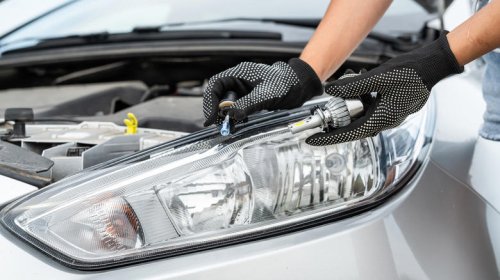
Modern cars are engineered to last longer than ever, yet some components still give up thousands of miles before drivers reasonably expect them to. When a transmission fails just outside warranty or an infotainment screen dies while the engine keeps humming, it rarely feels like bad luck. It feels like a pattern. I see those early failures as the product of design tradeoffs, cost pressures, and software complexity that quietly shift risk from manufacturers to owners. Understanding why certain parts wear out so quickly is the first step toward spotting weak links in a vehicle and pushing back when a “normal” repair bill is anything but. Design tradeoffs that quietly shorten component life Many premature failures start at the drawing board, where engineers are asked to hit aggressive targets for weight, efficiency, and cost. To meet those goals, they often specify thinner materials, tighter packaging, and more integrated assemblies that are harder to service. When a turbocharged four-cylinder is tuned to deliver the power of an older V6, for example, its pistons, bearings, and cooling system operate closer to their limits, which can accelerate wear if maintenance or driving conditions are less than ideal. Similar compromises show up in electric power steering units, compact dual-clutch transmissions, and downsized radiators that leave less margin when a vehicle tows or climbs in hot weather. Those choices are not inherently reckless, but they do narrow the safety buffer between normal use and early failure. When a plastic coolant fitting is chosen over a metal one to save weight and cost, it may survive lab testing yet become brittle faster in real-world heat cycles. When a sealed “lifetime” transmission is designed without a dipstick or easy drain, owners are less likely to change fluid, so any miscalculation in lubricant life shows up as shuddering or gear failure long before the rest of the car is worn out. In each case, the part did not simply “go bad”; it was designed with assumptions about how it would be used and maintained that do not always match reality. Cost cutting, supplier pressure, and the limits of quality control Even when a component is sound on paper, the way it is sourced and built can set it up to fail early. Automakers rely on sprawling supplier networks, and every contract negotiation pushes vendors to shave pennies off each part. That pressure can lead to subtle shifts in materials, coatings, or manufacturing processes that still meet the letter of a specification but erode durability in practice. A fuel pump that uses a slightly cheaper plastic for its impeller or a control module that swaps to a lower grade capacitor might pass initial testing, yet start failing in large numbers after a few years of heat and vibration. Quality control systems are designed to catch obvious defects, not long-term weaknesses that only appear after tens of thousands of miles. When a batch of airbags, ignition switches, or high-pressure fuel lines is built with a marginal process, the resulting failures often look random to individual owners even though they trace back to a single supplier decision. Recalls eventually address the most dangerous issues, but many lesser problems, such as peeling interior trim, corroding wiring connectors, or prematurely worn suspension bushings, never trigger formal action. Instead, they show up as a steady stream of out-of-pocket repairs that reflect the cumulative effect of cost cutting more than any one dramatic mistake. Image credit: Pixabay via Pexels Software, sensors, and the new weak links in modern cars As vehicles have become rolling computers, the parts most likely to fail early are often not mechanical at all. Infotainment screens, digital instrument clusters, and advanced driver assistance systems rely on complex software and a web of sensors that can be surprisingly fragile. A single failing camera or radar unit can disable adaptive cruise control or automatic emergency braking, while a corrupted software update can freeze a touchscreen or drain a battery overnight. These issues may not strand a car on the side of the road, but they can render key features unusable long before the engine or transmission shows any sign of age. Electronics also age differently from traditional hardware. Capacitors dry out, solder joints crack under thermal cycling, and connectors corrode in ways that are hard to predict in testing. When a body control module or airbag sensor fails, replacement often requires reprogramming and pairing with the vehicle’s security systems, which drives up repair costs. Over-the-air updates promise to fix bugs and improve features, yet they can also introduce new glitches that feel like premature failure even when no physical part has broken. For owners, the result is a car that still runs but behaves unpredictably, with warning lights, intermittent faults, and “ghost” problems that are difficult to diagnose and expensive to resolve. Maintenance myths, driving habits, and “lifetime” components Not every early failure is the manufacturer’s fault. The way a car is driven and maintained can dramatically change how long its parts last, especially now that many service intervals are stretched to look attractive on paper. Oil change schedules that once called for 3,000 or 5,000 miles have been extended to 10,000 miles or more, and some transmissions and differentials are marketed with “lifetime” fluid that is never supposed to be replaced. In practice, severe driving conditions such as short trips, heavy traffic, towing, or extreme temperatures can break those assumptions, leaving critical components operating with degraded lubrication or clogged filters far earlier than the brochure suggests. Driving style matters just as much. Aggressive acceleration, hard braking, and frequent high-speed runs put extra stress on brakes, tires, and driveline parts, while chronic short trips can prevent engines from reaching full operating temperature, which encourages carbon buildup and fuel dilution in the oil. When a turbocharger fails or a timing chain stretches at relatively low mileage, the root cause is often a mix of marginal design and real-world use that is harsher than the test cycle. Owners who follow only the bare minimum maintenance guidance, or who rely on generic quick-lube services that skip specialized fluids and filters, may find that “lifetime” parts have a much shorter life than expected. Planned obsolescence, repair barriers, and what owners can do There is a long-running debate over whether some early failures are accidental or a quiet form of planned obsolescence. Automakers publicly deny designing parts to fail on a schedule, yet they do make strategic decisions about how repairable a vehicle will be. Integrated headlight assemblies that require replacing an entire unit for a single LED, sealed transmissions without dipsticks, and glued-in infotainment screens all tilt the economics toward replacement rather than repair. When proprietary diagnostic tools and software locks restrict who can service a car, even simple fixes can turn into dealership-only jobs that cost more than the underlying part. Owners are not powerless in this landscape. Choosing models with proven drivetrains, avoiding the very first model year of a new platform, and researching common failure points before buying can dramatically reduce the odds of an expensive surprise. Once a car is in the driveway, using the exact fluids and parts specified by the manufacturer, shortening service intervals for harsh use, and addressing small issues such as leaks or warning lights quickly can extend the life of vulnerable components. Keeping detailed records and pushing for goodwill repairs when a part fails just outside warranty can also shift some of the burden back to the manufacturer, especially when the problem matches a known pattern. More from Fast Lane Only: 10 underrated V8s still worth hunting down Police notice this before you even roll window down







































































![“The Bear” Has Me Crazy For All Things Food, Chicago and … Cars? Here’s What They [Should] Drive](https://cdn.topcarnews.net/thumb/id/aHR0cHM6Ly9zLnlpbWcuY29tL2xvL215-c3RlcmlvL2FwaS85NGJhODE3ODBiNmMx-Mzk0MDAyODU1NjRhYmFiNTYwZWE5MDc2-YjdmODUxYjQ1ZmMyNjVhYzg2ZDdiNmU5-MzM5L2xpZ2h0eWVhcl9uZXR3b3JrYXBp-L3Jlc2l6ZWZpbGxfdzk3NjtxdWFsaXR5-XzgwO2Zvcm1hdF93ZWJwL2h0dHBzOiUy-RiUyRm1lZGlhLnplbmZzLmNvbSUyRmVu-JTJGYV9naXJsc19ndWlkZV90b19jYXJz-X2FydGljbGVzXzM3OSUyRmQyM2NiNjgz-NWQ5MzM1YjE0NGQ3ZGQ0ZjNkMjY0YWU0/ffc3ecf72244d9768588a813c456e8a1.jpg?t=20261005&post_id=29973)
![“The Bear” Has Me Crazy For All Things Food, Chicago and … Cars? Here’s What They [Should] Drive](https://cdn.topcarnews.net/thumb/id/aHR0cHM6Ly9zLnlpbWcuY29tL2xvL215-c3RlcmlvL2FwaS9iNTA3YWU2YTZhZmUy-YjBjMjkyZjQ3MmQ5NTYzNTEyZTFiYmE2-ODgzMjZlYjA5MjFkNGJmY2I4NDVmOGEx-YjRmL2xpZ2h0eWVhcl9uZXR3b3JrYXBp-L3Jlc2l6ZWZpbGxfdzc4OF9oNDQzO3F1-YWxpdHlfODA7Zm9ybWF0X3dlYnAvaHR0-cHM6JTJGJTJGbWVkaWEuemVuZnMuY29t-JTJGZW4lMkZhX2dpcmxzX2d1aWRlX3Rv-X2NhcnNfYXJ0aWNsZXNfMzc5JTJGYzY3-ZTBlMzBjZmYxODI0YWJjYjc4NjljNTc0-ZDM0ZjQ/2fea35d9d1de7464f576830b09276a58.jpg?t=20261005&post_id=29973)
![“The Bear” Has Me Crazy For All Things Food, Chicago and … Cars? Here’s What They [Should] Drive](https://cdn.topcarnews.net/thumb/id/aHR0cHM6Ly9zLnlpbWcuY29tL2xvL215-c3RlcmlvL2FwaS9mY2E1NmI2MTYyY2Iz-YTFhZjdlOTdmY2I2ZjE1NGJiNWQ5YTNh-NDE3ODYwM2QwZGE3ZmYxNjBiYzE5MTdi-MGUzL2xpZ2h0eWVhcl9uZXR3b3JrYXBp-L3Jlc2l6ZWZpbGxfdzc4OF9oNDQzO3F1-YWxpdHlfODA7Zm9ybWF0X3dlYnAvaHR0-cHM6JTJGJTJGbWVkaWEuemVuZnMuY29t-JTJGZW4lMkZhX2dpcmxzX2d1aWRlX3Rv-X2NhcnNfYXJ0aWNsZXNfMzc5JTJGMmVk-ODRmMDQyOTkwMmMwOWQzNjg1NjQ4Yzgz-YjZkNTg/b243ae42069a70345d17e0ebf4f78858.jpg?t=20261005&post_id=29973)
![“The Bear” Has Me Crazy For All Things Food, Chicago and … Cars? Here’s What They [Should] Drive](https://cdn.topcarnews.net/thumb/id/aHR0cHM6Ly9zLnlpbWcuY29tL2xvL215-c3RlcmlvL2FwaS83OGEyZWE5NzRlYTQ1-NTBiMWI0NzljNGNkOWRlMzE1ZWJjMThm-YjNjMzY2YjkyYmRjZjBkMmI3NWQwYTcw-MDk1L2xpZ2h0eWVhcl9uZXR3b3JrYXBp-L3Jlc2l6ZWZpbGxfdzc4OF9oNDQzO3F1-YWxpdHlfODA7Zm9ybWF0X3dlYnAvaHR0-cHM6JTJGJTJGbWVkaWEuemVuZnMuY29t-JTJGZW4lMkZhX2dpcmxzX2d1aWRlX3Rv-X2NhcnNfYXJ0aWNsZXNfMzc5JTJGYjc4-ZTlmNTQ5MjI4MjY4NmM1MmRjNDRhMzBm-YzVmNTI/ae9a7a2082ffec7dea7cae9c54fbef60.jpg?t=20261005&post_id=29973)
![“The Bear” Has Me Crazy For All Things Food, Chicago and … Cars? Here’s What They [Should] Drive](https://cdn.topcarnews.net/thumb/id/aHR0cHM6Ly9zLnlpbWcuY29tL2xvL215-c3RlcmlvL2FwaS9jNWFkYThhZjdiY2U5-ZWNkYzljMzljOTA2MmE5MDgzNjRlNjE3-NzQzYWE0Y2NhODM5NDAyMjBhNWM0Nzhl-YmRjL2xpZ2h0eWVhcl9uZXR3b3JrYXBp-L3Jlc2l6ZWZpbGxfdzc4OF9oNDQzO3F1-YWxpdHlfODA7Zm9ybWF0X3dlYnAvaHR0-cHM6JTJGJTJGbWVkaWEuemVuZnMuY29t-JTJGZW4lMkZhX2dpcmxzX2d1aWRlX3Rv-X2NhcnNfYXJ0aWNsZXNfMzc5JTJGNGI4-YzA5NDYyZGYwMjRhYmM0NDYwYTFlYWJh-ZWY3OGU/a0f5c869e3fbe0afde2c6cafb79b801c.jpg?t=20261005&post_id=29973)
![“The Bear” Has Me Crazy For All Things Food, Chicago and … Cars? Here’s What They [Should] Drive](https://cdn.topcarnews.net/thumb/id/aHR0cHM6Ly9zLnlpbWcuY29tL2xvL215-c3RlcmlvL2FwaS81MGExZDkxNDY2MTEz-NGZhMjJlMjNkMGIxZTg1Y2UwMDM3ZDY5-MTNlMjA5MzI2MDgwMDlhMTI4YjdkOTA2-NWE3L2xpZ2h0eWVhcl9uZXR3b3JrYXBp-L3Jlc2l6ZWZpbGxfdzc4OF9oNDQzO3F1-YWxpdHlfODA7Zm9ybWF0X3dlYnAvaHR0-cHM6JTJGJTJGbWVkaWEuemVuZnMuY29t-JTJGZW4lMkZhX2dpcmxzX2d1aWRlX3Rv-X2NhcnNfYXJ0aWNsZXNfMzc5JTJGMzBm-YmMwOTliODM5ZWRmMTRiY2VlN2I2Yjc3-MDIxZDI/b5a34a064a90370344c06989723abf99.jpg?t=20261005&post_id=29973)