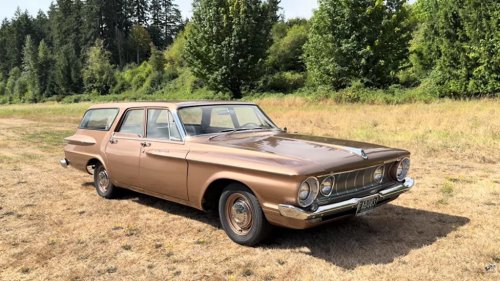
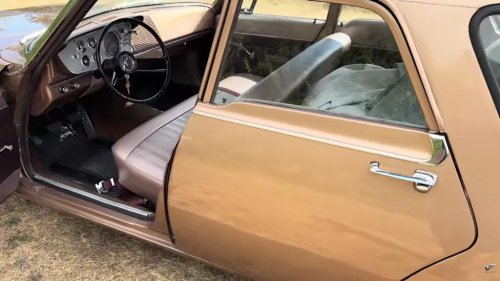
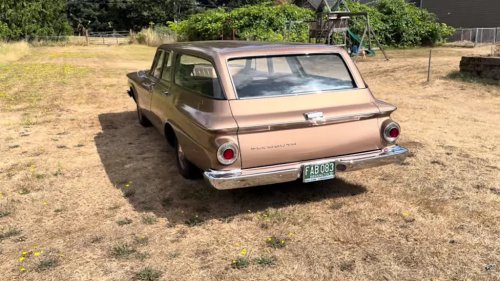
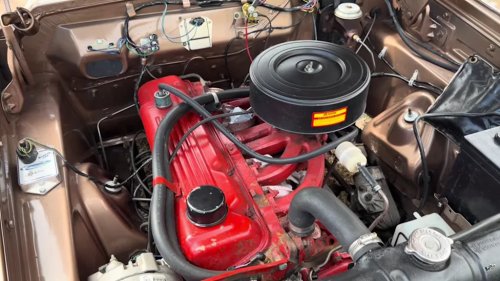
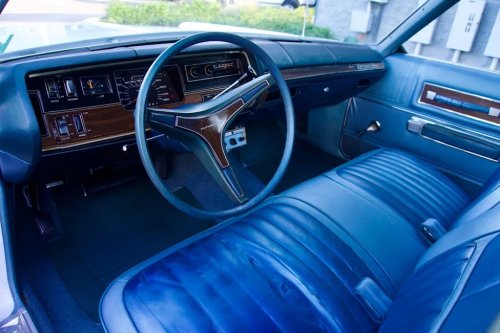
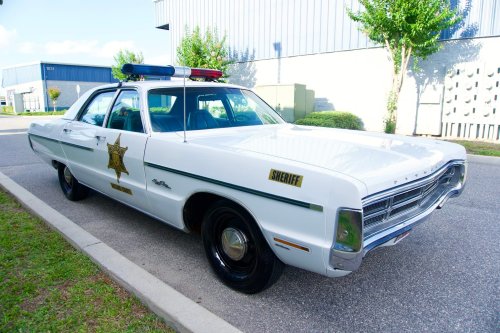
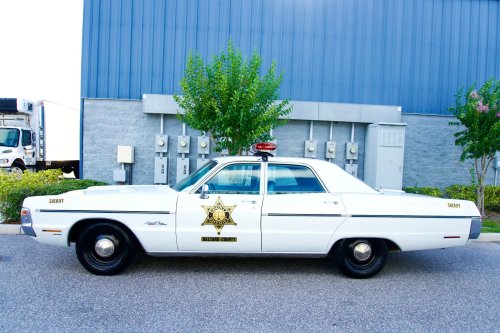
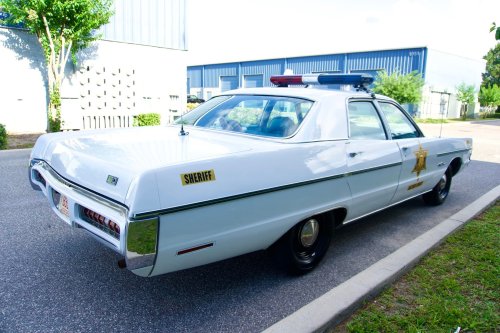
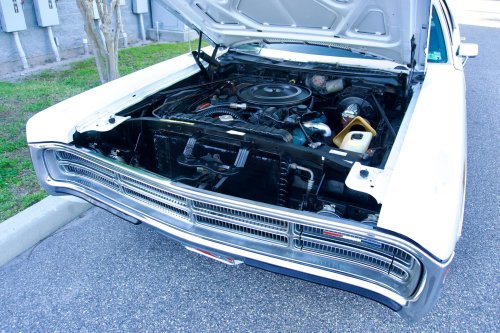
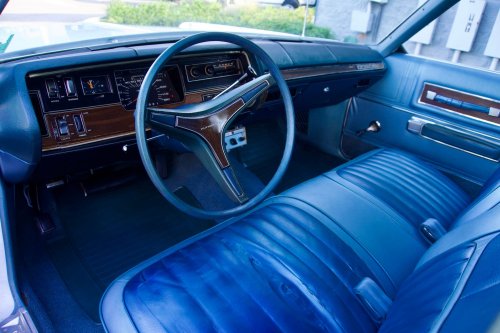
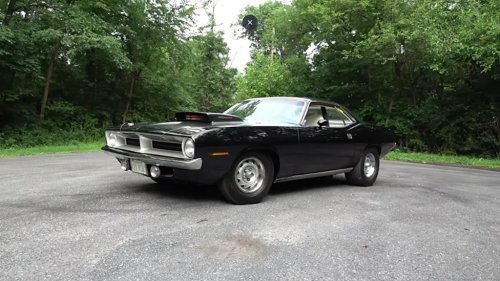
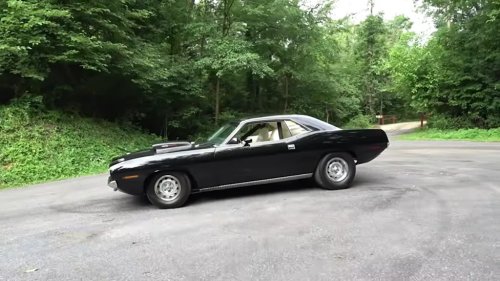
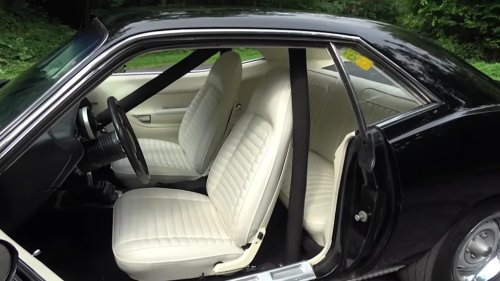
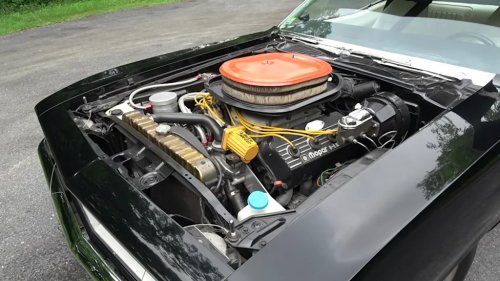
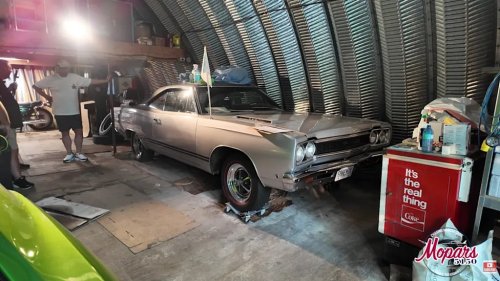
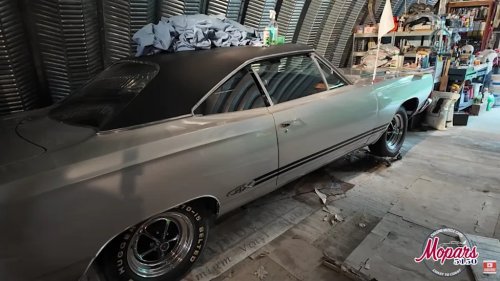
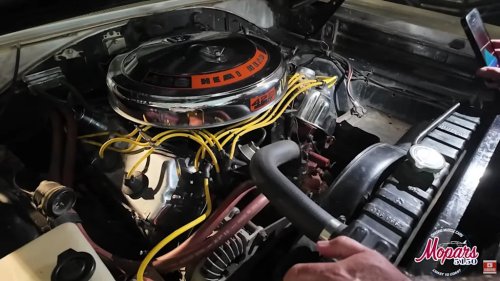
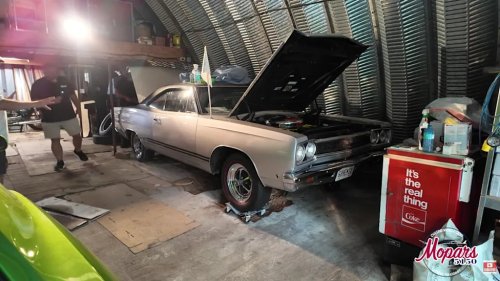
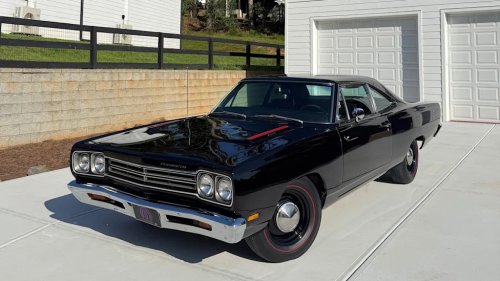
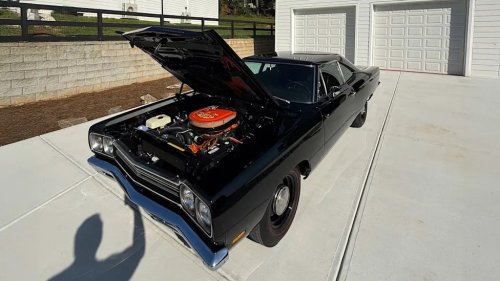
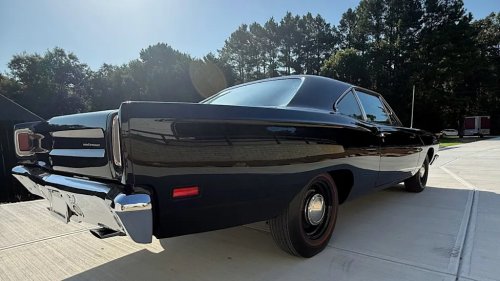
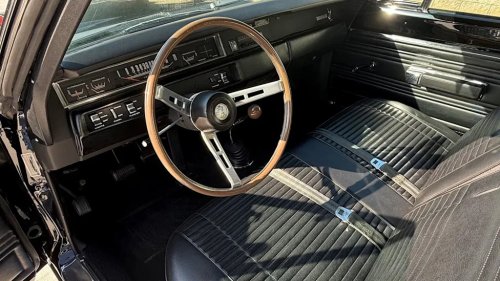
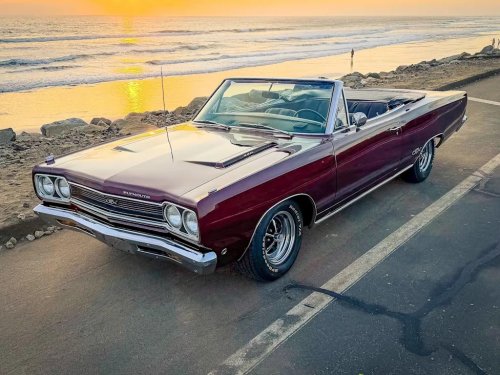
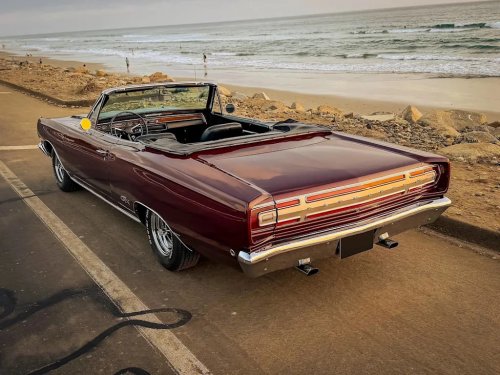
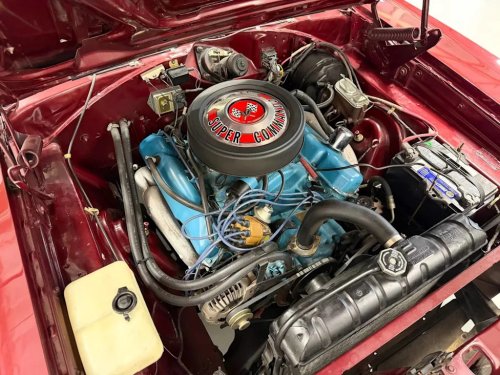
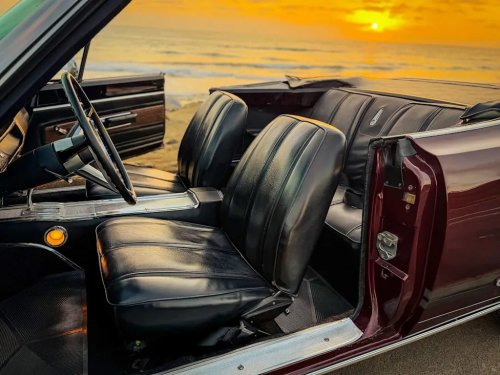
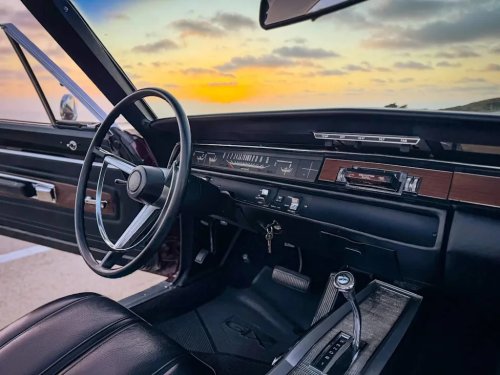
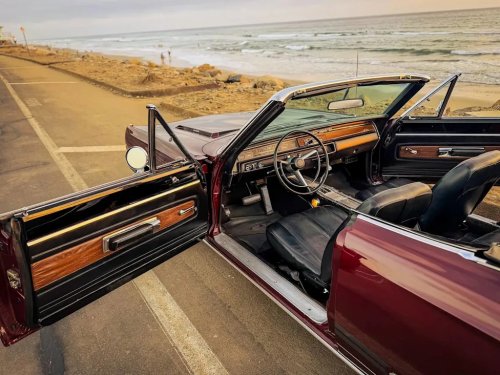
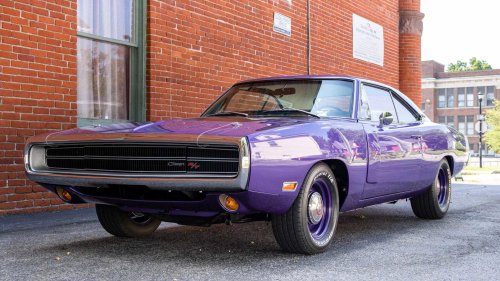
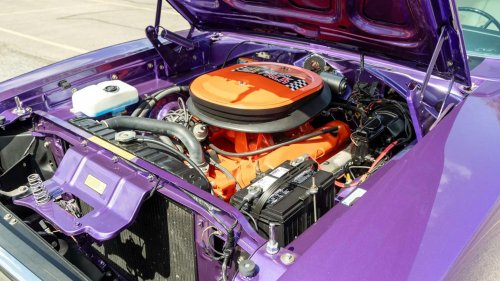
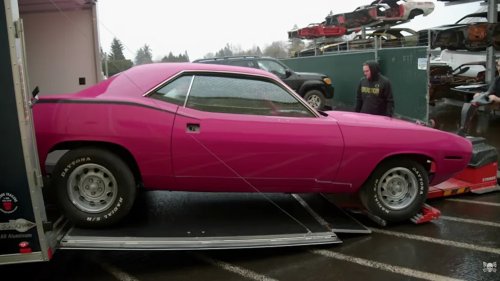
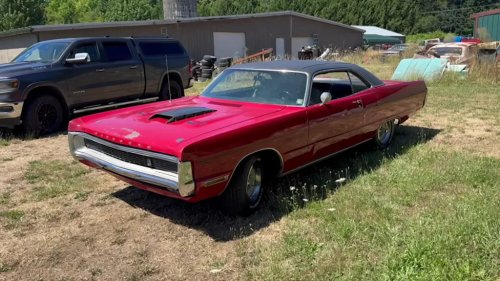
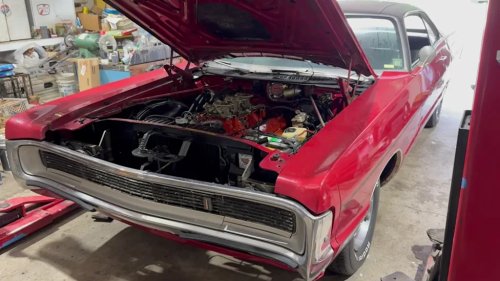
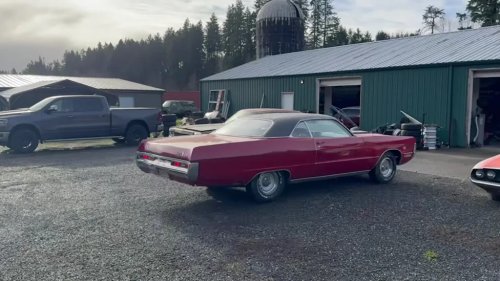
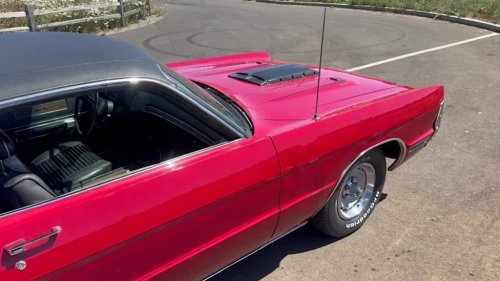
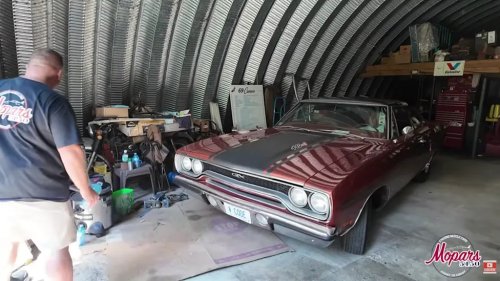
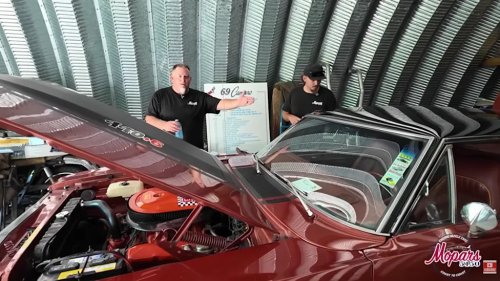
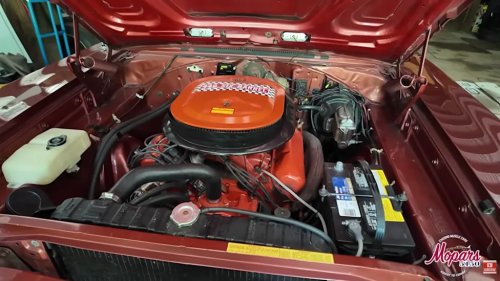
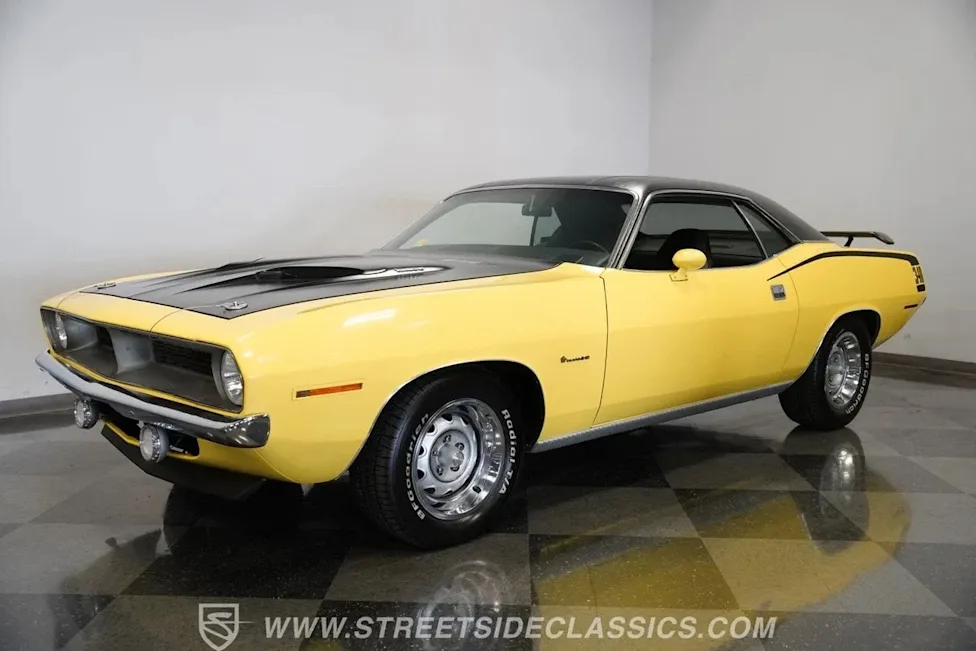
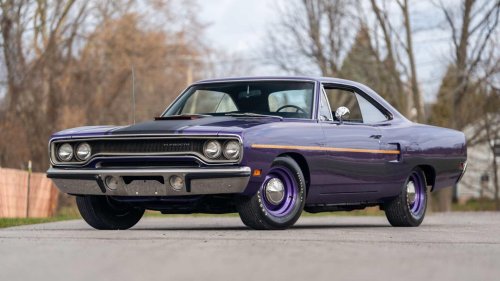
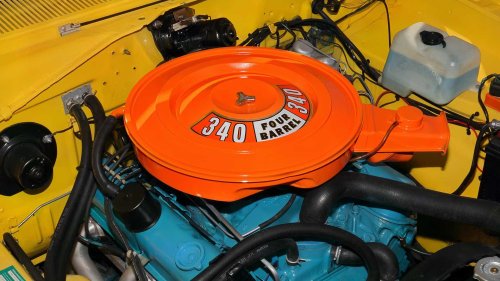
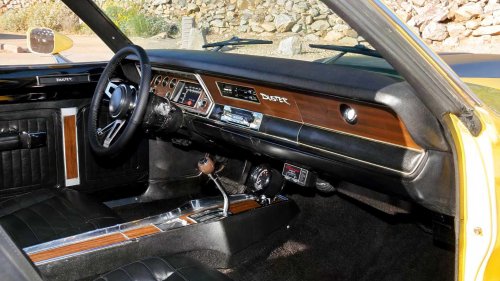
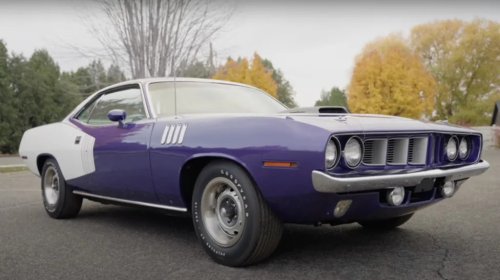
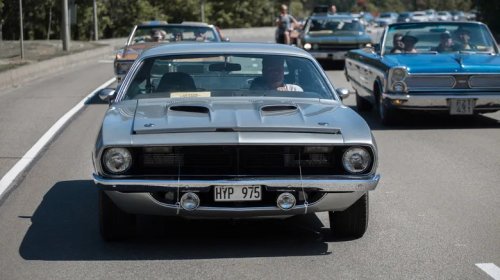
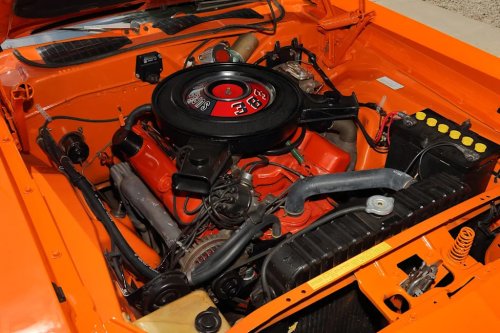
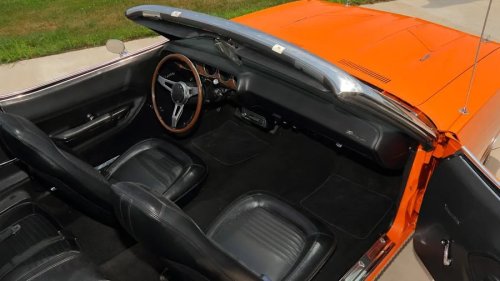
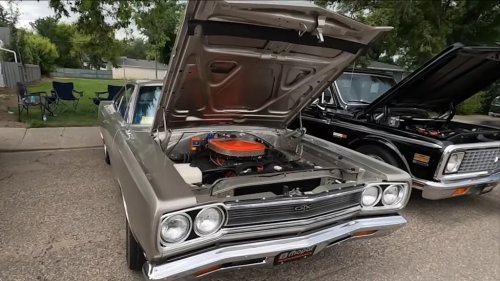
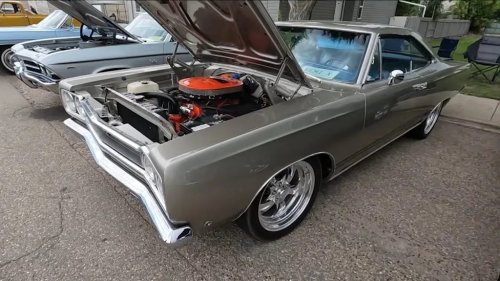
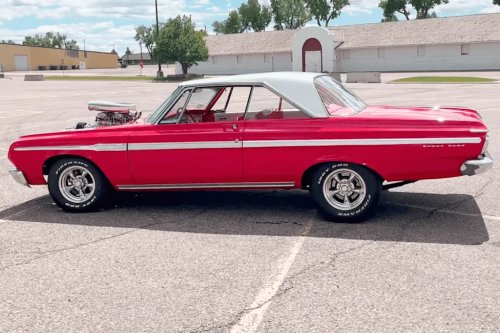
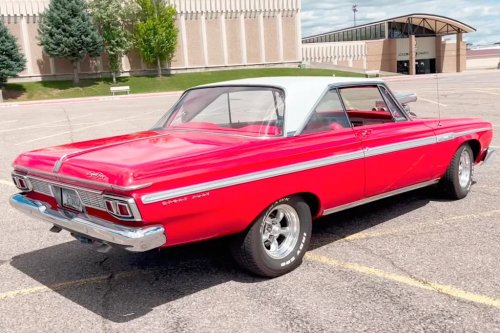
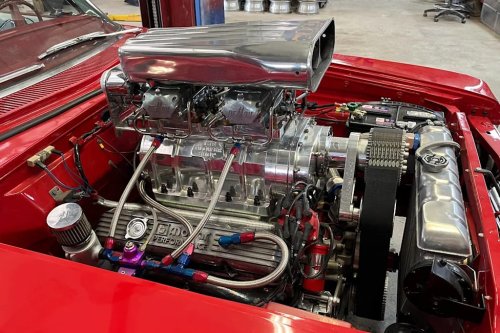
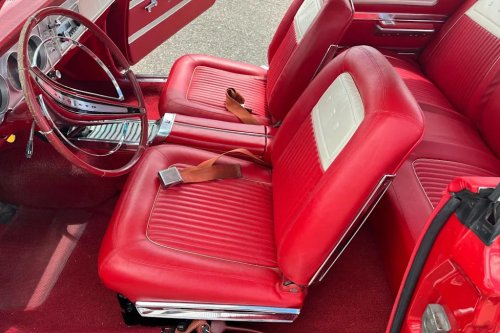
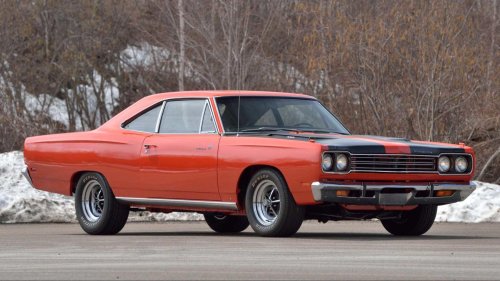
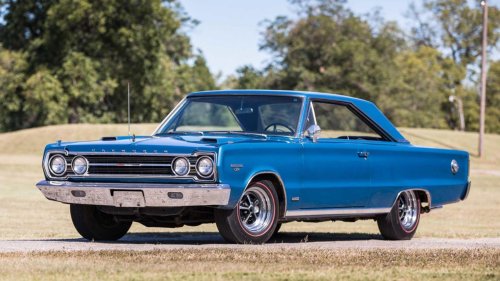
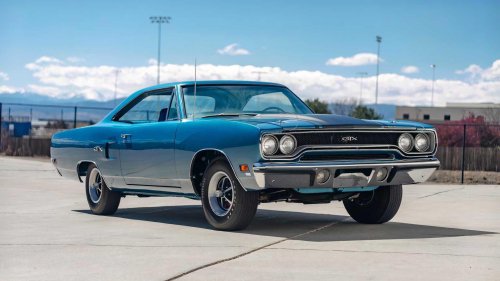
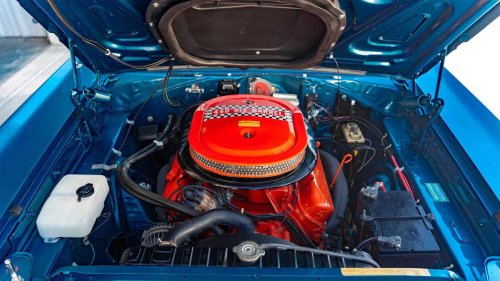
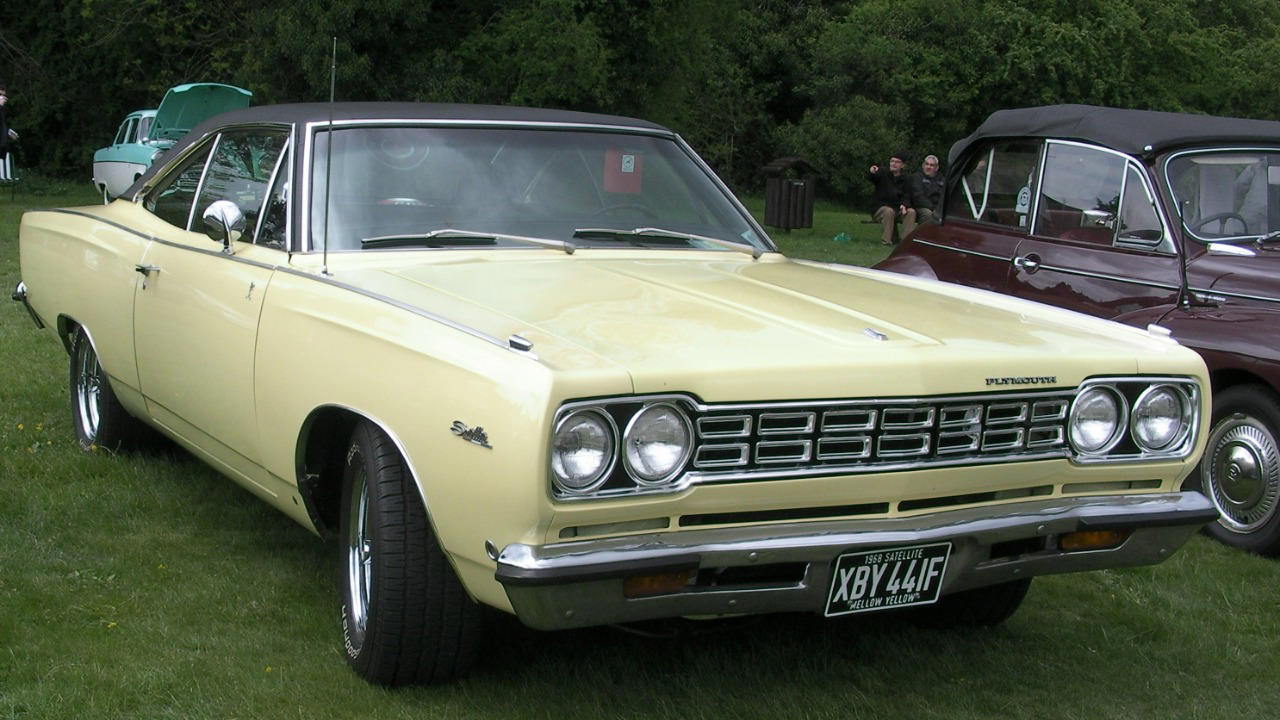
When the 1968 Plymouth Satellite quietly delivered performanceThe 1968 Plymouth Satellite arrived as an intermediate that looked modest on the street yet quietly carried the hardware and options to run with serious performance cars. Positioned between bare-bones muscle and plush cruisers, it earned a reputation for delivering speed without shouting about it. That balance still shapes how collectors and enthusiasts talk about the model today. From Belvedere workhorse to separate Satellite line In 1968 the Satellite became its own trim line, replacing second tier Belvedere models and signaling that Plymouth saw more potential in this mid-size than simple family duty. Contemporary materials in the Plymouth Satellite Archives describe the car as positioned above basic intermediates while leaving space for higher-performance derivatives. The Satellite rode on Chrysler’s B-body platform, which underpinned a wide range of Mopar intermediates. Parts catalogs for the period show how components were shared across fits 68 to 70 Mopar B-body four door sedans and wagons, including Belvedere 440, Belvedere 500, Coronet and Satellite Sport and Sport Wagon, which helped keep costs down while broadening configurations. Enthusiasts often group the Satellite with the Plymouth Road Runner and Plymouth GTX, a trio that defined the brand’s muscle era. Period discussions of the Plymouth Road Runner, describe how the Satellite occupied the middle ground, with more comfort than the stripped Road Runner yet less ostentation than the GTX. Fresh sheet metal and a subtle performance stance Plymouth’s intermediate B-body received new sheet metal for 1968, and the Satellite gained sleeker coke-bottle contours that refined the earlier square profile. The new bodywork rode on a 116-inch wheelbase, with 117 for wagons, a dimension that helped the car feel planted without appearing oversized. The same redesign expanded the Satellite line with four door sedans and two and three seat station wagons, so the performance capable chassis also carried families and cargo. Within that range Plymouth introduced the Sport Satellite as a higher trim level, which added visual distinction and more standard equipment while still sharing the core structure. Base Satellite models shared grille design with Belvedere variants, which kept the look restrained. By contrast, the Sport Satellite adopted the blacked out horizontal blade grille used on the new Road Runner, a simple styling change that signaled more intent without resorting to stripes or oversized badging. Interior Trim Options for the 1968 Sate range were broad, with different upholstery materials and a variety of color choices that allowed owners to tailor the car toward luxury or a more businesslike cabin. That flexibility contributed to the car’s appeal among buyers who wanted something more personal than a fleet sedan. Engines that transformed a quiet intermediate Where the Satellite truly stepped into performance territory was under the hood. The base engine in many models was the 225 Slant-6, while the 318 V8 served as the volume V8 and the Sport Satellite carried a standard 318 that balanced power and economy. For buyers who wanted more, engine choices climbed through the 383 V8, offered in 290 and 330 horsepower configurations, and topped out with the legendary 426 Hemi. The 426 HEMI, known as the “Elephant Engine” for its size and strength, had already become iconic in muscle cars such as the Dodge Charger, making its availability in the understated Satellite especially noteworthy. Not every Satellite carried the top specification engines, and that was part of its character. The car could be ordered as a sensible intermediate with a six cylinder or small V8, yet the same body and chassis could hide a big block that turned it into a genuine street performer. The Sport Satellite sharpened this dual personality. Described by enthusiasts as Plymouth Sport Satellite Elegant Muscle, it was positioned above regular Satellites with more trim and comfort, yet it remained capable of housing the same high output engines that defined Mopar performance. Production volume, rarity and collector interest Production figures underline how common the Satellite once was and how selective performance configurations have become. One enthusiast source notes that Satellite convertibles for 1968 totaled 1,771 units, with 1,465 equipped with a three speed manual on the column as the standard offering, while overall Satellite production totaled 136,136 units made, figures that highlight how relatively few cars combined open bodies with performance options. Specialized valuation tools indicate how the market now prices this quiet performer. Collectors can typically expect to pay around $28,207 for a 1968 Plymouth Satellite in good condition with average specifications, reflecting demand without reaching the prices of rarer muscle cars. The Sport Satellite carries its own valuation story. Guides describe how it was only available as a two door hardtop and a convertible, with a 318-cid, 230-hp V-8 as base equipment and optional big block engines with far more power on tap. Rarity within the Sport Satellite subset is illustrated by a recent case in which a survivor grade car surfaced in a junkyard. Reporting on this Satellite noted that it was not born with the highly desirable 426-cubic-inch Hemi, a type of engine that makes a Mopar collector’s heart race, and that fewer than 1 percent of 1968 Sport Satellites left the factory with that combination. That kind of statistical sliver explains why Hemi cars command outsized attention compared with more common small block or big block versions. It also reinforces the idea that the Satellite, even in Sport form, often kept its performance potential quieter than its specification sheet might suggest. A cultural role beyond badges and stripes Contemporary enthusiasts describe the 1968 Plymouth Satellite as a stylish mid-size that evolved into a more performance focused car as the model year options expanded. That evolution did not erase its family car roots, which is part of why it resonates with owners who remember it as both daily transport and weekend racer. Broader commentary on its Plymouth Satellite reputation highlights reliability, affordability and stylish design as reasons it became a desirable vehicle in its era, and those same traits support its status as a cultural icon among Mopar fans today. Enthusiast communities continue to share stories about the 1968 Plymouth Sport Satellite, remembering fast cars that appeared understated without the scooped hoods and stripes typical of more obvious muscle cars. That memory captures what made the Satellite distinctive. It was not the loudest or the rarest car in Plymouth’s performance catalog, and it often left the factory with modest engines and family friendly interiors. Yet the 1968 Satellite quietly delivered performance whenever a buyer checked the right boxes, and that understated capability has become central to its enduring appeal. More from Fast Lane Only Unboxing the WWII Jeep in a Crate 15 rare Chevys collectors are quietly buying 10 underrated V8s still worth hunting down Police notice this before you even roll window down



















 +30 others