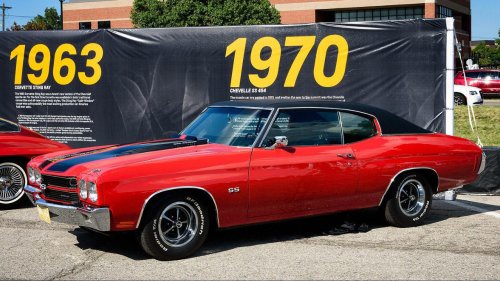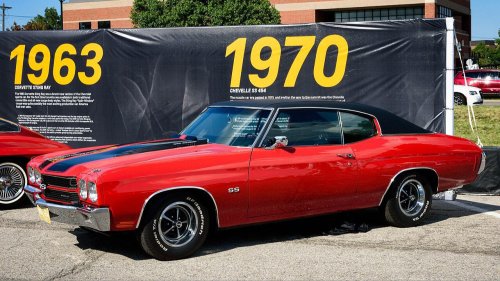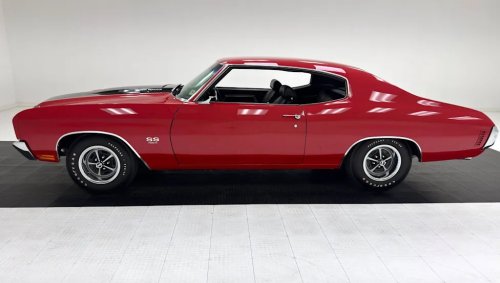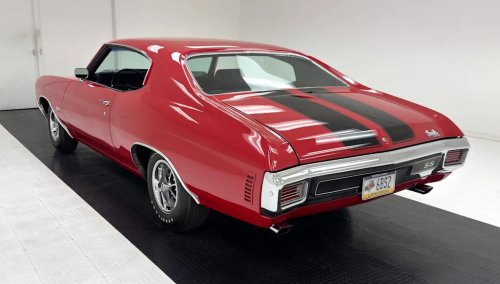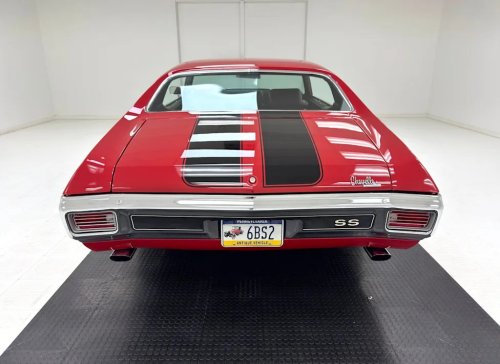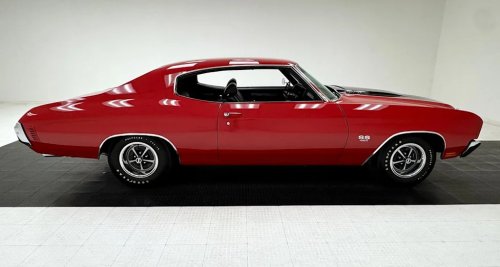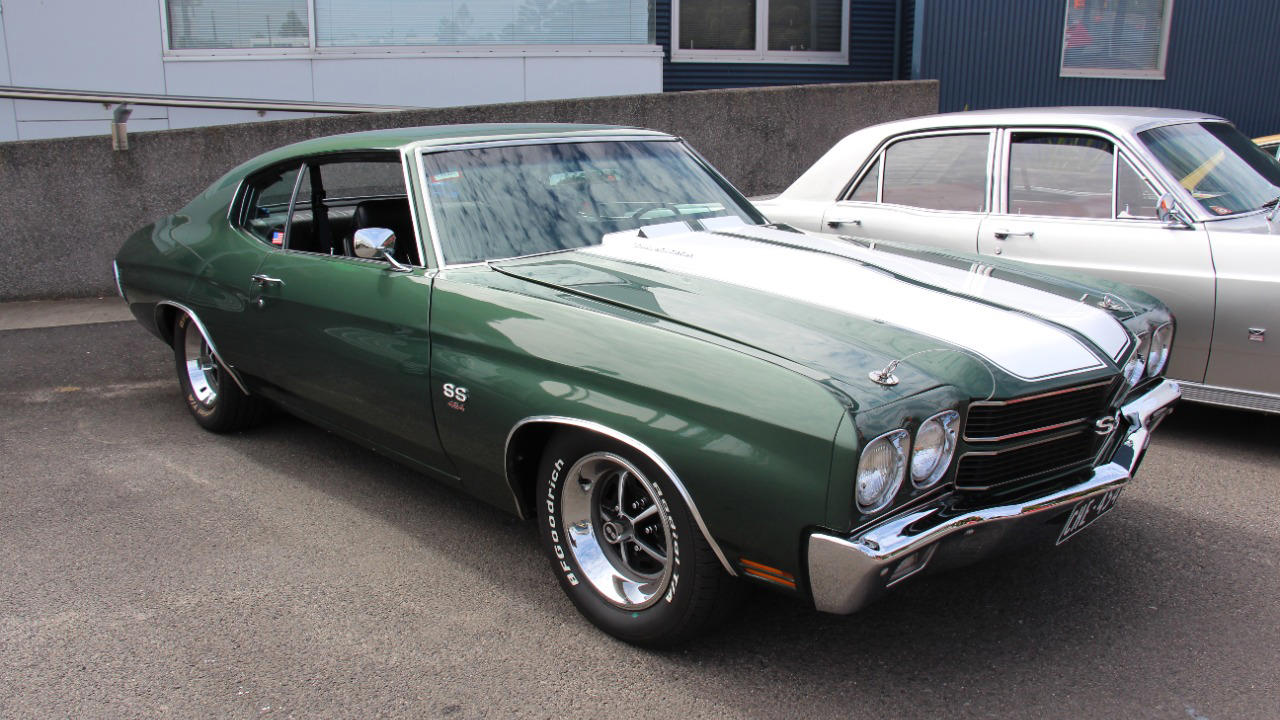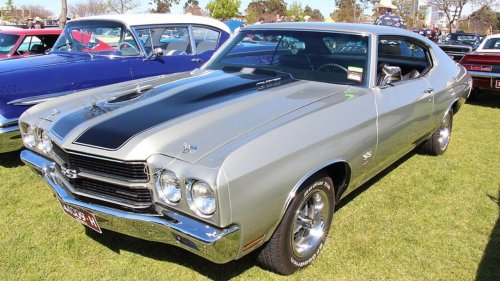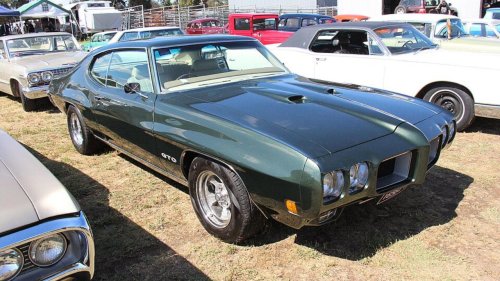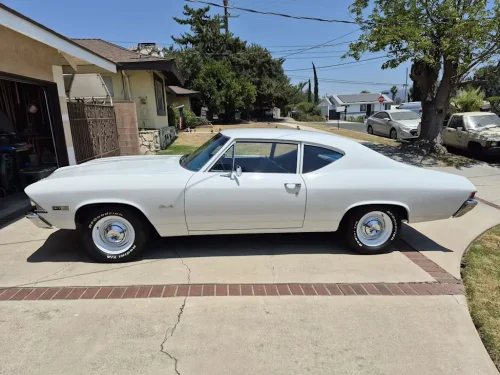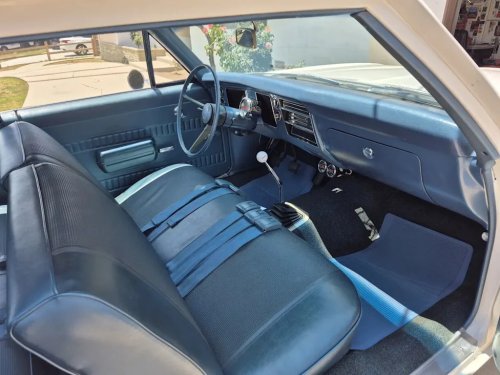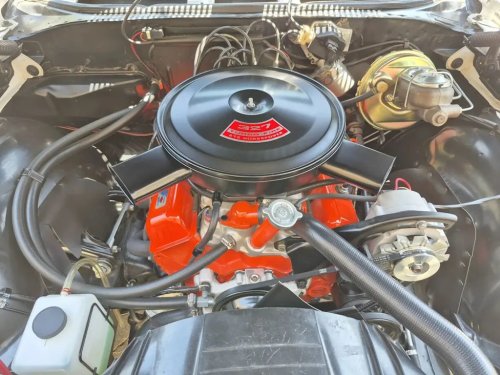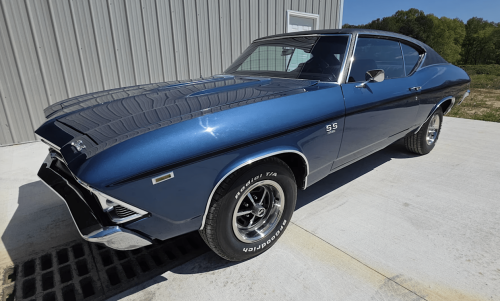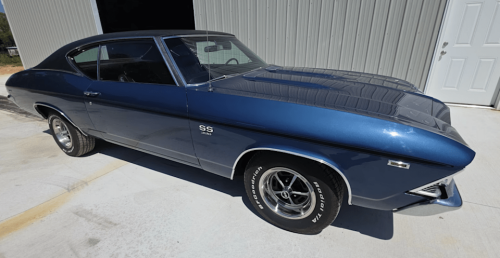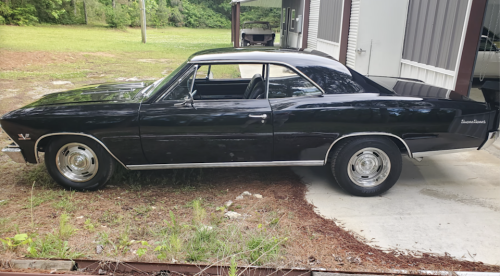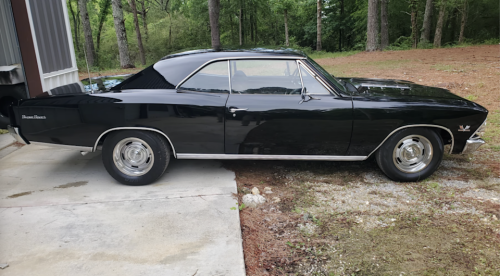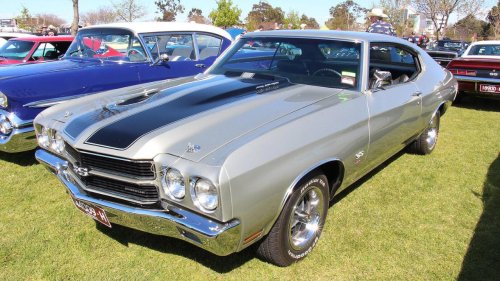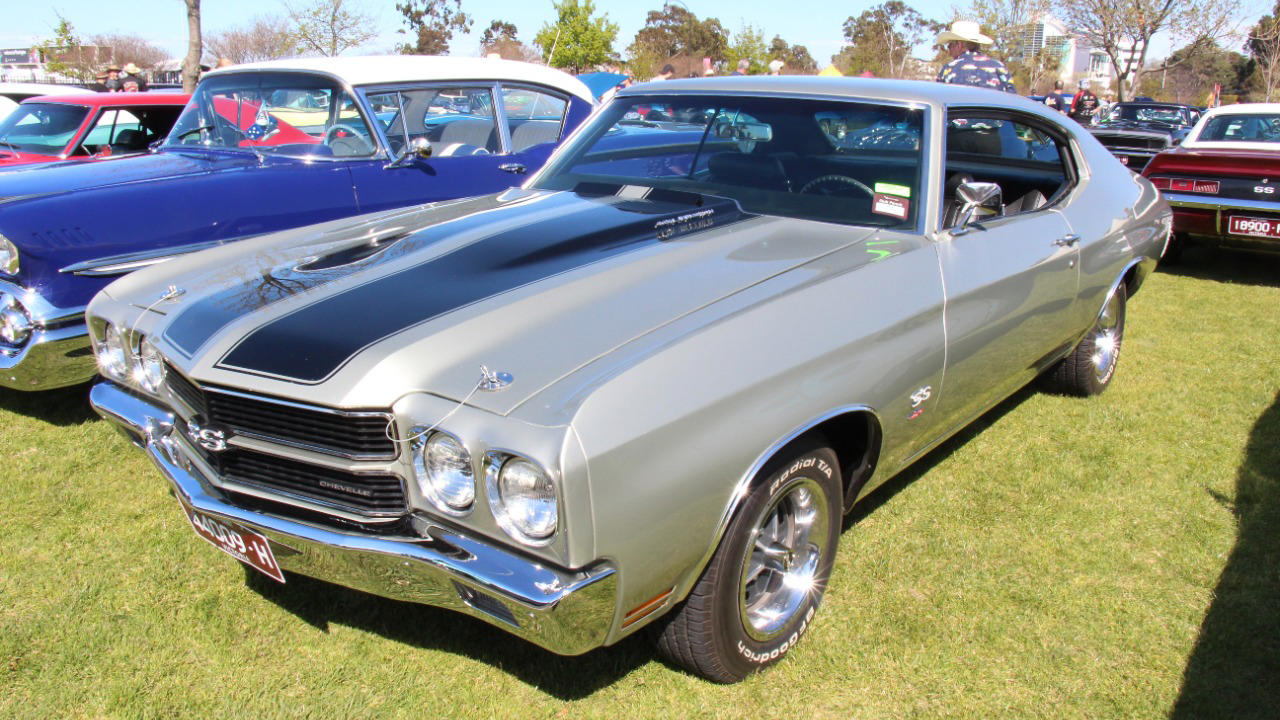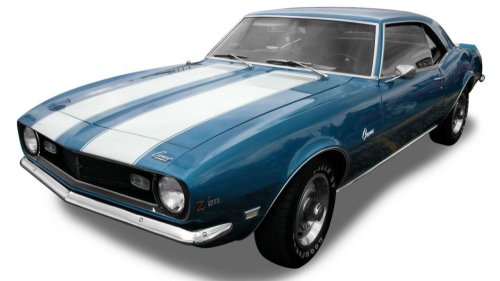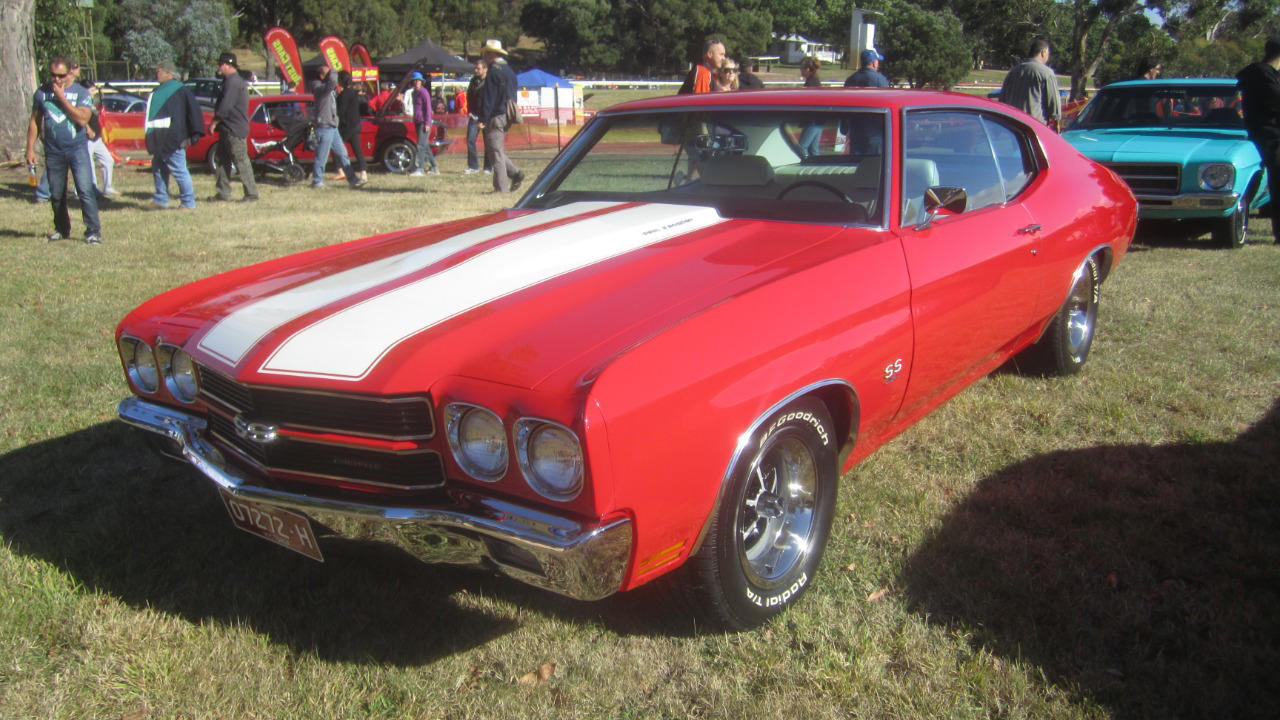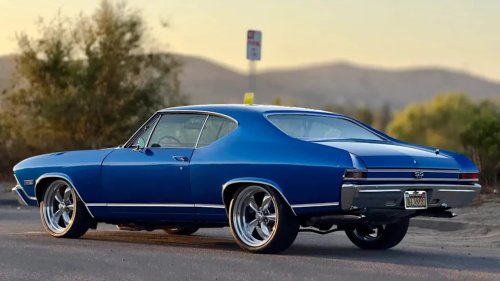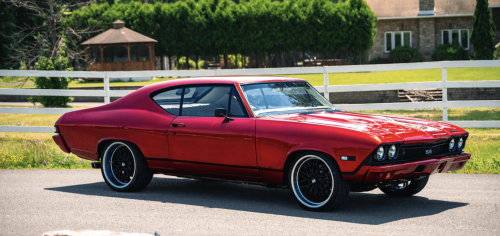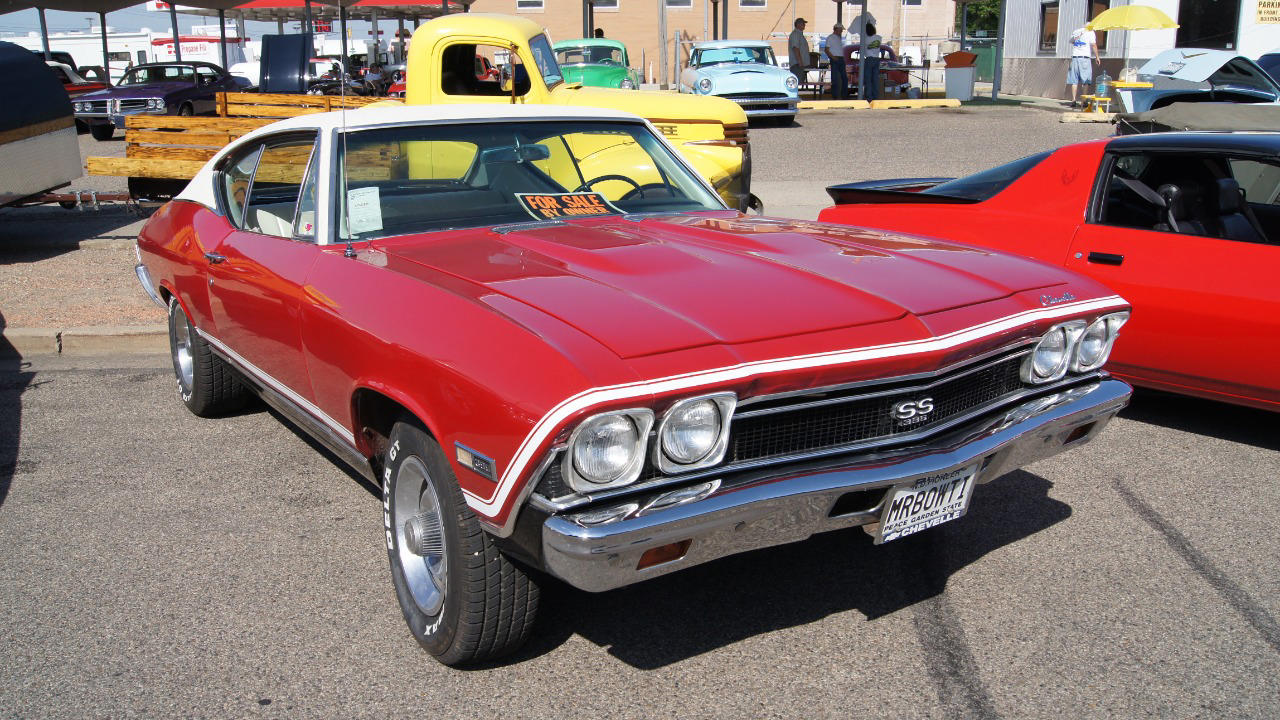



















The 1968 Chevelle SS delivered more than buyers expectedThe 1968 Chevelle SS arrived in showrooms as a mid‑size muscle car with big‑block bravado, but what buyers actually got went beyond the brochure. A new body, a serious 396 cubic inch V8 and a surprisingly refined driving experience turned Chevrolet’s A‑body into a car that could cruise, commute and still dominate the local drag strip. More than five decades later, collectors are discovering that the same mix of style, performance and usability has made the 1968 Chevelle SS far more valuable than many period shoppers ever imagined. The new shape that reset expectations General Motors reworked its intermediate line for 1968, and the Chevelle SS benefited from that clean‑sheet approach. Two‑door GM intermediates lost three inches of wheelbase, which helped the Chevelle feel more agile, while the body adopted a flowing fastback roofline and deeply sculpted sides that gave the car a muscular stance even at idle. Contemporary descriptions of the Two door layout emphasize how the shorter proportions and new sheetmetal made the SS look lower and more aggressive without resorting to gimmicks. Period photos and enthusiast writeups highlight how the 1968 Chevrolet Chevelle marked the beginning of a second generation with a bolder fastback profile, a more prominent grille and a wide, planted rear track. That styling evolution gave the car a powerful road presence that matched its performance, and it also helped the Chevelle stand apart from sibling GM A‑body models that shared the same basic platform. The 396 big block that made the badge The heart of the 1968 Chevelle SS was the 396 cubic inch big‑block V8. Under the hood, this engine was offered in multiple power ratings, with 325 horsepower, 350 horsepower and a high‑performance L78 rated at 375 horsepower. Period descriptions of the 325, 350, 375 horsepower options point out that the top version used solid lifters and a Holley four‑barrel carburetor, which gave the Chevelle SS serious street and strip potential straight from the factory. The 396 itself had already built a reputation across Chevrolet’s lineup. A separate overview of the big block notes that the engine family arrived in the mid‑1960s with displacements of 396 cubic inches and beyond, and that it was engineered to deliver strong torque and high‑rpm breathing. In performance trims, the 396 combined durability with a willingness to rev, which made it a favorite among drag racers and owners who wanted a car that could handle frequent hard launches without constant repairs. Some modern listings go even further. One dealer offering a 1968 Chevelle SS describes a car rated at 450‑Horsepower, still built as an Original “138” Specimen that traces back to the SS 396 package. That listing for a 450-Horsepower Chevelle SS underscores how easily the 396 responds to tuning, and how the underlying platform can accommodate significant power increases without losing drivability. Production numbers and why rarity matters One reason the 1968 Chevelle SS has grown in stature among collectors is the balance between availability and scarcity. According to a period production breakdown, in 1968 a total of 428,585 Chevelles were built. Of them, 266,300 were Chevel models that formed the core of the lineup. That same discussion of 428,585, 266,300 units explains that only a fraction carried the SS 396 package, which makes genuine SS cars significantly rarer today than base coupes or sedans. Collectors often focus on the “138” VIN code that identifies true SS 396 cars. Modern advice columns on buying a 1968 Chevelle stress that the biggest engine available for the 68 SS was the 396 cubic inch V8, and that later 69 COPO Chevelles with 402 cubic inch engines represented a different, even more specialized program. That guidance, summarized in discussions that open with “What I have read” about the What biggest engine, reflects how decoding the car’s identity has become part of the ownership experience. From muscle car to collectible asset Values for the 1968 Chevelle SS have climbed sharply as the market has reassessed the car’s significance. A recent valuation table for the 1968 Chevrolet SS 396 lists #1 Concours Condition cars at $63,200, with the table labeled as Valuation Highlights and the top tier described as Concours Condition and abbreviated as Conco in the data. That $63,200 benchmark shows how a car that once served as an everyday driver can now command serious money when restored to the highest standard. More accessible examples still require a meaningful investment. A separate market snapshot for a 1968 Chevrolet Chevel SS, presented in a short video segment, cites a price of $21,700 for a fair car. In that clip, the narrator explains how the 1968 Chevrolet Chevel SS combines power, style and relative affordability, and uses the figure of $21,700 to illustrate where driver‑quality cars currently sit. At the top of the spectrum, low‑mileage and highly original examples can test the limits of what buyers will pay. One 1968 Chevelle SS 396 Sport Coupe, described as gorgeous and showing just 110 miles on a five‑digit odometer, was offered at a price that a dealer refused to lower to 62,500 dollars. That discussion of a car with only 110 miles shows how sellers sometimes hold firm when they believe a particular SS 396 is unique enough to justify a premium. Driving character: more than straight‑line speed Period road tests and later retrospectives often focus on how the 1968 Chevrolet Chevelle SS 396 blended raw power with everyday usability. Enthusiast groups describe the 1968 Chevrolet Chevelle SS 396 as a legendary American muscle car known for its aggressive styling and strong acceleration, featuring a big‑block V8 that could be ordered with various performance levels. One such description of the Chevrolet Chevelle SS 396 emphasizes that the car delivered a mix of brute force and classic style that still resonates with collectors. The chassis updates that came with the shorter wheelbase contributed to more responsive handling than earlier Chevelles. While the SS 396 was never a lightweight, the car’s revised suspension and wider stance gave it a more composed feel through corners, especially when equipped with performance tires and optional heavy‑duty components. Owners who remember driving these cars new often mention that the Chevelle felt more modern and settled than some rival muscle cars that sacrificed stability for straight‑line performance. How to spot the real thing Because the Chevelle platform was so popular, many base cars have been converted into SS lookalikes. Modern guides on how to identify a true SS stress the importance of checking VIN codes, engine stampings and specific trim details. One short video aimed at enthusiasts opens with the line “here is a fun fact that you guys are going to want to know about telling if a Chevel is a real SS or not,” then walks through the telltale signs that separate genuine SS cars from clones. That tutorial on verifying a real Chevel underscores how much value hinges on authenticity. Club discussions of the 1968 Chevrolet Chevelle SS muscle car details point out that the SS package included unique badging, specific hood treatments and interior upgrades that went beyond the engine itself. One enthusiast post about the Chevrolet Chevelle SS mentions how the 1968 model year marked the start of a new styling era and highlights the specific cues that make the SS stand out in a crowded field of restored Chevelles. Tributes, clones and the Malibu connection The popularity of the 1968 Chevelle SS has encouraged a thriving market for tribute builds. One recent auction listing describes a 1968 Chevrolet Chevelle Malibu SS 396 Tribute Draws Bids in a Florida Auction, with Johnny Puckett detailing how a standard Chevrolet Chevelle Malibu was transformed into an SS‑style car. That account of the Chevrolet Chevelle Malibu Tribute Draws Bids in a Florida Auction shows how enthusiasts who cannot secure an original SS 396 often pursue well executed tributes that capture the look and feel at a lower entry price. These builds can range from mild cosmetic conversions to fully re‑engineered cars with big‑block power and upgraded suspensions. While purists sometimes dismiss tributes, the market has increasingly recognized that a carefully documented clone can offer much of the driving experience without the financial risk associated with a high‑value original. The Chevelle SS in the broader big‑block story The 1968 Chevelle SS 396 also fits into a larger narrative about Chevrolet’s big‑block era. An overview of the 396 big block explains that it was introduced in 1965 as part of Chevy’s new Mark IV engine family, designed to deliver high horsepower and torque for full‑size cars and muscle cars. With a displacement of 396 cubic inches, it replaced the earlier 409 in Chevrolet’s performance lineup and marked the beginning of an iconic big‑block period that extended across the Corvette, Impala SS and Chevelle SS. That same discussion notes that under the hood of the 66 Chevelle SS, the 396 cubic inch big‑block V8 was available in three power levels, including 325 hp and a higher figure listed as 36 in the summary, and that it was capable of delivering serious street and strip performance. The description of the Under the Chevelle SS hood links the 1968 model to a broader tradition of Chevrolet big‑block performance that stretched across multiple nameplates. Why the 1968 SS still resonates Among Chevelle fans, debates over the best year are constant, but the 1968 Chevrolet Chevelle SS 396 often appears on shortlists. One enthusiast comparison of a 1968 Buick Skylark and a 1969 Chevrolet Chevelle singles out the 1968 Chevrolet Chevelle SS 396 in a section labeled Design and Styling, arguing that the Chevelle SS combined the new fastback body with the 396 engine in a way that captured the essence of late‑1960s muscle. That commentary on the Chevrolet Chevelle SS and its Design and Styling reflects a consensus that the 1968 model year struck an ideal balance between aggression and restraint. Modern social media posts about the 1968 Chevrolet Chevelle describe the car as a bold evolution with sharper lines, a more aggressive stance and a blend of style and muscle that still looks fresh. Enthusiast pages dedicated to the Chevrolet Chevelle frequently share restoration photos, drag strip clips and period advertising that reinforce how the car has moved from everyday transportation to cherished collectible. From factory floor to legend status Contemporary reflections on the 1968 Chevrolets being built on the assembly line often frame the Chevelle SS as a car where legends were not bought but built. One post about how the 1968 Chevrolet Chevelle marked a bold evolution with sharper lines and a more aggressive stance, tagged with ClassicChevy and StreetAndStrip, captures how owners now see these cars as artifacts of a time when performance and personality were central to mass‑market design. Another enthusiast group post simply labels an image “1968 Chevrolet Chevelle SS” and notes that the 1968 Chevrolet Chevelle SS marked the start of a new chapter for the model. That straightforward recognition of the Jan Chevrolet Chevelle SS as a milestone model shows how enthusiasts continue to anchor their appreciation in that single pivotal year. More than buyers bargained for More from Fast Lane Only Unboxing the WWII Jeep in a Crate 15 rare Chevys collectors are quietly buying 10 underrated V8s still worth hunting down Police notice this before you even roll window down