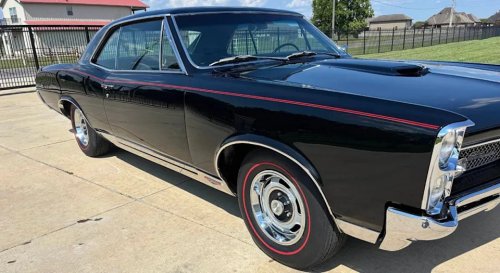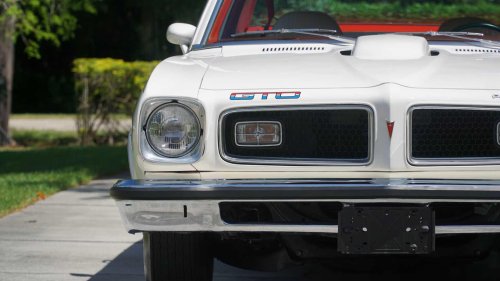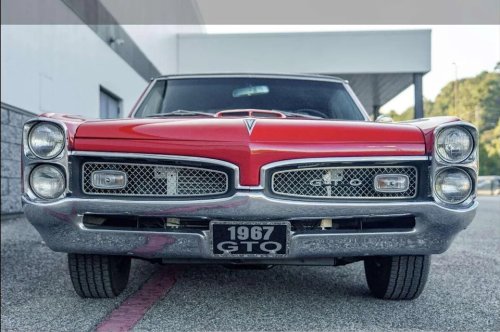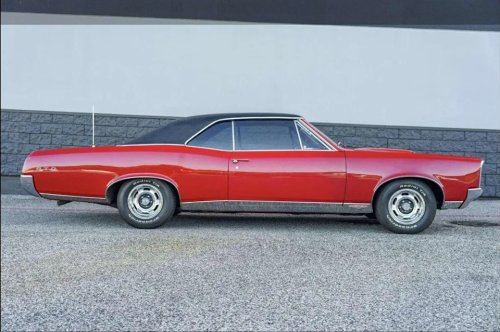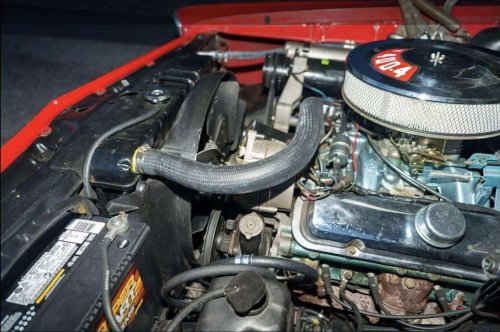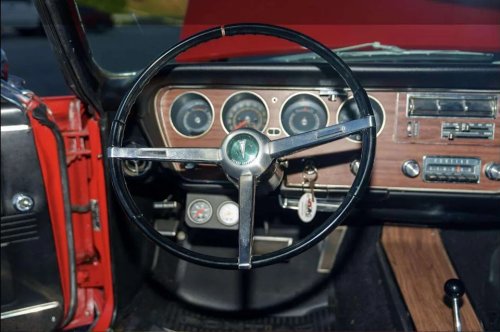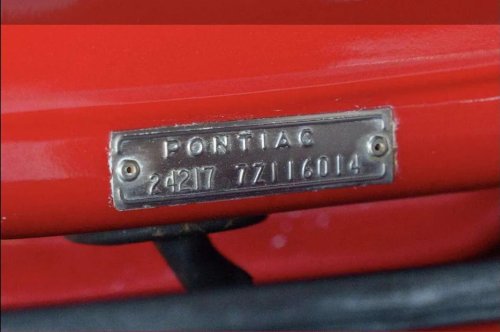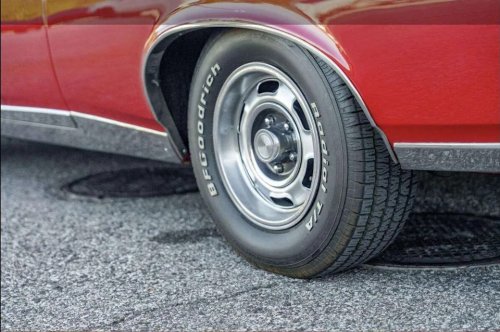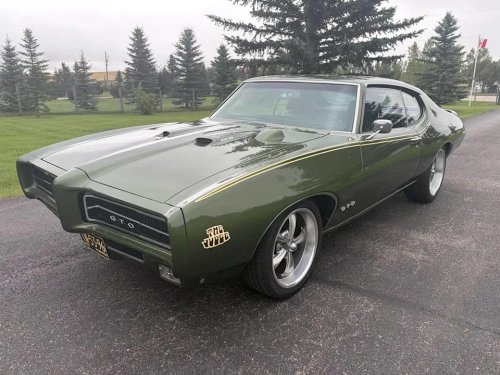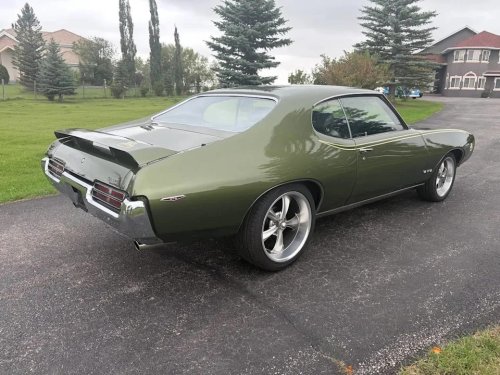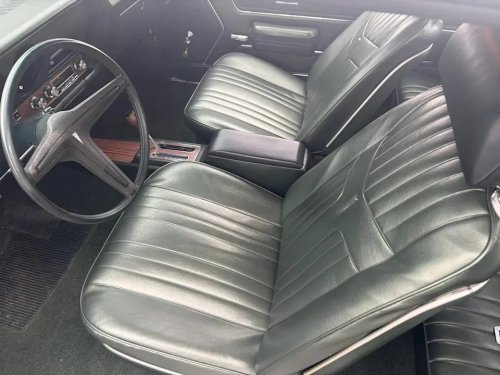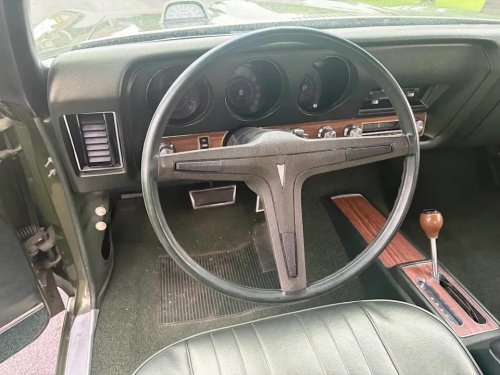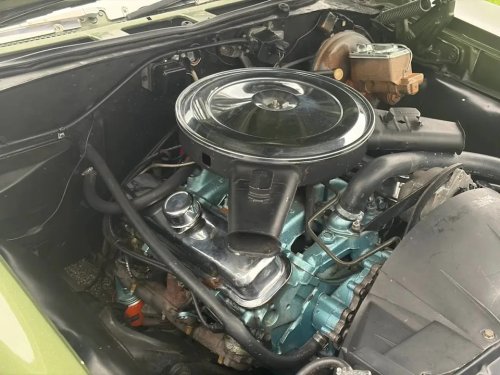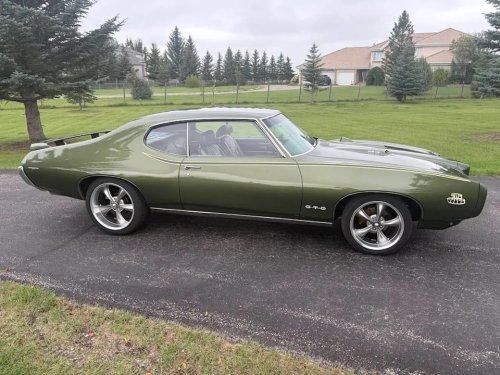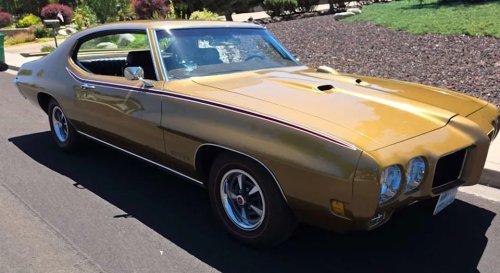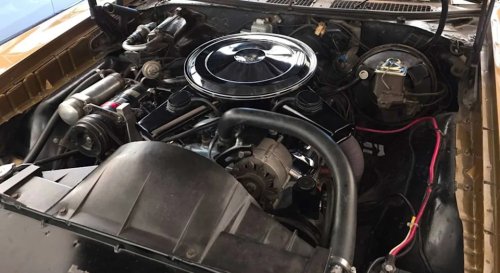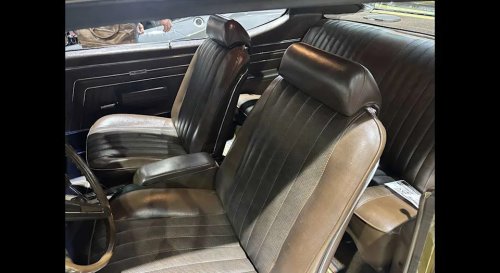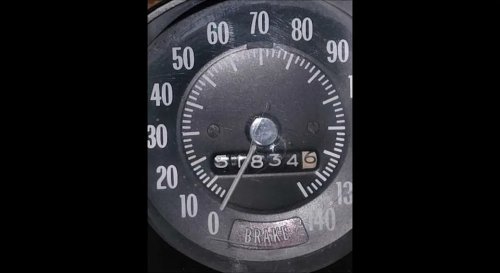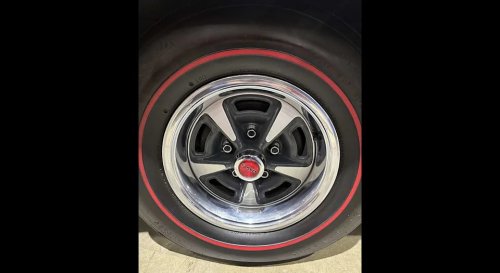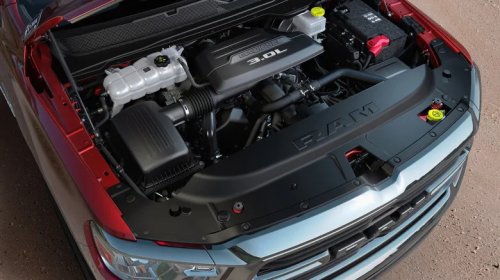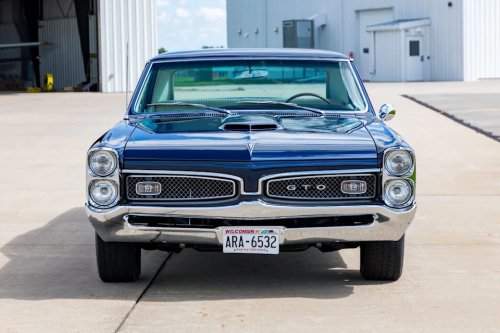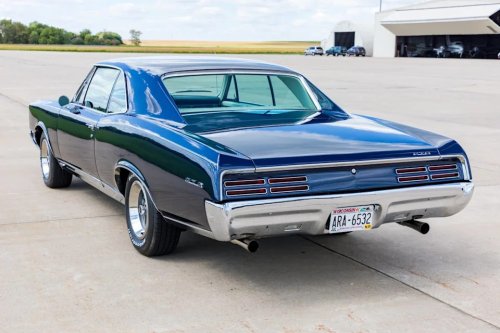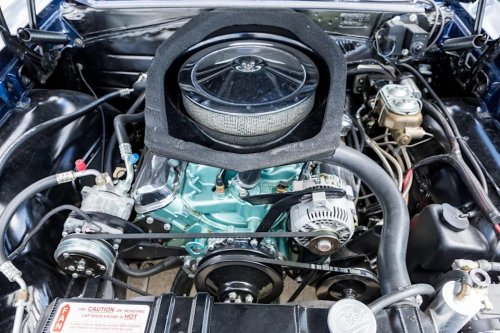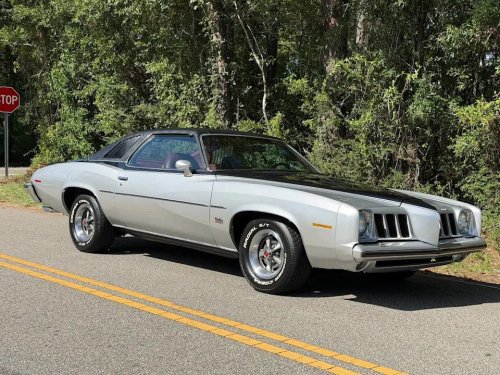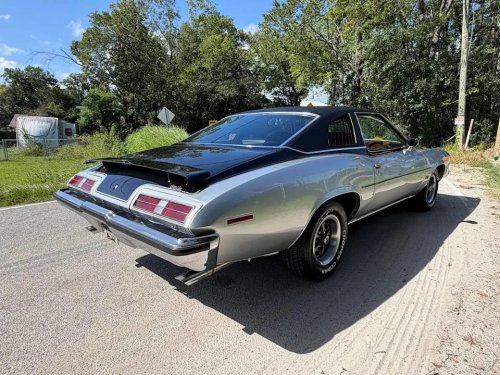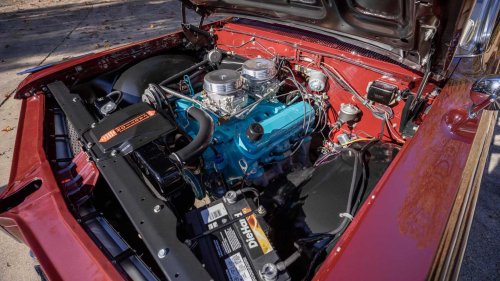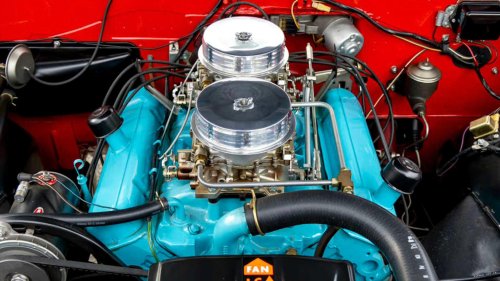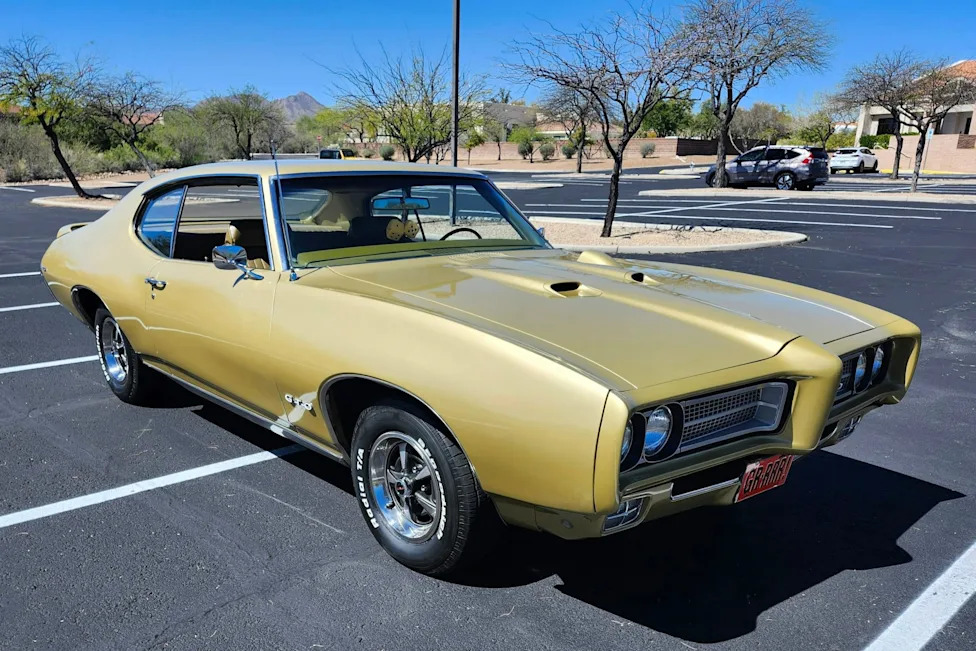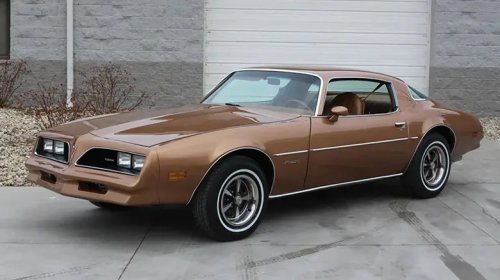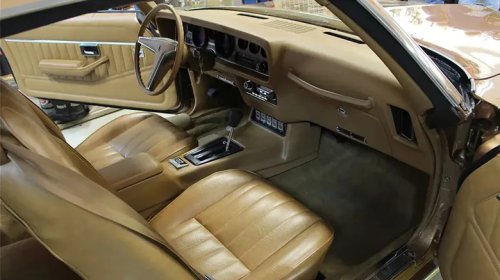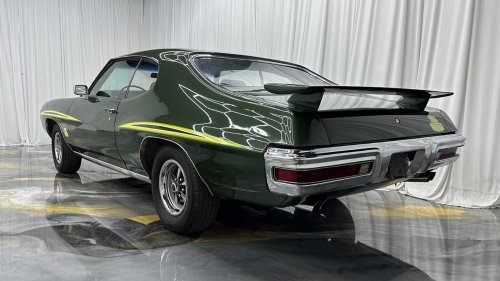
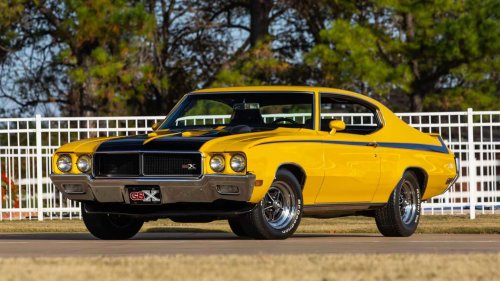
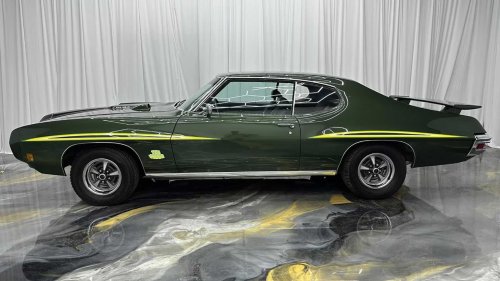
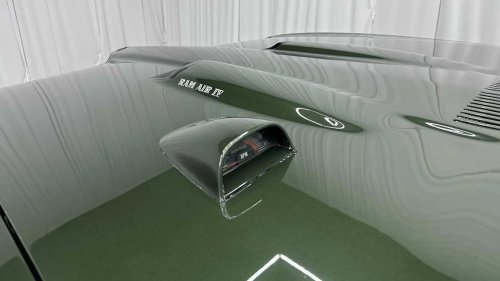
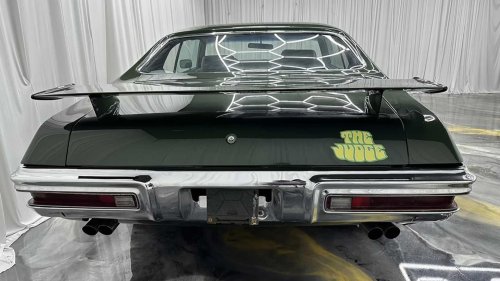
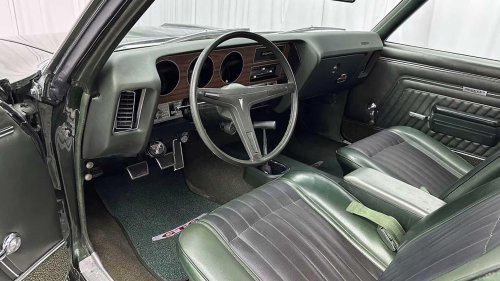



















Muscle car fans were spoiled for choice by the end of the 1960s with options from quite a few domestic marques – a fact that's still difficult to process today. And even among individual models, there was plenty of room for being picky.By this point in time, the Pontiac GTO was already an established nameplate, making major changes to styling and performance almost every year since its arrival on the scene in 1964. And the evolution of this model moved fast by the standards of any automotive era, with the Pontiac GTO jockeying for position to keep the muscle car audience interested, while dialing up the performance along the way.Later next month, Mecum Auctions will offer what's billed as a 1970 GTO Judge Ram Air III finished in Pepper Green paint color over a green interior, and equipped with the desirable four-speed manual transmission. The combination is a muscle car lover's dream, but there are a couple of mysteries about this particular dream machine. Muscle Car Legend Mecum Auctions With approximately 3797 examples built for the 1970 model year, the 1970 GTO Judge is both an investment-grade collector car and a potent weekend road blaster. And it arrived on the scene just before lower compression engines were introduced and Malaise set in, offering notably lower horsepower numbers.The 1970 GTO Judge with the Ram Air III package was one of the last great GTO models of the muscle era, serving up 366 hp and 445 lb-ft of torque. These numbers were good for 0-to-60 sprints in under 7 seconds and quarter-miles in the low to mid 14-second range.This level of performance and everyday usability made it a performance powerhouse of the time, and these numbers are still respectable today, arguably representing one of the high-water marks of the affordable and potent muscle car era that ended just a couple of years into the 1970s. The Competition Mecum Auctions How did the Ram Air III stack up to other muscle cars of the time? In 1970, there was no shortage of competition, with this year widely considered the peak of the muscle car era. The Buick GSX Stage 1 with its 455 V8 produced 360 hp and a ridiculous 510 lb-ft of torque, though the real-world horsepower output of that model was closer to 400 hp.Meanwhile, the 1970 Chevrolet Chevelle SS 454 LS6 offered 450 hp and 500 lb-ft of torque, while the 1970 Plymouth Hemi 'Cuda with the 426 Hemi V8 served up 425 hp and 490 lb-ft of torque.The Ram Air IV was close to the top of the muscle car totem pole, while the Ram Air III was certainly potent enough for everyday hijinks, though a bit further down from the podium.Mecum Auctions What makes this particular 1970 GTO Judge a bit rare is the fact that it has been with the same owner since 1976. So this isn't an Arizona January frequent flier that's been trading hands and collector garages every few years.What also makes it unusual is that it has a Ram Air IV decal on the hood, while the VIN and the listing claim it as a Ram Air III. Additionally, there are no underhood photos or shots of the instruments that could show the mileage. So it's a bit of a mystery machine. Ram Air III Versus Ram Air IV Mecum AuctionsThe GTO, or Gran Turismo Omologato, already offered 350 horsepower straight out of the box courtesy of a 400 cubic-inch V8. If that wasn't enough for your Friday night red light racing, then the Judge model with its Ram Air III cold air induction was the flavor for you. This raised the output up to 366 hp, with the third iteration of the Ram Air setup using the functional hood scoops to jam air through the carburetor.Even though the powerplants in the III and IV are closely related, there are some crucial differences that make a big difference in values today, specifically when it comes to the intakes and the heads. The IV offered a higher redline of 6,000 rpm thanks to greater airflow, and also featured round port heads versus the III's D-shaped port heads. The IV's reworked intake runners effectively permitted more air into the combustion chambers, greatly benefiting throttle response.This setup allowed the Ram Air IV to produce more horsepower compared to the III, even though the official figures on paper for the IV cite both at the same 370 hp and 445 lb-ft of torque. Many period reviews put the Ram Air IV's true output above 400 hp. The automaker essentially fudged the numbers for insurance reasons, but true enthusiasts soon noted the difference in output through their own tests.In addition, the III offered a cast iron intake manifold, compared to an aluminum setup in the IV, with the latter also featuring high-flow exhaust manifolds designed with round-port heads in mind.Mecum Auctions The results on the road were pretty noticeable, with the III being praised for providing more usable low-end torque, which helped it play the role of a daily driver, while the IV was far more suitable for drag racing and is considered to be more of a driver's car. The IV is also rarer, with just over 1,500 units estimated to have received this setup. And as a result, the IV also wears the title of the most powerful version of the GTO of this generation, which is no small bragging right in Pontiac circles.The Ram Air III is the version you'd want if you were in the market for a more user-friendly version of The Judge – one that's a little less stressed, and also less stressful to drive. But if you're in the market for a driver's car (and have a higher budget to begin with), then the Ram Air IV is definitely your Judge of choice. Just How Much Are These Worth? Mecum Auctions Numbers-matching examples of the III and the IV with no cosmetic needs both easily eclipse the $100,000 mark, with concours-grade cars trading hands just north of $150,000. However, driver-grade examples that have seen a few drag races and parts swaps (as well as decal inconsistencies) can be more affordable, with condition three examples of the Ram Air III typically trading for just over $54,000, according to Hagerty.Had this car been a Ram Air IV, it would usually sell for at least about $85,500 in good condition (though far from concours) if you ask Hagerty. For example, in 2023, a 1970 Pontiac GTO Judge Ram Air IV optioned with a three-speed automatic sold for $92,000 on Bringatrailer, while a Ram Air III equipped with a four-speed manual traded hands on the same site for $65,500 last year.The price premium over the Ram Air III isn't vast in the grand scheme of things, once you're already in that price range. So a Ram Air IV with its vastly greater horsepower output (assuming it hasn't lost any horses along the way) is definitely the enthusiast's choice when it comes to GTO Judges, but this 1970 Ram Air III GTO may just be the better deal.Details, including drivetrain component swaps and restoration work in the recent or more distant past make all the difference when it comes to values of muscle cars, as does period-correct presentation. So the gap between a rarely-used original example and one that's seen some rough use and received replacement parts can be vast in the auction world, especially given the fact that these have been investment-trade collectibles first and actual vehicles second for some time now, with collectors favoring no-stories cars.This one seems like it might have a few stories, including how it ended up with a Ram Air IV sticker on the hood. If there is one thing we can be sure of, it's that it's definitely a Pontiac.Sources: Mecum, Hagerty