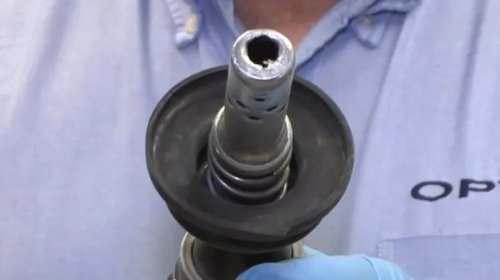
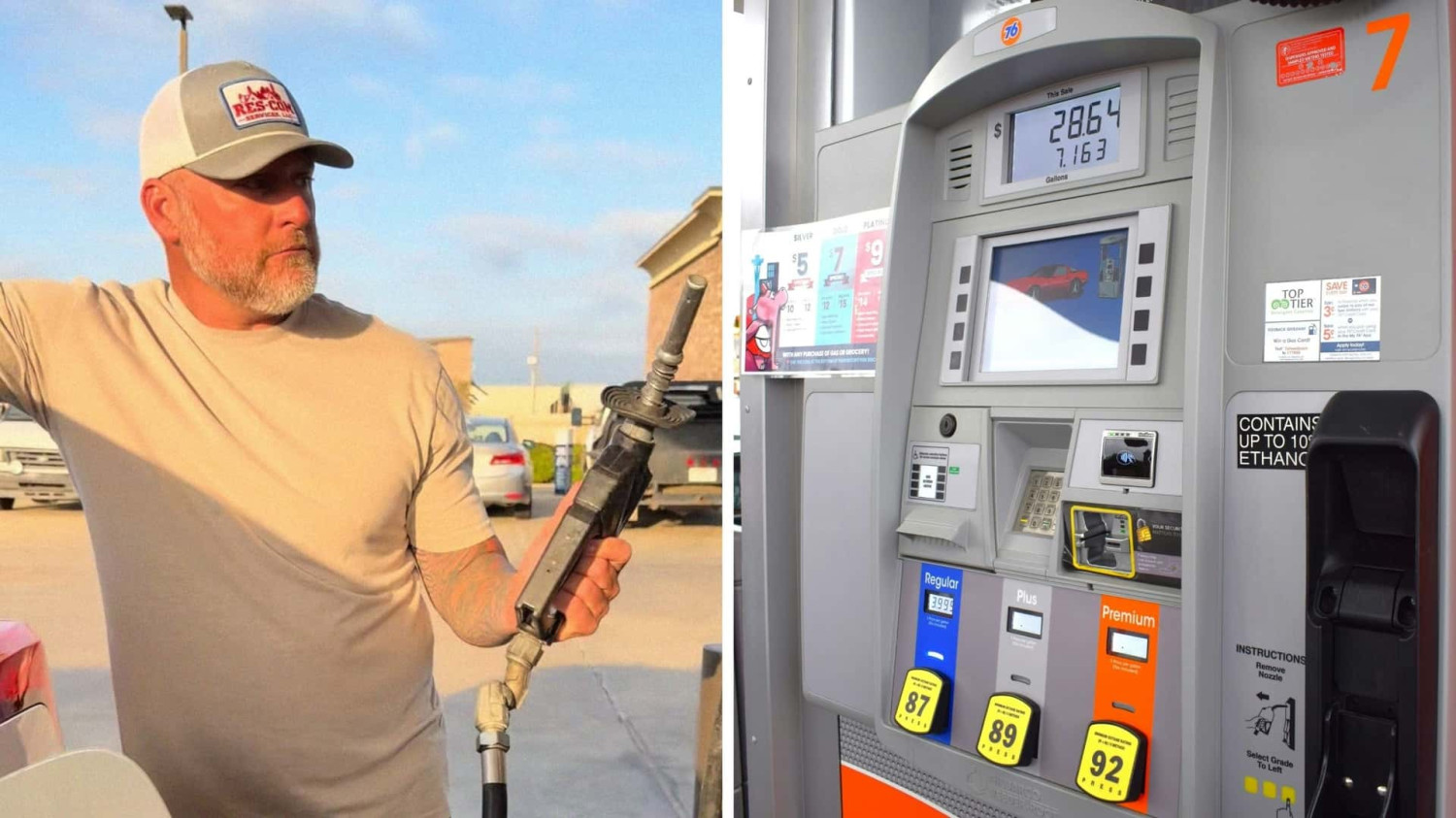
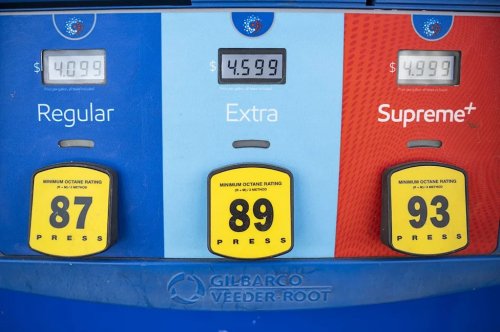
If you've ever stood at a gas pump, you know the annoyance of watching the numbers crawl up seemingly as slowly as possible. No one wants to spend unnecessary time filling up. But is there another way? A man says he learned a trick from a seasoned trucker that can save people with diesel vehicles serious time at the pump. In a viral video with more than 5.9 million views, content creator @DippinDiesel shares the tip "So I'm at a regular diesel pump right now," he says, "look how slow this thing is pumping." Then he tries a different pump. "Now let's compare it to one that's meant for semis in diesel, come to the semi pump, this thing pumps so much quicker." There is indeed a noticeable difference in how fast pumps that are meant for semis fuel. Why Semi Pumps Flow So Much Faster Semi diesel pumps are built to handle the volume big rigs need, which means they push fuel at a significantly faster flow rate than the standard pumps most diesel drivers default to. And apparently, nothing is stopping regular diesel truck owners from using them. The speed difference is by design. Semi trucks can carry 150 gallons or more across two tanks, and truckers running tight delivery schedules can't afford to wait around at a slow pump. To meet that demand, high-flow truck stop dispensers are built for serious volume. Gilbarco Veeder-Root, one of the largest fuel dispenser manufacturers in the country, advertises flow rates of up to 32 gallons per minute on their semi-dispensers. According to AAA, the nozzles on semi pumps are larger in diameter than standard diesel nozzles, and a special adapter may be required to use them with most diesel passenger cars and light trucks. But Can A Semi Pump Damage Your Vehicle? It probably won't do any damage to use a diesel pump, but there are a few things worth knowing before you walk over to the semi lane. The fuel itself is identical. The concern is the nozzle fit and flow rate. Diesel truck owners on the Duramax Forum report that the larger nozzle fits newer diesel pickups, while older and smaller models may not accommodate the larger pumps. The bigger practical issue is managing the flow. At full open, the pump pushes fuel faster than a regular pickup tank can vent, causing the auto-shutoff to trigger almost immediately or fuel to foam and back out of the filler neck. A workaround is to only squeeze the handle to the first click. That cuts the flow to a manageable rate while still filling significantly faster than a standard pump. Commenters React People who watched the video cautioned that semi pumps aren’t ideal for every vehicle or filling situation. “Note to self don't fill 5 gallon cans at pump for semis,” one wrote. “Semi pump in a pick up will foam up much quicker ...if u want your tank 100% full the smaller pump is much faster,” a second said. “Let's see… Using a pump intended for max 20-40 gallons at a time by people that probably have time to spare.... [versus] a pump intended for tanks that are usually 100-150 gallons... and probably filling 2 of them for every customer. Each customer carrying goods and on a time sensitive schedule. Gee, I wonder why the one for semis is faster,” another wrote. Motor1 reached out to @DippinDiesel for comment via email and Instagram direct message and comment. We’ll update this if he responds. We want your opinion! What would you like to see on Motor1.com? Take our 3 minute survey. - The Motor1.com Team