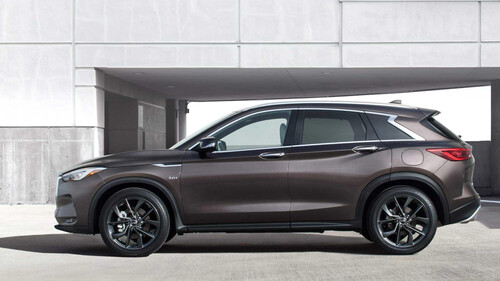
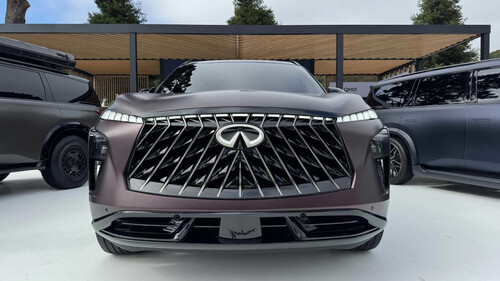
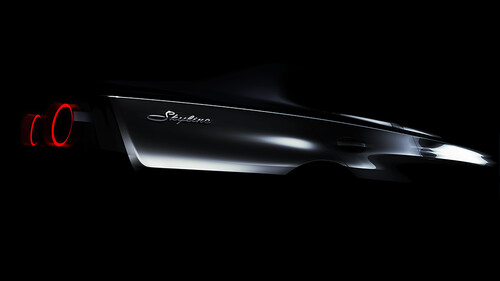
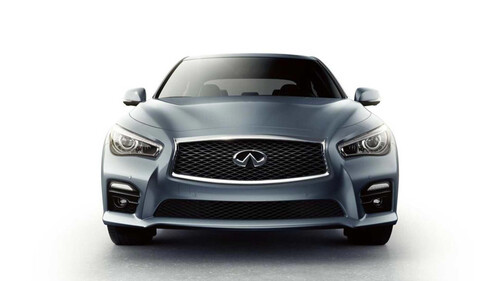
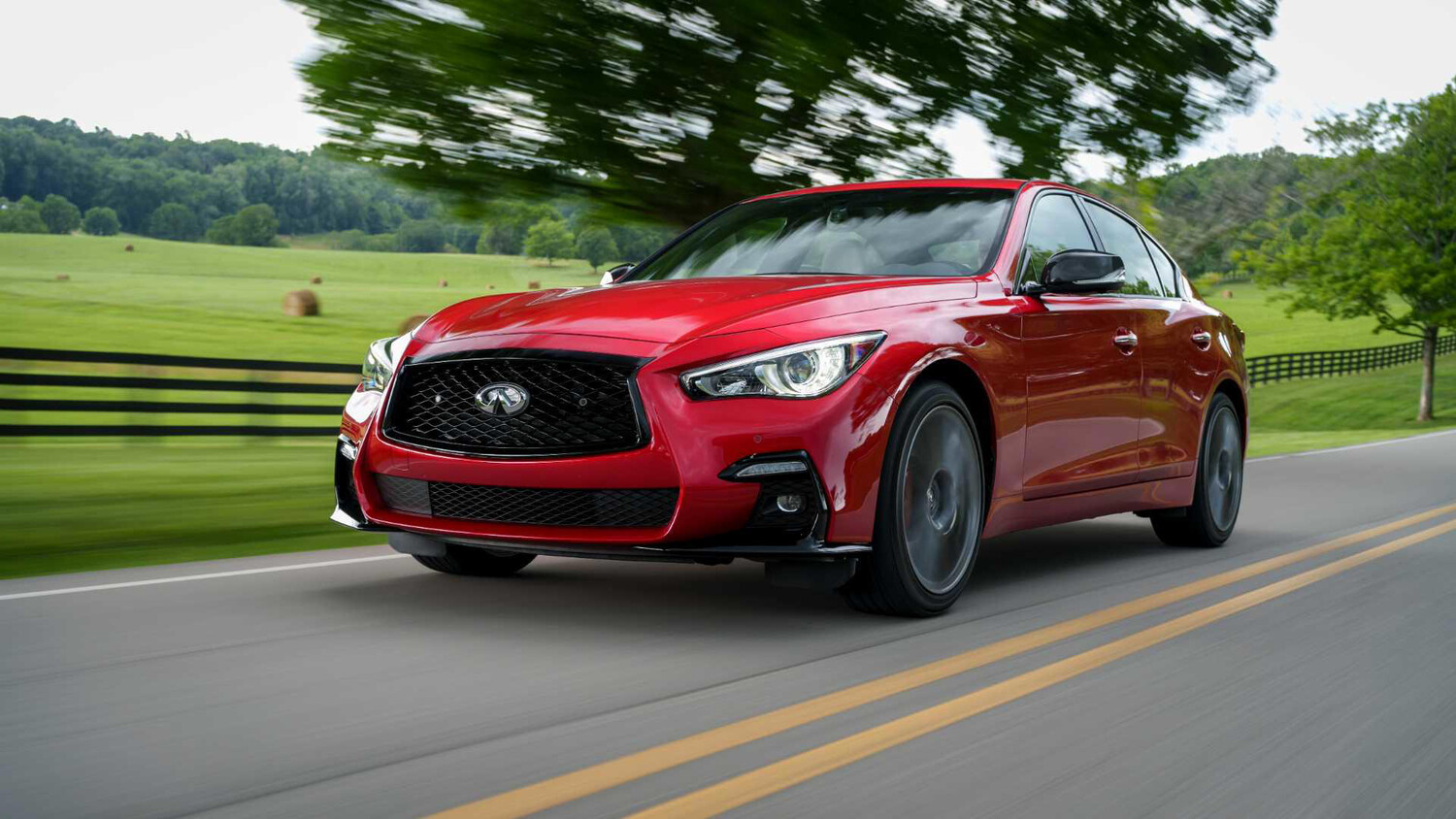
Alexander Leblanc · 6 months ago@alexanderleblanc72Nissan CEO Admits 'There Were Many Mistakes' With Infinifi Liked by+56 othersInfinitiInfiniti G35Infiniti Q50Infiniti QX50Infiniti QX55Infiniti QX65Nissan ArmadaNissan PathfinderNissan SkylinePost commentRelated PostsInfiniti SUV Models Ranked By SizeFor 2026 55 · Lily Campbell · 6 months agoNissan Rogue 2025: Does the VC-Turbo engine actually hold up? 83 · Ethan Brown · 6 months agoInfiniti confirms high-horsepower Q50 sedan name for US market 10 · Liam Girard · 6 months agoInfiniti's 2027 QX65 looks the part, but nostalgia can't hide how it drives 45 · Emily Mitchell · 5 months agoNissan’s New Skyline Debuts in December With a V6 and Manual 67 · Emma Hall · 1 months ago2027 Infiniti QX65 Review: The QX60 Gets a Lot More Interesting 70 · Carter Martin · 1 months agoNissan Just Recalled 168,149 Full-Size SUVs Because a Sticker Has the Wrong Number on It 83 · Jackson Leblanc · 3 months agoIf You Call These Cars JDM, You've Been Getting It Wrong 35 · Ava Lewis · 3 months agoWho Makes 5.0 Liter V8 Engines Besides Ford? 89 · Nathan Campbell · 1 months agoParis Motor Show 2026 live: Citroen 2CV reborn, next-gen Vauxhall Astra and so much moreAbigail Campbell · 11 days agoRIP: These Cars Won't Make It to 2026 64 · Alexander Anderson · 1 years agoInfiniti QX50: A comfortable and practical luxury SUV 23 · Chloé Wilson · 7 months ago10 cars powered by the most-awarded V6 in history: Nissan VQ 85 · Daniel Gagnon · 6 months ago2027 Infiniti QX65 first drive review: Is this one flaw a deal-breaker? 68 · Samuel Turner · 5 months agoNext-Gen Nissan Skyline Finally Has A Launch Date 41 · Jackson Hill · 1 months agoTested: The 2027 Infiniti QX65 Looks Like a Luxury SUV, But Doesn’t Act Like One 36 · Jacob Bouchard · 2 months agoNissan's Biggest SUVs Have Been Wearing the Wrong Weight Label Since 2011, and Nobody Noticed 30 · Evan White · 3 months agoHow Nissan Used AI To Copy China And Build The Next Skyline In Half The Time 30 · William Côté · 4 months agoToday in Automotive History: September 22, 1985 – The Plaza Accord That Moved Japan’s Car Plants to America 51 · Henry Côté · 1 months agoHonda Pilot 4WD vs. AWD: What the i-VTM4 System Really DoesMadeleine White · 12 days ago



 +56 others