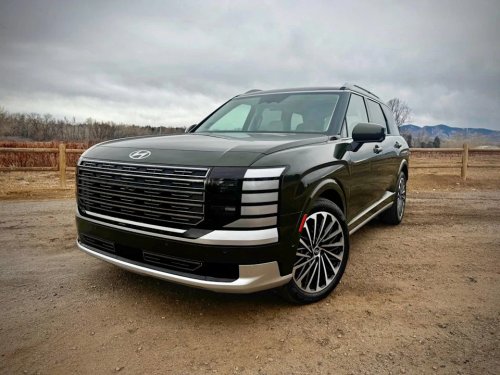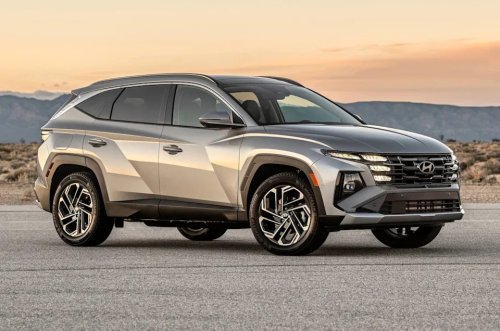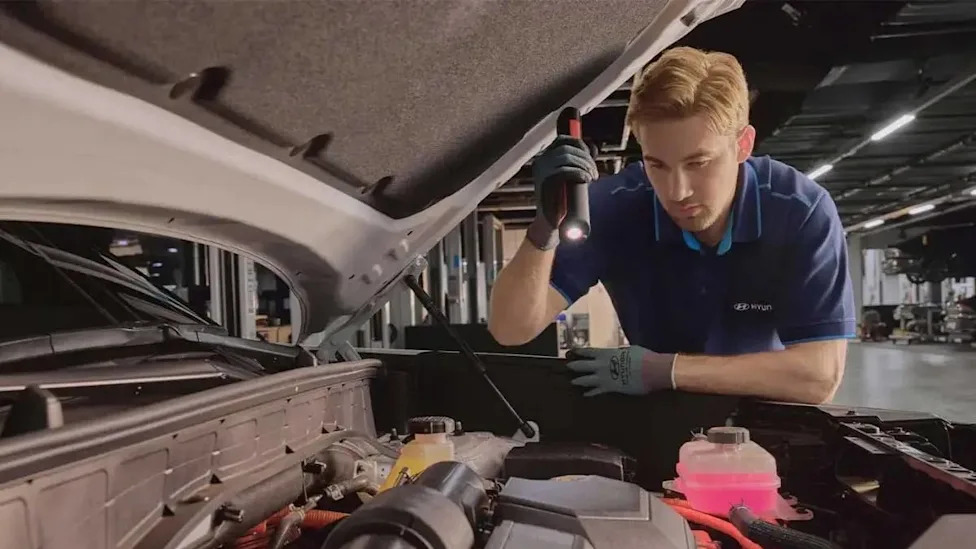



















Autoblog and Yahoo may earn commission from links in this article.Hyundai’s Growth Came With a CatchHyundai’s rise in the US has been nothing short of impressive. Over the past few years, the brand has rolled out new SUVs, EVs, and hybrids, steadily growing its lineup and pushing annual sales past 900,000 vehicles for 2025. That’s a huge leap from the 665,000 units it moved in 2017, and the company doesn’t plan to slow down.But as Hyundai’s showrooms fill up, the service side hasn’t kept pace. In fact, Hyundai has landed below the industry average in JD Power’s service satisfaction rankings every year since 2017.AdvertisementAdvertisementThe issue is becoming harder to ignore as more owners complain about long wait times, delayed repairs, and difficulty getting answers about warranty coverage or parts availability.HyundaiCustomers Are Growing Frustrated With Service DelaysA big part of the problem comes down to capacity. Dealers are seeing far more Hyundais roll in for service than they did ten years ago, but many shops never grew fast enough to handle the surge.Take the case of one Alabama owner, as chronicled by Automotive News: a 2024 Hyundai Palisade sat idle for months, just waiting on replacement rear shocks. Stories like this aren’t rare – online owner groups are full of similar complaints about backordered parts and repairs that drag on far longer than expected.Hyundai Motor America’s Michel Poirier, who oversees aftersales and customer experience, knows what’s happening. He points to the sheer number of engine replacements from warranty and recall campaigns as a major culprit. These jobs can tie up technicians and service bays for days, slowing everything else down.AdvertisementAdvertisementPoirier added that the ongoing technician shortage and Hyundai’s famously long warranties – which keep more cars coming back for covered repairs – are part of the problem, a recipe for bottlenecks that are now hitting owners where it hurts.HyundaiHyundai Says a Major Fix Is Already UnderwayHyundai says it’s not standing still. According to Poirier, the company is rolling out several fixes aimed at cutting delays and making service more efficient across its dealer network.Hyundai now has about 150 mobile service vans on the road, handling everything from oil changes to software updates right at your doorstep. The company is also teaming up with dealers to boost shop efficiency, bring in more technicians, and ramp up training so techs can tackle today’s more complex vehicles faster.Dealerships are also adding more service bays as part of Hyundai’s updated facility program. Poirier expects these changes to start moving the needle on service satisfaction by 2028. For Hyundai, the real test is making sure the ownership experience finally catches up with the brand’s rapid growth.HyundaiThis story was originally published by Autoblog on May 16, 2026, where it first appeared in the News section. Add Autoblog as a Preferred Source by clicking here.