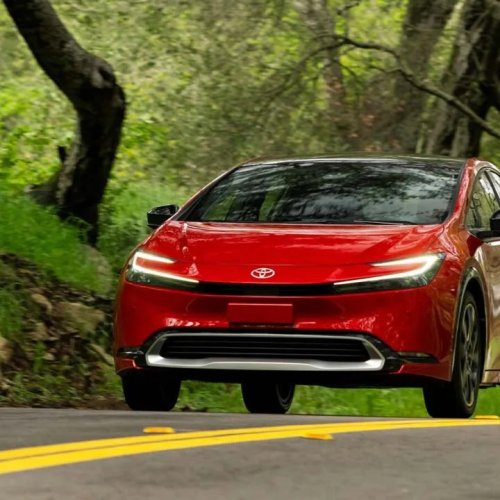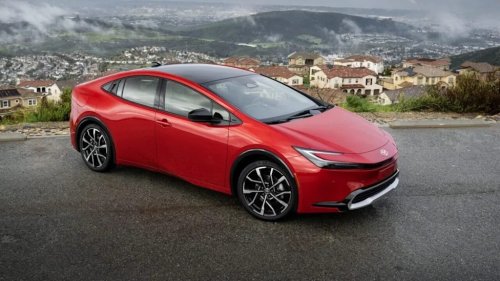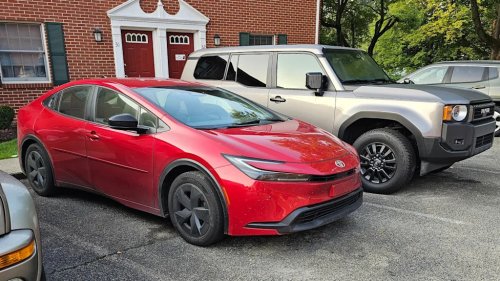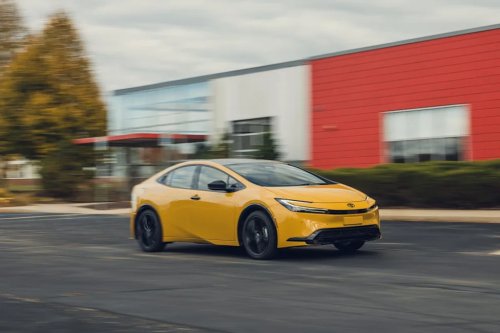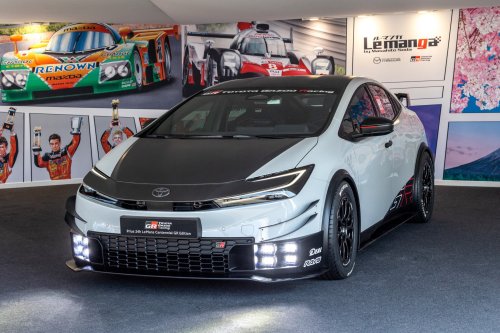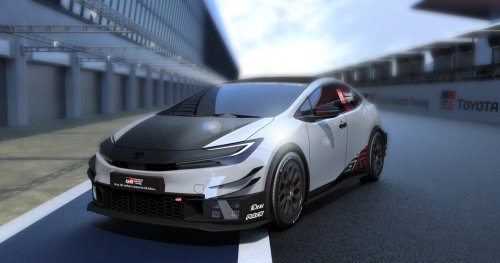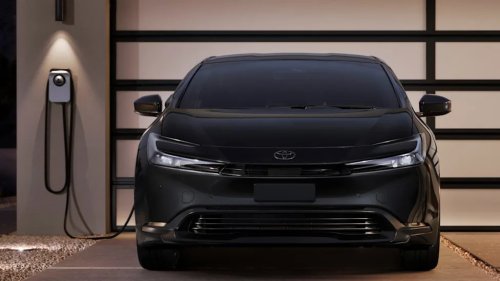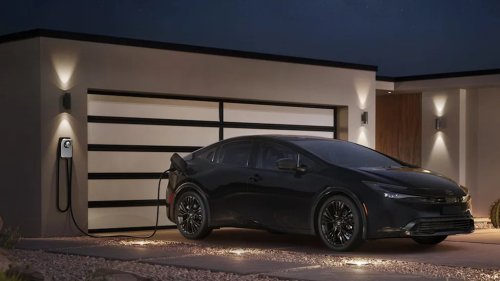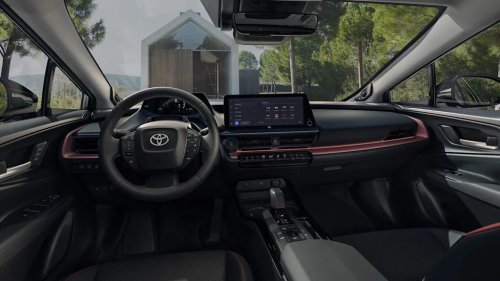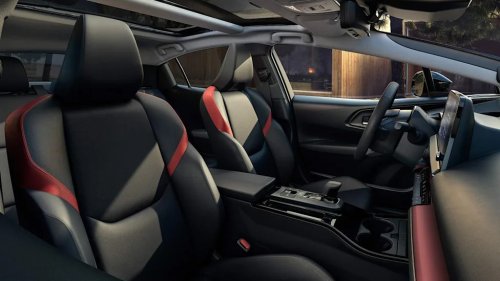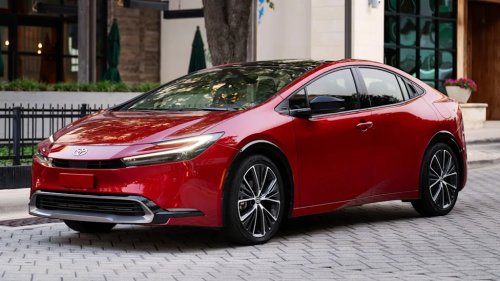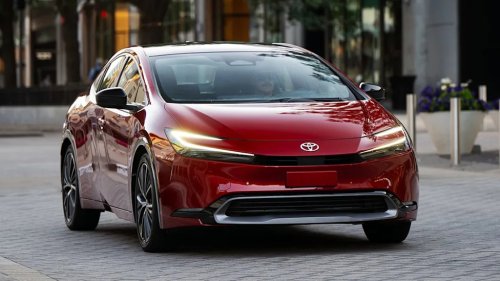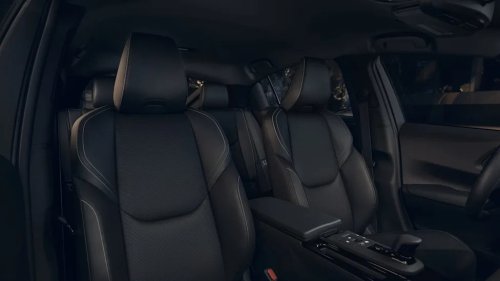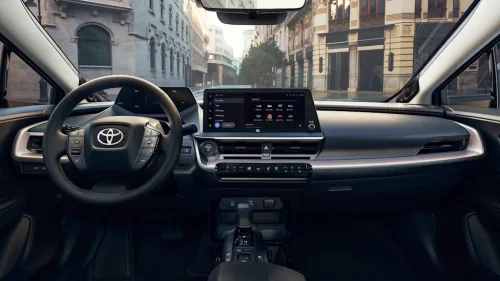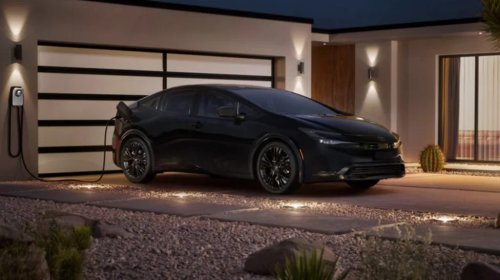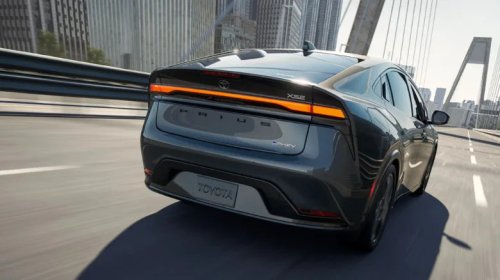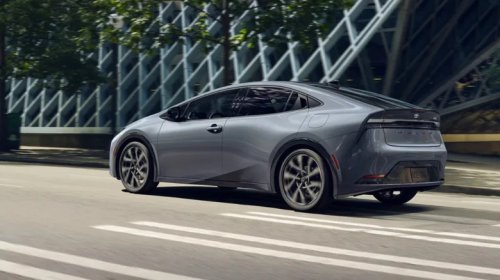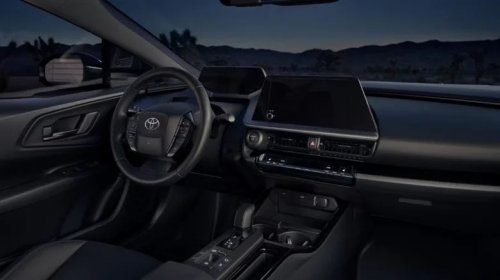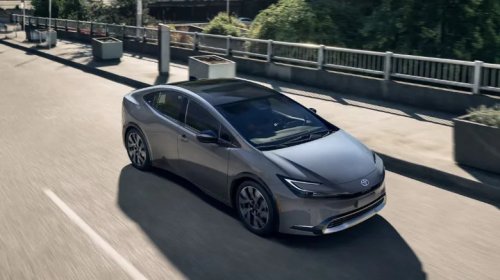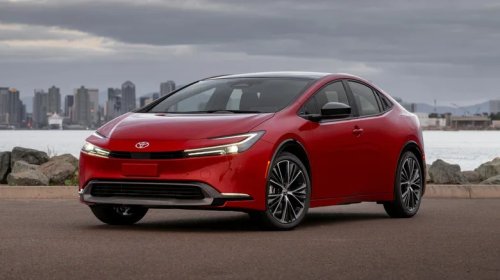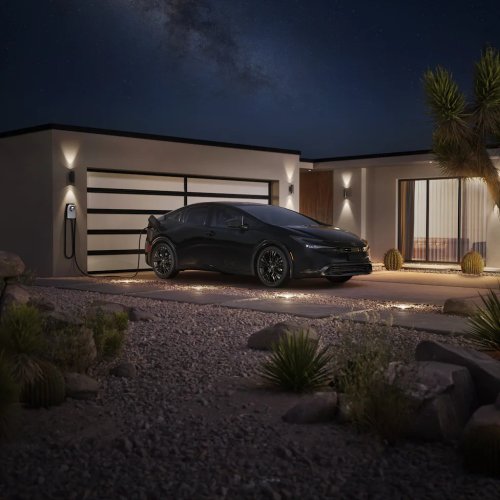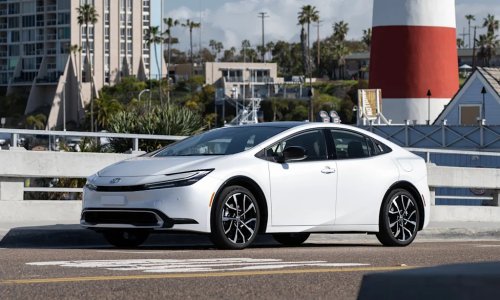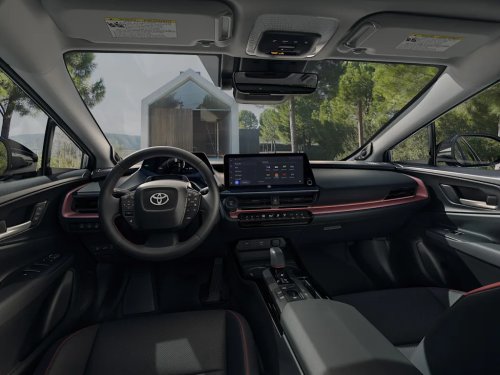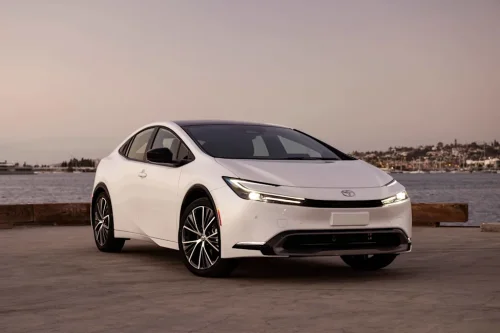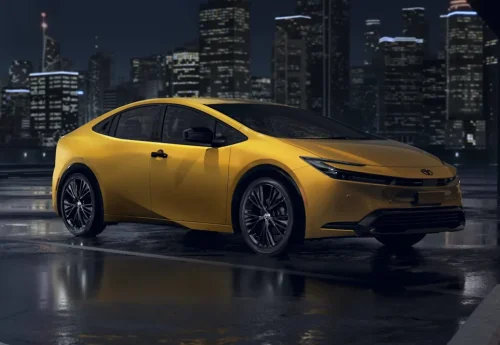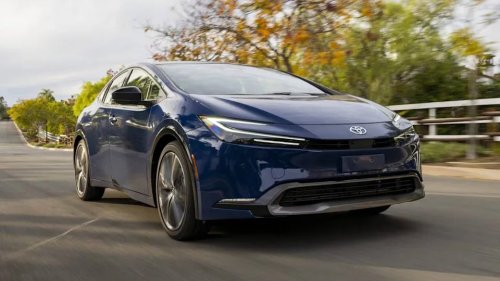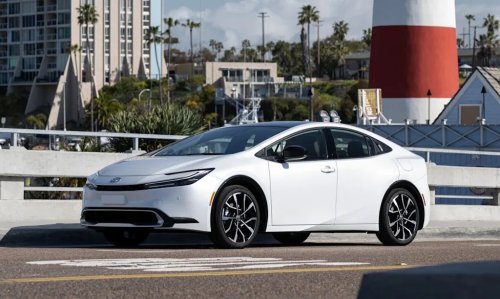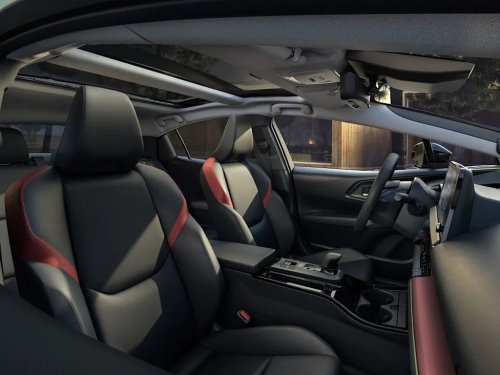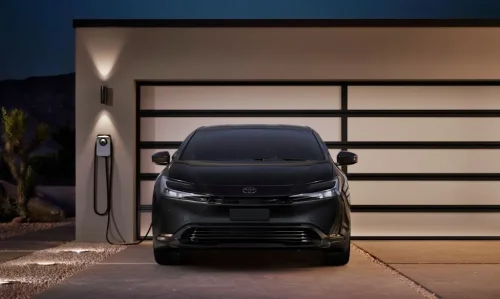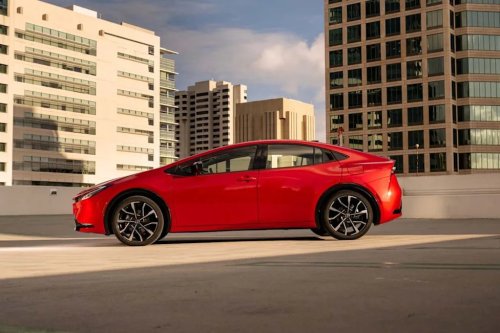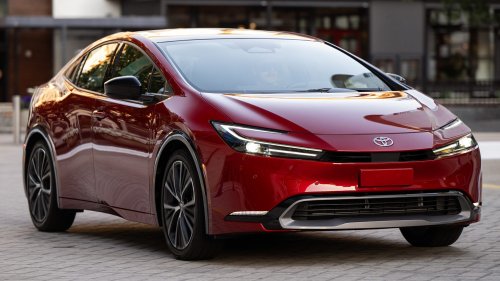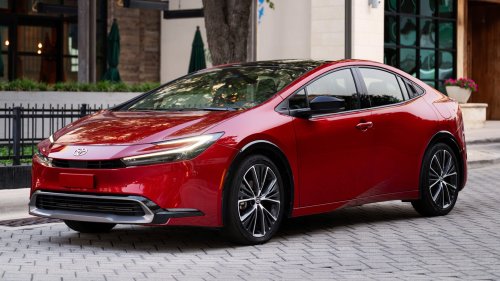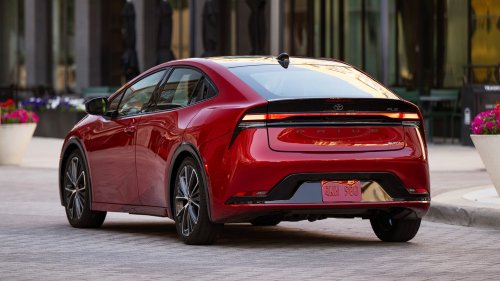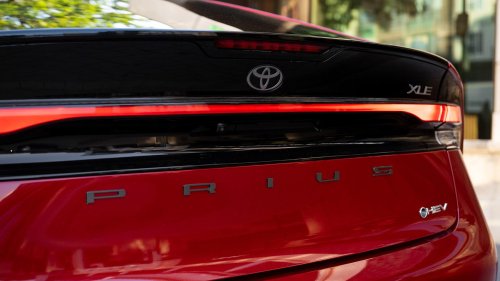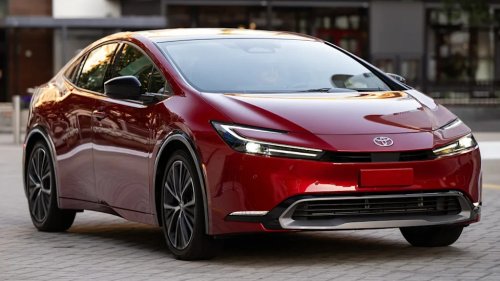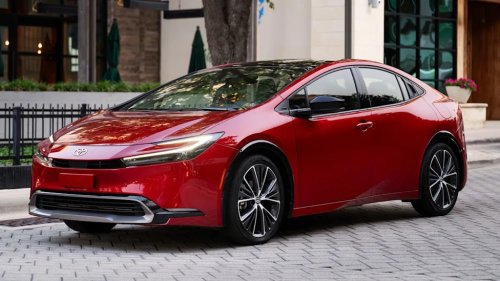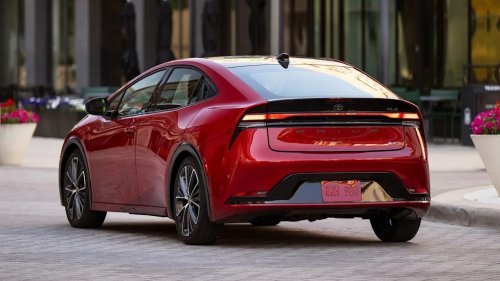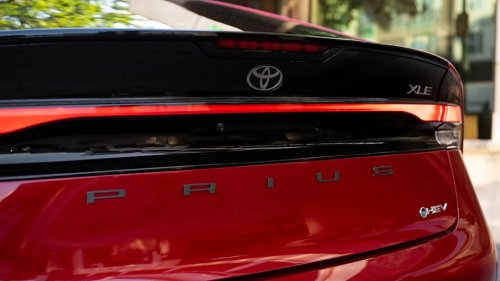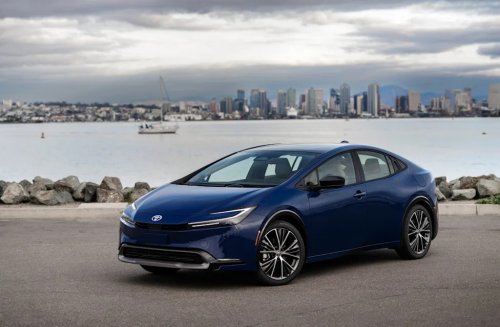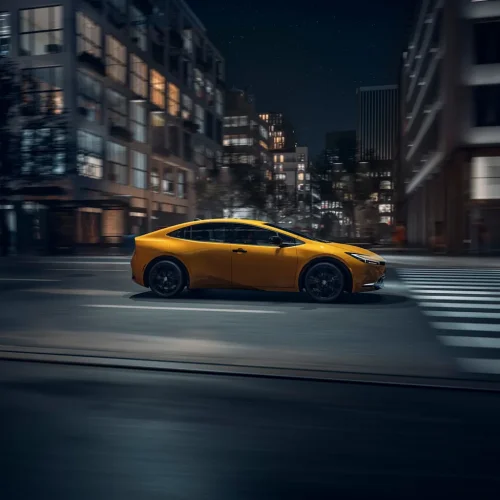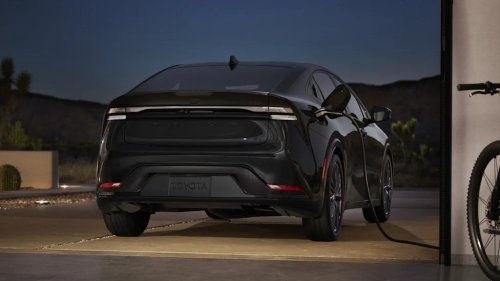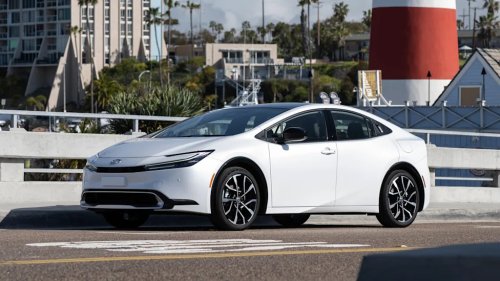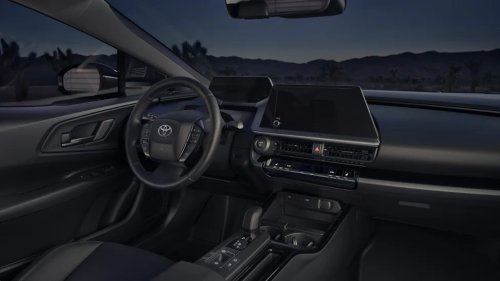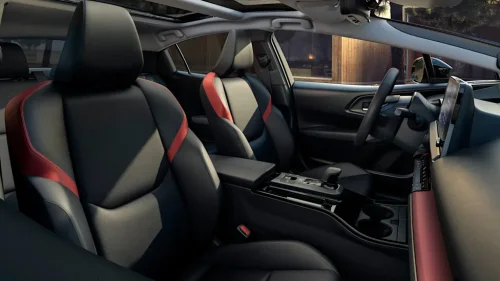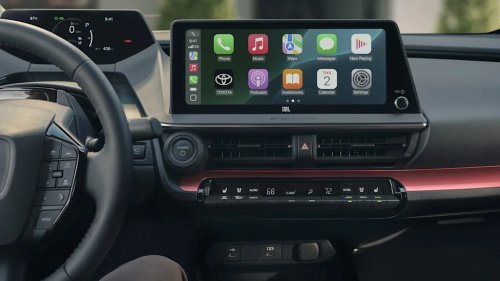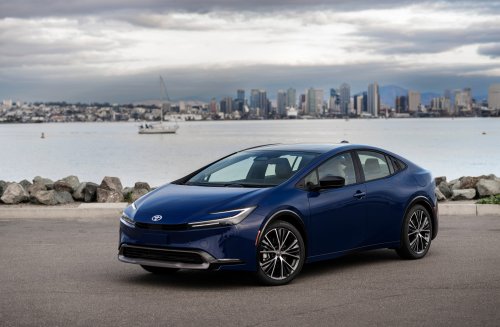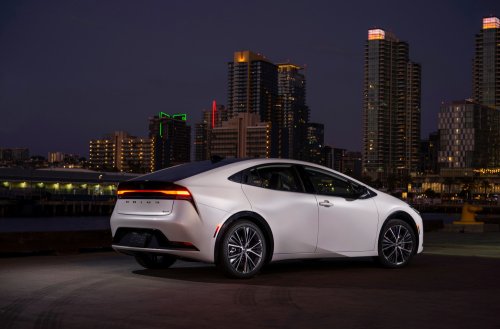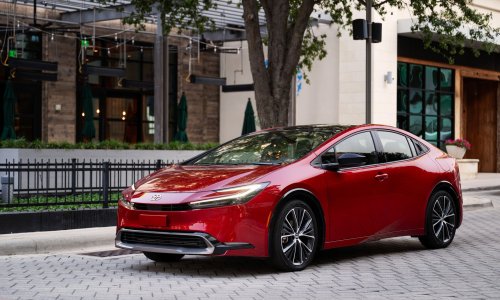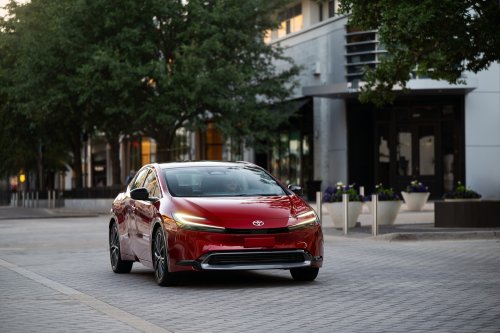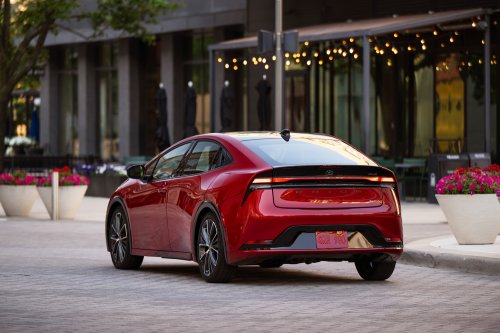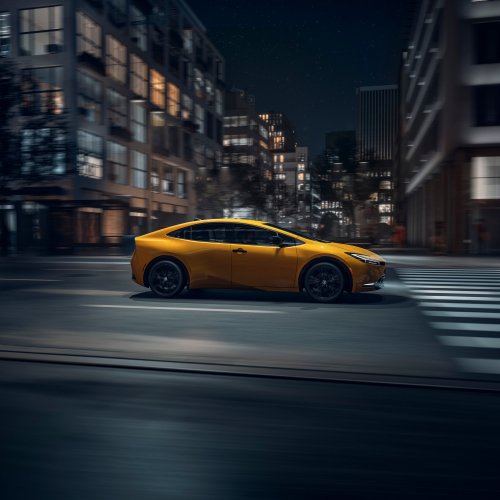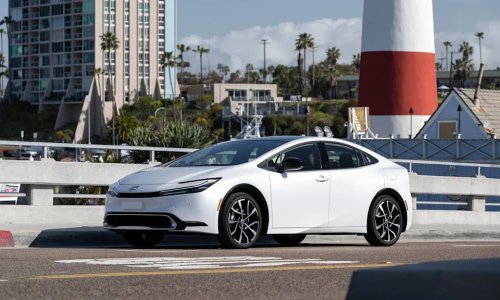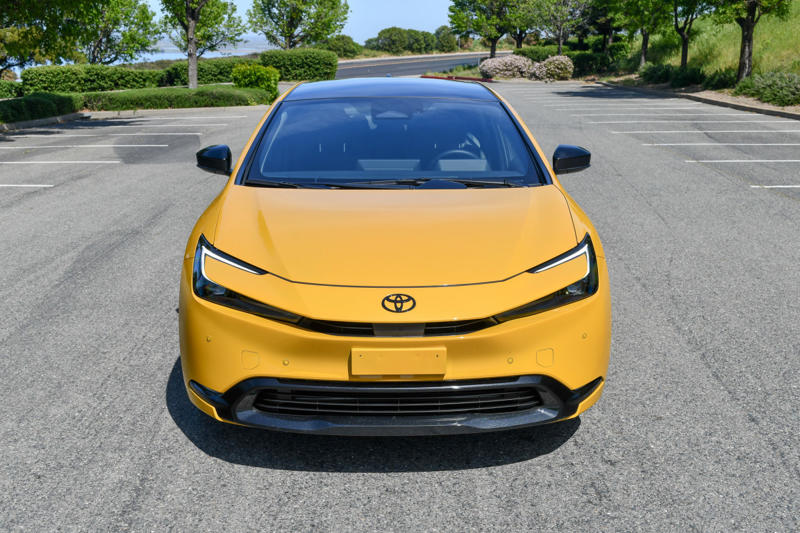
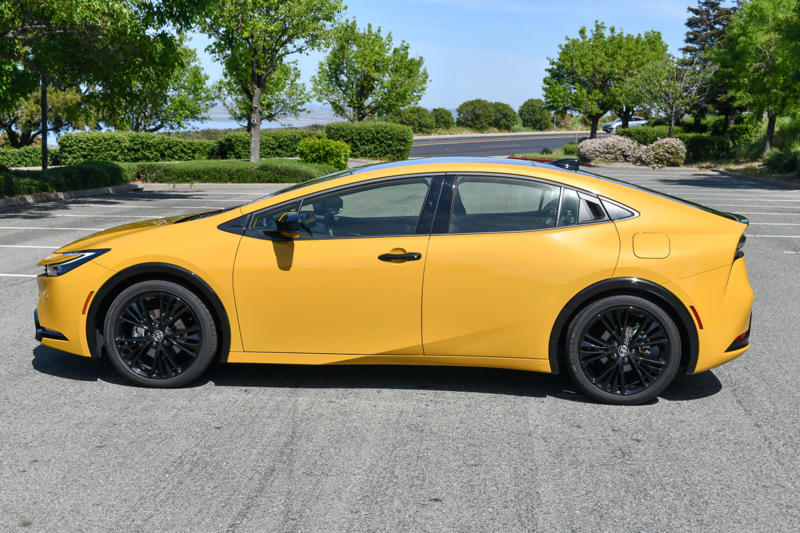
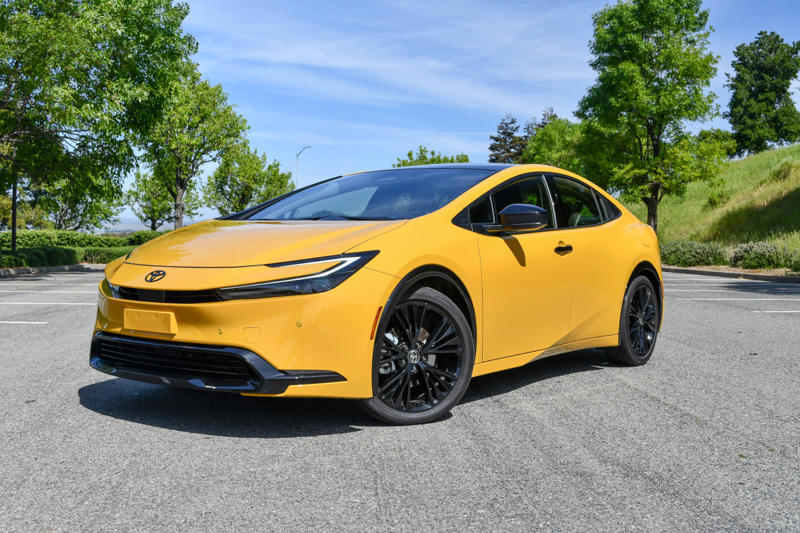



















Growing up in the eastern part of the San Francisco Bay Area, I remember everything fun: San Francisco, Oakland, Lake Tahoe, Yosemite, and Southern California were all far away. San Francisco was the closest, but the traffic required to get into and out of the city always made it feel further than it really was. Lake Tahoe and Yosemite were always about three hours away, and Southern California, where Disneyland and a lot of other fun theme parks are, took about eight hours of driving. My dad used to have to commute to Berkeley growing up, so he was gone for about 12 hours, as it took nearly two hours just to get to and from work. As being a Californian became more expensive, going anywhere began to feel suffocating. The point here is that the Bay Area is a place where everything feels far away, expensive, or both. Whether you’re driving from the East Bay to San Francisco, heading down to San Jose, or escaping to the coast or the redwoods for the weekend, you’re almost guaranteed to spend a lot of time in the car. Long commutes are the norm, not the exception, and traffic is practically a regional personality trait. In that environment, the 2026 Toyota Prius has become something of an unsung hero for residents. It’s not just a commuter car anymore—it’s a survival tool for people who spend hours on the road and pay some of the highest gas prices in the country. Here’s why I say that.The Prius isn’t expensive to buy, and it’s not as painful to fill upWhat makes the Prius so appealing here is how dramatically it reduces the emotional and financial weight of driving. Gas routinely hovers around six dollars a gallon, sometimes more, and the Prius’s ability to stretch a tank for hundreds of miles changes the way you think about errands, commutes, and weekend plans. Instead of dreading the cost of a spontaneous trip to the store or a last-minute drive across the bridge, you start to relax into the idea that your car isn’t punishing you for living your life. The PHEV’s 44 miles of electric range only sweeten the deal, letting many Bay Area drivers complete their daily routines without using a drop of gas. For people who commute an hour or more each way, that’s not just convenient—it’s transformative. Even the pricing of the Prius—being $41,350 as tested, thanks to a few upgrades—plays directly into its Bay Area appeal. With new-car averages hovering between $45,000 to $53,500, the Prius’s range feels almost shockingly attainable. The standard hybrid starts at $28,550, and even the XSE Premium plug‑in starts at $40,670. In a region where rent, groceries, childcare, and utilities already stretch people thin (ask me how I know), the Prius stands out as one of the few new cars that doesn’t demand a luxury‑car budget. It’s efficient, modern, and genuinely affordable, which is a rare combination here. For many Bay Area drivers, the price isn’t just reasonable—it’s one of the only financially sensible choices left.It’s one of the few new vehicles that still feels within reach for middle-class families, teachers, nurses, service workers, and anyone else trying to make the Bay Area math work. And unlike many affordable cars, the Prius doesn’t feel like a compromise.It fits into the Bay Area’s tech-y, premium vibeThe latest redesign gives the Prius PHEV a sleek, modern look that finally matches its reputation for efficiency. The hammerhead headlights, the blacked-out Nightshade accents, and especially the Karashi yellow paint give it a personality it never had before. In a region where people care about aesthetics, where Teslas, Rivians, and quirky EVs dominate the roads, the Prius finally fits in. I meant it when I said every other car I see on the highway was either a Prius or a Tesla. But the biggest reason the Prius thrives here is that it fits the Bay Area lifestyle better than almost anything else. Many households rely on a two-car setup: one larger vehicle for hauling kids, dogs, strollers, and Costco hauls, and one smaller, ultra-efficient car for the weekday grind. The Prius is the commuter half of that equation. It’s the car you take to work, to BART, to the gym, to school drop-off, to Trader Joe’s, and back home again without worrying about fuel costs or parking. It’s the car that makes sitting in traffic feel less wasteful, less stressful, and less financially draining. And on the weekends, when you do need to load the kids in for a beach day or a trip to the zoo, it works well enough—just not as the primary family hauler.Final thoughts: The Prius felt like a Bay Area nativeIn a region defined by long distances, high prices, and relentless traffic, the Prius offers something rare: predictability. It’s efficient, affordable, and now, finally, stylish enough that people feel good driving it. It’s the car that makes the Bay Area’s daily, annoying struggles a little easier to live with, without requiring a financial sacrifice to bring home. And that’s why it’s become such a staple on local highways. The Prius isn’t just popular here—it’s practically part of the landscape. And if I ever find myself in a position where I have to commute to work, I will 100% be leasing one.