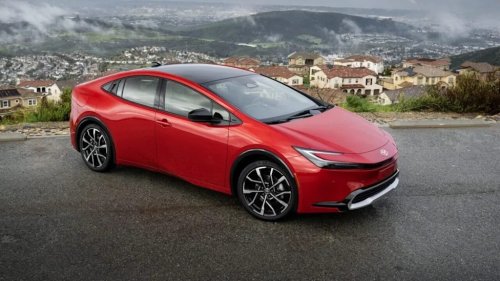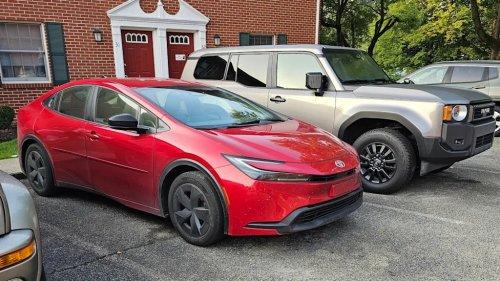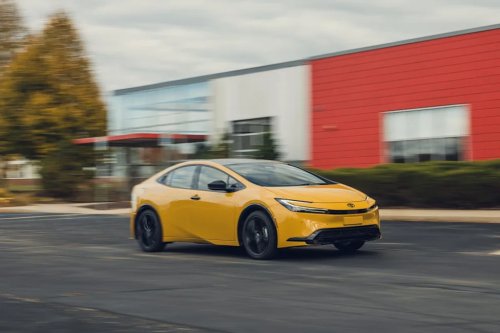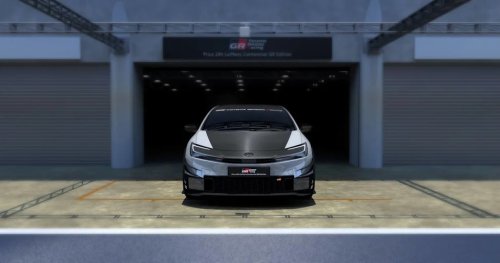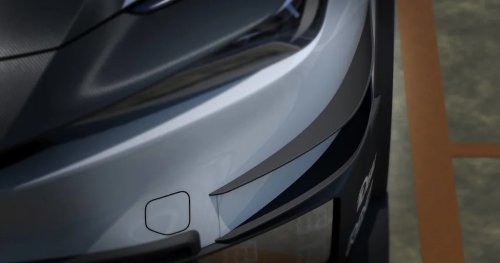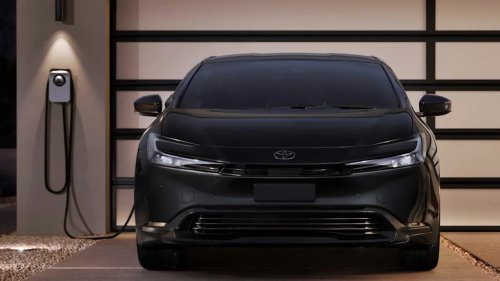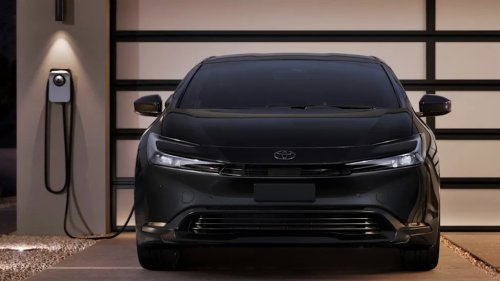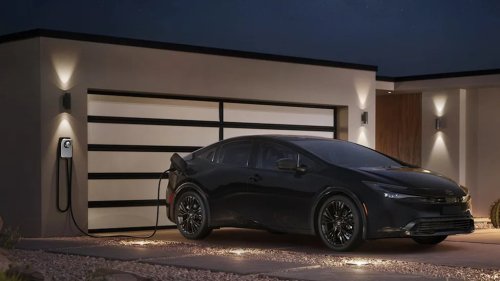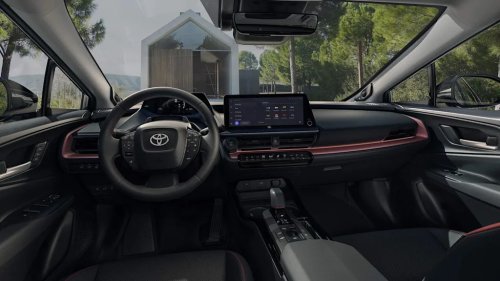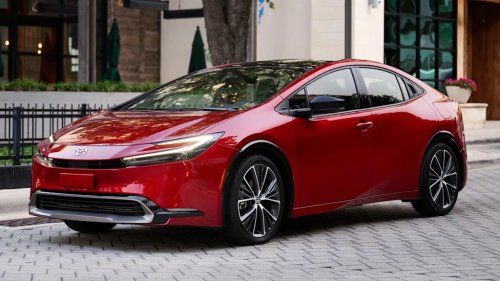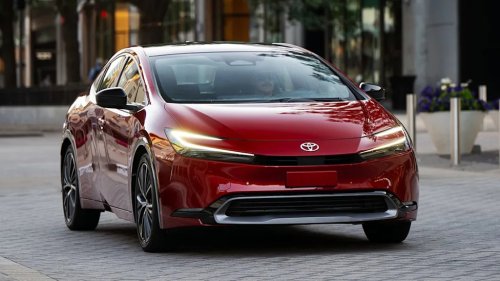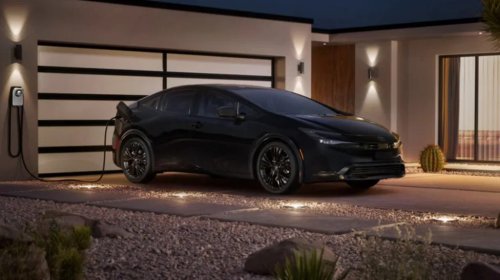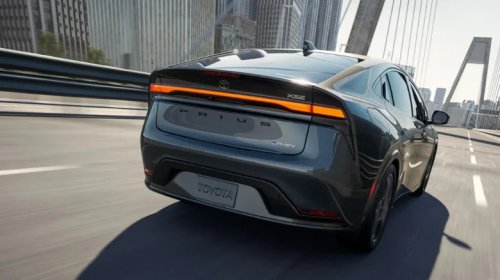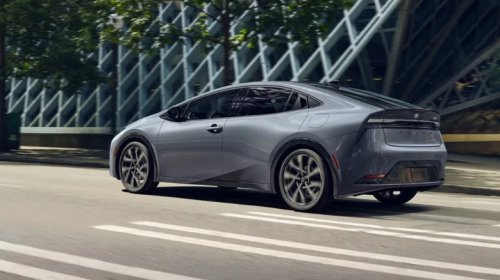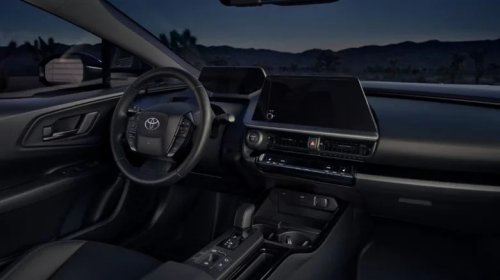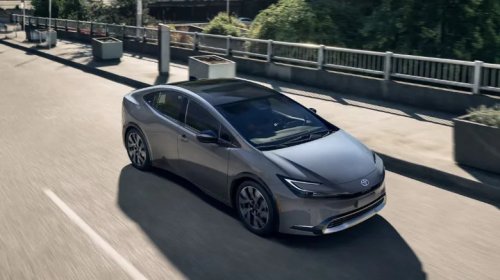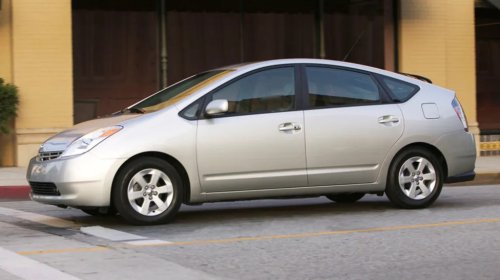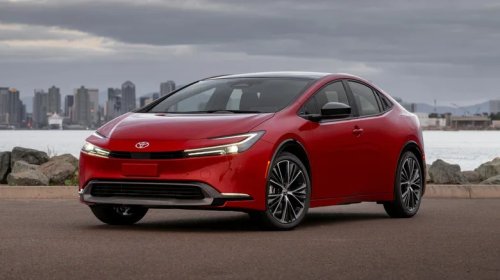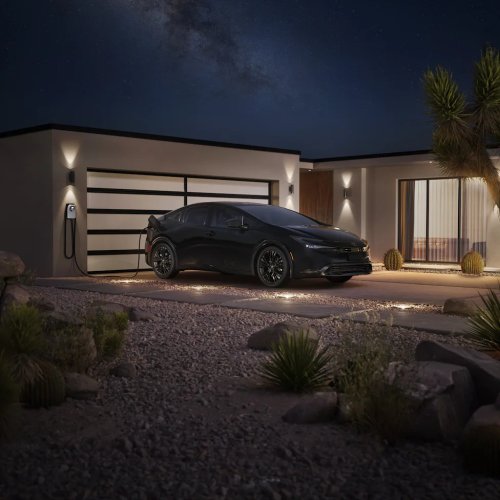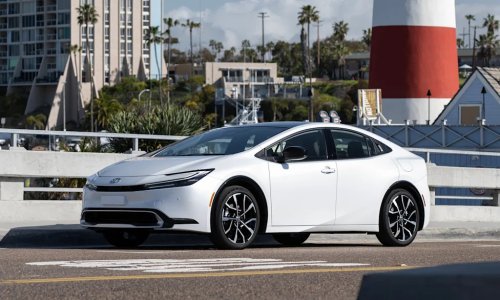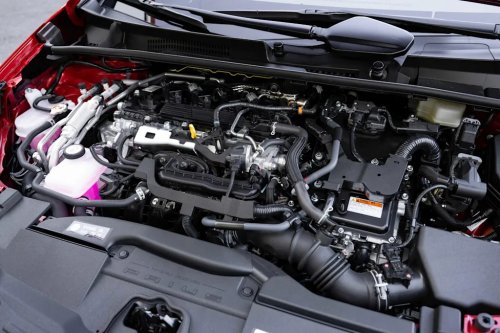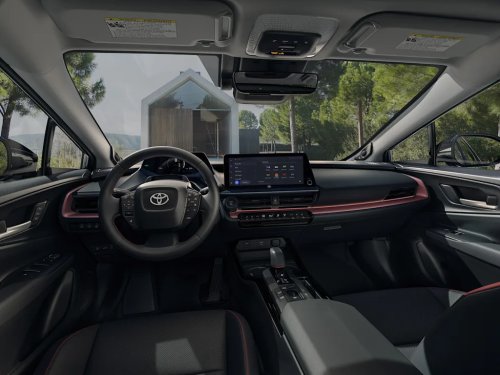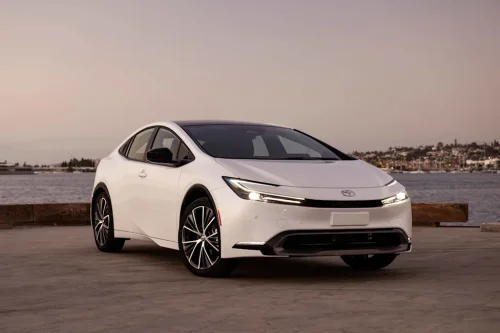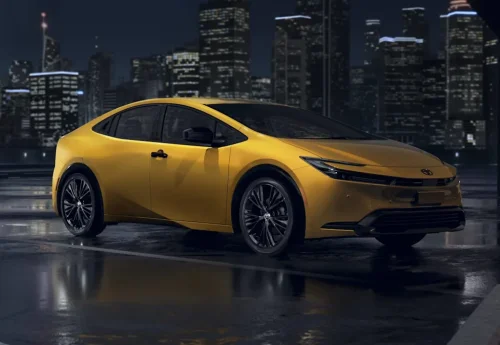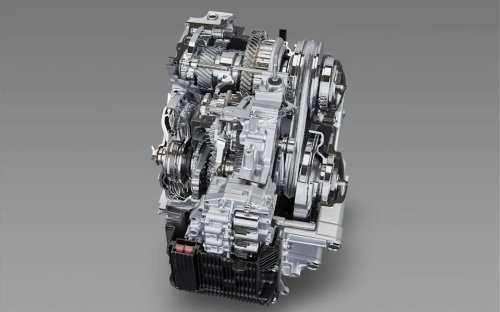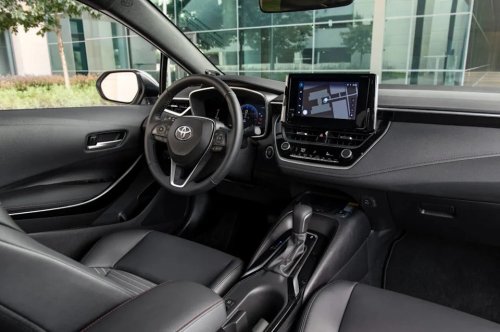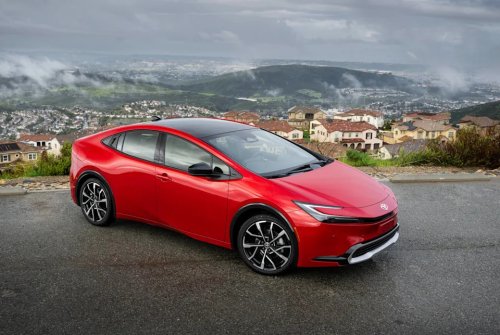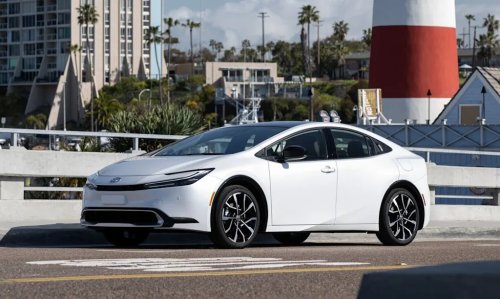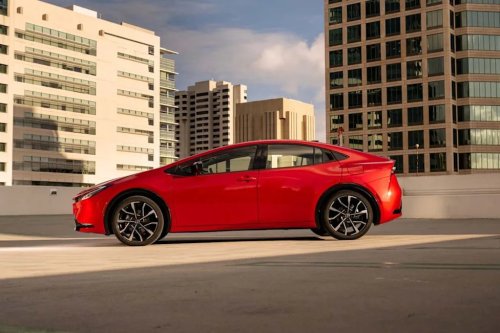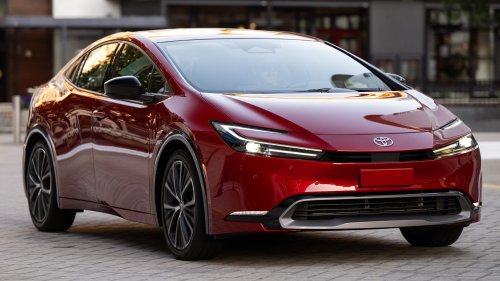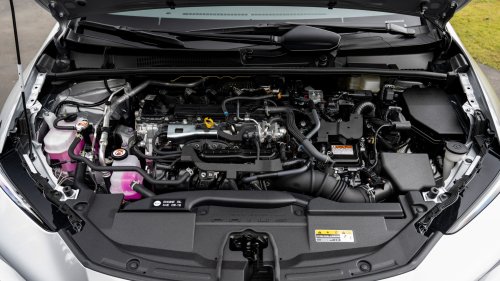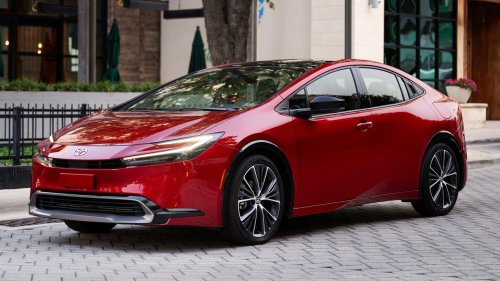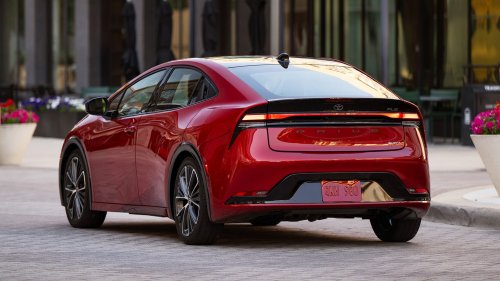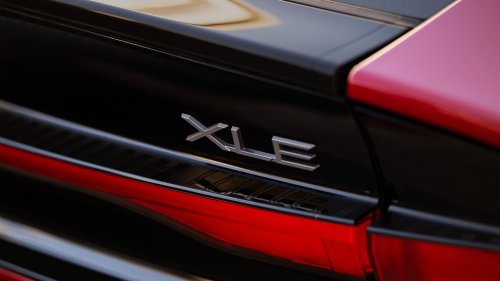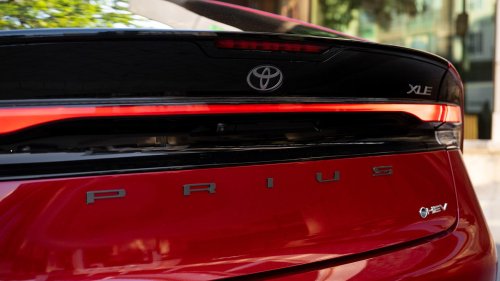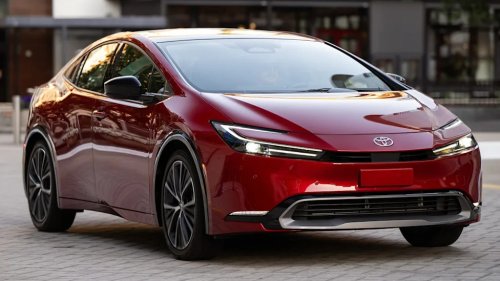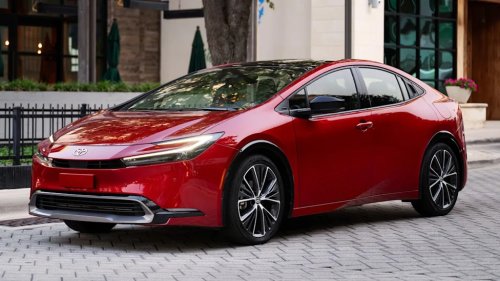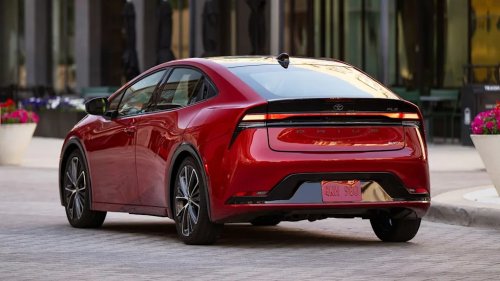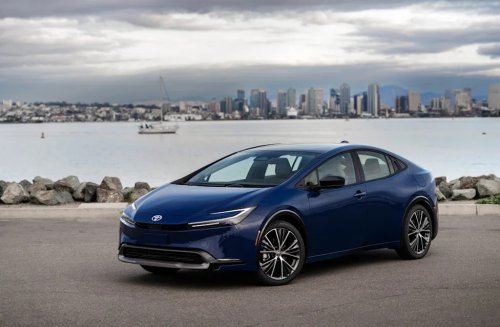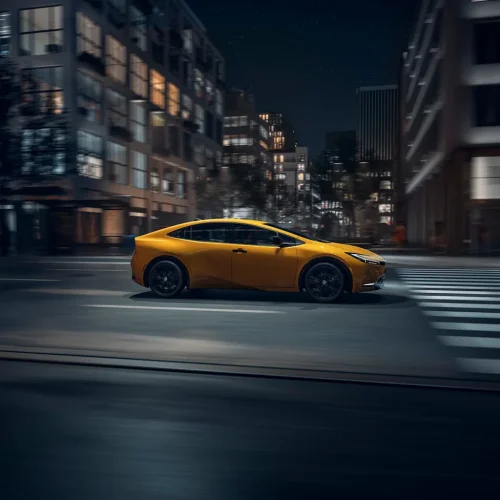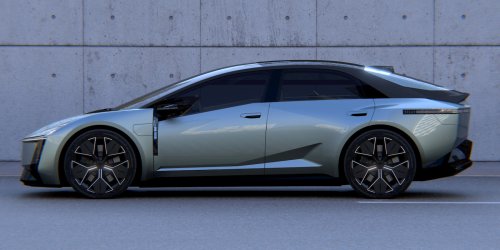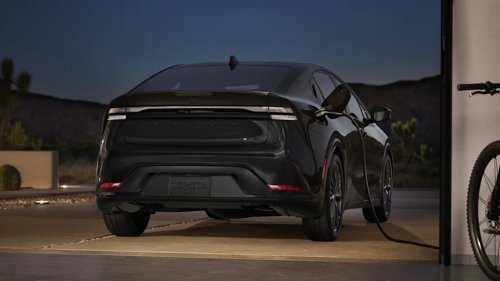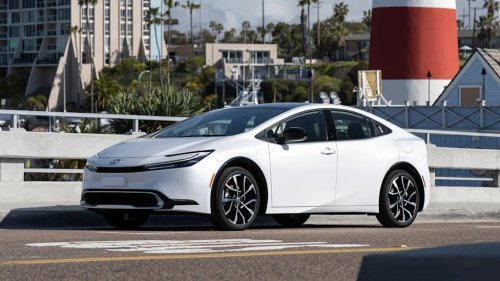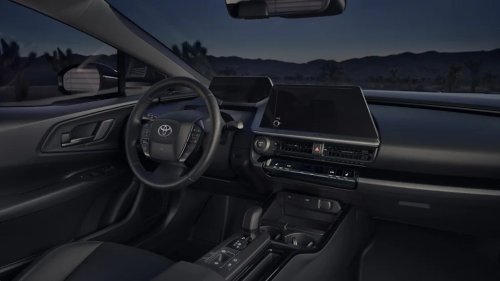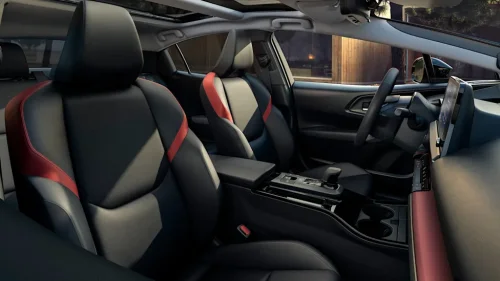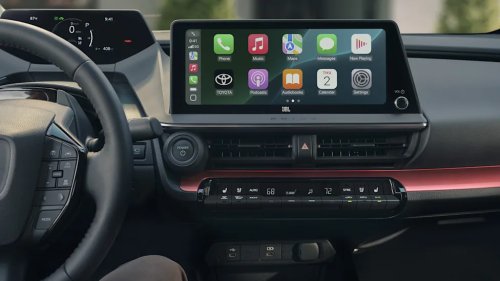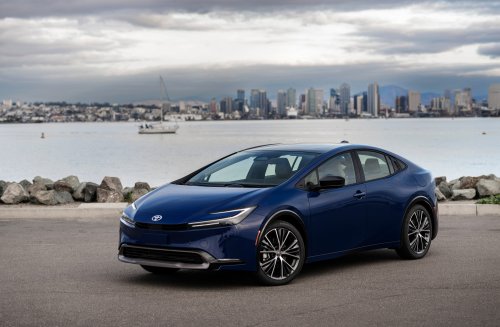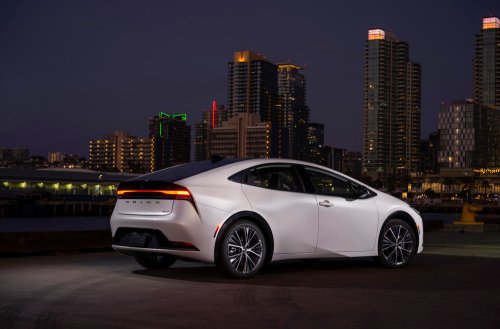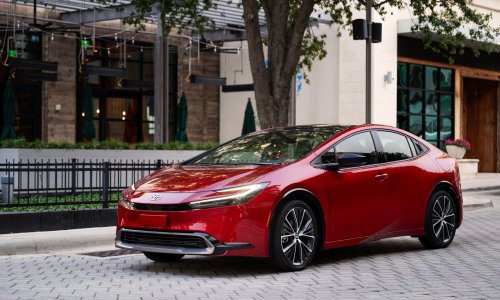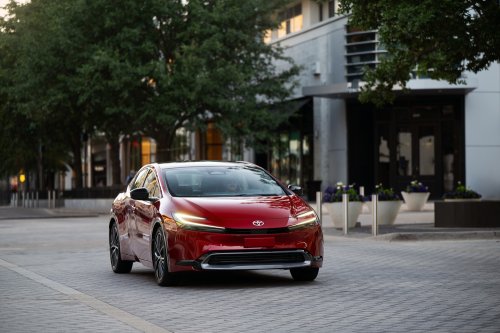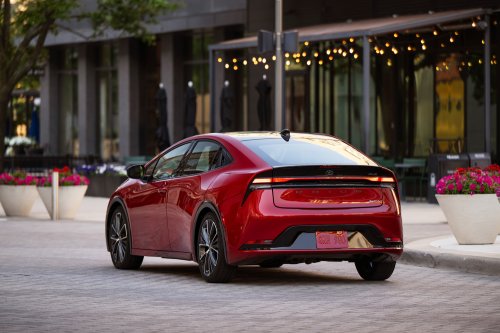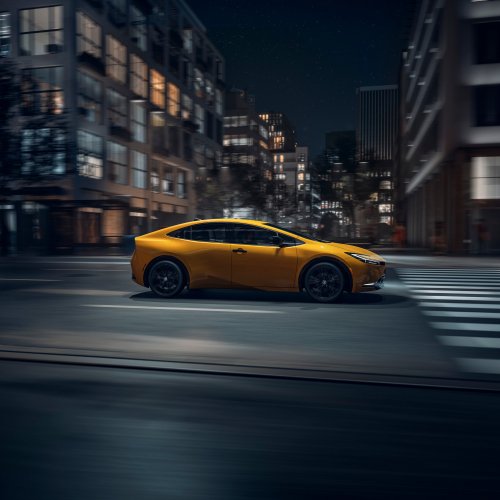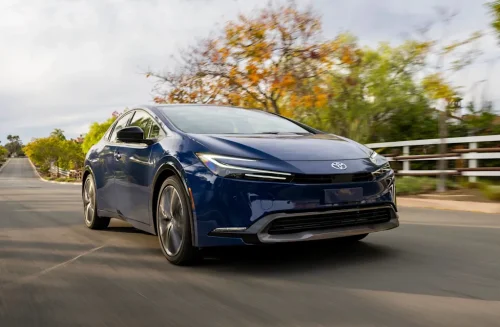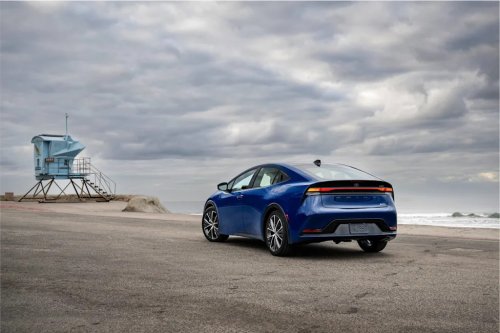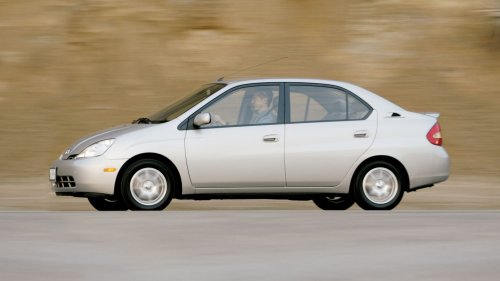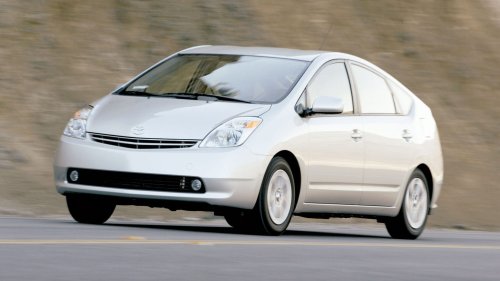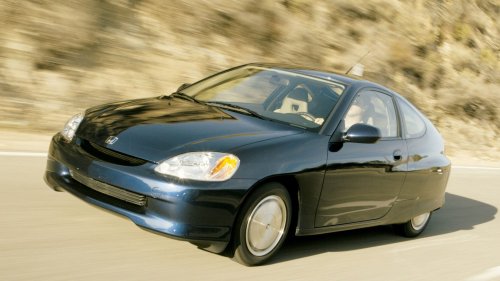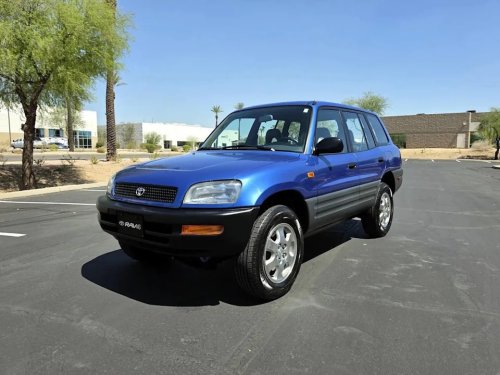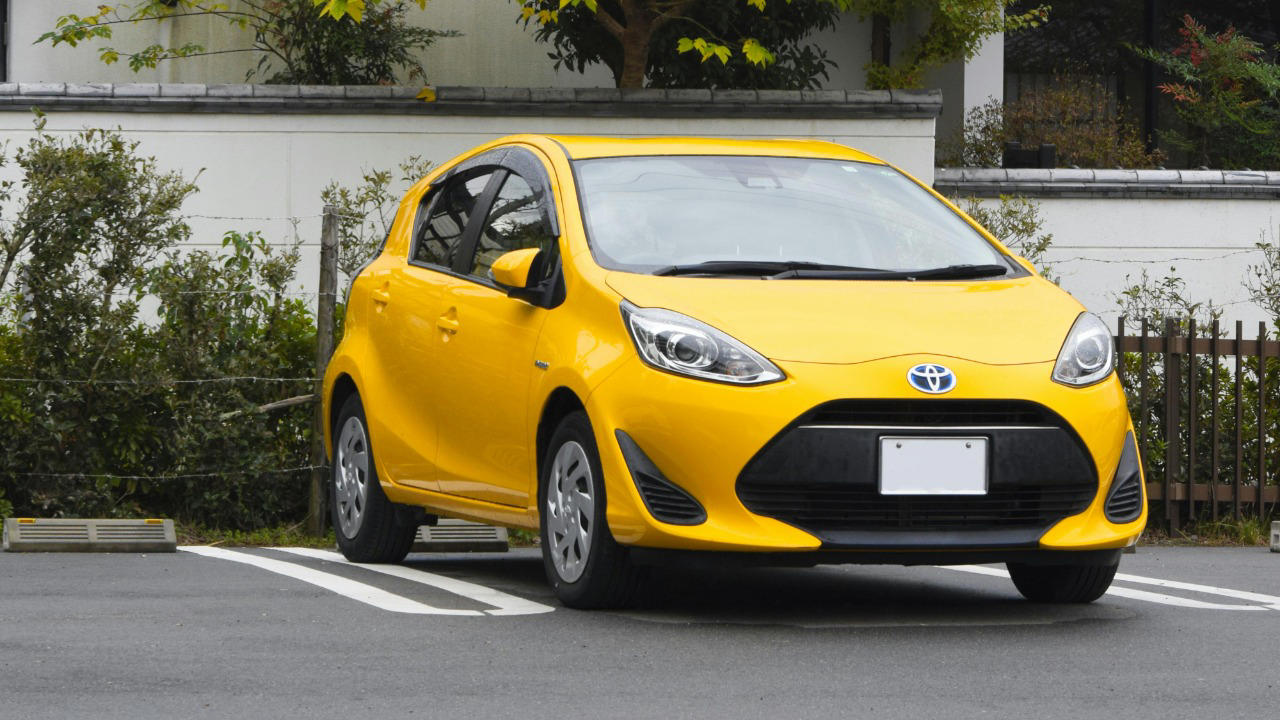



















Why the Toyota Prius still triggers strong opinions decades laterThe Toyota Prius, first introduced in 1997, has been a polarizing vehicle ever since its debut. While some hail it as a pioneering symbol of eco-friendly innovation, others criticize it for various reasons, from design to driving experience. Let’s delve into why the Prius continues to evoke strong opinions even after decades on the market. The Rise of the Hybrid Pioneer When the Toyota Prius first rolled off the assembly line in 1997, it was more than just a new car model; it was the world’s first mass-produced hybrid vehicle. This groundbreaking technology, which combined a gasoline engine with an electric motor, promised to revolutionize the way we think about fuel efficiency and environmental impact. Initially, the Prius received mixed reactions—while some embraced its novel approach to driving, others viewed it with skepticism, unsure if this new technology could deliver on its lofty promises. The Prius didn’t just stay in its lane; it shifted the entire market. Its success compelled other automakers to dive into the hybrid and, eventually, electric vehicle market. This competition spurred a wave of innovation, leading to the development of cars like the Honda Insight and the Chevrolet Volt. The Prius wasn’t just a car; it was a catalyst for change. As the years went by, it became a cultural icon, often seen as the go-to vehicle for those wanting to make a statement about their commitment to the environment. Celebrities like Leonardo DiCaprio and Cameron Diaz were spotted driving Priuses, reinforcing its image as a green lifestyle choice. Design and Aesthetics One of the most distinctive aspects of the Prius has always been its unique design. With its aerodynamic shape and unconventional lines, the Prius has never been a car to blend into the background. Some praise its design for prioritizing function, while others criticize it for being unattractive. Love it or hate it, the Prius’s look is undeniably a conversation starter. Its streamlined body was crafted with aerodynamics in mind, often at the expense of traditional aesthetics. The idea was simple: maximize fuel efficiency by minimizing drag, a principle that led to design choices that were sometimes at odds with conventional beauty standards in the automotive world. Over the years, the Prius has undergone several redesigns, each generation bringing tweaks and changes that have been met with varying degrees of acceptance. The 2016 model introduced a more aggressive look with sharp lines and bold angles, a departure from its more subdued predecessors. Reception to these changes has been mixed; some appreciate the bolder aesthetics, while others long for the more understated design of earlier models. Despite these shifts, the core design philosophy remains focused on efficiency, a testament to the car’s commitment to its original purpose. Performance and Driving Experience When it comes to performance, the Prius prioritizes fuel efficiency above all else. This focus has led to an impressive track record in terms of miles per gallon, but it has also sparked debates about driving experience. Many drivers appreciate the remarkable fuel economy, often exceeding 50 miles per gallon, but some enthusiasts argue that the Prius lacks the excitement and thrill found in traditional gasoline-powered vehicles. It’s a trade-off that has been both celebrated and criticized, depending on what a driver values most in their automotive experience. The Prius has not rested on its laurels when it comes to technological innovation. Over the years, it has incorporated advancements like regenerative braking and continuously variable transmission (CVT) to enhance efficiency and performance. Such technologies have improved the overall driving experience, making it smoother and more intuitive. However, consumer expectations vary widely, and what satisfies one driver might leave another wanting more. While the Prius meets its goal of being an eco-friendly vehicle, some drivers find its performance to be less engaging compared to other cars in its class. Environmental Impact and Perception The Prius has long been hailed as an eco-friendly vehicle, a reputation that has made it a favorite among environmentally conscious drivers. Its hybrid engine reduces fuel consumption and emissions, making it an attractive option for those looking to minimize their carbon footprint. This eco-friendly reputation has helped cement its status as a symbolic choice for consumers who prioritize sustainability. However, the Prius is not without its critics. Some point to the environmental costs associated with its manufacturing process, particularly the production and disposal of its batteries. These concerns have sparked debates about the actual environmental impact of hybrid vehicles compared to their gasoline counterparts. Furthermore, as electric vehicles like the Tesla Model 3 gain popularity, the Prius faces increasing competition from cars that offer similar environmental benefits without some of the trade-offs associated with hybrid technology. The Prius in Popular Culture The Prius has made its mark not just on roads but also in popular culture. It has been featured in films, TV shows, and other media, often with a satirical twist. For instance, the Prius was prominently featured in the hit TV show “South Park,” where it was humorously critiqued for its stereotypical association with smugness. This portrayal reflects a broader cultural sentiment—while the Prius is embraced by many, it is also the butt of jokes and stereotypes that have emerged over the years. Public figures and celebrities have played a significant role in shaping the Prius’s image. Endorsements from well-known environmental activists have helped bolster its reputation as a symbol of green living. Yet, this visibility has also contributed to the stereotypes and humor surrounding the car and its drivers. Jokes about Prius owners being overly virtuous or self-righteous are common, underscoring the complex web of opinions that this vehicle continues to inspire. More from Fast Lane Only Unboxing the WWII Jeep in a Crate 15 rare Chevys collectors are quietly buying 10 underrated V8s still worth hunting down Police notice this before you even roll window down