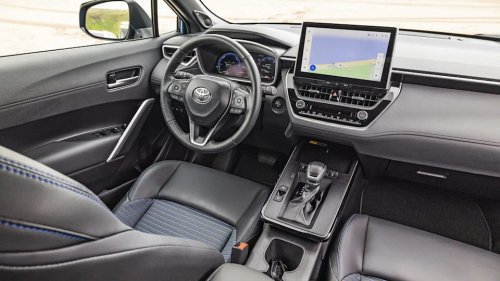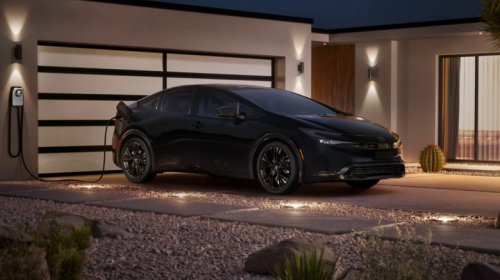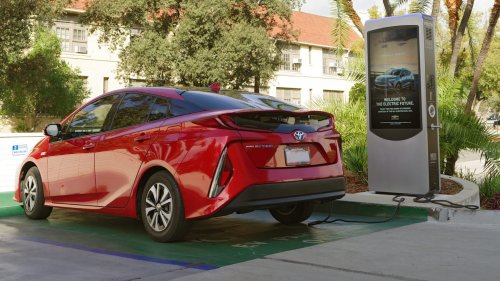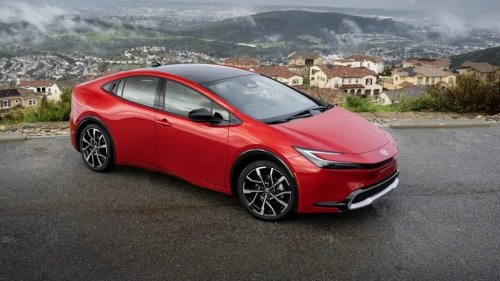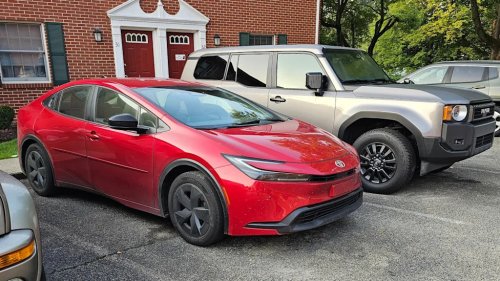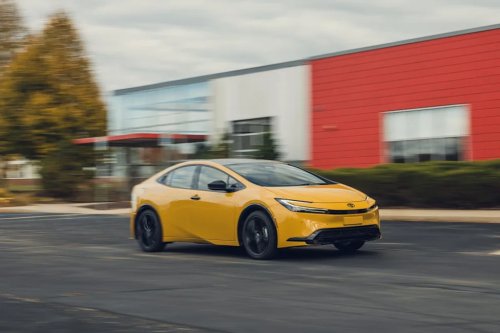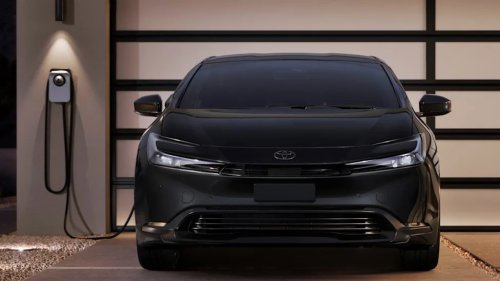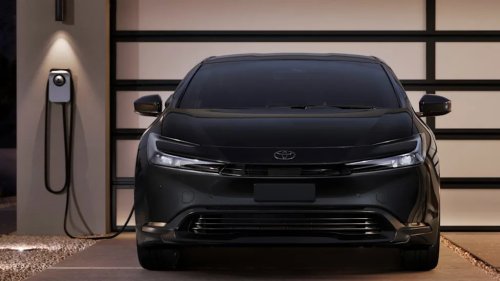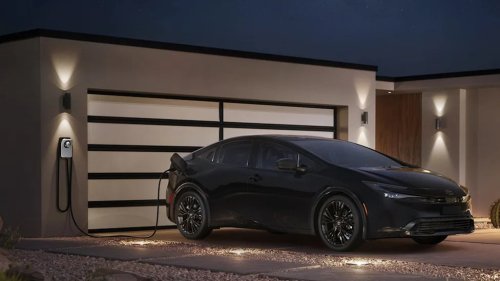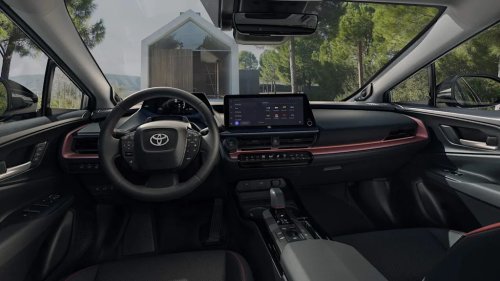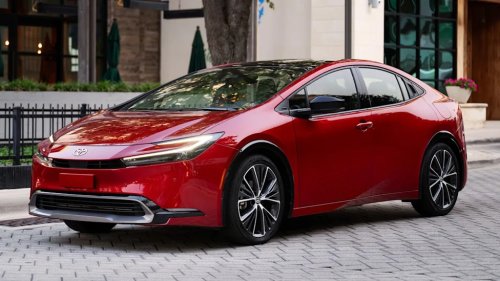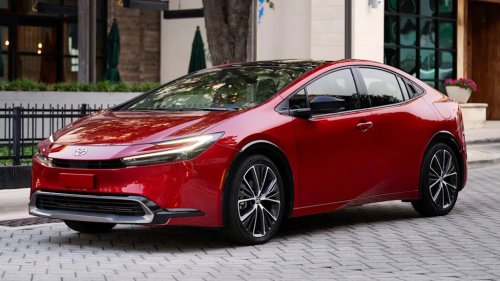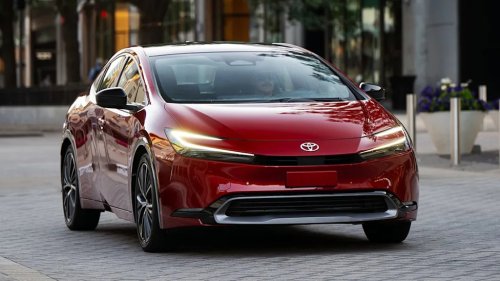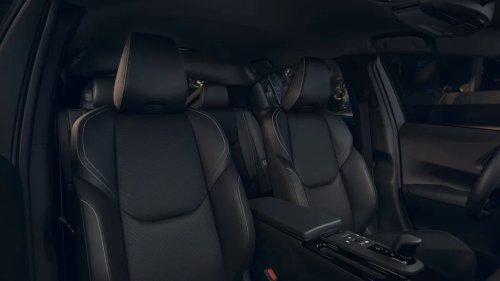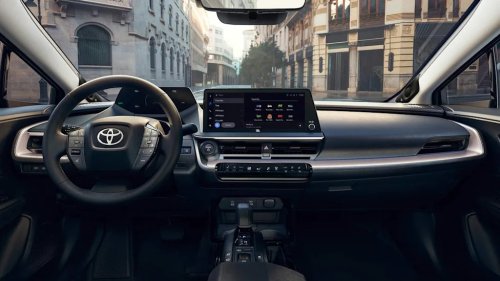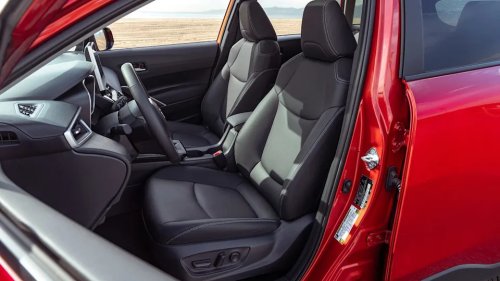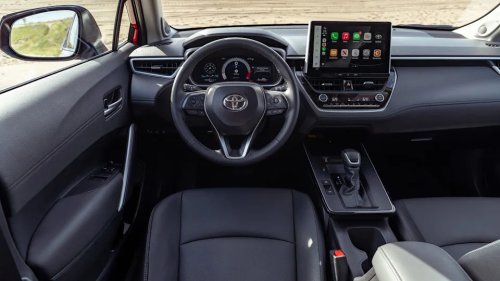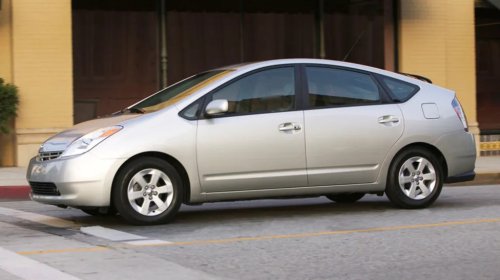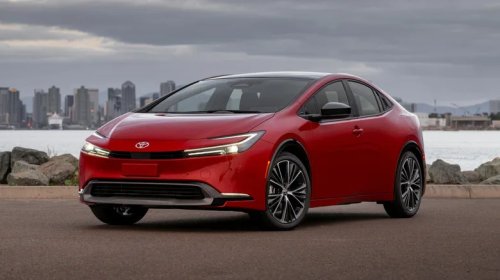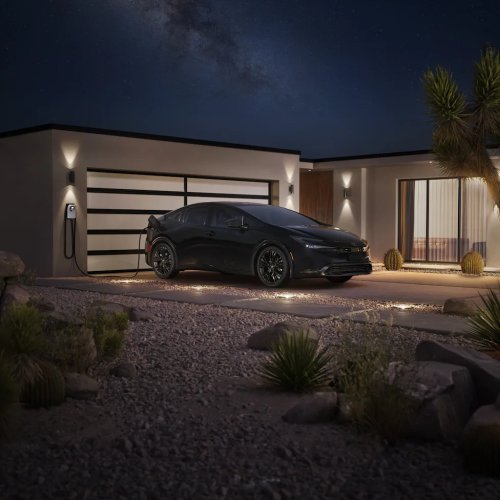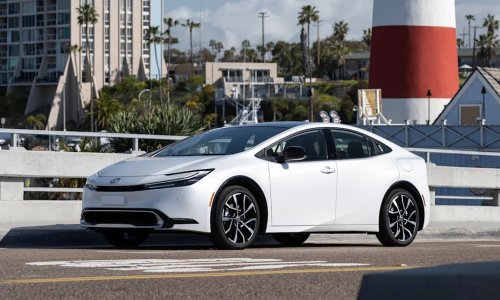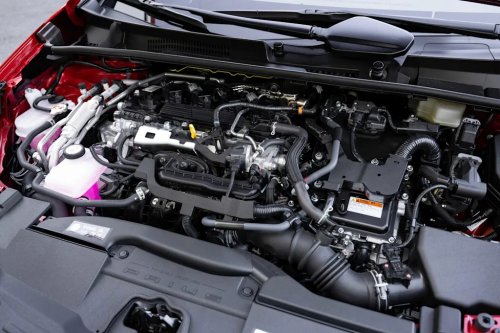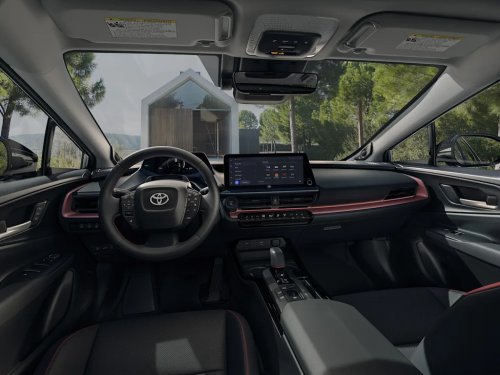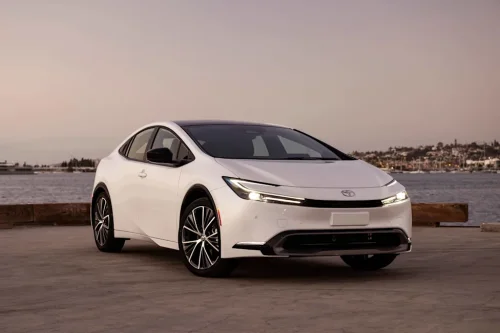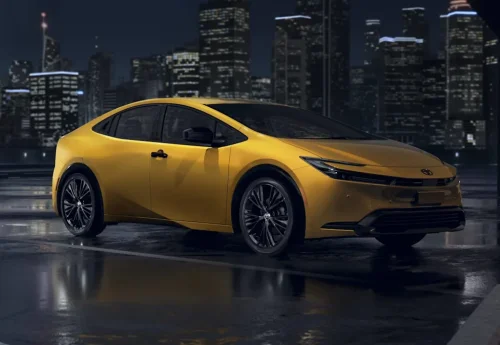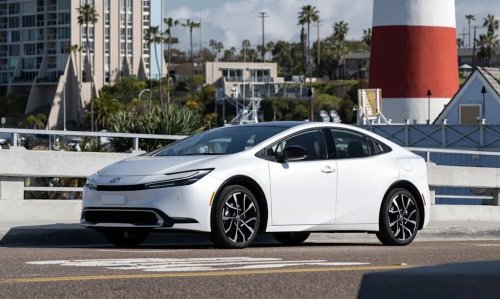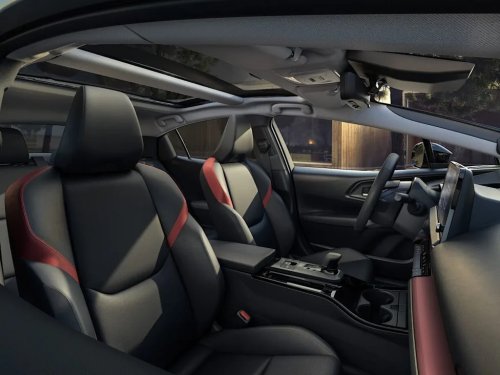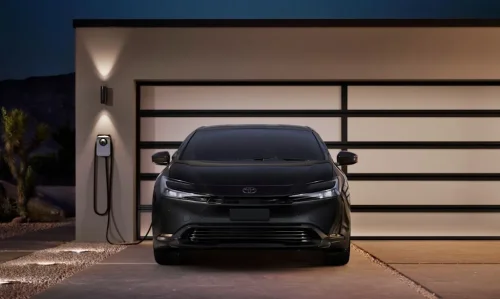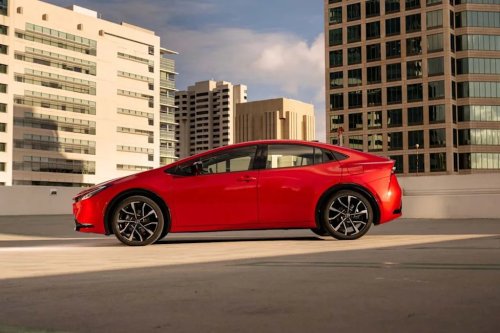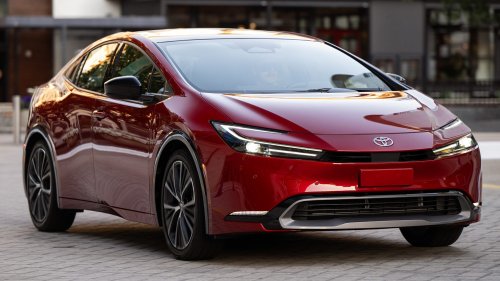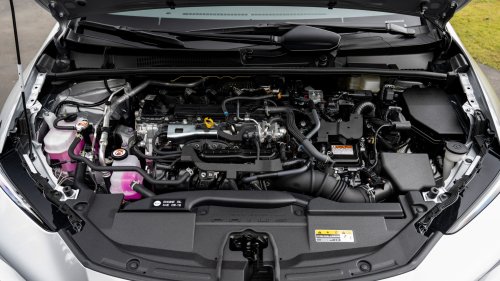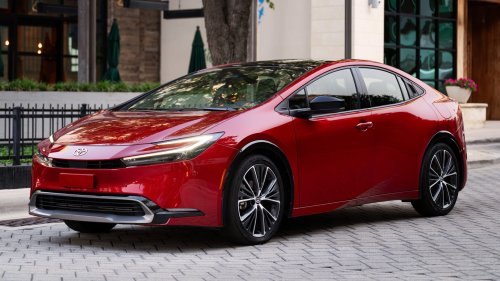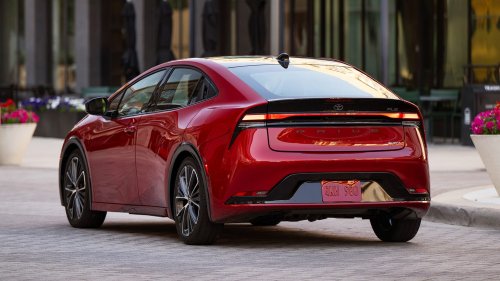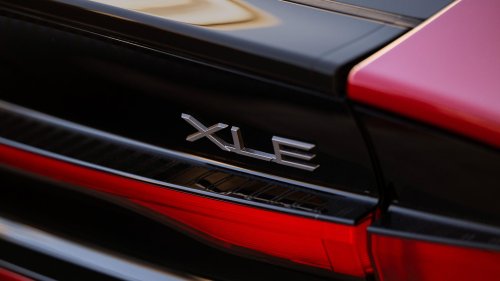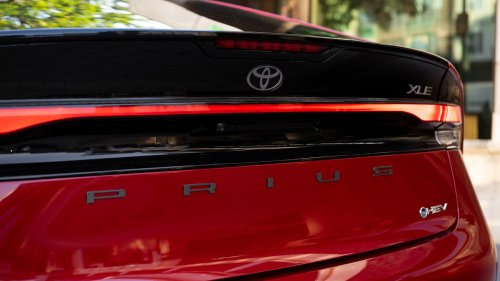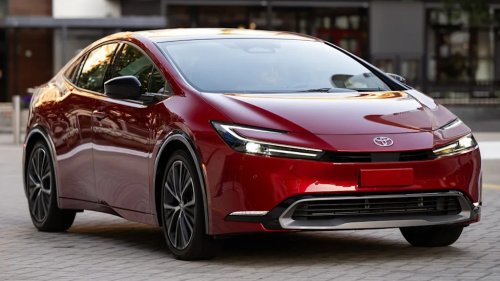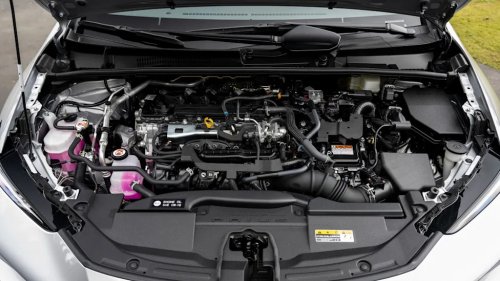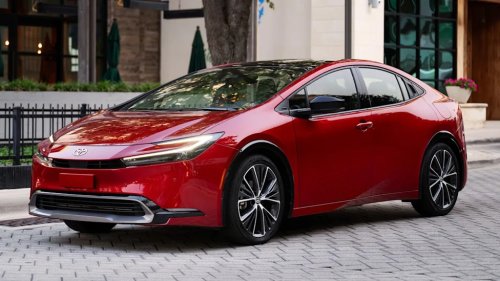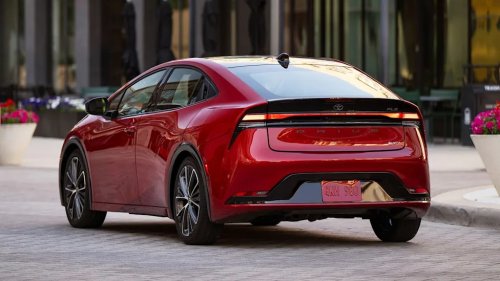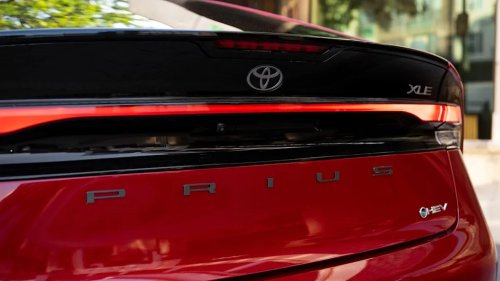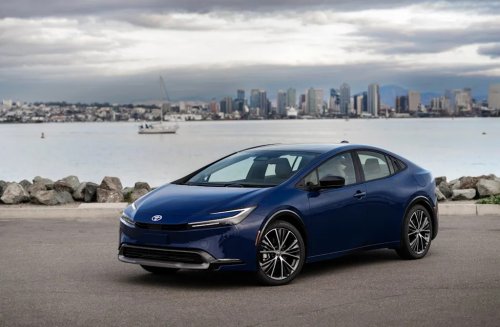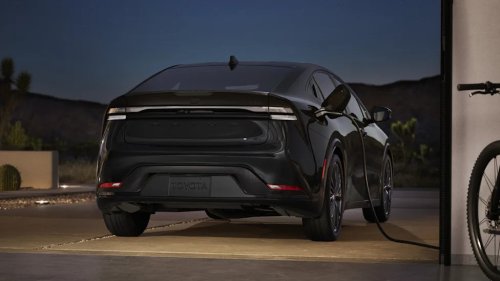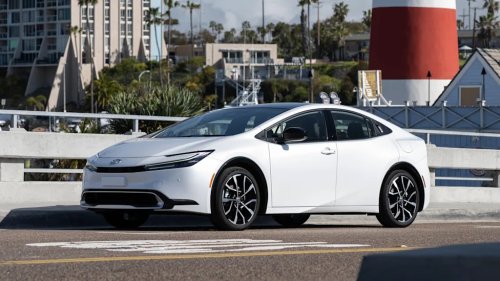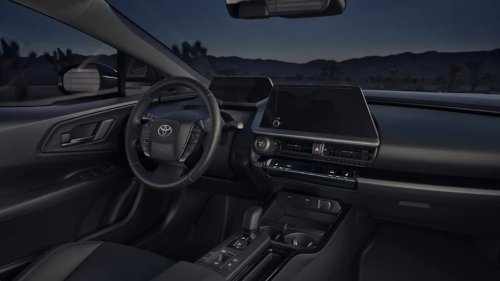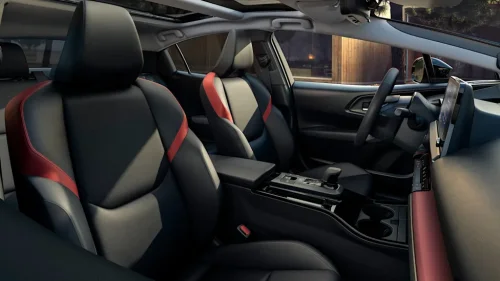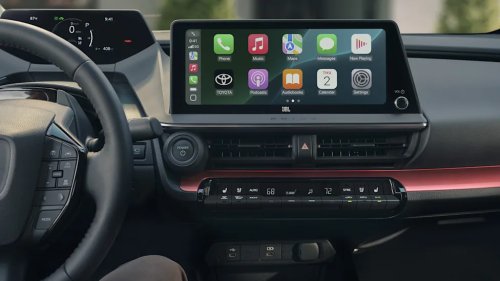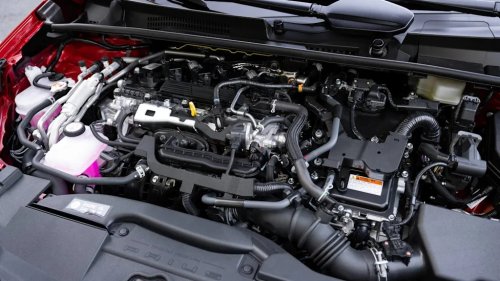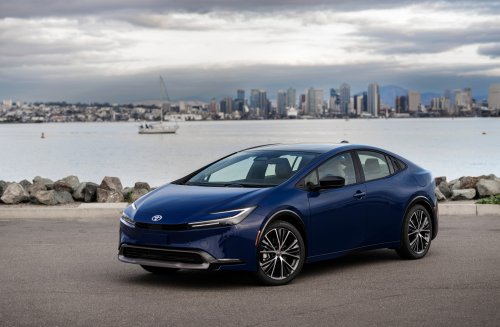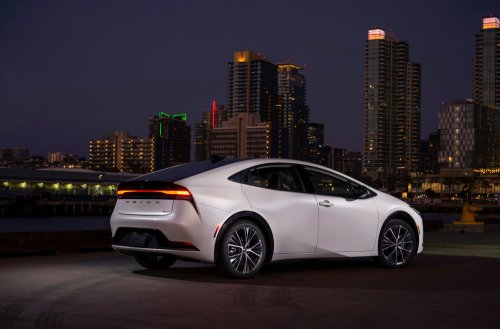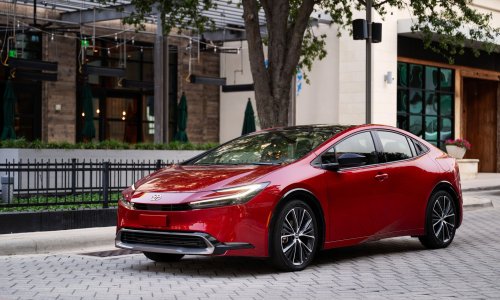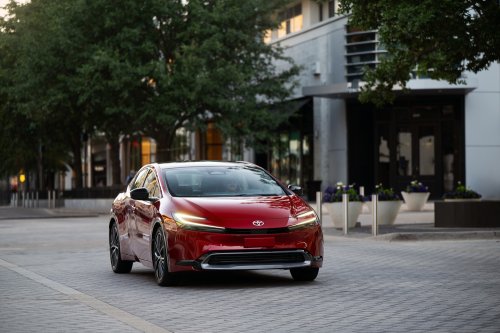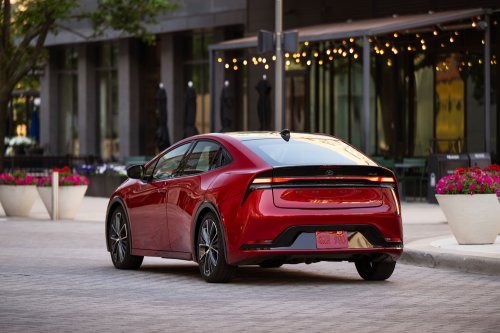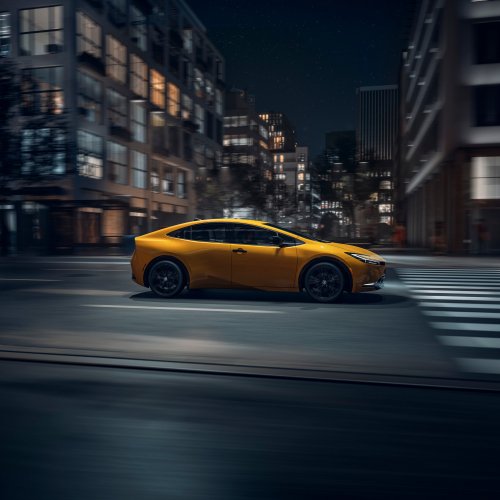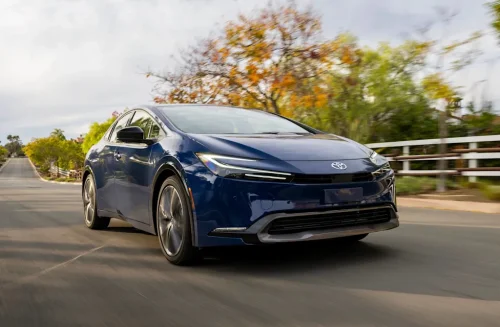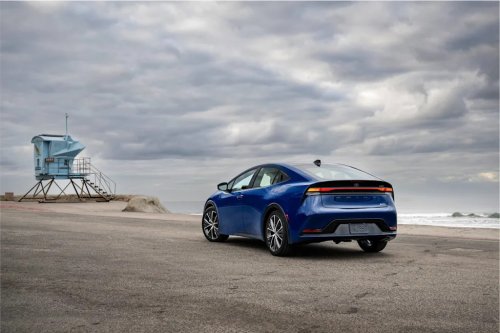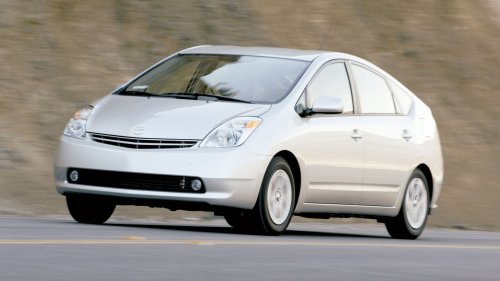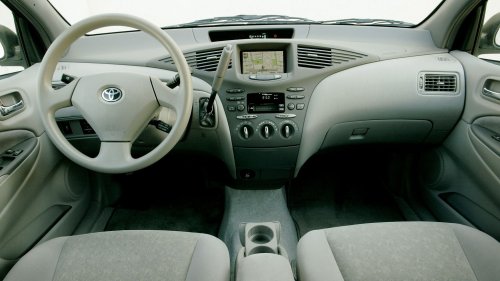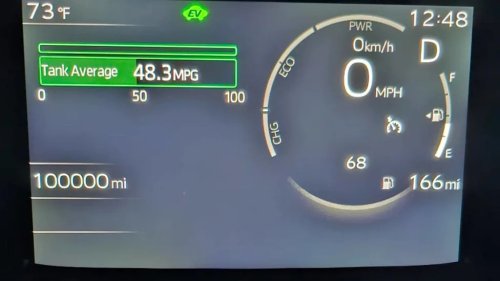
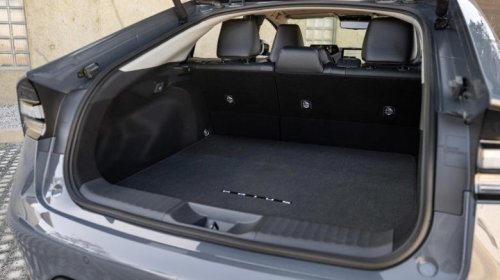
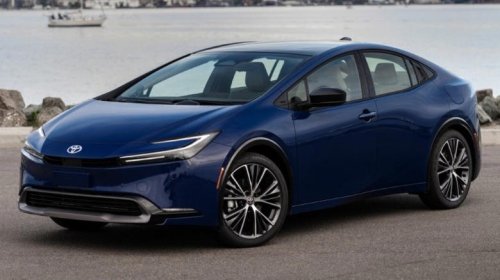
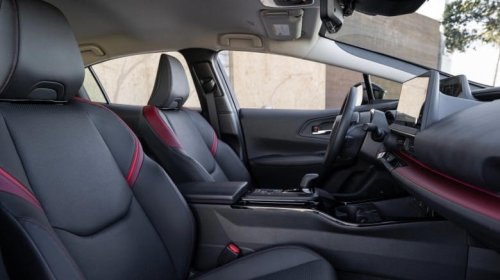
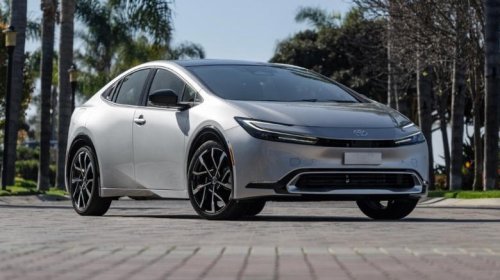



















What's the difference between a parallel and a plug-in hybrid?The primary difference between a parallel and a plug-in hybrid car is the battery size and how the batteries are recharged. Put simply, a parallel or self-charging hybrid system combines an internal combustion engine, small battery pack, and electric motor. The system uses regenerative braking to capture energy during braking and convert that energy into electricity to charge the battery. With this, a full hybrid car such as the Prius can operate like an EV at low speeds by running entirely on battery power for short distances. In a parallel hybrid car, the gasoline engine shares power duties with the electric motor to accelerate the car, and can run independently of the electric motors. While you don't need to plug a parallel hybrid car in to charge it, a plug-in hybrid vehicle is designed to use a power plug to recharge its battery, much like pure electric vehicles do. A plug-in hybrid is similar to a parallel hybrid in that it features an internal combustion engine, electric motor, and a battery. But because it has more powerful electric motors and its battery is usually larger than a parallel hybrid's, a plug-in hybrid car can drive on electric power alone for extended periods. The standard Prius has more cargo space with all seats in placeThe Prius is the bigger of the two hybrids in terms of cargo space. In base LE spec, it offers 23.8 cubic feet of room without sacrificing passenger space. That's 3.5 cubic feet more room than other Prius trims such as the XLE, Nightshade Edition, and Limited, which have 20.3 cubic feet of carrying capacity. That's the same amount of space as the Plug-in Hybrid's, which measures 20.3 cubic feet across all three trims of SE, XSE, and XSE Premium.In the passenger compartment, the standard Prius offers four-fifths of an inch more front-seat legroom than the Plug-in Hybrid's 42.4 inches. The Plug-in Hybrid does make up for that loss by offering more legroom in back — 35.9 inches versus 34.8 inches for the standard Prius. For headroom, you get 38 inches up front and 36.4 inches in the rear with either model, with the exception of 37.5 inches in front for the Plug-in Hybrid's XSE Premium trim.The Prius is more efficient than the Plug-in as a conventional hybridThe standard Prius offers better fuel economy than the Plug-in — 57 mpg combined city-highway. This applies to the base-spec Prius LE trim with front-wheel drive; all-wheel-drive LE trims are good for 54 mpg combined. If you opt for the Prius XLE, Limited, or Nightshade Edition with front-wheel drive, that average dips even further, to 52 mpg. In all-wheel-drive, the Prius XLE, Limited, and Nightshade Edition deliver an EPA-certified rating of 49 mpg combined.This means the Prius LE is more efficient than the base Plug-in SE, given the Plug-in's average economy figure of 52 mpg. The Plug-in Hybrid XSE and XSE Premium trims get just 48 mpg when using gas alone. However, the Plug-in Hybrid's potential for fuel saving increases significantly when you factor in the pure electric range of 44 miles, ensured by its larger battery pack. When running on battery power, the Plug-in SE makes a whopping 127 miles-per-gallon equivalent, while XSE and XSE Premium trims earn only 114 mpge.And because the Plug-in Hybrid is just that, you can plug it in to charge the battery from another power supply such as a 120-volt home outlet or public charging station. The regular Prius, on the other hand, self-charges only through the gas engine or regenerative braking — which the Prius Plug-in Hybrid can also do.The Prius Plug-in Hybrid has slightly more standard interior featuresThe Prius Plug-in Hybrid and standard Prius are both reasonably equipped in the base trims. However, the Plug-in offers just that little bit extra. The Plug-in Hybrid SE comes standard with a climate-control system with pollen filtration, push-button start, heated steering wheel, cloth-trimmed seats, six-way manually adjustable front seats, and 60/40 split fold-down rear seats. While the Prius LE has many of the same features, it doesn't offer a heated steering wheel, for example.Tech-wise, the Plug-in and regular Prius both have an 8-inch touchscreen infotainment system, a digital gauge cluster, wireless Apple CarPlay and Android Auto, Wi-Fi hotspot, six USB-C ports, and six-speaker audio system. With regard to safety tech, both cars come standard with the Toyota Safety Sense 3.0, which bundles forward collision warning, forward automatic emergency braking, pedestrian detection, adaptive cruise control, lane-departure warning, lane-trace assist, and traffic-sign recognition, among other things.The Prius Plug-in Hybrid costs $5,025 more than the standard Toyota PriusSuggested prices for the 2025 Toyota Plug-in Hybrid start at $33,375 for the base-spec SE trim. That's $5,025 more than the entry-level Prius LE, which could be had for $28,350. If you are considering the Prius LE AWD, the difference drops to $3,625, given the LE AWD's $29,750 starting price. Stepping up in trims to the midrange Plug-in XSE will set you back $36,625, which, again, is $4,830 higher than a front-drive Prius XLE ($31,795) or $3,430 more than a Prius XLE AWD (which begins at $33,195).You'll need far deeper pockets, though, if you're looking to buy from the higher-end of Toyota's hybrid cars. The range-topping Prius Plug-in Hybrid XSE Premium costs significantly more at $40,070, meaning it would cost you $7,510 less to get a front-drive Prius Nightshade Edition or $6,110 if you want the $33,960 Prius Nightshade Edition AWD. The Plug-in XSE Premium's sticker price is also $4,705 steeper than the top-level Prius Limited FWD (starts from $35,365) or $3,305 if you're considering the $36,765 Limited AWD.