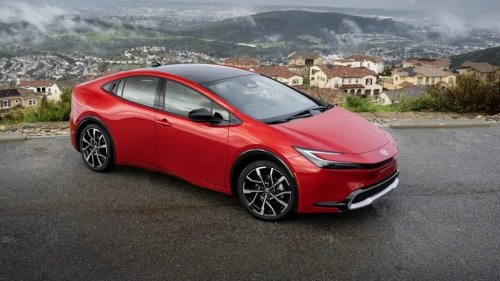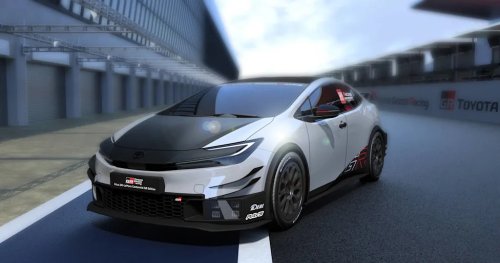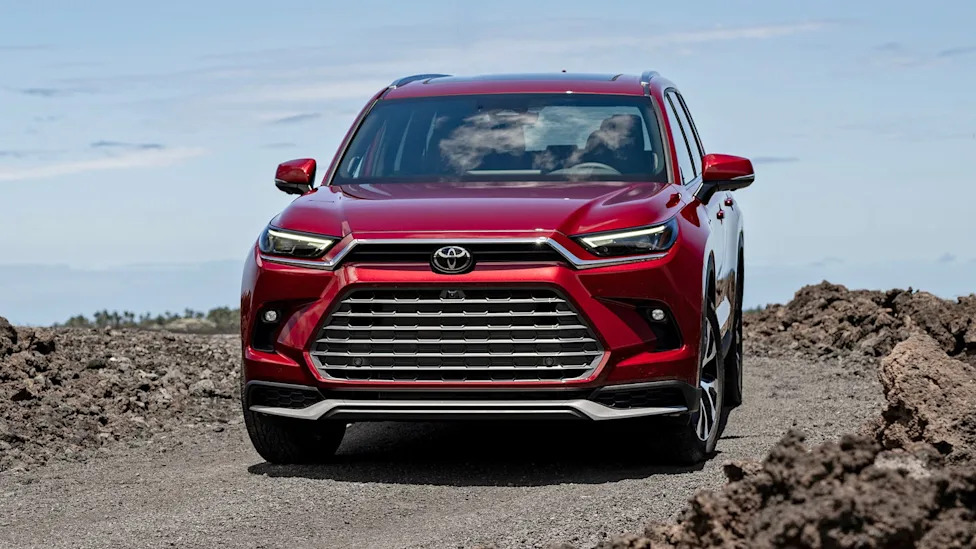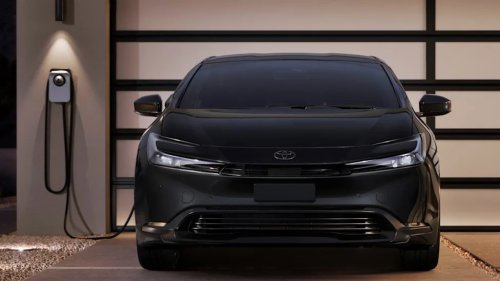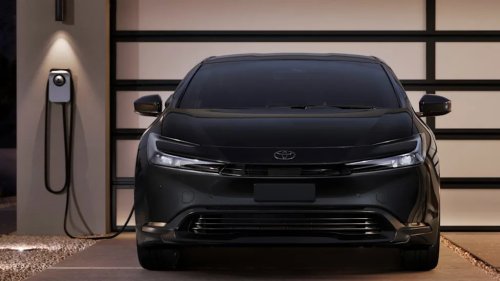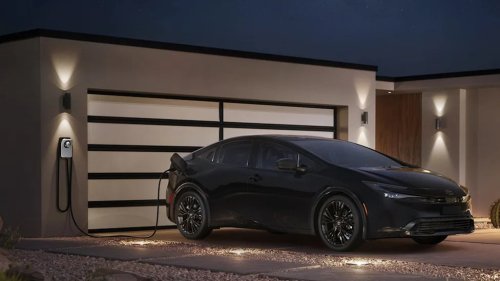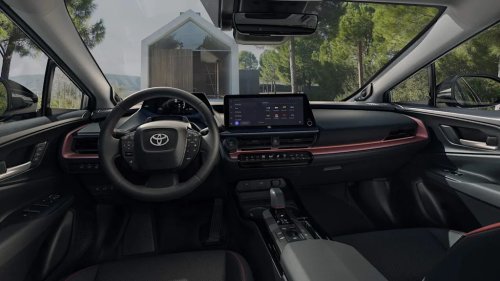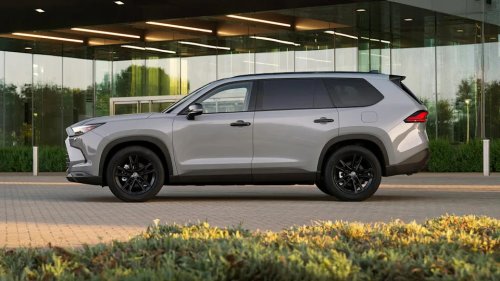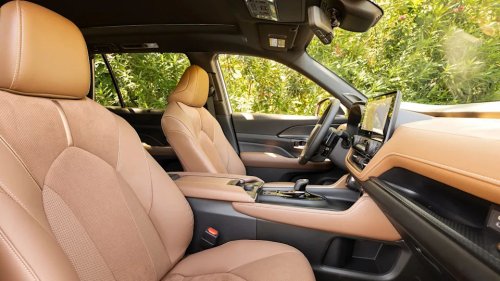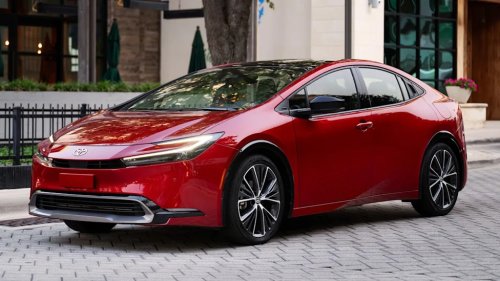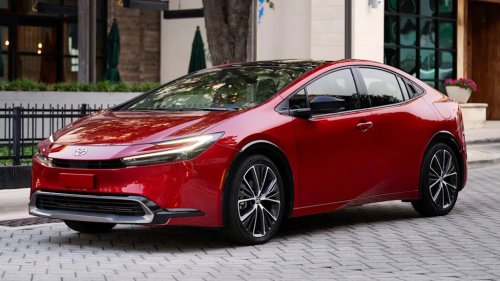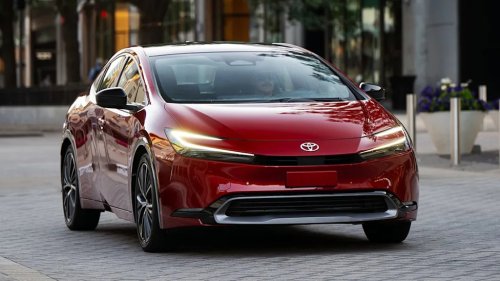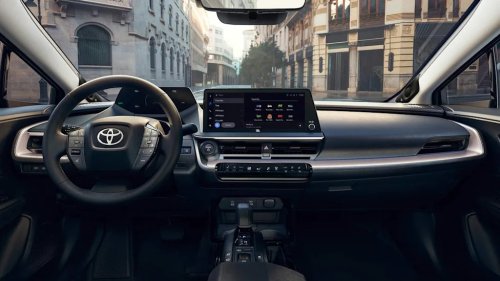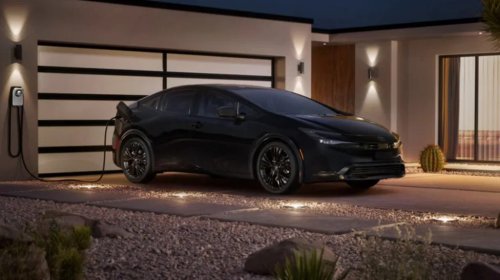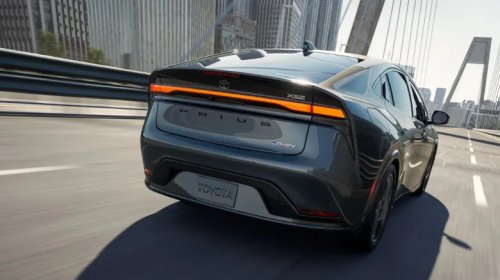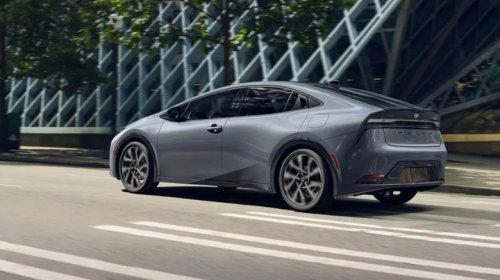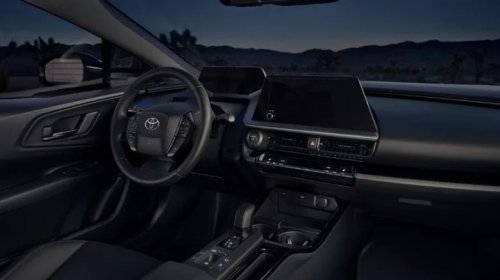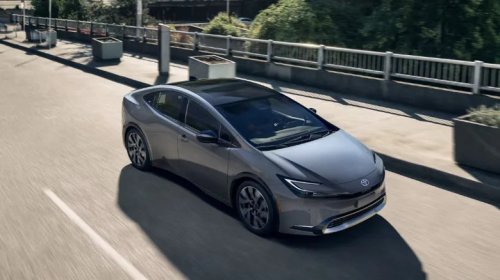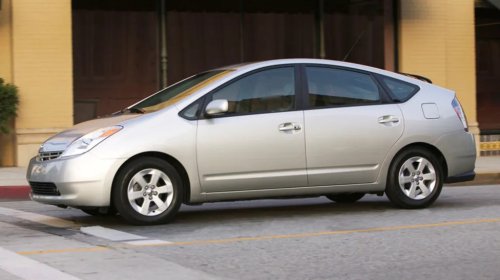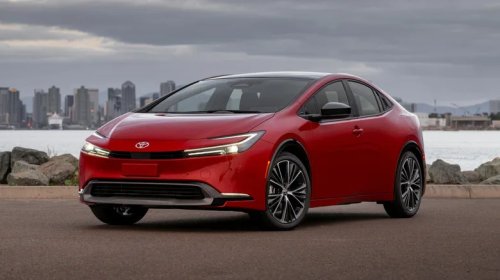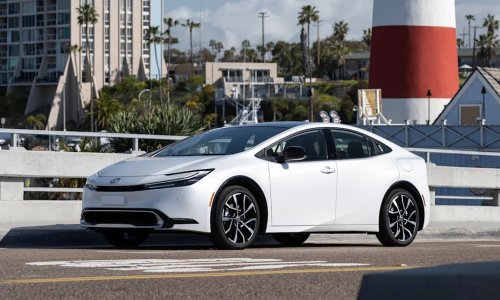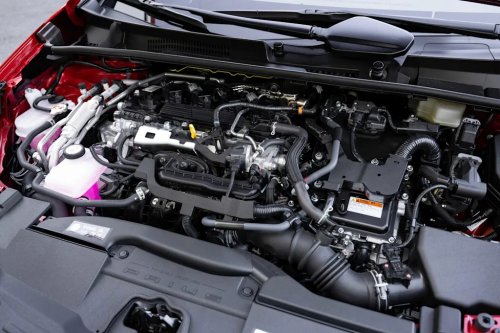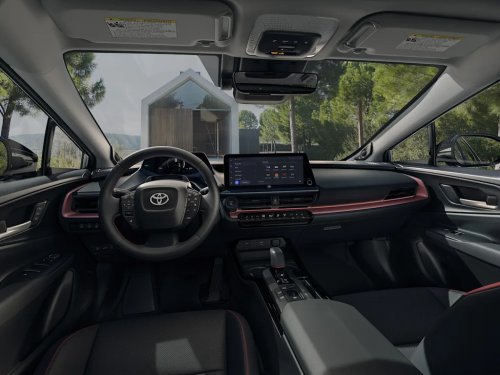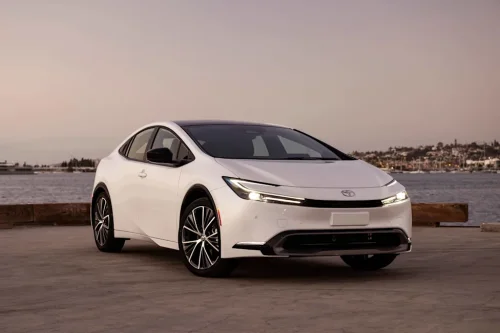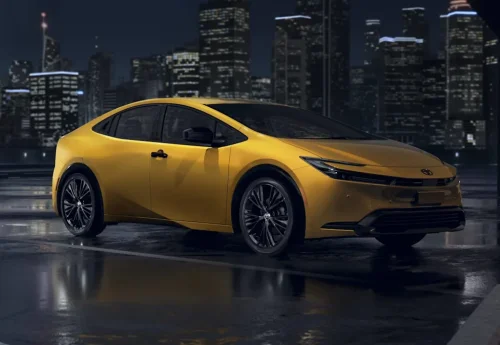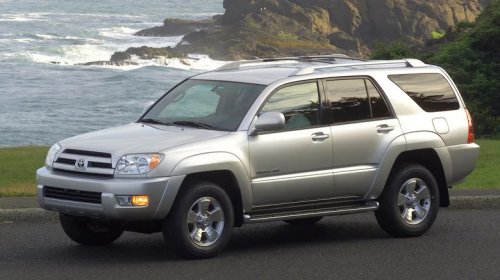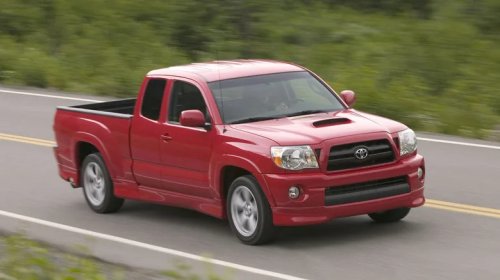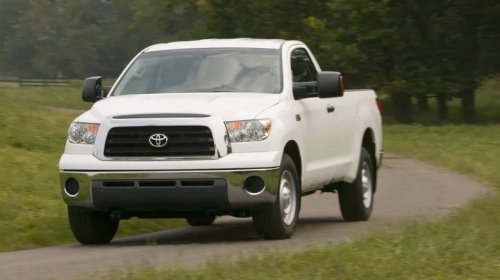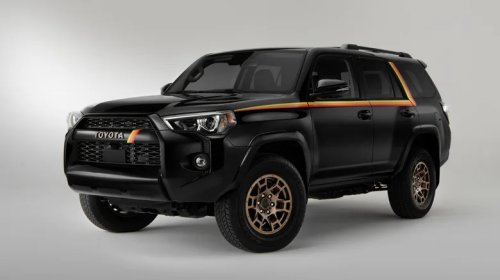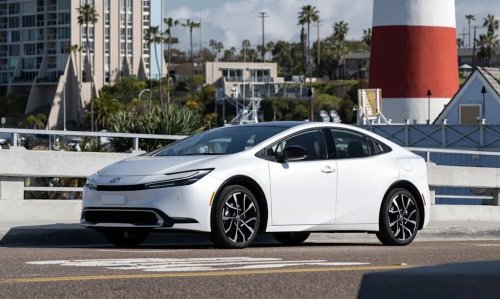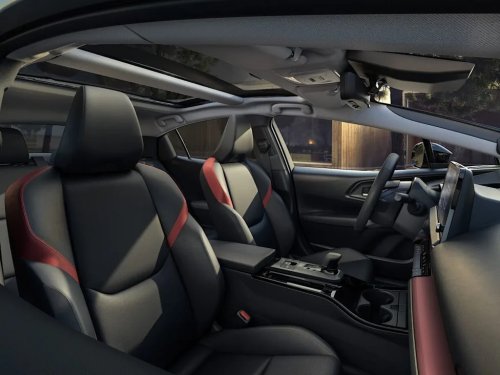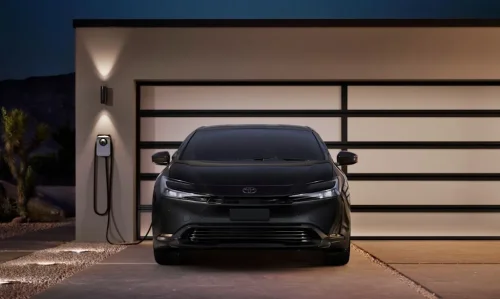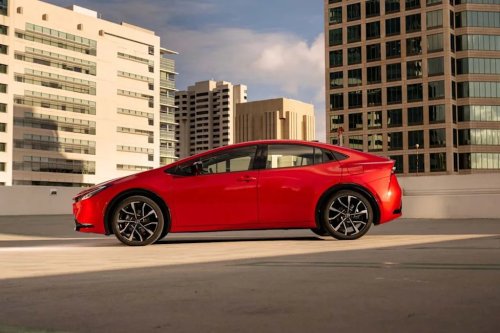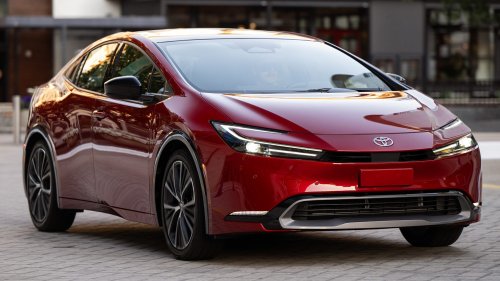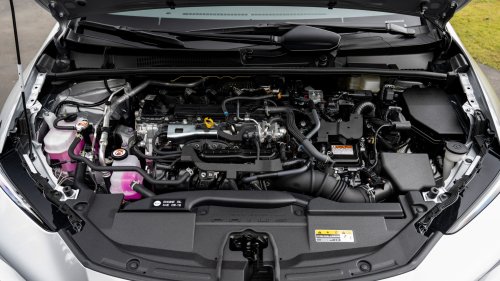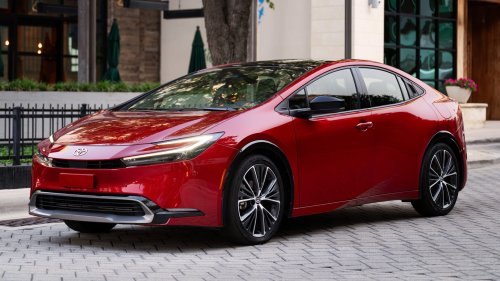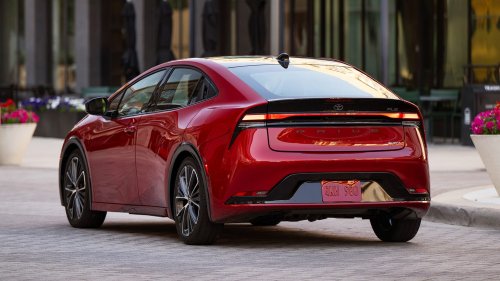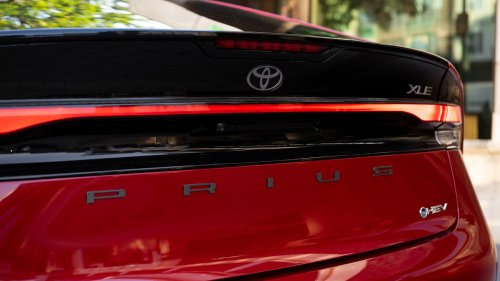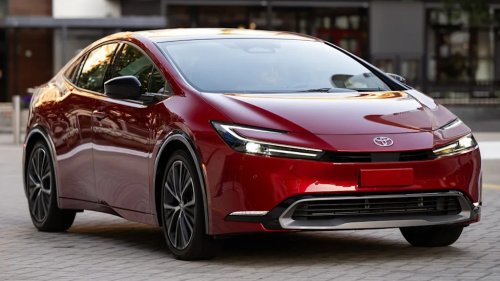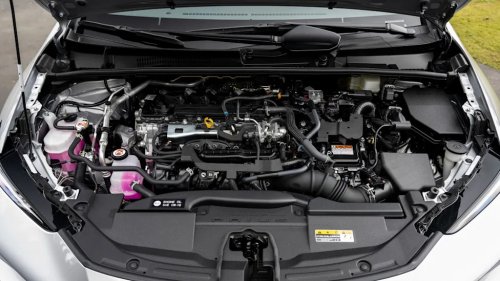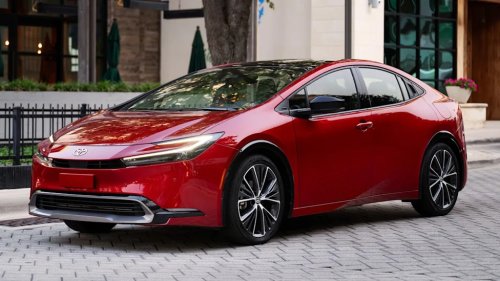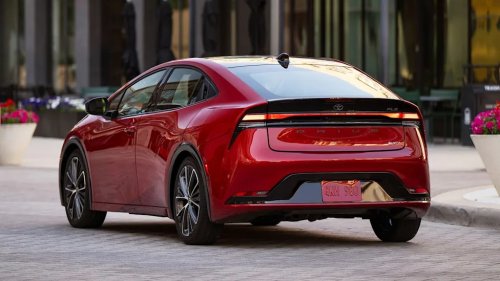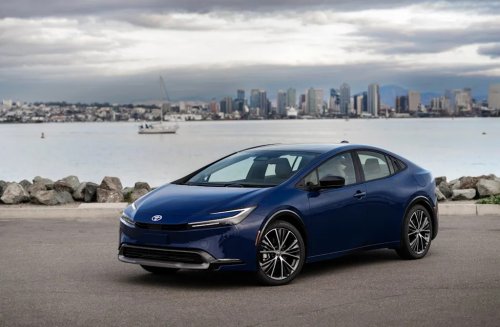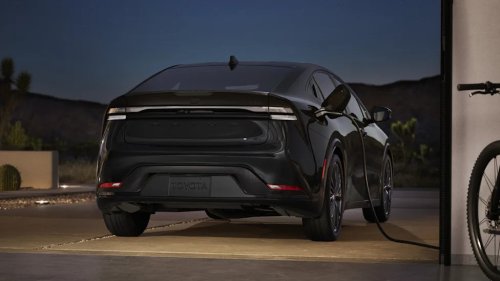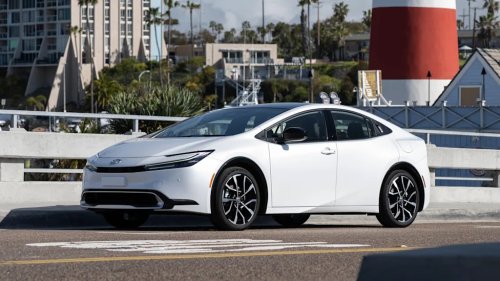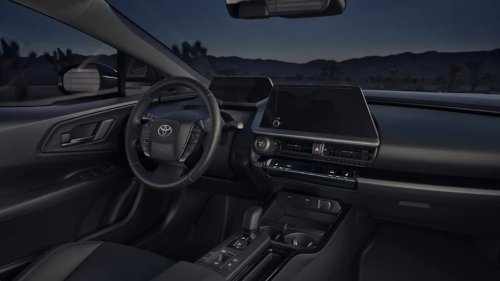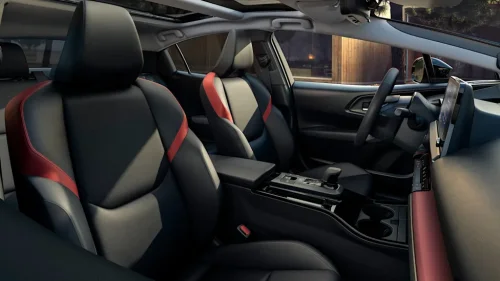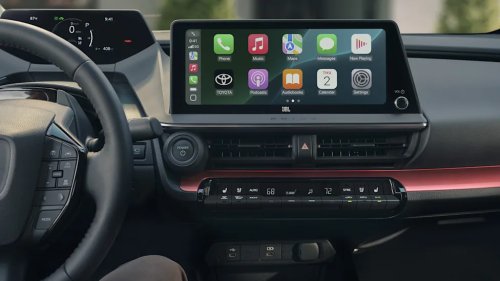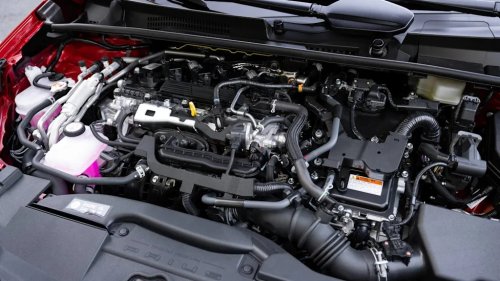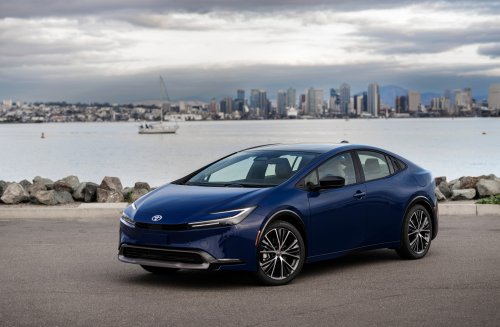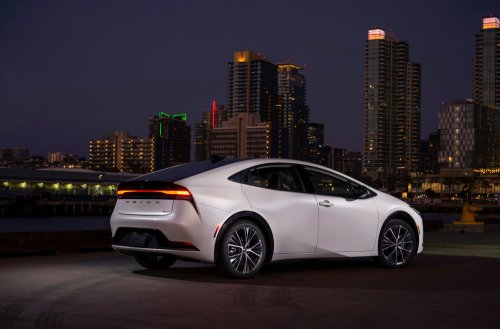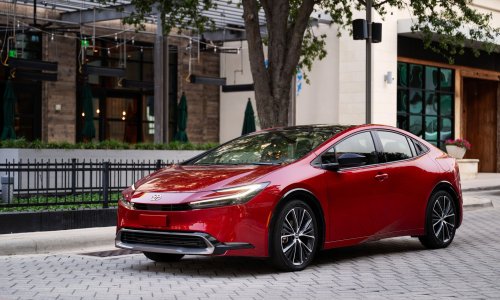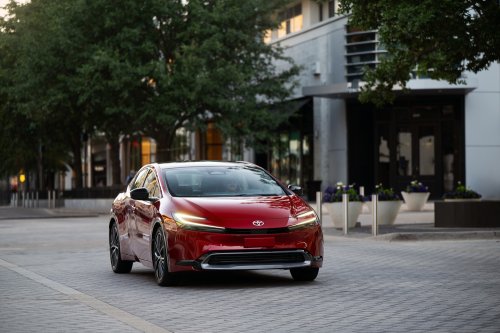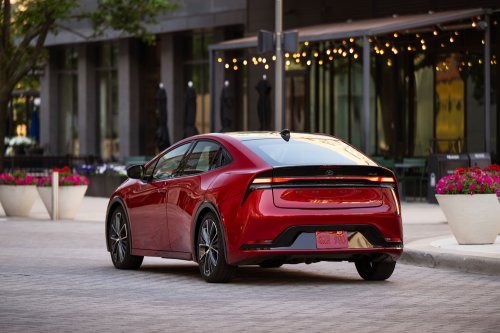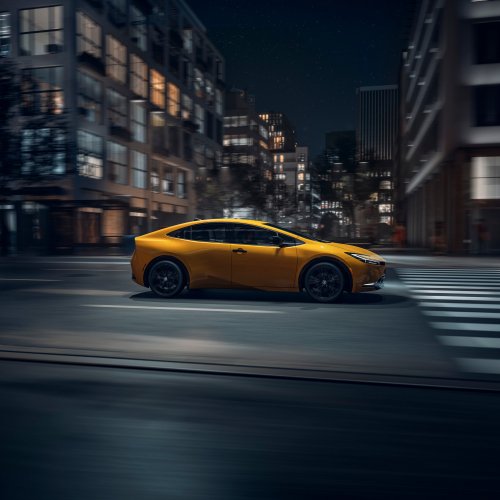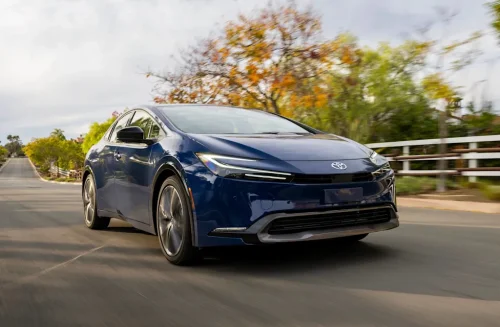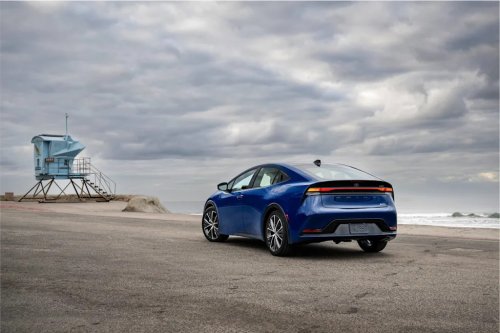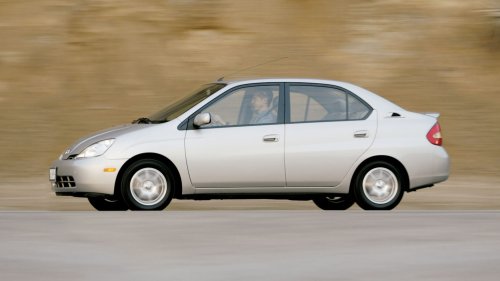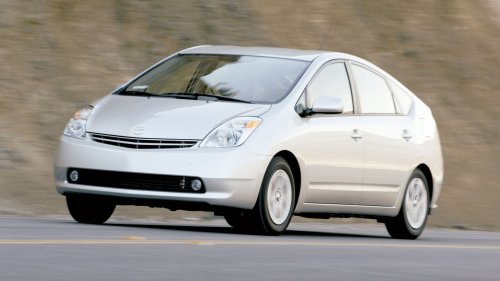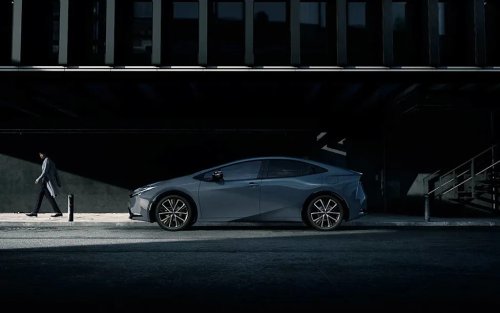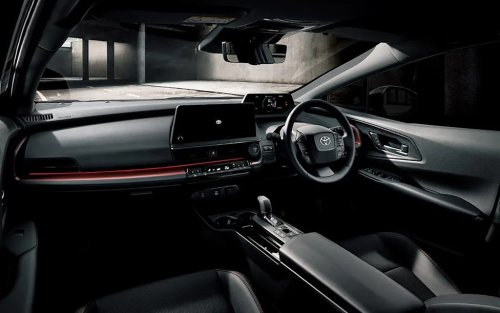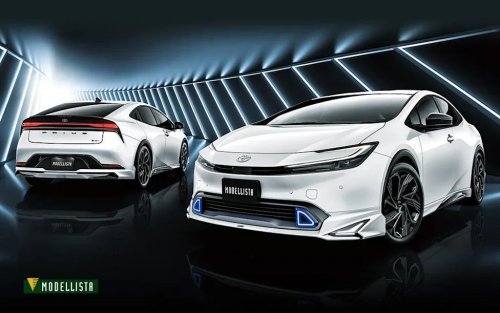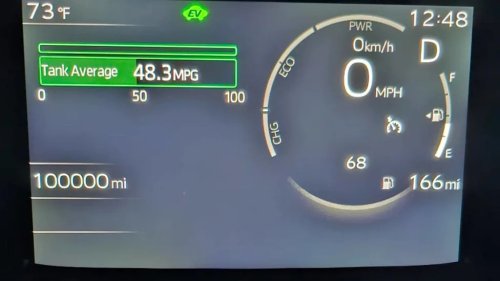
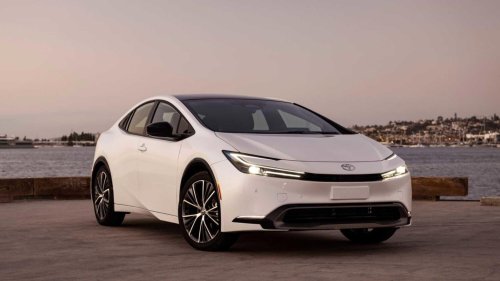
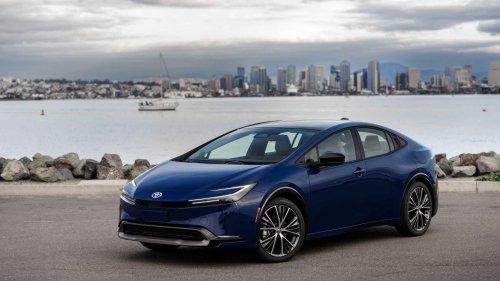
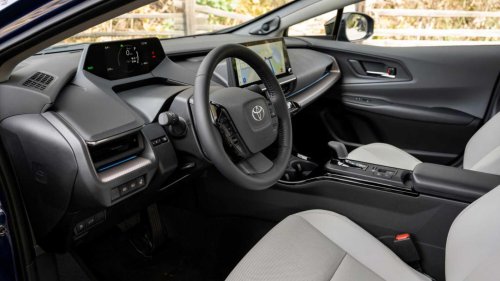
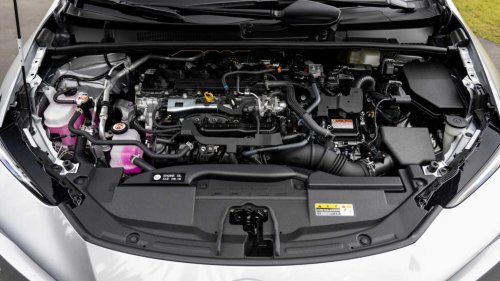
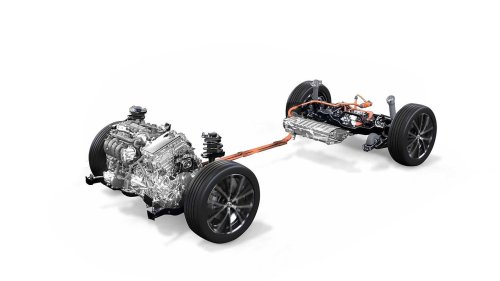
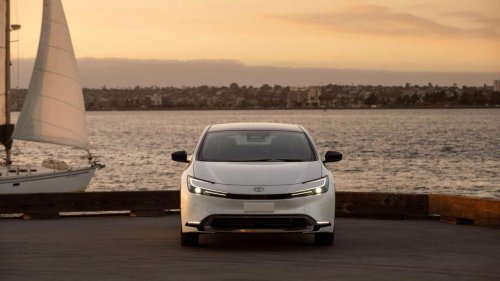
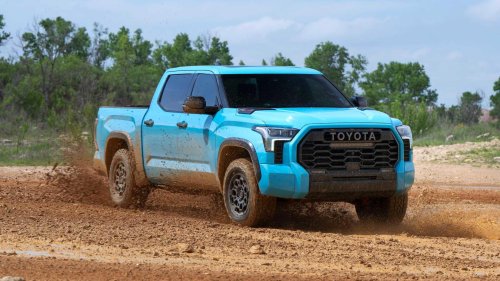



















UPDATE: 2026/03/31 12:32 EST Article updated with insights into why Toyota dominates the most retained new vehicles.This article has been updated with fresh insights into why Toyota dominates the list of cars retained by their first owner for an extended period of time, including why we're unlikely to see the trend repeated.Typically, when we buy a new — or new-to-us — car, we envision keeping it forever. The reason behind that short-lived and emotional thought process is usually just sheer excitement. However, after a couple of years, most of us gearheads begin to get bored with it and start making plans to ditch it for something else. According to iSeeCars, though, the average American keeps their car for roughly 8.4 years, a number that's steadily been creeping up over the past half-decade or so.Toyota's are notoriously popular cars in the US, known for their reliability. Icons like the old 4Runner, Tacoma, and countless generations of Camrys, Corollas, and RAV4s have been staples for American families. But which of these Toyotas holds the title as the car Americans hang on to for the longest? It's neither of the five we just mentioned, which may come as a shock to some.Toyota The Country's Most-Loved One-Owner Cars Toyotas dominate the top 10 list of cars retained by owners the longest, based on data recorded by iSeeCars. Seven of the top 10 spots are Toyota models, and the top five all wear the Toyota badge. Impressively, every car in the top 10 comes from a Japanese manufacturer, with the Honda CR-V and Pilot in sixth and seventh, respectively, ahead of the Subaru Forester in eighth. The 4Runner and Sequoia occupy the lowest spots in the top 10 with 9.4% and 9.1% of owners after 15 years being the original purchasers of the cars when new. That's compared to a national average of just 6.1% of original owners keeping their cars longer than that.As for the cars in the top five, the Toyota Tundra steals fifth at 11.3% - not surprising when there are dozens of stories of million-mile Tundras being used daily for years on end. Ahead of the full-size truck, 11.5% of Toyota Sienna buyers keep their car for the long haul, while 11.6% of Tacoma owners do the same. Second place goes to the Highlander (12.4%), but the car Americans hang onto the longest is a surprising one.With 13.7% of owners buying new and hanging onto their cars for longer than 15 years, the Toyota Prius is the surprise top dog. Of course, several reasons factor into the Prius' gigantic and loyal following, such as its reliability and miserly fuel consumption. But there's also something to be said for an entire generation of Toyotas from 15 years ago being tough as nails.ToyotaTo add to the list of the Prius' impressive owner retention specs, nearly one-third of all owners who bought theirs new end up keeping it for more than 10 years. Being a well-built and reliable hybrid if, of course, an attractive reason to not give your Prius up, but hanging onto one for such a long time, begs the question: why? Think of cars 15 years ago. They were way less sophisticated, had less tech, and didn't look as good overall as they do today, so why keep a 15-year-old Prius in your driveway if you don't have to? Here's Why ToyotaThe reasons behind the huge amount of long-term Prius love can be distilled down to a handful of main points. Supremely Economical 15 years ago, the Toyota Prius boasted an average combined fuel economy of roughly 50 MPG, making it much more economical than the average family sedan produced at the time. However, fuel economy is one thing, having eco-minded owners is another. The typical Prius owner carries a larger "use-it-until-it's-falling-apart" mentality than others, meaning once they buy something, they'll hang onto it until it falls apart. Consumerism is not usually an attribute of the eco-minded Prius owner, and good on them for it. Practical Beyond Its Small Footprint Toyota One of the largest aspects of the Prius' practicality is its hatchback body style. Behind the 2011 model-year's rear seats is approximately 21.6 cubic feet of cargo space with rear seats in a fixed upright position. Folding these seats flat affords you a maximum of 39.6 cubic feet of cargo space. The current 2026 Prius lacks some of the older model's cargo space, having just 20.3 cubes of space behind the second row. However, its continued use of the aforementioned hatchback shape means you can still fit larger items that typically can't fit in the trunk of a sedan. It's Super Reliable ToyotaBeing a Toyota, the Prius comes with a large amount of reliability baked in. If we turn to RepairPal.com, the site ranks the Prius at number 10 out of 26 total mid-size cars, earning it an "Above Average" score of four out of five stars. In addition, the site reports an average annual maintenance cost of $408 per year, well below the mid-size car's average of $526 per year. Topping off the reliability onslaught is an 11-percent chance of a severe repair, compared to an average of 12 percent for mid-size models, again according to RepairPal.com. All About The Current Prius Powertrain ToyotaSitting at the heart of the 2026 Prius' powertrain setup is a 2.0-liter inline-four engine. The mill belongs to Toyota's Dynamic Force engine family, and carries the code name "M20A-FXS." Working in tandem with the engine is a pair of electric motors, both of which are mounted on the front axle close to the engine. A plug-in hybrid (PHEV) version of the Prius is also on offer called the Prius Prime, capable of managing 44 miles on electric power only. The PHEV's battery capacity is larger, and it can also produce more power overall.All current Prius grades can be optioned with a third motor mounted to its rear axle, which also grants the small hybrid all-wheel drive. Handling the M20A-FXS' power is an eCVT. However, Prius Prime models are unable to be optioned with AWD.Toyota The 2026 Prius is part of the model's fifth generation, meaning it takes advantage of a tried-and-true GA-C platform, which is part of the Toyota New Global Architecture (TGNA) family. As for its suspension, the Prius was, reportedly, designed to be both comfortable and sporty, making use of MacPherson struts up front, and a multi-link setup around back. Stopping is taken care of by a set of disc brakes which boast regenerative capabilities, meaning they send power back to the hybrid battery when applied. Are Modern Toyotas Likely To Repeat The Same Feat? ToyotaIt's a tricky question to answer, as you're trying to predict the result of 15 years worth of automotive knowledge that has yet to happen, right in the middle of one of the biggest automotive revolutions of all time. Not only are we living with cars that continually evolve through over-the-air updates, but we're seeing a melting pot of technology comprising hybrids, plug-in hybrids, hydrogen, EV, and range-extender technologies finding their way to market on a monthly basis.But what the iSeeCars data tells us isn't necessarily a reflection on Toyota today, but rather where Toyota was 15 years ago or more. 15 years ago, Toyota wasn't an exciting brand, it was downright boring. But it built reliable cars that people knew would go the distance. Now, it's a brand chasing innovation, taking risks, and appealing to the kid in us, and when a brand dares to be exciting, there's a steep learning curve attached.ToyotaToyota's seen the new Tundra and Sequoia struggle with reliability woes thanks to a new twin-turbo hybrid V6 and all-new transmission, and it's taken several years to get past these teething issues. And across the lineup, from the Camry to the Sienna and even the Tacoma and 4Runner, Toyota has launched a slew of new, unproven systems. It's likely the cars on sale right now won't be kept for longer than 15 years, but that doesn't mean things won't change when the teething issues finally pass.