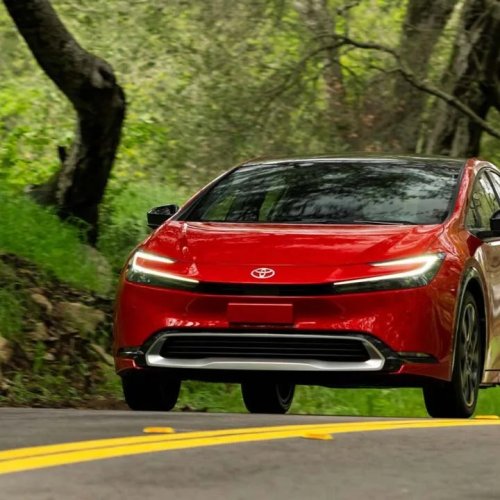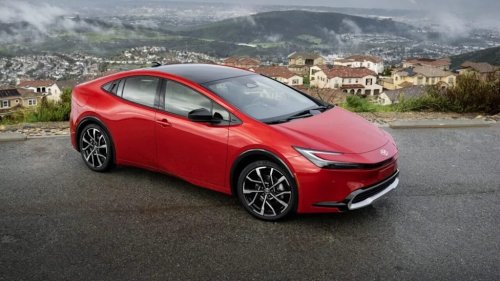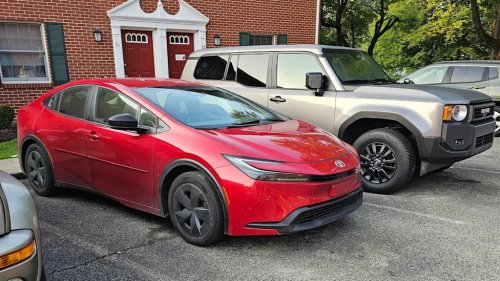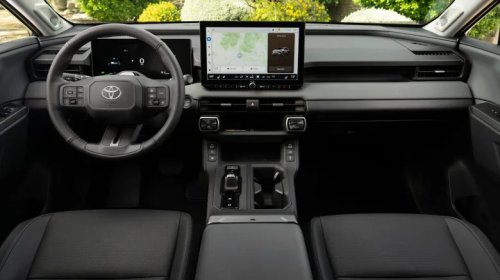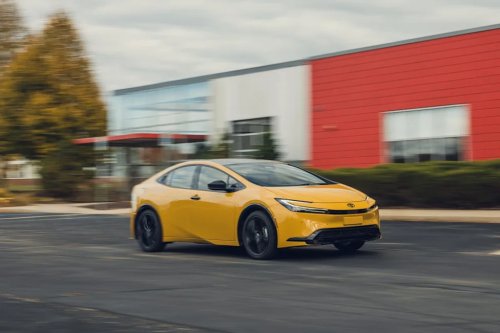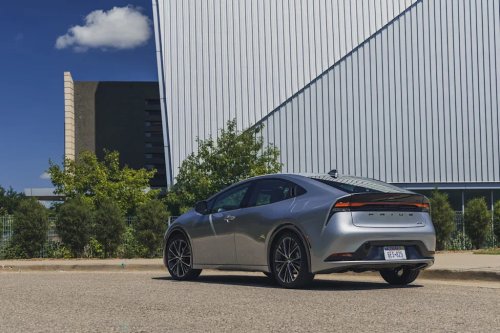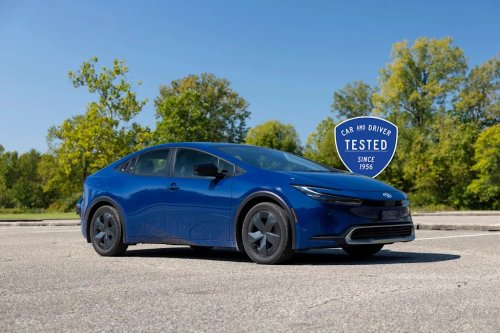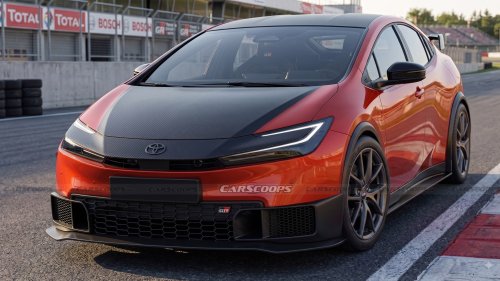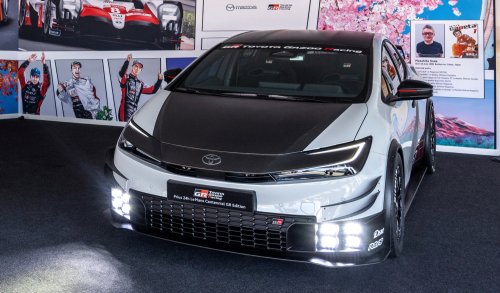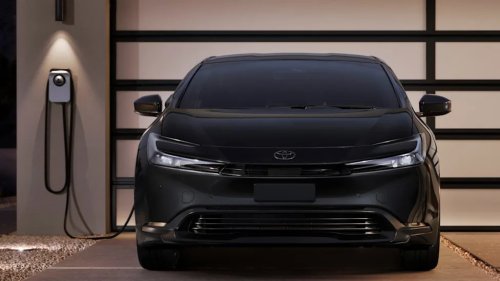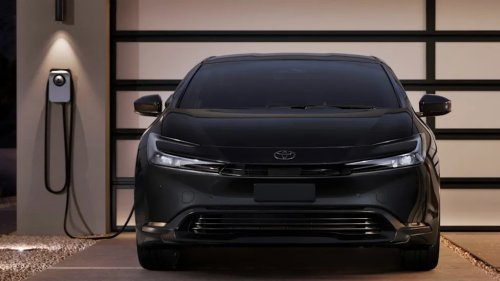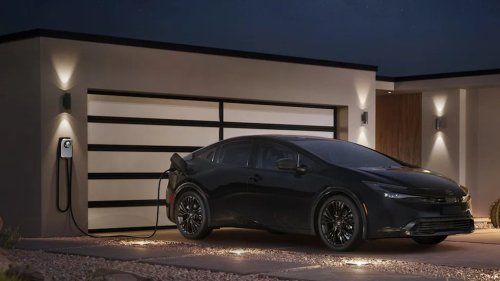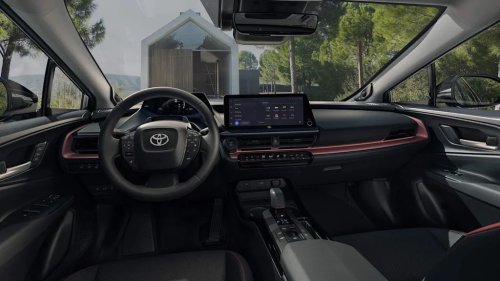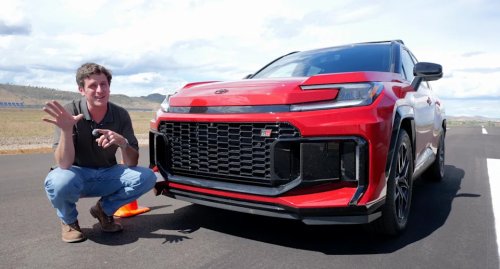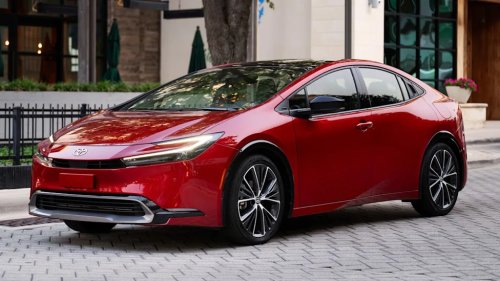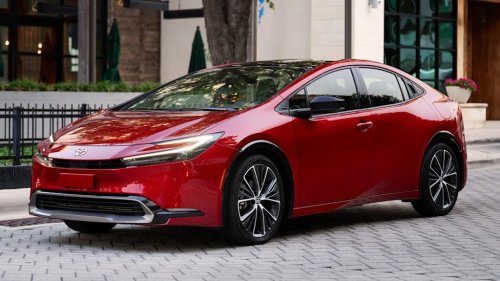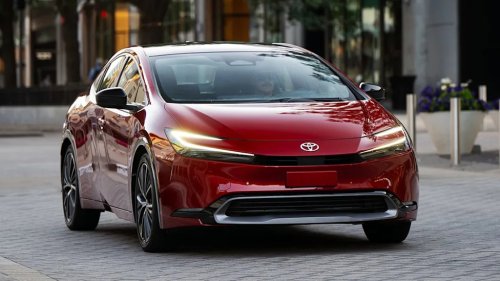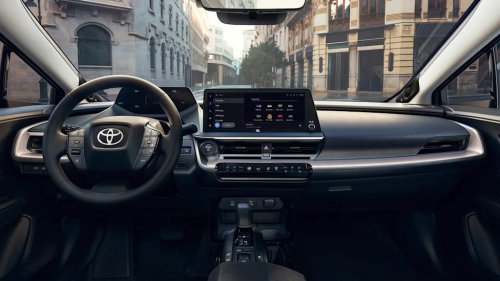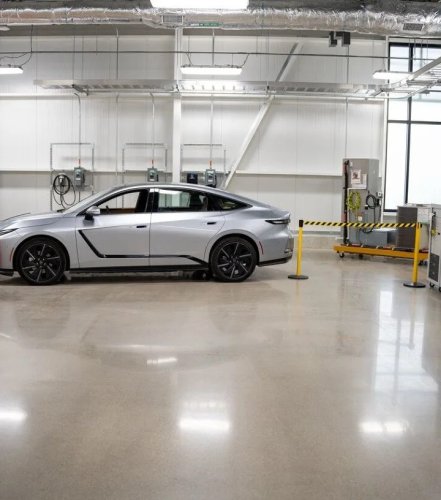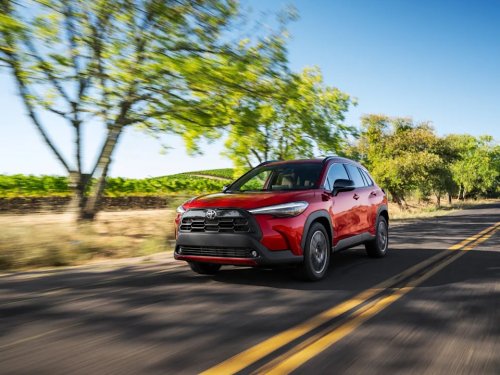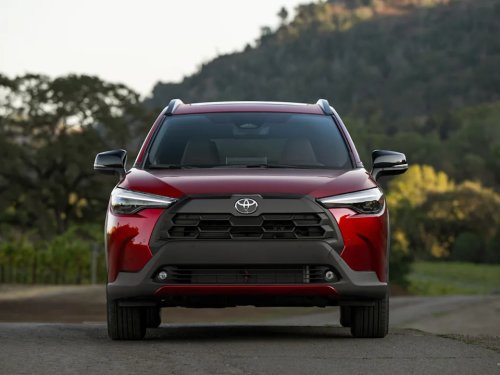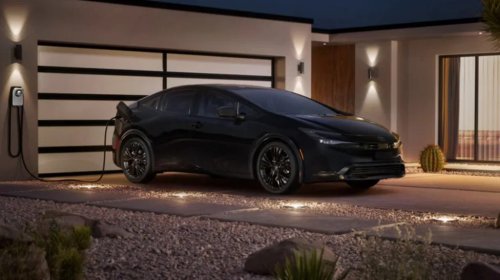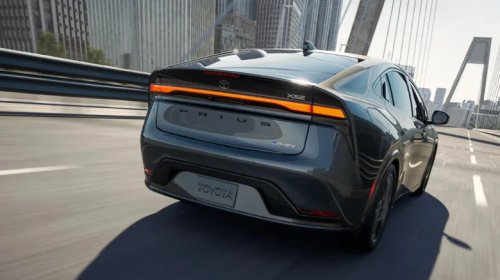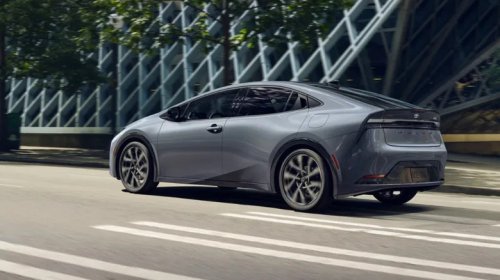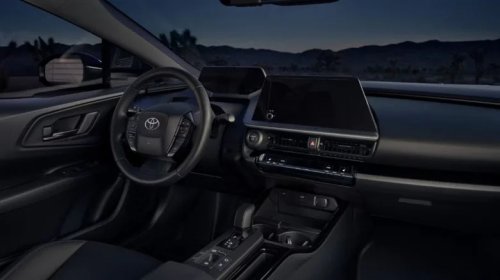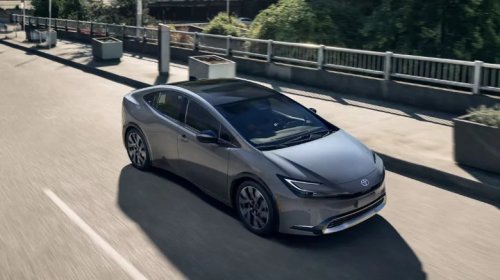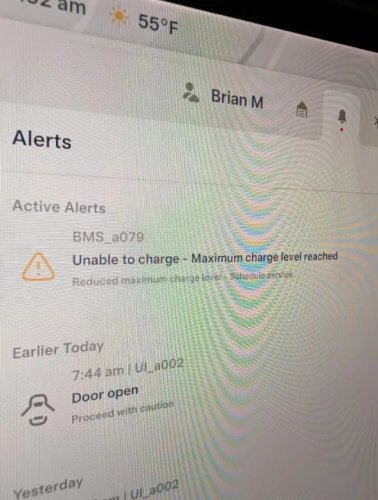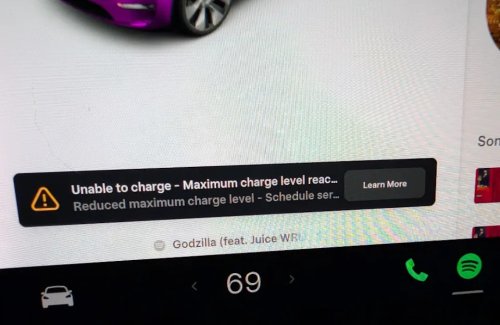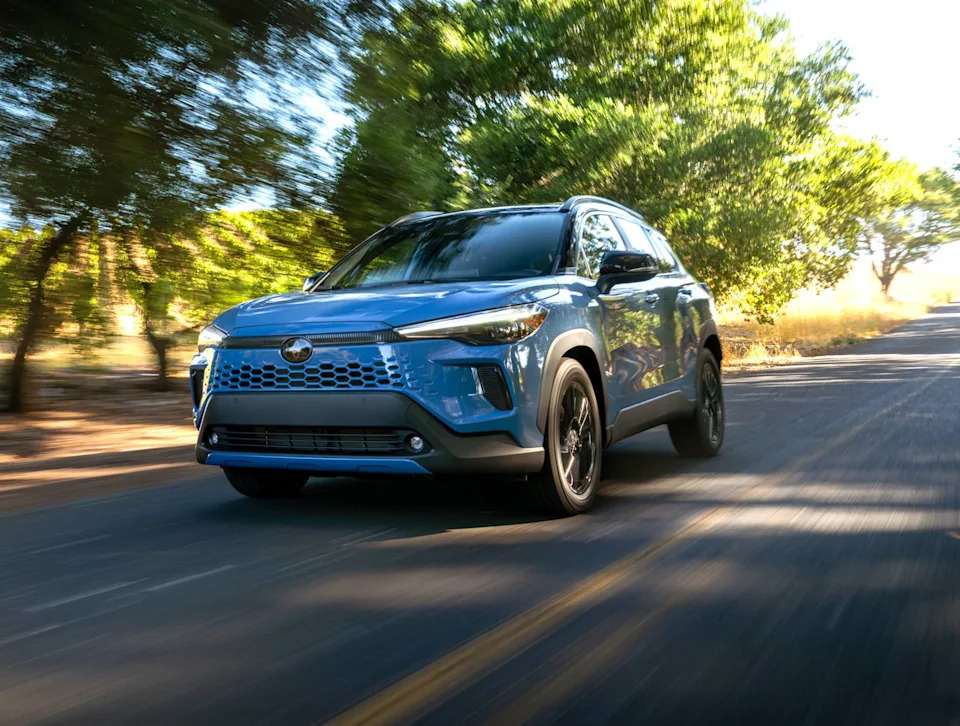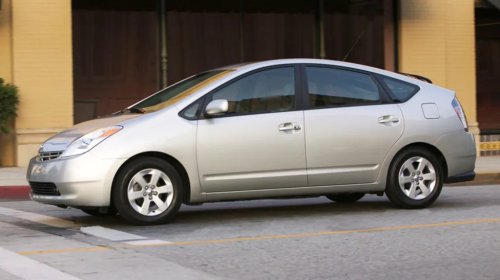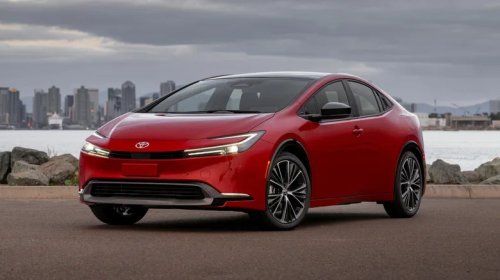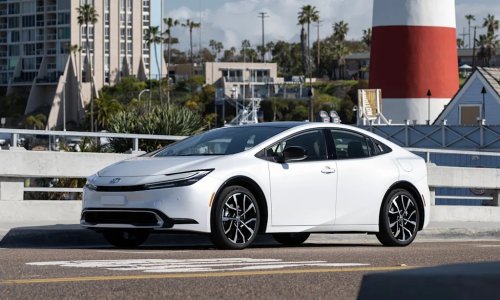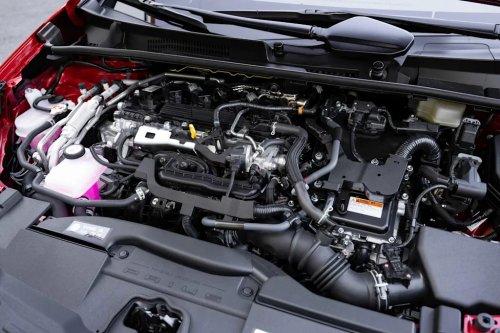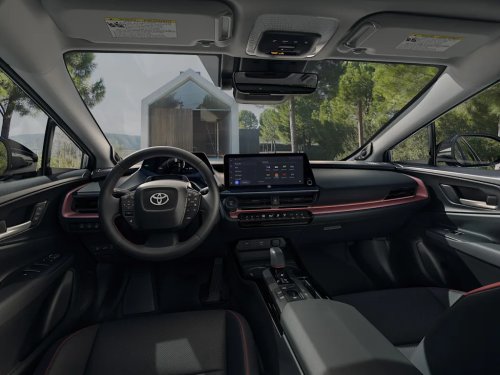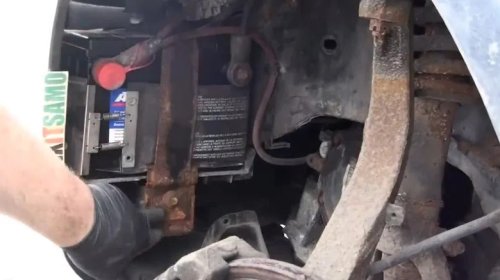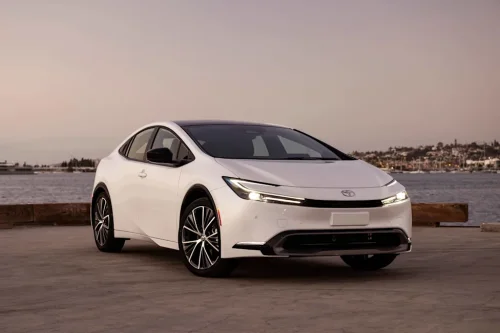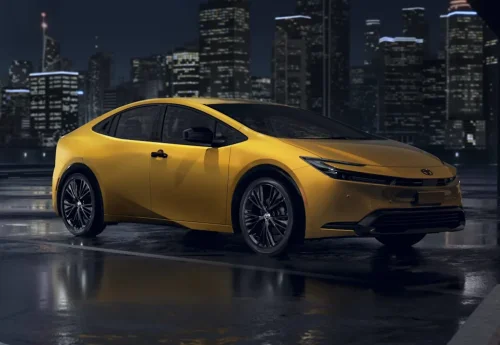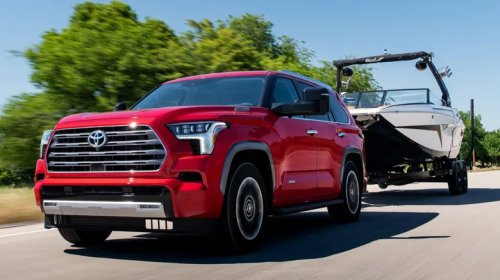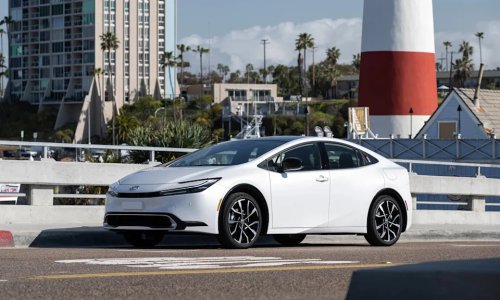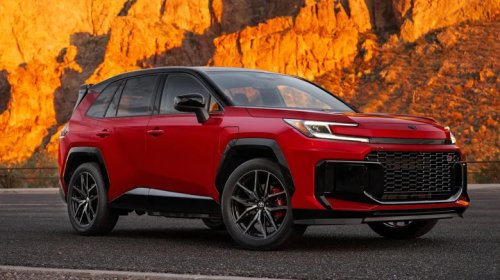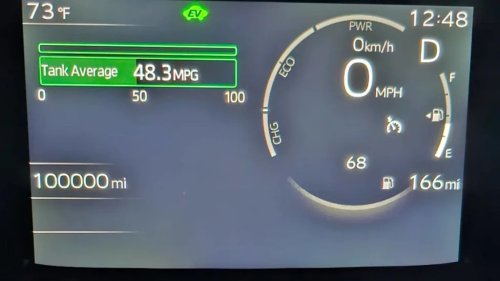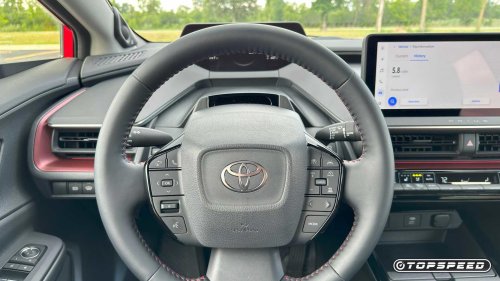
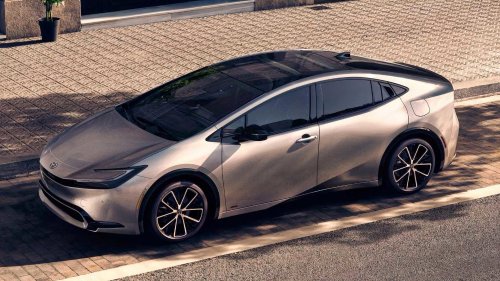
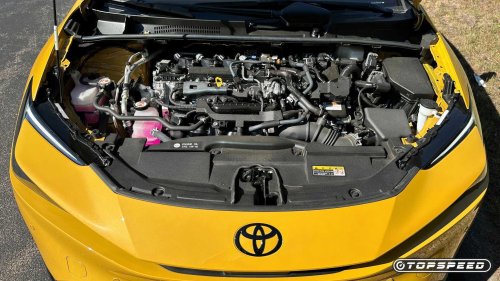
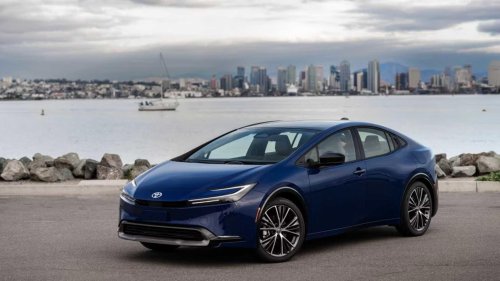
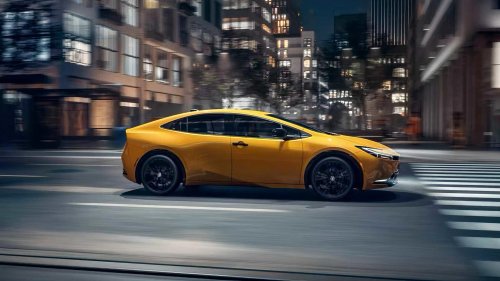

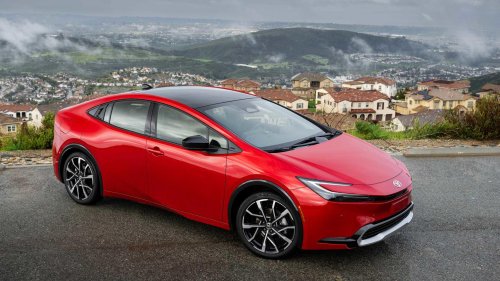



















Hybrid car demand is soaring to new heights in 2026, leading more consumers to ask what to expect from hybrids during long-term ownership. Hybrids are typically more reliable than conventional ICEs, thanks to the use of more durable engines. The integrated electrical system also shares driving responsibilities, which reduces the stress on the ICE. An HEV's electric drive unit sources energy from a battery pack made of lithium-ion or nickel-metal hydride.If you own a hybrid long-term, you will eventually need to replace the battery pack, which is typically the most expensive component to replace. An advantage of modern hybrids is that the replacement battery technology is substantially more affordable compared to when these hybrids first arrived on the U.S. market. Toyota's Class-Leading HEV Technology Craig Cole | TopSpeedWhen it comes to gasoline-hybrid technology, Toyota remains the undisputed leader and the leader in the technology's development. The Japanese brand has always maintained a high level of commitment to hybrids, as symbolized by the innovative Prius, and popularized by the Corolla, Camry, and RAV4 hybrid adaptations.Toyota's philosophy has always been to incorporate multiple fueling methods, including hydrogen, diesel, and electricity. Hybrid models have increasingly become the driving force of its modern catalog. Consumers recognize the brand's dedication to the more efficient drivetrain technology and have responded favorably. Over the last few quarters, the brand has reported considerable interest in its hybrid models as more car owners seek to lower their monthly fuel bill. The Current State Of America's HEV Market ToyotaAs of 2026, the demand for hybrid cars in the U.S. has reached a historic peak. The market is estimated at approximately $778 billion and captures a 42 percent share of the global hybrid sector. This surge is primarily driven by a pivot among American consumers who seek significant fuel efficiency and lower emissions without the range anxiety or infrastructure hurdles currently associated with fully electric vehicles.Over the last decade, hybrids have evolved from niche, economy-focused commuter cars into sophisticated, high-performance vehicles. Modern systems now benefit from advanced power electronics and lightweight materials to provide better acceleration and towing capabilities than their gasoline-only predecessors, effectively positioning hybrids as the new mainstream standard for the American road. Important Information Regarding The Prius Battery ToyotaIf you own a Toyota Prius and are currently faced with a hybrid system malfunction warning light, the situation may not be as bad as it appears. Many existing owners report that there is a common misunderstanding between the HEV system's high-voltage traction battery and the smaller 12-volt auxiliary battery. Having this battery pack replaced will cost you anywhere between $45 and $250, depending on whether you use an independent workshop or an accredited dealer.Dealership quotes for full hybrid traction battery typically range from $6,000 to $9,000, with extreme cases hitting $15,000 for models like the Prius Plug-In Hybrid.Independent specialists and third-party providers sometimes offer professionally remanufactured batteries for between $1,000 and $1,800, plus labor costs of $500 to $1,000. Even if you prefer a brand-new battery, independent shops often supply and install them for roughly $2,300 to $2,600.When you weigh these costs against the current market for new or used vehicles, the math favors keeping your Prius on the road. A fresh hybrid battery can reliably add five to ten years of service life to your vehicle, making 300,000-mile ownership a realistic and incredibly economical goal. Toyota's Impressive Reliability Standards Nicole Wakelin/TopSpeedWhen looking at mechanical integrity, the Prius features a relatively new powertrain, so long-term dependability is difficult to ascertain, even with the brand's bulletproof reliability reputation. Having said that, the model has not yet been subjected to any recalls relating to core mechanical components. In the long run, it's likely to cost much less than a conventional EV, mainly because you don't have to deal with an expensive battery pack replacement after about 15 years of regular use.The Prius range comes standard with the company's comprehensive warranty package. Toyota also covers all hybrid components for 96 months or 100,000 miles, while the battery features a class-leading coverage of 120 months or 150,000 miles. You have the option of extending the basic warranty package up to 10 years or 125,000 miles via Toyota, but pricing depends on the dealership that you purchase the extension from. The Prius Stands The Test Of Time Toyota According to J.D. Power's consumer-verified rating system, owners of the 2026 Toyota Prius give it 75/100 for quality and reliability, as well as 76/100 for the driving experience, 87/100 for resale, and 77/100 for the dealership experience, bringing its overall score up to 78/100. It's easy to see why the Prius is one of the best hybrid compact cars currently available.iSeeCars assigns the same model an 8.8/10 overall score, which includes 8.0/10 for reliability, 8.5/10 for retained value, and 10/10 for safety. On the dependability front, the publication suggests that it will cover an average lifespan of 12.9 years of 176,133 miles, together with a 34 percent probability of reaching 200,000 miles.Toyota The current-generation Toyota Prius is the best option for you to consider if you want a hybrid that benefits from low fuel costs and high estimated range capabilities. The most efficient of the lot is the front-wheel-drive base trim model, which consumes 57/56/57 MPG on the EPA's city/highway/combined cycle and covers 644 miles on a single tank. You can expect to save as much as $3,750 on fuel over five years compared to the average new vehicle sold in the U.S., and $750 a year on fuel. This model will also cost you $1.23 to drive 25 miles and $32 to fill up the 11.3-gallon tank.If you upgrade to the optional all-wheel-drive configuration, you can expect the drivetrain to return 53/54/54 MPG and cover 567 miles on a single tank, partly because this model adopts a smaller 10.5-gallon tank to make space for the additional rear motor. The XLE and Limited's larger wheels alter consumption to 52/52/52 MPG and reduce range to 588 miles. Your five-year fuel cost savings will decline to $3,500, while your annual fuel cost increases to $800. A 25-mile drive will have you spending $1.35 on fuel. Toyota's Competitive Pricing Strategy Toyota Toyota makes the 2026 Prius available at an attractive starting price, with the LE kicking things off at $28,550, followed by the XLE at $31,995, the Nightshade at $32,800, and the Limited at $35,565. If you want the all-wheel drive system, it will increase the price by $1,400. These prices also exclude the $1,195 destination fee applied to all sales.According to Edmunds, owning a base LE Prius will cost you $40,491 over five years and 60,000 miles, which includes having you spend $5,361 on maintenance, $773 on repairs, $11,860 on depreciation, and $6,804 on fuel. CarEdge backs this with a $35,934 ownership cost estimate for the entire range over the same period, including $12,670 on depreciation, $4,055 on fuel, and $1,437 on maintenance. Meanwhile, RepairPal estimates its annual maintenance cost to be just around $408. How To Spot A Degrading HEV Battery Toyota A hybrid vehicle's battery capacity gradually declines due to a combination of chemical degradation and usage patterns. This degradation largely depends on the vehicle and the miles driven, but the symptoms will remain the same across the segment. With time and use, the lithium-ion cells within the battery pack experience wear as a result of repeated charging and discharging cycles. This causes the electrodes to deteriorate and the electrolyte to break down. Factors like high temperatures, rapid acceleration, and frequent deep discharges accelerate this process.An HEV's battery management system plays a role in regulating voltage and temperature, but as the cells age, this system becomes less effective at balancing the charge between individual cells, leading to uneven wear. After 200,000 miles, a hybrid battery typically loses between 20 and 30 percent of its original capacity, depending on driving habits and environmental conditions.