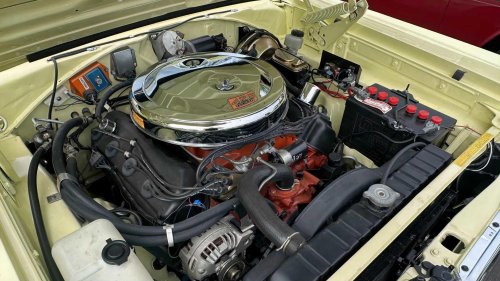
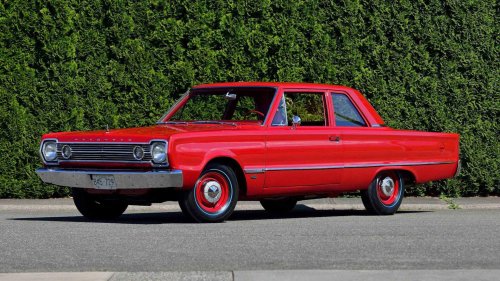
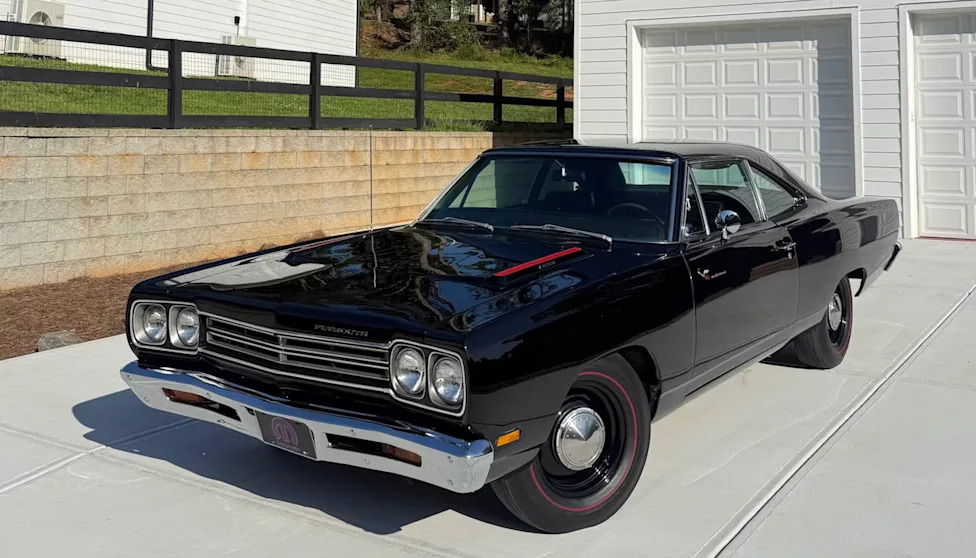
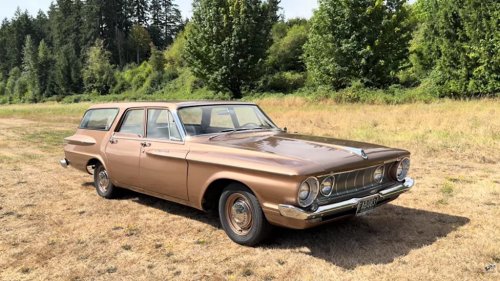
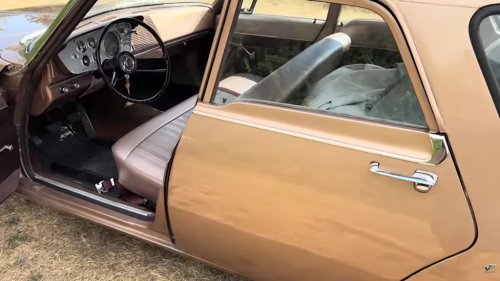
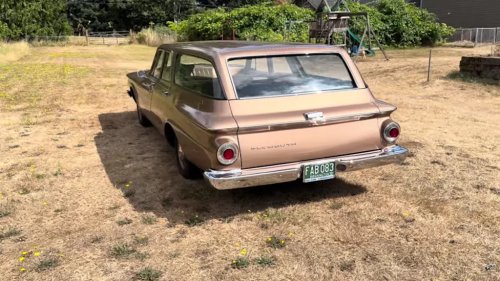
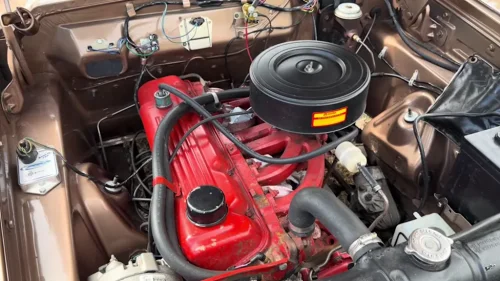
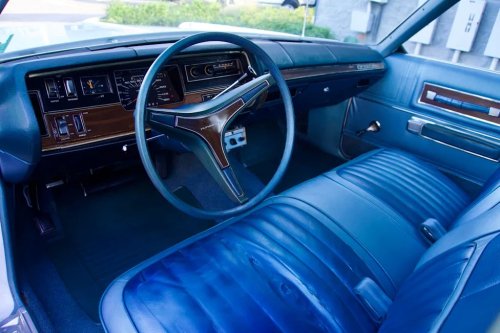
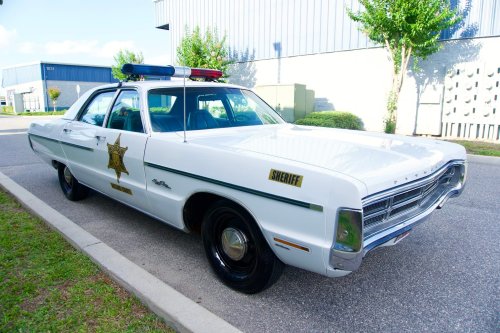
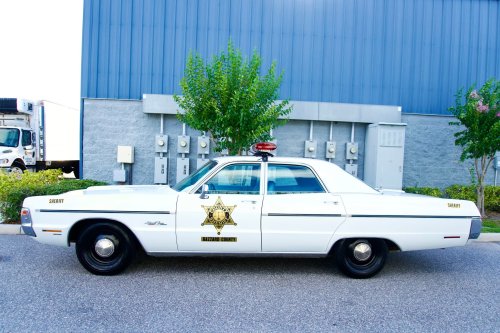
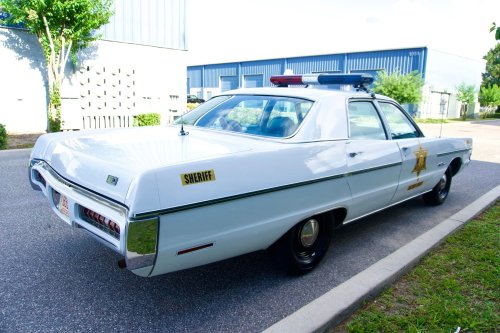
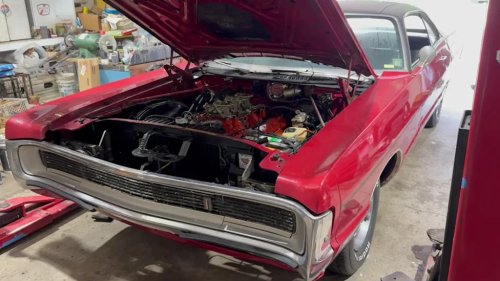
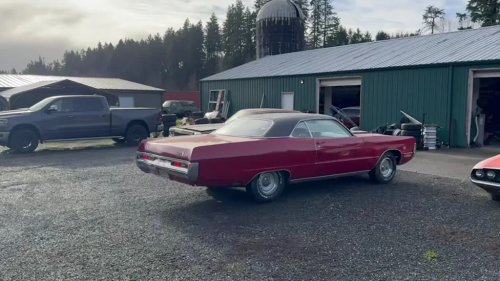
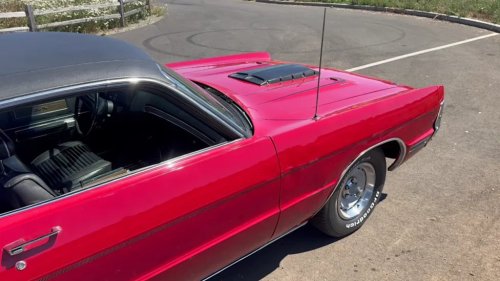
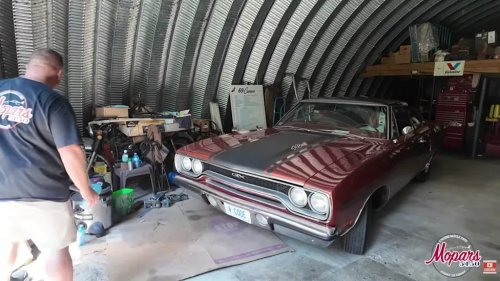
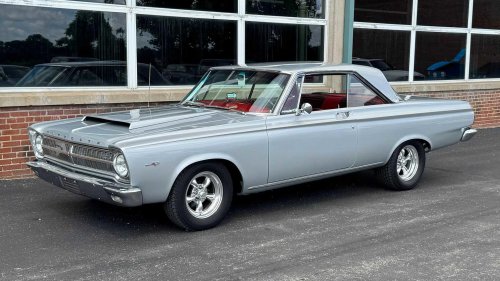
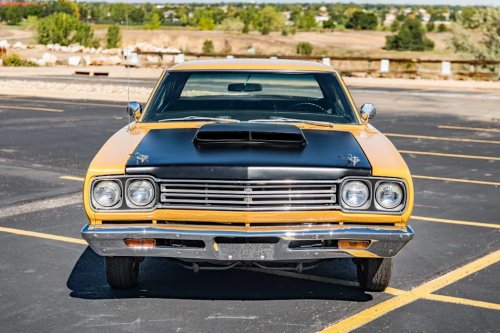
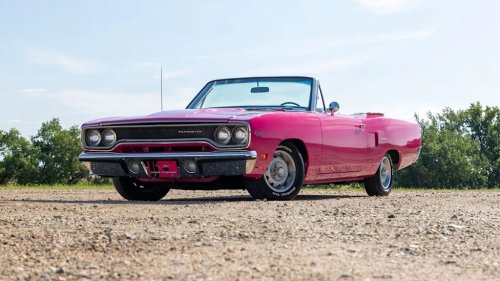
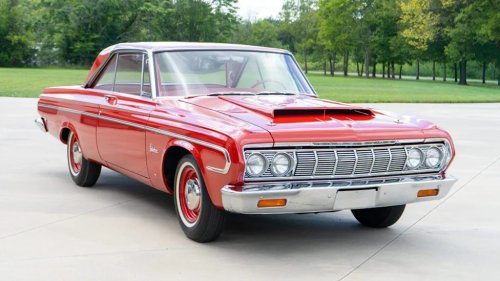
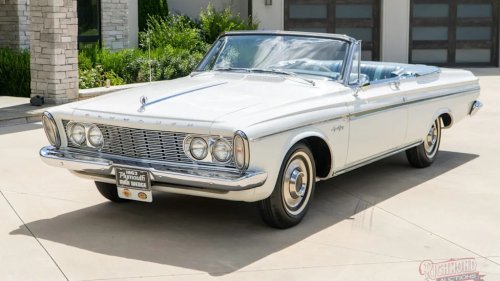
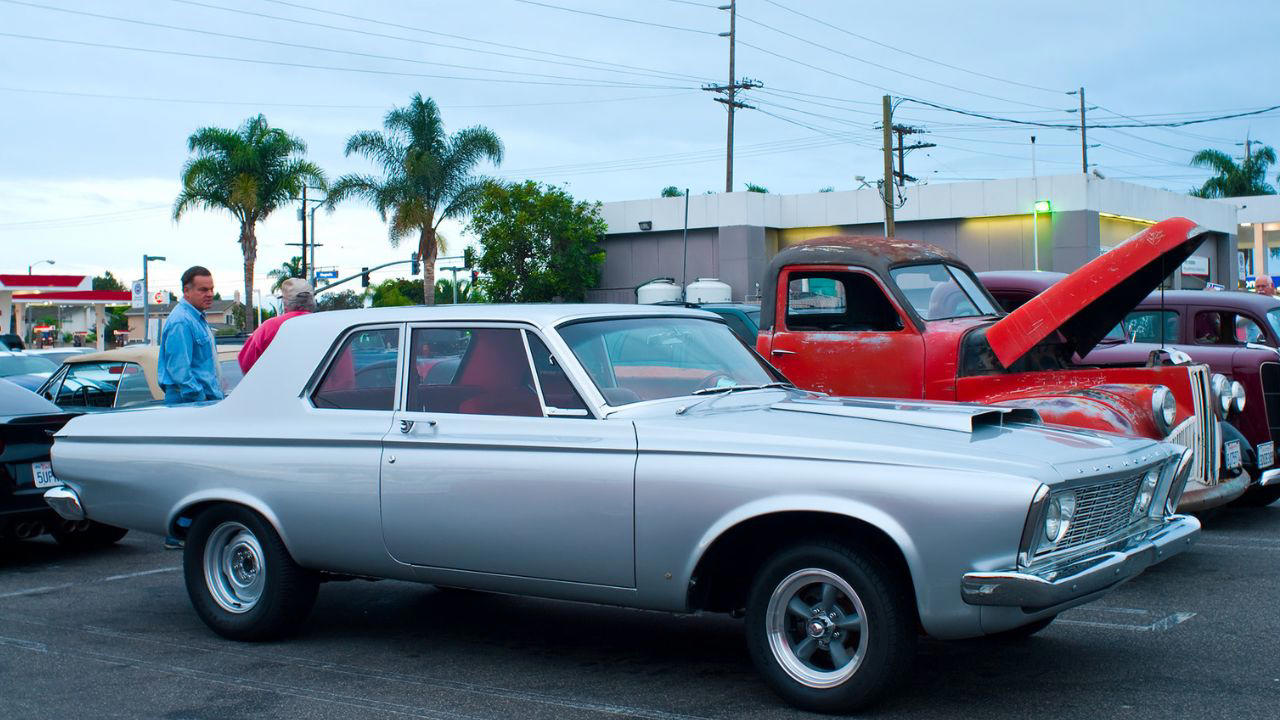
The 1963 Plymouth Savoy looks straightforward but its history hides a few quirksThe 1963 Plymouth Savoy wears a plain suit: flat slab sides, thin chrome, a roofline that looks more municipal fleet than quarter-mile hero. Yet behind that simple sheetmetal sits one of the more eccentric stories in early muscle history, where a budget full-size sedan quietly became a terror at the drag strip and a cult favorite decades later. The car’s unassuming appearance masked factory lightweights, exotic race engines and a strange split personality that still fascinates collectors. The plain wrapper that racers wanted On paper, the Plymouth Savoy was meant to be a straightforward family car. Contemporary descriptions of the Plymouth Savoy highlight a full-size body with a simple, almost austere design, positioned as an entry-level choice rather than a showroom centerpiece. Styling leaned on clean, understated lines with very little brightwork, a look that later enthusiasts would call no-nonsense rather than glamorous. That stripped-back approach turned out to be a gift for performance buyers. With fewer luxury features and less trim, the Savoy often weighed less than better-equipped siblings. Period marketing placed it below the Fury in the hierarchy, yet that lower status made it an ideal candidate for the kind of powertrain that would have seemed out of place in a plush model. The Savoy became the blank canvas that engineers and racers could turn into something far more aggressive than its brochure copy suggested. From grocery getter to factory lightweight The real transformation arrived when Chrysler engineers began building factory lightweights. One surviving example, a 98 original mile, shows how far the company was willing to go in pursuit of quarter-mile dominance. The car was ordered with a 13 12:1 426 Max wedge engine, an automatic transmission with push button controls and a 489 gear ratio, a combination that made little sense for daily commuting but perfect sense for drag racing. Weight-saving measures on these cars were extensive. Thin-gauge steel, minimal sound deadening and sparse interiors turned the Savoy into a purpose-built tool. The same basic body that could have hauled kids to school was instead delivered as a near race-ready shell, with the expectation that owners would drive straight to the strip. The contrast between the car’s plain exterior and its specialized hardware is part of why these lightweights are now treated as rolling artifacts of factory-backed competition. The 426 Max Wedge changes everything At the center of the Savoy’s legend sits the 426 Max Wedge V8. Later coverage of Plymouth performance history describes how Max Wedge engines appeared in extremely limited numbers from 1962 to 1964, built specifically with NHRA Super Stock competition in mind. The 426 Max Wedge engine debuted with either 415 or 425 horsepower and used a distinctive cross-ram intake that fed huge ports, a setup that made the big Plymouths devastatingly effective off the line. Most performance buyers who wanted this engine chose the lightest bodies they could get. Reports on factory ordering patterns explain that Most buyers seeking maximum performance opted for stripped-down Savoy or base Fury hardtops rather than more luxurious models. The Savoy, with its lack of frills, became the logical home for this exotic race engine, turning a budget sedan into a serious threat in Super Stock classes. Stage II, specific numbers and a cult of detail Among enthusiasts, some of the most prized cars are those equipped with the 1963 Plymouth Savoy 426/415 HP Max Wedge Stage II package. A period listing for a 1963 Plymouth Savoy spells out the combination that still excites collectors: the 426 cubic inch displacement, the 415 horsepower rating and the austere two-door Sedan body that kept weight down. That same listing drew 187 reactions and 9 comments, with 186 of those reactions specifically highlighted alongside the name Daniel Vergara and a community of enthusiasts who track these cars by engine code and build sheet. These specific figures matter in a world where details define authenticity. The exact 426 displacement, the 415 horsepower rating and the Stage II label separate a genuine factory piece from a clone. Owners trade information about casting dates, intake part numbers and even the correct finish on underhood brackets, all in service of preserving a car that started life as a low-status model but ended up as a blue-chip collectible. Documented survivors and the people who keep them alive The Savoy’s second life plays out today in garages, shops and online channels where owners tell their stories. In one video, host Jul appears with Lou on an episode of My Car Story to showcase a red 1963 Plymouth with a 426 Super Stock specification. Lou describes the car as a way to leave a historical legacy, a phrase that captures how these machines have shifted from disposable race tools to cherished artifacts. Another clip follows Jan in a segment that introduces Richard Udell and his 1963 Plymouth Supertock. The host explains that this Plymouth Supertock was built only for racers, and Richard walks through the car’s purpose-built nature. The dialogue between Jan and Richard shows how owners treat these Savoys as custodians rather than just drivers, carefully recounting how each modification aligns with period-correct racing practice. Even in modern drag racing, the Savoy still appears. At the NH4 wide nationals in Las Vegas, a segment features Jeff Jerome introducing himself on camera and preparing to be interviewed by Bobby Fazio. Jeff Jerome describes his NHRA Stock Eliminator A/SA 1963 Plymouth, with Bobby and Fazio both named on screen at the Las Vegas event. That car represents a direct line from the factory Super Stock programs of the early 1960s to the sportsman classes that still run today. Lightweight lore and the first of fifty Social media posts from sanctioning bodies have highlighted a particular car described as the first of 50 Max Wedge lightweight cars shipped to a specific dealer. One such Savoy is described as the embodiment of raw muscle, bare-bones and built for battle, with the Plymouth Savoy name attached to a story about how it left the factory as part of a small run of special-order machines. That narrative fits with the broader pattern of Chrysler quietly seeding drag strips with cars that looked ordinary but carried highly specialized equipment under the skin. In another feature focused on a 98 original mile factory lightweight, the host explains that the original buyer wanted the car to be as close to a race car as possible. The same 13 12:1 compression 426 Max wedge engine, automatic push button transmission and 489 gear ratio appear again, reinforcing how consistently these lightweights were configured. The car is presented as evidence that such machines should be on the road and not in a garage, a sentiment that captures the tension between preservation and use. No-frills styling, serious intent While the engines and gear ratios capture headlines, the Savoy’s bodywork is part of the story too. A club write-up on the 1963 Plymouth Savoy describes it as a no-frills, mid-size car that became a favorite among drag racers and performance enthusiasts. The piece emphasizes how the basic roofline and boxy profile, once criticized as awkward, turned out to be an advantage when racers wanted a car that could be easily lightened and modified. Another description from an auction listing for The Savoy notes that the design featured clean, understated lines with minimal chrome, giving the 1963 Plymouth Savoy a no-nonsense performance image. When equipped with the legendary 426 M Max Wedge V8, this lightweight sedan transformed into a street and strip menace, delivering brutal straight-line performance. That same listing describes how the car combined factory firepower with a chassis ready to dominate, a far cry from the transportation role it was supposed to fill. Inside the cabin, all business The interior of a Savoy Max Wedge car often tells the same story as the engine bay. Bench seats, rubber floor mats and sparse instrumentation were the norm. In many factory lightweights, radio and heater delete plates replaced everyday comforts. The goal was simple: keep the car light and focused on the quarter mile. Owners like Max, who appears in a clip explaining how a car was ordered with a 426 M engine and 489 g ratio, describe how each missing feature shaved time off an elapsed run. Modern restorations sometimes add back conveniences, but the most prized survivors retain their spartan character. The absence of luxury touches that might appeal in a Sport Fury instead reinforces the Savoy’s identity as a working tool. The same car that could have been a taxi or fleet sedan became, in this configuration, a weapon for weekend racers. Drag strip credibility and NHRA roots The Savoy’s reputation is tightly bound to organized drag racing. The 426 Max Wedge was developed with NHRA Super Stock rules in mind, and the lightweight Savoy bodies were a deliberate attempt to exploit those regulations. Posts describing the first of 50 Max Wedge lightweight cars shipped for competition underline how closely the factory worked with racers to put the right hardware in the right hands. That collaboration continued through the 1960s as Chrysler refined its engines and chassis. Even after the Max Wedge era ended, the template it established lived on: big power, lighter body, minimal frills. The Savoy served as an early expression of that formula, years before the term muscle car became common. Its success on the strip helped convince manufacturers that there was a market for factory-built performance machines that looked ordinary but ran like dedicated race cars. Collector market and the value of obscurity Today, the 1963 Savoy occupies a curious place in the collector world. It lacks the broad-name recognition of later icons, yet serious enthusiasts chase specific configurations with almost forensic intensity. The scarcity of genuine Max Wedge cars, especially those with documented histories, drives strong interest. Listings that mention original drivetrain components, build sheets and period race photos tend to attract immediate attention. That appeal is amplified by the car’s original mission as a budget model. There is a certain irony in watching a once-cheap sedan cross the block for high prices, especially when painted in plain colors and wearing dog-dish hubcaps. For many buyers, that contrast is part of the charm. The Savoy’s anonymity on the street in 1963 is exactly what makes a surviving factory lightweight so compelling now. Stories from the owners’ circle Enthusiast communities help keep these stories alive. In one Facebook group, a post on the 1963 Plymouth Savoy describes the car as a classic full-size model known for simple design and powerful performance options, and comments quickly turn to personal memories and technical specifics. In another group, the 426/415 HP Max Wedge Stage II Sedan listing drew responses that mixed admiration with detailed questions about authenticity and equipment. More from Fast Lane Only Unboxing the WWII Jeep in a Crate 15 rare Chevys collectors are quietly buying 10 underrated V8s still worth hunting down Police notice this before you even roll window down



















 +3 others