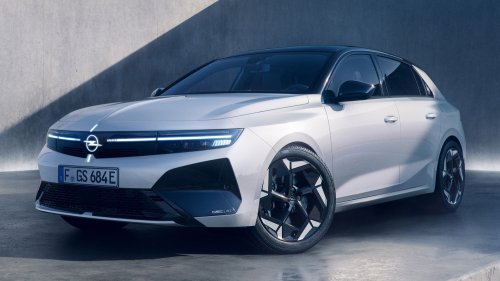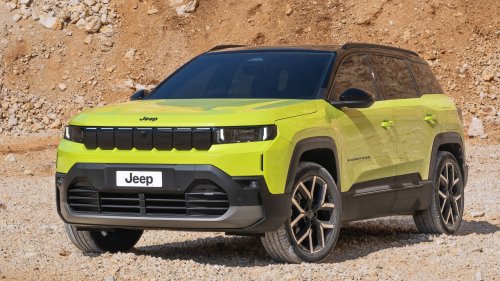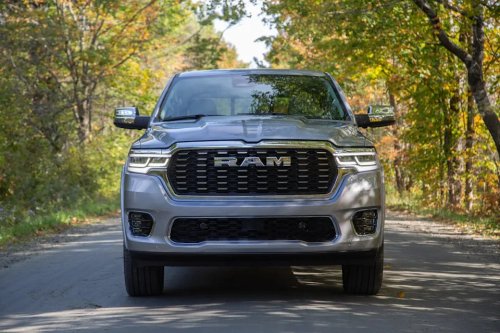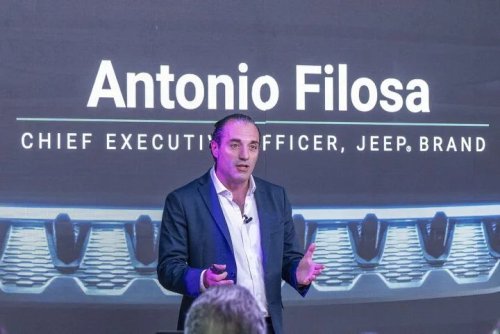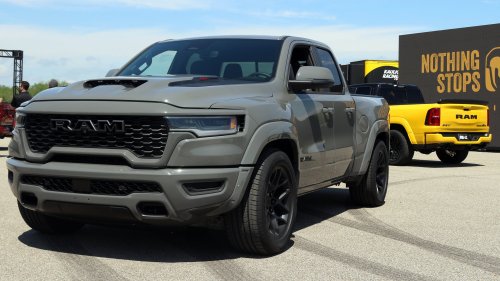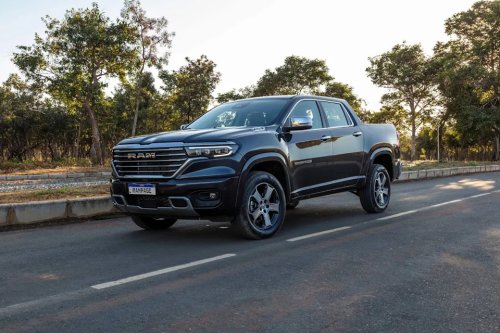



















Image: StellantisAt this stage, this has not yet been confirmed by the company but is based on a Reuters report citing five anonymous sources. Clarity is expected next month, as the leaked details allegedly form part of the strategic plan of Stellantis CEO Antonio Filosa, which is set to be officially announced in May.According to the report, Stellantis plans to introduce a leader-follower principle across its 14 brands. Jeep, Ram, Peugeot, and Fiat are expected to receive ‘significantly’ increased budgets to drive the development of new models. The remaining brands will operate with considerably smaller budgets, deriving their vehicles from the advancements of the respective core brands. As the Reuters report states, they will ‘receive funding to build models using technology from the four core brands.’Until now, even the group’s brands with lower sales volumes have received a relatively equal share of the internal investment budget. This is set to change under the proposed new brand structure: according to the insiders, these brands will ‘become regional or national ones in specific markets where they are already strong or have potential.’What this could mean for individual brands – including Opel, Citroën, Alfa Romeo, and Maserati – remains unclear. Further details may only emerge when Antonio Filosa presents the new strategy in May. Stellantis told Reuters that its brands are its strength but did not directly comment on the apparent restructuring plans. Reuters further reports that the plan has already gained the support of several major investors, such as Exor.However, there is no mention of any brands being discontinued as part of this process. In the past, investors and analysts have repeatedly criticised the group’s extensive brand portfolio, particularly in Europe, for overlapping customer segments. The conglomerate, formed in 2021 from the merger of the PSA Group and Fiat Chrysler, has in recent years made significant efforts to differentiate volume brands such as Peugeot, Citroën, Opel, and Fiat – though this has primarily occurred at the sales and marketing level. To create synergies, most new models have been built on standardised technical platforms, resulting in vehicles with largely identical specifications. As a result, factors such as design or brand identity (depending on the country) have become more important.Should the restructuring proceed as reported, Peugeot and Fiat would likely develop new models for Europe, while Jeep and Ram would do so for North America. A brand like Opel would then adapt a vehicle developed by Peugeot. A key question will be the extent to which modifications are still possible—whether the chassis can still be specifically tuned or if changes will be limited to cosmetic adjustments to the design language. While Opel already operates under certain constraints, such as the STLA platforms, it still retains decision-making autonomy in numerous areas. It also remains unclear at what stage Opel’s developers would be involved in the development of a new model.As early as mid-April, it was revealed that Opel plans to restructure its development centre in Rüsselsheim into an ‘efficient tech centre’. Of the current 1,650 positions, only around 1,000 are expected to remain – ‘for strategic topics’, as Opel emphasised. Whether this reduction in development capacity at Opel is already linked to the new group-level plans remains unknown.That new CEO Filosa is planning a major overhaul—whatever its final form—has already become apparent. In early February, Filosa wrote off over €22 billion euros, primarily from the North American electric vehicle business, after the once-ambitious EV plans lost momentum due to the new US policy. In this context, Filosa also hinted at a new strategy aimed at positioning Stellantis as a ‘beacon of freedom of choice’.reuters.com