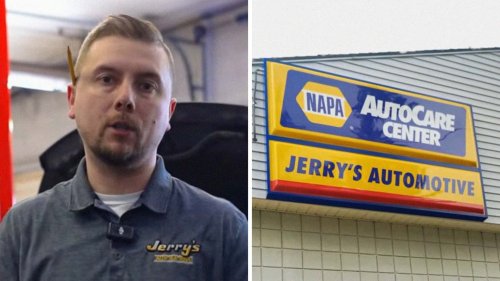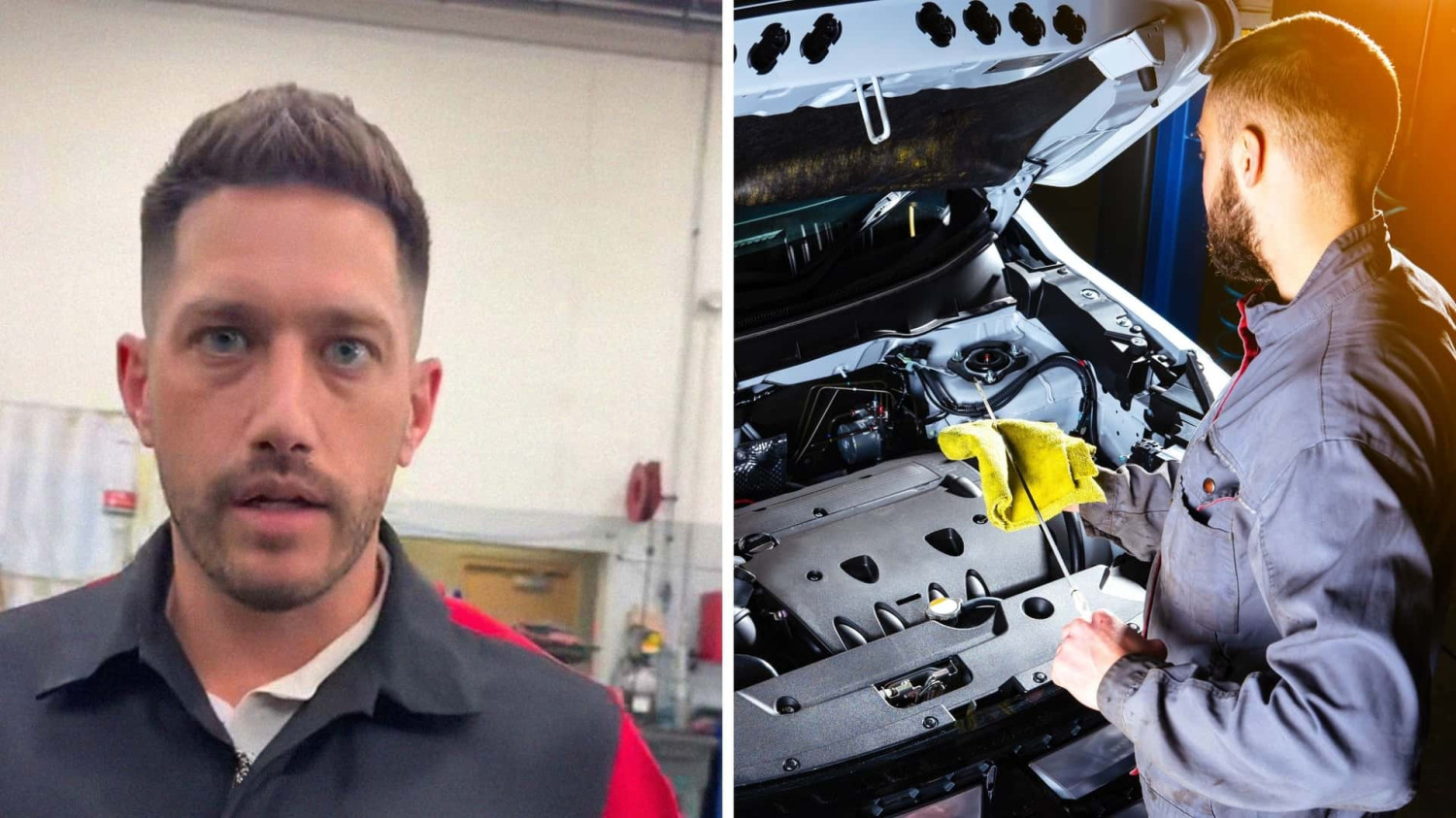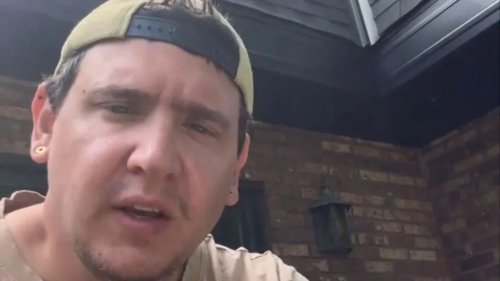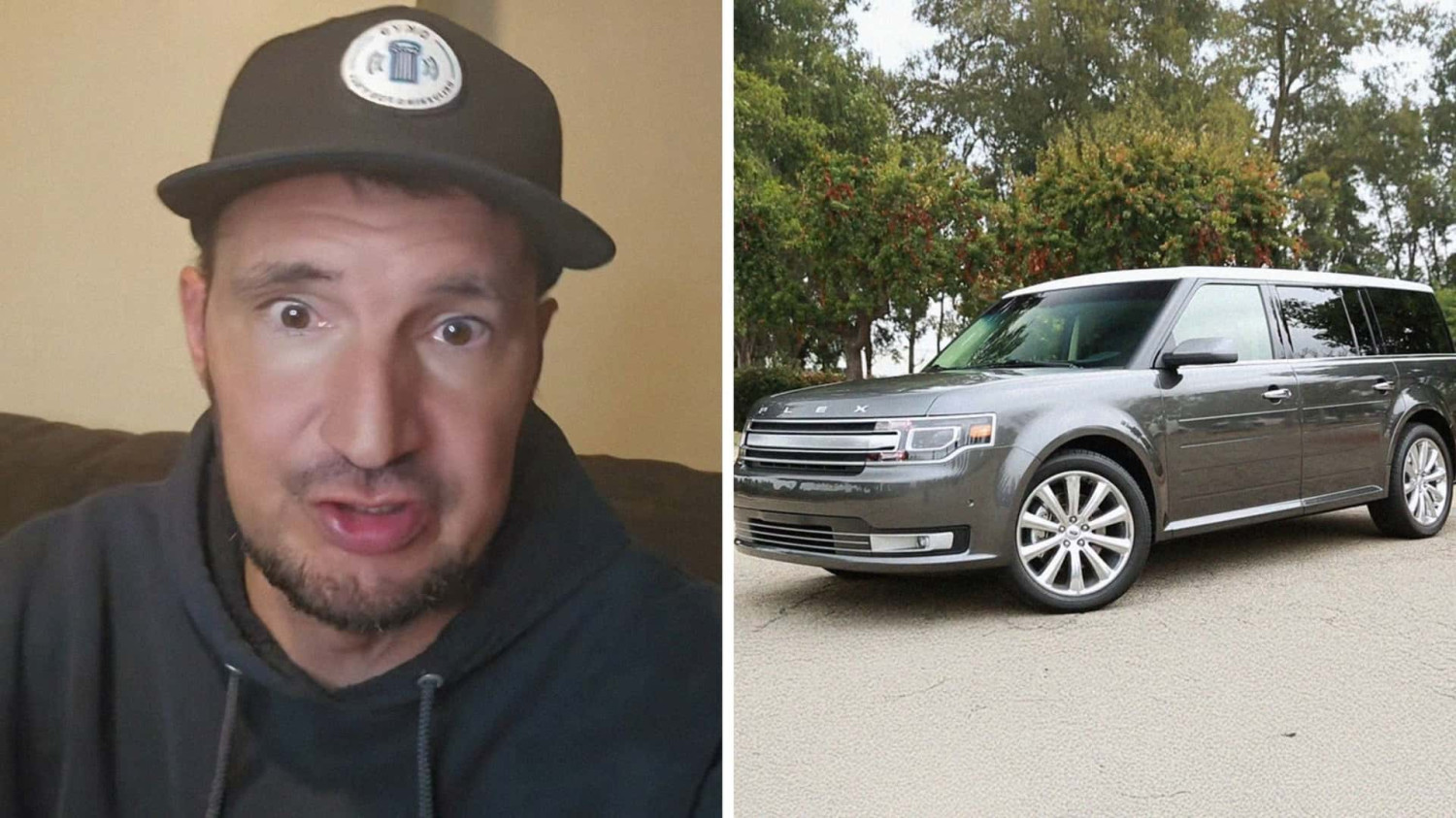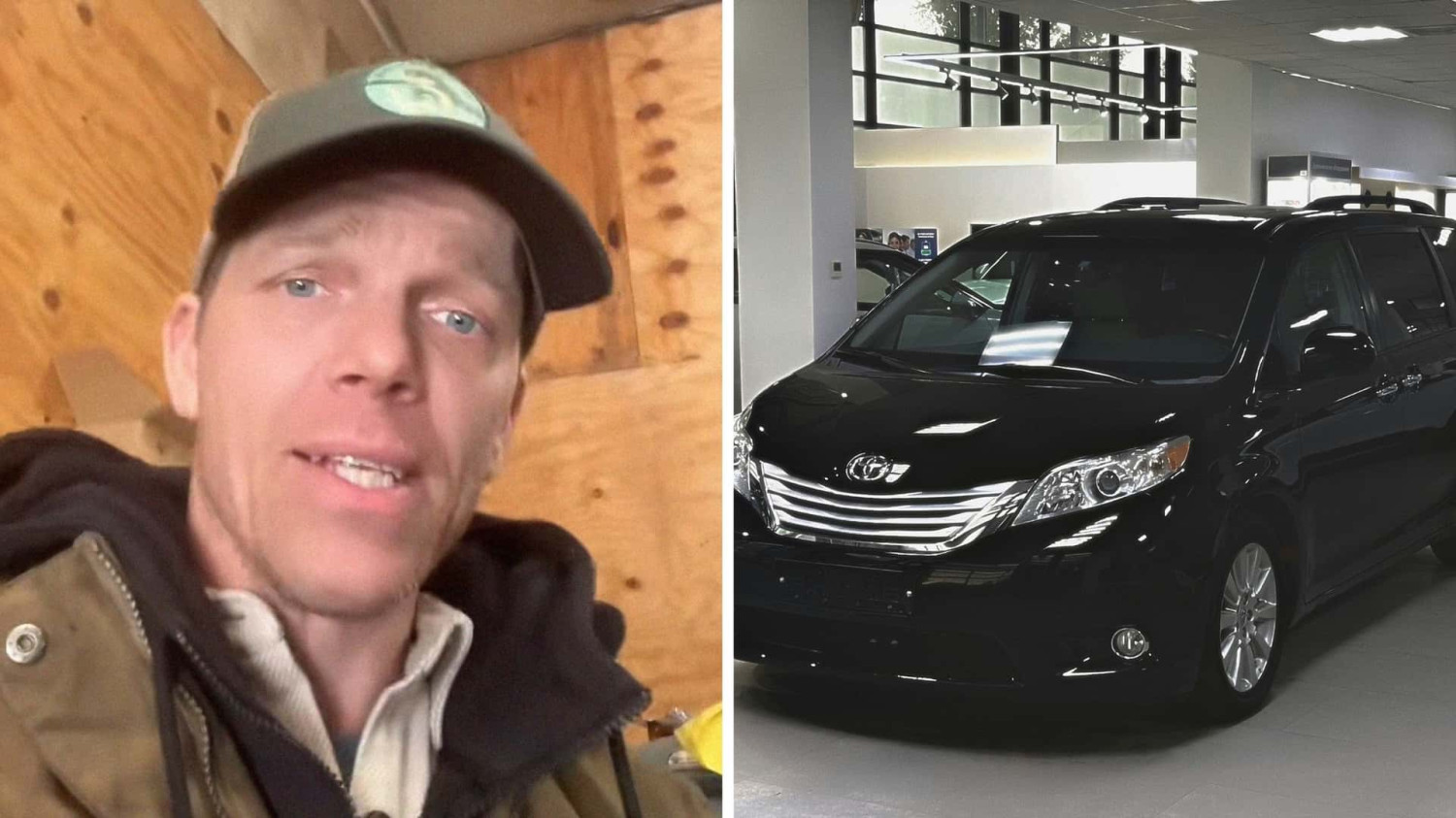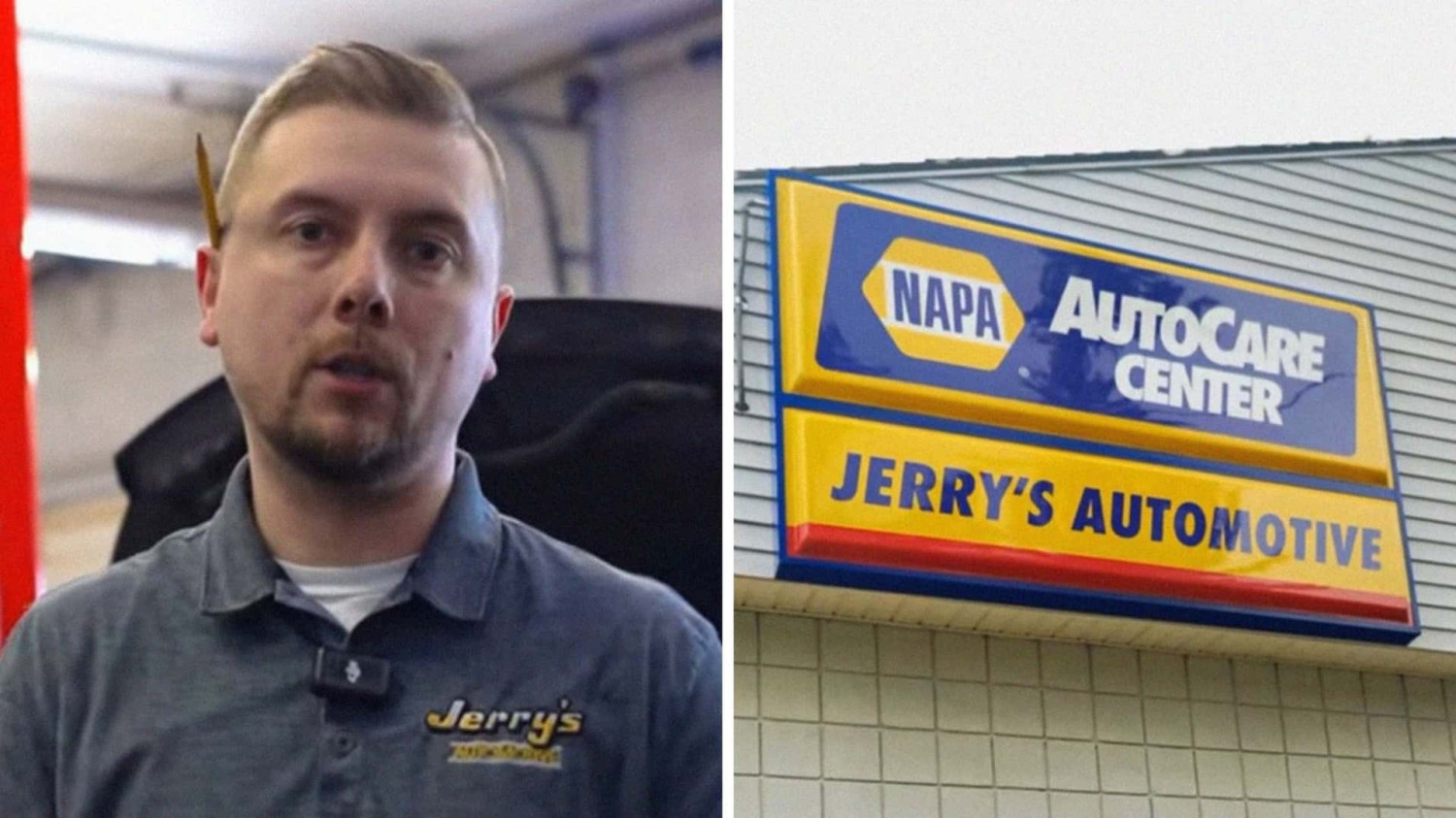



















An auto repair shop drew a storm of criticism after its owner explained why his mechanics refuse to install parts that customers bring in themselves. His straightforward explainer touched off an acrimonious debate about auto shop pricing practices, and the owner didn’t help matters when he weighed in from the comments. Jerry’s Automotive (@jerrysuatomotive), which describes itself as a family-owned shop in Lansing, Michigan with more than 60 years in business, has drawn more than 50,000 views since posting the TikTok. The comment section is full of customers, mechanics, and former parts store employees who have strong views about the real reason behind the policy. In the video, Jerry gives three reasons for the ban on customer-supplied parts. “Number one, quality of the parts,” he says. “Here at Jerry’s Automotive, we put a five-year, 50,000-mile warranty behind our repairs. We cannot put that warranty behind the repairs if you supply your own part.” His second reason: “Customer orders the wrong part. Brings us the wrong part. Ties up the hoist, ties up the mechanic’s time.” For his third point, Jerry makes a culinary analogy. “Would you go to a steakhouse, bring your own steak, and want it prepared and hope to get it cheaper?” he asks. “Doesn’t work out that way.” The caption on the video is blunt: “No customers can’t supply their own parts.” Is There A Fourth Reason They Don’t Use Parts Customers Supply? Most commenters didn’t buy it. The top comment set the tone. “Number 4, because you can’t mark up the parts that they bring in,” the user wrote. Jerry’s Automotive confirmed that it does indeed markup part prices. In a lengthy reply, the shop’s account wrote, “Do we mark up parts? Absolutely. Fair parts markup is a crucial factor in keeping a shop’s doors open. It helps cover overhead like the building, equipment, software, warranties, insurance, and allows us to pay our technicians and staff well so we can attract and retain quality employees.” The admission poured gas on the fire. Commenter tayliah noted, “Yep, and he admitted it in the comments.” Self-identified former parts store employee shillberryman offered some context on how steep those markups can get. “Last shop I worked at would take part price and multiply by 3.5 to get price [the] customer pays, that’s 350%,” they wrote. Not every commenter viewed the markup as unreasonable. TrustedAdult, who said they also run a shop, was candid about the business model. “We don’t accept people’s parts because we can’t mark them up,” they wrote, adding, “The mechanics are paid off of total service, not just hourly. If you don’t buy the parts through us they don’t get as high of a service check with their hourly pay.” Over the years, there has been a lot of support for the view that it’s fair for mechanics to charge markups on parts, not least because they are more likely than you to be able to identify quality parts. These markups are crucial to the bottom line of every shop. Mechanics Push Back From Both Sides Many mechanics and industry workers supported Jerry’s position. “As a mechanic of 2 decades, bring your own part is fine,” wrote one. “No warranty obviously, if part is wrong, you still pay labor. This guy just wants to mark your parts up 10x.” NotTheTiger_King, who said he owns a shop, tried to make the case for retail markups. “The customer is charged the retail price for that part. So the customer pays the same $200 they would at Advance if they bought it themselves,” he wrote. “Now if I got the part for $100 and billed it at $300 then yes, that’s a big problem.” Several commenters who work at parts stores pointed out that the parts shops buy and the parts customers buy often come from the same place. Dan wrote: “Number 1. We can’t mark up your parts 30-200%. I used to deliver ‘Genuine Toyota Parts’ to Toyota when I worked at Advance Auto Parts.” Aric, a purported former O’Reilly Auto Parts employee, agreed. “You’re not getting anything special compared to what the average person is going to get. It’s the same parts from the same manufacturer with the same warranty,” he wrote. The Steakhouse Analogy Gets Grilled Jerry’s restaurant comparison got cooked. Jay Buenrostro called it “fake logic,” writing, “I’m not asking you to warranty my steak—just cook it. If it’s bad, that’s on me. The real issue isn’t quality, it’s shops crying over lost parts markup.” Call me Ray took a more literal approach, posting, “If I could bring my own steak to a restaurant for a discount I absolutely would.” And doug7605 pointed out that Jerry’s analogy has a real-world counterpart that works in the customer’s favour. “Plenty of coastal restaurants offer to cook your catch,” he wrote. The Warranty Debate Some in the thread did defend the principle behind Jerry’s policy. Shop technician Derek laid out three practical objections from the mechanic’s perspective: “1) It’s almost never the issue the customer says it is. 2) When I install your part and it doesn’t work you don’t want to pay for my labor. And 3) When your crappy part fails in 2 weeks you want me to replace it again for free.” Bwotlos, another shop worker, framed the warranty issue in similar terms: “I get the part and if it fails it’s zero out of pocket from you. You get the part and you have zero coverage.” Motor1 reached out to Jerry’s Automotive via their website contact form for additional comment. We’ll be sure to update this if it responds. We want your opinion! What would you like to see on Motor1.com? Take our 3 minute survey. - The Motor1.com Team