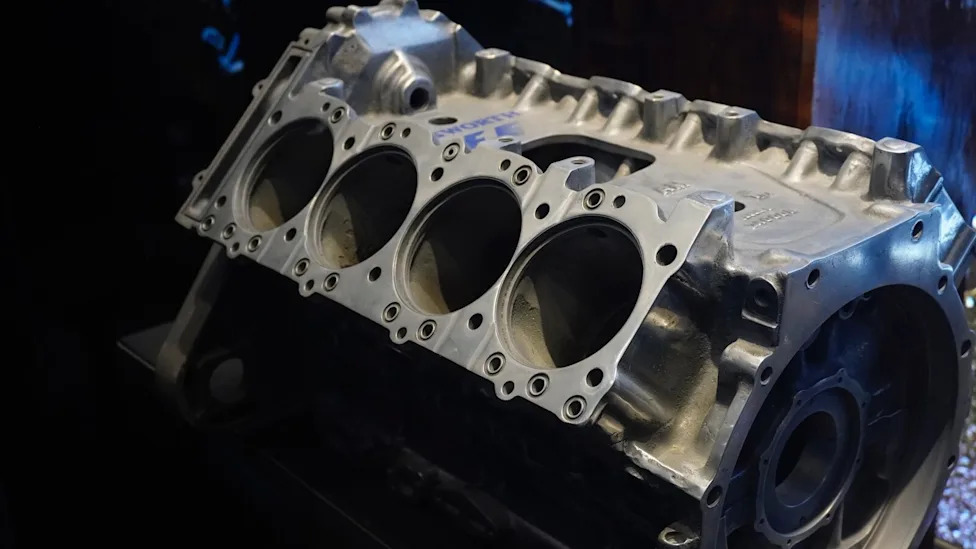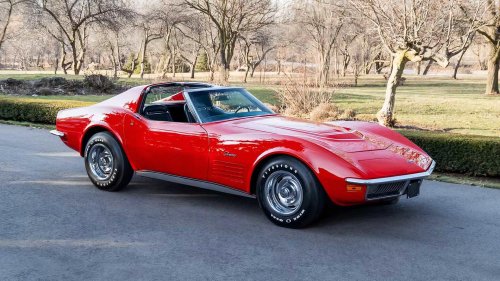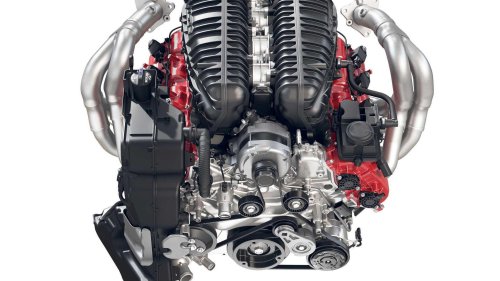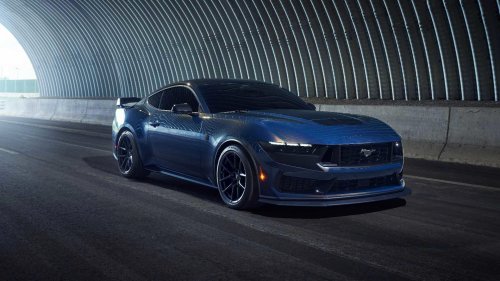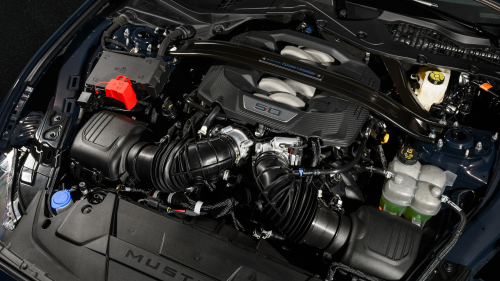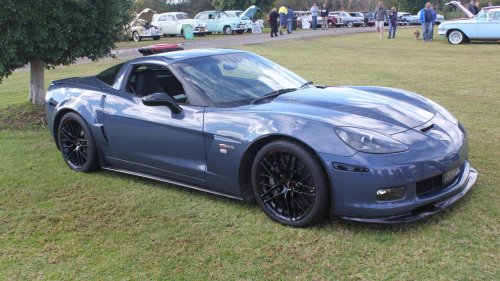
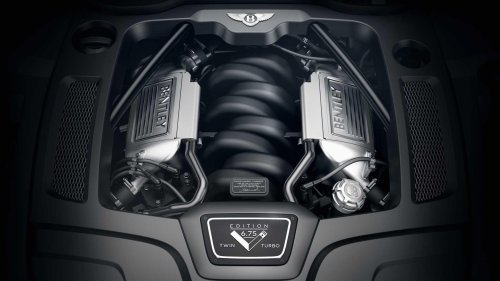
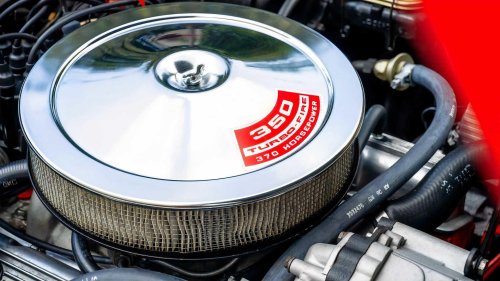
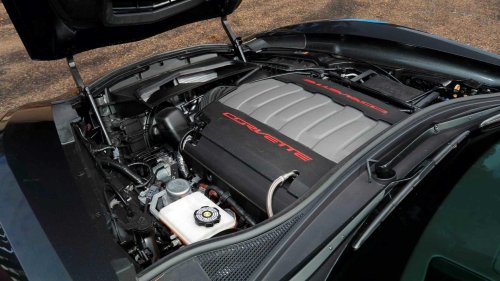
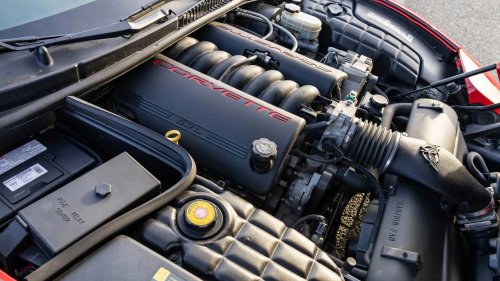
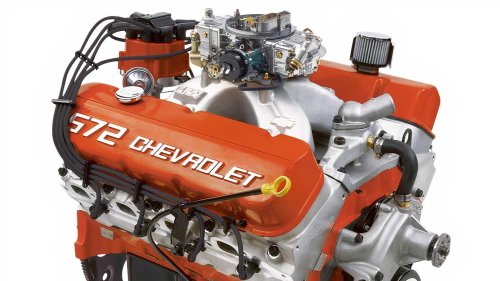
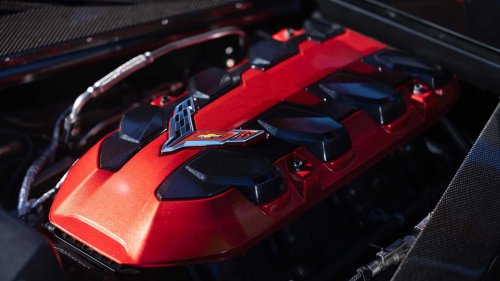



















Cars were originally made to be transportation tools, but as they've evolved, some have become status symbols and icons. Gearheads hang posters on their walls of cars like the Mustangs, Corvettes, Camaros and supercars from Ferrari and Lamborghini where others might hang posters of their favorite artists or musicians. While we appreciate the design of these cars, many of them would be nothing without the engines that power them.Some engines are legendary in the automotive space, and you know about them even if you're not really into mechanics that much. In the American automotive space, only one has been around before the muscle car wars of the 60s and 70s even began and is still in production in its most modern form with no signs of slowing down. Why Most Engines Don’t Last Bring a Trailer Previously, things moved at a much slower pace, but as technology advanced, even the latest tech could be obsolete in the next few years. For engines, the main reason to replace a good one is simply lack of performance, especially when the competition is doing much better. But since the 70s, global emissions have gotten more strict and fuel economy requirements mean that some of our favorite engines can't stay in production for very long. A lot of money is spent on developing engines, but in the long run, it is simply cheaper and easier to develop and build a completely new engine than try to fix an already existing one that isn't compliant with the rules.Engines like the BMW S54 straight-six or the high-revving Honda F20C from the S2000 were engineering masterpieces. But they were retired because they couldn't meet the evolving demands of a modern, eco-conscious world. We love big ol' V8s but most performance cars with them today have been downsized and have their sounds muffled with turbos. We still have some big American engines, but their days are numbered. When regulations change, the great engines are scrapped in favor of more efficient ones but with less character. The Longest Production Engines BentleyMost modern engines have a production cycle of 7-10 years. They used to be almost double that from the 80s to 2000s. With the current pace of growth and technological advancements, automakers have to make sure they're never left behind. But some engines were in production for a long time. They include:Rolls-Royce L-Series V8 (1959–2020): For 61 years, this 6.75-liter masterpiece powered cars like the Rolls-Royce Silver Cloud II all the way to the twin-turbo version in the final Bentley Mulsanne. Volkswagen Type 1 Flat-Four (1938–2003): This was air-cooled heart of the Volkswagen Beetle, and it remained in production for 65 years. It was designed for simplicity and ease of repair in any condition. While it vanished from European and American cars in the late 70s, it continued to power Brazilian and Mexican Beetles and Type 2 Transporters well into the 21st century. Ford Windsor V8 (1961–2001): The backbone of the Mustang and F-Series trucks for 40 years. BMC A-Series (1951–2000): The tiny engine that powered the original Mini for almost 50 years. It was available in four and three cylinders. Chrysler Slant-Six (1959–2000): This was the famously "indestructible" engine often found in everything from Darts to motorhomes. The base versions of these engines were used in Dodge Chargers, Challengers and the Plymouth Fury. The Chevrolet Small Block Is A Legendary Engine Bring a TrailerEveryone has heard about the LS, and it's the number one choice for engine swaps and making big power, but it's simply a successor to a magic formula whipped up decades ago. In 1955, Chevrolet introduced a 265-cubic-inch (4.3-liter) V8. It was a lightweight and compact unit designed by Ed Cole for the Chevrolet Corvette. It was known as the "Turbo Fire" and it replaced the inline six unveiled with the Vette in 1953. It originally made 162 horsepower and 257 lb-ft of torque but in its most powerful form, it made as much as 240 hp and 270 lb-ft of torque. This was the birth of the legendary Chevy small block. The Evolution Of The Small Block MecumThis engine was quickly improved with a larger 283 cubic-inch (4.6-liter) version in 1957, this engine made as much as 283 hp and 290 lb-ft of torque in 1960. The biggest version of this original engine was the 327 cubic-inch (5.4-liter) V8 in introduced in 1962 with 360 hp and 358 lb-ft of torque. But this was just the beginning of the small block legacy.The small block has been in production for five generations already with a lifespan of 70 years. Here is the timeline: Gen I (1955-2002) Gen II (1992-1997) LT Gen III (1997–2007) Gen IV (2005–2020) Gen V (2013–present) These engines weren't reserved for performance cars only, there were variants that power school buses, work trucks and passenger cars. Throughout its evolution, the Small Block has remained a versatile engine at just the right size, power and price. Even with the stringent regulations and oil crisis of the 70s, GM was able to adapt its engines, but the penalty was reduced horsepower, just like every muscle car of the time. The original engine remained in production in different forms until 2002, with other variants developed alongside. Why the Chevy Small Block Is Still Relevant Today Bring a TrailerNow, you might think that a 70-year-old pushrod (Overhead Valve) design would be a relic in the age of electric vehicles and turbocharged hybrids. However, the 1997 (Gen III) redesign—the birth of the LS engine family—proved that simple technology often works best. GM has always optimized its engine for the best performance instead of just adding displacement or forced induction. By moving to an all-aluminum design and optimizing airflow, it showed that you didn't need a complex design to dominate the street and track. The LS further proved that a lightweight, compact V8 could still beat the most sophisticated European engines at their own game while being reliable. Why The Small Block Is So Reliable Chevrolet Performance Sports cars aren't really known for bulletproof reliability, but with the SBC, this isn't just marketing or hype from fans. There are few moving parts, which means fewer things can go wrong.The reliability comes down to three main factors:The Pushrod (OHV) Design: Most modern engines use Dual Overhead Cams (DOHC), which require long, complex timing chains and multiple tensioners to operate valves at the top of the engine. The Small Block uses a single camshaft buried deep in the center of the block with short metal rods (pushrods) to move the valves. This design is much sturdier and eliminates the "fragile" timing components that often fail in other cars. "Over-Square" Architecture: The engine is designed with a "short-stroke," meaning the pistons don't have to travel very far up and down. This reduces the speed at which the pistons move, which in turn minimizes friction and heat—the two biggest enemies of an engine's lifespan. This is also why they don't rev very high but also produce good low-end torque. Heat Management and Build Quality: Because the engine block is compact and robust, it handles heat soak quite well. It’s built to be stressed and used in multiple applications; parts that would be "performance upgrades" on other engines are often standard internal components on a Small Block. This is one of those engines that can easily cross the 300,000-mile mark with basic maintenance. Since it has been around for so long, GM has had time to keep refining and improving this engine. Even the aftermarket tuners know these engines so well and with enough aftermarket parts, you'll have no trouble keeping this engine running for a long time. This makes it a favorite for high-mileage trucks and performance cars alike. The Legacy and Future of the Small Block Chevrolet GM has sold over 110 million units of its small block V8s in different forms, from sports cars to work trucks, buses and crate engines for swaps. While other manufacturers are abandoning the V8 in favor of smaller, turbocharged engines, General Motors is doubling down. GM has just announced a massive $150 million investment into its plants to prepare for the Sixth-Generation Small Block. With the debut of the new 6.7-liter LS6 V8 in the 2027 Corvette Grand Sport, which is now the base engine for the C8 Corvette, replacing the 6.2-liter LT2 V8. GM has made it clear that the small block isn't heading for a museum but another decade of dominance.