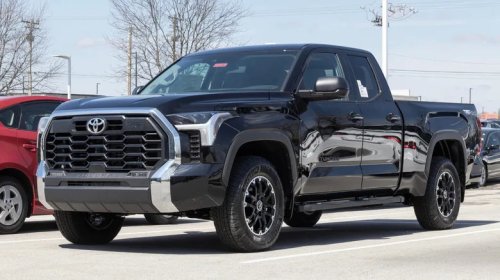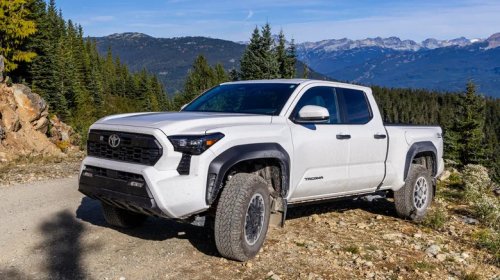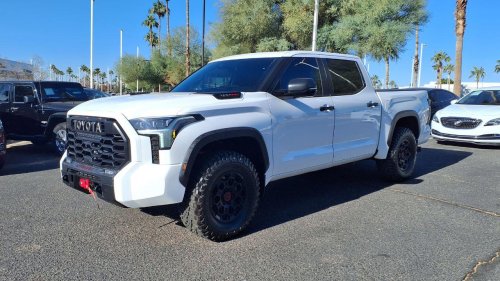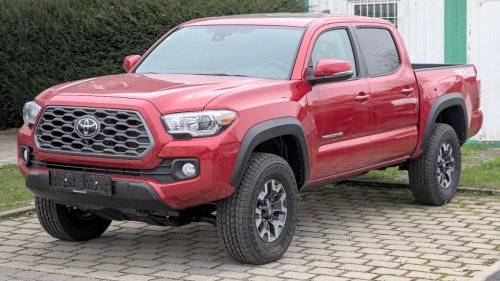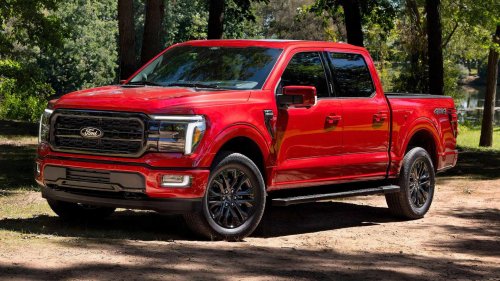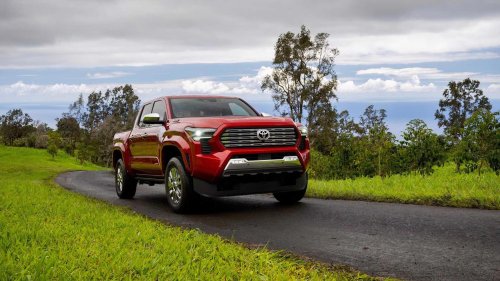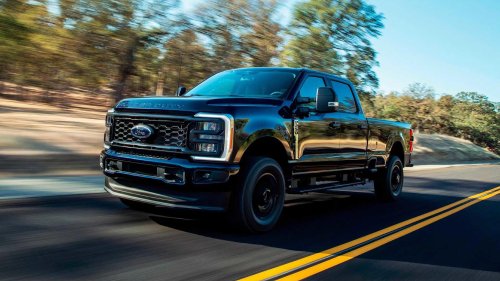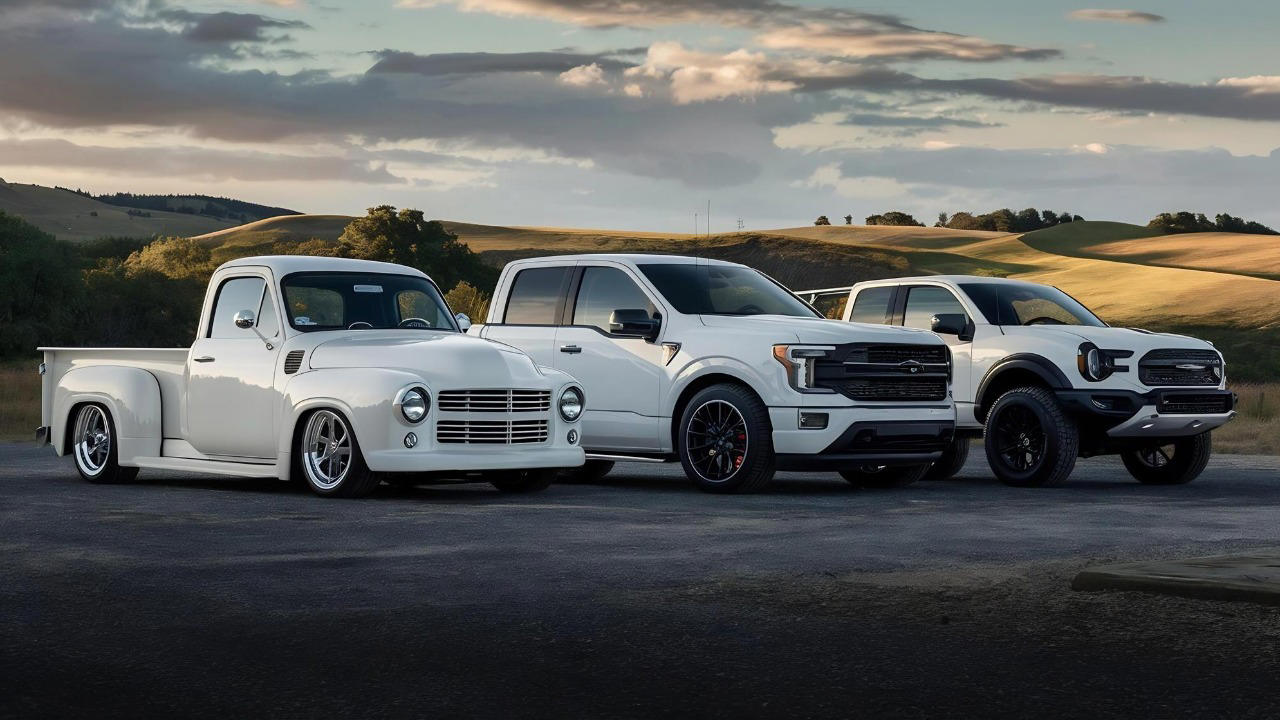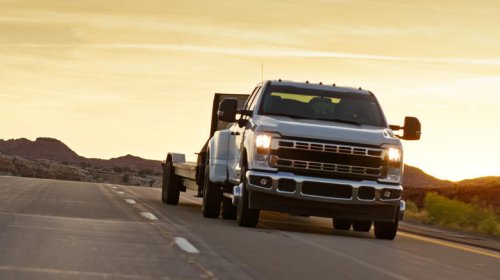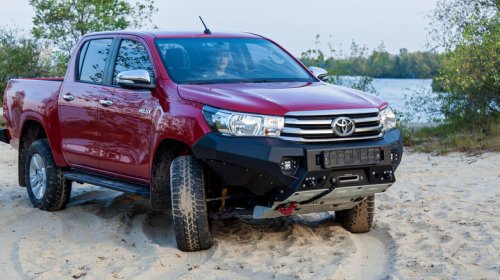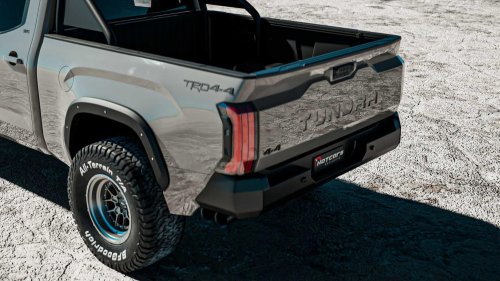
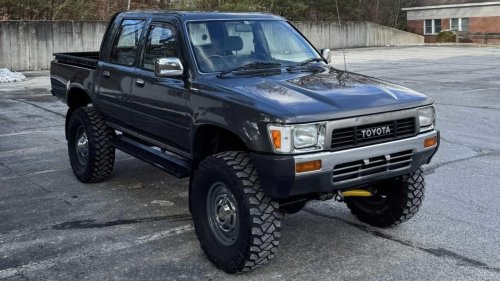



















There’s a point where most vehicles start asking for something back. Around 150,000 miles, maybe 200,000 if you’ve been diligent, things begin to wear out in ways you can’t ignore. Transmissions get tired, electronics start acting up, and small problems turn into expensive ones. That’s just part of owning a car or truck long-term.But every now and then, you hear about something different. A pickup truck that keeps going long after it should have stopped. Not just 300,000 miles, but 400,000. Sometimes, even 500,000 miles or more, it's still running, still working, still doing exactly what it was built to do. That kind of reputation doesn't happen by accident; it comes from a very specific way of building things, one that most modern trucks have moved away from. And there’s one name that keeps coming up whenever this conversation starts. Why Most Trucks Start To Break Down Long Before 500,000 Miles RAM (Stellantis)Modern trucks are better than they’ve ever been in a lot of ways. They’re faster, quieter, more comfortable, and packed with technology that didn’t exist even a decade ago. But that progress comes with tradeoffs, especially when you start talking about long-term durability. Engines today make far more power than they used to, often from smaller displacements, turbocharging, and tighter tolerances. That’s great for performance and efficiency, but it also means more heat, more pressure, and more stress over time. Add in complex emissions systems, advanced transmissions, and layers of electronics, and you end up with a truck that does everything well, but relies on a lot more components to keep doing it. It's quite the tradeoff.None of this means modern trucks are unreliable. It just means they’re not built with the same single-minded focus on longevity. When everything works, they’re excellent. But over hundreds of thousands of miles, more complexity usually means more opportunities for something to go wrong.Fun Fact: The Hilux was so overbuilt that it became the vehicle of choice for humanitarian organizations and NGOs operating in remote areas, where reliability literally determines whether supplies arrive or not. One Line Of Trucks Built A Reputation For Surviving Anything Toyota Tundra TRD Hammer HotCars renderLong before trucks started chasing luxury buyers and headline horsepower numbers, there was a different approach: build something simple, make it strong, and make sure it works wherever it ends up. That philosophy shaped a specific line of trucks that would go on to build one of the strongest reputations in the automotive world.These trucks weren’t designed for suburban commutes or occasional weekend use. They were built for places where failure wasn’t an option. Remote job sites, harsh climates, rough terrain, and long distances without access to parts or service. In those environments, durability isn’t a feature; it’s the entire point.That same mindset didn’t stay overseas; it directly influenced the trucks sold in the United States, shaping models that would go on to earn their own reputation for longevity. Even if most buyers didn’t realize where that DNA came from, they benefited from it. The Hilux walked so the Tacoma could run, if you will. The Toyota Hilux Built A Reputation Nothing Else Could Match The truck at the center of all of this is the Toyota Hilux. For decades, it earned a reputation not through marketing, but through what it could survive. High mileage, extreme environments, neglect, heavy use, it didn’t seem to matter. The Hilux just kept going.Part of that came down to its engines. Gasoline options like the 22R and 22RE weren't built to impress by reading their specs, but they were engineered to last. Power delivery was straightforward, internal stress was kept low, and the overall design was simple enough that problems were easier to fix and less likely to cascade into something bigger.That philosophy carried over when Toyota developed the Tacoma for the U.S. market. While the Tacoma evolved into its own thing, especially in later generations, the early trucks carried clear traces of that same durability-first thinking. It’s why so many Tacomas have built their own high-mileage reputations, even if the Hilux remains the benchmark.ToyotaFun Fact: In some markets, Hilux trucks are still running with original engines after decades of use, not because they were babied, but because parts are cheap, repairs are simple, and owners just keep fixing them instead of replacing them. What Actually Made This Beefy Truck Longer Than Everything Else The Hilux didn’t last forever because of one breakthrough feature. It lasted because everything about it was designed with restraint. Engines weren’t pushed to their limits, materials were chosen for durability rather than weight savings, and systems were kept simple wherever possible. That simplicity made a huge difference over time. Fewer electronics meant fewer things to fail. Straightforward engine designs made maintenance easier and more predictable. Even when something went wrong, it was usually isolated and fixable without becoming a larger issue.It also helped that these trucks were built to be used hard from day one. The chassis, suspension, and drivetrain were all designed with real-world abuse in mind. So when owners put them through years of work, they weren’t exceeding the truck’s limits; they were operating within them.Fun Fact: Toyota has produced the Hilux continuously since 1968, making it one of the longest-running nameplates in automotive history, with each generation building on the same durability-first foundation. Real-World High-Mileage Examples Bring a TrailerWhat really stands out here isn’t just the number, it’s how these trucks got there. These weren’t easy highway miles or second-owner weekend toys. Most of them spent years doing actual work, hauling, idling, getting driven every day without much thought, and they still made it this far without turning into constant projects. That's the difference; plenty of trucks can reach 200,000 miles, but getting past 300,000 is where things usually start to fall apart, but the Hilux just keeps on truckin'. At this point, it isn't a fluke. The Hilux was meant to last, and last it has. Why That Kind Of Truck Is Hard To Find Today Toyota GlobalTrucks haven’t gotten worse. In many ways, they’ve improved dramatically. They’re faster, more capable, and far more comfortable than anything from the Hilux era. But they’re also built with a different set of priorities. What makes this even more interesting is how much these trucks are still going for today. Clean Hilux models and older Toyota pickups aren’t cheap throwaway work trucks anymore. Depending on condition, they’re consistently selling anywhere from under $10,000 to well over $30,000, with the cleanest examples pushing even higher. People aren't buying these because they're nostalgic; they're buying them because they trust them.Today’s trucks are expected to do everything. Tow heavy loads, deliver strong acceleration, meet strict emissions standards, and offer interiors that feel closer to luxury SUVs. To make that happen, they rely on more advanced engineering and more complex systems. That doesn’t leave as much room for the kind of simplicity that made the Hilux what it was. Longevity is still part of the equation, but it’s no longer the only goal. And that’s why trucks like the Hilux, and to a certain extent the early Tacoma, stand out. They were built with a clear purpose, and decades later, they’re still proving it every time one rolls past another milestone most vehicles never reach. And while most trucks have moved on from that original formula, the Hilux is still being sold around the world, doing exactly what it was built to do.