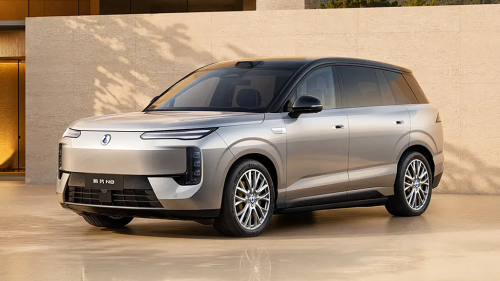
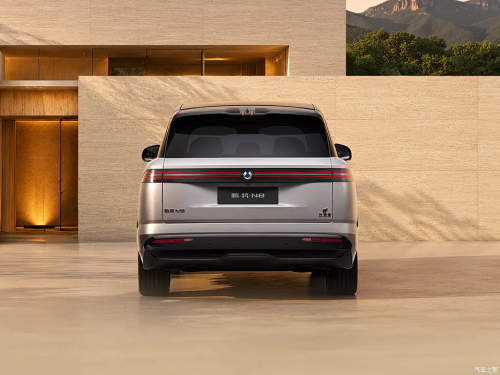
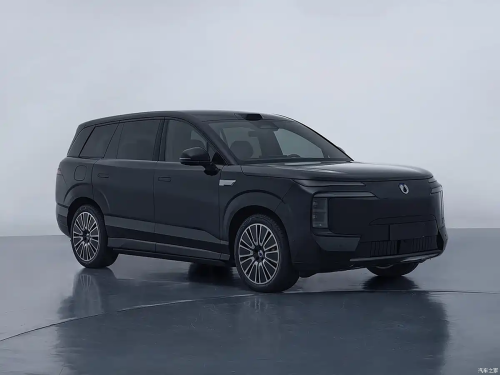
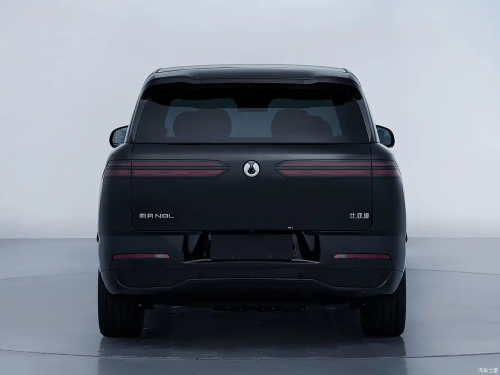
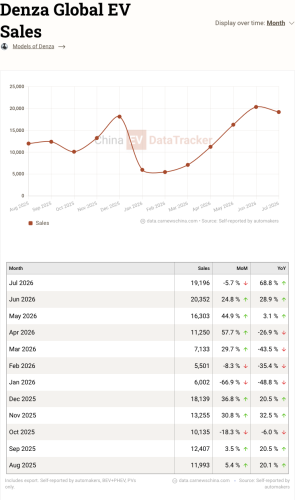
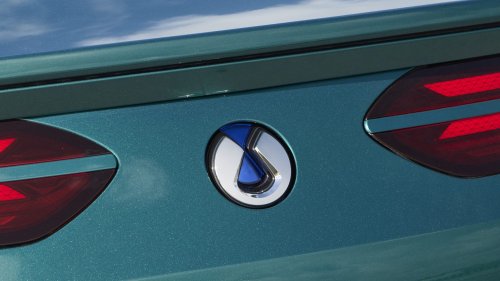
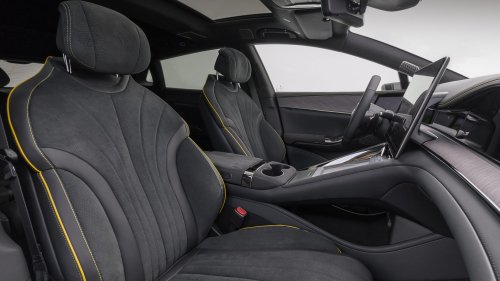
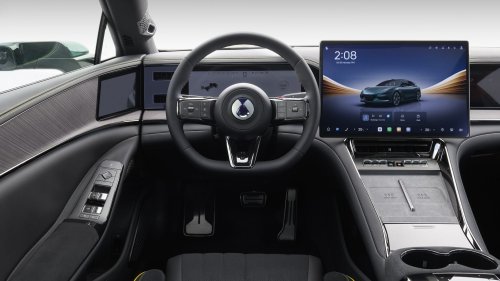
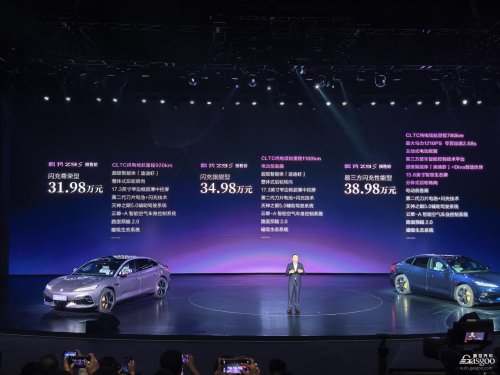
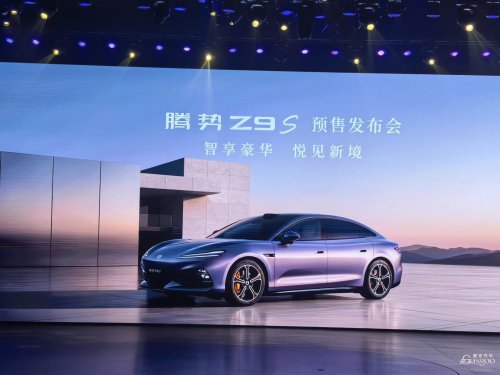
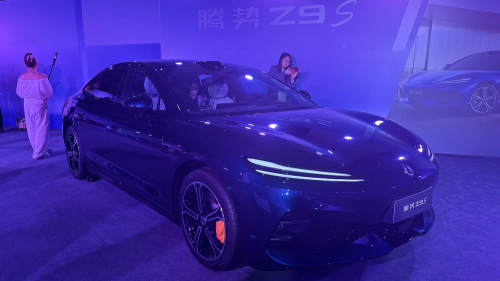
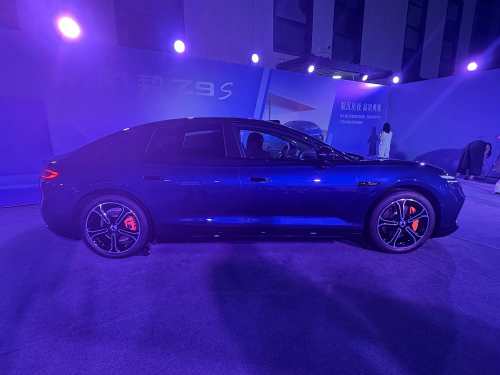
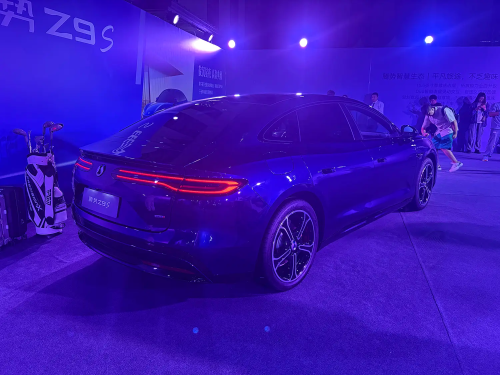
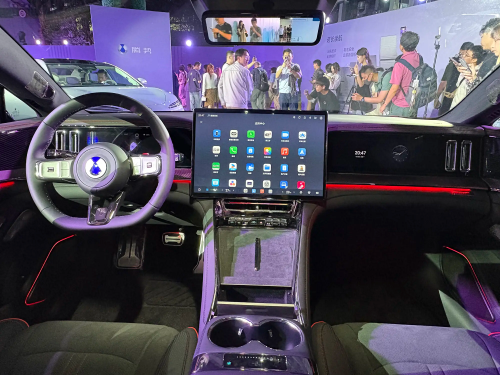
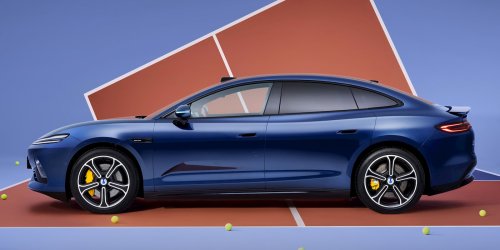
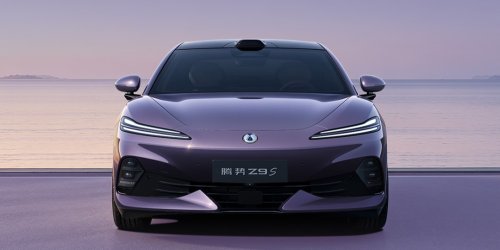
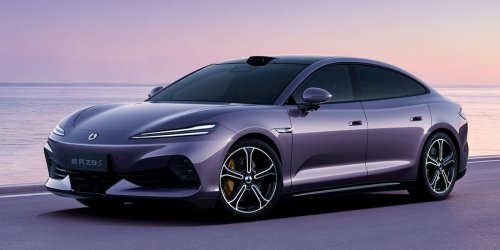
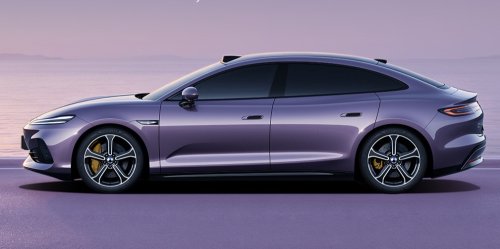
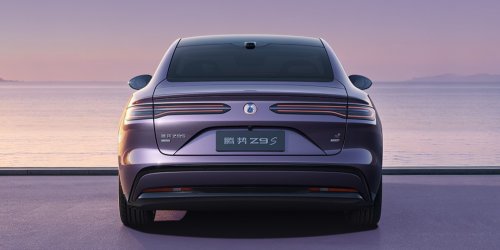
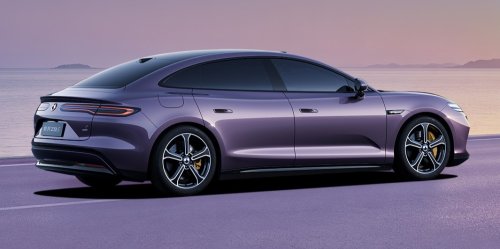
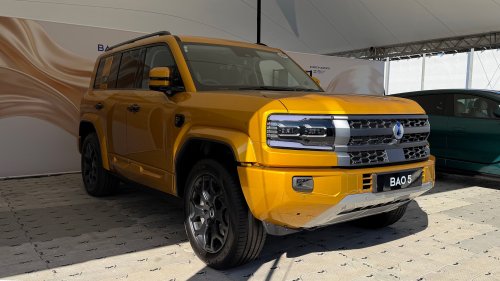
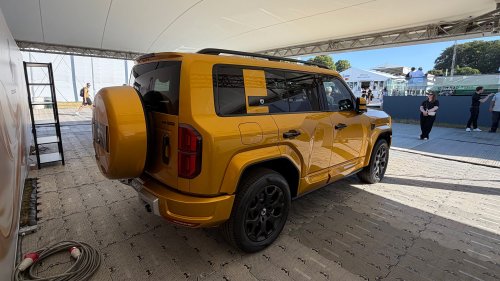
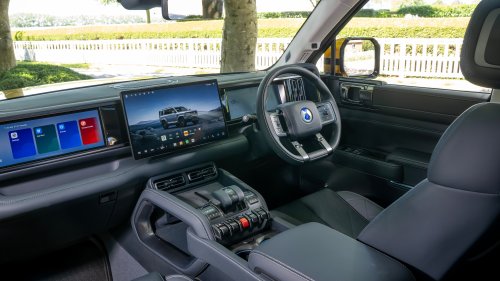
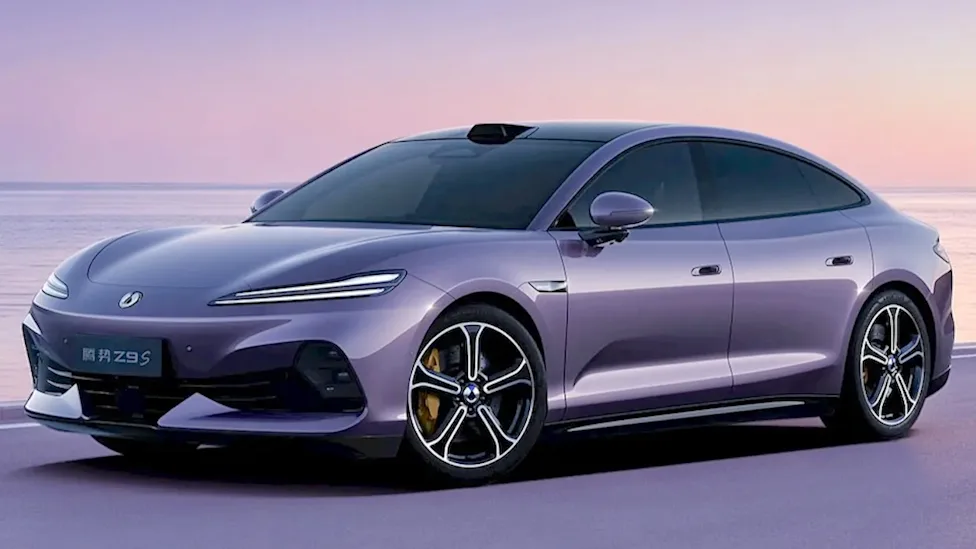
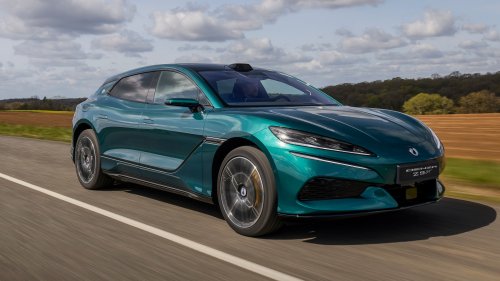
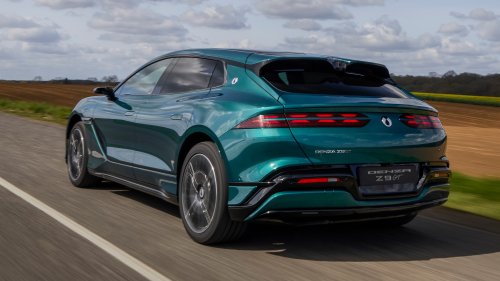
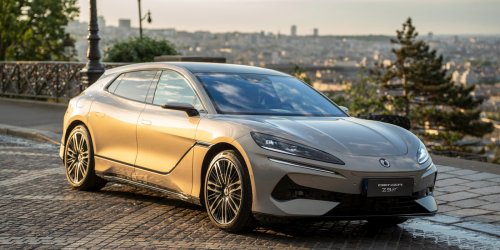
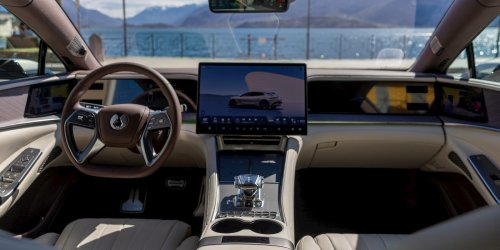
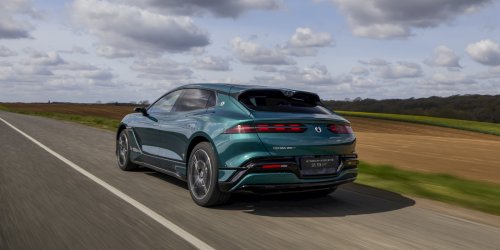
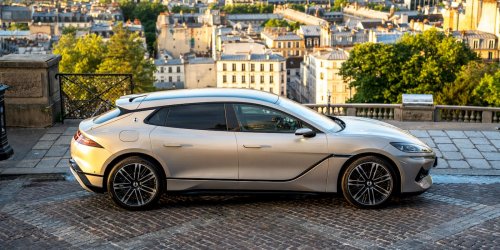
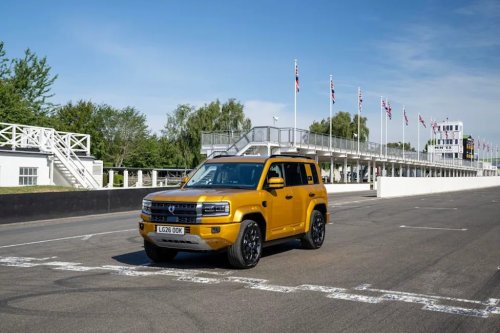
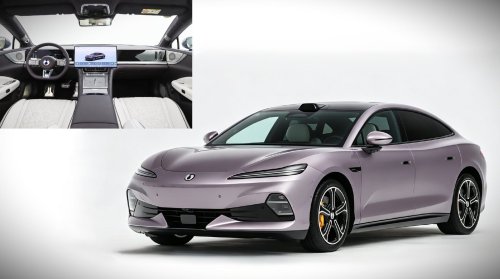
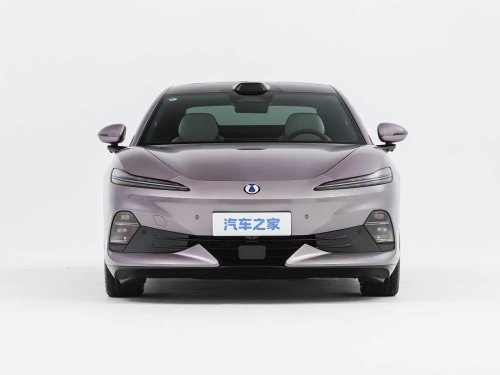
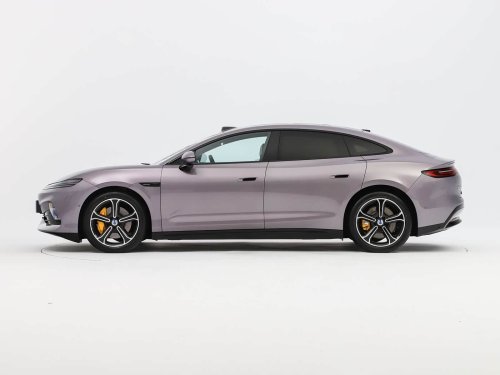
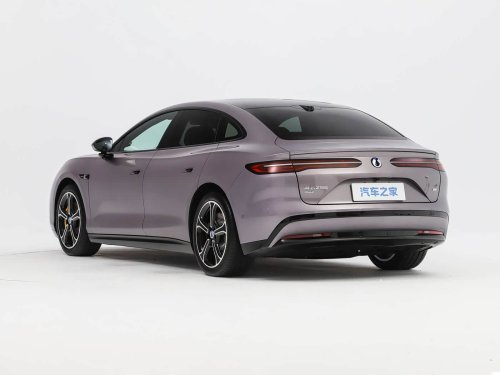
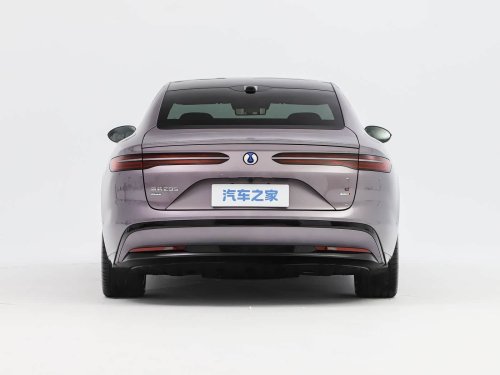
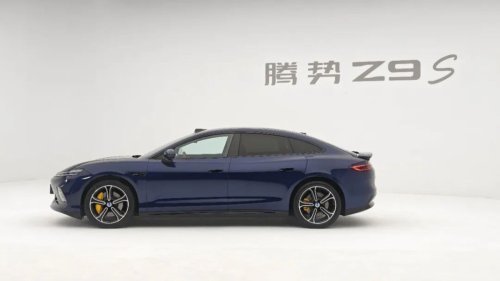
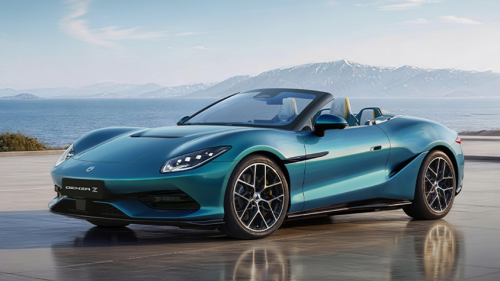
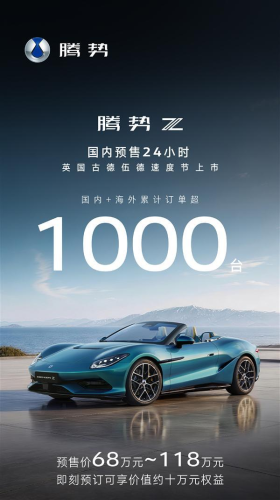
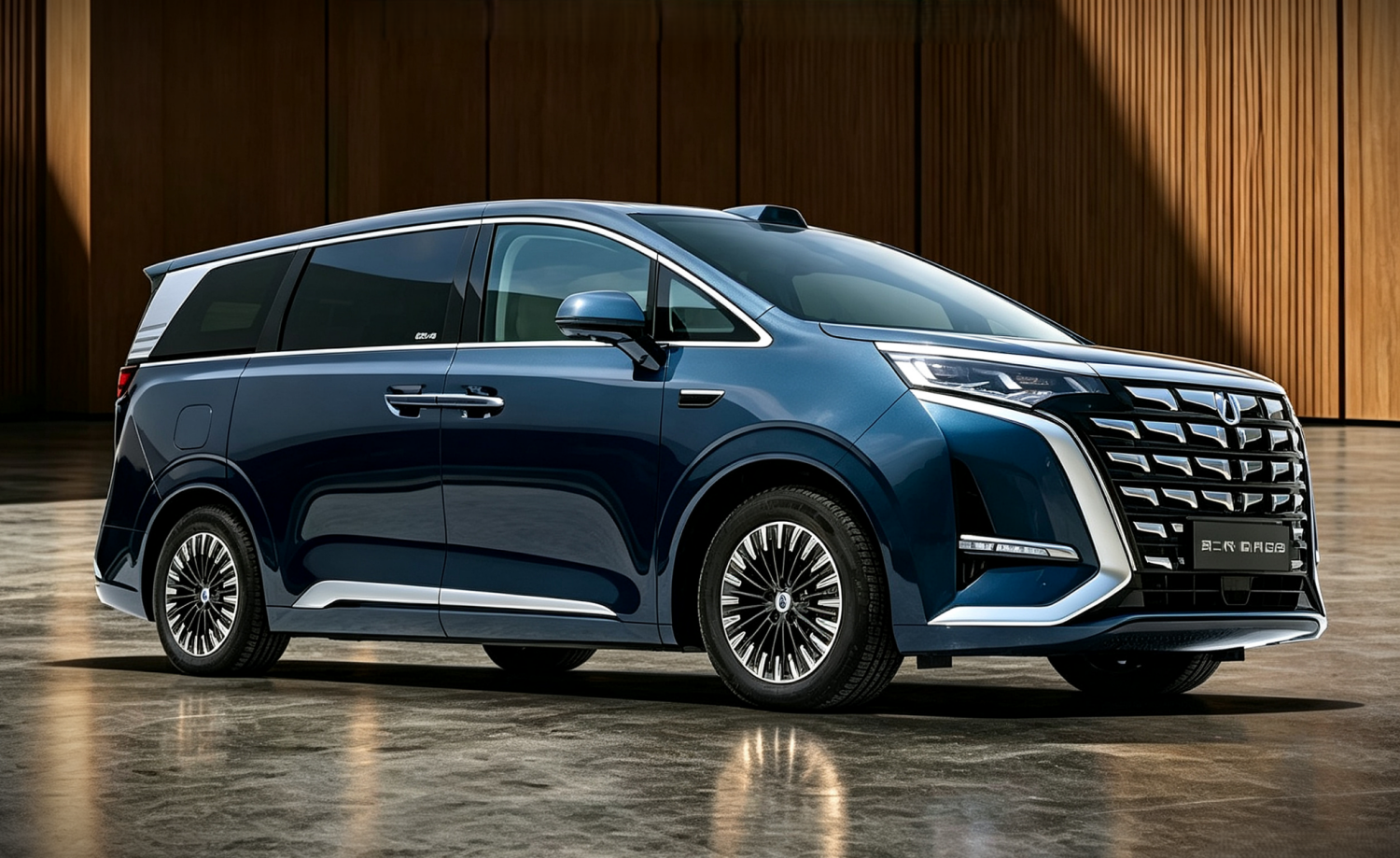
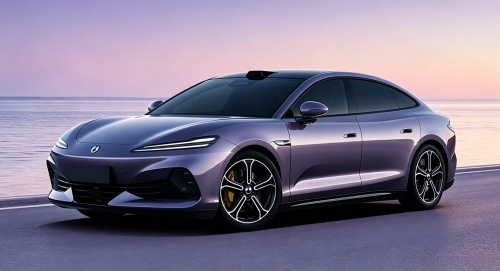
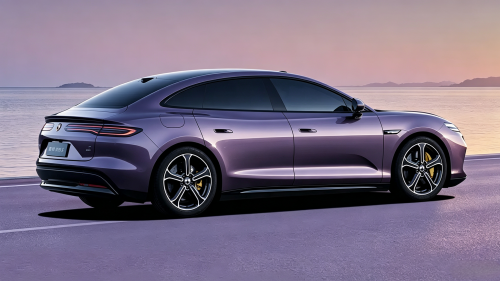
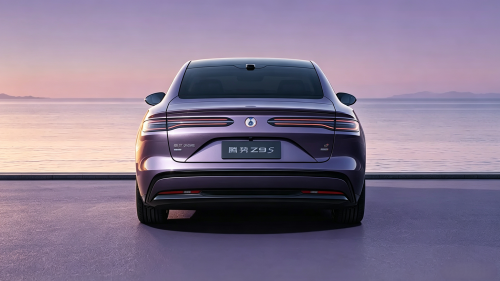
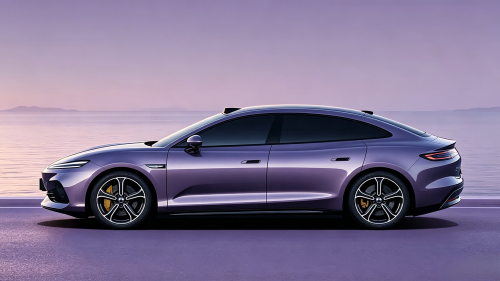
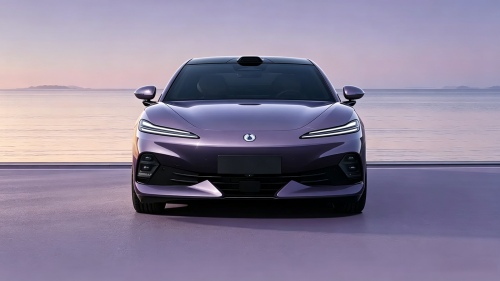
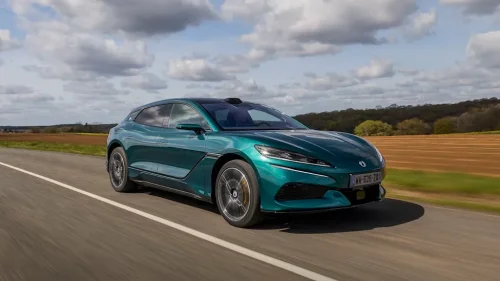
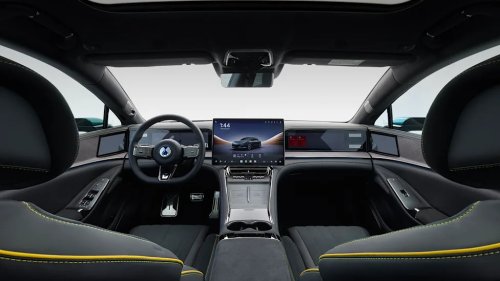
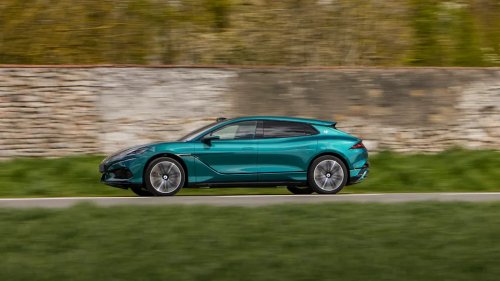
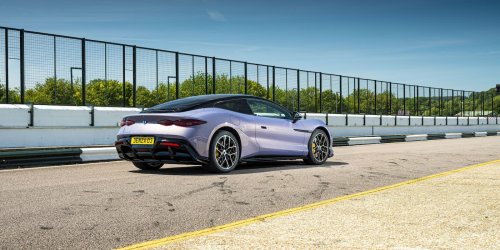
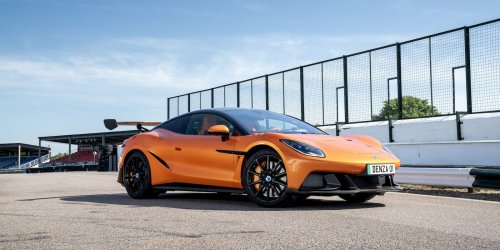
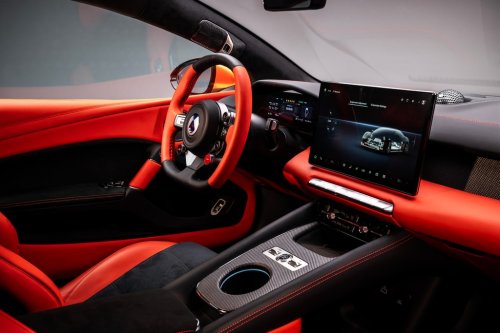
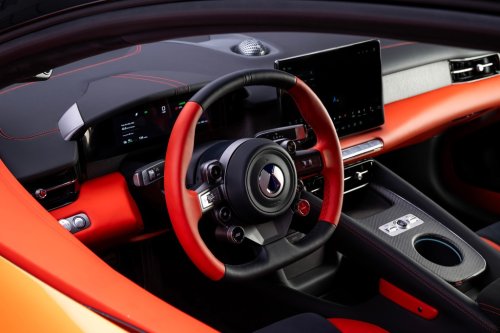
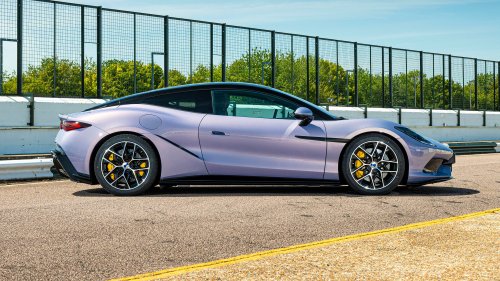
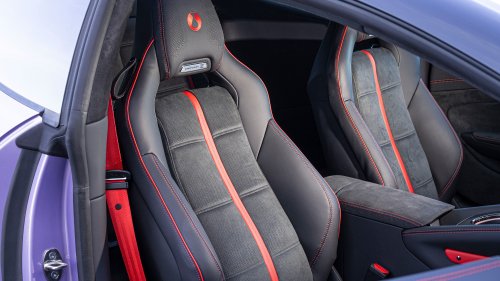
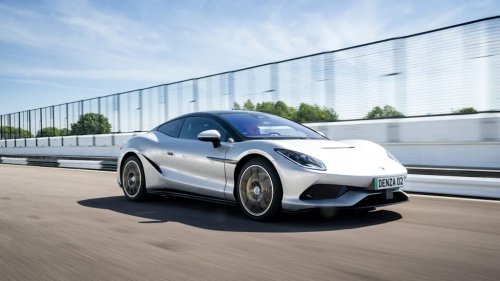
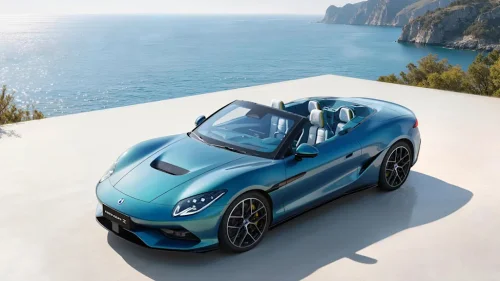
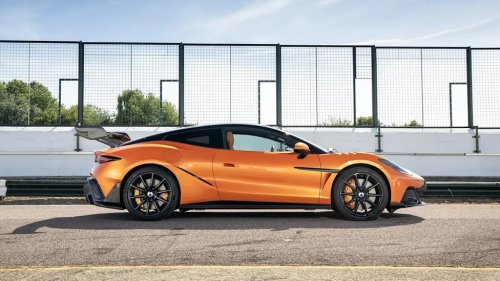
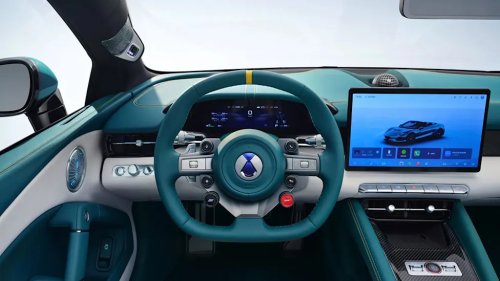
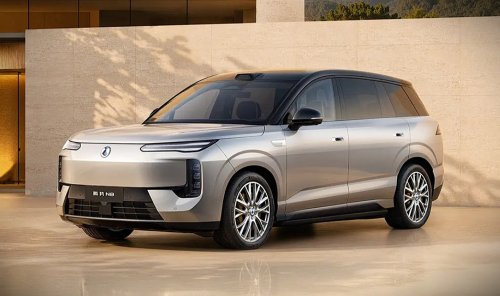
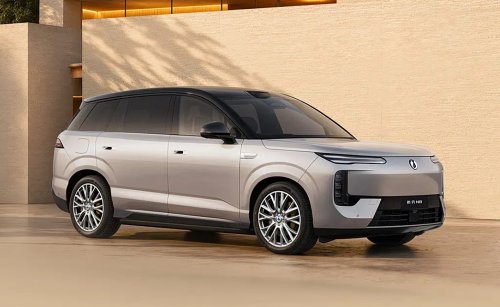
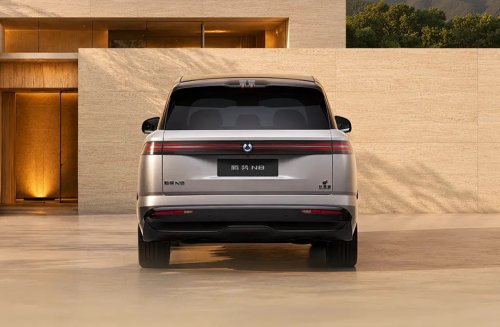
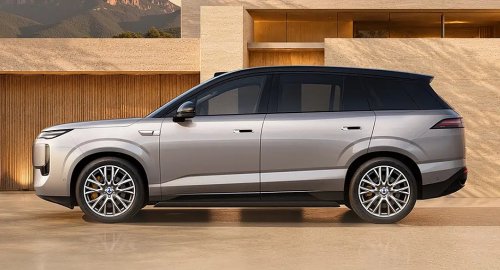
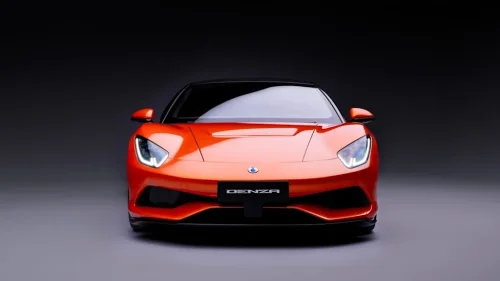
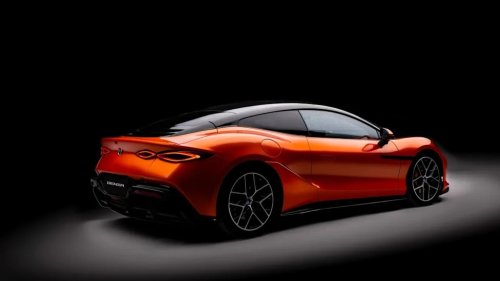
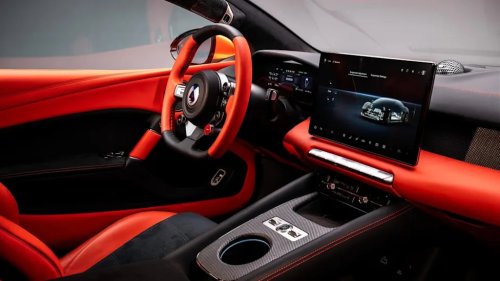
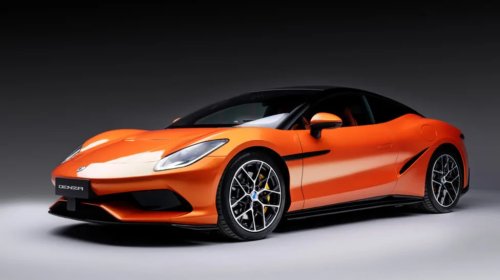
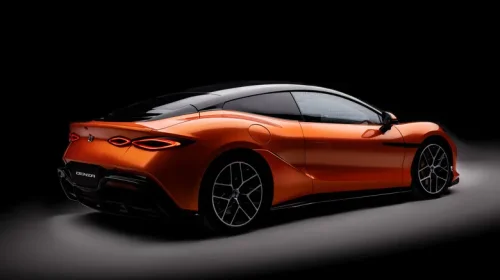
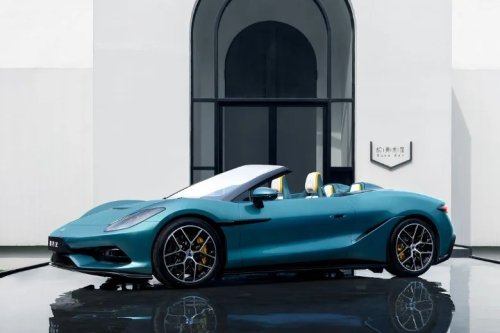
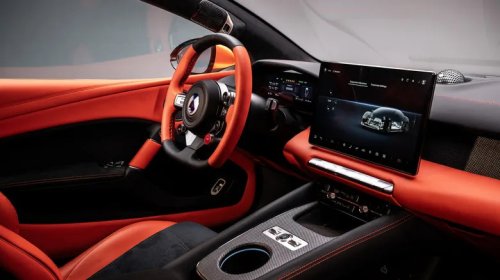
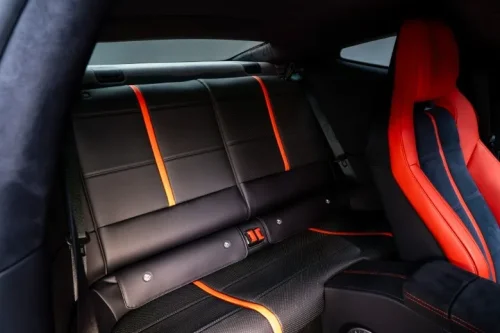
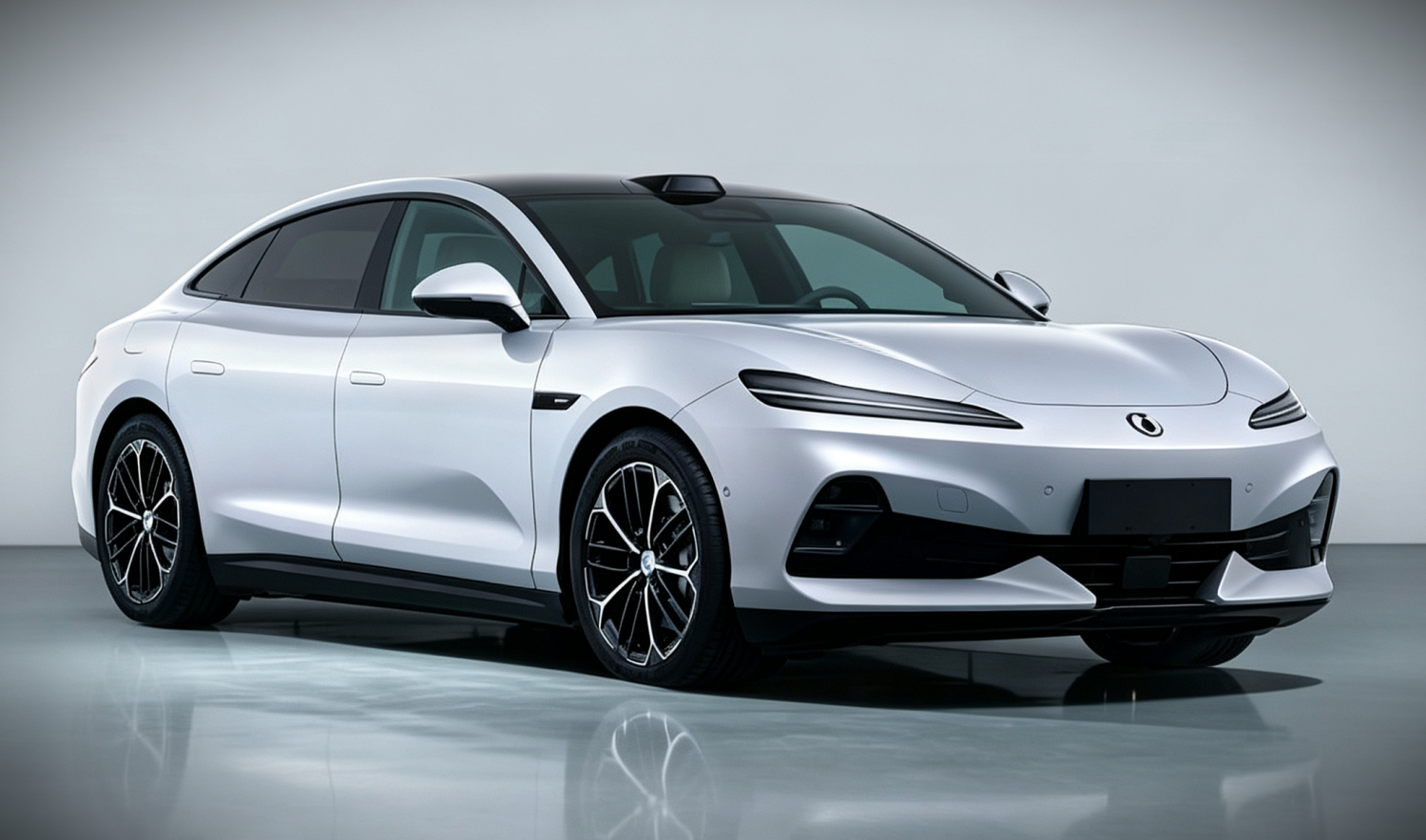
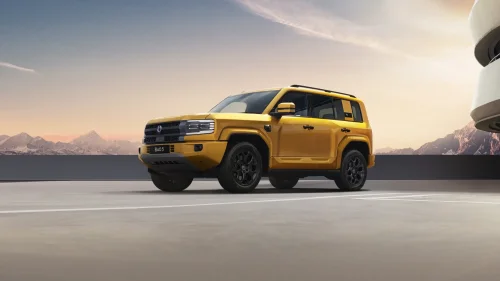
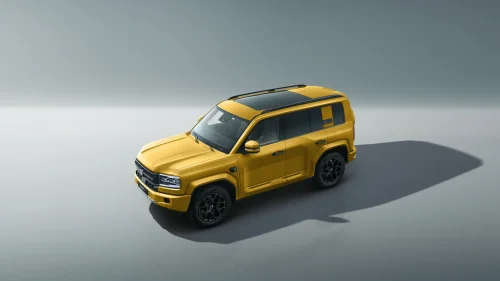
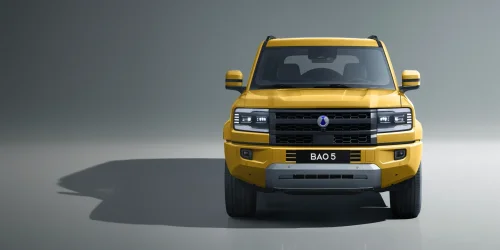
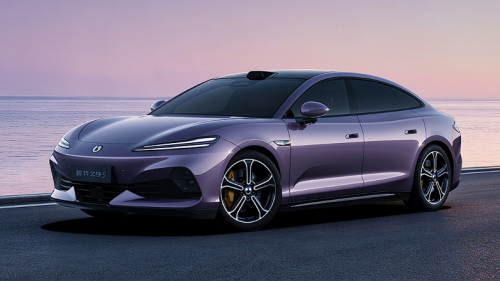
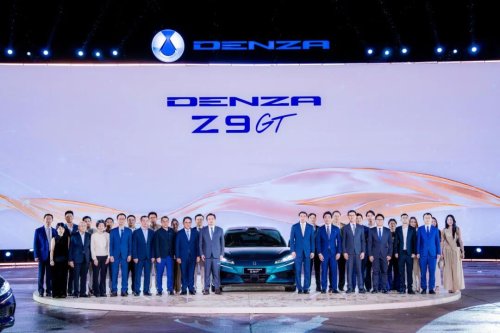
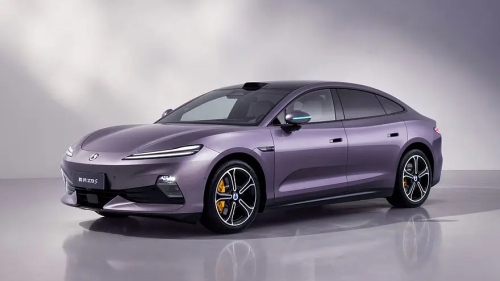
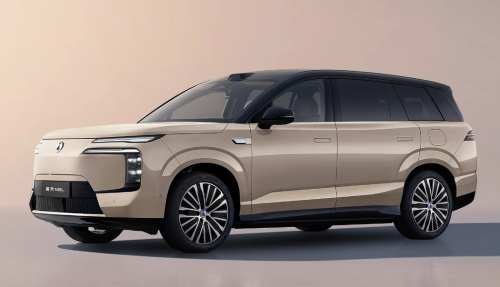
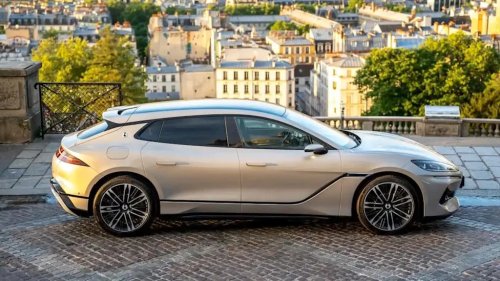
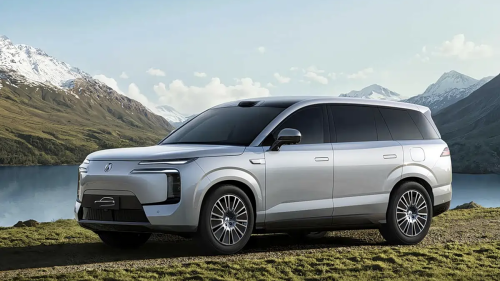
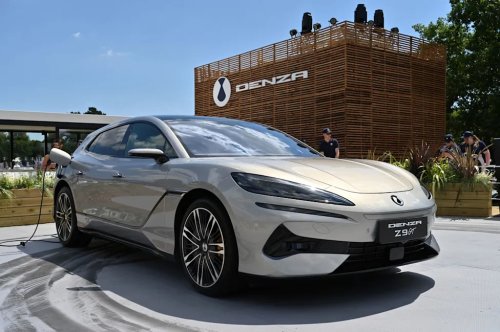
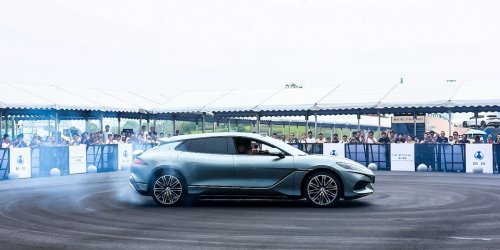
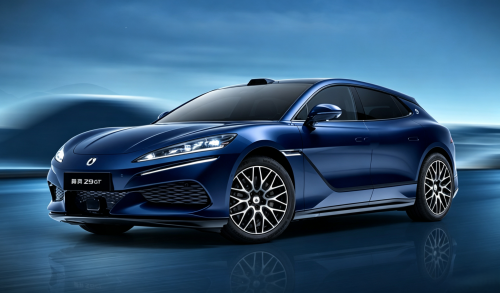
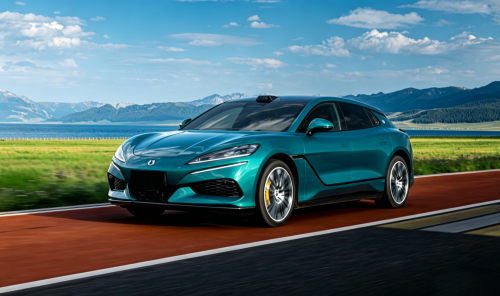
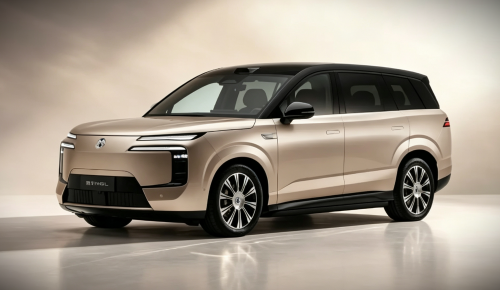
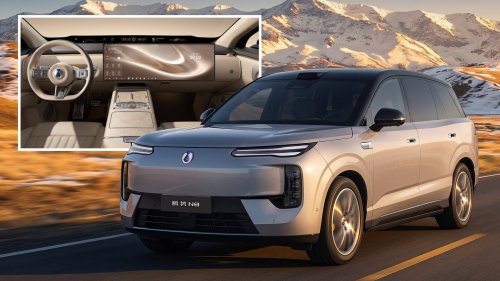
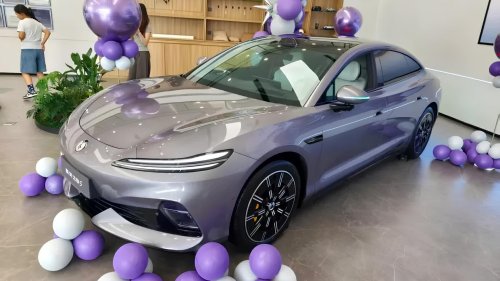
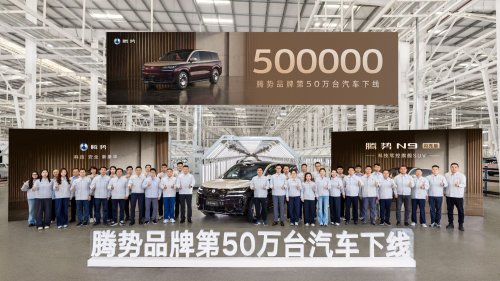
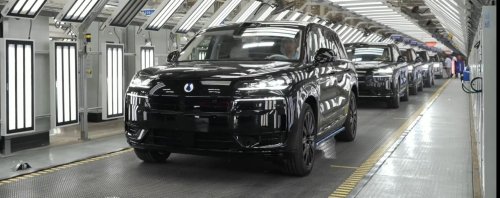
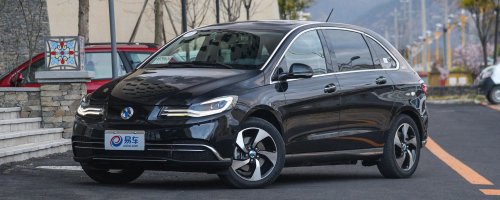
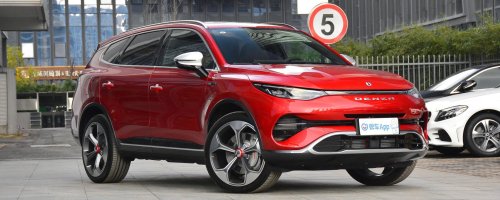
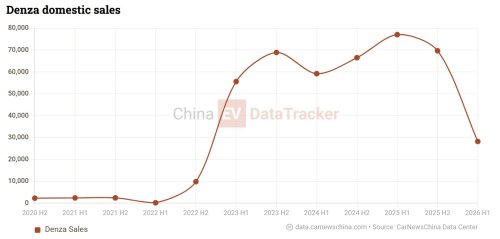
Denza has produced its 500,000th car, a N9 Flash Charging edition. Source: Denza Understand China EV’s Market Real-time notifications when critical EV data is released All important data in one place 2,000,000+ data points Become a member BYD‘s Denza sub-brand recently announced that its 500,000th vehicle had rolled off the production line, with the lucky car a Denza N9 Flash Charging edition. This milestone comes as the sub-brand celebrates its 16th anniversary, with almost 5 years having passed since its restructuring in 2021. Denza currently offers 6 models in China. Their SUV lineup consists of the N7, N8L, and N9, as well as the D9 MPV, Z9 sedan, and Z9 GT shooting brake. The brand also plans to bring its Fangchengbao (FCB) siblings, the Bao 5 and Bao 8, overseas, as the Denza B5 and B8. Refreshed N9s on the production line. The Denza N9’s Flash Charging refresh is set to launch on May 18, and the new model will gain access to BYD’s Flash Charging ecosystem. Pre-sales have started, with retail pricing set at 450,000 to 500,000 yuan (approximately 66,200 to 73,500 USD). The N9 is built on BYD’s e3 platform, and features God’s Eye 5.0 assisted driving and DiSus-A active suspension. It measures 5,285 mm in length, 2,030 mm in width, 3,125 mm in height, and has a 3,125 mm wheelbase. With the Yangwang brand serving as BYD’s flagship, Denza is taking the lead as the conglomerate’s luxury headliner. The sub-brand has recently announced a European launch of the Z9 GT, with retail pricing starting at 115,000 euros (134,000 USD). Denza hopes to go neck-and-neck with legacy rivals like Porsche, as evidenced by the Z9 GT’s pricing and positioning. More on Denza Denza was established in 2010 as a joint venture (JV) between BYD and Daimler AG, now known as the Mercedes-Benz Group. The two parties hoped to combine Chinese EV know-how with Daimler’s century-plus experience with automobiles. The brand’s first model, simply called the Denza EV, was launched in late 2014. With a retail price starting at 369,000 yuan (54,200 USD), its performance was merely on par with EVs of the time, offering only 253km of NEDC range from a 49 kWh battery. The Denza 500. Source: Yiche As battery tech improved, the Denza EV received several refreshes. The model eventually became the Denza 400 and Denza 500, both named for their improved driving range. After its final refresh in 2018, the 500 was replaced by the Denza X, a new-energy vehicle (NEV) SUV heavily based on the BYD Tang. The Denza X. Based on the BYD Tang, heavily restyled by Daimler. Citing low sales and unmet expectations, however, Daimler decided to call it quits. The German group reduced its stake in Denza to 10% in 2021, then sold its remaining shares to BYD in 2024, turning Denza into a wholly owned subsidiary of the Chinese auto conglomerate. Denza’s domestic deliveries, from the lower half of 2022 to the first half of 2026. Source: China EV DataTracker This move has done wonders for both Denza and BYD, with sales skyrocketing after the 2021 restructuring. This is backed up by China EV Datatracker sales figures, showing Denza’s yearly domestic sales doubled in 2022, then grew year on year by almost 1200% in 2023. It is evident that the majority of Denza’s 500,000 cars were made after 2021, and the brand has played a major part in BYD’s rise to NEV stardom. With cards like Flash Charging and Blade Battery 2.0 in its deck, it remains to be seen whether Denza and BYD can arrest their record 8-month domestic sales slump. Source: Denza, Weibo



















 +76 others