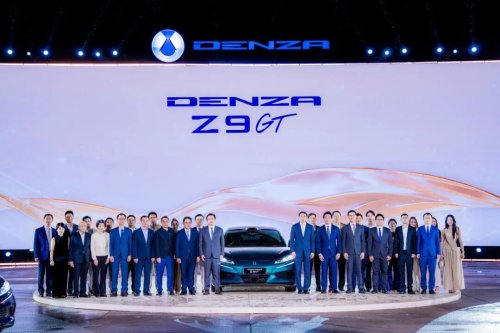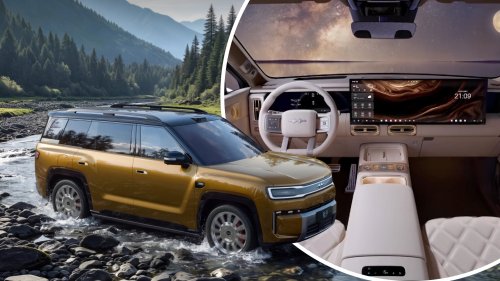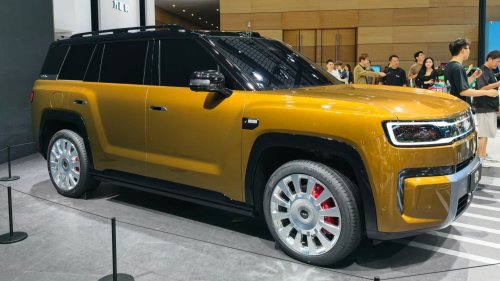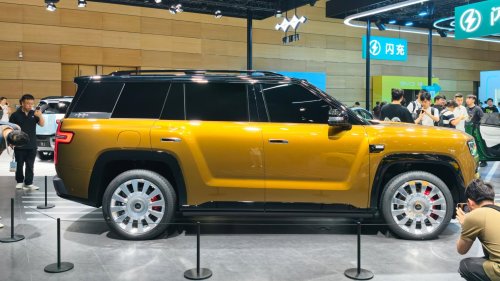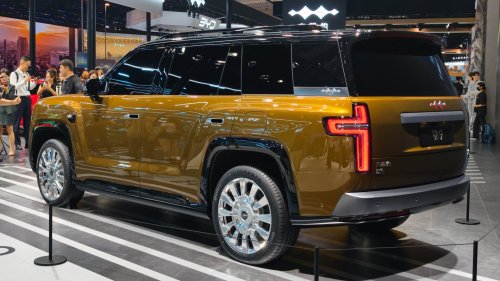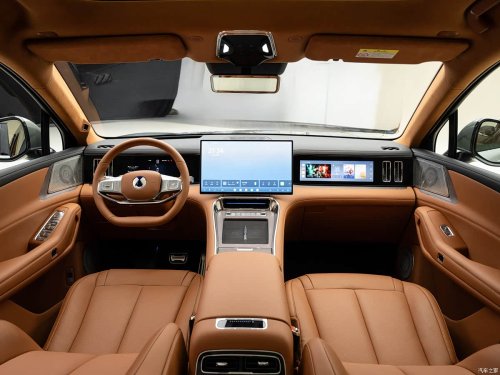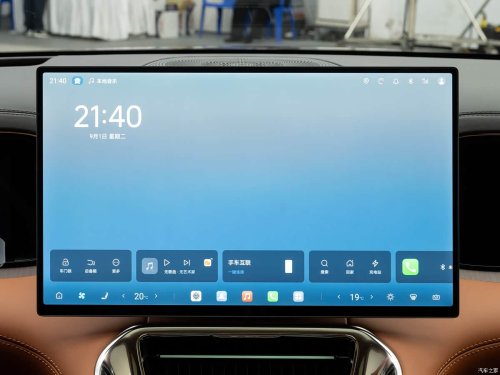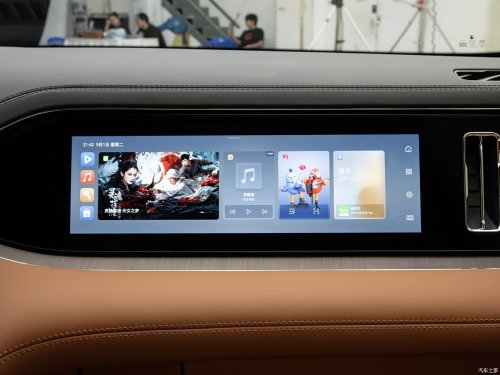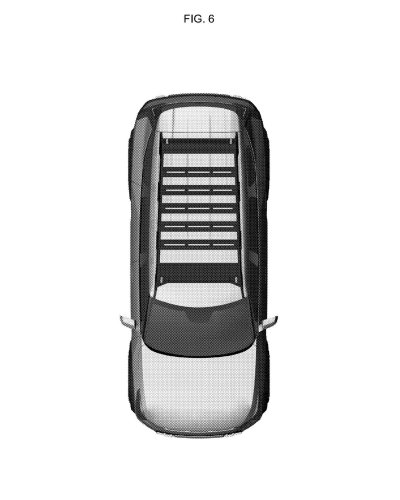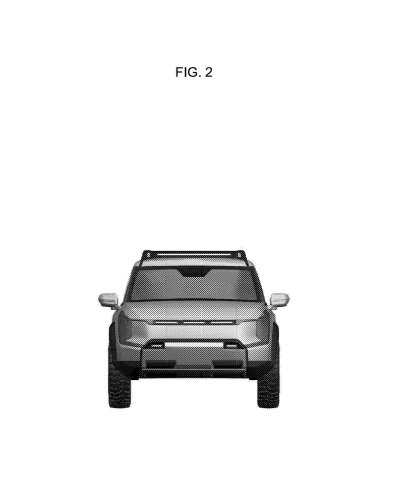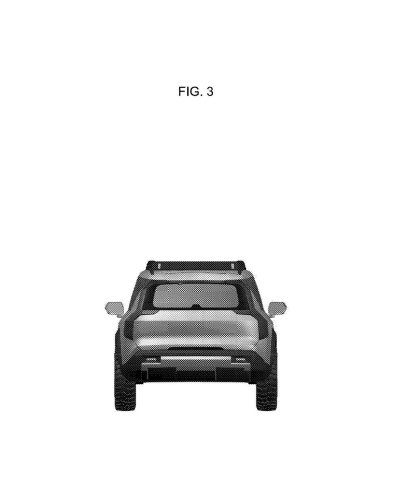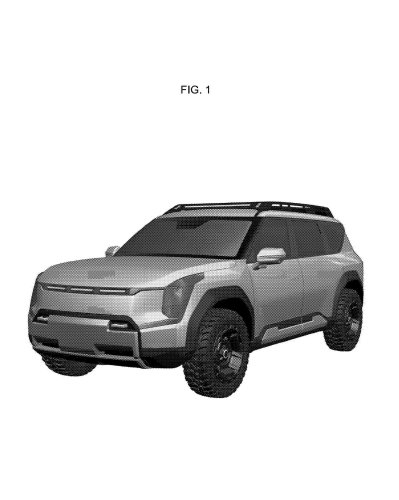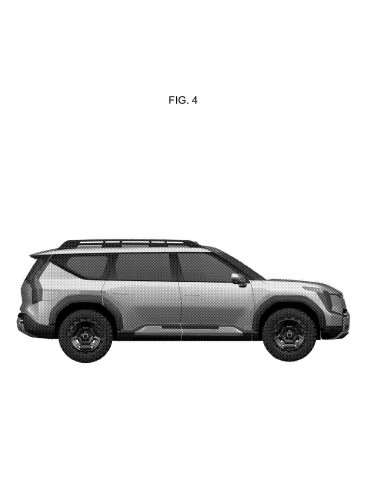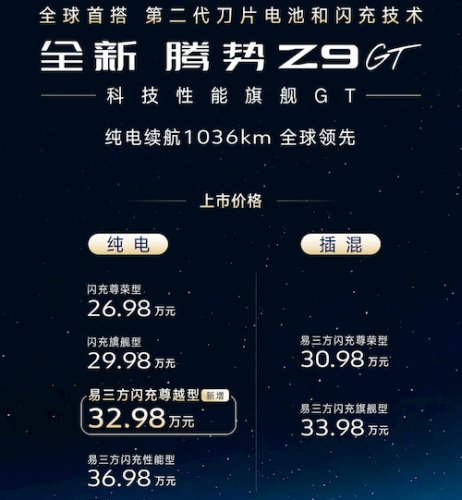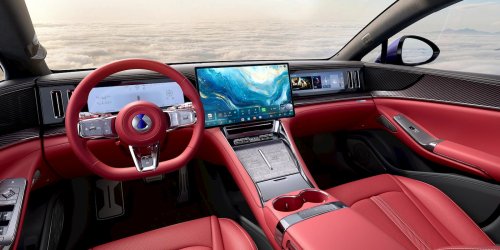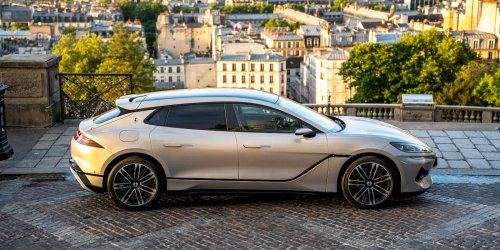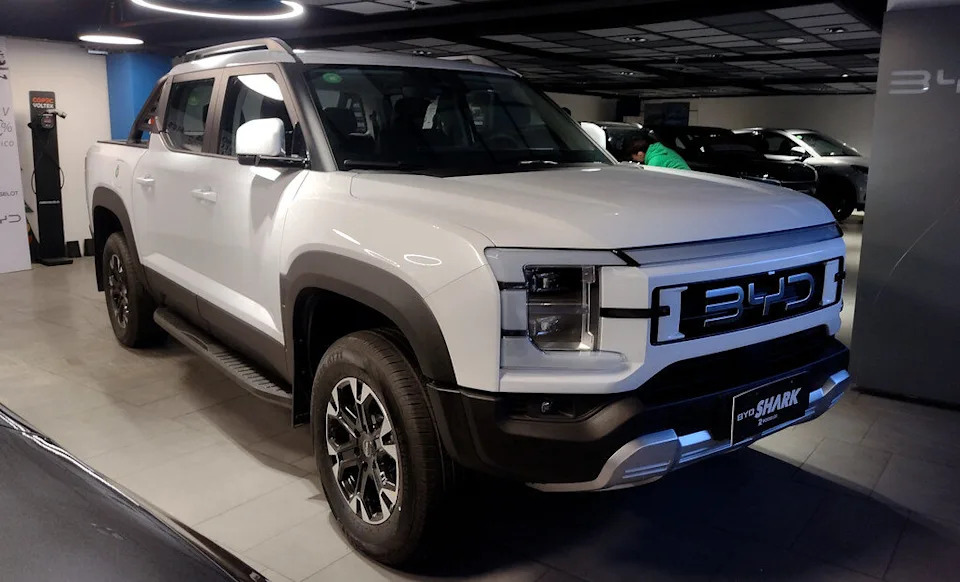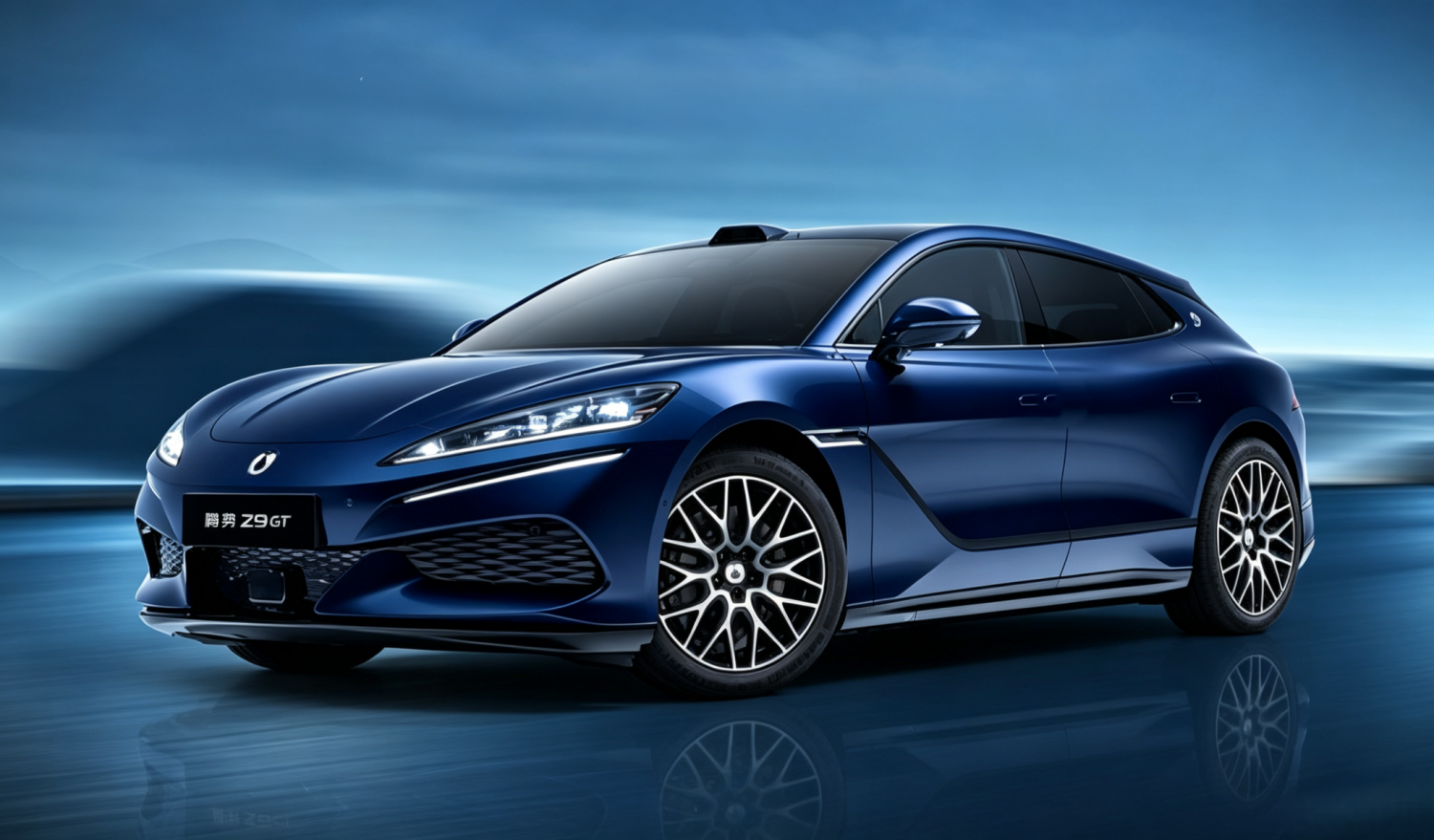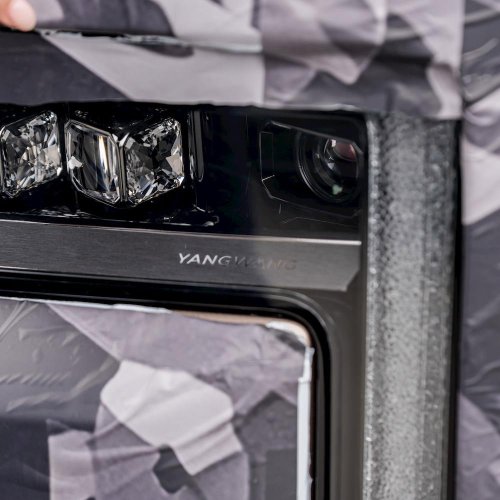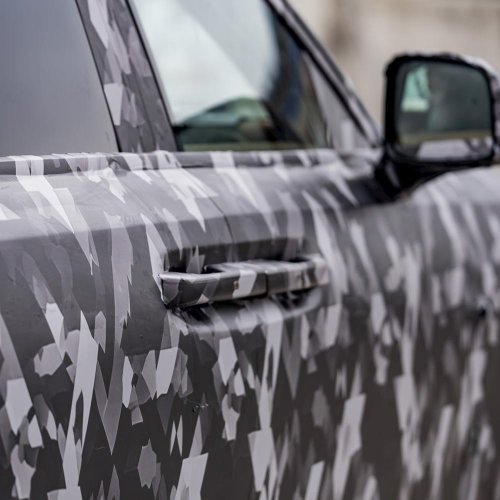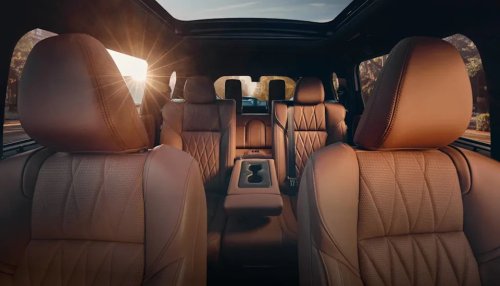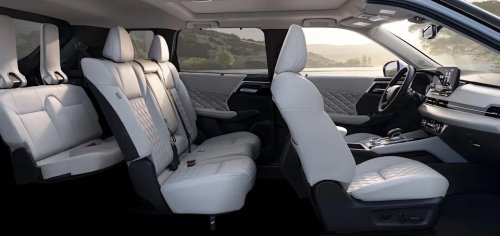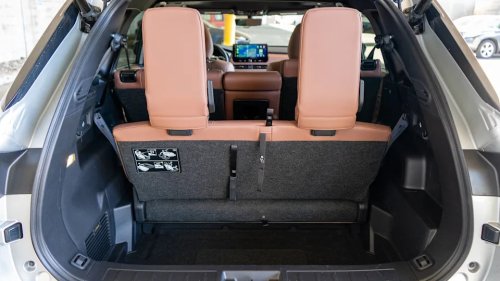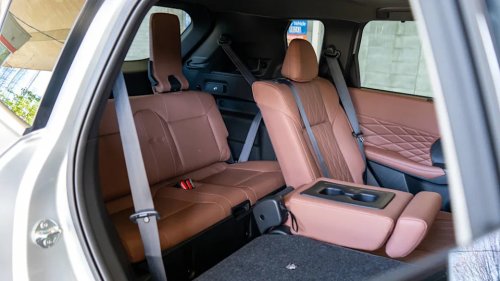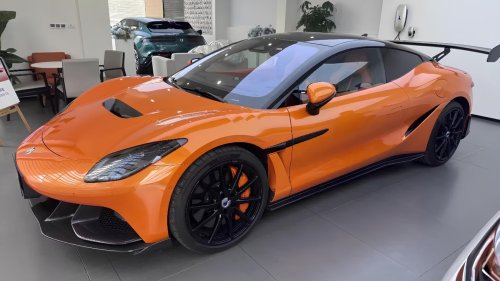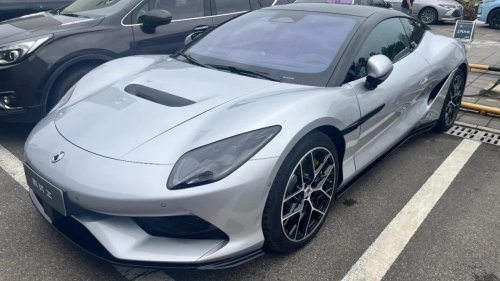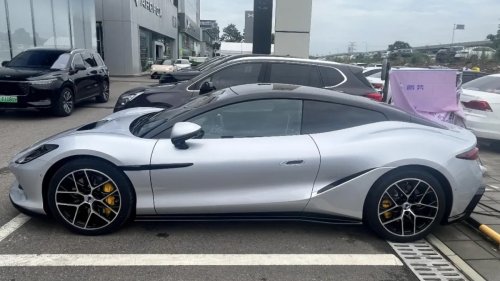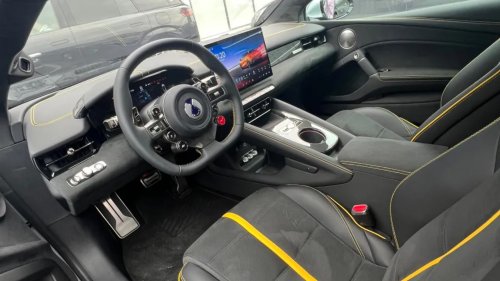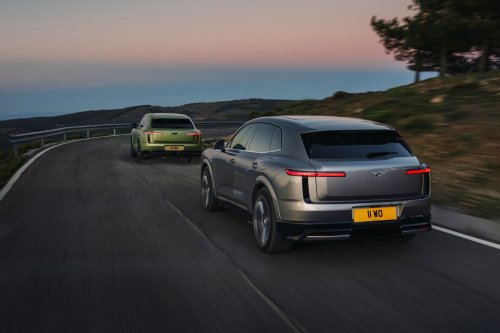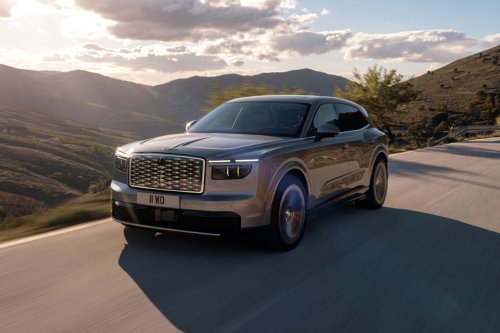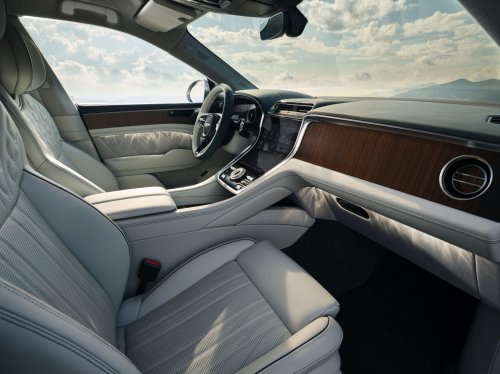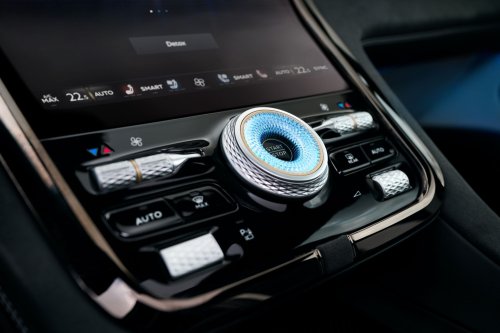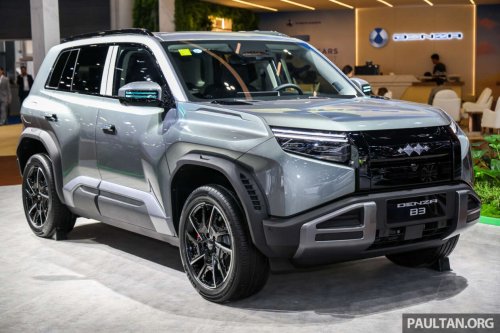
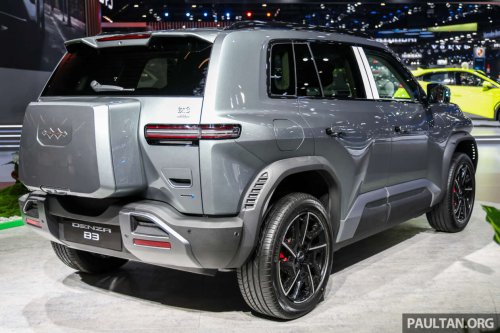
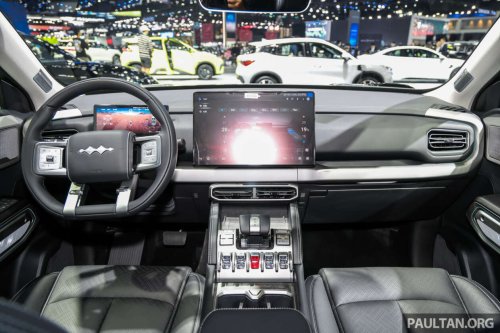
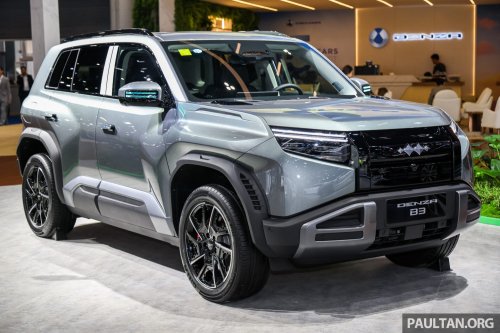
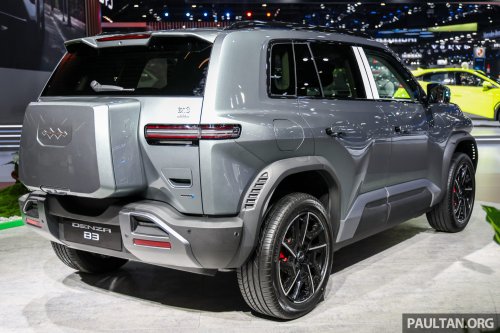
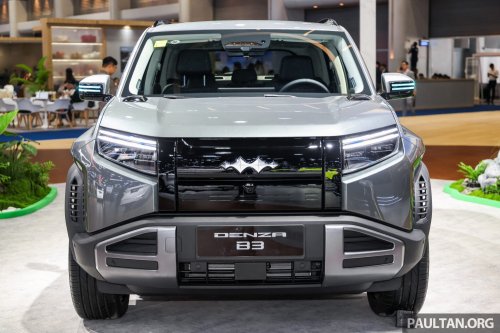
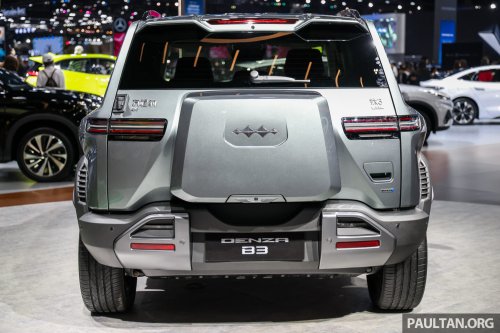
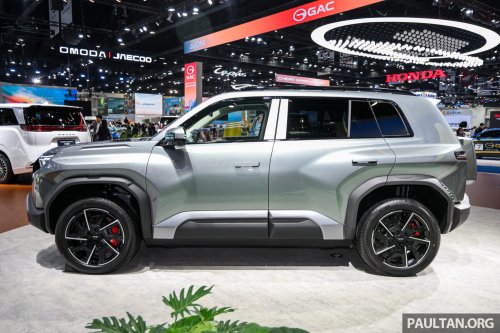
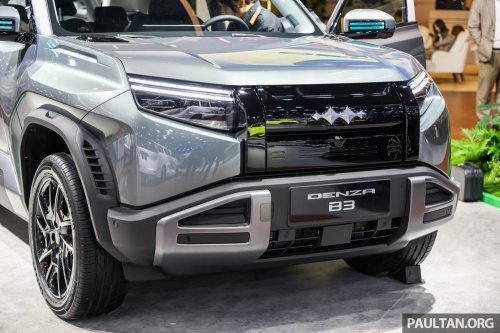
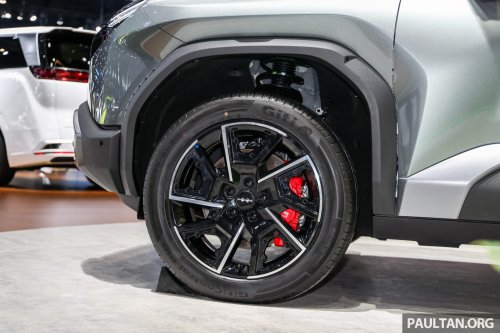
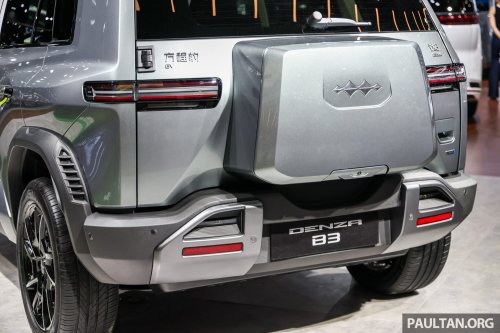
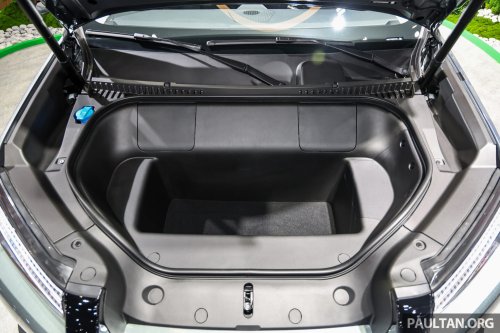
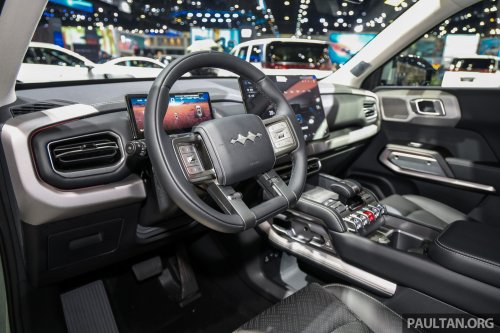
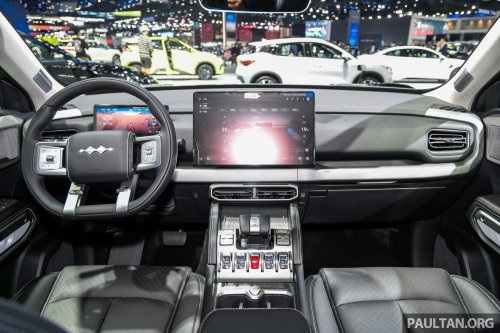
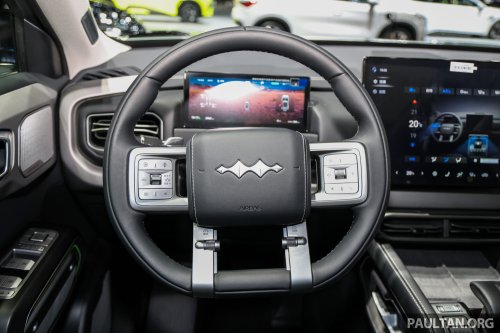
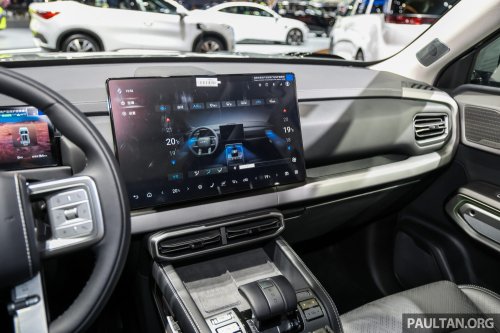
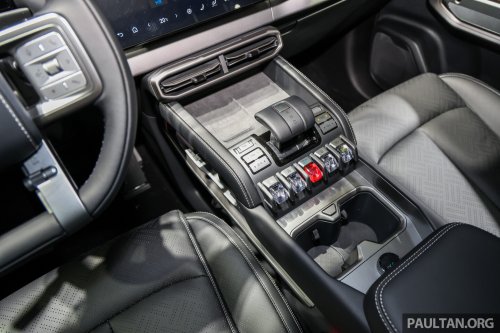
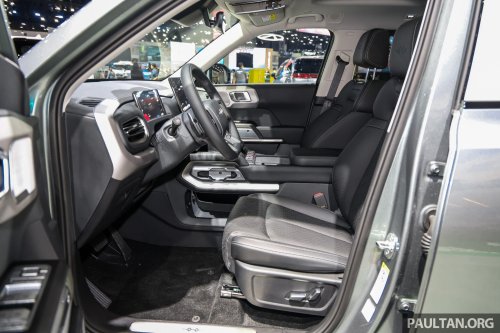
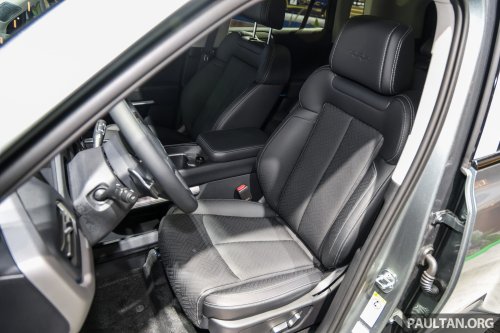
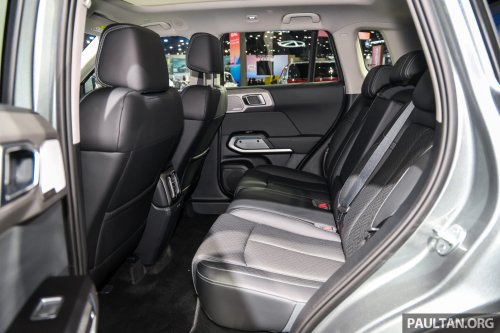
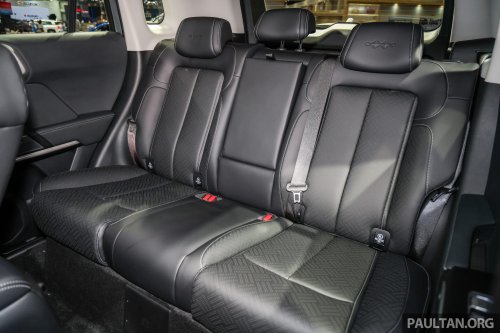
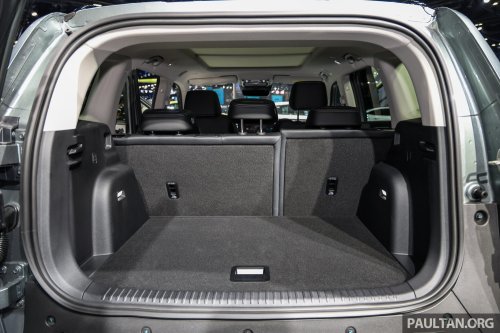
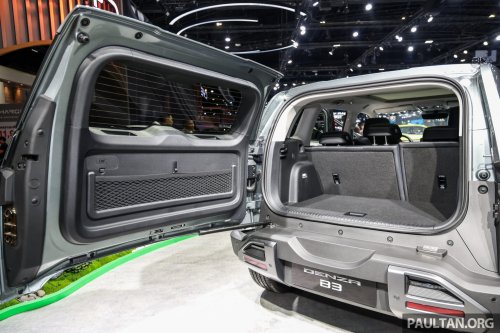



















Parked at the back corner of the BYD stand at the recent Bangkok International Motor Show (BIMS) was the Fangchengbao Tai 3, lost behind the new launches and previews. But its appearance – wearing Denza B3 model plates, no less – was an interesting look at the near future for the Chinese premium brand as it moves downmarket. Like its B8 (née Bao 8) sibling, it’s set to wear Denza badges when it gets exported. The car’s chiselled design is pure military chic, with prominent hollowed-out fender flares, slim head- and taillights, chunky bumpers and a storage “backpack” at the rear. The overall look is enhanced by stylish 19-inch turbine-style alloy wheels that add a refined air to the B3’s rough-and-tumble aesthetic. But while the car appears battle-hardened and ready to tackle the nearest jungle trail, in reality the B3 is a regular five-seater unibody electric C-segment SUV, slotting between BYD’s own Atto 3 and Sealion 7 in size. It measures 4,605 mm long, 1,900 mm wide and 1,720 mm tall, with a wheelbase of 2,745 mm. The B3 is also fairly middle of the road in terms of specs, with the base model getting a single rear motor making 218 PS (160 kW) and 310 Nm of torque – getting the car from zero to 100 km/h in 7.9 seconds on its way to a top speed of 201 km/h. The all-wheel-drive model adds a front motor with 150 PS (110 kW) and 200 Nm, for a total system output of 421 PS (310 kW) and 510 Nm and a century sprint time of 4.9 seconds. Blade LFP battery sizes of 65.28 kWh on the RWD car and 72.96 kWh with AWD both deliver a range of 501 km on China’s ridiculously lenient CLTC cycle; expect a WLTP figure closer to 410 km. Meanwhile, a maximum DC fast charging input of 195 kW (RWD) or 215 kW (AWD) fill both batteries from 30 to 80% charge in 18 minutes. In China, the Tai 3 has recently been upgraded with a new standard-fit 75.6 kWh battery, delivering a CLTC range of 620 km for the RWD model and 565 km with AWD; we estimate WLTP numbers of around 510 km and 460 km respectively. It also gains BYD’s new DC Flash Charging technology that allows the pack to be topped up from 10 to 70% (ready to drive, as BYD claims) in five minutes and 10 to 97% in nine minutes. In stark contrast to the army bro exterior, the interior is more conventional, with elements taken from the B8 such as the chunky steering wheel, a “tank” gear selector and crystalline toggles. The bridge-style centre console is rather unique, housing a flashlight on the driver’s side and a karaoke microphone on the passenger side – both removed on the display unit you see here. Of course, it wouldn’t be a BYD product without all the tech, such as a 15.6-inch infotainment touchscreen, DiSus-C adaptive dampers, God’s Eye C highly-automated city and highway driving and even an available DJI drone package. There’s also a 151 litre front boot, accessible through a powered bonnet, although the tailgate is oddly still manually operated (and quite heavy too, no thanks to the sideways opening). With the Z9GT and the B8 set to arrive onto Malaysia shores fairly soon, the B3 would make sense as a subsequent offering to expand the Denza range. However, given its status as an entry-level model, its viability may hinge on whether BYD will be able to resolve its dispute with the ministry of investment, trade and industry (MITI) that is holding up its CKD local assembly plans. Compare prices between different insurer providers to save the most on your car insurance renewal compared to other competing services. Many payment method supported and you can pay with instalment using Atome, Grab PayLater or Shopee SPayLater. Use the promo code 'PAULTAN' when you checkout for 10% discount!