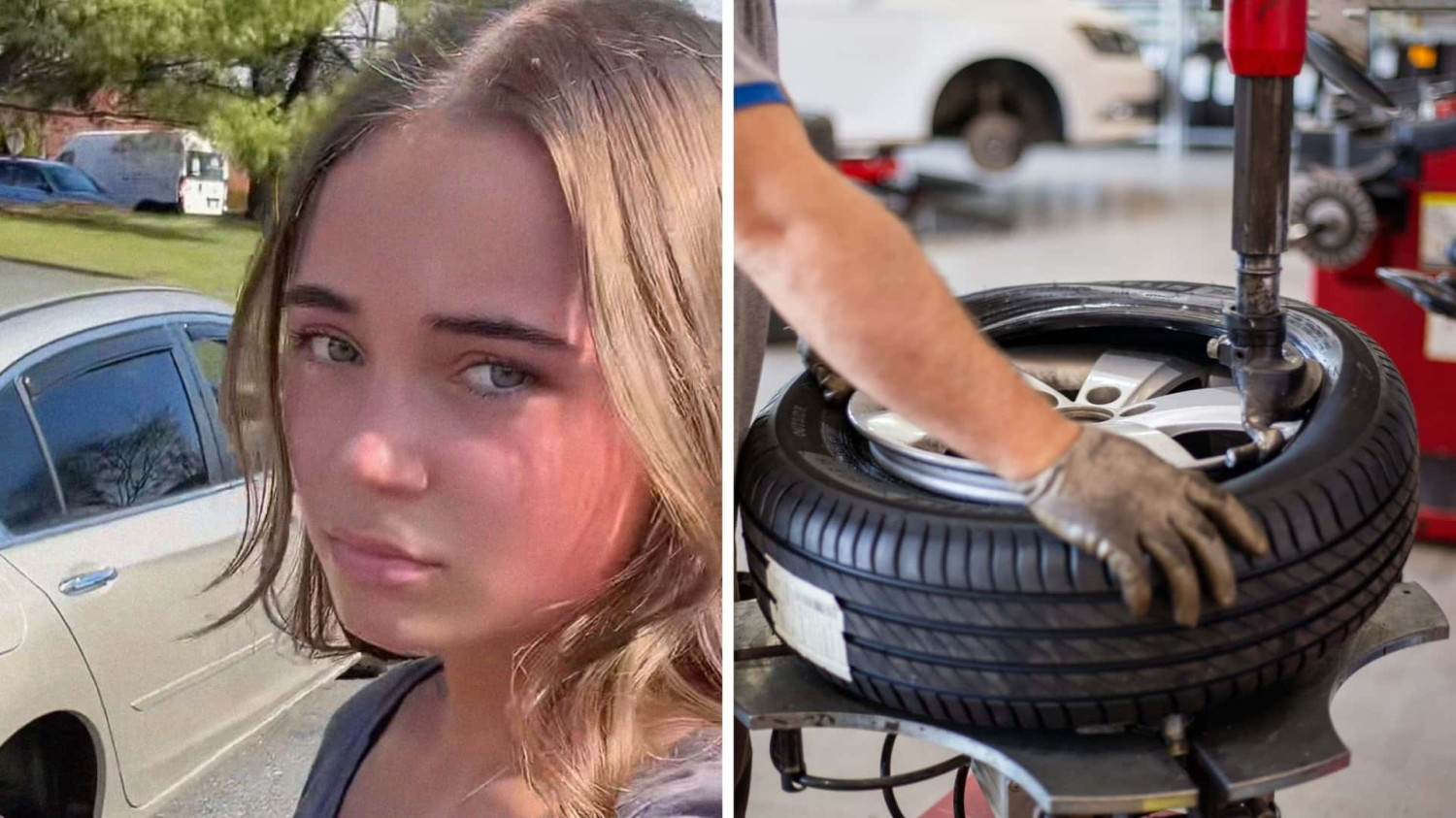



















A Honda owner says her tire flew off while driving after a tire rotation. TikTok user Kodi (@appleuser966638) published a viral video sharing the experience on the platform that garnered over 194,000 views. “Yay, my tire flew off after I just got them rotated,” Kodi writes in a text overlay of her clip. She records herself standing in front of her Honda sedan. The rear passenger-side tire is off the vehicle, with its rotor resting bare on the pavement. Moreover, it appears as if the tire wasn’t the only damage caused in the accident, as her rear bumper is partially separated from the car’s body. Throngs of commenters who replied to her clip expressed their own trepidation in having to deal with a similar situation. “Literal biggest fear as a mechanic,” one person wrote. “Sue that shop immediately,” another replied. Another person on the application stated that they’ve seen this same thing happen to other vehicles. “Somehow this is the second time I’ve heard of this happen this year already. What are auto shops doing?” they asked. Why Tire Rotations Are Important According to Consumer Reports, tire rotations should be completed every 5,000 to 7,500 miles. And doing so can help keep drivers safer on the road and save some money in the process. The tread on your car’s rubber wears out unevenly. So, swapping them out at regular intervals will ensure that tread levels break down more equitably. As automotive engineer Gordon Gingras stated, “Spreading wear around all four tires ensures even tread depth and grip. Plus, a visit to the mechanic is also an opportunity for a pro to inspect your tires for damage and proper inflation.” Additionally, auto shop Telle Tire says that timely rotations can extend the lifespan of your tires. This means that you can drive on them for longer without having to get a new set, saving you cash in the long run. Other Drivers Whose Tires Flew Off Following A Tire Rotation Unfortunately, Kodi’s story isn’t uncommon. One Outback owner in this Subaru forum post shared that they experienced a similar situation after a tire rotation. Like Kodi, the “back passenger [side] tire came off.” However, it didn’t cleanly become extricated from the rotor, but rather the rubber slipped off the rim, which caused the wheel to crunch against the pavement. Additionally, this Reddit user posted to the site’s r/legal advice sub, decrying the workmanship of one tire shop. A week after getting their tires rotated, the poster said that their “whole tire fell off when” they were driving. Thankfully, no one got hurt in the process, but there was “major damage to the hub from the car dragging.” Like Kodi’s Honda, their vehicle also sustained damage “to the wheel well and back bumper.” The Redditor called a tow truck, and the operator inspected their wheel’s lug nuts. According to the tow driver, they were surprised by how loose the nuts were and surmised that any one of the tires could’ve flown off their car at any time. Another Reddit user, a Ford F-150 driver, experienced an identical problem. They said that after bringing their vehicle into a Ford dealership for “a free oil change and tire rotation,” their back driver’s side tire came flying off. Initially, they thought they had a blowout, but then saw their tire had separated from their car. The wheel ended up in a ditch, and no one was harmed following the incident. After calling up the dealership’s service center, a rep sent over a tow truck, and they offered to fix the ride for free. Why Would A Tire Fly Off After A Tire Rotation? It’s probably because the lug nuts connecting to a car’s wheel studs aren’t secured properly. Comedian Ron White had a famous bit about a Sears automotive center purportedly failing to place the tires on his car appropriately. This prompted the comic to ponder if the tech on his car skipped “lug nut day” while going to school for automotive work. As SlashGear puts it, “If a tire comes off your vehicle while you’re driving, chances are it’s due to improper tire installation. This means your lug nuts may not have been tightened enough.” Wheel specialist Velgen Wheels also published a guide on how to properly secure lug nuts on a vehicle. Once the wheel’s been removed from a car, the business recommends cleaning the wheel hub area where lug nuts will be affixed. A “clean cloth” or “wire brush” will do, according to Velgen. Car owners should look for any debris or rust/corrosion that would impede a firm lug nut grip. Following this, drivers or techs should align the holes in the wheel with the wheel stud, pushing it flush up against the car. “Push the wheel as far back as possible to ensure a tight fit,” Velgen writes. Following this, you should hand-tighten the lug nuts beginning at the top nut and then alternating on “opposite sides.” Doing it by hand will ensure that the nuts have been properly spaced and fixed to the wheel stud. Afterward, grab a torque wrench and begin tightening the lug nuts, following a star pattern. Then, lower the car to the ground from a jack/lift, and re-tighten them with the torque wrench. Make sure to follow the auto manufacturer’s recommendations for which torque settings to use for the car’s lug nuts. Velgen also suggests driving for 50–100 miles before re-tightening the lug nuts to ensure they haven’t come loose. Motor1 has reached out to Honda via email and Kodi via TikTok direct message for further comment. We will update this story if either party responds. We want your opinion! What would you like to see on Motor1.com? Take our 3 minute survey. - The Motor1.com Team