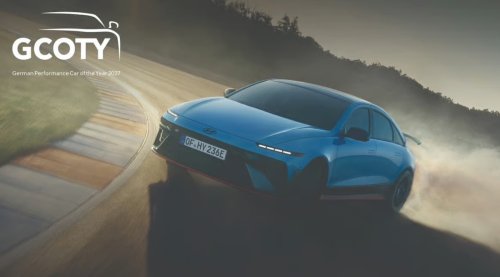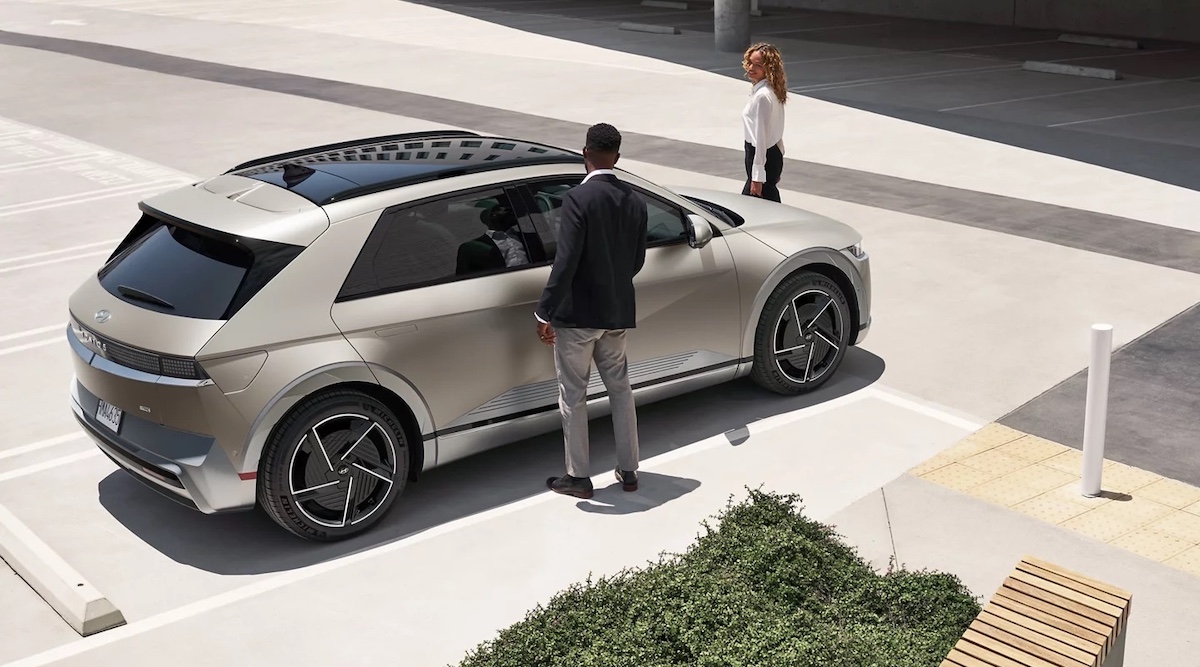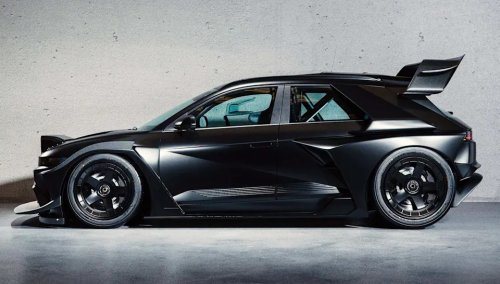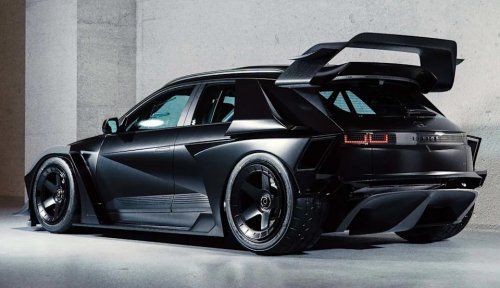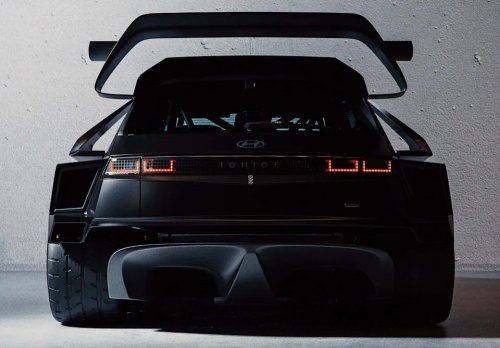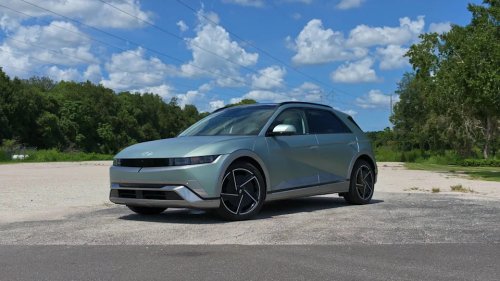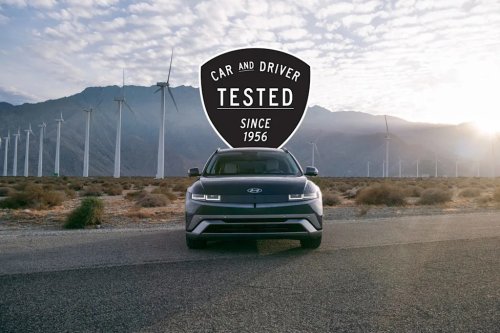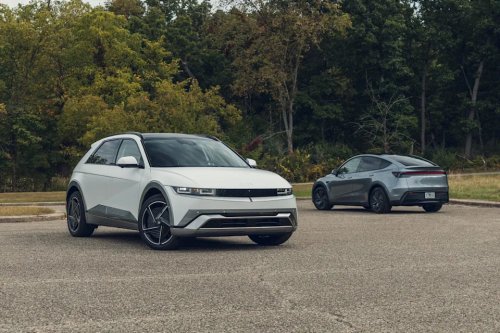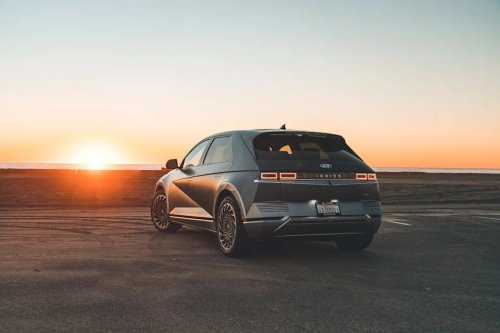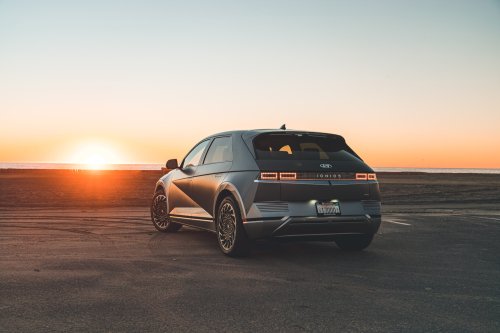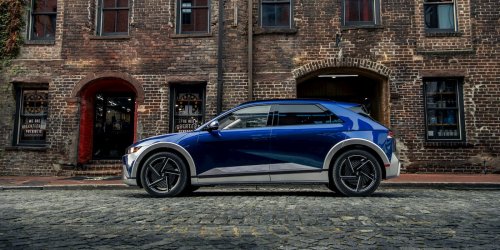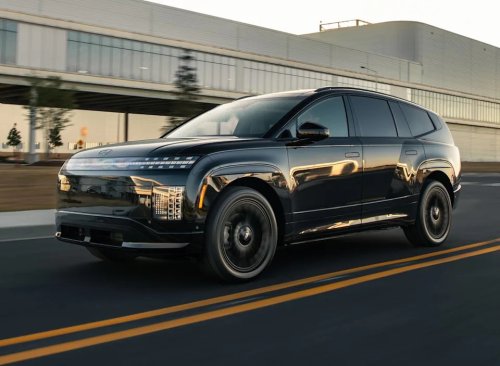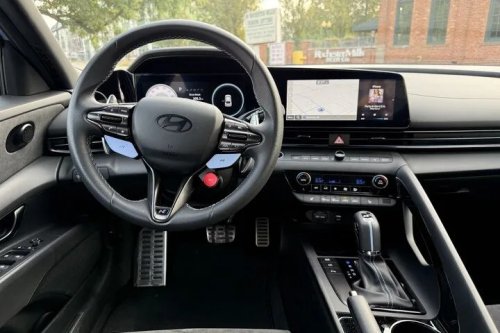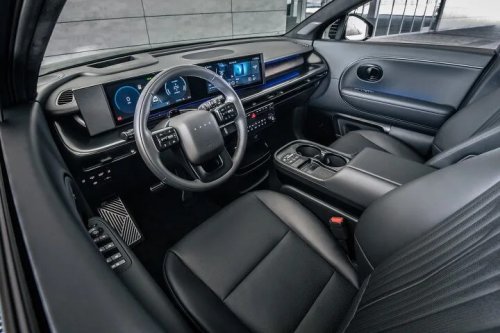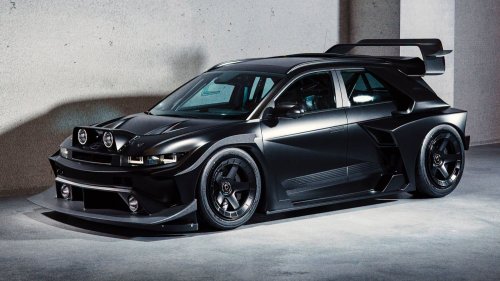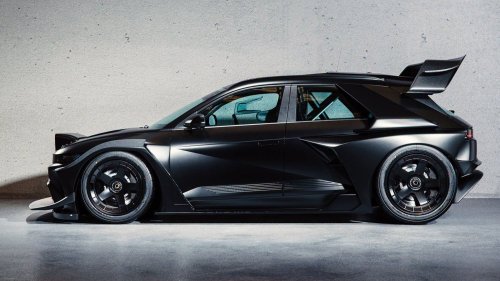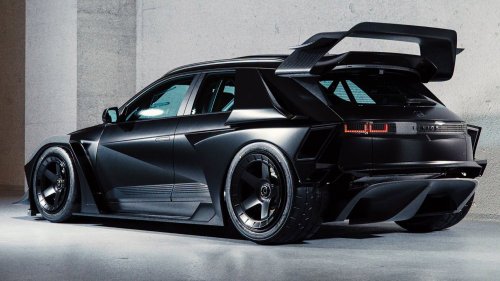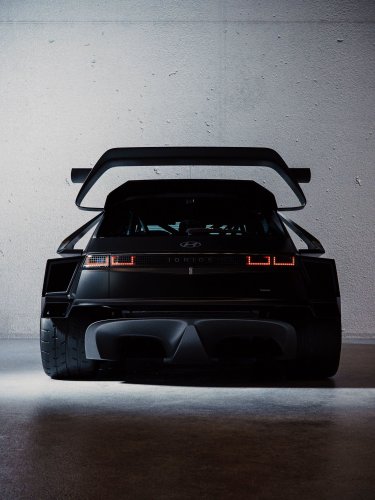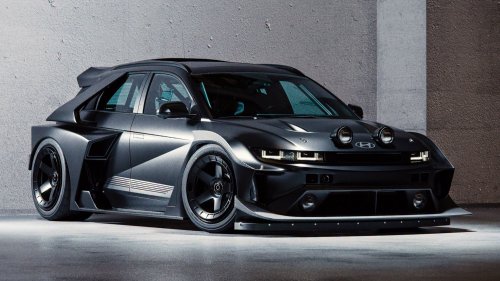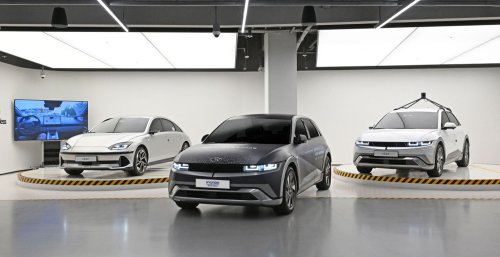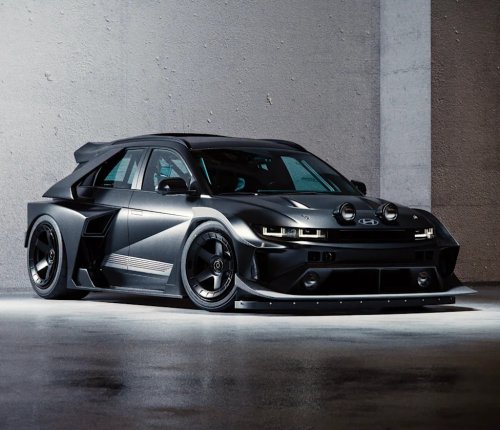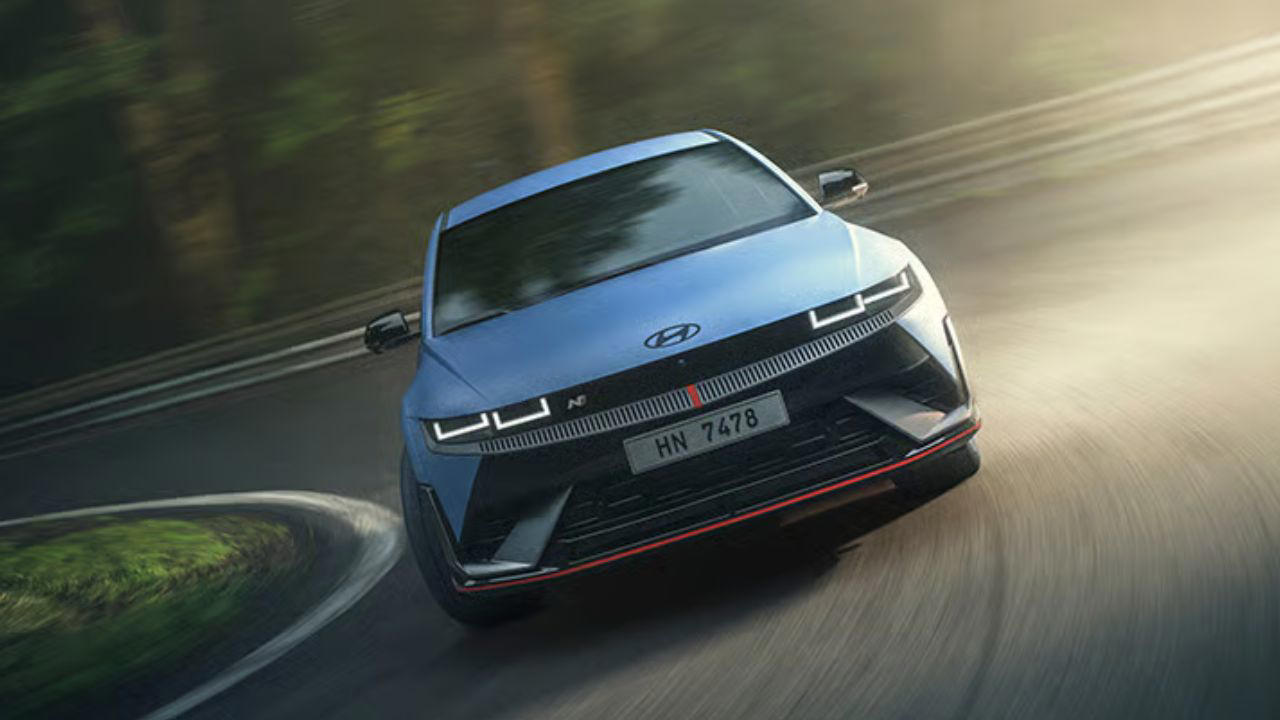



















Hyundai is leaning into one of the strangest trends in electric performance: adding simulated gear changes and engine noise to cars that do not need either. The company’s latest performance EVs can now “shift” through virtual ratios and hit a fake rev limiter, even though their motors deliver power through a single-speed transmission. The move has split drivers between those who see a clever bridge from gasoline to electric and those who view it as an elaborate gimmick. The debate cuts to a deeper question about the future of driving. As more buyers move to battery power, automakers are trying to decide whether an EV should feel like a clean break from the past or a familiar remix of it. Hyundai is betting that a little theater will make high-performance EVs more approachable, and the reaction to that gamble will help determine how quickly other brands follow. What happened The experiment is centered on the Ioniq 5 N, a hot-hatch-style crossover that takes the standard Ioniq 5 and turns it into a track-capable EV. Rather than relying only on instant torque and quiet acceleration, engineers built a system that mimics the behavior of a gasoline performance car. The software divides the motor’s power into a series of virtual gears, complete with a simulated tachometer, a fake redline, and distinct “upshifts” that the driver can trigger with paddles behind the steering wheel. Pressing those paddles does not move any real cogs, but the car responds as if it does. Power delivery is momentarily interrupted, the nose lifts slightly, and the speakers pump in a burst of synthesized exhaust note. Reviewers who drove the Ioniq 5 N described the feature as surprisingly convincing, with the car tugging forward in distinct steps instead of the usual EV surge. One early test noted that the system will even cut power at a fake rev limiter if the driver refuses to upshift, reinforcing the illusion of a traditional gearbox. The sound side of the package is just as aggressive. Hyundai lets drivers choose between several profiles that imitate everything from a turbocharged four-cylinder to a futuristic spaceship-style whine. At full volume the cabin fills with noise that would be at home in a rally car, and the exterior speakers broadcast a version of it to bystanders. For drivers who prefer a more typical EV experience, the company allows all of this to be dialed back or switched off entirely. Hyundai is not alone in this experiment. High-end brands have been exploring similar tricks, with one prominent example being a recent Porsche prototype that uses software-controlled torque steps and paddle shifters to recreate the rhythm of a dual-clutch gearbox. Coverage of that project framed fake gear shifts as a deliberate attempt to bring back some of the engagement that drivers miss when they move from gasoline sports cars to silent, single-gear EVs. What makes Hyundai’s approach stand out is how far it is willing to push the illusion in a relatively attainable model. The Ioniq 5 N is pitched as a daily-drivable performance car rather than a six-figure halo product, which means this kind of digital theater is no longer confined to experimental concepts or ultra-luxury one-offs. Why it matters Underneath the theatrics sits a serious problem for automakers: performance EVs are objectively fast, yet some enthusiasts find them emotionally flat. Instant torque and seamless acceleration can feel clinical, especially for drivers who grew up timing shifts, listening for rising revs, and working around turbo lag. Hyundai’s system is an attempt to restore that sense of involvement without giving up the efficiency and simplicity of an electric drivetrain. Early reactions suggest the strategy is polarizing. Some testers described the Ioniq 5 N’s virtual gearbox as a genuine enhancement that adds rhythm and anticipation to hard driving. One review argued that the car “makes EVs fun again” by giving the driver more to do with their hands and ears, not just their right foot, and highlighted how the fake gears encourage drivers to explore different modes on back roads and circuits. Other drivers see the same features as unnecessary cosplay. To critics, simulating misfires and gearshifts in a car that has neither feels like leaning into nostalgia instead of embracing what makes EVs distinct. They argue that electric performance shines when it is smooth, quiet, and brutally effective, and that adding artificial constraints such as a fake redline only slows the car down. For these buyers, turning an EV into an imitation of a gasoline car risks confusing the message about why electrification matters. The split response reveals a generational and cultural divide. Enthusiasts who spent years learning manual transmissions often describe the loss of shifting as a loss of identity. For them, the rituals of driving, from heel-and-toe downshifts to listening for the right moment to change gear, are part of the joy. Younger drivers who grew up with automatic crossovers and smartphone integration may be less attached to those rituals and more interested in raw performance or seamless tech. Hyundai’s bet is that software can bridge that gap. Because the virtual gearbox is optional and configurable, the same hardware can serve both camps. One driver can leave the car in a quiet, single-speed mode on the commute, then switch on the full sound and shift package for a weekend mountain run. That flexibility turns the feature into a kind of user interface choice rather than a permanent design decision. There is also a strategic angle. As regulators tighten noise and emissions rules, building a real multi-speed transmission and loud exhaust into an EV would add complexity and cost without clear benefits. Simulated shifts and sound effects deliver similar emotional cues at lower expense and with no impact on tailpipe emissions, since there is no tailpipe at all. For a performance sub-brand that wants character but must still meet efficiency targets, software theatrics are a relatively low-risk experiment. Still, the approach raises philosophical questions about authenticity. Some purists argue that a performance car should not pretend to be something it is not. They point out that part of the appeal of classic sports cars lies in the mechanical honesty of their controls, and that layering digital illusions over an EV could age poorly as tastes shift. Others counter that driving has always involved some level of artifice, from sound-symposer tubes that pipe intake noise into cabins to active exhaust flaps that open only in certain modes. From a market perspective, the key test is whether buyers actually use and value these features after the novelty wears off. If owners leave the car in its quiet mode after a few months, that would suggest the appetite for synthetic drama is limited. If, instead, the virtual gearbox becomes a signature trait that fans celebrate, Hyundai will have evidence that emotional software can be as important as hardware in the EV era. What to watch next The Ioniq 5 N is effectively a rolling focus group for Hyundai. Sales performance, owner feedback, and social media chatter will inform whether the company extends virtual shifting to other models. A logical next step would be the upcoming Ioniq 6 N or related performance sedans and crossovers, where similar technology could create a consistent character across the N lineup. Rival automakers are watching closely. Porsche’s own experiments with simulated shifting in electric prototypes suggest that premium brands see potential in this approach, especially for customers transitioning from high-performance gasoline cars. If both a mainstream player like Hyundai and a sports-car specialist find success, it is easy to imagine other manufacturers adopting their own spin on digital gearboxes and curated soundtracks. Regulators and safety advocates may eventually weigh in as well. Artificial engine noise already plays a role in pedestrian safety rules, which require EVs to emit some sound at low speeds. As cars get louder inside and out through configurable profiles, authorities might scrutinize how these systems affect noise pollution or driver distraction. Clear labeling and intuitive controls will be important so that owners understand what is real and what is simulated when they adjust driving modes. More From Fast Lane Only: Unboxing the WWII Jeep in a Crate 15 rare Chevys collectors are quietly buying 10 underrated V8s still worth hunting down Police notice this before you even roll window down The post Hyundai is adding fake gear shifts to EVs and drivers aren’t sure how to feel about it appeared first on FAST LANE ONLY.