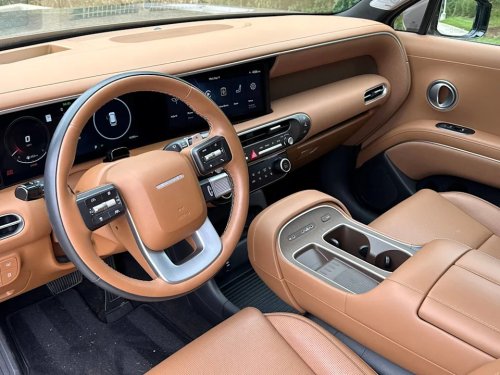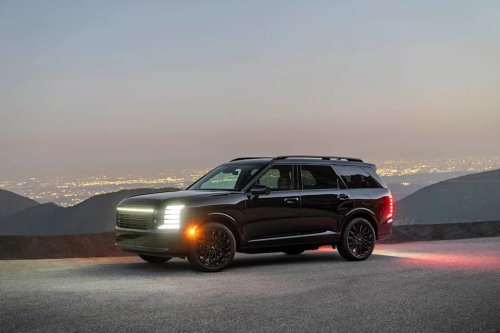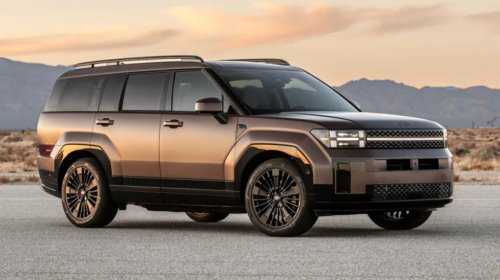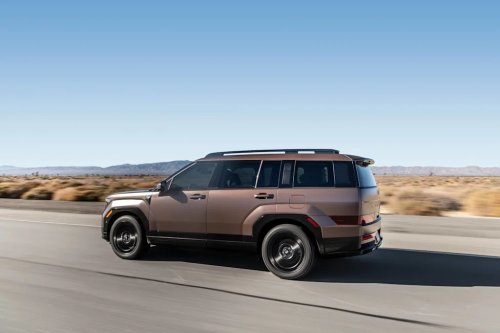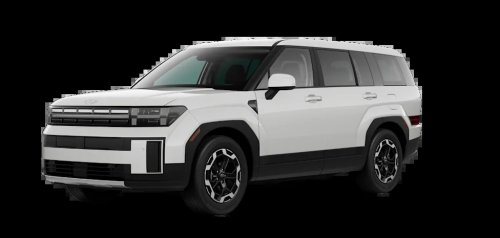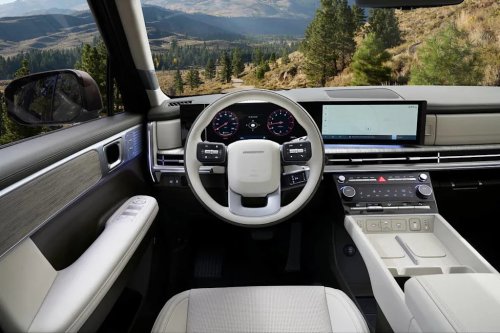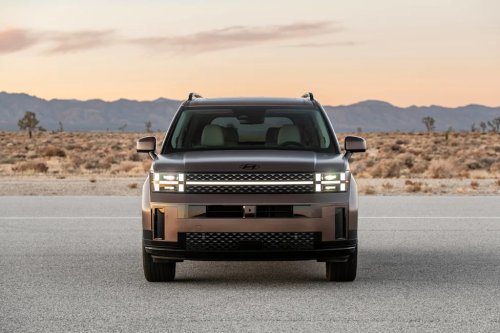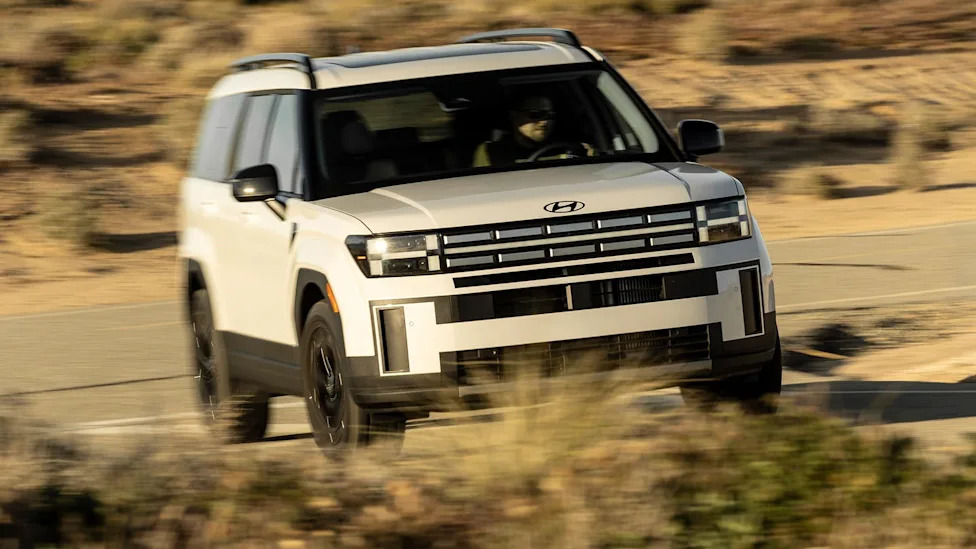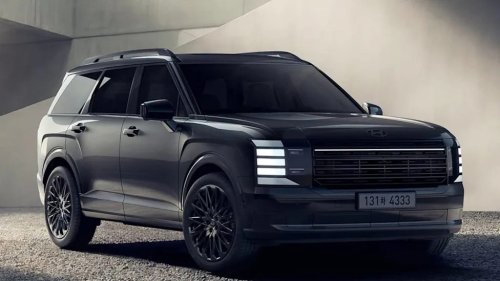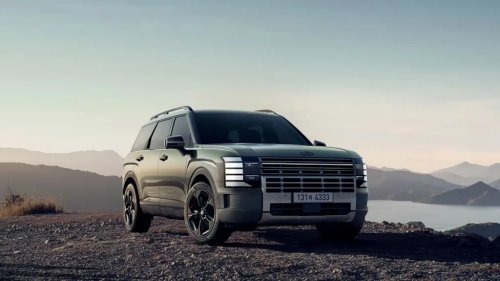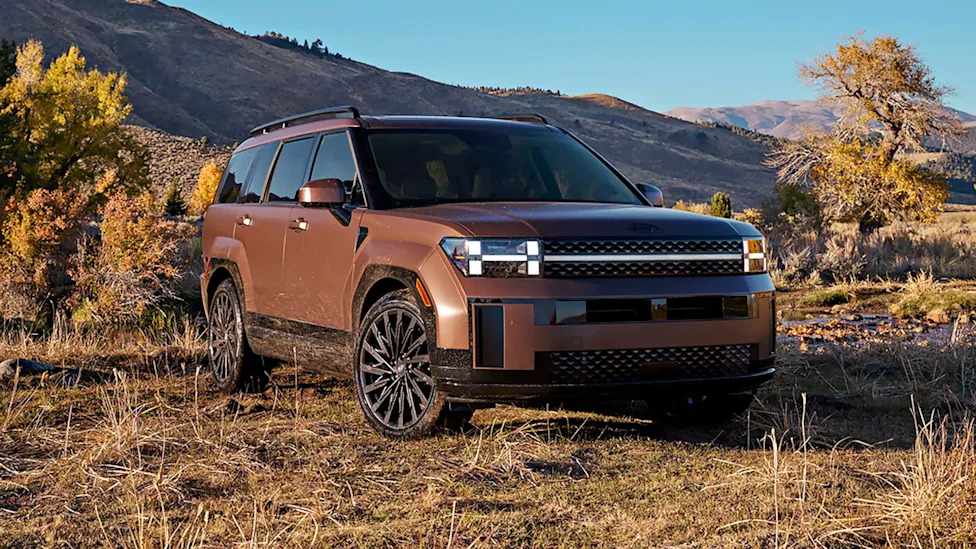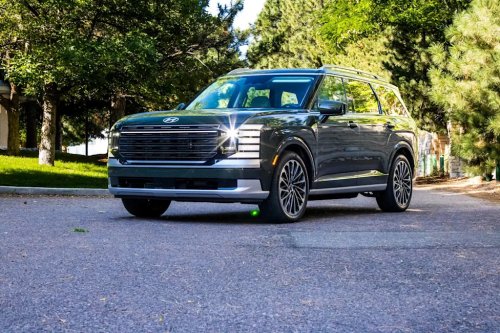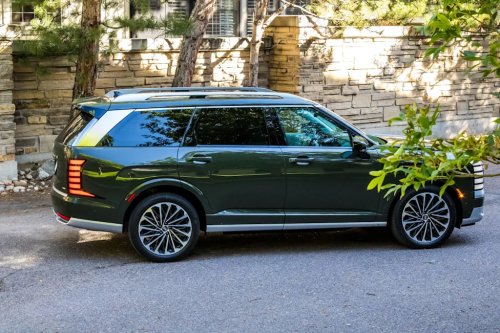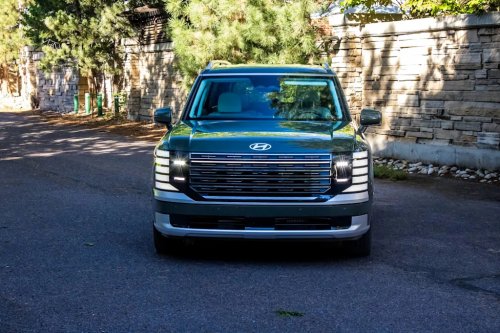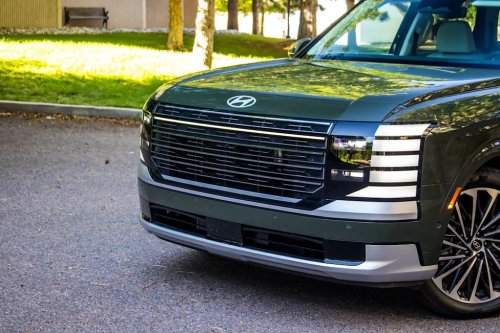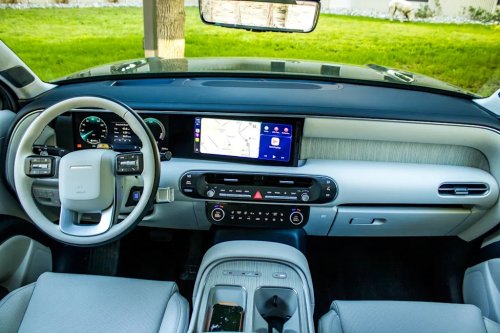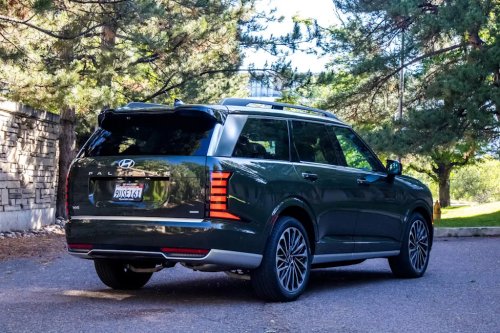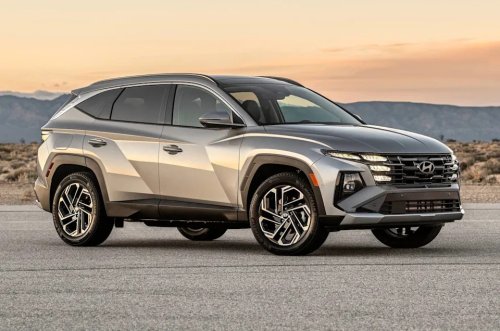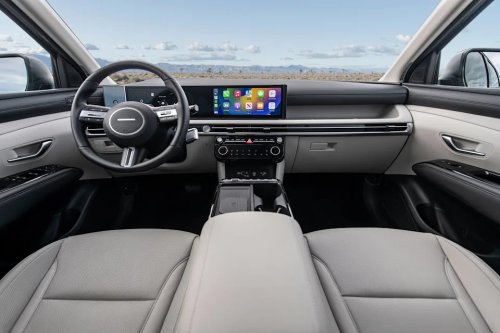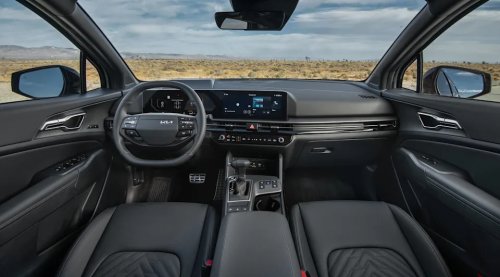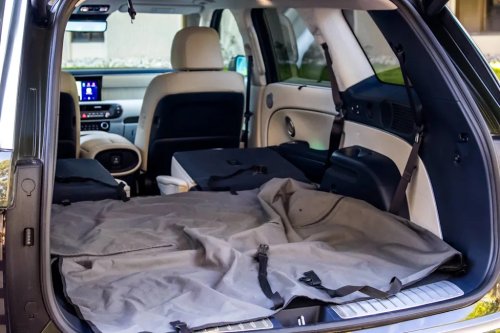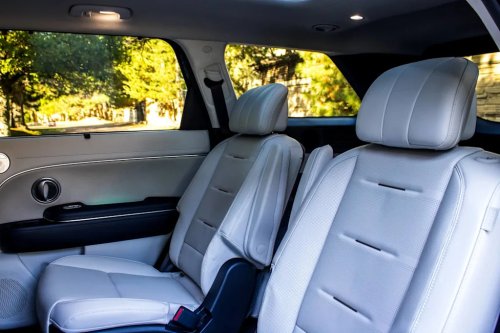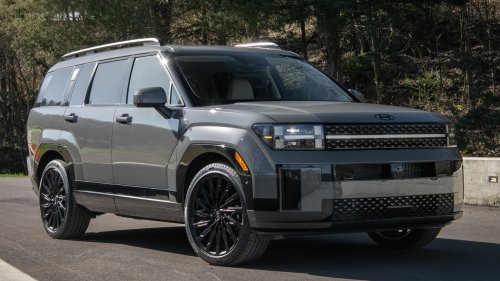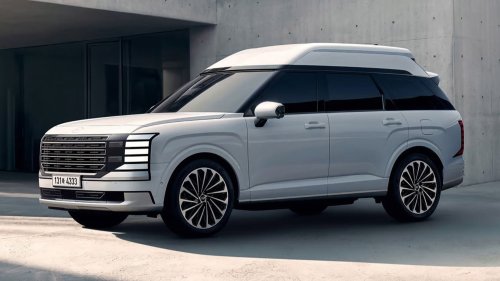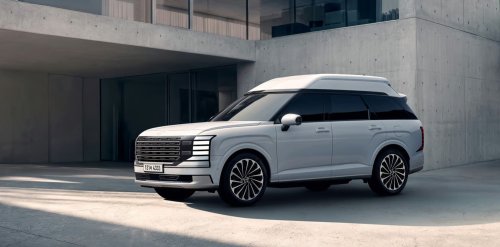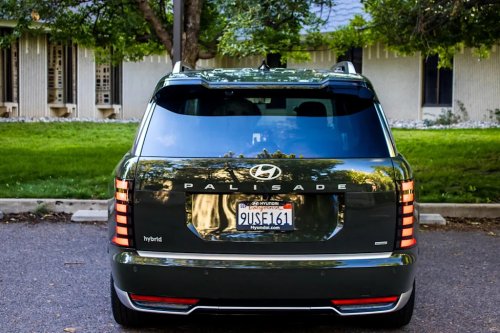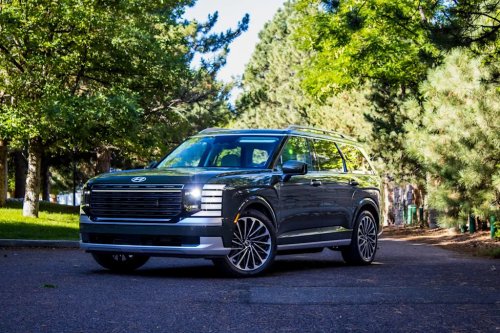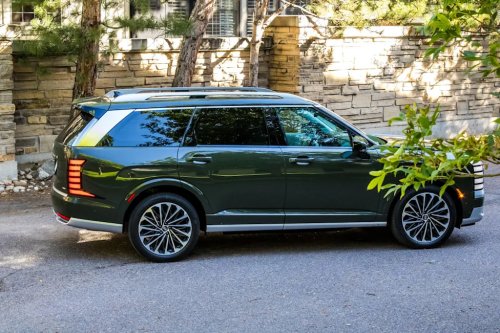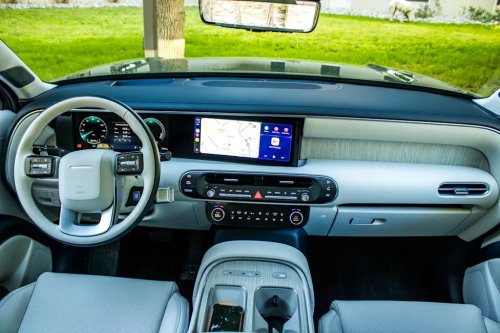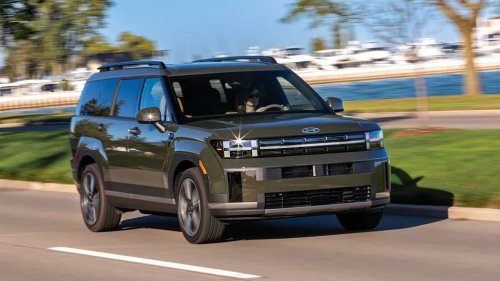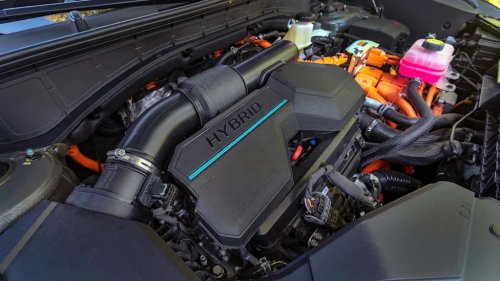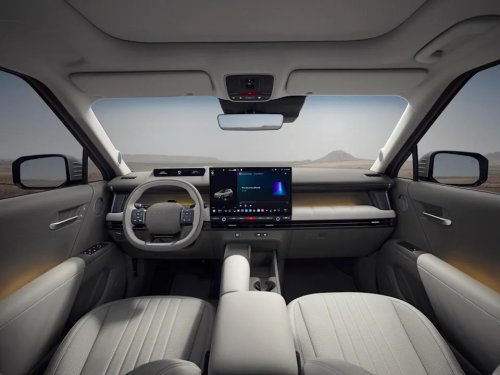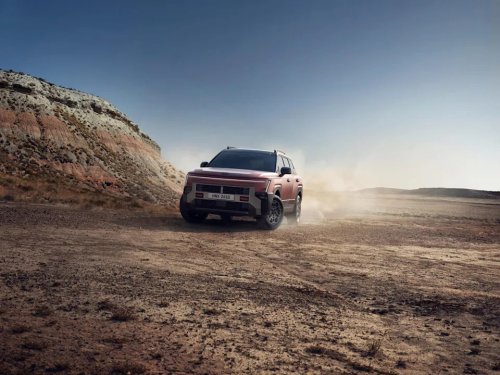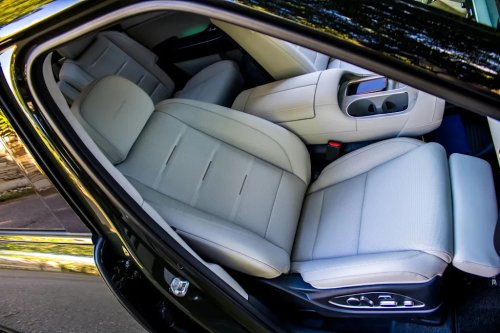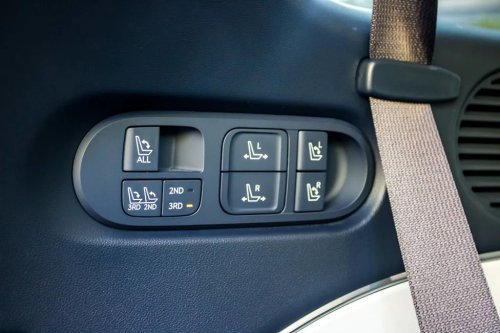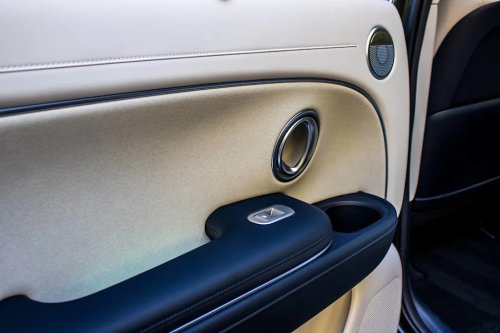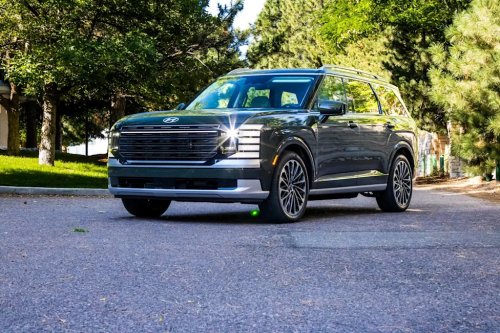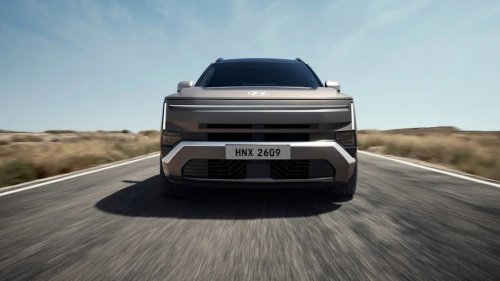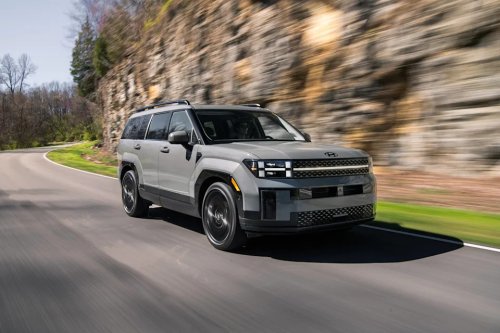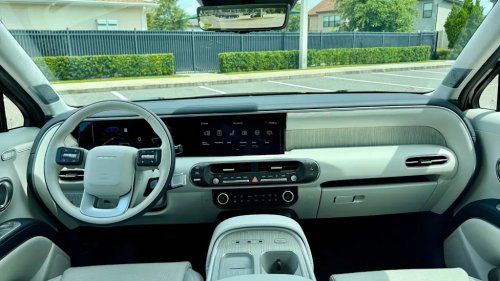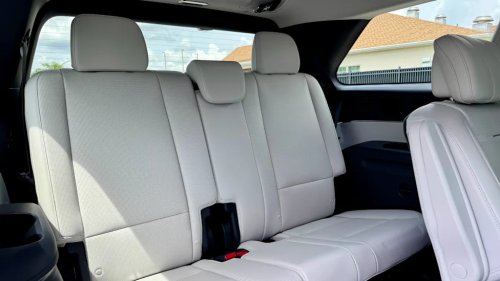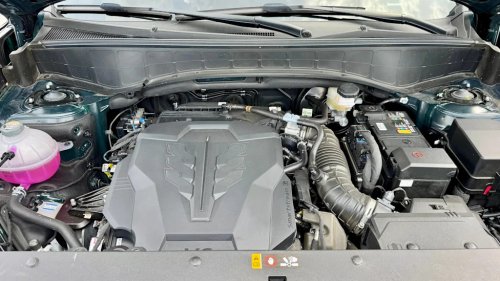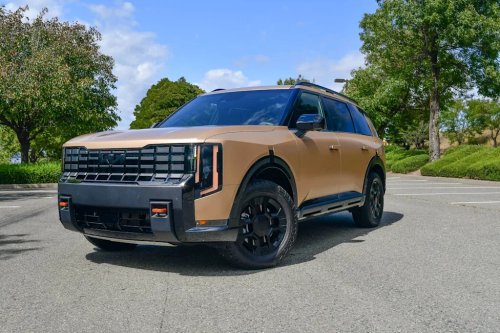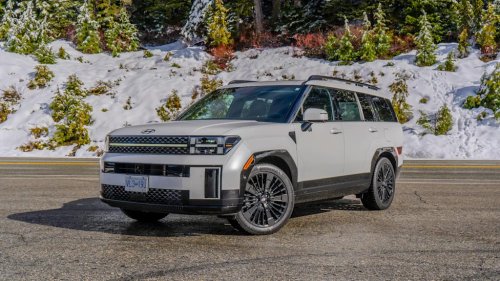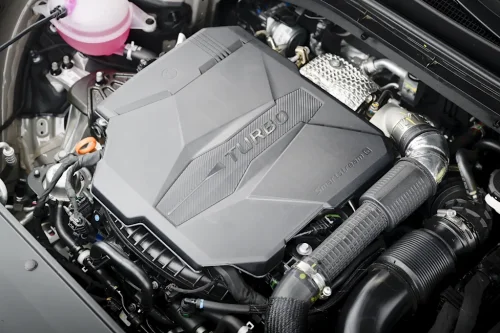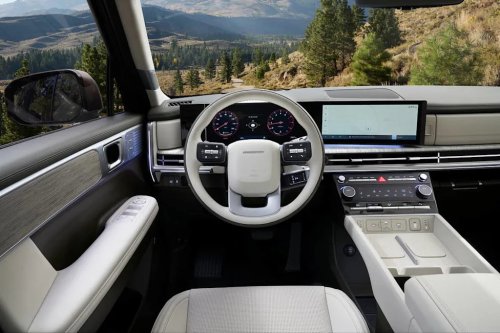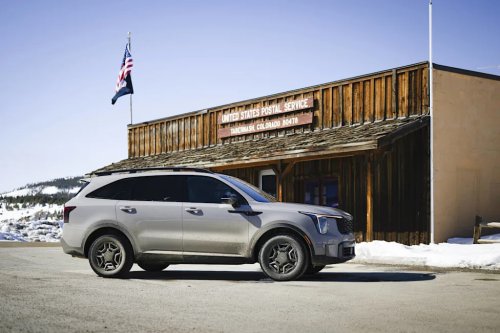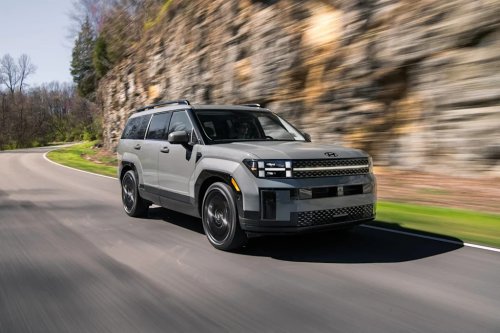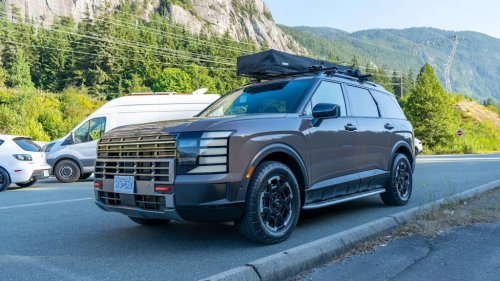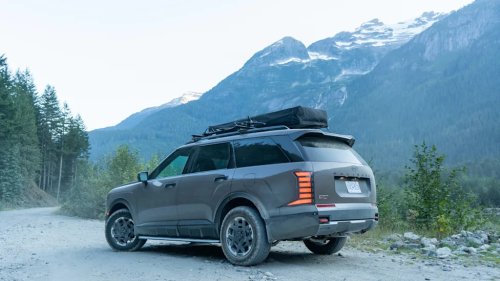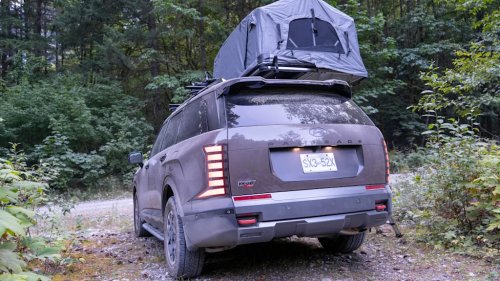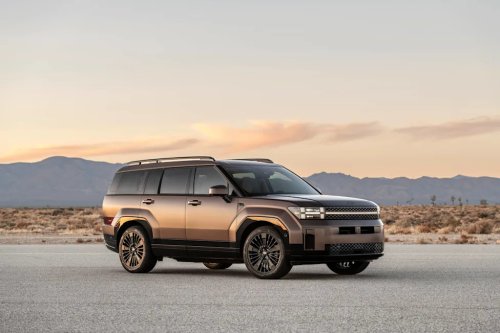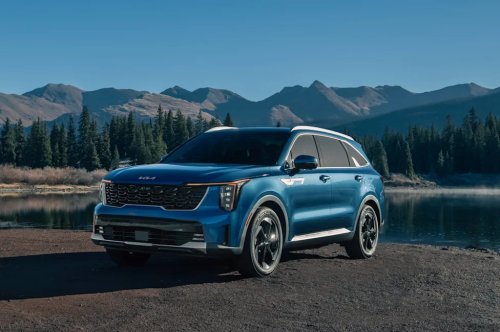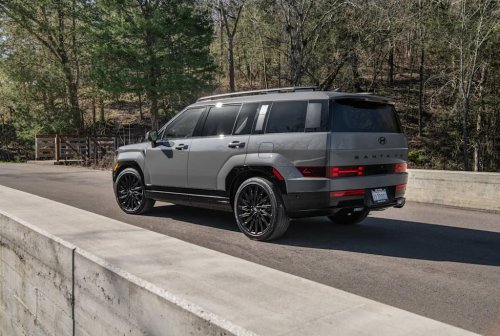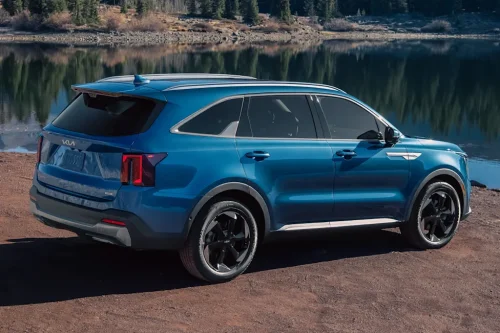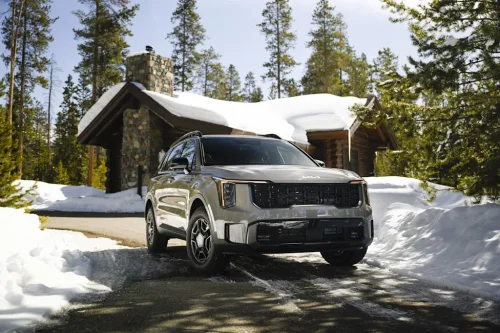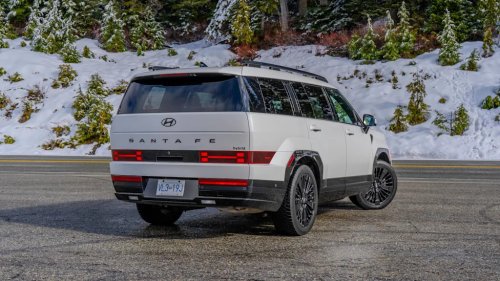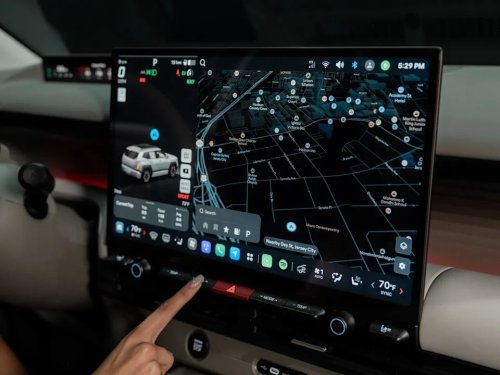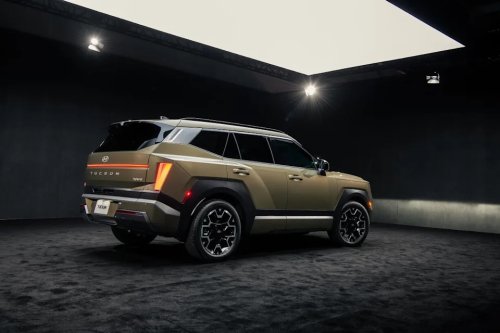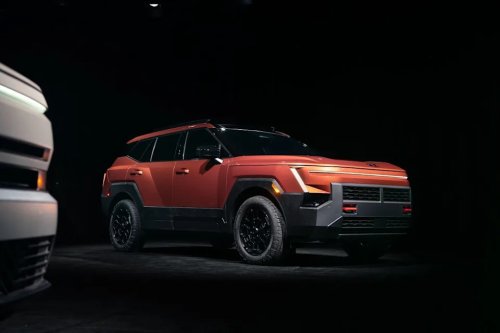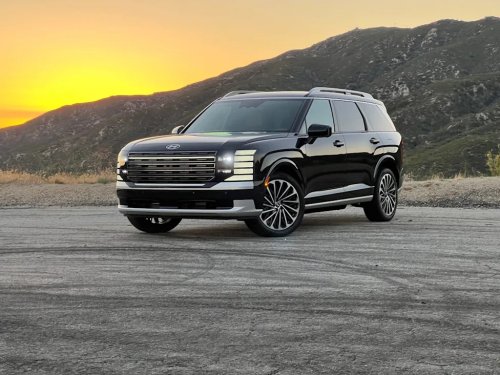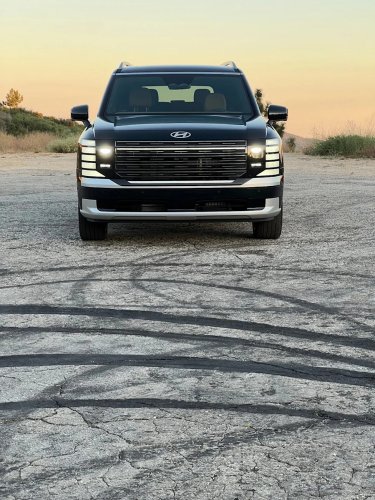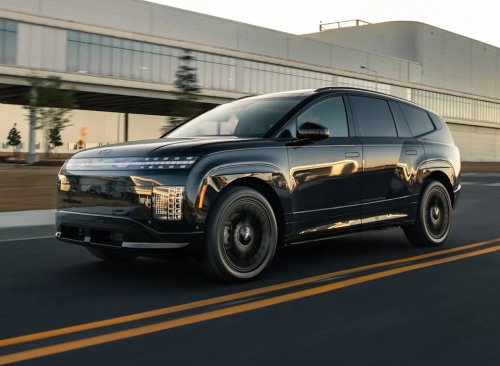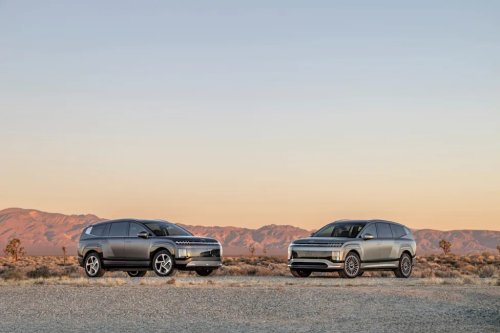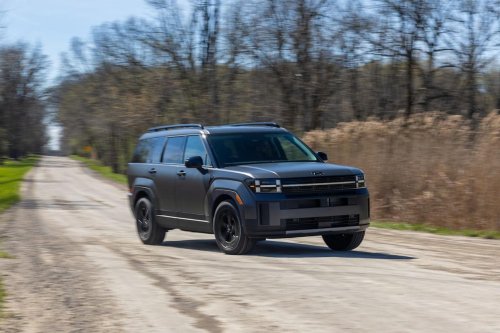
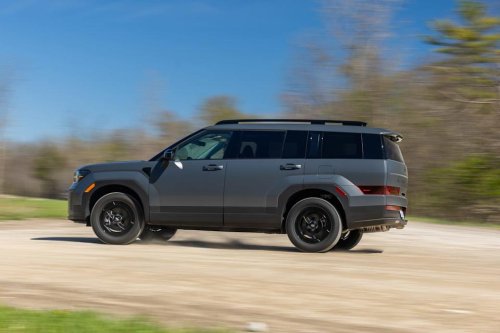
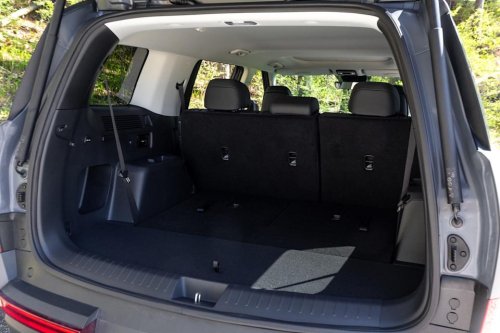
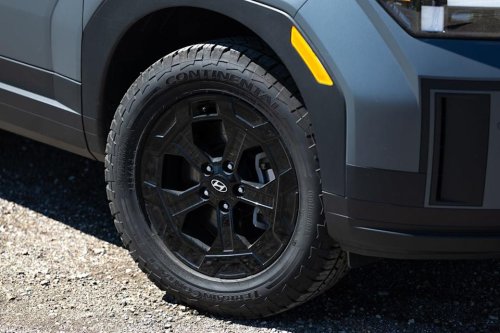
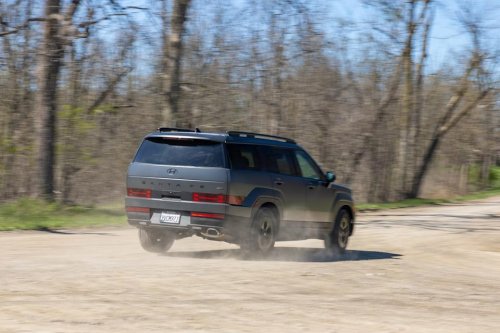
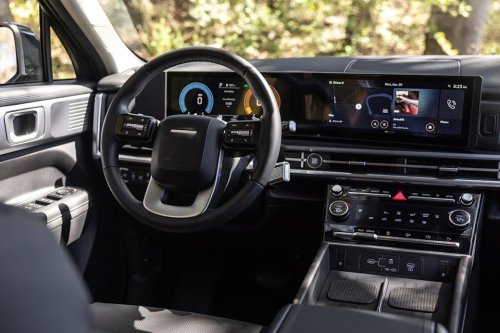
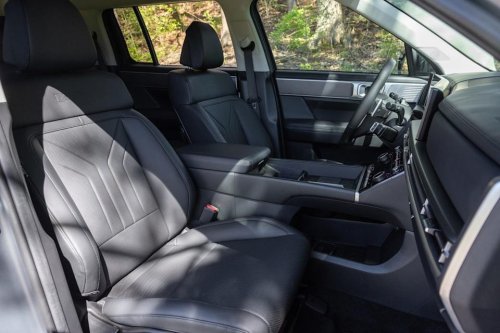



















No Shade: 2026 Santa Fe Is the Poor Man's PalisadeAndi Hendrick - Car and DriverHyundai has not one, but two mid-size three-row SUVs. The Palisade is the one making headlines lately with a redesign that amped up its luxury credentials dramatically. Still, the slightly smaller Santa Fe deserves its flowers for its more value-oriented approach and a boxier appearance aimed squarely at buyers who want a rugged look.For 2026, Hyundai is fixing the current-generation Santa Fe's most egregious shortcoming: the nonhybrid model's dual-clutch automatic transmission, which has proved to be a headache for Hyundai. While the hybrid model has always offered a relatively unproblematic six-speed automatic, the nonhybrid's dual-clutch gearbox had been recalled for repeated defects, with some customers requiring replacement transmissions.Starting this year, all nonhybrid Santa Fe models get a different eight-speed transmission with a conventional torque-converter setup. Shifts are noticeably gentler, and the new slushbox has none of the low-speed wonkiness that we hated so much in the dual-clutch models we tested back in 2024 when the Santa Fe was freshly redesigned.Andi Hendrick - Car and DriverThe Trade-OffA turbocharged 2.5-liter four-cylinder remains the only engine offered in the nonhybrid Santa Fe, but it can be paired with front- or all-wheel drive. Our test car this time around was the middle-rung XRT trim, which purports to be the all-terrain variant and comes standard with all-wheel drive.AdvertisementAdvertisementPower from the turbo four is fine, but this isn't a performance SUV in any sense of the word. Compared to the 2024 Santa Fe Calligraphy AWD we tested, which had the old dual-clutch transmission, the 2026 XRT is measurably slower. At our test track, our 2026 test sample hit 60 mph in 6.9 seconds and finished the quarter-mile in 15.2 seconds at 93 mph. The 2024 Calligraphy managed 60 mph in 6.3 seconds and turned in a 14.8-second result in the quarter-mile at 96 mph.Andi Hedrick - Car and DriverIn passing maneuvers, the new model also falls behind. The 2026 XRT needed 3.6 seconds to get from 30 to 50 mph and 4.8 seconds for the 50-to-70-mph run. The 2024 Calligraphy recorded times of 3.3 and 4.4 seconds in those respective tests.Note that the two models' wheel and tire differences likely play a big part. The 2026 XRT wears 18-inch wheels wrapped in Continental TerrainContact all-terrain tires, while the 2024 Calligraphy had 21-inch wheels with Pirelli Scorpion all-seasons.Andi Hendrick - Car and DriverWe attribute the XRT's long 186-foot stop from 70 mph and its 0.80-g skidpad measurement to its A/T rubber and altered stance. The Calligraphy's more pavement-friendly setup resulted in a much tidier 167-foot stop from 70 mph and a slightly grippier 0.84 g on the skidpad.AdvertisementAdvertisementOne area where the revised Santa Fe beat its predecessor was on our highway fuel-economy route. The 2026 XRT outperformed the 2024 Calligraphy by 3 mpg, returning 27.Andi Hendrick - Car and DriverAdvertisementAdvertisementStill a LookerThe Santa Fe's boxy styling is enhanced by the XRT model's rugged add-ons, making it clear that Hyundai's strategy with this model is to appeal to buyers who might otherwise consider a Toyota 4Runner or a Jeep Grand Cherokee. Although the Santa Fe is not as capable an off-roader as those rivals—even in XRT guise—this strategy remains a smart way to cash in on the rugged-SUV sales boom.XRT models get standard all-wheel drive, an additional 1.3 inches of ground clearance, and a set of terrain-specific drive modes for snow, sand, and mud. XRTs can tow more than the standard Santa Fe variants too; they're rated for 4500 pounds of towing capacity instead of 3500.Andi Hedrick - Car and DriverOur test car's matte-gray paint also added to the look, creating something akin to a stealth bomber on wheels. While the matte paint is an appealing option in theory, it's harder to live with than a paint with a traditional clear coat, as you're always one light rain away from a car covered in dirty water spots. The fact that the matte paint lacks the clear-coat benefit of water beading is exaggerated here by the Santa Fe's completely horizontal hood, which further encourages water droplets to stay put.The XRT's all-black interior color scheme and plasticky construction combine for drabness, especially in comparison to the Palisade's midcentury-modern-inspired design. Higher Santa Fe trim levels get a little more in the way of luxury, but even those avoid encroaching on the Palisade's territory. The Santa Fe is also narrower than the Palisade, and that translates to a tighter feel inside. While the Palisade boasts 61.4 inches of front passenger shoulder room, the Santa Fe provides just 59.5. That doesn't sound like a lot, but it's enough to make you really feel the Santa Fe's slightly smaller size.Andi Hedrick - Car and DriverThe front seats are well cushioned, and there's ample storage in the center armrest. Our test car featured a pair of wireless smartphone charging pads on the center console as well, with a grippy rubber liner to help keep your phone in place as you drive.AdvertisementAdvertisementSecond-row space is fine, but the third row is snug. That's a common thread among this awkward class of mid-size SUVs that would otherwise be two-row but are instead equipped with a standard pop-up third row. The Kia Sorento, which sits in a similar position under the slightly larger Telluride, suffers from similar design restrictions.Despite its less posh interior and more compact passenger compartment, the Santa Fe's value-oriented approach is admirable, especially at a time when the average new car sales price hovers around the $50,000 mark. Our XRT test example, with only the matte paint ($1000) and carpeted floor mats ($240) as paid options, was $44,880.The base SE and next-rung-up SEL trims make even more compelling cases for budget three-row transit at $36,650 and $39,190. Such pricing also makes room for the Palisade to chase more affluent buyers without having to compromise on features to keep an attractive starting price.➡️ Skip the lot. Let Car and Driver help you find your next car.Shop New Cars Shop Used CarsYou Might Also LikeGift Guide: Best Ride-On Electric Cars for KidsFuture Cars Worth Waiting For: 2025–2029