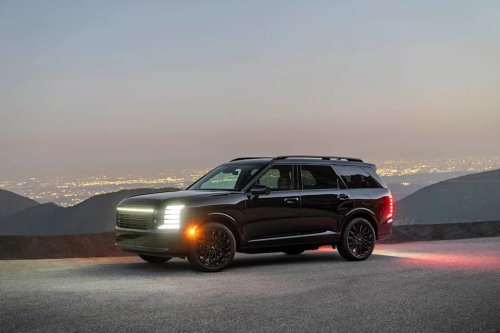
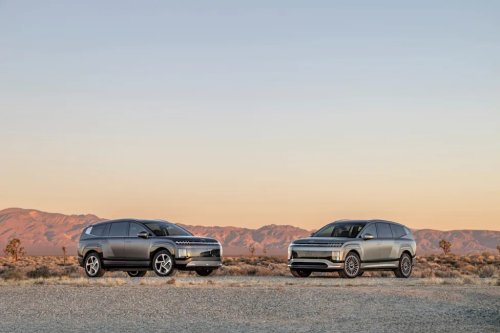
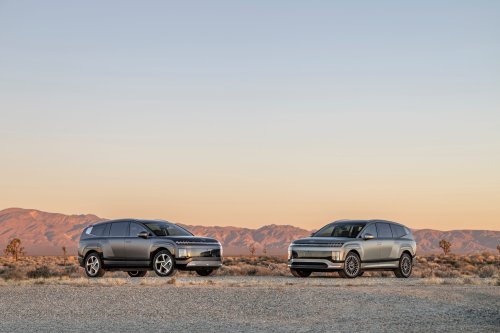
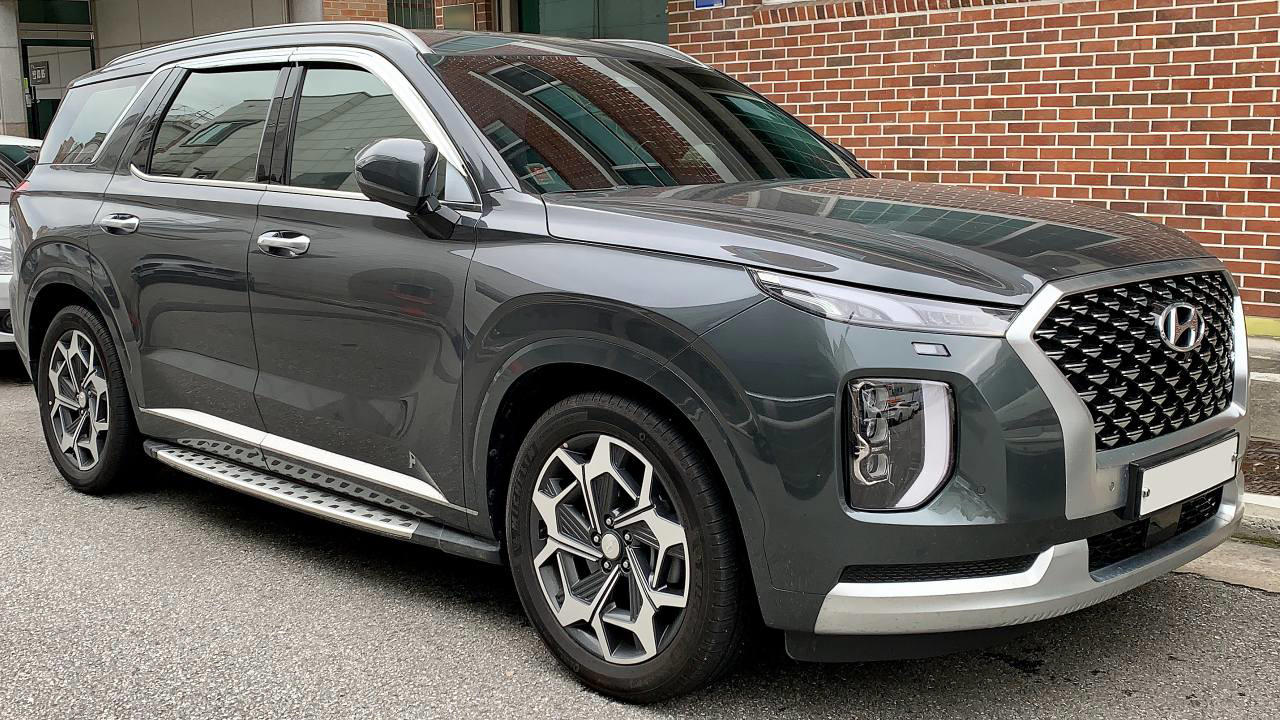
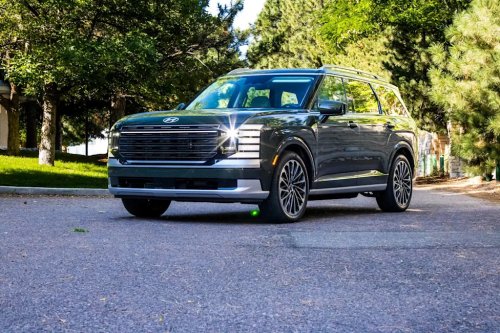
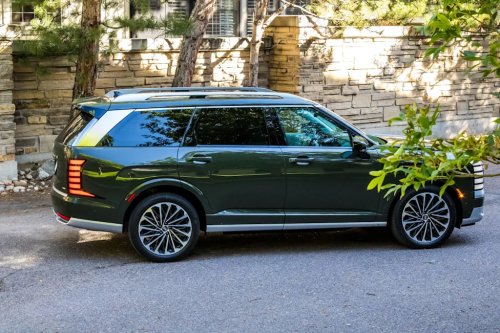
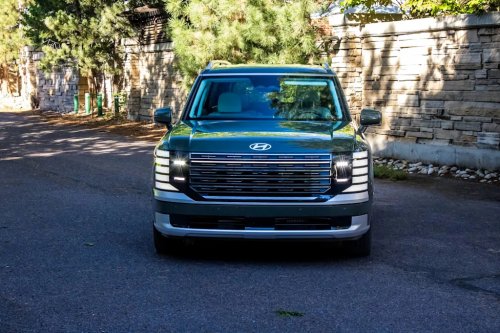
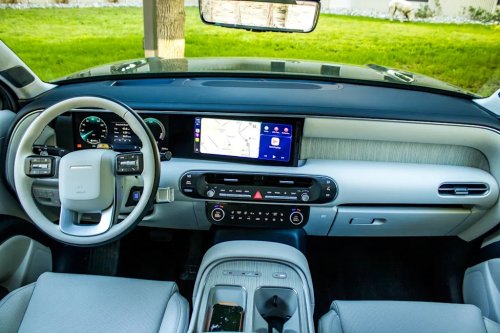
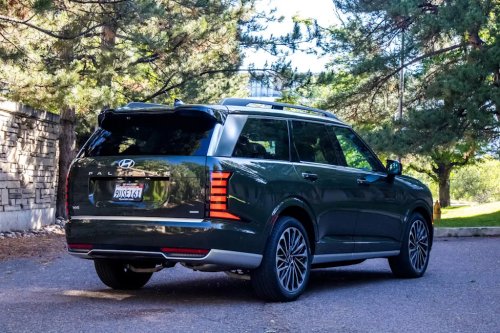
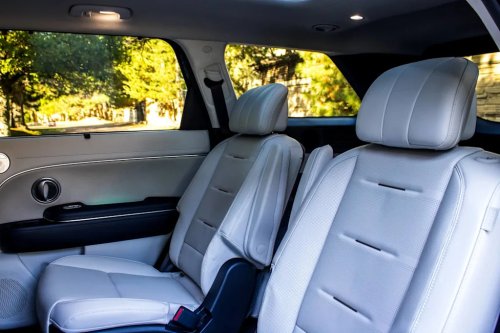
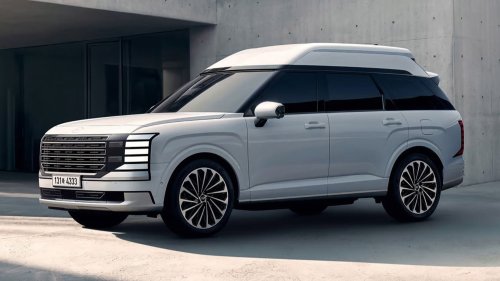
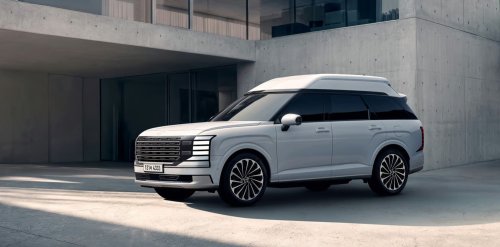
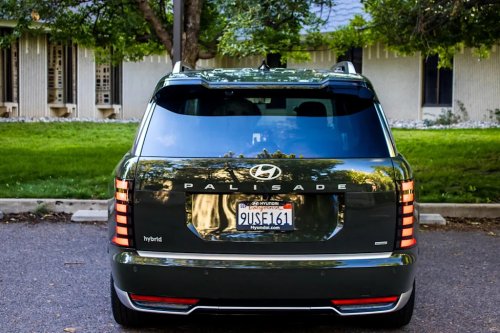
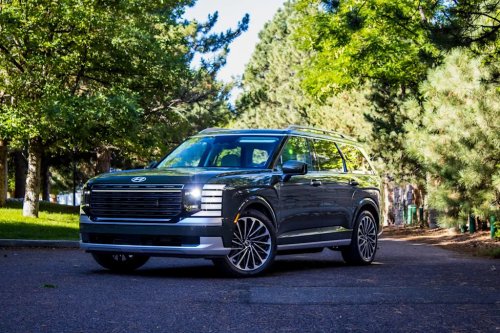
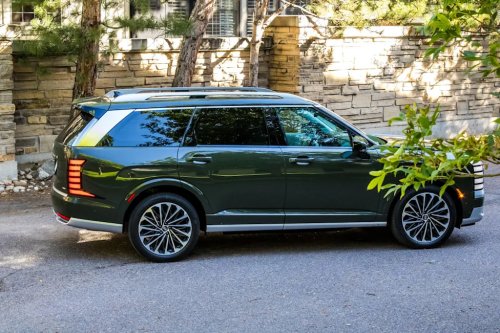
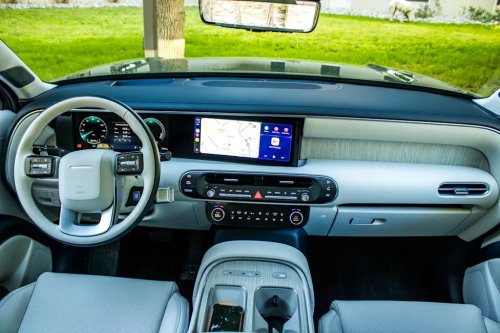
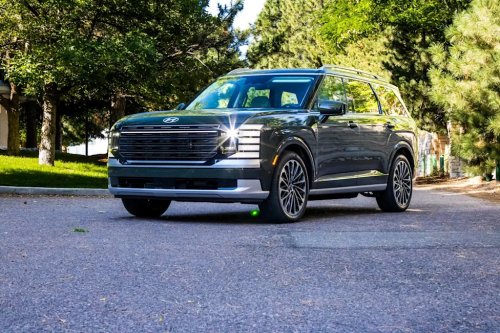
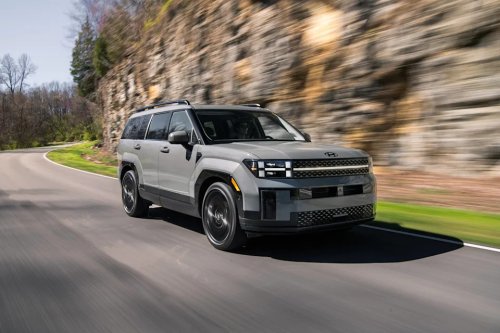
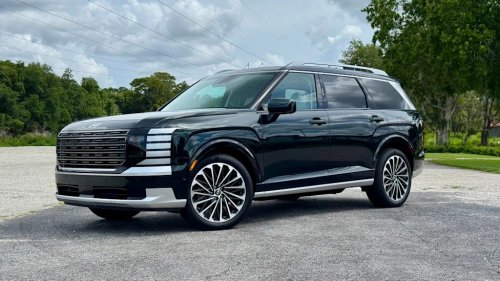
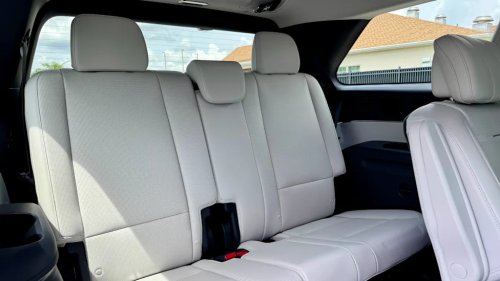
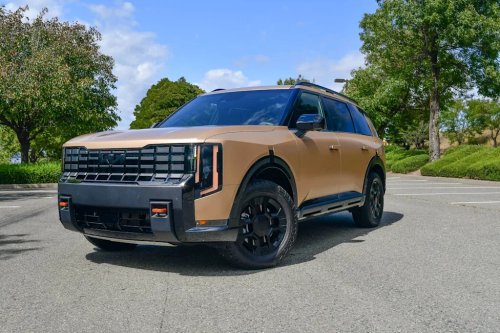
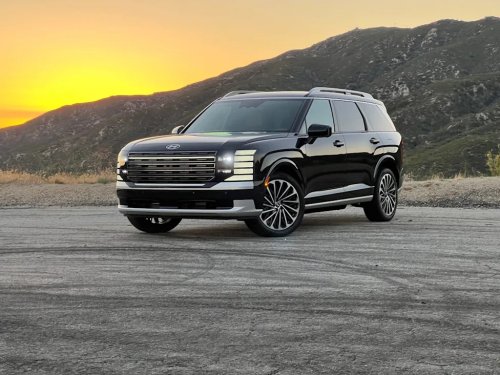
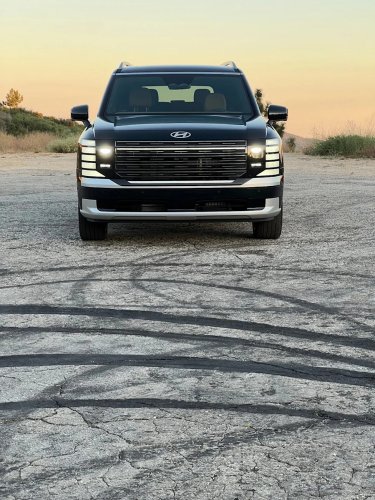
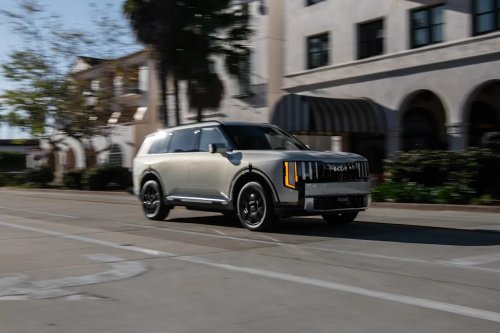
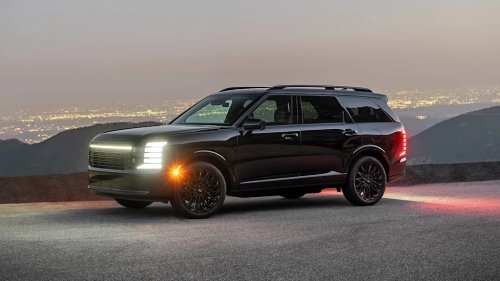
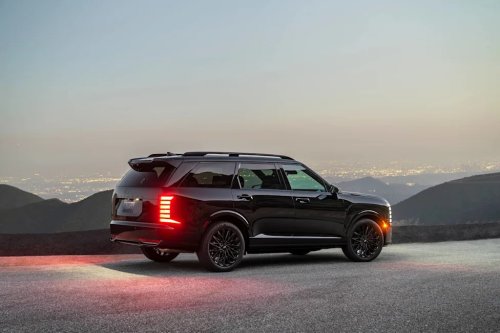
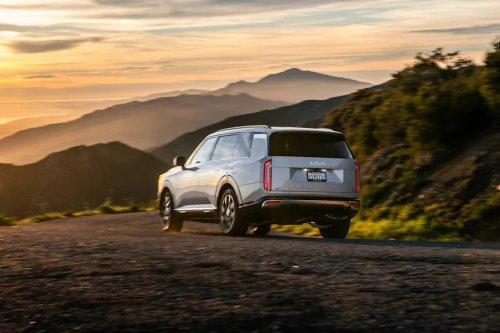
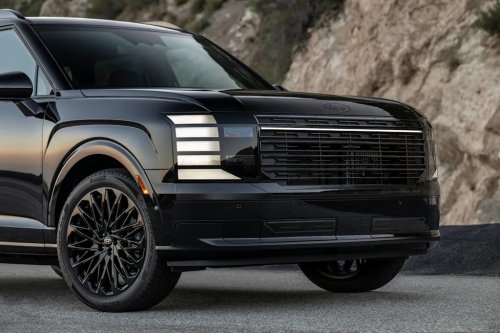
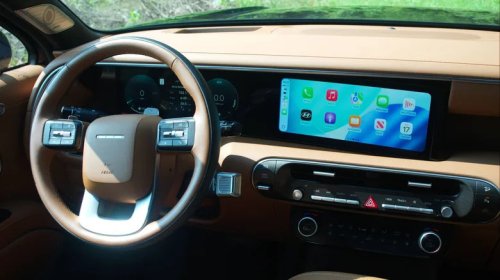
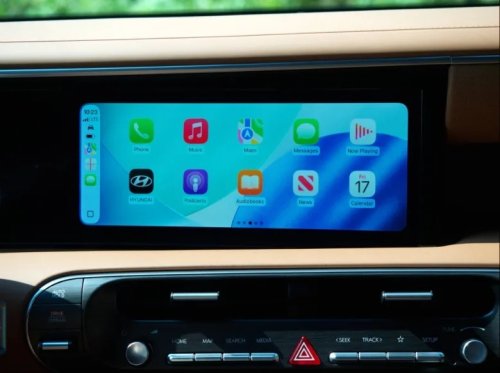
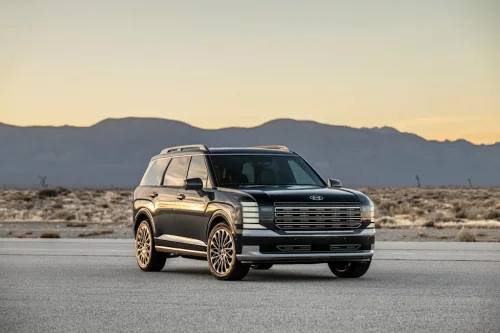
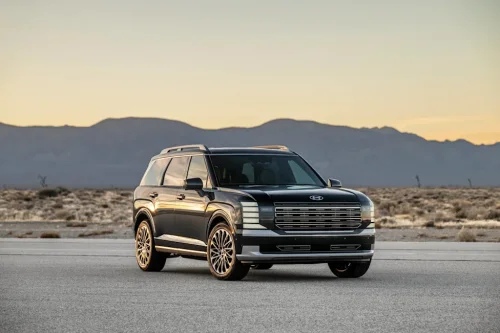
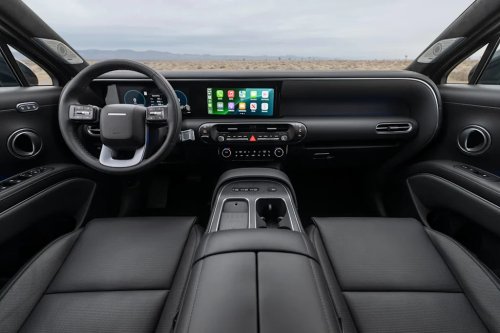
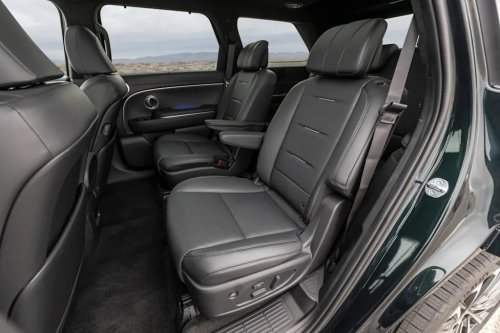
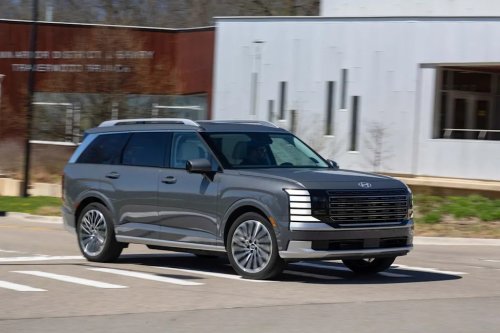
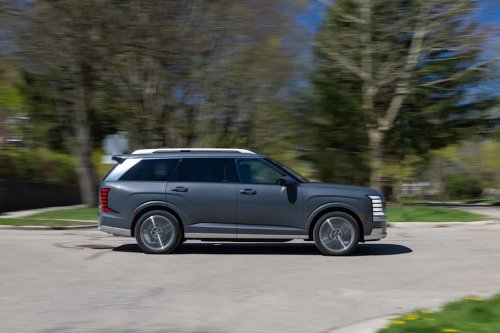
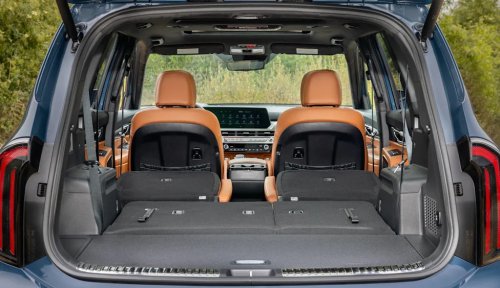
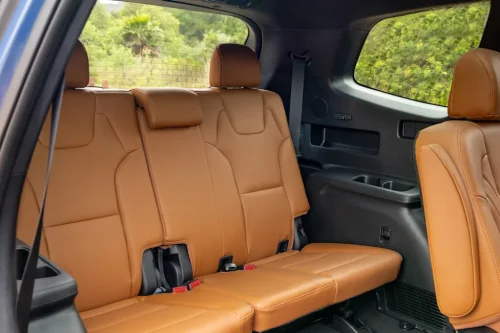
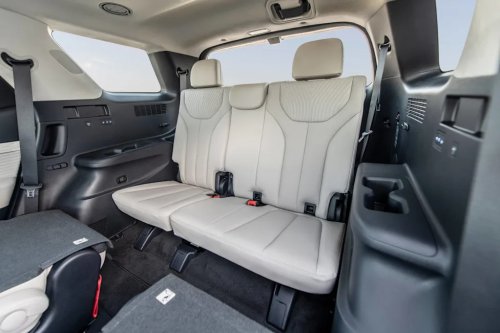
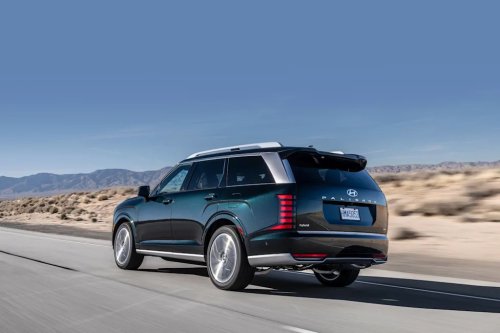
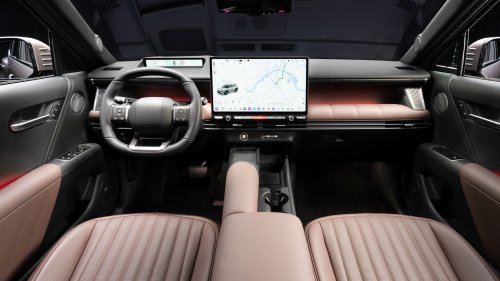
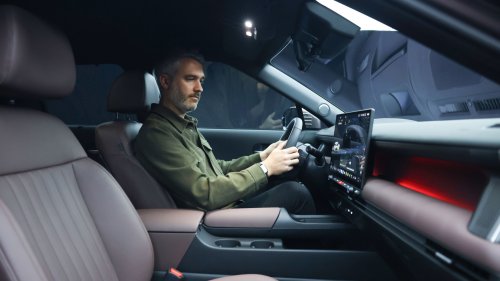
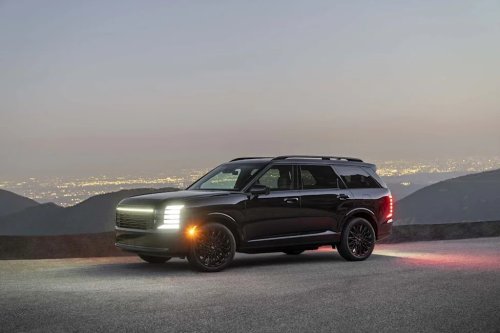
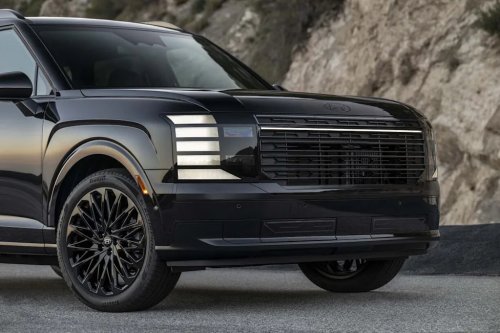
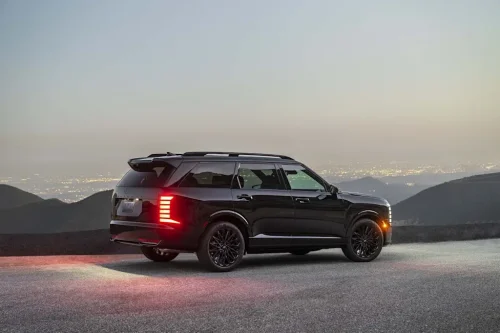
Hyundai recalls 568,000+ Palisade family SUVs againHyundai is again calling back its flagship three-row sport-utility vehicle, ordering repairs for more than 568,000 Palisade family SUVs after regulators identified a fresh airbag problem that could raise the risk of injury in a crash. The new safety campaign, which follows an earlier Palisade recall, underscores how complex modern restraint systems have become and how disruptive a single defect can be for a popular family hauler. For owners, the repeat recall is more than an administrative hassle. It raises pointed questions about how well the brand’s quality controls are keeping pace with strong demand for the Palisade and what it will take to restore confidence in a model that many families rely on as their primary people mover. What is wrong with the Palisade’s airbags The latest issue centers on the Palisade’s side-curtain airbags, which are designed to deploy along the windows and help keep occupants inside the vehicle during a side impact or rollover. Regulators found that in certain 2020 through 2025 model year SUVs, the side-curtain units may not meet federal “ejection mitigation” requirements, meaning they might not stay in place long enough or cover enough area to prevent an occupant’s head from striking or exiting through a window opening. Safety documentation for the campaign describes a risk that the bags could detach from their mounting points or otherwise fail to perform as intended, which could increase the chance of serious injury for people in the outboard seating positions if a crash occurs. Hyundai’s own recall filings indicate that the problem affects a very large share of its recent production run, with 568,000 Palisade vehicles identified in one set of documents and 568,576 listed in another, a discrepancy that reflects slightly different counting conventions but the same broad scope. Separate summaries describe “around 568,575” affected vehicles and “nearly 569,000” or “nearly 570,000” Palisade SUVs, all pointing to the same underlying defect in the side-curtain airbag system and the same basic safety concern. Although there have not been detailed public accounts of specific crashes tied to this flaw, the recall is framed as a proactive response to testing that showed the airbags could fail to comply with Federal Motor Vehicle Safety Standard 226 on ejection mitigation. How many vehicles are affected and which years are covered The scale of the campaign is striking even in an industry accustomed to large recalls. Hyundai’s filings describe 568,000 Palisade SUVs subject to repair, while other regulatory summaries specify 568,576 vehicles, and additional reporting rounds that figure to “around 568,575” or “nearly 569,000” and “nearly 570,000” affected units. Regardless of the rounding, the recall sweeps in essentially every Palisade built across several recent model years, making it Hyundai’s first major safety action of the year and one of the most significant for the brand’s SUV lineup. The defect is tied to 2020 through 2025 Palisade model years, which means both early adopters of the nameplate and buyers of the latest refreshed versions are being asked to return to dealerships. That includes vehicles sold as family-oriented “Palisade Family” trims and higher-spec variants that share the same side-curtain airbag architecture. Some reports note that the 2026 Hyundai Palisade is already drawing attention for awards and strong early sales, but the current recall focuses on the earlier production window, when the problematic airbag components were installed. Owners of affected SUVs are being advised that their vehicles remain drivable in the meantime, but that the side-curtain system may not provide full protection in a severe side crash until the remedy is completed. Why this is the second major Palisade recall The airbag campaign lands only after Hyundai had already summoned Palisade owners back for another safety fix, which is why several summaries describe the company as recalling “over 568,000” Palisade family SUVs for the “Second Time.” In that earlier action, the focus was on a different system entirely: the vehicle’s voice command and infotainment functions. Reports describe a problem in which People using voice prompts could trigger unintended behavior from the car’s systems, prompting Hyundai to issue a separate recall for the Palisade SUV to address software logic and prevent potential distractions or malfunctions. Stacked together, the two campaigns paint a picture of a model that has been under intense scrutiny from both regulators and the automaker’s own engineers. The first recall, tied to the voice command system, highlighted the growing complexity of in-car technology and the need to treat software as a safety-critical component. The new airbag recall, by contrast, returns attention to the fundamentals of crash protection, reminding owners that even traditional hardware like side-curtain airbags can harbor design or manufacturing flaws that only emerge after vehicles are on the road in large numbers. What Hyundai and regulators are doing to fix it Hyundai has told regulators that it is still finalizing the permanent remedy for the side-curtain airbag defect, a sign of how technically involved the fix may be. The company’s recall documentation notes that engineers are developing a repair that will bring the Palisade’s airbags into full compliance with ejection mitigation rules, likely through a combination of revised components and updated installation procedures. Until that solution is validated, the automaker is preparing to notify owners and instruct dealers on interim steps, while also coordinating with federal safety officials on the timing and content of those communications. Regulators, for their part, have already flagged the Palisade’s side-curtain performance in internal testing, which helped trigger the recall process in the first place. Safety agencies have emphasized that the campaign is mandatory and that owners will not be charged for the repair once it is available, consistent with standard recall practice. They are also reminding drivers that they can use their vehicle identification number to check whether their specific Palisade is included in the recall population, a useful step given the slightly varying counts of 568,000, 568,575, 568,576, “nearly 569,000,” and “nearly 570,000” vehicles cited across different regulatory and industry summaries. What Palisade owners should do now For families who rely on the Palisade as a daily shuttle, the immediate question is whether it is safe to keep driving. Safety officials have not ordered owners to park their vehicles, and there is no indication in the available reporting that the side-curtain airbags are deploying spontaneously or causing problems in normal use. The risk instead lies in how the bags might perform in a serious side impact or rollover, particularly for passengers in the third row, which is a key selling point of the Palisade as a family SUV. That means owners should treat the recall as urgent, even if the vehicle feels unchanged in everyday driving. Until Hyundai’s full repair is ready, the most practical steps are administrative but important. Owners should confirm whether their SUV falls within the 2020 to 2025 model year range covered by the recall, then use their VIN to verify inclusion in the campaign once online tools are updated. They should watch for mailed notices from Hyundai explaining when parts and procedures are available, and schedule a dealer appointment promptly when invited, since the sheer volume of affected vehicles, more than 568,000 by Hyundai’s own count, is likely to strain service capacity. For those who already visited a dealer for the earlier voice command recall, this second trip may feel frustrating, but it is the most direct way to ensure that the Palisade’s core safety systems perform as originally promised. More from Fast Lane Only Unboxing the WWII Jeep in a Crate 15 rare Chevys collectors are quietly buying 10 underrated V8s still worth hunting down Police notice this before you even roll window down
















![Hyundai is testing a smaller EV — could it be the IONIQ 4? [Video]](https://cdn.topcarnews.net/thumb/id/aHR0cHM6Ly9pMC53cC5jb20vZWxlY3Ry-ZWsuY28vd3AtY29udGVudC91cGxvYWRz-L3NpdGVzLzMvMjAyNi8wMi9IeXVuZGFp-LUlPTklRLTEtRVYtZnJvbnQuanBlZz93-PTE1MDAmYW1wO3F1YWxpdHk9ODImYW1w-O3N0cmlwPWFsbCZhbXA7c3NsPTE/62d7459438201b3f1399106554e467d7.jpeg?t=20261006&post_id=68203)