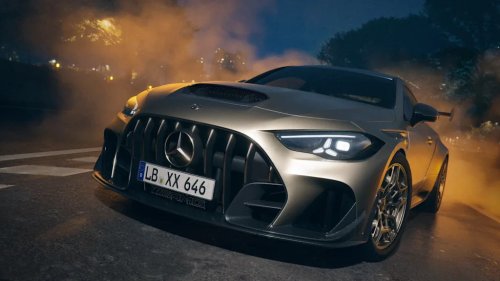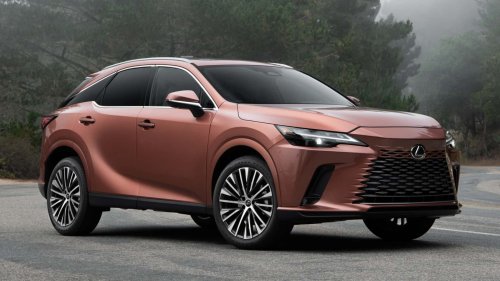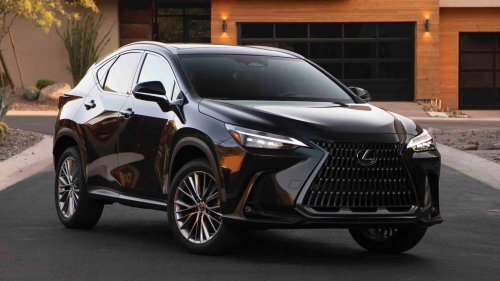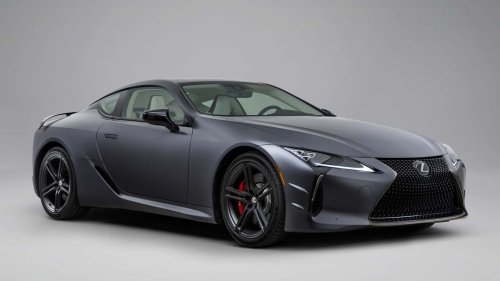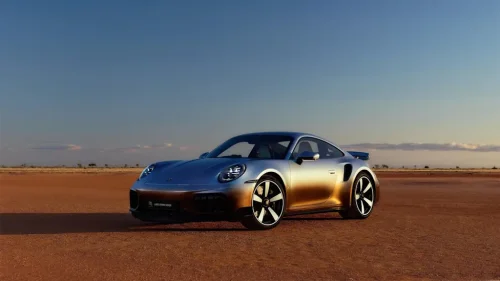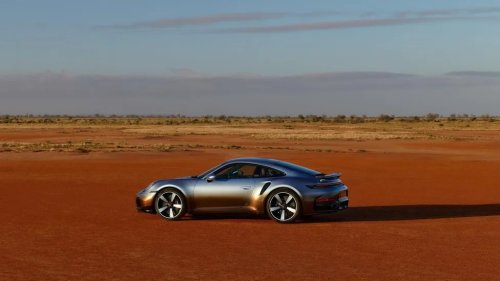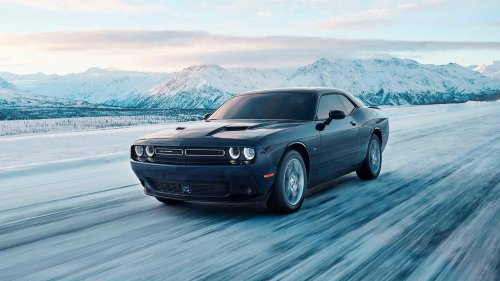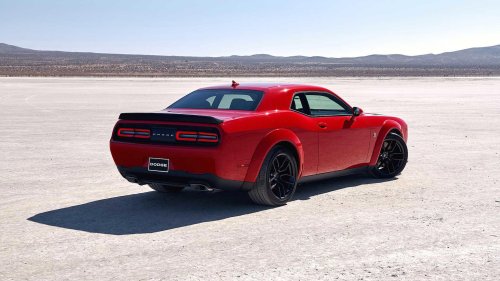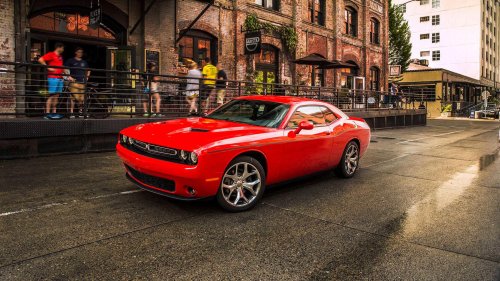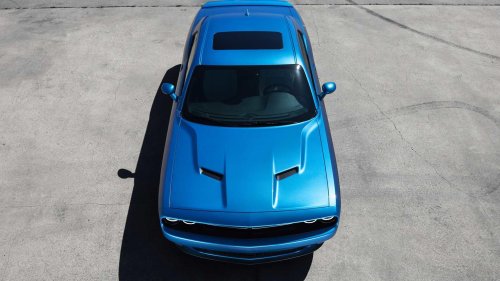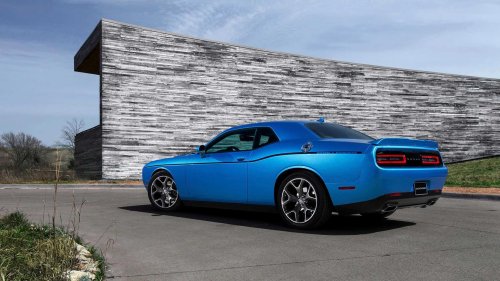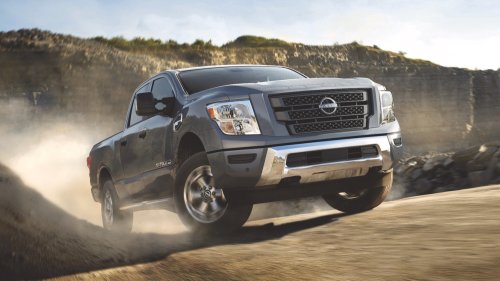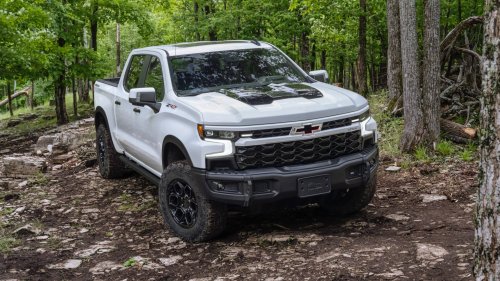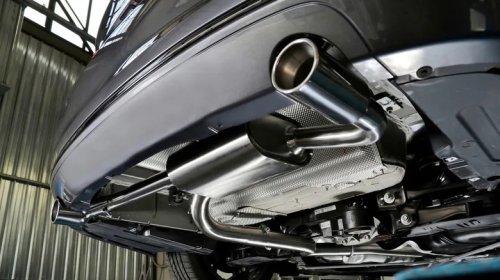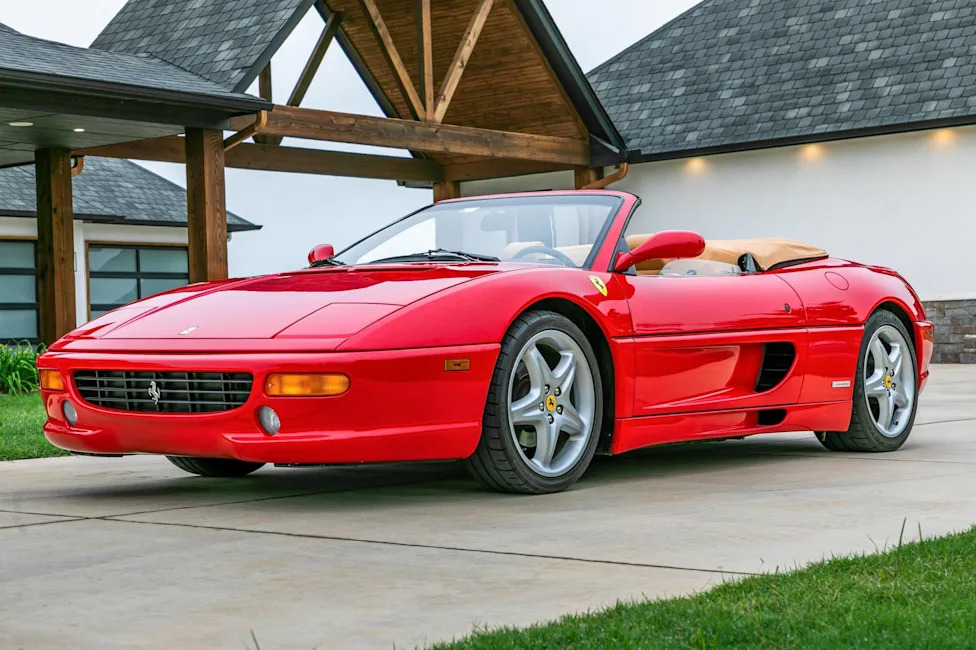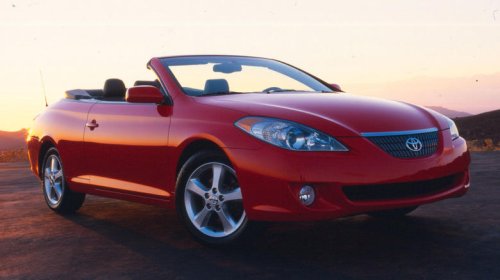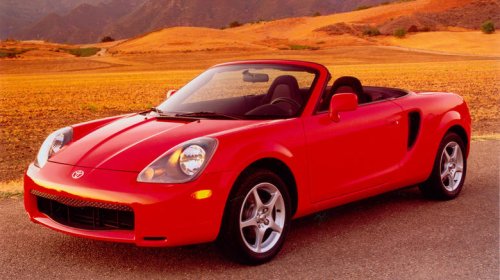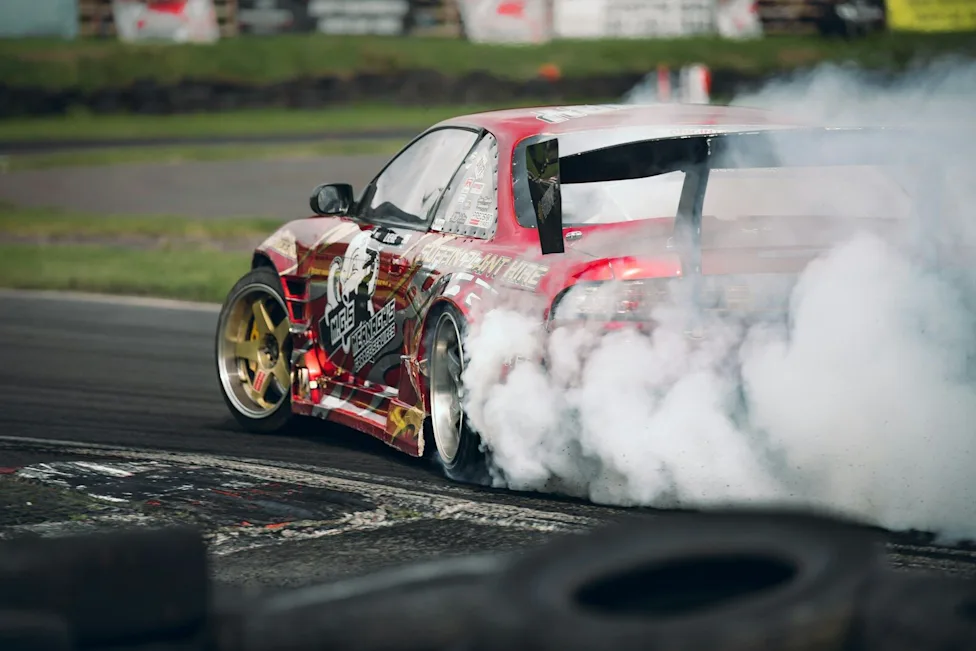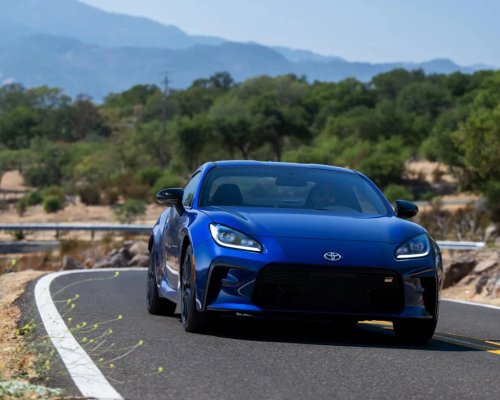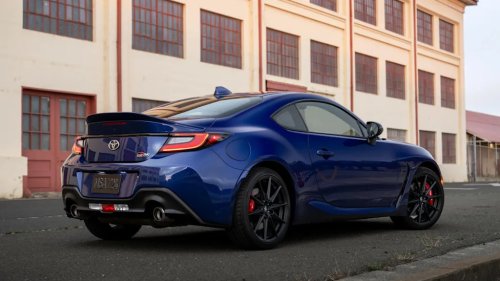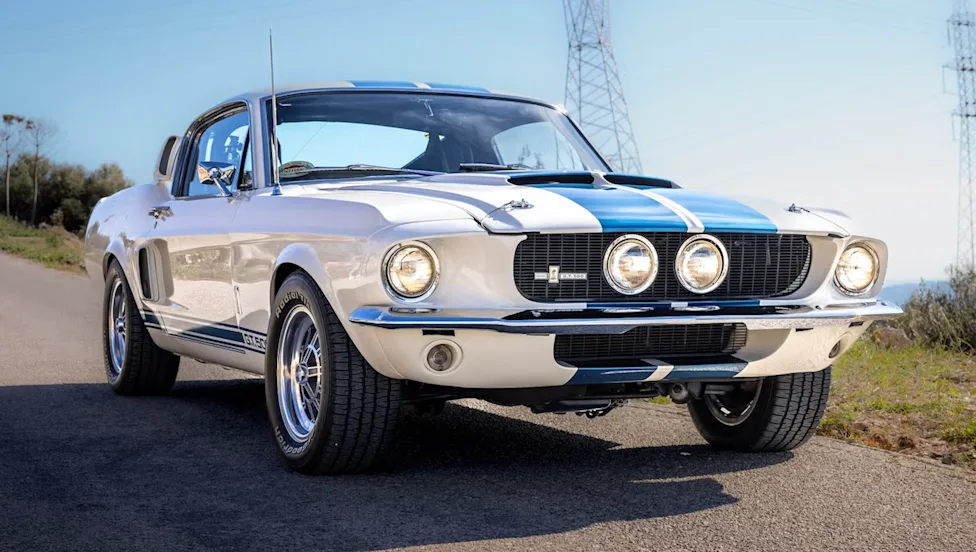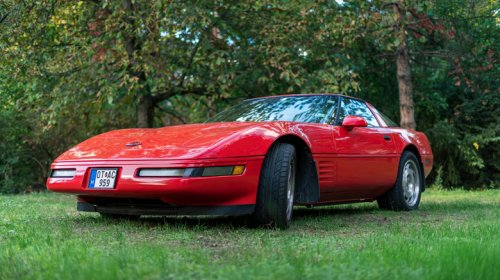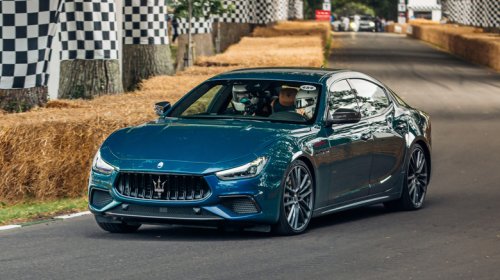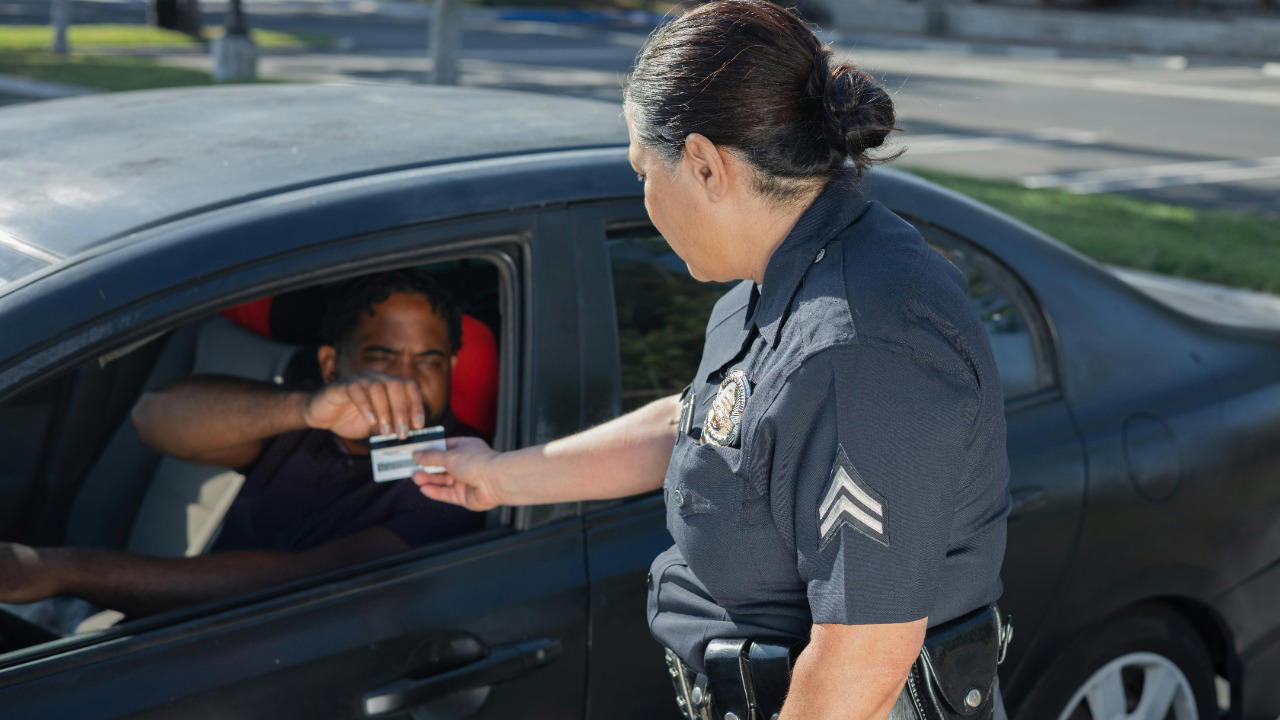

















Why your car draws attention even when you’re obeying the lawYour car can be perfectly legal and still behave like a magnet for police attention. The shape, color and condition of what you drive, plus the way you modify and present it, all feed into split‑second judgments on the road. When you understand those cues, you gain more control over how visible you are, even when you are doing everything right. How your brain, and an officer’s, locks onto certain cars You are not imagining it when one type of vehicle seems to pop up everywhere. Therapists sometimes describe this as the red car theory, where once you focus on a detail you suddenly see it constantly. In one explanation of that idea, Kelly, a CBT therapist and forensic psychologist, uses the simple example of noticing red cars after you buy one yourself. Your attention system is primed, so your brain keeps flagging the same pattern. Police officers work with the same human hardware, but they train it on risk. Research on visual attention has linked the ability to scan a wide area and pick out relevant details to driving performance, especially for drivers over 65. When an officer spends years sweeping traffic for certain silhouettes, colors or behaviors, your car can trip that filter long before your speedometer does. Why some cars “look fast” even parked Design plays a huge role in how visible you are. Some manufacturers lean into what one analysis of Psychology of Car calls the effect where cars appear to be in motion even while parked. Certain models use sharp, rising character lines and aggressive front grilles so that their lines suggest speed and power. Their stance looks ready to pounce, not commute. Color layers on top of that. The same source notes that the color of anything can change how fast it seems, and that bright, saturated hues are often linked in people’s minds with “spirited” driving behavior. You feel that when you compare a red coupe to a beige sedan. Some drivers love that energy. You might, too. Just remember that what excites you can also make your car stand out in an officer’s peripheral vision. How officers describe the cars that catch their eye Ask officers directly and they often talk less about speed and more about salience. In one discussion with law enforcement on Jan, an officer explained that they might notice your vehicle because it looks like one connected to a previous case, or because something about it stands out enough to justify a closer look for warrants before hitting the lights. The point is not that your car is guilty, only that it becomes interesting. Another officer, in a video on why they might pull you over even when you are technically legal, walks through what draws them toward a specific vehicle. They talk about how, from the front of the car, damaged parts, odd lighting or unusual accessories can make them think, “I would be looking to stop it,” even if your speed is fine, which mirrors what you hear in Dec. Mods that make your car a rolling spotlight Once you start modifying your car, you are effectively turning up the volume on all those cues. Enthusiast advice videos warn that certain changes instantly attract police attention. In one breakdown of Avoid These 10, Nov explains that some popular add‑ons do not just fail to make you look cool, they make you a target. Think about underglow lighting, extremely dark tint or plates tucked behind smoked covers. Some of those are flatly illegal in many places, others are legal in narrow circumstances yet still scream “pull me over.” Even when a mod is technically allowed, officers may see it as a flag for other issues. A separate guide to vanity car mods points to equipment that resembles police hardware, such as a Ford F 150 Police Inceptor style push bar, or lighting that mimics emergency flash patterns. Those touches can trigger curiosity or confusion, which is rarely what you want during a late‑night drive. Noise, stereos and the “obnoxious” factor Volume is its own kind of visibility. Drivers with performance cars often report that being obnoxiously loud contributes heavily to how often they get stopped. In one thread about performance cars that look the part, a commenter named Thunder_bird wrote that excessive exhaust noise drew far more attention than the car’s badge itself, and that a quieter setup kept a much lower profile, as captured in Jan. The same story plays out with sound systems. A guide to ways your car warns that extremely loud stereo systems, the kind that rattle panels and carry for blocks, can draw officers in even when your speed and lane position are perfect. Like loud exhaust, that kind of noise is both a potential violation and a rolling billboard that says, “Look over here.” Color, safety and the visibility paradox Color choices can cut both ways. One video on color and enforcement notes that a study found yellow cars are actually the safest on the road because they are the brightest color and stand out in traffic. That same clip, from Apr, points out the paradox: the same visibility that helps other drivers see you also makes you more noticeable to police. Drivers sometimes worry that red, blue or other bold colors automatically guarantee more tickets. Some officers push back on that, arguing in Quora discussions that what matters more is how a car is driven and whether it fits a profile they are actively watching. In one answer to Sep, a prior officer said there are things that make a vehicle stand out, like a flashy sports car weaving through traffic, but that color alone is rarely the whole story. Vehicle profile, stereotypes and traffic stop risk Shape and segment also feed into how often you get noticed. A traffic safety course on How Your Choice explains that the profile of your vehicle can significantly influence whether officers give you a second look. Driven by design, it notes that large SUVs or lifted trucks can be harder to see around, which makes officers watch them more closely to ensure the driver is adhering to traffic laws. The same source, in a related section on Profile and Perception, points out that high performance cars and heavily customized vehicles can be associated with aggressive driving, leading to more frequent stops even when you are behaving. You might feel that when you drive a Subaru WRX with a big wing compared with a Toyota Camry of the same year and mileage. How your own attention shapes what you think is happening There is another twist. Your brain edits your memories of traffic stops just as much as it edits your memories of red cars. The red car theory that Nov and Kelly use to explain selective attention applies to police encounters too. If you believe your black coupe is a magnet for tickets, you will remember every time an officer followed you and forget the dozens of uneventful drives. Psychologists who study advertising have shown that emotional triggers in car ads shape how you feel and think about a car long after the commercial ends. One analysis of how car ads notes that, beyond sleek visuals and catchy jingles, there is a science of persuasion that changes how you feel and think about a car. Once you buy that car, those same feelings color how you interpret every interaction around it, including the sight of a cruiser in your mirror. Practical ways to keep a cool profile on the road You cannot change how every officer thinks, but you can manage how loudly your car speaks. Start with the obvious: keep your vehicle in good repair and free of broken lights or missing plates. One Quora answer on Aug points out that cars in poor repair attract attention because they suggest other violations might be lurking. That is a simple fix. More from Fast Lane Only Unboxing the WWII Jeep in a Crate 15 rare Chevys collectors are quietly buying 10 underrated V8s still worth hunting down Police notice this before you even roll window down