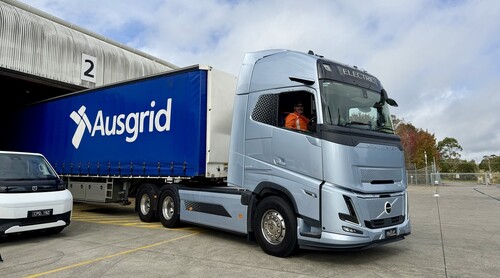
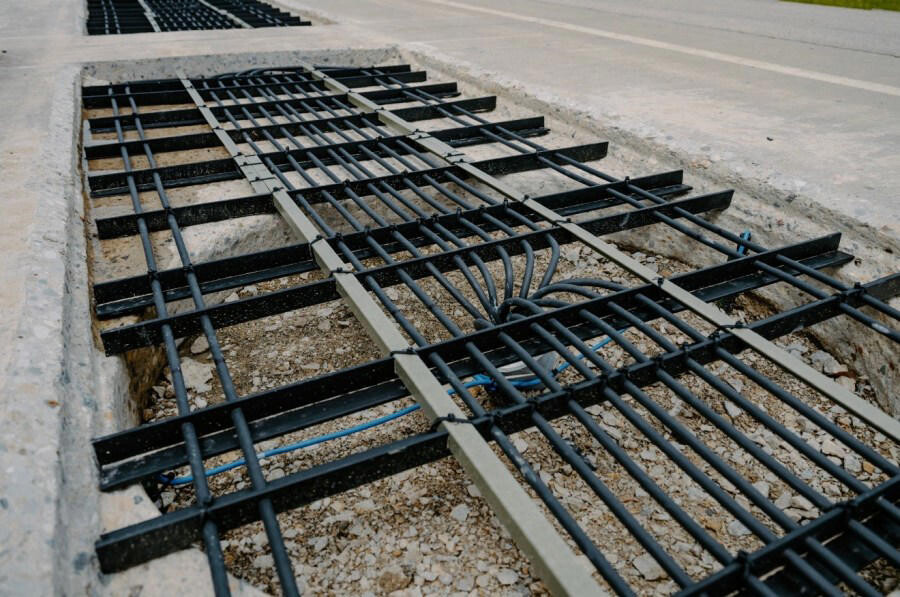
Ryan Mitchell · 9 months ago@ryanmitchell81Researchers with Purdue successfully charge electric heavy duty truck on US-52 Liked by+65 othersBusinessMoneyPost commentRelated PostsHow Cummins Helped Save Dodge & Gave Us The Ram Trucks We Know Today 16 · Kayla Scott · 2 months agoVolkswagen’s US Comeback Plan Involves a Pickup Truck: TDS 91 · Amelia Hall · 2 months agoThis 1.5 MW electric truck charger just cleared a key US hurdle 42 · Lauren Harris · 2 months agoBattery swapping is finally coming to US trucking, without forcing fleets to buy new EV semis 41 · Alexander Mitchell · 2 months agoFord Wants To Build The US Army A Super Truck That Charges Drones 63 · Benjamin Turner · 2 months agoFord Will Battle GM for US Army Truck Contract: TDS 62 · Connor Poirier · 3 months agoHow The First Small Pickup Truck Ever Sold In The US Paved The Way For A Beloved Car Brand 85 · Kaitlyn Nelson · 3 months agoA Forgotten US Auto Brand Is Back To Try And Undercut Slate's $25K Pickup Truck 45 · Ava Rogers · 3 months agoUS drivers wanted a $25,000 EV truck they could fix themselves, and Slate built one 31 · Victoria Clark · 3 months agoIs The Mazda BT-50 Truck Coming To The US? Here's What You Need To Know 62 · Parker Hill · 4 months agoAn electric truck for under $25,000? Deliveries begin this year in US 77 · Camille Anderson · 4 months ago8 Killed In B-52 Bomber Crash At Edwards Air Force Base 79 · Benjamin Girard · 4 months agoSuccessful Market Launch of the Electric Urban Car Family: CUPRA Raval, Volkswagen ID. Polo, Škoda Epiq, and Volkswagen ID. Cross Together for the First Time at the Paris Motor ShowChloé Martin · 14 days agoOnline Car Salesman Shares Secrets Of Successfully Selling A Car OnlineKaitlyn Martin · 17 days agoIt’s hard to see how the Jaguar Type 01 will be a huge successKayla Wright · 21 days ago7 Tips For Successful Camping With An SUV 44 · Grace White · 28 days agoThis Cooking Oil Powered Engine May Have Been Brilliant, But It Never Found Success 80 · Adam Gagnon · 1 months agoInside Shangjie | Smart Driving Chassis · Shared Ecosystem, Smart Chassis Prospective Technology Exhibition Successfully Concludes 30 · Parker Fortin · 1 months agoHyundai Motor Continues Award Streak With IONIQ 6 N’s German Car of the Year Success 44 · Liam Anderson · 1 months ago'Success is not guaranteed, but excitement is' — Tesla wants your money for the Roadster it hasn’t unveiled yet 91 · Liam Green · 1 months ago



 +65 others