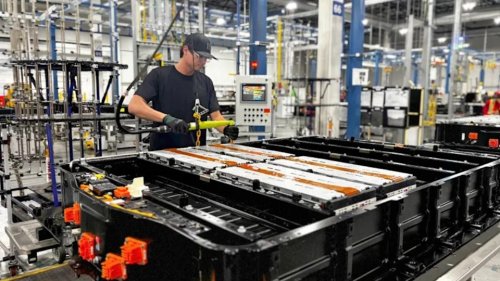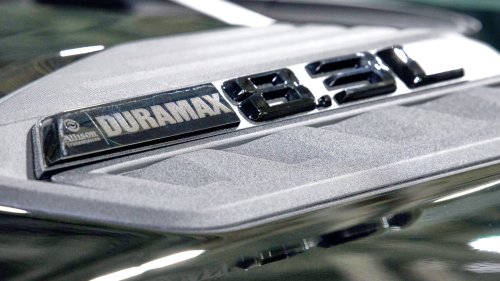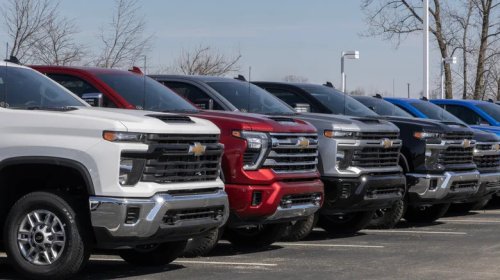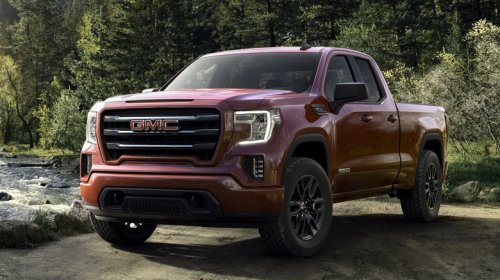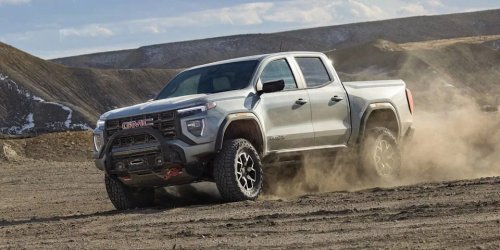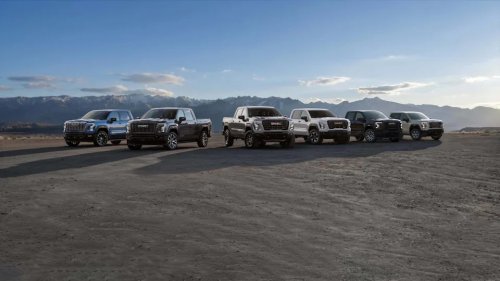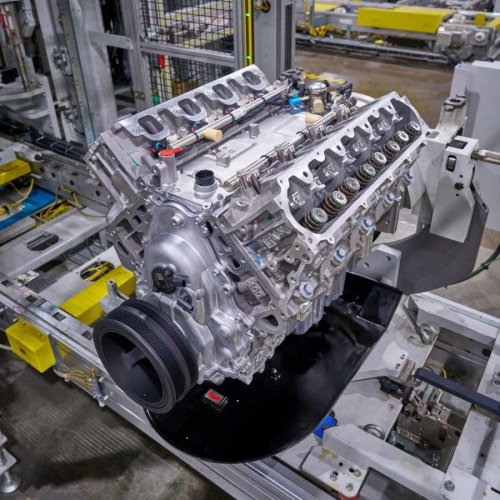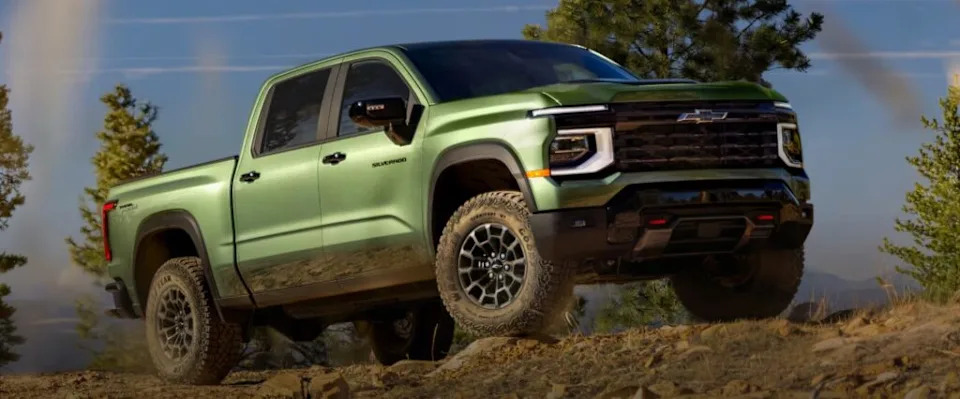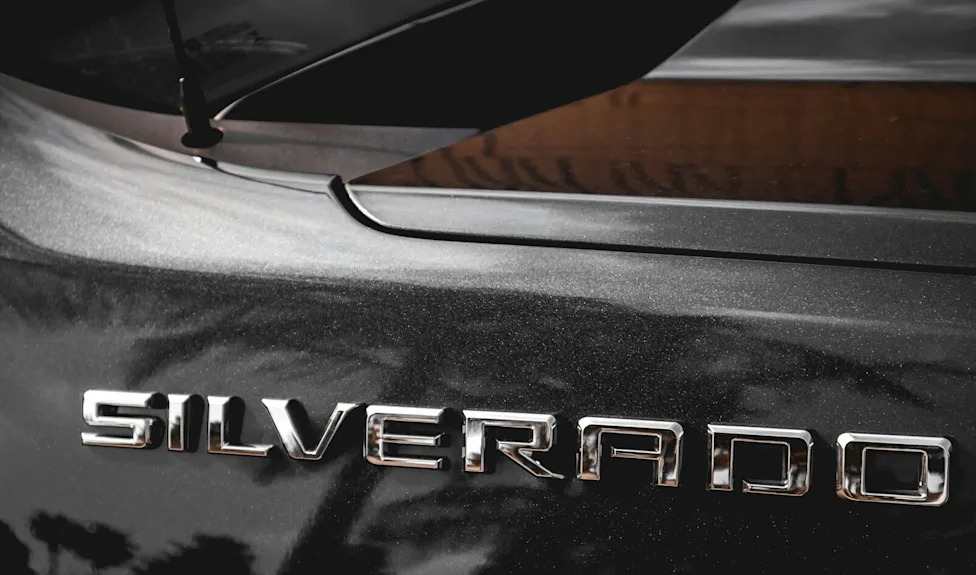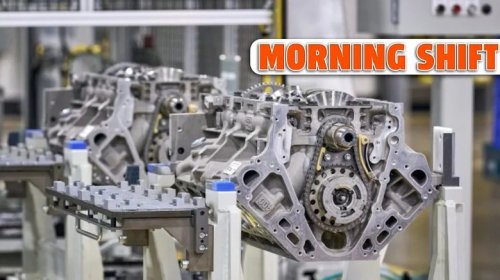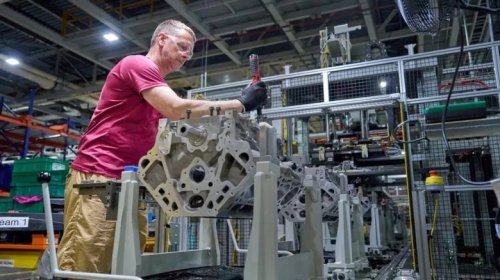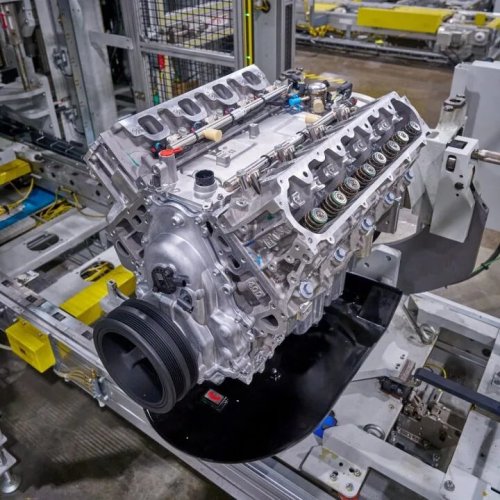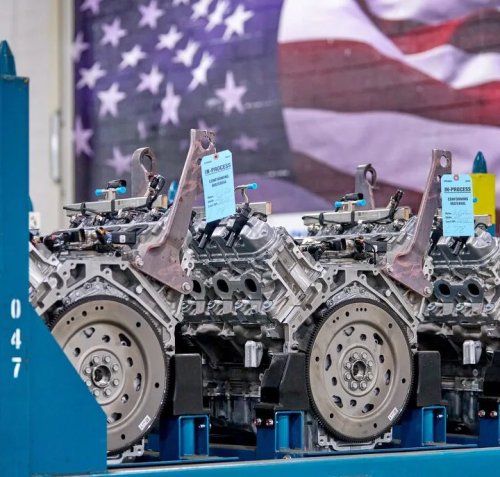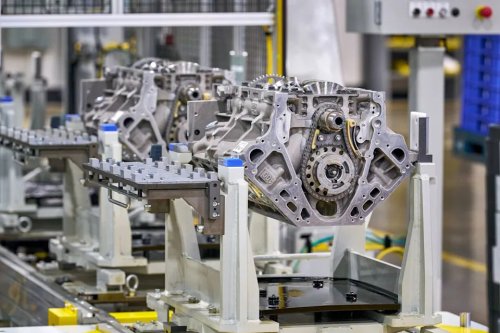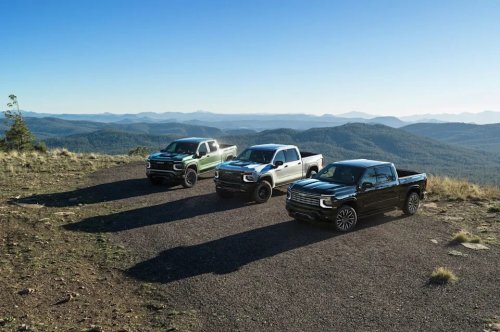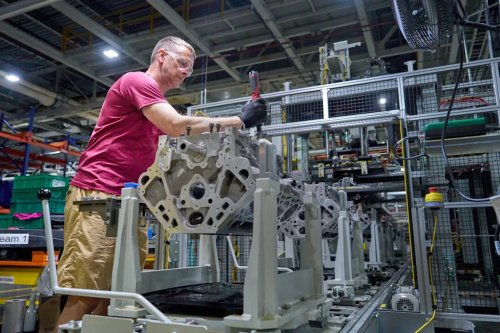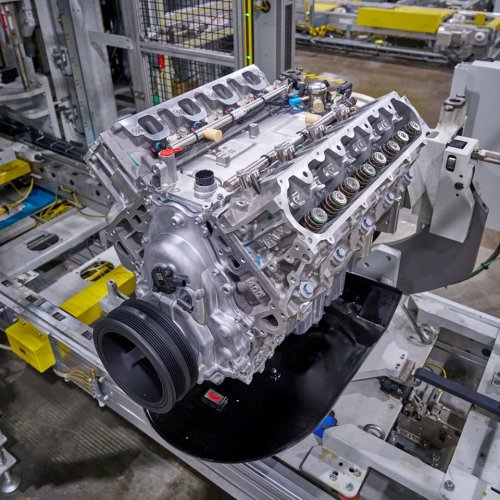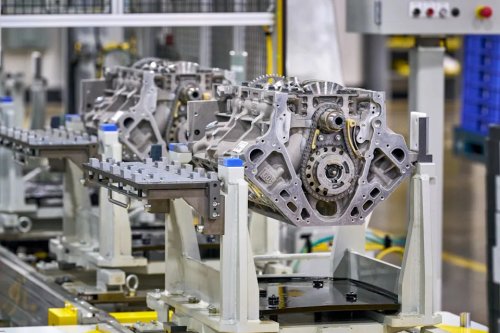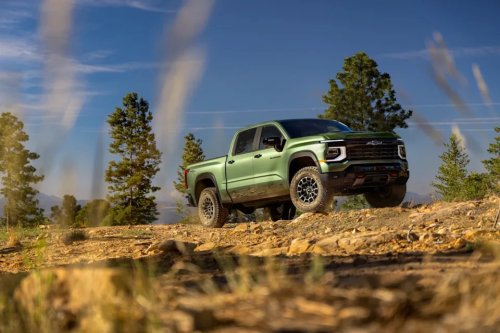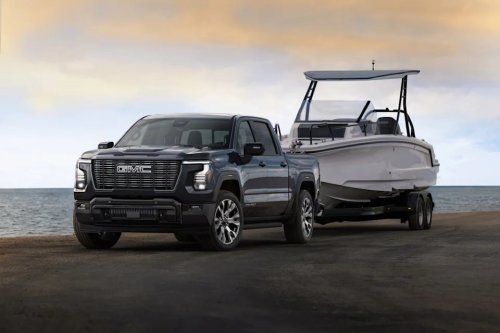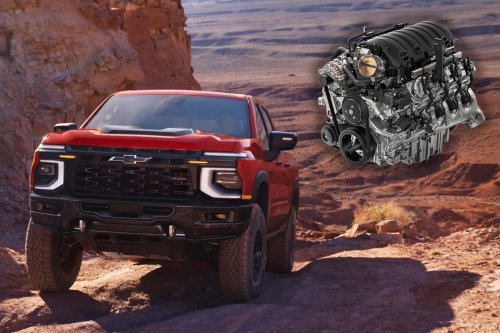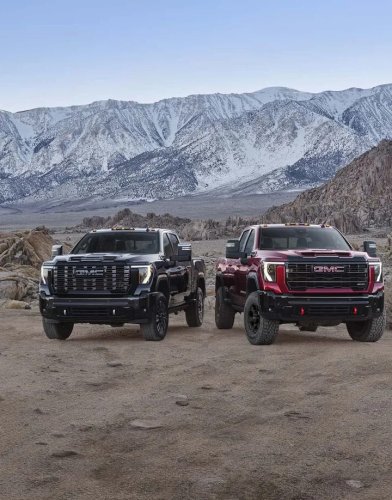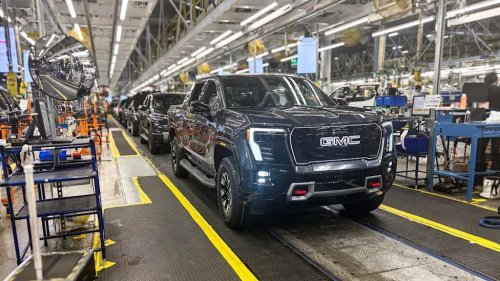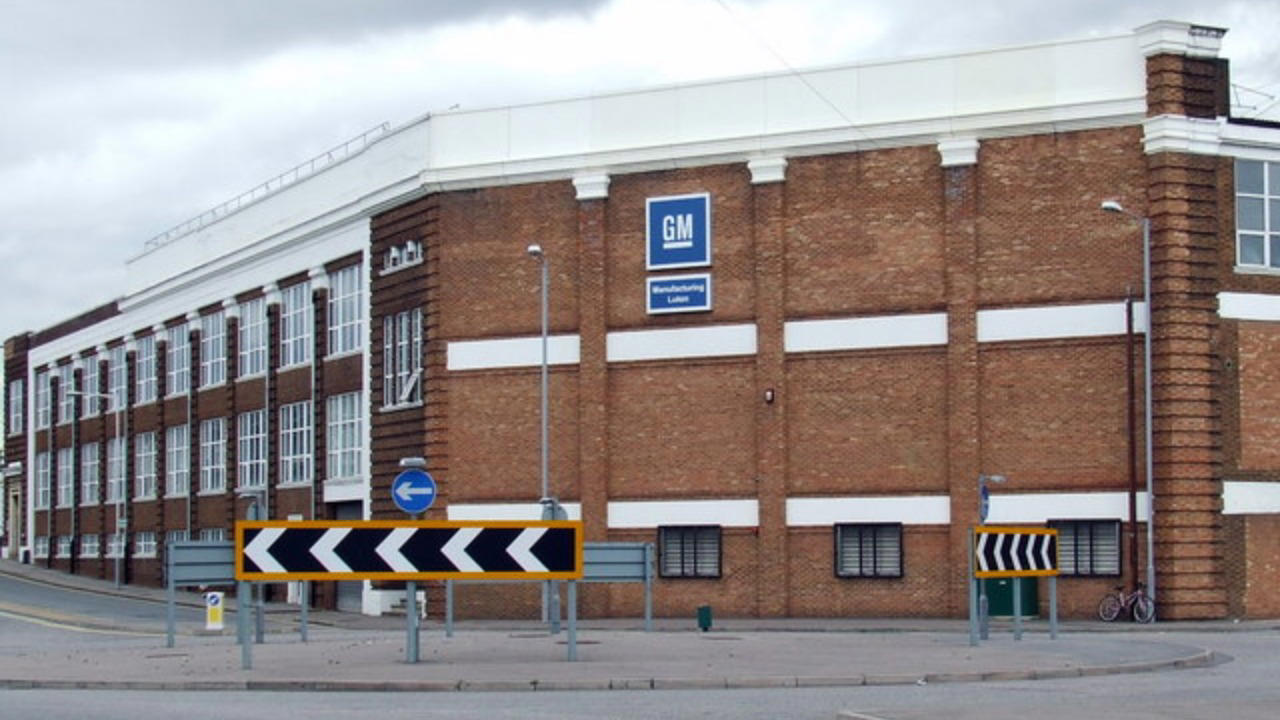



















GM boosts heavy-duty truck output even as gas prices riseGeneral Motors is preparing to build more of its biggest pickups just as fuel costs climb again, betting that demand for heavy-duty work trucks will outweigh concerns at the pump. The move underscores how central large pickups remain to U.S. profits and to buyers whose livelihoods depend on hauling, towing and commercial fleets, even when gasoline prices rise. At the heart of the strategy is a push to expand output of the Chevy Silverado HD and GMC Sierra HD in Michigan, backed by overtime, a longer production week and a focus on high-margin trims. The decision highlights a split in the auto market: consumers may be shifting toward efficiency in compact segments, yet the appetite for powerful, capable trucks is proving far more resilient. Sixth day at Flint Assembly General Motors is adding a sixth day of production at its Flint Assembly plant in Michigan to increase heavy-duty pickup output. The company plans to run the factory six days a week starting in June, a shift it says reflects strong demand for large pickups built there. Reports on the plan describe Flint Assembly as the main hub for heavy-duty models, with the plant expected to carry more of the load as output ramps up. The production change centers on the Chevy Silverado HD and GMC Sierra HD lines, which are built at Flint Assembly for customers who need serious towing and payload capability. By stretching the workweek, GM can push more units of those trucks into dealer pipelines without committing to a new plant or major expansion. The adjustment also gives the company flexibility to dial output up or down later if demand changes. According to detailed coverage of the plan, the Flint factory will be the focal point for this surge in heavy-duty truck supply, with Michigan once again playing a central role in GM’s truck strategy. Concentrating the extra build volume at Flint Assembly reflects the plant’s specialization in body-on-frame pickups and its existing workforce, which can absorb overtime more quickly than a greenfield site. Silverado HD and Sierra HD in the spotlight The production push is squarely aimed at the Chevy Silverado HD and GMC Sierra HD, the heavy-duty siblings to GM’s light-duty pickups. These trucks serve commercial operators, construction crews and towing customers who prioritize torque, frame strength and durability over fuel economy. GM is increasing output of both nameplates at Flint, positioning them as the core of the new build schedule. Reporting on the plan notes that GM is specifically raising production of the Silverado HD and Sierra HD at Flint Assembly, with the goal of cutting wait times and replenishing inventories for dealers that have struggled to keep certain configurations in stock. The company is leaning on U.S.-based manufacturing for this expansion, reinforcing the role of domestic plants in its truck lineup. Within the heavy-duty range, GM has been emphasizing higher-content trims and popular configurations, such as crew cab models with four-wheel drive and diesel powertrains. Those versions tend to command higher transaction prices, which helps justify overtime and a six-day schedule. While the exact mix of trims has not been detailed in the available reporting, the focus on heavy-duty pickups at Flint signals that GM is prioritizing its most profitable truck lines. Running harder to meet demand GM’s decision is rooted in a straightforward reality: buyers keep ordering big pickups. Coverage of the move describes strong demand for heavy-duty trucks, with dealers and fleet customers pushing for more allocation of Silverado HD and Sierra HD models. To keep up, GM is turning to overtime and extended shifts at Flint Assembly rather than adding a new facility. One report highlights how GM is adding overtime at the plant to boost heavy-duty pickup production, a sign that the company sees enough sustained demand to justify higher labor costs. Another analysis frames the expansion as a response to market conditions, with GM raising output to capture sales while competitors also chase truck buyers. Financial-focused coverage of the move notes that General Motors is boosting production of heavy-duty trucks to meet demand and that the strategy is aligned with investor expectations for strong pickup margins. The truck segment is a pillar of GM’s earnings, and heavy-duty models often carry richer profits than smaller vehicles. By leaning into that strength, the company is signaling confidence that the truck cycle still has room to run. Trucks thrive even as gas prices climb The timing of GM’s push is striking because it coincides with a new upswing in fuel prices. Analysts have linked higher gasoline costs to geopolitical tensions, including an Iran conflict that has contributed to volatility in energy markets. A research note from Zacks Equity Research points out that GM is raising heavy-duty pickup production even as fuel prices rise after the Iran conflict, a juxtaposition that would have seemed risky in earlier cycles. The same analysis cites a figure of 49, highlighting that GM’s shares had gained 49 in a given context while the company pursued its truck strategy. That performance reflects investor belief that the automaker can navigate higher fuel costs without sacrificing its core truck business. Rather than retreat from large pickups, GM is doubling down on them, betting that the customer base for heavy-duty trucks is relatively insensitive to fuel price swings. The resilience of truck demand in the face of higher pump prices has been a recurring theme in recent years. Consumers who buy heavy-duty pickups often do so for work or towing needs that are not easily met by smaller vehicles. For those customers, fuel is a cost of doing business rather than a discretionary expense, and many are willing to absorb higher operating costs if the truck delivers the capability they require. Americans keep buying big pickups That dynamic is reinforced by coverage that describes how Americans have continued buying pickups despite production hiccups and rising fuel costs. One analysis notes that Americans kept snapping up large trucks and that higher gasoline prices have not lessened the appetite for big pickups. Instead, buyers have remained focused on capability, comfort and image, especially in regions where trucks are part of daily life and work. Reports describe GM’s decision to boost heavy-duty truck production as something pickup lovers will enjoy, since it promises better availability of popular models and trims. Even as fuel prices climb, the emotional and practical pull of a large truck remains powerful for a significant slice of the market. That loyalty gives GM confidence to extend production at Flint Assembly rather than pivot sharply toward smaller vehicles. The persistence of truck demand also reflects broader economic conditions. A solid construction sector, infrastructure projects and a healthy small-business environment all support sales of heavy-duty pickups. When contractors and fleet operators are busy, they buy trucks, even if fuel costs more. GM’s move in Michigan suggests that management sees enough strength in those underlying sectors to justify extra shifts and a longer production week. Profit engine and investor lens From an investor perspective, GM’s truck expansion is less about volume for its own sake and more about protecting a profit engine. Heavy-duty pickups like the Silverado HD and Sierra HD typically carry high margins, thanks to their size, features and relatively premium pricing. Increasing output of those models can lift earnings even if unit growth in other segments is modest. Coverage aimed at investors frames GM’s decision as a targeted way to meet demand in a lucrative niche. One report describes General Motors boosting production of heavy-duty trucks to meet demand, with an emphasis on how the move fits into broader market expectations. Another piece notes that GM is raising truck production in Michigan at a time when fuel prices are climbing, suggesting that the company is positioning itself to capture as much of the heavy-duty segment as possible while competitors balance electrification and traditional models. The strategy also sends a signal about GM’s view of the transition to electric vehicles. While the company has invested heavily in EVs, its decision to expand gasoline-powered heavy-duty truck production indicates that it expects internal combustion pickups to remain central to its business for years. Investors watching GM’s capital allocation can see the Flint expansion as a sign that the company is not abandoning profitable legacy products even as it develops new technology. Plant-level impact in Michigan On the ground in Michigan, the move to a six-day schedule at Flint Assembly will have direct implications for workers and the local economy. Reports describe GM adding a sixth day at the plant to boost heavy-duty truck output, a change that typically brings more overtime opportunities and potentially more hiring if the schedule persists. The decision reinforces Flint’s status as a key manufacturing center for GM. By concentrating heavy-duty pickup production there, the company is anchoring jobs and investment in the region. The plant’s workforce will be central to executing the new schedule, balancing the demands of longer weeks with the need to maintain quality and safety on the line. Michigan’s role as a truck-building hub also carries political and economic significance. Large pickups are among the most visible products of the U.S. auto industry, and their production supports a network of suppliers, logistics providers and service businesses. GM’s choice to ramp up heavy-duty output at Flint Assembly rather than shift production elsewhere underscores the continued importance of Midwestern manufacturing in its strategy. How GM explains the move GM has framed the production increase as a straightforward response to market demand. Reporting on the company’s statements highlights that General Motors plans to increase production of heavy-duty trucks at its Michigan plant amid strong demand. The language emphasizes that customers are ordering more heavy-duty pickups than the company can currently supply, prompting the need for a longer production week. In addition to pointing to demand, GM has cited the resilience of the truck market and the importance of serving commercial and retail buyers who rely on heavy-duty pickups for work and recreation. The company has also highlighted its use of U.S.-based manufacturing for these models, aligning the production plan with broader themes of domestic industry and job creation. Corporate communications have not focused on fuel prices as a primary driver of the decision. Instead, GM’s message centers on meeting customer needs and capitalizing on a strong segment. The company appears to be signaling that, while fuel costs are a factor for buyers, they are not enough to derail the heavy-duty truck business that underpins much of its profitability. What the move means for buyers For customers, the most immediate impact of GM’s plan should be improved availability of heavy-duty pickups. Dealers that have struggled to secure certain configurations of Silverado HD and Sierra HD trucks may see more inventory as Flint Assembly ramps up. That could reduce waiting times for factory orders and give shoppers more choice on lots. More from Fast Lane Only Unboxing the WWII Jeep in a Crate 15 rare Chevys collectors are quietly buying 10 underrated V8s still worth hunting down Police notice this before you even roll window down