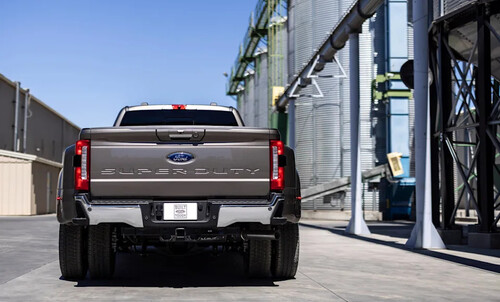
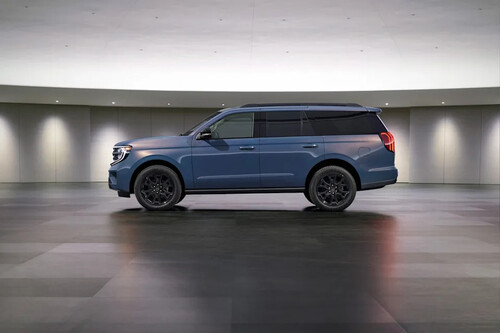
Chloé Wilson · 5 months ago@chloewilson12German Federal Ministry of Transport commits €1 billion to heavy-duty charging infrastructure Liked byPost commentRelated PostsTanagawa High Tech Jiading Project Completed, Annual Output Goal of 1 Billion Yuan 98 · Amélie Pelletier · 28 days agoFord Recalls Expedition and Heavy-Duty Trucks for Faulty Front LightsWilliam White · 13 days agoAmerican Airlines Expecting To Pay Extra $1 Billion For Fuel Thanks To Iran War 28 · Annabelle Bouchard · 29 days agoEuropean Businesses in the Transport Sector Call for EU to Maintain Stability & Ambition on Decarbonising Heavy-Duty Vehicles (HDVs)Ava Anderson · 16 days agoKorean Carmakers Face More Than $1 Billion In Court Claims Over Cars Being Too Easy To Steal 31 · Samuel Wright · 1 months agoShield Your Vehicle From the Elements With Walmart’s Heavy-Duty Carport — Now 42% OffBenjamin Hall · 16 days agoHyundai, Kia Facing Over $1 Billion in Court Claims Over Car Thefts 80 · Lauren Rogers · 1 months agoWalmart Is Selling a Heavy-Duty Canopy Carport for 45% Off 75 · Caleb Brown · 18 days agoFord's $1 Billion Paint Shop Isn't the China Comeback Story Everyone Wants It to Be 91 · Victoria Clark · 1 months agoProtect Your Vehicles Year-Round With Walmart’s Heavy-Duty Metal Carport, Now 56% Off 93 · Logan Scott · 18 days agoFord Touts $1 Billion In Kentucky Truck Plant Investments After Sean Duffy Publicly Whined About Its Ties To Chinese Automakers 89 · Benjamin Turner · 1 months agoHow GM Is Bringing Heavy-Duty Pickup Steering Into the 21st Century 63 · William Pelletier · 20 days agoSeeds | Backed by ByteDance and Inovance, Futuring Robot Raises Over 1 Billion Yuan in Six Months 15 · Liam Clark · 1 months agoHeavy-Duty Diesel Pickups Are Getting Up to $10,000 Off 42 · Liam Leblanc · 20 days agoRobotEra Reportedly Plans Hong Kong IPO, Aiming to Raise Up to $1 Billion 45 · Audrey Young · 1 months agoThere's A Reason Why Heavy-Duty Trucks Come With A Power Divider Switch 40 · Annabelle Hall · 21 days agoLi Auto L6 Cumulative Deliveries Surpass 400,000 Units; Changan, Honor Establish Joint Innovation Laboratory; INFIFORCE Closes Nearly 1 Billion Yuan Series A/A+ Round 65 · Oliver Walker · 2 months agoTATRA's FORCE e-DRIVE Zero-Emission Heavy-Duty Truck Built for Any Terrain 39 · Liam Clark · 24 days agoAnother Embodied Intelligence Company Secures Funding! INFIFORCE Closes Nearly RMB 1 Billion Series A/A+ Round 78 · Olivia Hill · 2 months agoChevy and GMC’s New Heavy-Duty Trucks Get a Huge 8.3-Liter Diesel V-8 71 · Leo Bouchard · 24 days ago