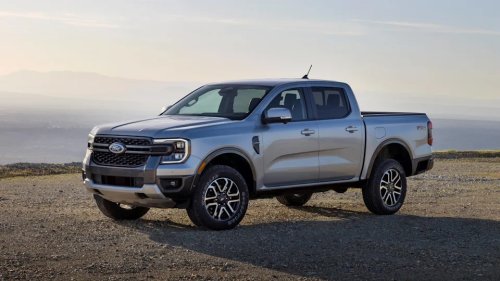
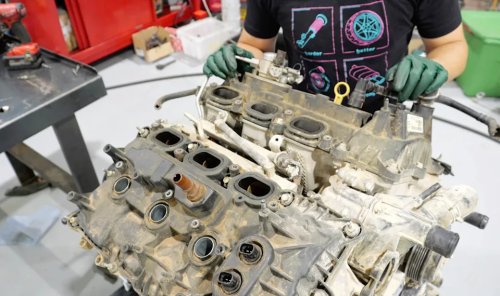
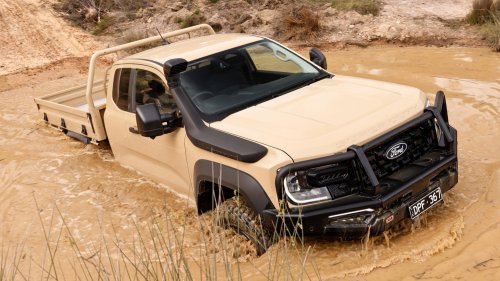
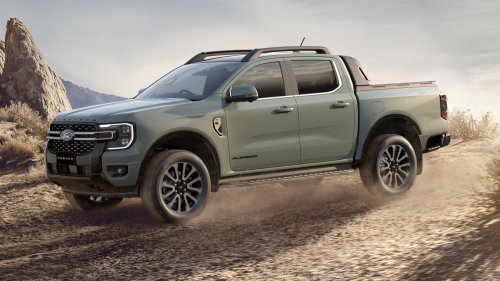
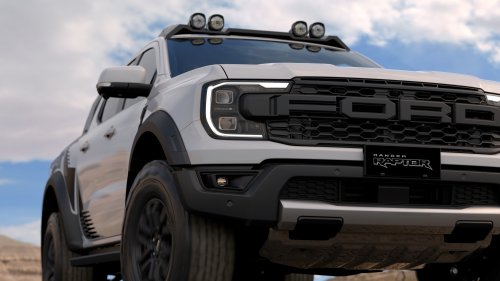
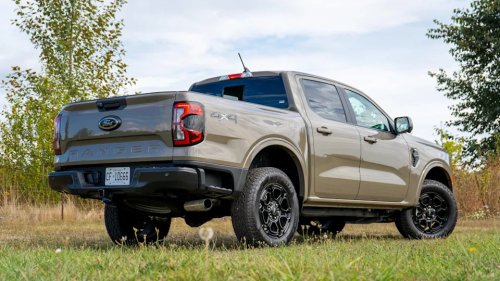
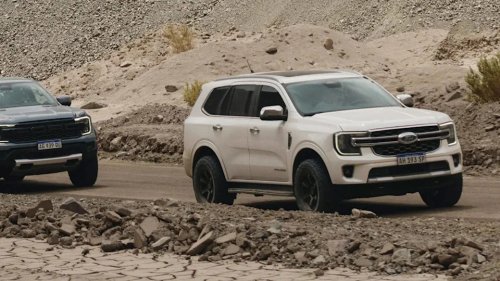
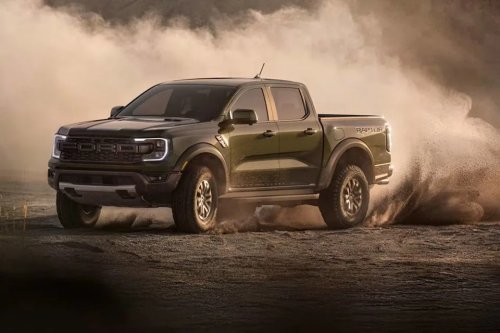
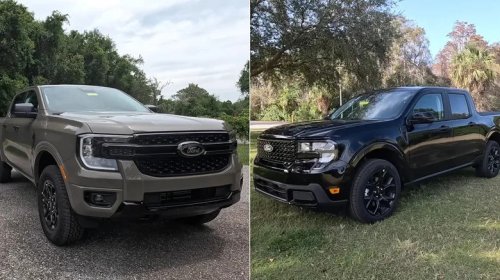
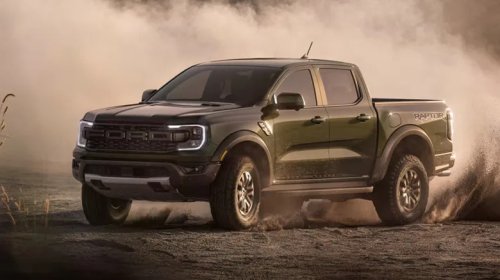
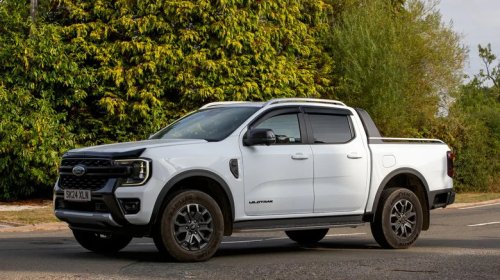
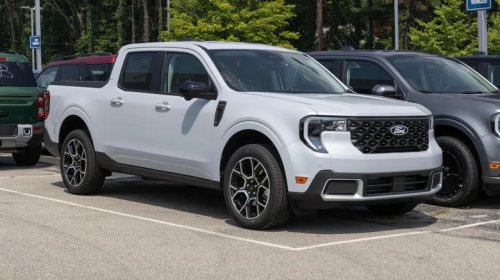
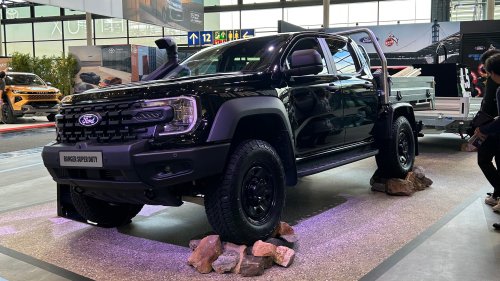
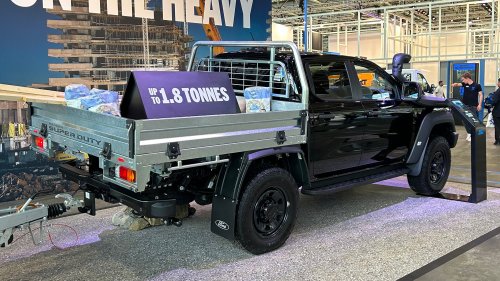
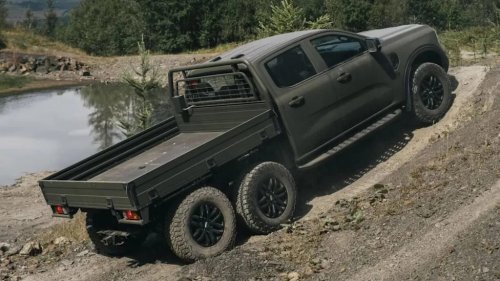
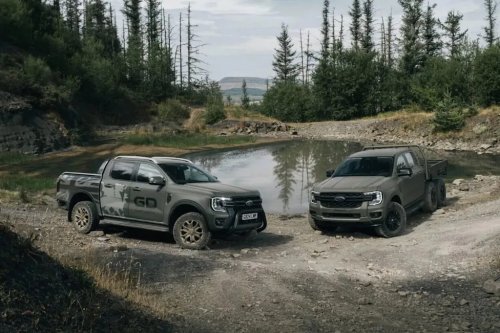
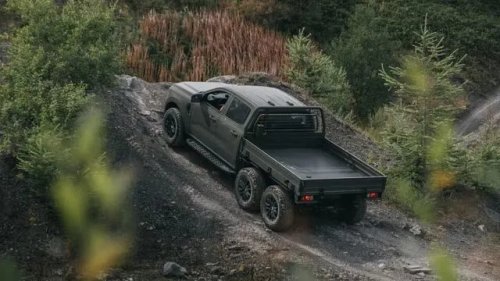
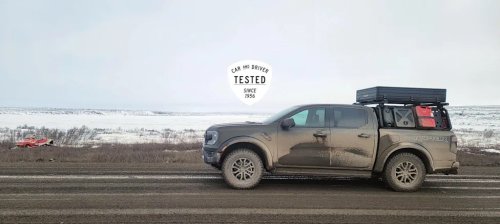
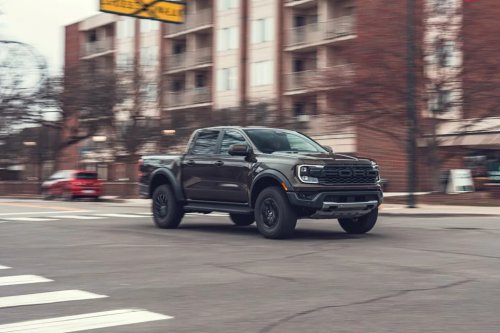
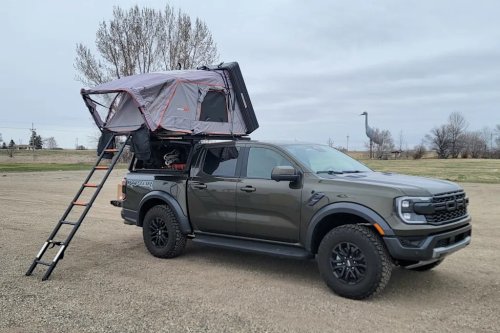
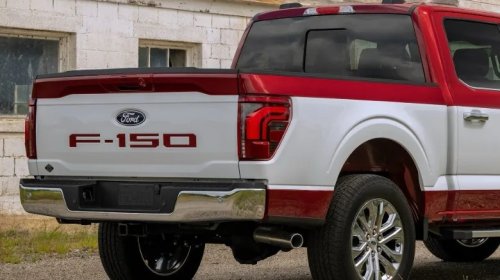
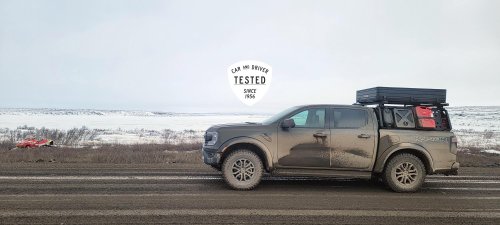
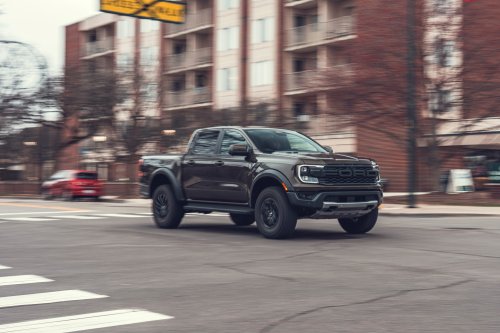
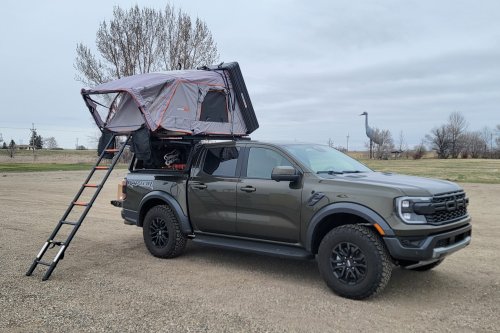
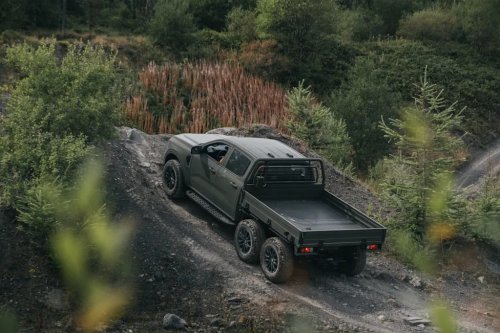
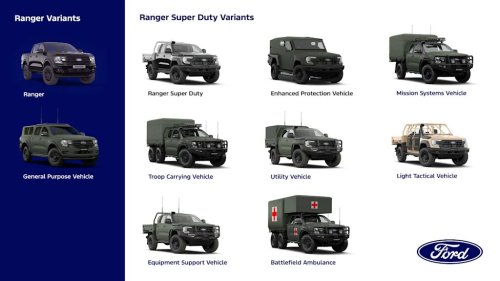
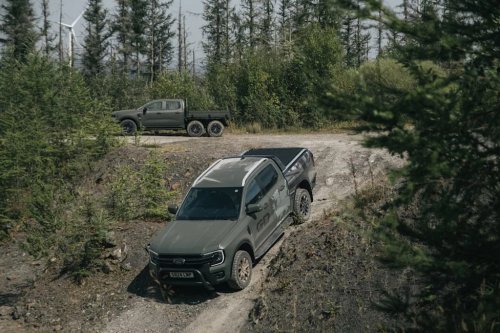
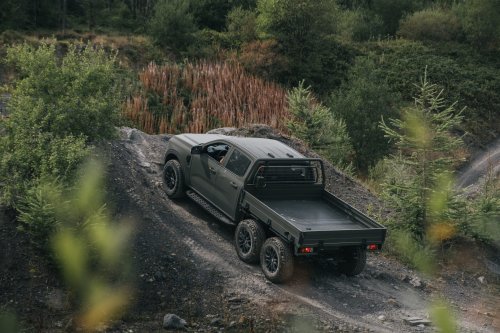
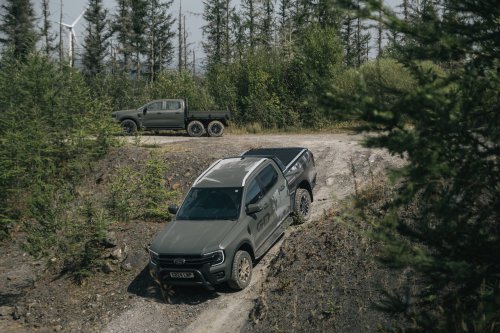
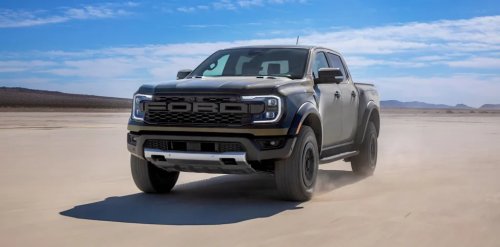
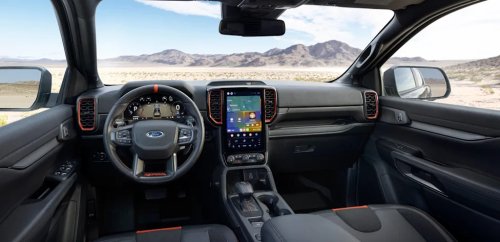
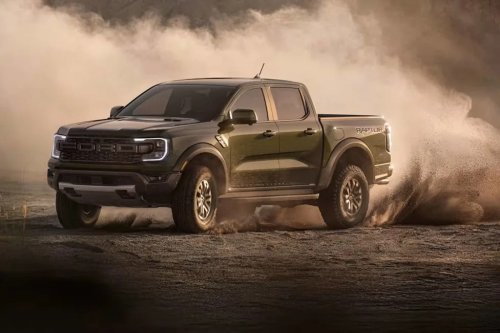
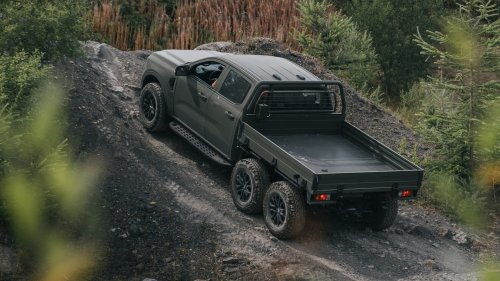
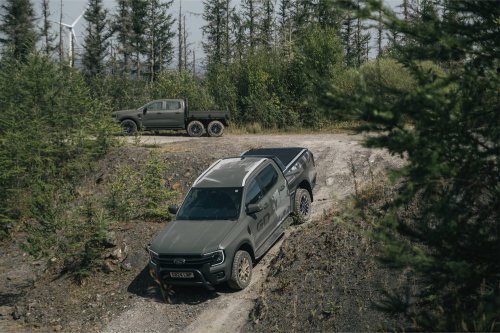
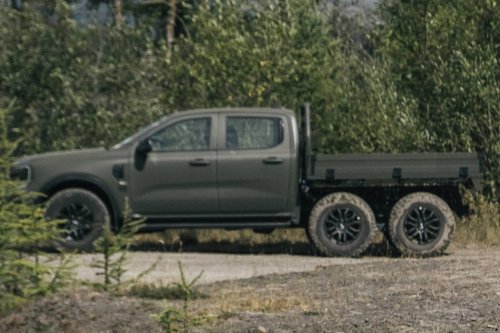
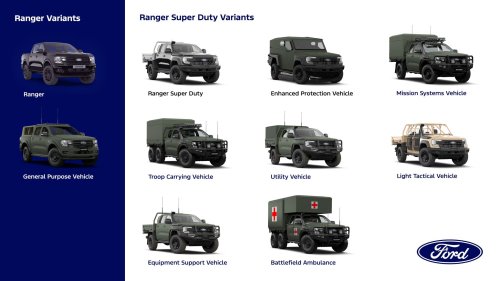
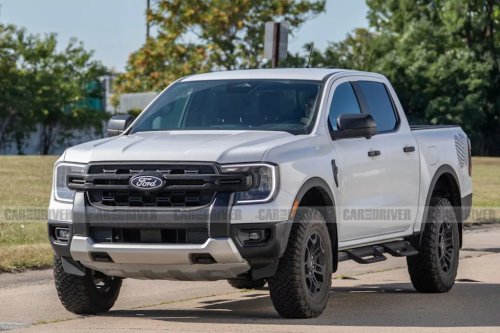
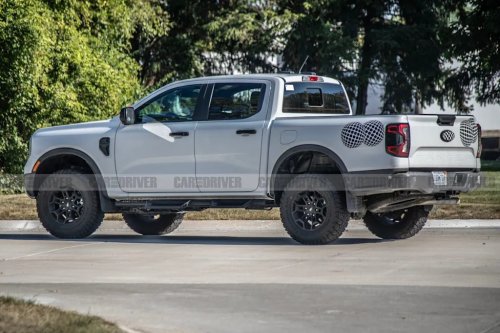
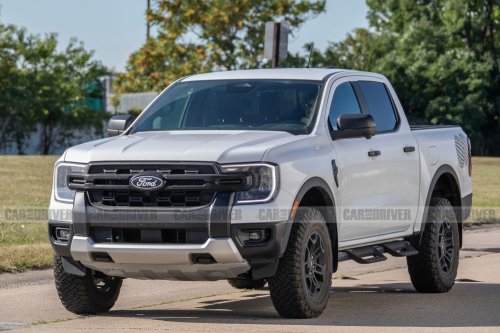
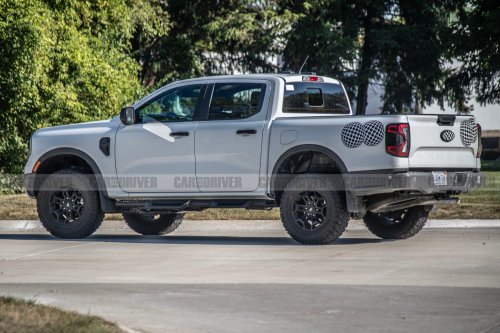
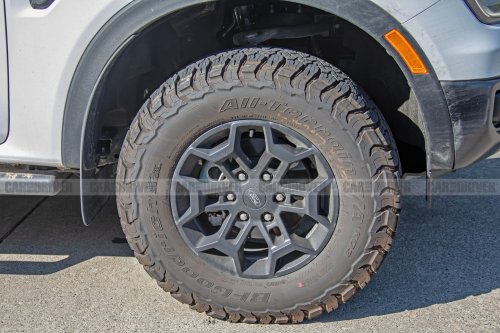
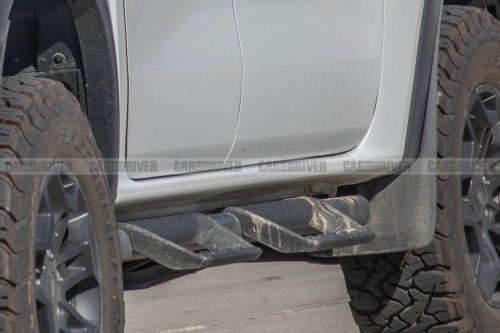
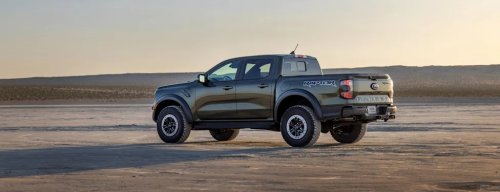
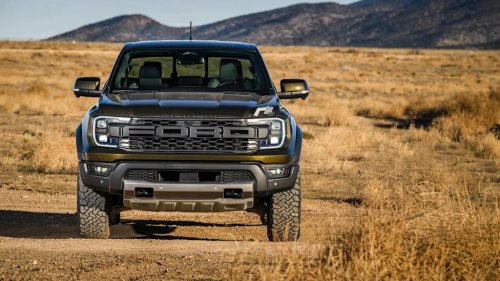
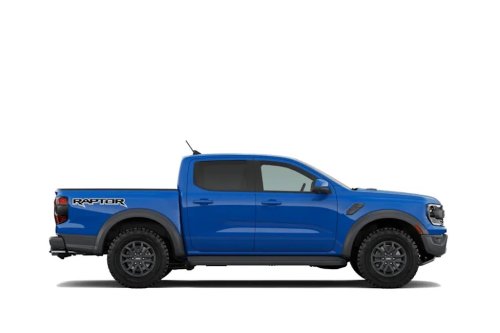
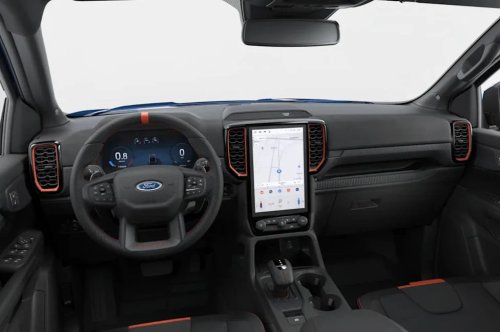
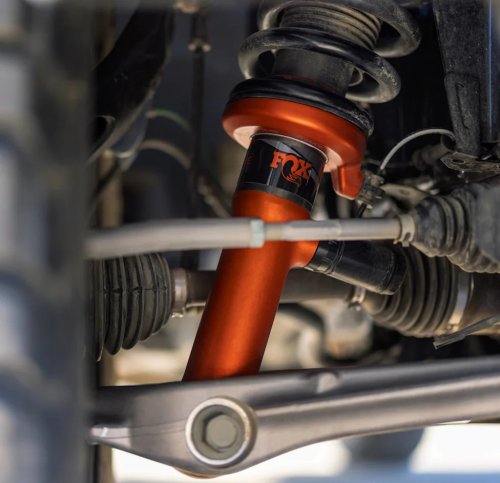
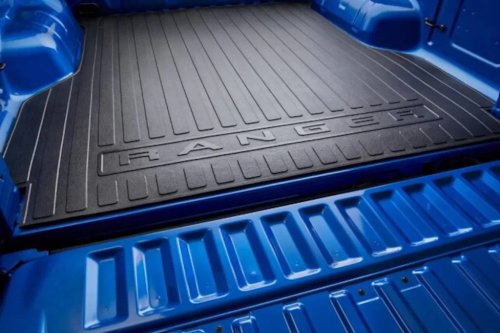
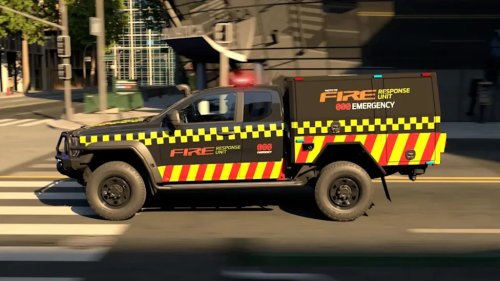
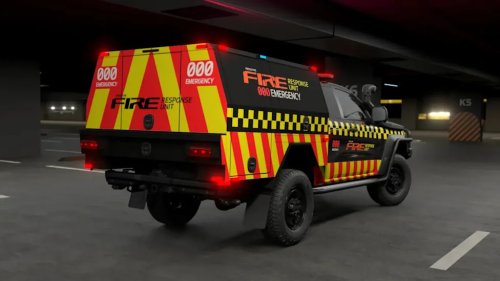
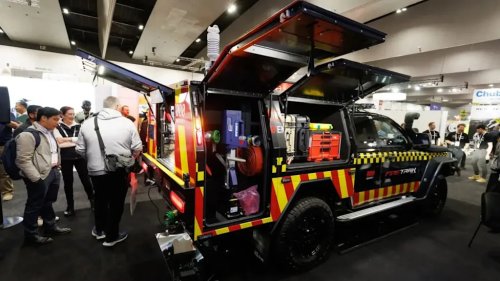
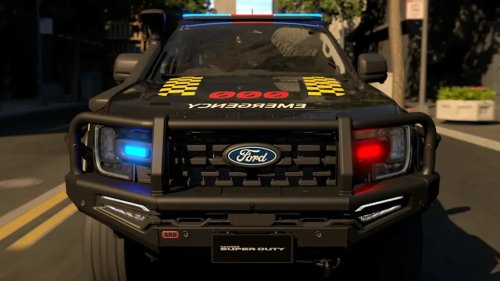
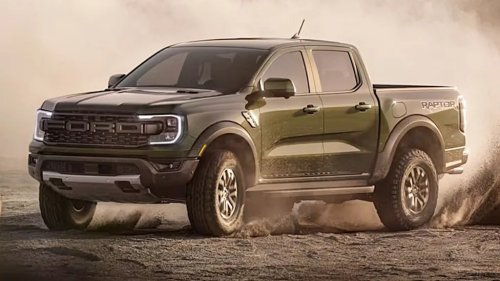
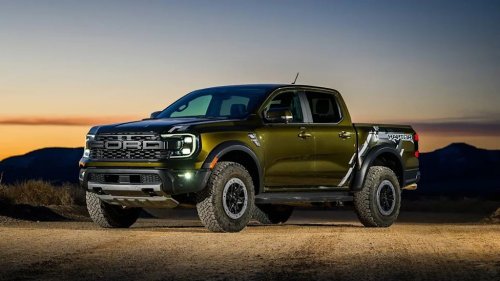
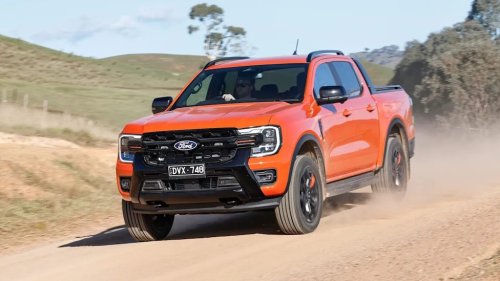
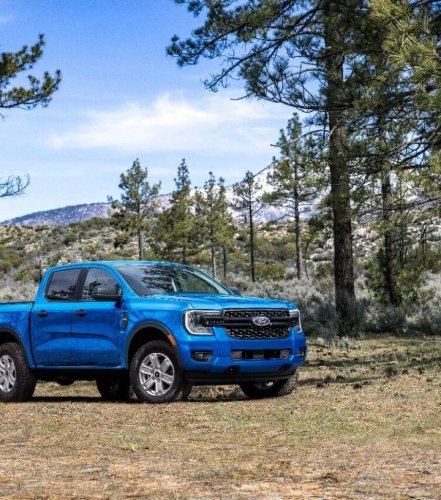
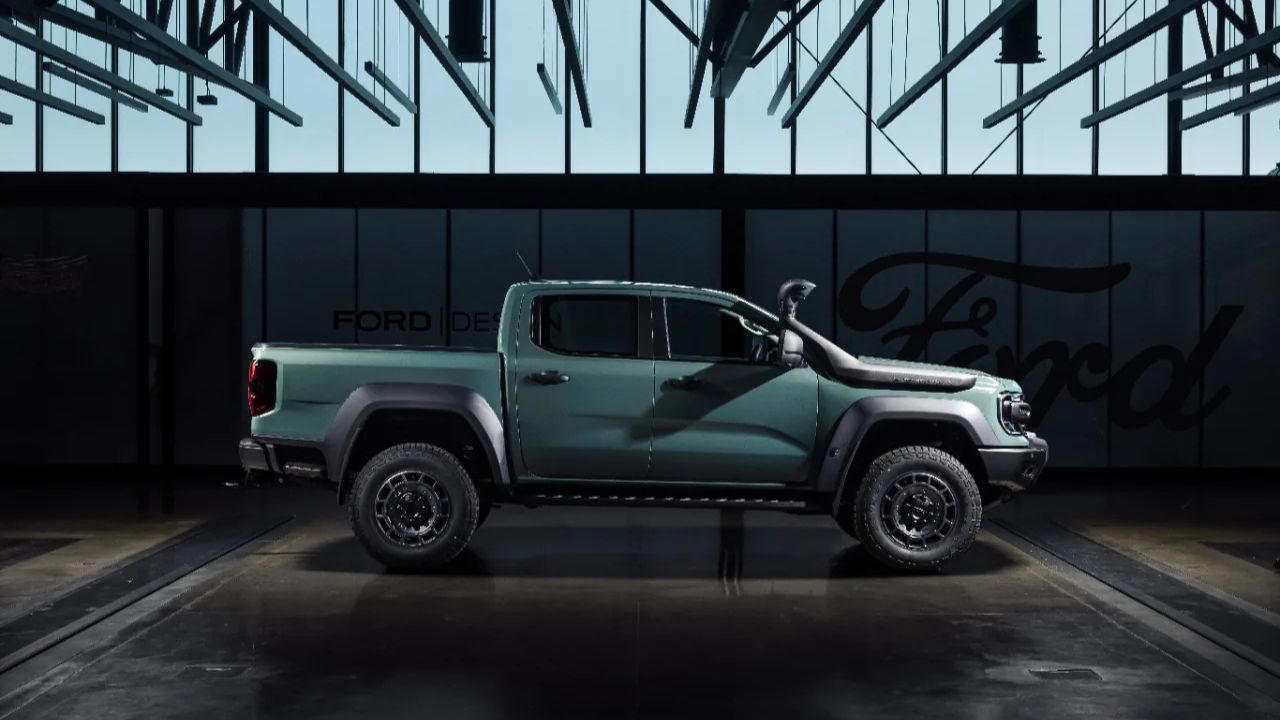
Ford could be preparing a heavy-duty Ranger for jobs most trucks struggle withFord appears to be pushing the Ranger into territory usually reserved for hulking American workhorses and old-school Australian farm trucks. A heavy-duty Ranger variant would not just be another trim level; it would be an attempt to give fleets and remote-area buyers a smaller truck that can shoulder jobs normally left to full-size utes and three-quarter-ton pickups. If the project reaches showrooms, it could reset expectations for what a mid-size pickup can tow, haul, and endure, while putting fresh pressure on entrenched workhorse nameplates that have long dominated mines, stations, and construction fleets. What happened Ford has already laid out a detailed blueprint for how a tougher Ranger could look and work. The company has revealed a Ranger Super Duty package that builds on the current T6.2 Ranger platform with a reinforced ladder frame, upgraded axles, and a beefed-up rear suspension tuned for payload rather than ride comfort, according to full details released for the program. The package is designed for buyers who routinely run at or near maximum gross vehicle mass and want more headroom for tools, trailers, and auxiliary equipment. Rather than chasing lifestyle buyers with cosmetic add-ons, the Super Duty approach focuses on fundamentals. The chassis uses thicker-gauge steel in key sections, additional crossmembers, and revised mounting points for the rear leaf springs, all aimed at reducing flex when the tray is fully loaded. Ford has also specified higher-capacity wheel bearings and heavy-duty brakes, recognizing that repeated stops with a loaded trailer are often where standard mid-size utes struggle. Powertrain choices are expected to center on Ford’s work-focused diesel engines, with calibration skewed toward low-rpm torque rather than peak output. That reflects how many commercial operators actually use their trucks, spending long days in the lower half of the rev range while towing equipment or carrying bulk materials. The Super Duty package also incorporates higher-output alternators and factory wiring provisions for winches, auxiliary lighting, and power-hungry accessories that are common in mining and emergency-service fleets. Ford’s move does not come out of nowhere. In heavy-duty pickups, rivalry has long driven rapid gains in towing and payload, as seen in the way American three-quarter-ton and one-ton trucks have escalated from modest work rigs to machines capable of towing more than 13,000 kilograms. Reporting on heavy-duty truck rivalries has shown how incremental frame upgrades, stronger axles, and more sophisticated towing tech can quickly become must-have features once one brand moves first. What is new here is the scale. Instead of applying that arms-race logic only to massive pickups, Ford is starting to translate it into a Ranger-sized package that can still navigate tight worksites and narrow regional roads. Why it matters A heavy-duty Ranger is not just a niche curiosity. It lands in the middle of a strategic battleground where Toyota, Ford, and others fight for the most loyal and highest-value customers they have: fleets that buy in bulk and keep trucks for a decade or more. Toyota has already signaled that it sees a serious contest forming. The company has expressed confidence that the LandCruiser 70 Series remains the benchmark for durability and remote-area reliability, even as it acknowledges a new wave of competition from a Ranger Super Duty-style rival. In comments tied to the updated VDJ79 range, Toyota executives described a “fight on their hands” as they prepare the LandCruiser 70 Series to face a more capable Ford challenger. For buyers who operate in remote Australia, Africa, or Latin America, the stakes are practical rather than emotional. Many of these trucks spend their lives hauling fuel, water, or drilling equipment along corrugated tracks, often at or above their rated payload. A Ranger that can safely carry more, with less frame twist and better cooling, could cut the number of vehicles a project needs to run or extend service intervals by reducing mechanical stress. There is also a safety dimension. Overloading has been a chronic issue in the mid-size ute segment, where owners regularly exceed payload limits once bull bars, canopies, long-range tanks, and tools are fitted. A factory-engineered heavy-duty package offers a more honest match between how the truck is used and what it is designed to handle. Higher gross combined mass ratings, stronger hitches, and calibrated trailer-sway control can all reduce the risk of accidents on highways and gravel roads. From Ford’s perspective, the Ranger Super Duty concept is a way to monetize engineering work that already underpins global variants. The T6 architecture supports everything from North American Broncos to South African Rangers built for rough conditions. By formalizing a heavy-duty specification, Ford can sell a premium work-focused model rather than leaving fleets to cobble together aftermarket solutions that may compromise reliability or warranty coverage. The move also reflects how customers in Australia and other markets now think about vehicle size. Full-size pickups such as the F-250 and Ram 2500 are expensive to buy, park, and fuel outside North America. A Ranger-based workhorse that can approach some of their capability, while fitting into existing infrastructure and tax brackets, is an attractive proposition for governments, utilities, and contractors. At the same time, a heavy-duty Ranger raises questions about overlap with Ford’s own larger trucks. If Ranger payload and towing climb far enough, buyers who previously stepped up to an F-Series or similar model might reconsider. That internal competition is a familiar theme in the broader truck market, where each new capability bump forces brands to clarify how their lineups are segmented and priced. Rivals will not stand still. Toyota has already refreshed the LandCruiser 70 Series with updated safety tech and powertrain tweaks to keep it relevant for fleets that might otherwise be tempted by newer platforms. Nissan, Isuzu, and others that supply workhorse utes to mining and government contracts will be watching closely to see whether Ford’s approach shifts tender requirements toward higher payload and more advanced towing aids. What to watch next The first big question is how far Ford is prepared to push the Ranger’s numbers. Payload and towing ratings are the headline metrics that fleet managers scrutinize, but they are only part of the story. Buyers will look for details on gross vehicle mass, gross combined mass, and axle load limits, since these determine how much real-world capacity remains once accessories and passengers are accounted for. Pricing will be just as sensitive. Many of the customers who want a heavy-duty Ranger are value-focused operators who buy dozens or hundreds of vehicles at a time. If the Super Duty specification commands too large a premium over a standard Ranger XL or XLT, fleets may decide that a lightly optioned LandCruiser 70 or an existing full-size pickup still makes more sense on a cost-per-tonne basis. Another factor to watch is how much customization Ford offers from the factory. Mining and emergency-service buyers increasingly prefer vehicles that arrive “fit for purpose,” with bull bars, auxiliary power, and communications wiring already integrated. If Ford can bundle popular fleet options into factory packages, it can reduce the time trucks spend at third-party outfitters and improve quality control compared with ad hoc aftermarket builds. Regulation and emissions policy will also shape how this experiment plays out. Heavier-duty variants often sit near the edge of light-vehicle emissions rules. If a Ranger Super Duty uses a higher-output diesel or carries more weight, Ford will need to balance capability with fuel consumption and emissions standards in markets that are tightening their rules for commercial vehicles. Finally, competitors’ responses will reveal how disruptive Ford’s move really is. If Toyota accelerates further upgrades for the LandCruiser 70 Series, or if other brands start talking about reinforced frames and higher payloads for their own mid-size utes, that will be a sign that the segment is shifting. If the reaction is muted, it may indicate that fleets still prefer traditional heavy-duty platforms and see the Ranger’s evolution as a niche play. More From Fast Lane Only: Unboxing the WWII Jeep in a Crate 15 rare Chevys collectors are quietly buying 10 underrated V8s still worth hunting down Police notice this before you even roll window down The post Ford could be preparing a heavy-duty Ranger for jobs most trucks struggle with appeared first on FAST LANE ONLY.



















 +75 others