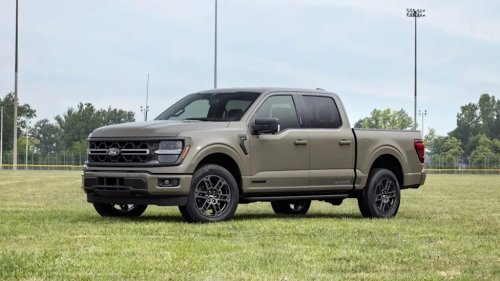
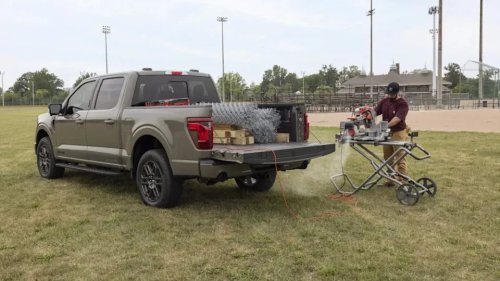
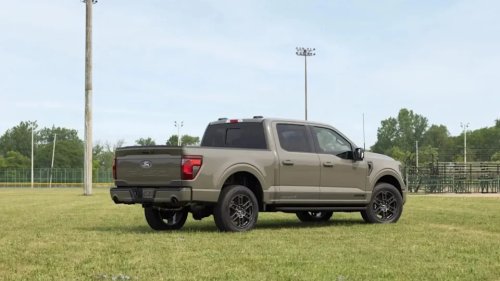
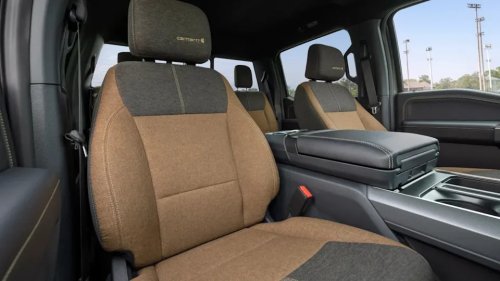
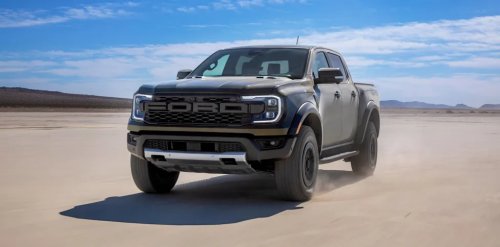
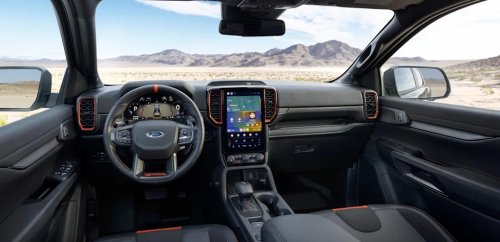
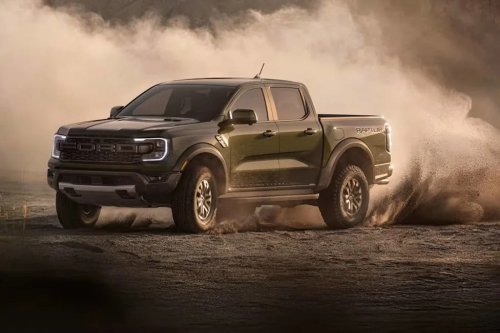
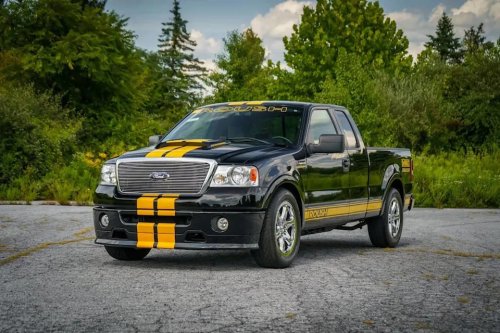
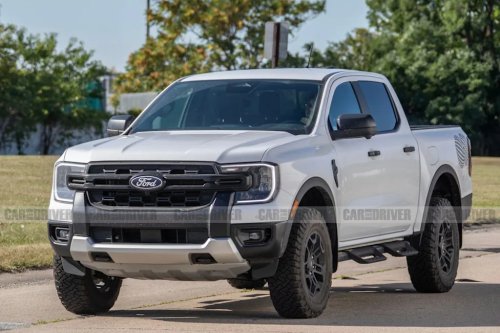
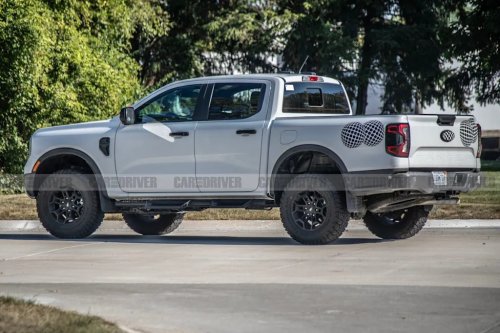
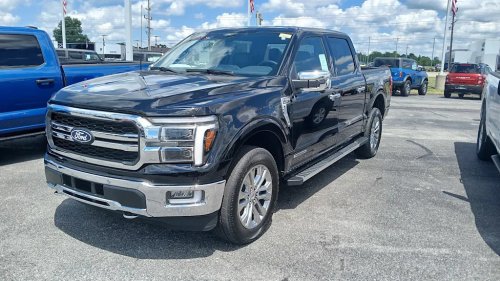
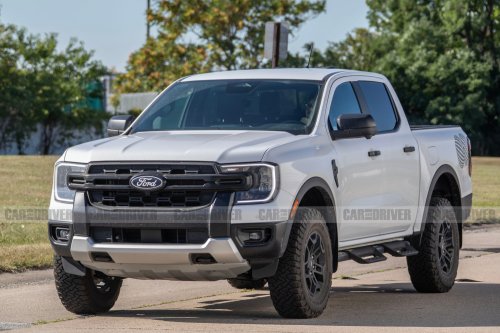
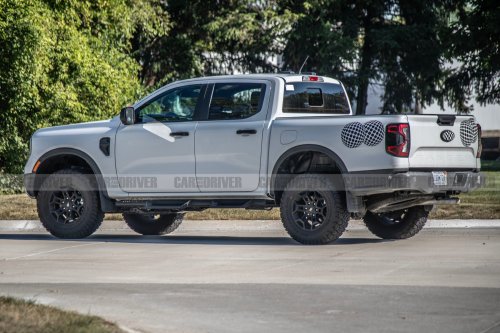
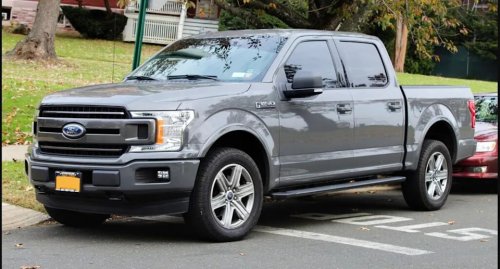
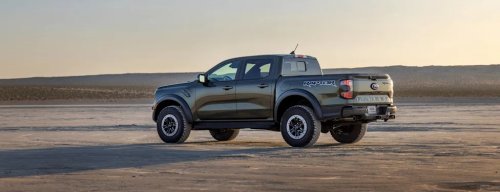
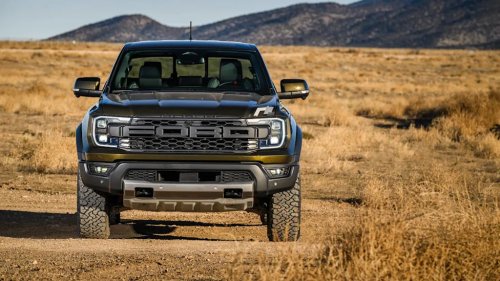
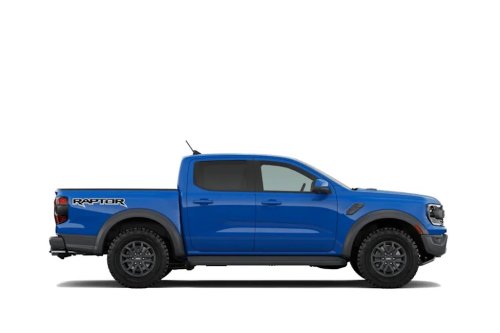
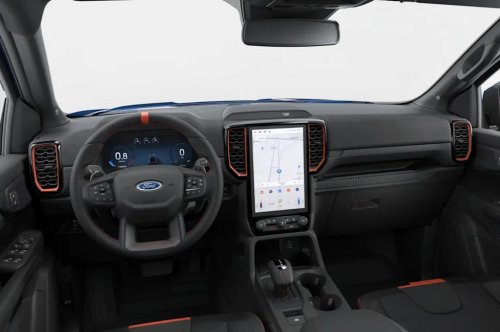
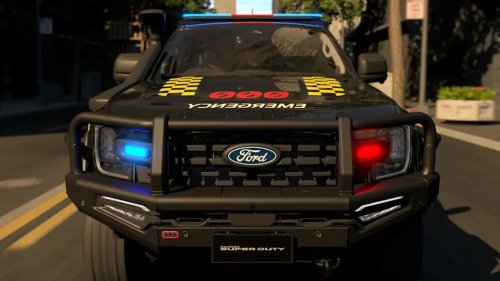
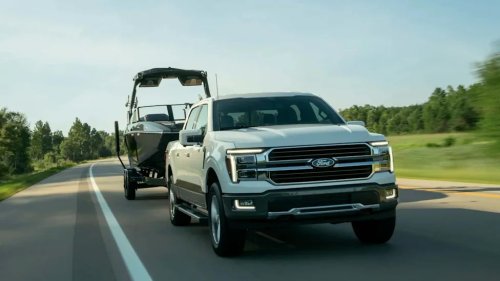
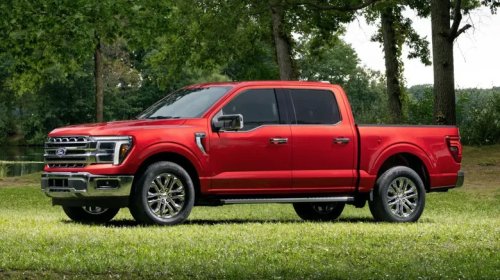
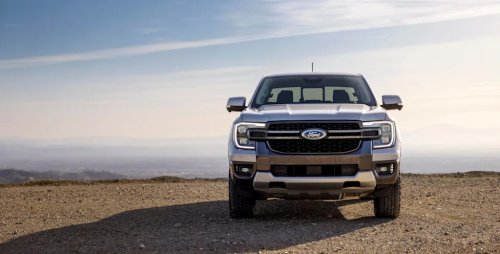
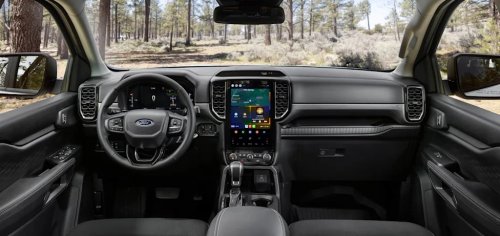
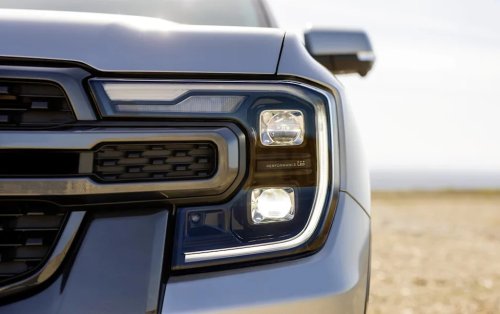
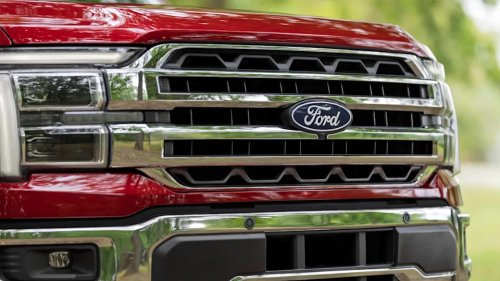
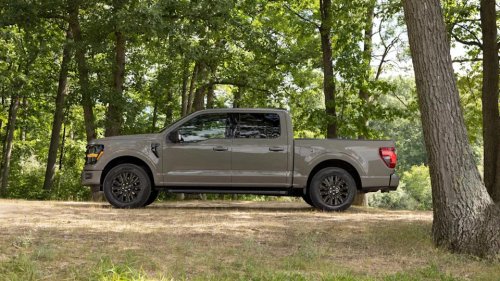
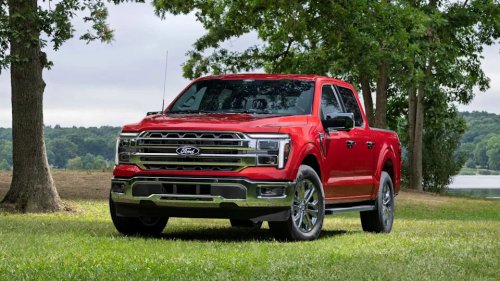
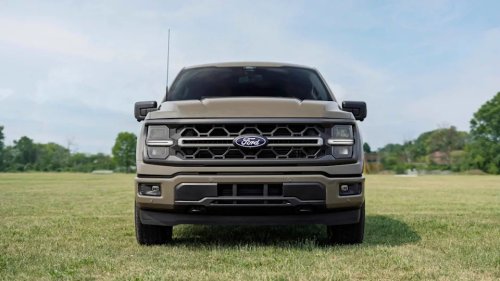
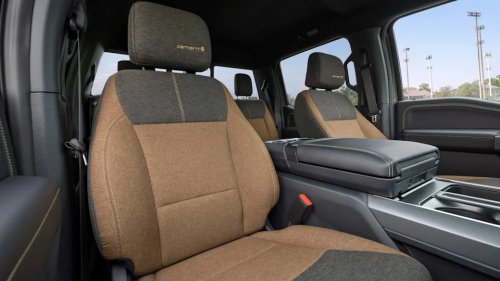
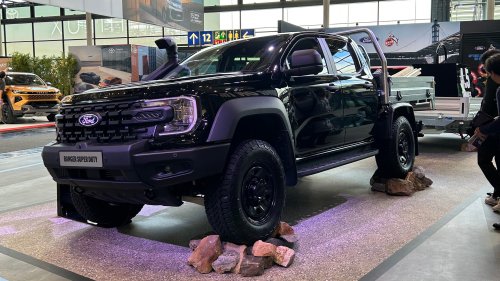
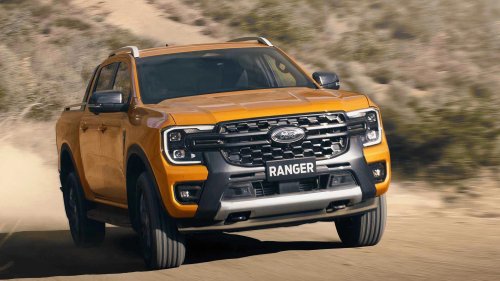
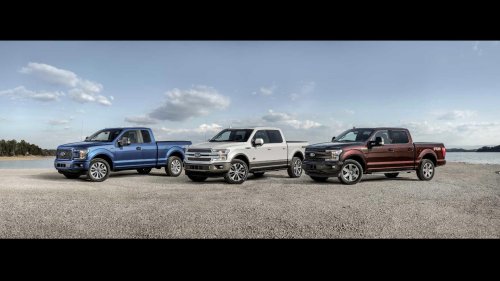
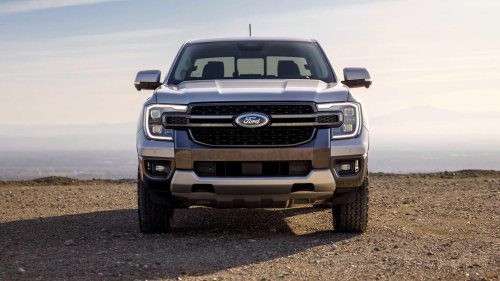
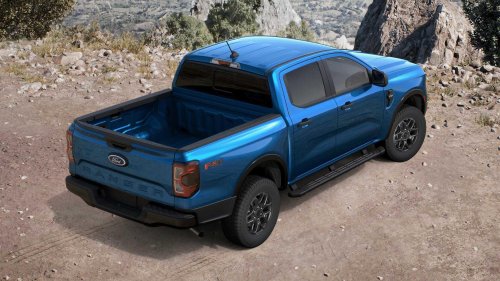
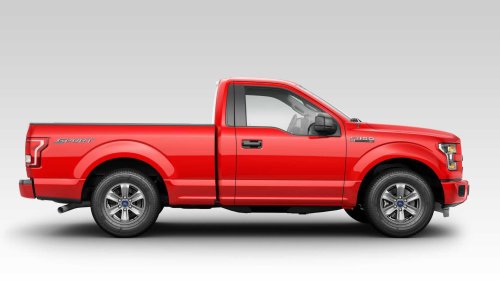
Head on over to Ford's configurator page, and you'll find that the cheapest brand-new Ford Ranger with all-wheel drive will set you back $36,850. Check our trending prices tool for a 2019 Ford F-150, and you'll find that you're spending about the same on the most affordable all-wheel drive model. Your mileage may vary depending on how you want to configure your pickup, but these numbers put both trucks in the same ballpark in terms of the sticker price.So, if you've got $37,000 eating a hole in your pocket, and it's time to buy a new-to-you pickup truck, which way are you going? New mid-size, or used full-size? Let's get into the nuts and bolts and see how these trucks compare. Spec-by-Spec: The Ranger Versus The F-150 Ford The Ranger and the F-150 are both available in a wide range of configurations with all sorts of options you can add to the package. For our purposes, we'll take a look at a base second-gen Ford Ranger XL 4x4, and a 2019 Ford F-150 XL 4x4 with a regular cab and a 6.5-foot cargo box.Right away you're seeing that, while the performance specs are pretty close we do have two reasons to choose one model over the other. The F-150 packs a naturally aspirated V6 cranking out 290 horsepower, but the Ranger offers more low-end torque.The differences in performance numbers are fairly marginal, but the Ranger's engine options are all EcoBoost powerplants, so if you'd rather go without the turbocharger, either because you don't think turbos are as reliable, or you just prefer the sound and feel of natural aspiration, the F-150 is the obvious choice. The F-150 Is A Better Work Truck, But The Ranger Is More Versatile Ford If we want to see how these trucks compare when it comes to truck type stuff, meaning work duty and off-roading, here's what the vital stats look like.New Rangers are only available with a five-foot bed and a SuperCrew cab, while a similarly priced F-150 features a Regular cab and a 6.5-foot bed. That's going to have a predictable effect on performance, with the F-150 being able to pack a few extra hundred pounds into the cargo box. The F-150 can out-tow the Ranger by 1,500 lbs, as well.The degree to which this will play a part in your decision comes down to the kind of work-duty you're putting in. If you're going to be pulling heavy loads on the regular, you might be better off taking advantage of the Ford F-150's higher performance ceiling. A properly equipped 2019 Ford F-150 with a 3.5-liter turbo-six can pull more than six tons in its wake, making it one of the best towing trucks in the game, and it can pack 3,230 lbs of cargo in the bed.On the other hand, the Ranger is an easier truck to live with on a day-to-day basis at this price. You get a five-seat SuperCrew cab as a standard option, and more modern amenities inside the cabin, seeing as the Ranger is seven years newer than a similarly priced F-150.If you're looking for an off-roader, the difference is almost too close to call. The F-150 has more horsepower, a hair more ground clearance, and a slightly shorter wheelbase, but the Ranger delivers slightly more low-end torque for climbing over tricky spots on the trail. Which Truck Actually Costs More? Ford If we look at the purchase price, a 2026 Ford Ranger starts at $36,850 for an XL 4x4. Our price trend tool, at the time of this writing, puts a 2019 4x4 Ford F-150 at an average of $36,811 across all available trims. You can shop around, you can haggle, but, on average, you're spending somewhere just shy of $37,000 for either one of these trucks. A better question than what they cost to buy is: what do they cost to own. The Difference In Ownership Costs Is Razor-Thin Starting with a visit to the EPA, we find that the Ranger averages 21 miles to the gallon, combined, while the F-150 averages 19 MPG. In terms of what that's going to cost us every year, assuming 15,000 miles, divided 45/55, highway/city, we're looking at $2,100 in annual fuel expenses for the Ranger, or $2,300 for the F-150.According to CarEdge, a 40-year-old driver with good credit and a clean record will be paying around $2,364 for full coverage on a Ranger, while an F-150 owner will be paying $2,424 a year. Insurance rates are currently on the rise, so don't quote us on those numbers, as they could be much higher by the time you're ready to take out a plan.Finally, RepairPal estimates an annual maintenance cost of around $788 for the F-150, while a new Ranger should cost around $615 annually to keep running.Add that all up, and here's what we get.Over the course of a year, we're looking at a difference of $433, favoring the Ranger as the more affordable pickup. That might sound like a big difference, but you're unlikely to really notice it over the course of a year, as it comes out to around $36 more each month to own the F-150. Either way, you're spending less than $460 a month on your vehicle. Are You Looking For A Daily-Driver, Or A Dedicated Work Truck? Ford The difference in purchase price between a similarly equipped 2019 Ford F-150 and a 2026 Ford Ranger, is marginal. The difference in ownership cost is a little wider, but if you can afford to own a Ranger, you can probably afford to own an F-150.Performance specs, dimensions, and general day-to-day usability are also, in many ways, only marginally different, but with some clear advantages going to one pickup or the other. The F-150 Is The Better Work Truck, But The Ranger Is More Usable From Day To Day Ford Ultimately, the decision comes down to what you're looking for. For the purposes of this comparison, we're looking at a Ford F-150 with a Regular cab and a 6.5-foot bed. The Regular cab is totally utilitarian, seating three people, with only the basic amenities. If you're looking for one of those pickups that's basically an SUV with a cargo box attached, this isn't it. But, it tows an extra 1,500 over the Ranger, and it hauls a few hundred extra pounds in the back. Let us stress: these are base model figures.The Ranger isn't as strong as its big brother, but it comfortably seats five, and it's a bit more modern, with keyless entry (which was less common as a standard feature in 2019), and its standard 10-inch touchscreen has two inches on the F-150s eight-inch screen. It's also – slightly – more fuel-efficient, cheaper to maintain, and cheaper to insure.It may not come as that much of a surprise to discover that an affordable, used full-size pickup makes for a better work truck than a brand-new mid-size, but it's worth noting how close these two trucks are, at the same price point, in more ways than not.



















 +80 others