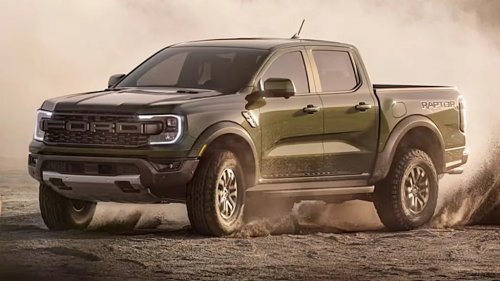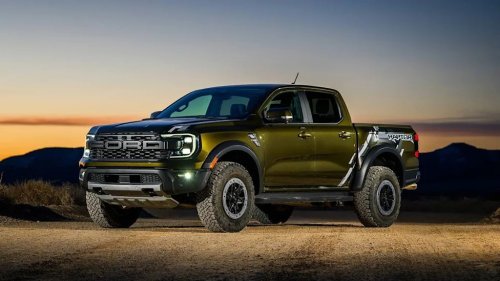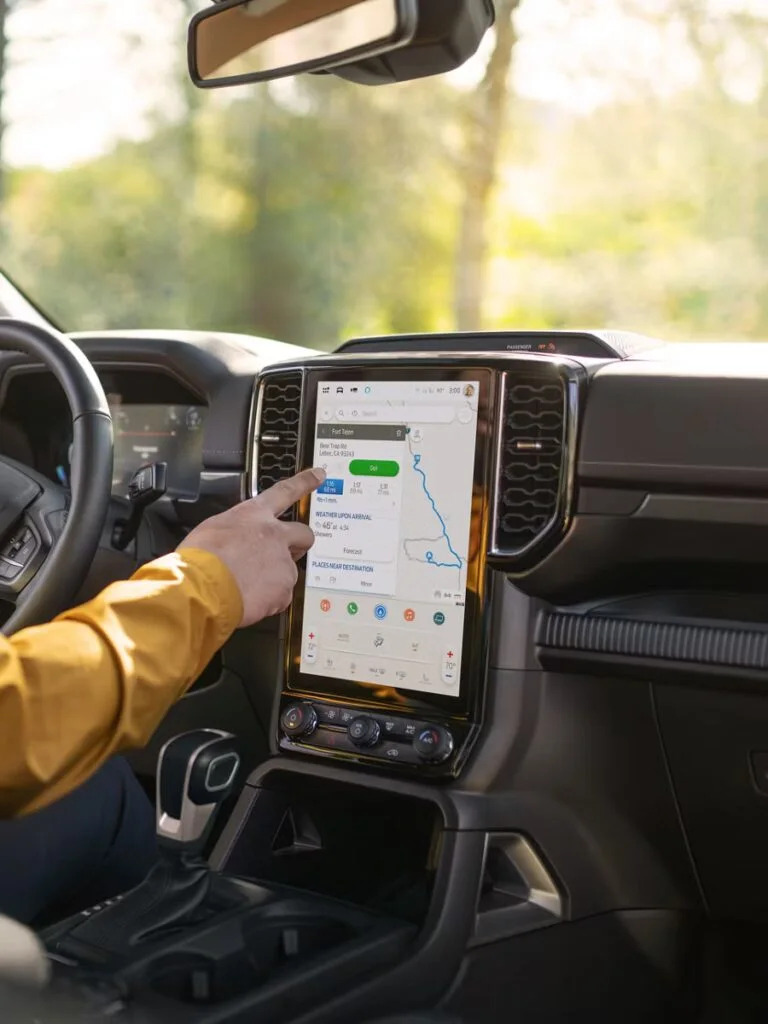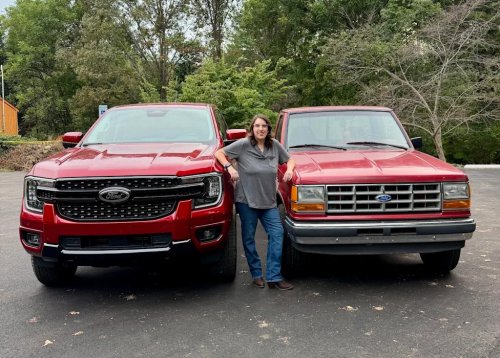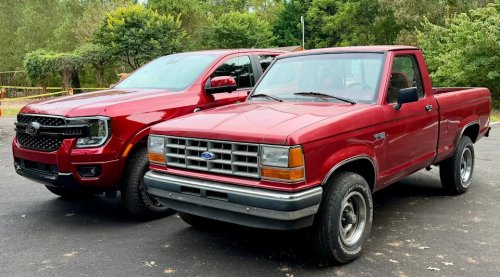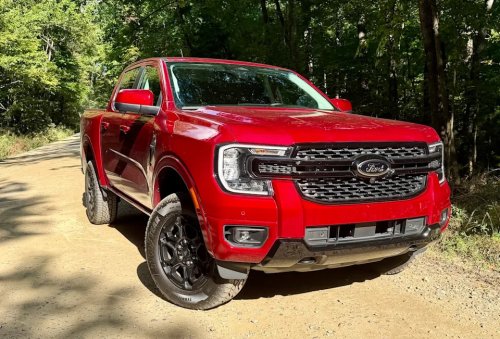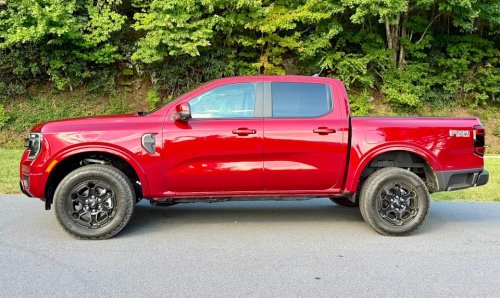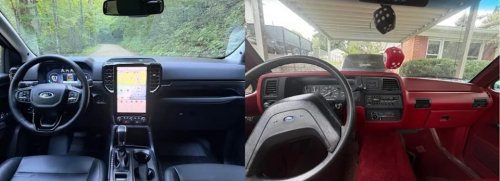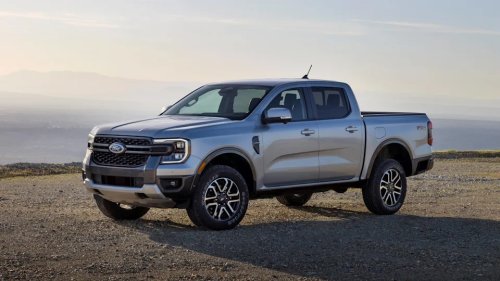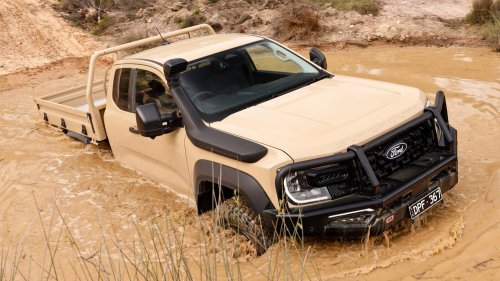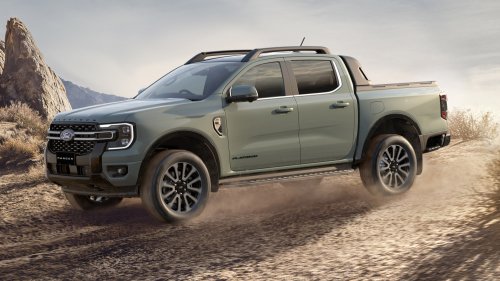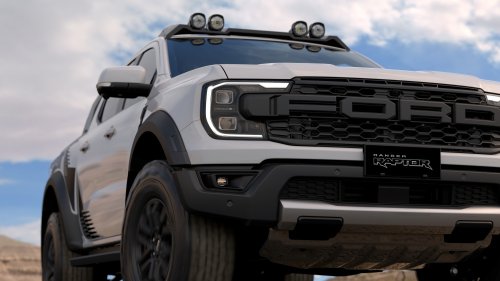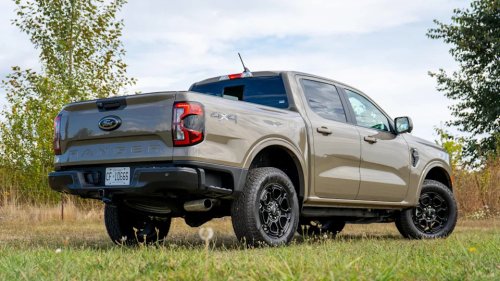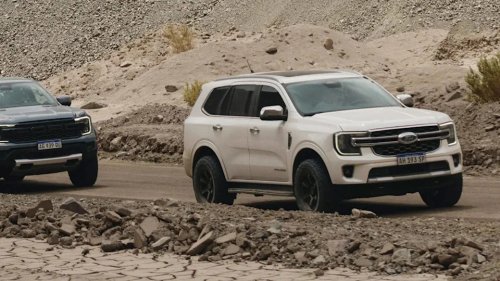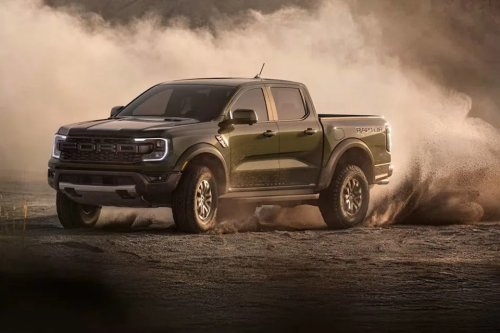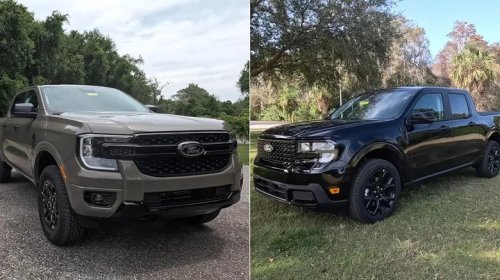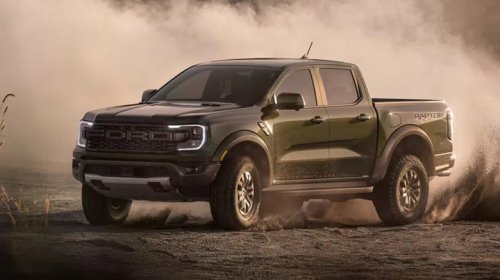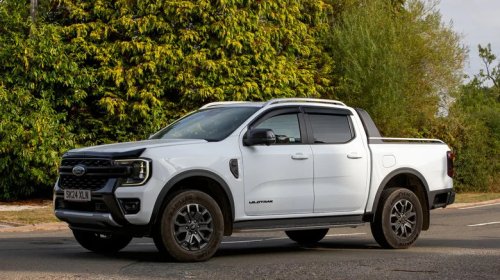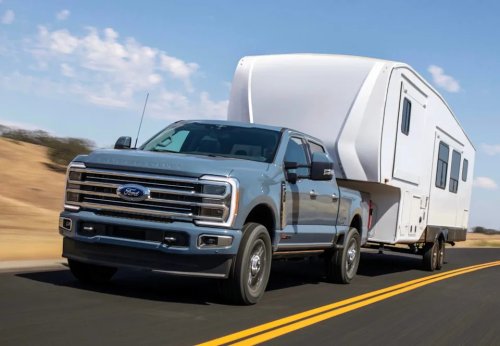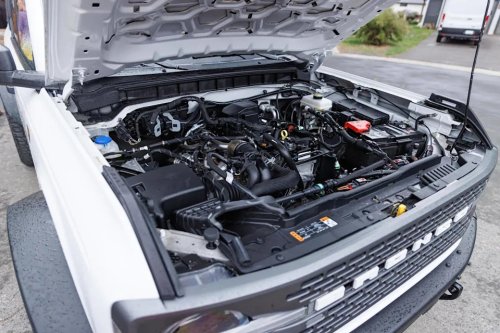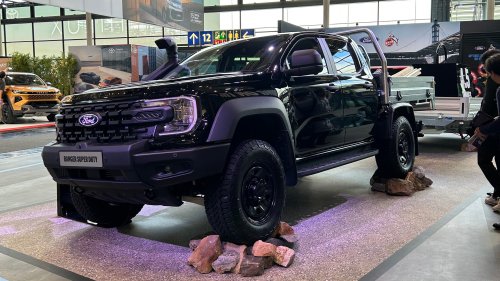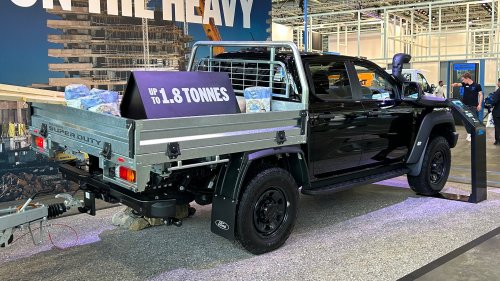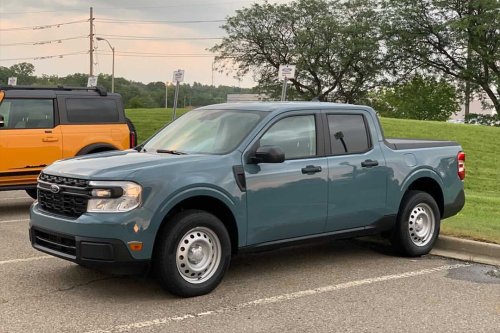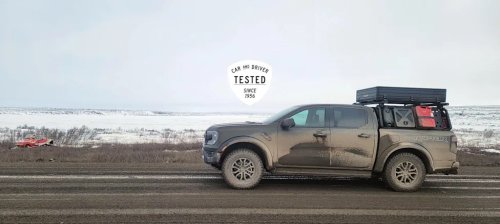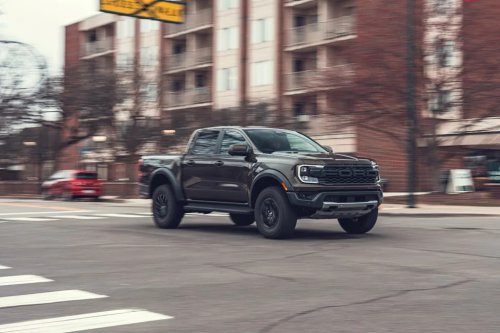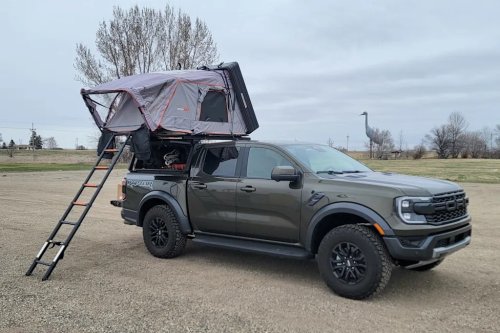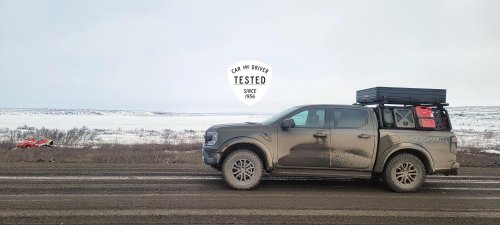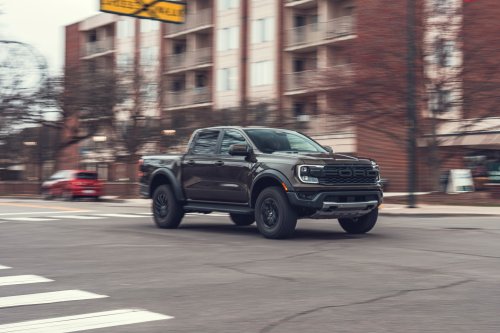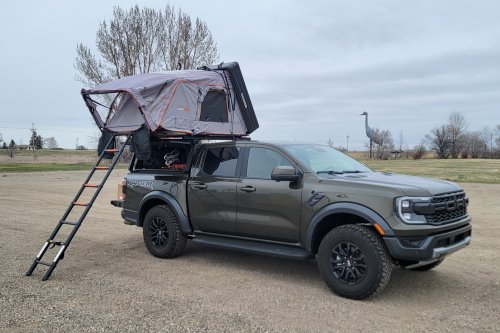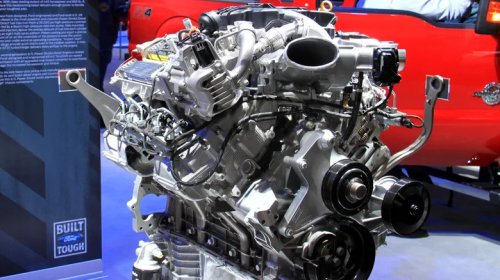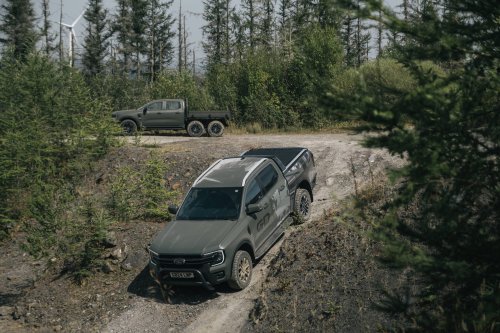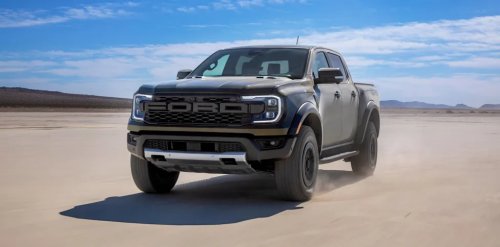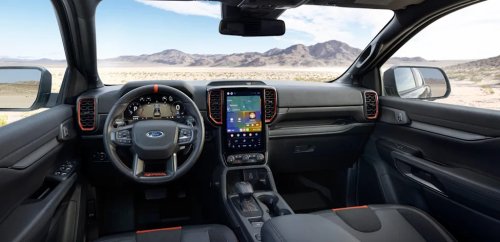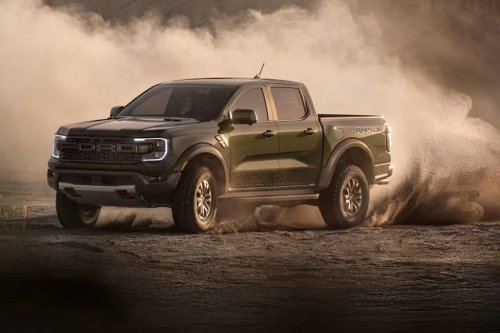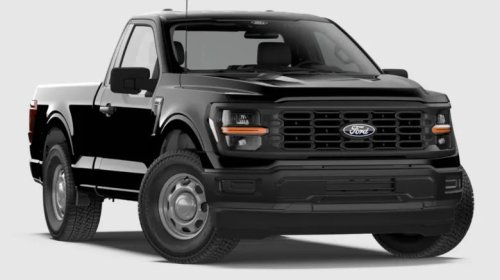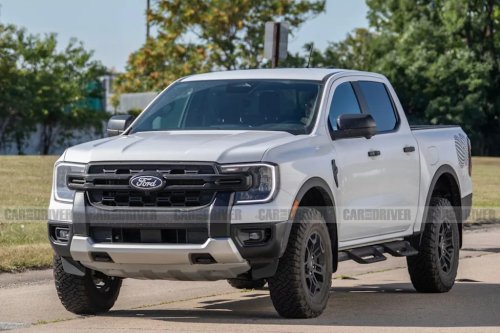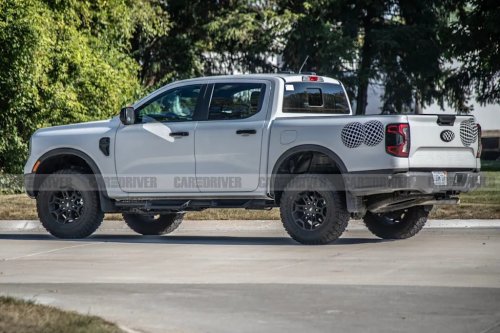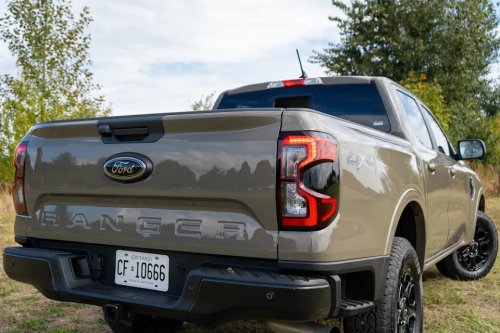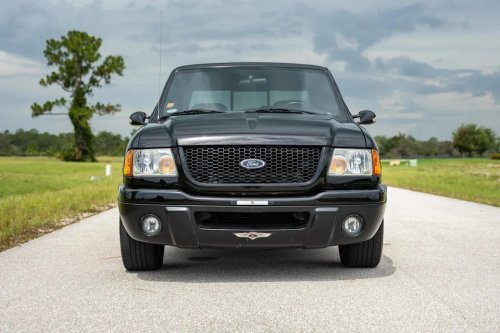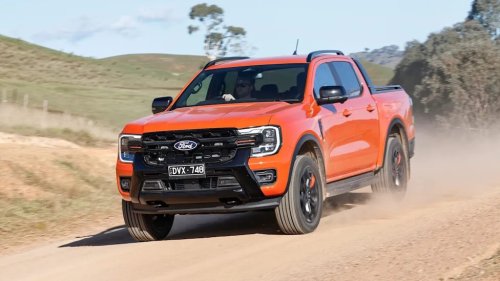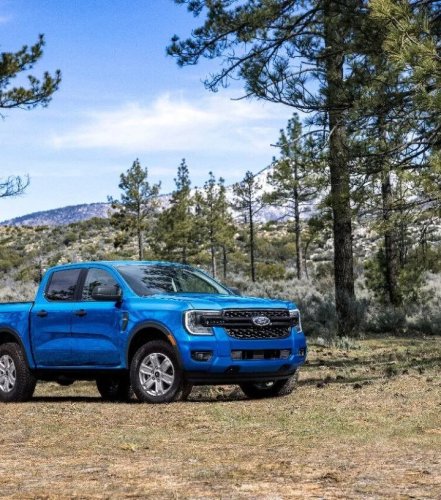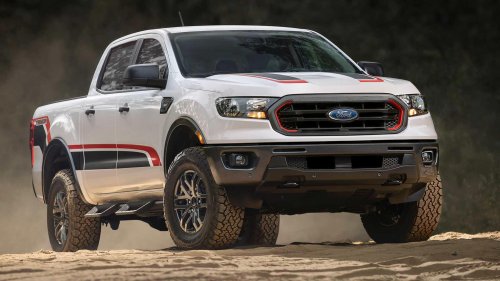
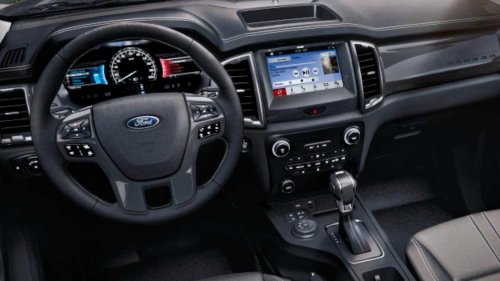
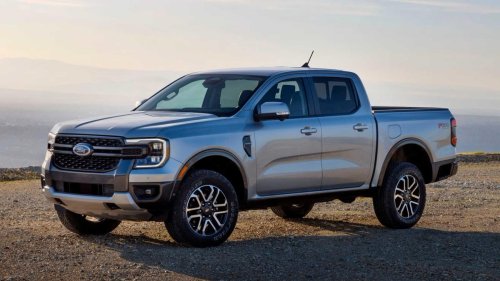
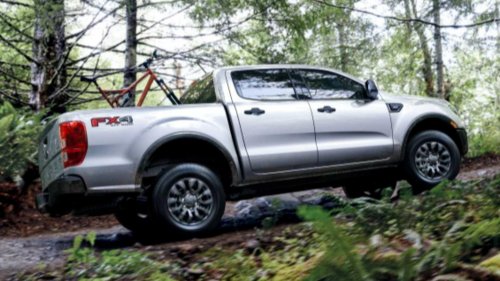
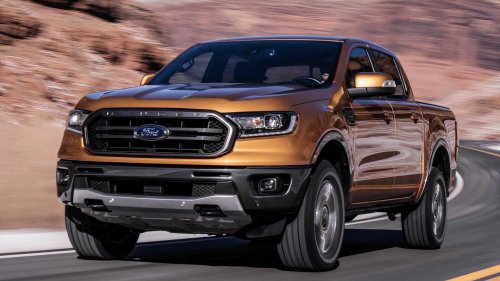


















Even though it took an eight-year hiatus from the mid-size truck party, the Ford Ranger quickly became a strong competitor in the segment after a return for the 2019 model year. Considerably larger than the previous generation, which ended in 2011, Rangers in other markets received this generation in direct succession, but the pickup wouldn’t come to America until the end of the decade. 2019-2023 Models FordThe Ranger was offered in two cab/bed configurations paired with a single engine option: a 2.3-liter turbocharged four-cylinder good for 270 horsepower and 310 pound-feet of torque. Both a SuperCab with small coach doors at the rear and a 6-foot bed or a 4-door SuperCrew cab with a 5-foot bed are available, something that can’t be said for the latest fleet of Rangers. Ford’s 10-speed automatic was employed to send power to the wheels in both 2WD and 4WD variants. Weights and Capacities Rated at 7,500 pounds of max towing, the Ranger bests the numbers posted by the Toyota Tacoma and Chevrolet Colorado, which utilize bigger V6 engines. However, a diesel Colorado was available for 2019, which could tow up to 7,700 pounds. The Ranger's payload capacity also surpassed the competition at 1,860 pounds. Prices Compared to the Tacoma, which holds its value the strongest of the three trucks in question, Rangers can be found used for a song. When new, the prices started at $25,495 (before destination) for base XL SuperCab trims, climbing to just over $32,000 for Lariat models. Prices for SuperCrew configurations added almost $2,000 to the bill, plus an extra $4,000 if 4WD was optioned. Now that we’ve established it’s the better of the small trucks, let’s see what this rig is like against its big brother. Small Truck, Big Aspirations FordSince the pickup is mostly a vanity purchase today, why sacrifice in other areas just to look cool? The Ranger is going to get better gas mileage and perform the basic truck duties most of us will ask from a pickup. Not everyone who wants a slice of Americana is hauling massive loads. Something that can handle the run to Home Depot for the third time in a day or even tote a small boat in the warmer months would do just fine for many people. More importantly, the Ranger isn’t going to cost nearly as much as a used F-150 of the same year. Its price range starts in the mid-$20,000s and can reach just over $40,000.It does it comfortably, too. The Ranger provides better cabin space than the Tacoma and Colorado of similar years, with more headroom and a larger greenhouse. The 10-speed auto doesn’t hunt for gears even when spun by the small four-cylinder, though turbo lag might pinch acceleration numbers, it doesn’t feel sluggish on hard acceleration. The Tacoma sloths around, choked by the six-speed automatic and manual transmissions, and while the Colorado feels slightly better, neither is as nice to drive as the Ranger is.The Ranger's higher seating offers great visibility, and the cabin doesn’t feel as compact as it might in comparison to the larger F-150. Everything in full-size trucks feels comically wide if you’re not used to it, making the Ranger seem relatively normal in size while still delivering a commanding presence. Sight lines are clearer in the Ranger than in the competition, and its smaller size aids maneuverability in tight parking lots. There’s also a better chance you’d see shorter obstacles that would otherwise require the sonar system from a submarine. Better than New FordPrices of new Rangers start at $33,350 and only come in one cab/bed configuration. The addition of the Ranger Raptor arrived in the US with the current generation starting in 2024, despite being available overseas since 2018. Start getting carried away with additional features, and the price can easily hit $40,000. Remember, used models are about half that price, with the most expensive of the four years in question being 2023 models at an average price of $27,307.All that dough is best saved by scouring the web for a used Ranger and putting the remainder towards something fun that the truck will have no issues towing. For instance, the Keystone Coleman camper is between 4,200 and 4,300 pounds wet. A moderately sized ski boat, popular for wakeboarding and zipping across placid waters, weighs 5,000 to 6,500 pounds with a trailer included.The latest Ranger can come with the same 2.3-liter turbocharged four-cylinder, but a 2.7-liter twin-turbo V6 is new to the lineup, along with the Raptor’s 3.0-liter V6. However, the same max towing rate of 7,500 pounds applies across the lineup. So far, all you're getting with the new one is one less cab and box option for double the price. It's no Soft-Roader FordFinding a Ranger equipped with an FX4 package means it's protected with extra under shields and has differently tuned shocks to better handle rougher terrain. Similar to Toyota’s Crawl Control features on its trucks and SUVs, the Ranger has an off-road cruise control system that only works when 4-Lo is engaged. In retrospect, it's no surprise that the Ranger felt as comfortable off-road as it did when we first tested it. It was built for the global market, seeing most sales in Australia, where the terrain is beautiful but also actively trying to kill you if the large spiders and other creatures haven’t done you in yet.I got a first glimpse of the Ranger in a foreign market just before it went on sale in the US, while in Haiti. The conditions of Hispaniola warrant a capable truck that can cruise the only paved highway along the western coast and be able to veer off it onto tight, dusty side roads between buildings. Craters in the road that would make a Philadelphia pothole blush remain after the 2010 earthquake shifted the ground, causing the dirt to sink. Most of my time was spent being hauled around in the bed of a Nissan Frontier, but I got a clear view of Rangers that looked almost unbothered by the terrain, still sporting intact fenders and un-cracked bumpers, two features the Nissan was lacking. Don’t Sleep on the Ranger FordNot that this is a forgotten model within Ford’s lineup, it’s just the best proof we can think of to explain why you don’t need a full-size truck to do “truck” things. Its smaller proportions mean working out of the bed is easier, not requiring the transforming tailgate on GM’s full-size trucks or even the origami staircase that pops out of the F-150’s tailgate. That size improves fuel economy, too, which matters greatly when towing loads across multiple states.The image of a freshly washed, shiny pickup sitting in the sun out on the driveway is woven into hive-minded suburbia. If you’ve reached this stage of shopping, we know there’s no convincing you that a truck isn’t the best vehicle for you. But we will, however, argue that the one you have your mind set on isn’t the one you really need. You don’t need an F-250 to commute in, nor will that F-150 tow anywhere near its max capacity for how the average owner will treat it. But the Ranger? That’s all the truck you’ll ever need—or use, for that matter.