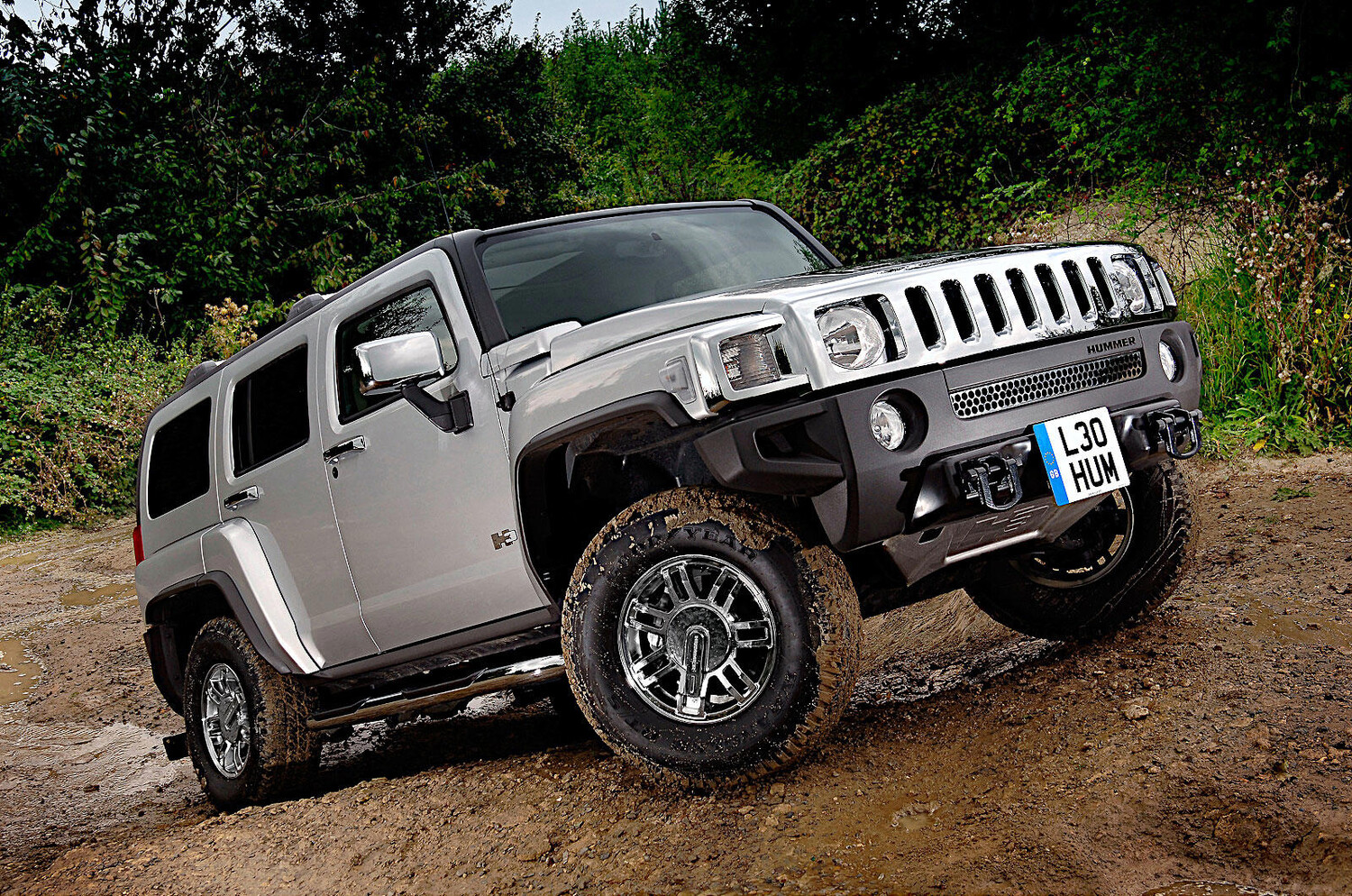
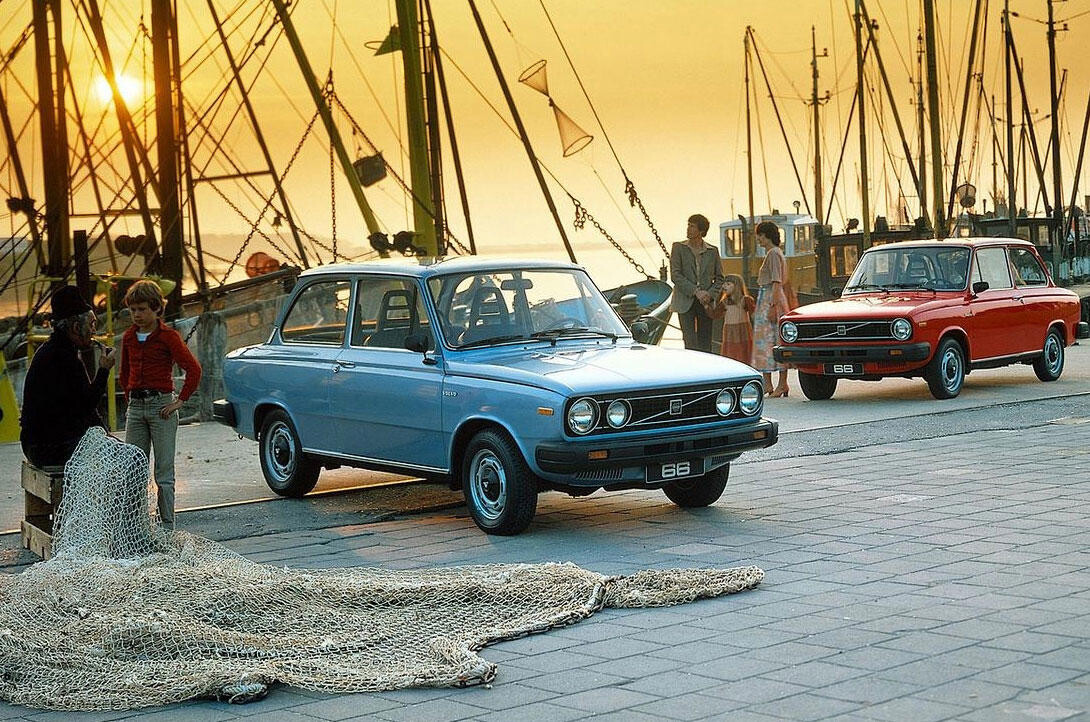
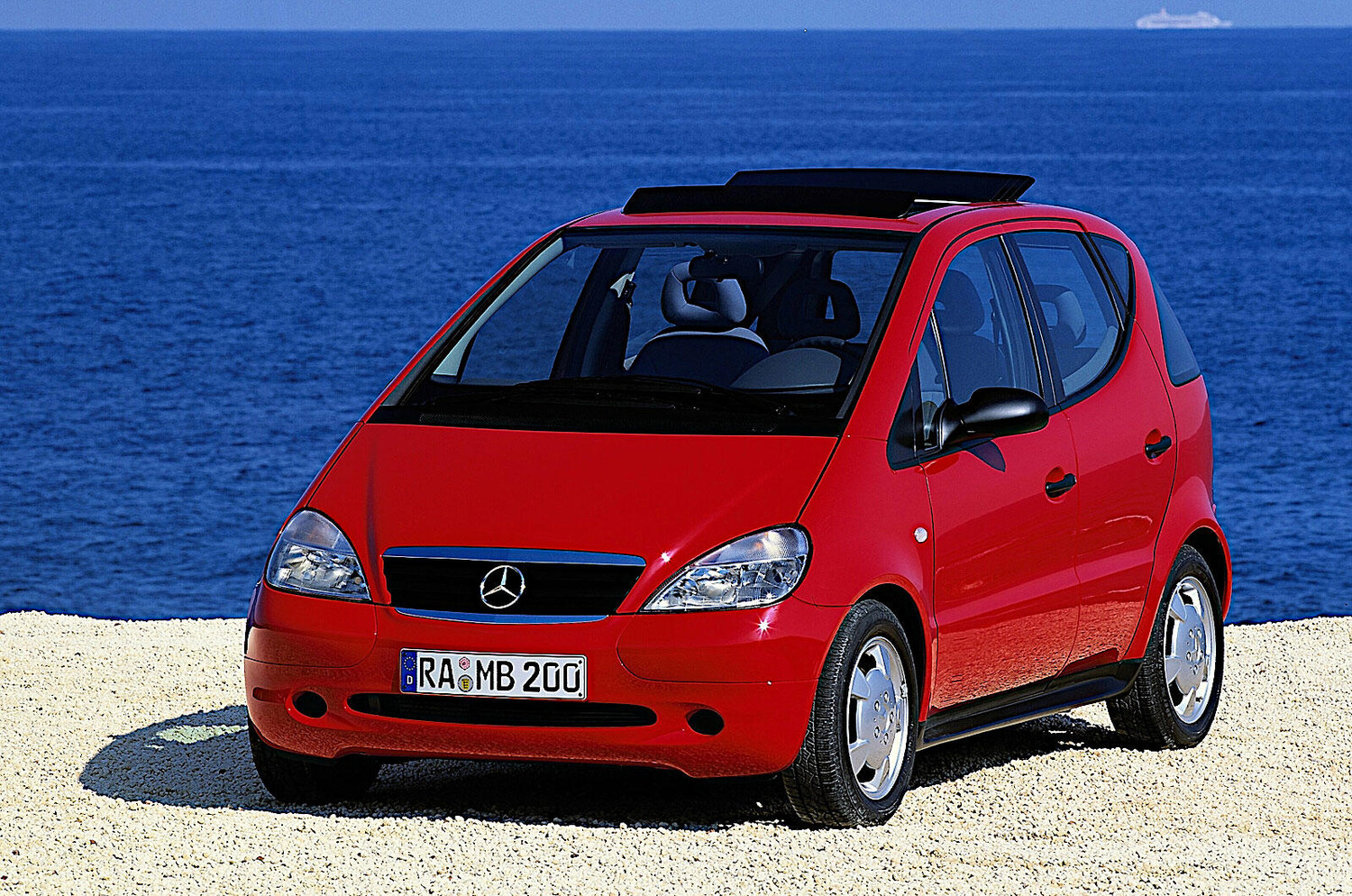
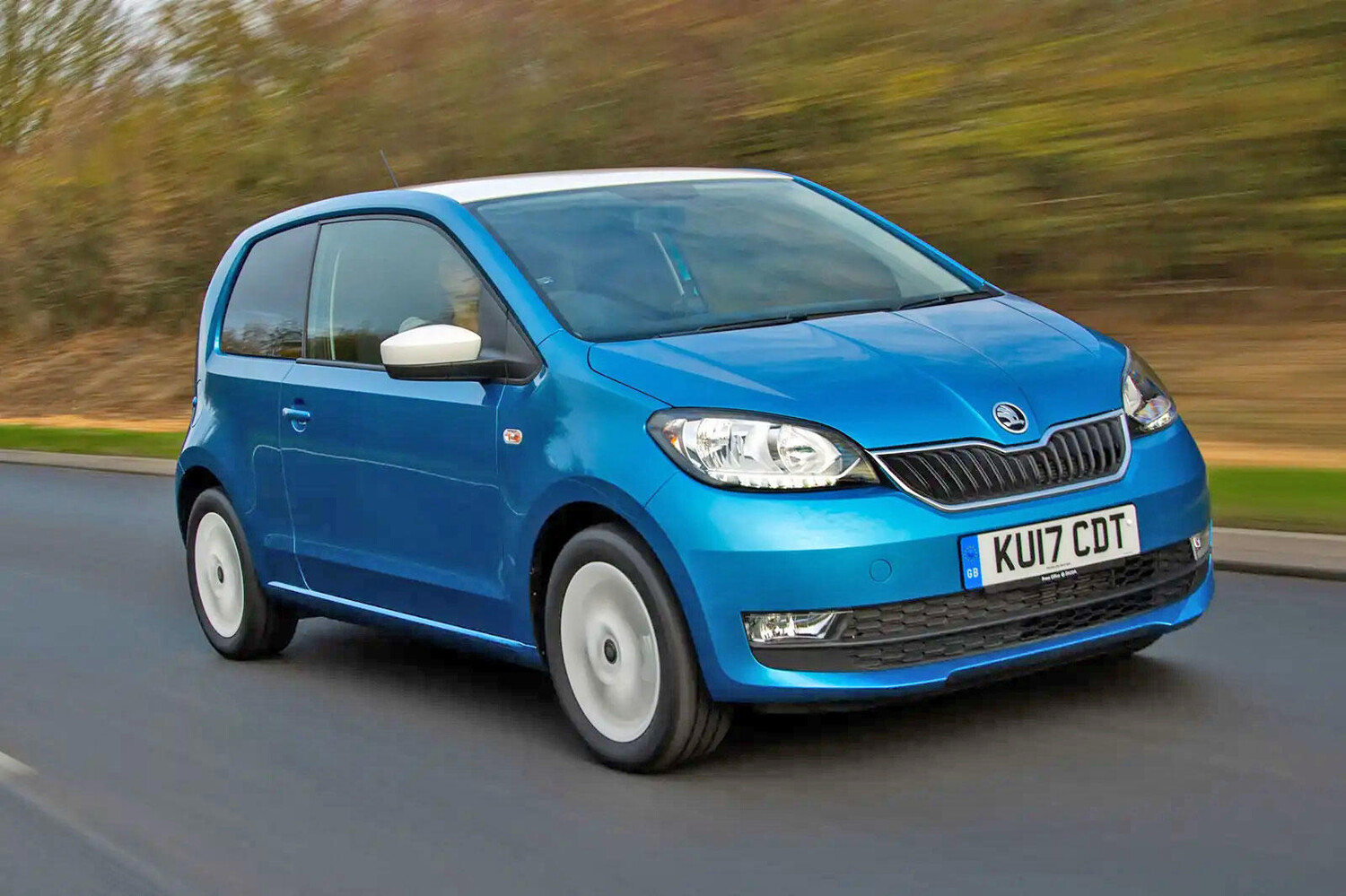
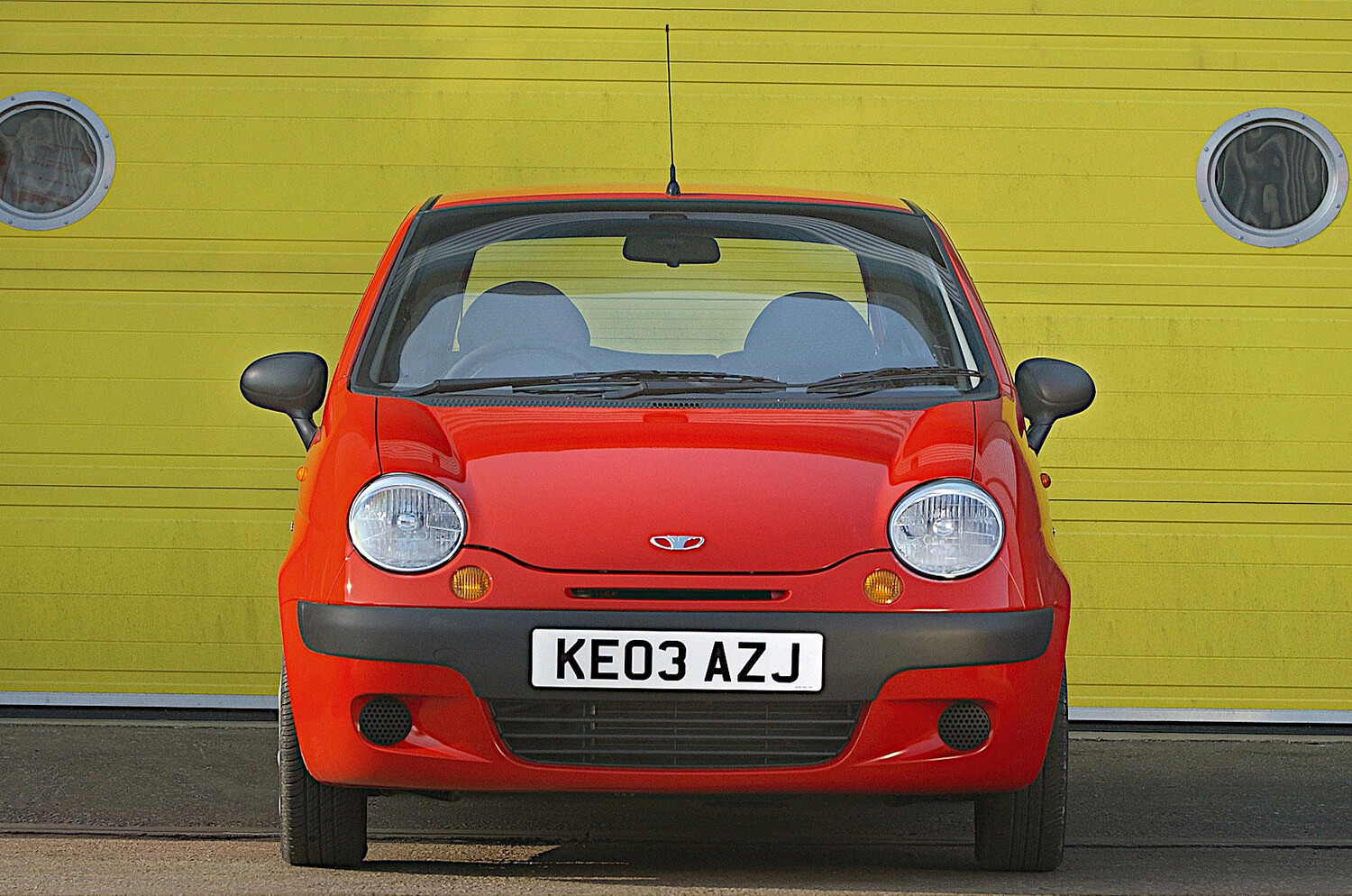
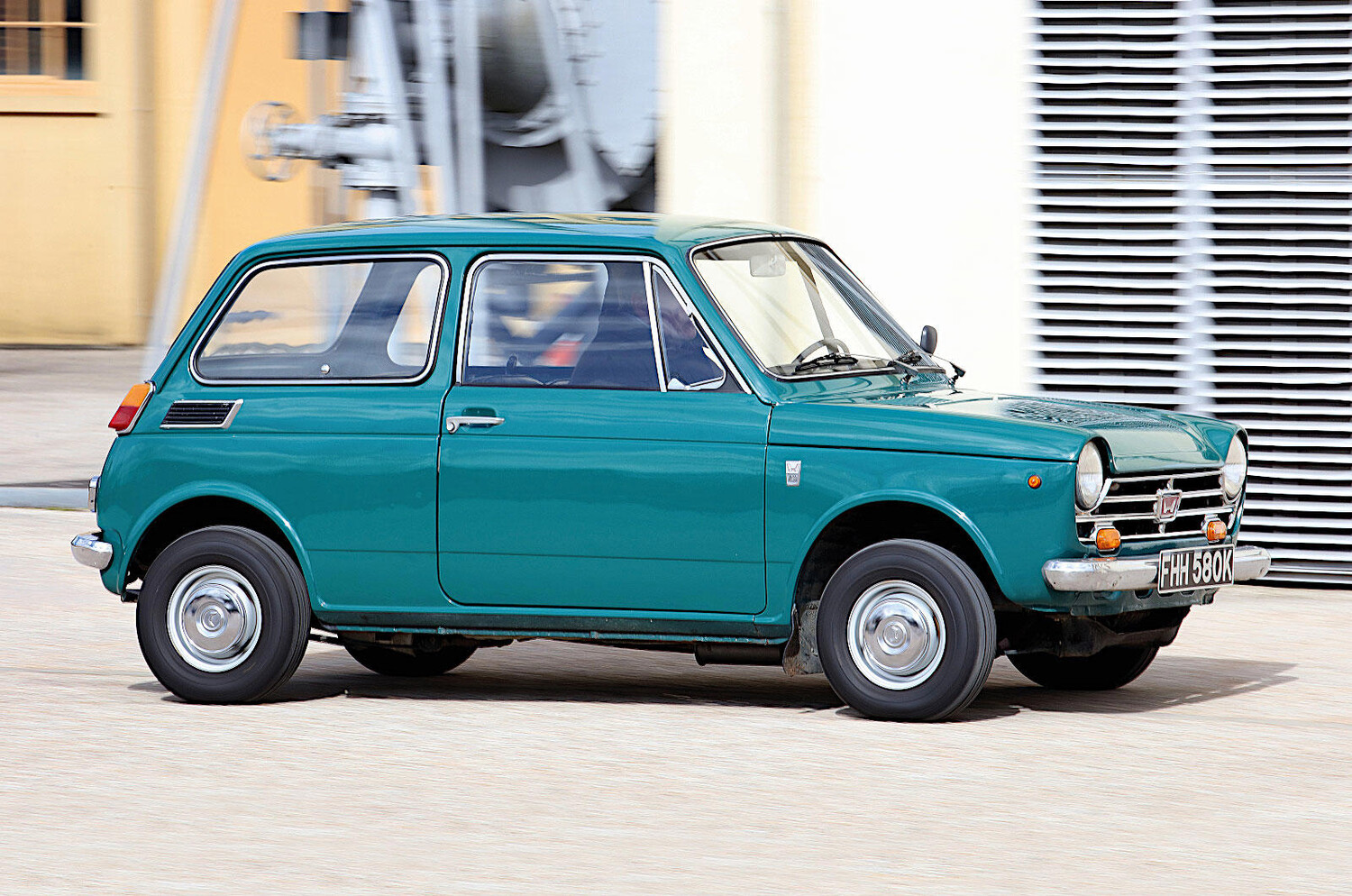
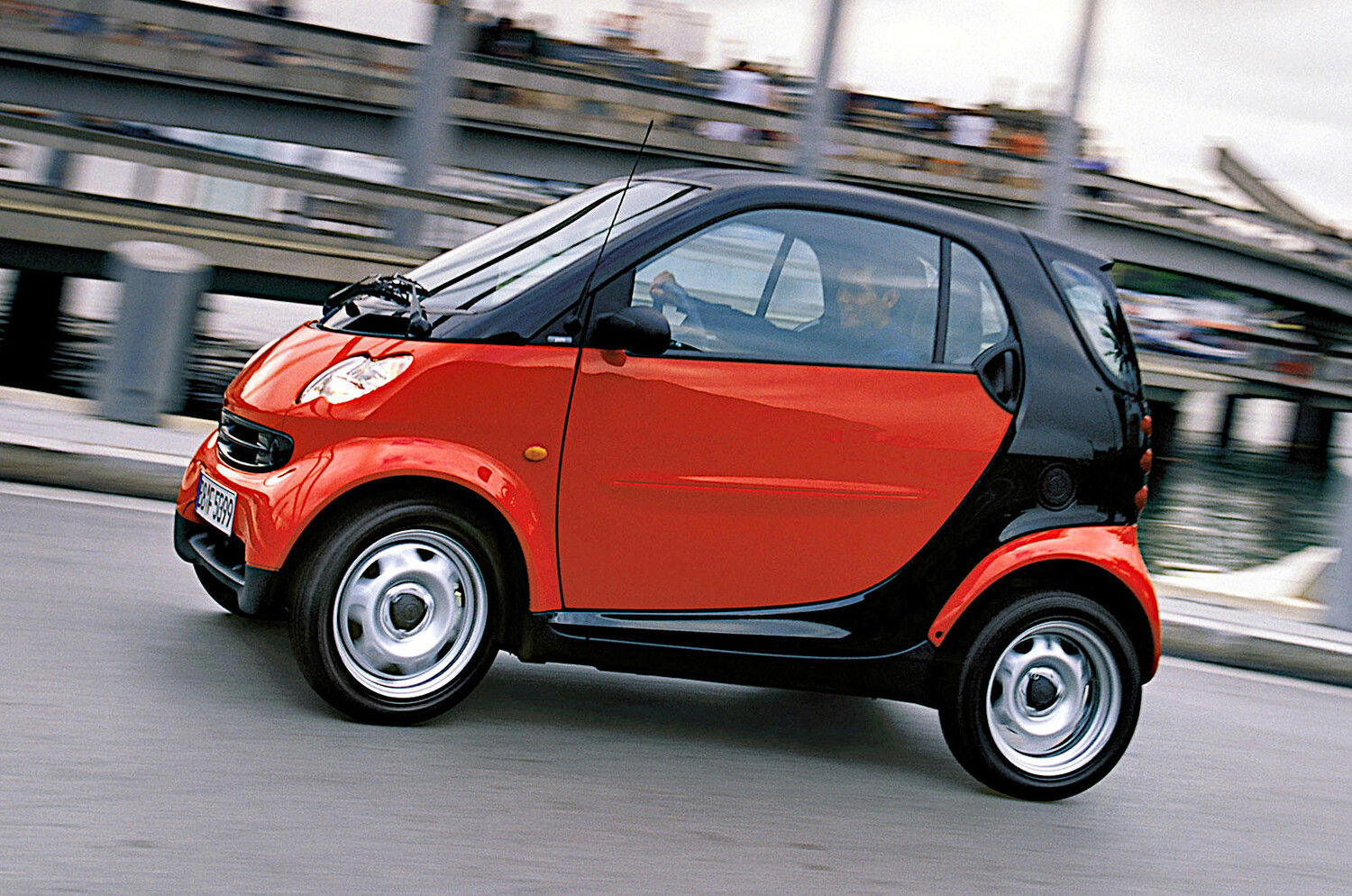
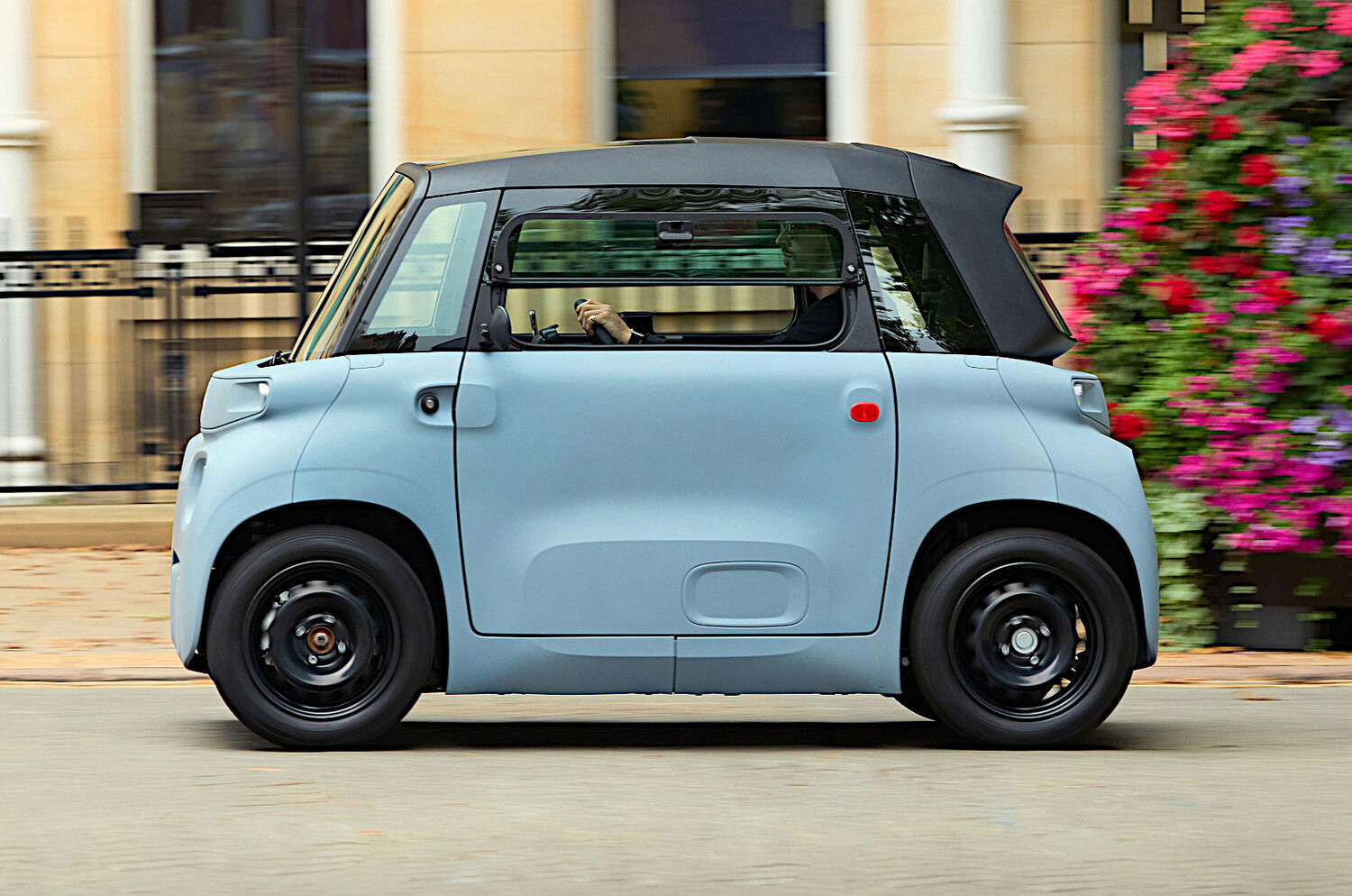
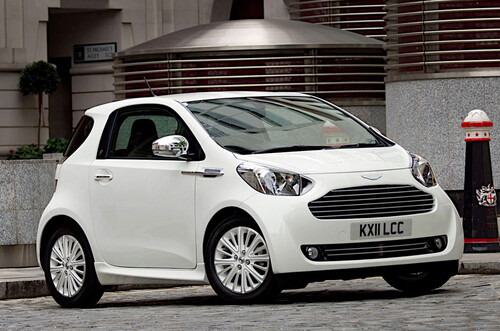
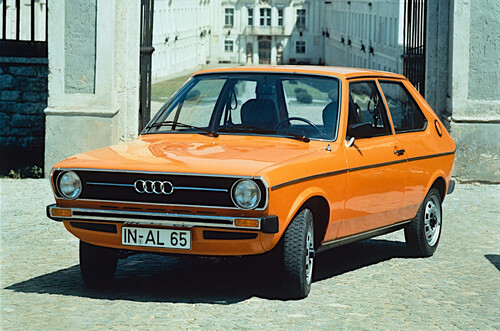
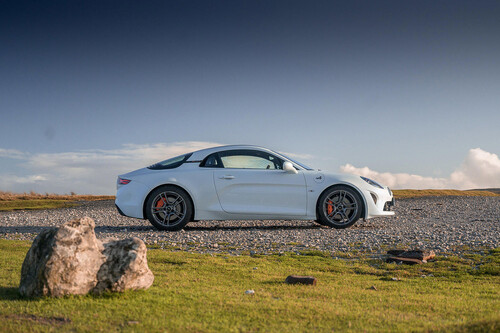
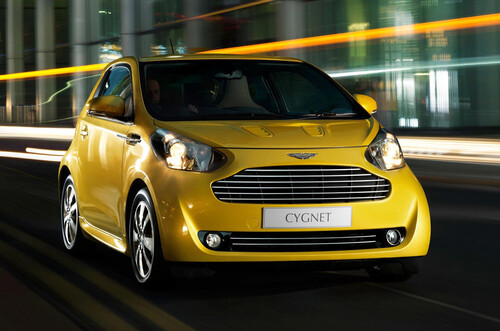
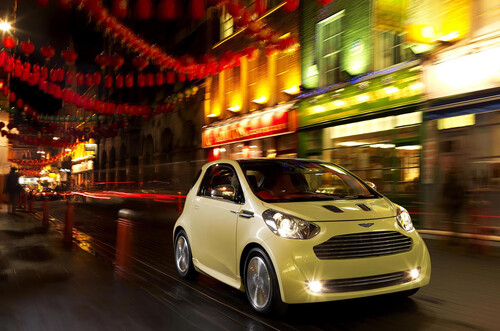
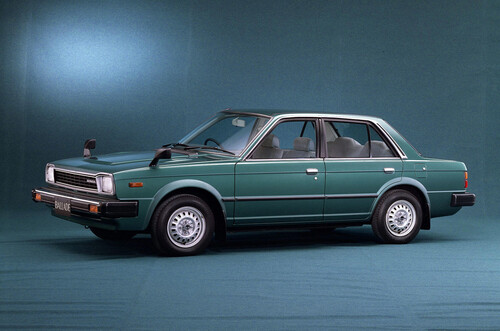
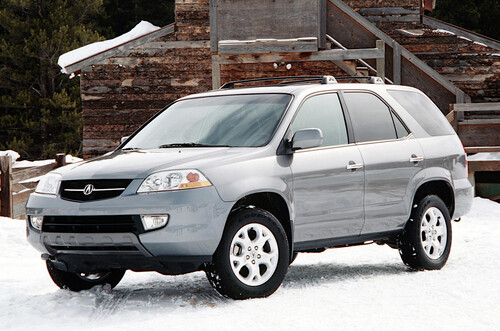
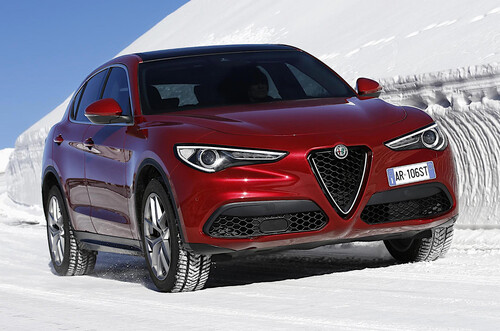
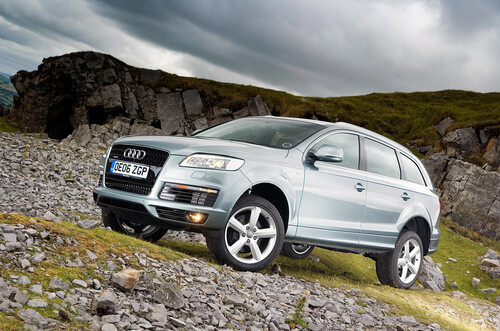
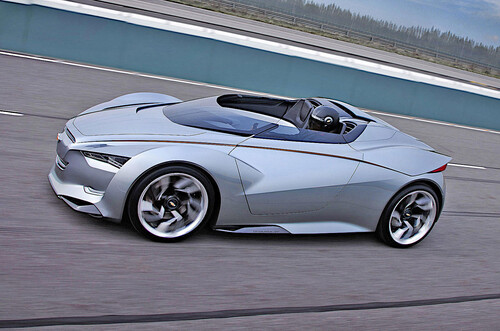
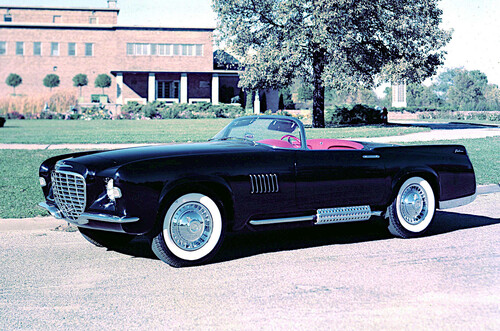
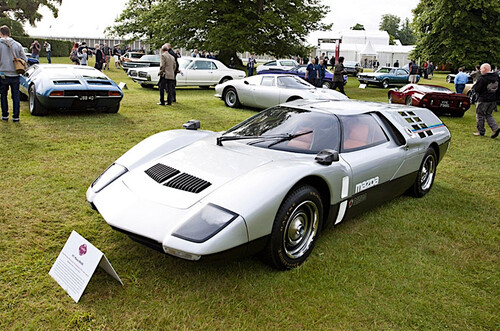
Very occasionally a manufacturer devotes itself entirely to a single car, such as the Tucker 48 or the Clan Crusader.But there will usually be one model which is the smallest the company has ever made. So let’s have a look at them. Here, in descending order of length – or ascending order of shortness, if you prefer – are the cars from 30 brands which had the least distance between their fronts and rears. We’re including only passenger vehicles from brands which still exist today, though our first example involves one which is now a sub-brand within GMC.Hummer H3Hummer is renowned for producing very large vehicles, but since its portfolio includes several models it stands to reason that one of them must be shorter than the others. That model is the H3, based on a similar platform to the one used for the Chevrolet Colorado and GMC Canyon pickup trucks. In SUV, rather than pickup, form, it measured 188.3in (4782mm), figures whose like you won’t be seeing again in this article.DS 3The DS 3 first appeared in 2010 as a premium variant of the Citroen C3. Six years later, the Citroen badge was dropped when DS Automobiles was established as a separate brand.Several new DS models have been introduced since then, including a second-generation 3, but the first remains the shortest at 155.4in (3948mm).Volvo 66Volvo’s first car was the 1927 ÖV4, which measured 163.4in (4150mm). No shorter Volvo was produced until nearly half a century later. The later vehicle was a slightly reworked DAF 66, designed and manufactured by the Dutch Daf company, which Volvo bought in the mid 1970s.Volvo made very few changes, retaining the little Renault engine and the then extremely unusual continuously variable transmission, but in the interests of safety it added larger front and rear bumpers, extending the car’s length by a few inches. Despite that, it became – and still is – the shortest ever Volvo, at 153.5in (3900mm).Alfa Romeo Giulietta SpiderAlthough it’s relatively rare, a few Alfa Romeos measuring less than four meters have gone into production. These include the Alfasud, the much more recent 4C and a version of the Renault Dauphine built under license.Shorter than all of these, however, is the Spider version of the 1950s Giulietta. According to the Museo Storico Alfa Romeo in Arese, which owns one, it measures 152.0in (3860mm).Chrysler SunbeamThe smallest Chrysler-badged car was a UK model built by Chrysler Europe at the Linwood factory in Scotland from 1977 to 1981. Latterly badged as a Talbot, it was 150.8in (3830mm) long from bumper to bumper, a measurement which would be inconceivable for any Chrysler built in the US.A still smaller Linwood-built car known variously as the Hillman Imp, Singer Chamois and Sunbeam Stiletto was sometimes referred to (including on the covers of workshop manuals) as the Chrysler Imp, but it does not appear to have been sold under that name.Alpine A106The first sports car produced by Dieppe Renault dealer Jean Rédélé (1922-2007) was manufactured using components from the Renault 4CV. There’s a limit to how large anything powered by a 750cc engine can be, and sure enough the A106 was notably petite at 145.7in (3700mm).Alpine’s only current model, the A110, is small by modern standards, but at nearly 165 inches it dwarfs the much earlier A106.Mercedes A-Classoday’s A-Class has almost nothing to do with the original model launched in 1997. This curious machine had a lot of interior space due to its height rather than its length, which was exceptionally modest for a Mercedes-badged car.It started out at 140.7in (3575mm), but increased to 142.0in (3606mm) during a 2001 facelift. Even the long-wheelbase version was comfortably under four meters at 148.7in (3776mm).Skoda CitigoThe Citigo was Skoda’s only city car to date, and measured just 139.4in (3540mm). It was almost exactly the same thing as two other small VW Group products, the Seat Mii and the Volkswagen up!. Of the trio, however, it was the only one which can be said to have been the shortest in the history of its brand.Audi 50The 50 was an anomalous car for Audi. Launched in 1974, it was the brand’s first supermini, quite unlike any other model wearing the same badge. It didn’t last for long as an Audi, but had much more success as the first-generation Volkswagen Polo.Audi did not try anything like this again until the A2 was introduced in the late 20th century. It’s now thought of as a small car, but it was a giant compared with the 50, which was around 138in (3500mm) long, depending on who you ask. The ‘little’ A2 was more than a foot longer.Volkswagen PoloThe Polo/50 is the shortest car yet produced by both Audi and Volkswagen, at approximately 137.8in (3500mm). Two of them parked front to back would be only slightly longer than VW’s largest model, the Grand California 680.The GTI version of the Lupo city car, which was very slightly shorter than the less powerful variants, ran the first-generation Polo close, but at 138.7in/3524mm it exceeded the earlier model’s length by nearly an inch.Chevrolet Matiz/LechiGM’s Korean supermini has been produced across four generations since 1998. The first two versions both measured 137.6in (3495mm), though subsequent models have been somewhat larger.The car has been marketed around the world under several names. Two of these are Chevrolet Matiz and Chevrolet Lechi, making this easily the shortest vehicle ever to wear Chevy branding.PICTURE: UK-market Matiz with Daewoo brandingHyundai Amica and EonAlso known as the Atos, Atoz and Santro, among other things, the Amica was a tall but narrow and short city car measuring just 137.6in (3495mm) from front to rear. The later Hyundai Eon, sold for most of the 2010s, was similar in concept and identical in length.PICTURE: Hyundai AmicaKia PrideThe first of three models called Kia Pride was a clone of the Ford Festiva (also known as the Mazda 121) manufactured in South Korea from 1987 to 2000. At 136.8in (3475mm), it was the shortest Kia-badged car ever sold. Even the little first-generation Picanto, which arrived three years after the original Pride was discontinued, was longer at 139.2in (3535mm).SEAT 600Although it was really only a Fiat built under license, the 600 was arguably Spain’s most important car, since it was partly responsible for the enormous post-War growth of the Spanish economy. From 1957 to 1963, before it was slightly extended, the 600 measured just 129.1in (3280mm), making it far shorter than the Mii city car of the 21st century.Aston Martin CygnetIn a move which must have seemed like a good idea at the time, but later proved not to be, Aston Martin briefly built its own luxurious, and eye-wateringly expensive, version of the Toyota iQ city car. The unlikeliest of all Astons was also the shortest, taking up just 121.2in (3078mm) of road space. It could have been less than that, but a more prominent nose made the Cygnet slightly longer than the Toyota it was based on.Honda N360Until 1976, when the rules were relaxed slightly, no car could be included in the Japanese kei class if it measured so much as a gnat’s crotchet over three meters. Like several other models of its place and time, some of which we’ll be discussing in a moment, the Honda N360 just squeaked under this with a length of 117.9in (2995mm). The related N600 did not qualify, partly because it was 122.0in (3100mm) long and partly because its engine was too large.Mitsubishi MinicaMitsubishi produced Minica kei cars in eight generations over half a century. For the first two generations and most of the third, they all measured 117.9in (2995mm). In January 1976, the maximum permitted length of a kei car was raised from 3.0 to 3.2 meters. Mitsubishi responded by fitting larger bumpers to the Minica, increasing its length to more than 3000mm for the first time.PICTURE: 1962 MinicaSubaru 360Throughout its life, Subaru’s first car was subject to the kei car limit of 3.0 meters. Several lengths have been quoted for this model, but 117.9in (2995mm) is both the most common and the most likely.It also applies to the 360’s successor, the Rex, and to early versions of the later R-2, which grew when the kei rules were altered in 1976.Suzuki FronteIn what must now have become a familiar tale, all Suzuki Fronte kei cars measured 117.9in (2995mm) in the days when they were not allowed to be more than 3.0 meters long. The earlier Suzulight models, which were built by Suzuki but did not carry the company’s branding, are reported to have been very slightly shorter, at 117.7in (2990mm).Toyota iQToyota has built many short cars over the years, but it excelled itself with the iQ (marketed in the US as a Scion) which was produced from 2008 to 2016. At 117.5in (2985mm) it easily met the current kei car regulations as far as length was concerned, though all the engines it was fitted with were far too large to qualify.Oddly, the iQ was much shorter than the 133.7in (3395mm) Toyota Pixis Joy, a rebadged version of the Daihatsu Cast which definitely was a kei car.Cadillac Model AThe first cars produced by manufacturers established around the turn of the 20th century were often extremely short, so you’ll be reading about several of them here. We’ll start with the original Cadillac, which first appeared in the 1903 model year. The Henry Ford Museum in Dearborn reports that the Model A Runabout in its collection is a mere 110.5in (2807mm) long. For reference, two of them could just about hide behind a single example of today’s Cadillac Escalade ESV.Ford Model AThe Ford Motor Company’s first car bore a close resemblance to the Cadillac of the same name, a coincidence possibly explained by the fact that Henry Ford (1863-1947) founded Ford and also was closely involved in the formation of Cadillac before then as well. There were important differences, though. Each car had its own engine, and the Ford was shorter. According to the Henry Ford Museum, which has an example of both Model As, its Ford measures 103.0in (2616mm).smart fortwoThe original smart became known as the fortwo after several years to distinguish it from the much larger forfour supermini. Although its passenger compartment was impressively spacious, there was very little either in front of or behind it. In its first generation, the car was only 98.4in (2500mm) long. Later models have reached 106in.Vauxhall 5hp and 6hpThe Vauxhall 5hp went on sale in May 1903, and was replaced the following February by the 6hp, which was basically the same car with a larger engine, a reverse gear and, latterly, a proper steering wheel rather than a tiller.Both were 98.0in (2489mm) long, a figure Vauxhall never approached again. The 12-14hp model, which went into production before the end of 1904, was very much larger.Citroen AmiCitroen has been building small cars for many decades, but the shortest of all went on sale only recently. The all-electric Ami - named after, but not related to, another Citroen introduced in 1961 - is designed primarily for urban use, and measures only 94.9in (2489mm), which would have been considered modest even in the early 1900s.Fiat 3.5hpThe first Fiat was created by the Italian Welleyes brand, which had until then built only bicycles. The project was taken over by Giovanni Agnelli (1866-1945), who changed the car’s name and put it into production in 1899.Almost every part was contained within the space between the front and rear axles, which were very close together. The whole contraption was just 90.6in (2300mm) long.Peugeot Type 2The Type 2 is generally referred to as Peugeot’s inaugural production car, though only four were built and it took nearly a year to sell the first one. Introduced nearly a decade before the Fiat 3.5hp, it was coincidentally shared that car’s length of 90.6in (2300mm). This makes it even shorter than both the Peugeot VLV, a tiny electric city car built during the Second World War, and the minuscule BB1 electric concept displayed at the Frankfurt Show in 2009.BMW IsettaBMW acquired the rights to build the Isetta bubble car from Italian company Iso, and almost completely redesigned it while retaining the same basic shape. Different sources quote very different lengths for the revised car. BMW’s own figure is 89.8in (2280mm), which makes the Isetta very nearly a foot shorter than the company’s smallest car produced so far in the 21st century, the 101.2in (2570mm) i3.Opel Patent MotorwagenThe full name of Opel’s first car is Patent Motorwagen System Lutzmann, after Friedrich Lutzmann (1859-1930), from whom Opel bought the rights to produce it. Sources generally agree that the machine was 84.6in (2150mm) long, which seems about right from the available photographs and film footage.Renault VoituretteRenault became a car manufacturer as a direct result of founder Louis Renault (1877-1944) successfully climbing the steep Rue Lepic in Paris in his prototype Voiturette, impressing onlookers to such an extent that they wanted similar vehicles of their own. Like the prototype, they were absolutely tiny, even by the standards of 1899 - from stem to stern, they measured 73.2in (1860mm). By comparison, the electric Twizy, today considered an extremely short vehicle at 92.0in (2338mm), seems like a sprawling monstrosity.