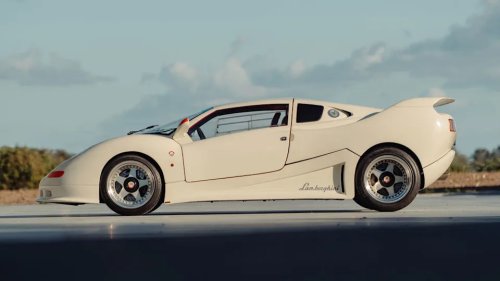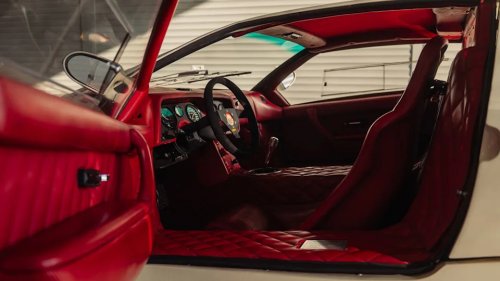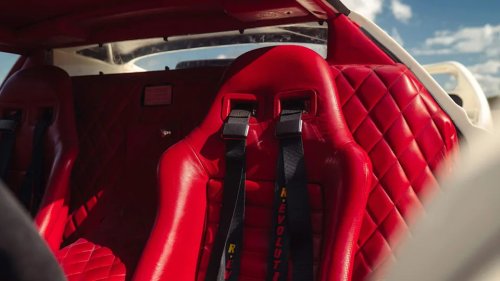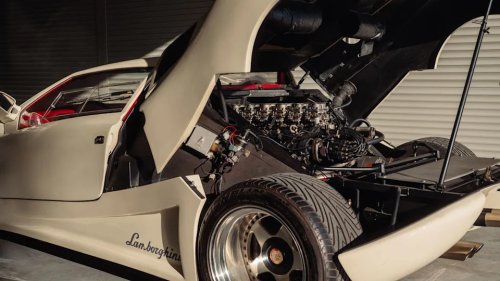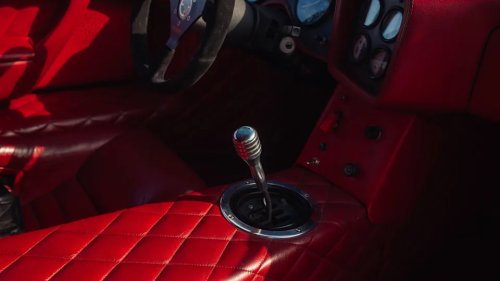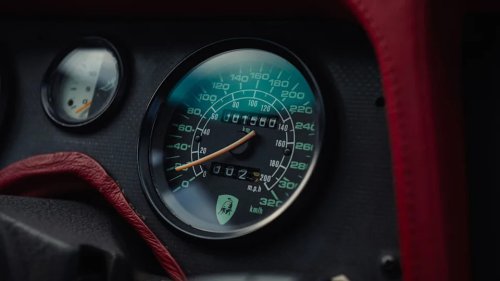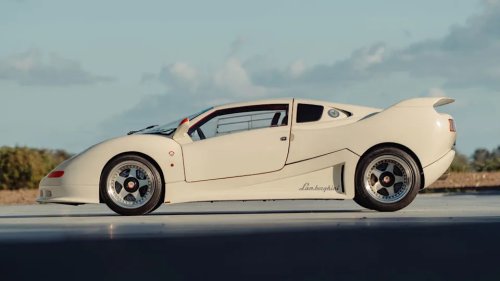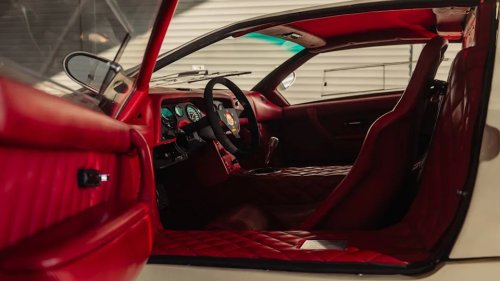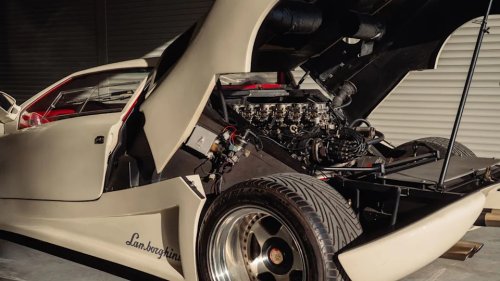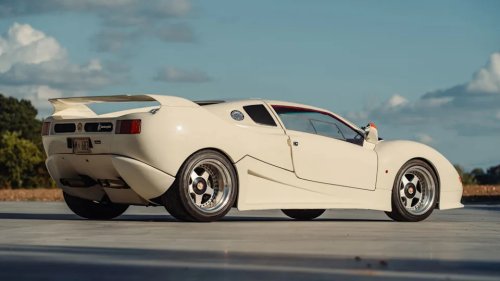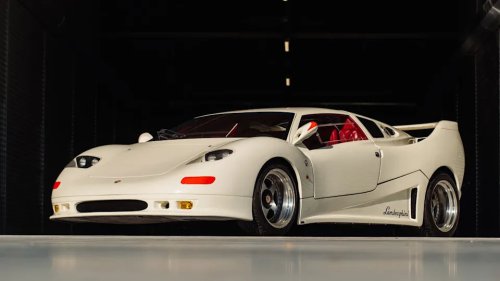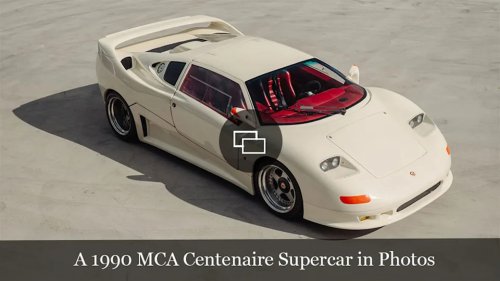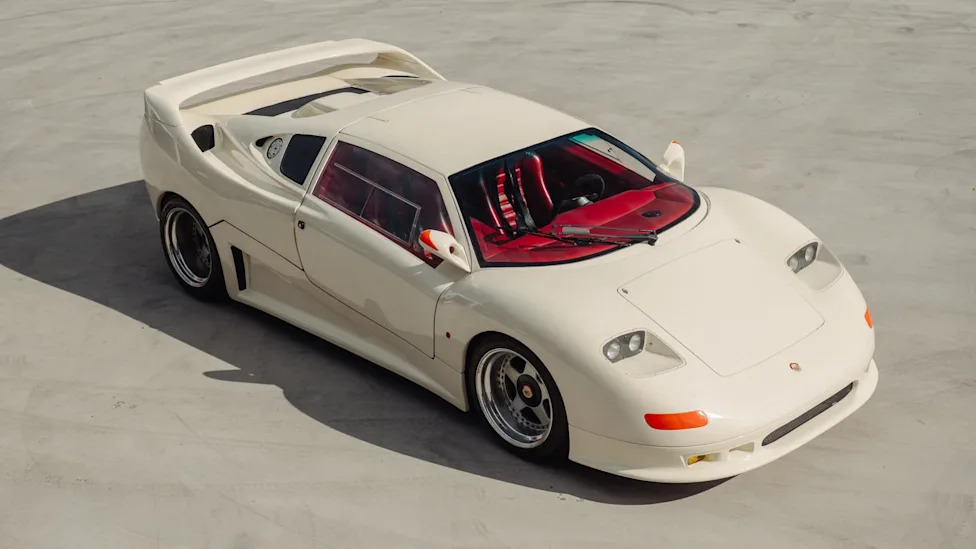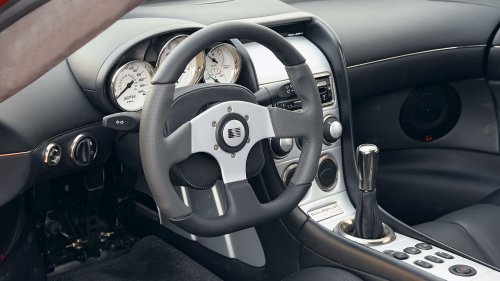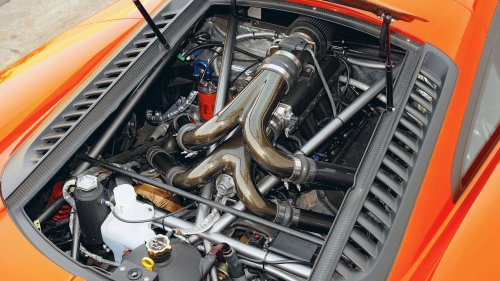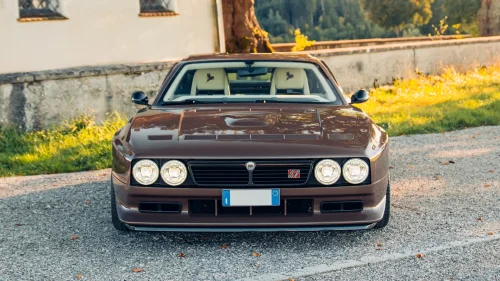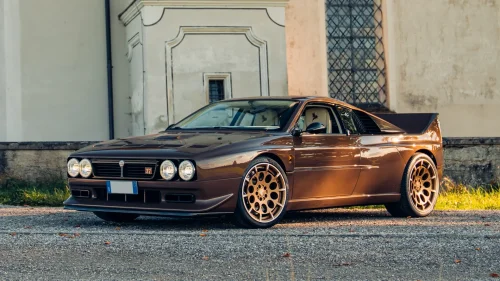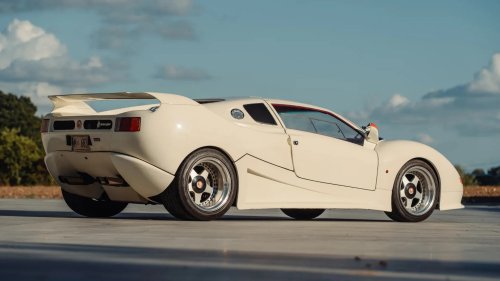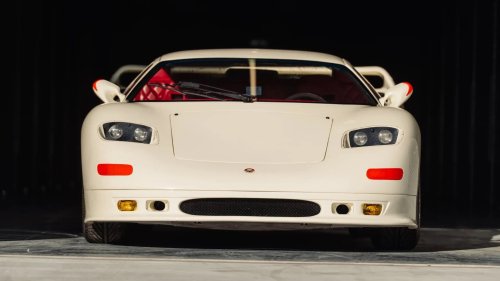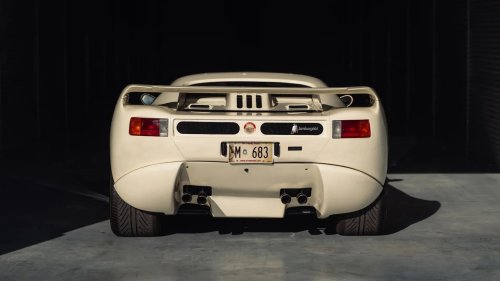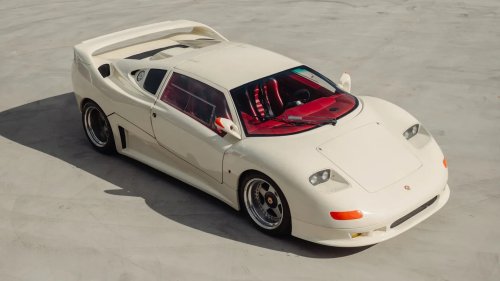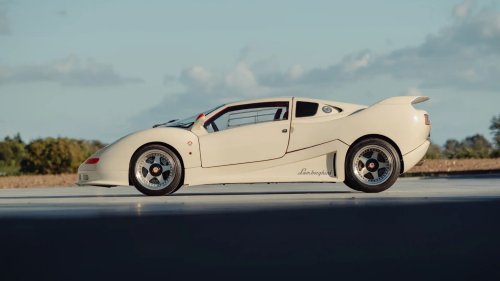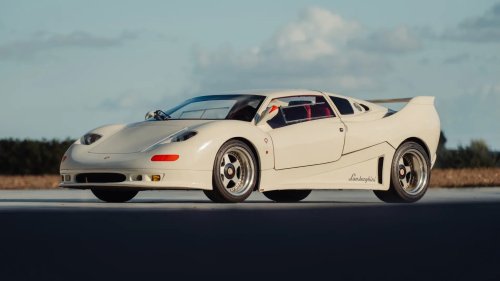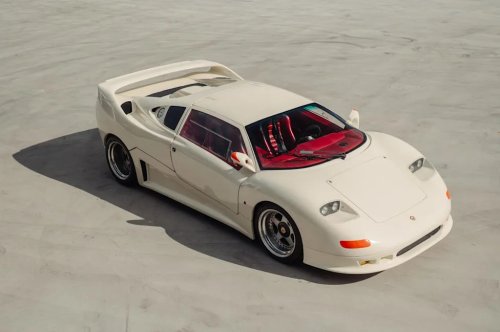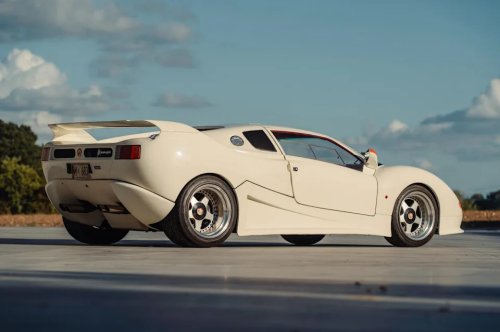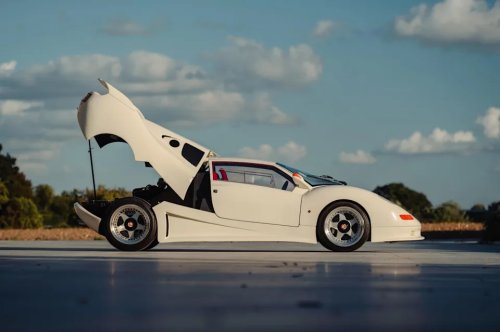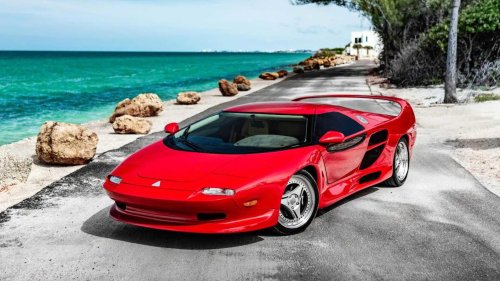
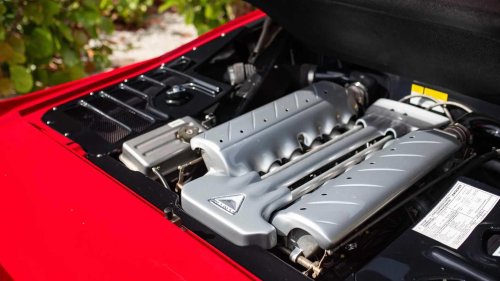
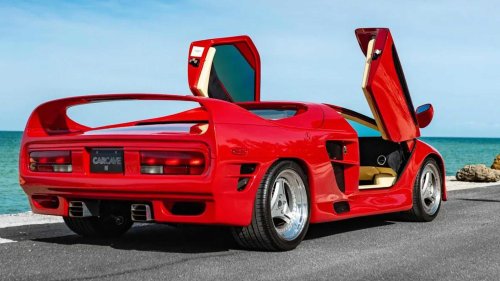
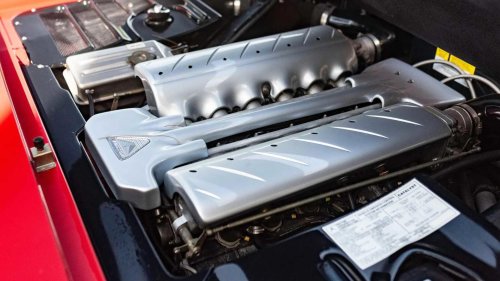
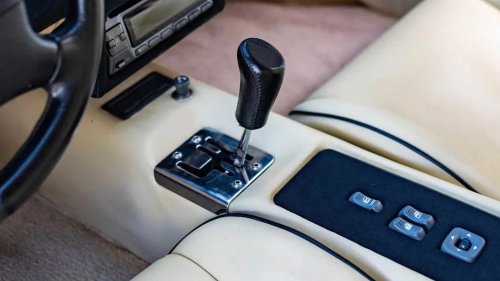
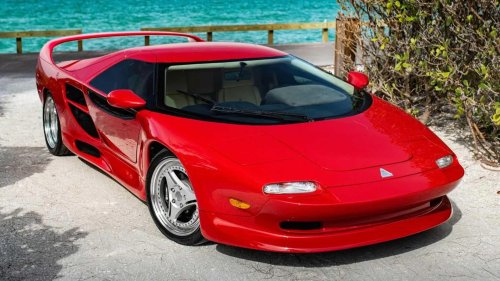
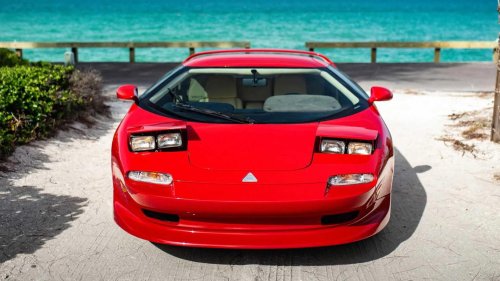
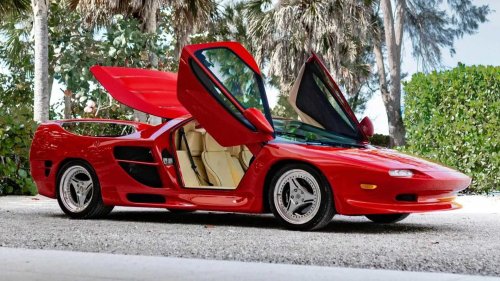
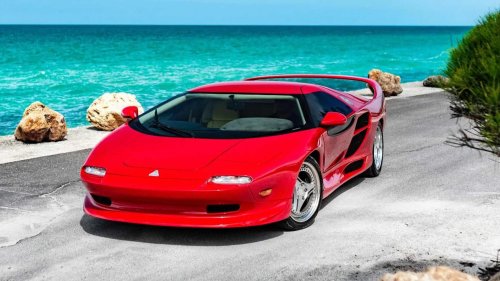
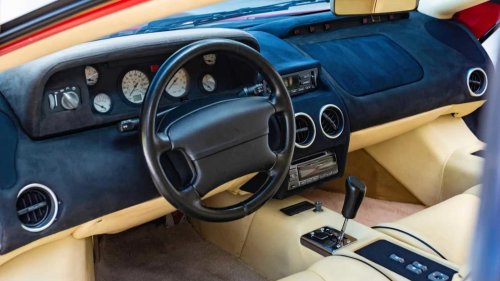


















Somewhere between Detroit’s muscle and Italy’s flair, there was a mad experiment that almost no one remembers. Before touchscreens, drive modes, or fake exhausts, an American company hand-built a supercar powered by a Lamborghini V12 and paired it with a proper manual gearbox.It wasn’t born in a giant factory or backed by billions. It actually came from a California workshop, chasing a dream that proved to be too wild to last. At a time when the stick shift was dying, and automatics ruled, this machine from the mid-late 90s stood tall as the last American manual V12 ever built. Unfortunately, it vanished just as quietly as it arrived. The Forgotten American Supercar That Went Out With A V12 Bang Via: Bring A Trailer The Vector M12 was the first, but also the last American manual V12 car. It was built between 1995 and 1999 in Wilmington, California, and carried a 5.7-liter Lamborghini V12 under its carbon-Kevlar body. The M12 was the brainchild of Gerald Wiegert, a man who believed America could take on Ferrari and Lamborghini at their own game, and for a brief, chaotic moment, he almost did.While GM and Ford were chasing refinement and emissions compliance, Wiegert and his company Vector Aeromotive didn’t follow Detroit’s playbook; instead chose to chase dreams. His company hand-built around 17 M12s (14 for customers), each one different in detail but identical in attitude – brash, over-engineered, and proudly analog. Every M12 came with a 5-speed manual transmission, rear-wheel drive, and a driver’s seat that felt more fighter jet than car. In an era that saw automatics taking over, this was the one and only American supercars with a V12 and a manual gearbox.Via: Bring A Trailer Today, the Vector M12 sits in the shadows of the supercar world. Average used prices hover around $270,700, according to Classic.com, making it cheaper than many Ferraris with half the story. It qualifies as the final American manual V12, simply because no one else even tried to sell one to the public. Cadillac flirted with the idea in concept form, but nothing made it to the streets. In the EV age, where silence has replaced thunder, the M12 feels almost like the rebellious America’s swan song to pure, mechanical excess. Why No One Remembers the Vector M12 Via: Bring A Trailer The M12 never stood a chance at fame. Its timing was off, its build quality inconsistent, and poor marketing. Many dismissed it as a knock-off Diablo, ironic given Lamborghini supplied the engine. But under the flashy bodywork and drama, the M12 represented an unfiltered piece of American ambition with a European pulse, something few cars ever could. A Lamborghini Heart With An American Soul Via: Bring A Trailer At the core of the Vector M12 specs sat a 5.7-liter DOHC V12 borrowed from the Lamborghini Diablo, detuned slightly from the Italian original. The engine produced 490 hp and 425 lb-ft of torque, sending power to the rear wheels through a 5-speed ZF manual gearbox. It weighed roughly 3,600 lbs, could hit 60 mph in about 4.8 seconds, and stretch to a top speed near 190 mph in the mid-’90s. This put it within striking distance of the world’s best exotics.Via: Bring A Trailer But stats only tell half the story. The M12 was raw, like an uncut diamond. Drivers complained that the clutch was heavy, and the shifter clunky. It didn’t have the polished sophistication of a Diablo VT, but it had authenticity. Where the Diablo felt sculpted by engineers, the M12 felt willed into existence by a madman with a wrench and a dream.Via: Bring A Trailer Vector M12 Specs Driving one today would feel almost alien compared to the dual-clutch smoothness we’ve grown used to, yet that analog experience is exactly what made it special. While the 1997 Diablo VT refined the art of V12 fury, the M12 kept it wild and unscripted, offering a proper manual V12 experience, something America would never build again. Born From Chaos: The Rise and Fall of Vector Aeromotive Via: Bring A Trailer The Vector Aeromotive history starts with one man who refused to accept that America couldn’t build a supercar to rival Ferrari or Lamborghini. Gerald Wiegert was a mechanical designer with big dreams and zero patience for corporate red tape. In the late 1970s, he created Vector Aeromotive and promised the world a supercar that could outgun anything from Europe.His first prototype, the Vector W2, looked like it came straight off a sci-fi movie set. Then came the Vector W8 Twin-Turbo, a wedge-shaped rocket with twin-turbo V8 power and a claimed top speed of over 240 mph. The W8 was outrageous, loud, and completely unfiltered, exactly what Wiegert wanted.But building an American exotic wasn’t easy. By the mid-1990s, Vector was in financial chaos. Indonesian investors from Megatech, the same company that owned Lamborghini at the time, took control. Wiegert lost creative control of his own brand, and the Vector M12 was born under corporate pressure rather than passion.Via: Bring A Trailer It used a Lamborghini V12 and was assembled in Wilmington, California, with a fully American-made chassis and body. Yet the partnership that was supposed to save Vector ended up sinking it. Poor coordination between the American and Italian sides, rising costs, and questionable build quality killed any chance of success.By 1999, production stopped after barely a dozen units. Wiegert eventually regained the brand, but the dream had already burned out. Companies like Saleen and SSC North America would later carry the torch for American supercars, proving that Wiegert’s vision wasn’t misplaced, it was just ahead of its time. The Vector M12 remains a monument to raw ambition, born from chaos and buried under it too. Why The Vector M12 Still Matters Today Via: Bring A TrailerAmerica's only street-legal V12 supercar, the Vector M12 price tells part of the story. Averaging around $270,700 on Classic.com, it sits in that strange collector zone that's too rare to ignore, too wild for mass-appeal. But for enthusiasts, its value isn’t just about money. The M12 stands as the last American manual V12 car ever made, a mechanical time capsule from when the driver still mattered more than the computer.In today’s world of paddle shifters and silent EVs, cars like the M12 remind us of when driving felt loud, physical, and brutally honest. The clutch fights back, the gearbox demands patience, and the V12 sings with zero filters. It’s the kind of experience you’ll never get from a Tesla or even a modern Ferrari SF90. The M12 has become a symbol of the analog era, loved by collectors who crave something real.Via: Bring A Trailer Modern purist machines like the Chevrolet Corvette C8 Z06 and Ford GT keep the American performance flame alive, but none carry a V12 or a manual. That’s what makes the M12 irreplaceable. It wasn’t perfect, but it was genuine, a final stand for the raw side of American car culture.Today, a handful of M12s still pop up at Barrett-Jackson, Bring a Trailer, or Monterey Car Week, drawing crowds who can’t believe something this outrageous once came from California. As American supercars evolve into hybrids and EVs, the Vector M12’s legacy grows stronger. It represents freedom, risk, and rebellion – all the things that once defined driving in America.Sources: Classic, Hagerty Media, Bring a Trailer.