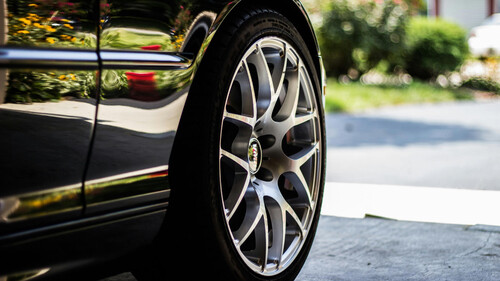
Are You Ready For A Flat?Let's face it: you probably don’t even think about your tires until something goes wrong. That’s the thing about flat tires: they usually come when you least expect it. However, understanding the common culprits and being ready to act makes a huge difference. Here’s what every driver should know about flats and staying in control, starting with the things that cause flat tires, as well as what you should do if you get one. 1. Sharp Road DebrisCrunch. That’s the sound of trouble when your tire rolls over a rogue nail or jagged shard of metal. Streets collect all sorts of hazards, especially after storms or construction work. A single sharp object can do a surprising amount of damage.2. Worn-Out Tire TreadThink of tire tread like your shoes’ grip on a slippery sidewalk. Once it's worn down, every bump and pothole becomes a gamble. Bald tires are dangerous. They can’t protect the tire from sharp objects or rough pavement. 3. Improper Inflation LevelsA tire that's too soft or too full is asking for trouble. Under-inflated tires flex too much and wear unevenly. Over-inflated ones? They turn into balloons waiting to pop. That sticker inside your driver’s door? It tells you the sweet spot.4. Faulty Valve StemsA small issue, but a big problem. Over time, the valve stem can crack or corrode, allowing air to escape slowly. No dramatic blowouts, just a tire that gradually loses air without any obvious cause.5. Damaged Tire BeadsPicture a tight seal, like a jar lid screwed on just right. That’s what the tire bead does when the tire meets the wheel. But if it’s damaged during installation or from hard curb hits, it can let air sneak out.6. Pothole ImpactsYou hit a crater-sized pothole, and suddenly, everything feels off. The jolt can pinch your tire between the rim and pavement, slicing it from the inside. It’s called a “pinch flat,” and it’s more common than most people think. 7. Overloaded Vehicle WeightToo much stuff in the back? That load might weigh more than your tires can handle. Overloading strains your tires and heats them, which weakens the rubber. So, if you ever see a tire bulge out at the sides, that’s a red flag. 8. Vandalism Or TamperingIt’s rare, but it happens. A sneaky neighbor or bored teenager decides to loosen a valve or slash a tire for kicks. If your tire goes flat overnight with no warning and no visible puncture, someone may have lent a helping hand you didn’t ask for. 9. Driving On Old TiresEver seen an old rubber band snap? Now imagine that happening at 65 mph. Remember that rubber ages. Even if your tread looks fine, time alone can cause cracks and weak spots to form. Five to six years is the general rule, but it depends on use and climate. 10. Alloy Wheel CorrosionThat shiny aluminum wheel may be hiding corrosion underneath where it seals against the tire. Moisture sneaks in, usually from road salt or humidity, and causes a slow leak. You may not be able to notice it right away.So now you know what’s out to get your tires. But what happens when the damage is already done? Don't panic or Google mid-crisis. Here’s what to do when that dreaded flat hits.1. Pull Over SafelyAs soon as you feel the thump or wobble, ease off the gas and steer to a safe spot. Shoulders, parking lots, and wide driveways work best. Keep calm. A gentle stop protects your rim and you from things getting worse.2. Turn On Hazard LightsYour car isn’t invisible, but drivers act like it is. Hazard lights scream, “Hey, I’m stuck! Give me space!” Whether it’s day or night, that little switch can save lives. Flashing lights catch your attention and buy you breathing room while you figure out your next move. 3. Inspect The TireTake a breath, step out, and look. Check for nails or odd bulges. If it’s hard to spot, feel along the surface. Sometimes, the culprit is obvious. This quick scan helps you decide if you can fix it yourself or if you need backup.4. Use A Tire SealantGot a can of tire goop in your trunk? Now’s its moment. Tire sealants plug small punctures and re-inflate your tire enough to get you moving again. It’s not a forever fix, but it’ll get you off the shoulder and to a repair shop without calling a tow.5. Install A Spare TireIf you have a spare tire and the tools to use it, now’s the time to step up. Grab your jack and wrench, and take your time. There’s no rush. Just keep in mind that spare tires aren’t meant for long drives. They're a temporary fix to get you home.6. Use A Tire Repair KitModern cars sometimes ditch spare parts in favor of repair kits. They usually include a sealant and an air compressor. Follow the instructions carefully and stay clear of traffic. If the repair is successful, you're back on the road.7. Call Roadside AssistanceWhen you're without tools or the know-how, roadside assistance steps in. They’ll replace your tire, inflate a flat, or even tow your vehicle. With one call, what could’ve been a major issue becomes a minor inconvenience.8. Drive Slowly To HelpSometimes, you have no tools, no help, and no time. If the tire isn’t shredded and you’re just a few blocks away, drive slowly—under 15 mph. Listen for any problematic noises, and don’t brake hard or take sharp turns. 9. Adjust The Car’s Weight DistributionTo temporarily reduce deflation from a slow leak, shift the car’s load. Moving heavier items away from the flat tire can help slow down the deflation. Doing so will give you more time to reach a mechanic or tire shop for a proper fix.10. Assess The Rim ConditionIf you’ve hit a sharp object, inspect the rim for dents or cracks. A damaged rim can cause a new flat even if you’ve replaced the tire. A quick visual check helps you prevent further issues down the road.