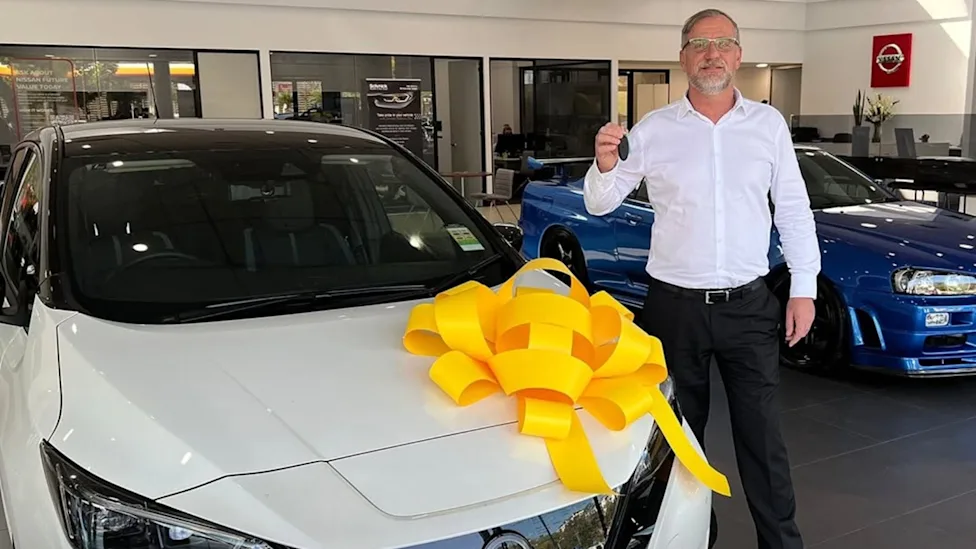
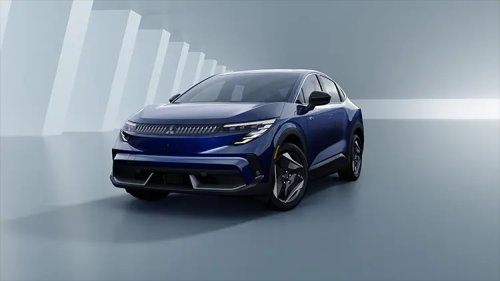
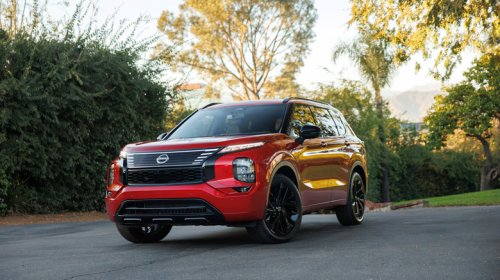
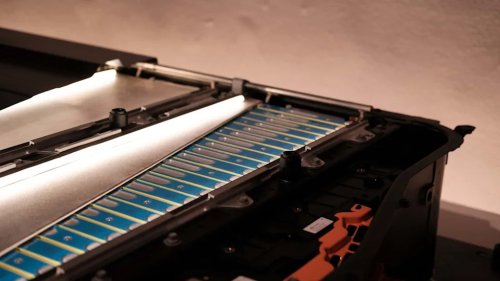
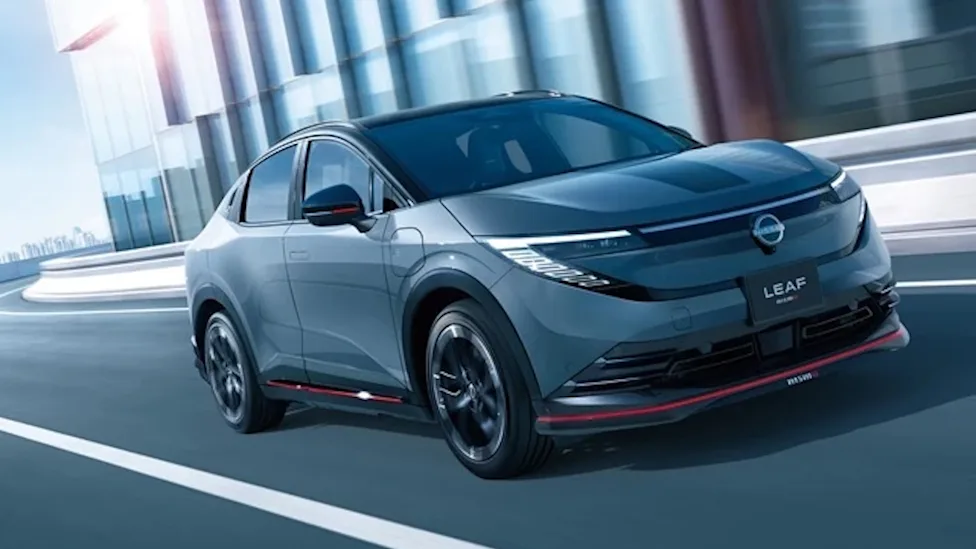
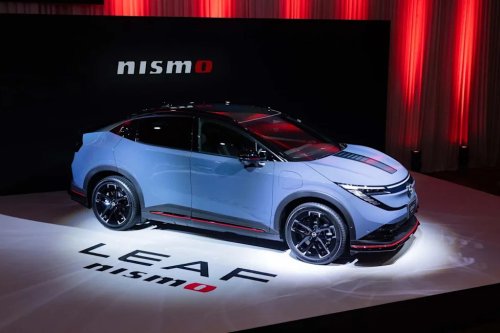
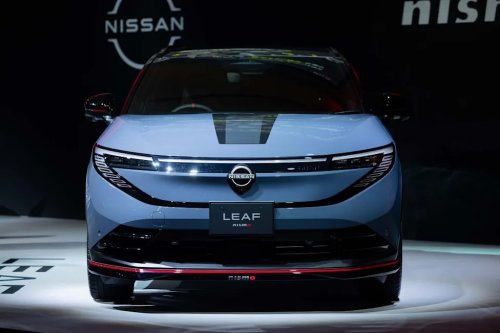
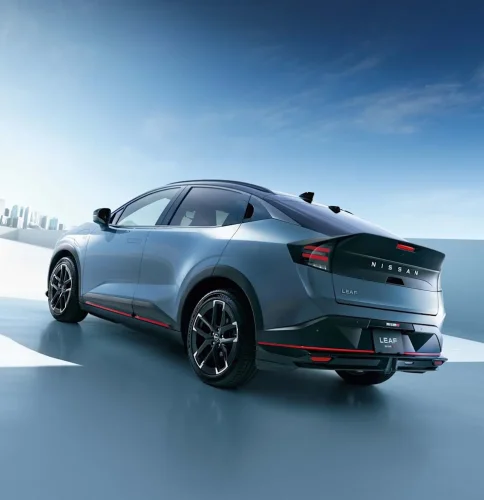
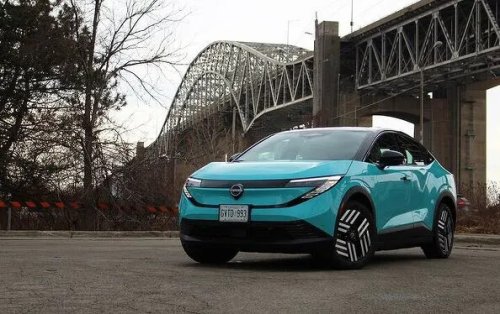
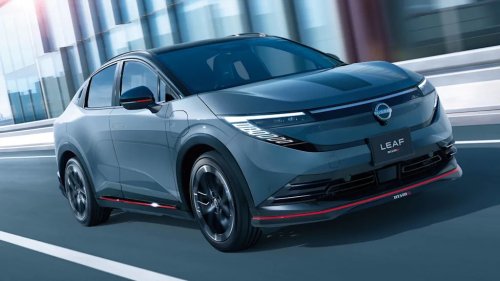
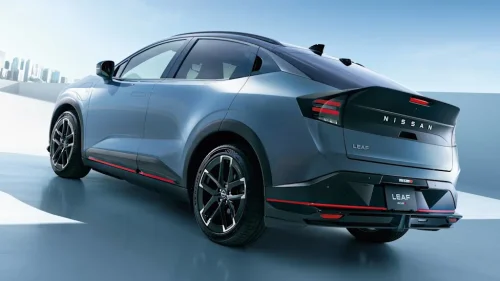
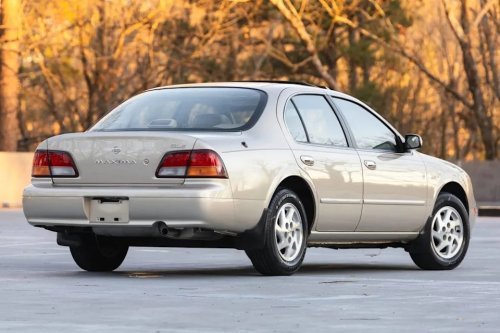
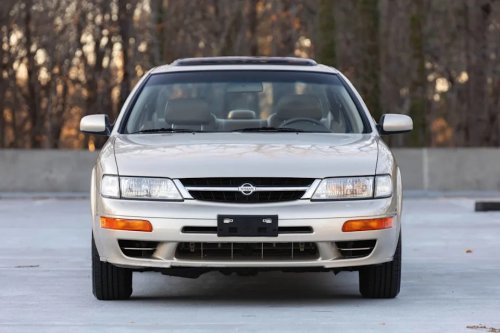
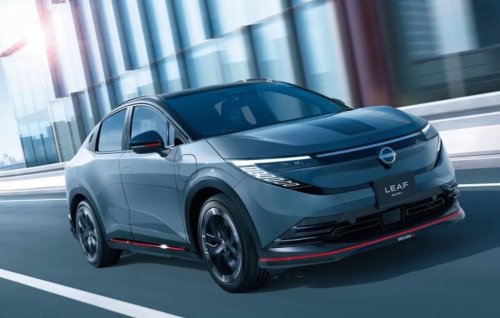
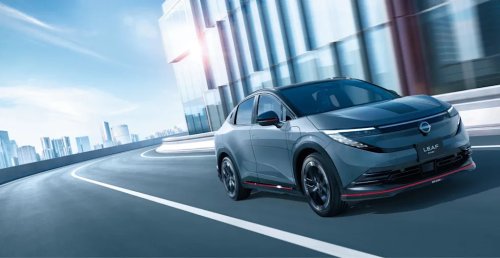
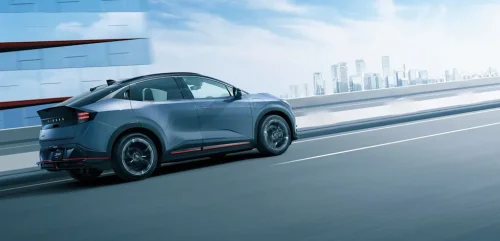
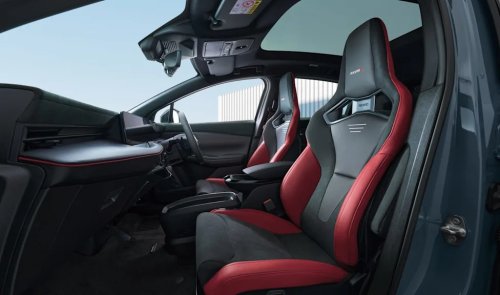
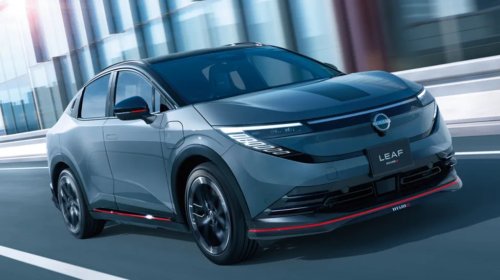
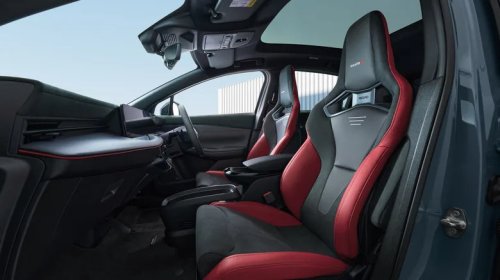
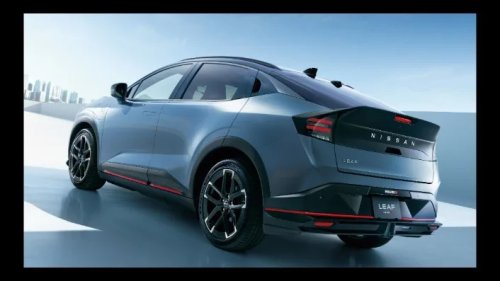
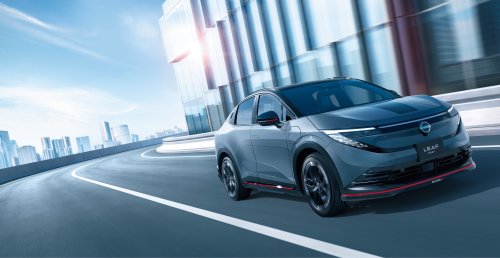
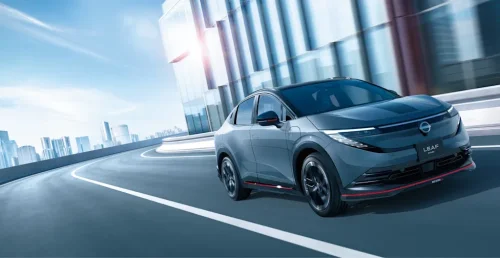
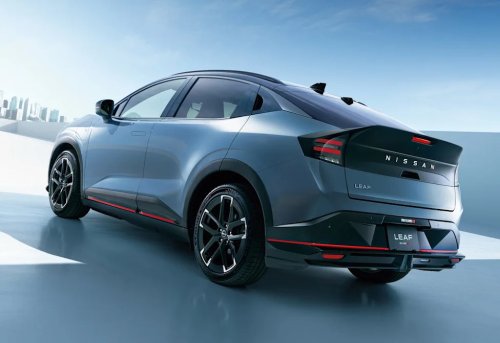
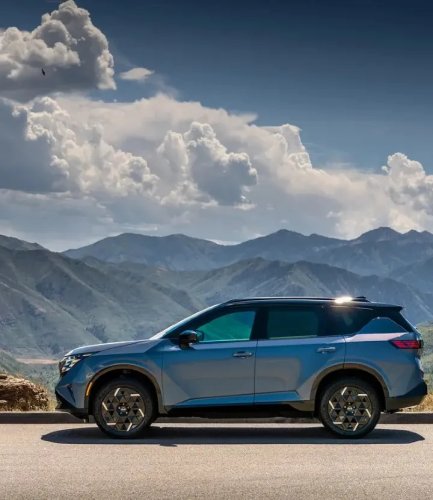
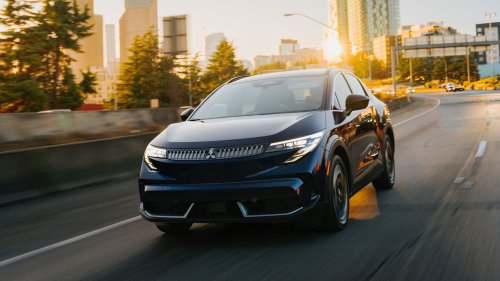
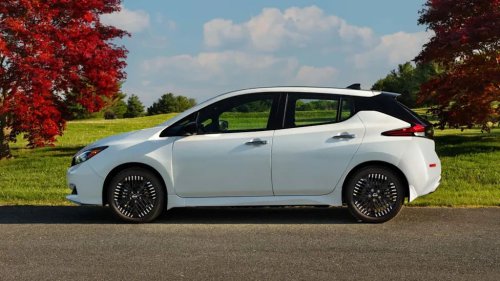
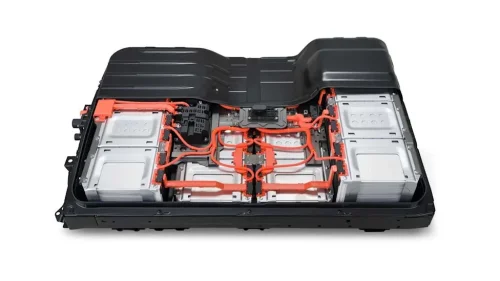
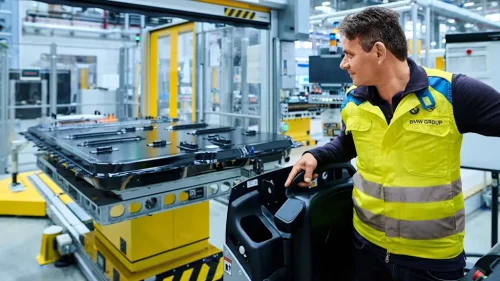
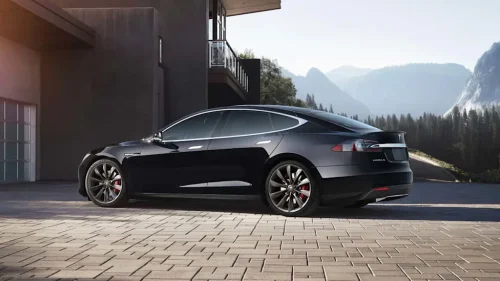
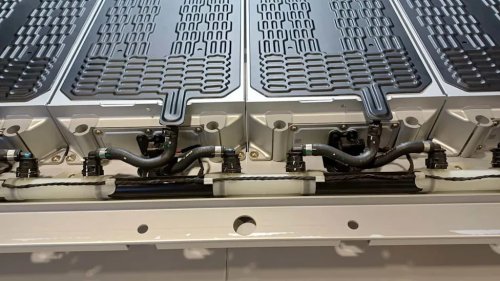
degradation diariesThe Leaf made battery degradation look terrifying, but most modern EVs are not aging the same way.The Nissan Leaf is one of the original modern purpose-built electric vehicles, so it's what many people still picture when they think of an EV. The Leaf was advanced, likable, and forward-thinking in many ways, and genuinely important, but it also had one engineering flaw that may be responsible for giving EV batteries a reputation they are still trying to shake.Its battery pack was passively air-cooled, an engineering compromise that left it with very little control over cell temperature. The big downside was that Nissan Leafs tended to lose battery capacity more quickly than other EVs, especially those with an actively liquid-cooled battery pack, and especially in hot climates.2025 Nissan LeafLeaving the battery temperature up to the elements resulted in accelerated degradation and capacity loss in a vehicle that had less range than some modern plug-in hybrids to begin with. If your EV could manage around 80 miles when new and then fell to 30 miles after a few years, it stopped being a normal car and became a local errand runabout. AdvertisementAdvertisementThis gave many people the impression that EV batteries were as short-lived as those in their smartphones. But for the vast majority of EVs, that's not even close to true. Let me explain.Welcome to Degradation Diaries, a column that breaks down everything you need to know about how EVs age.Should You Actually Worry About EV Battery Degradation?2018 Nissan Leaf: First DriveBattery degradation is different from all other EV-related concerns. Buyers can easily understand charging delays, winter range loss, and varying charging speeds, but a degraded battery sounds like the electric equivalent of a blown engine.The real reason battery degradation worries EV owners so much is the very high cost of a replacement pack. There is, of course, truth to this, and in a 2026 AAA consumer survey, the high cost of battery repair or replacement was the most-cited reason people said they were unlikely to buy an EV, at 56%, ahead of higher purchase price, long-distance suitability, range anxiety, and charging concerns.AdvertisementAdvertisementBut battery degradation isn't as scary as you may think, especially after hearing Leaf degradation horror stories. Many older high-mileage EVs are still on their original battery, and some of them are more than a decade old. Actual battery failure is exceedingly rare on modern cars. So while the slow capacity loss of a lithium-ion-based EV battery pack is unavoidable, battery packs can last a long time while still providing enough of their original range to make the car usable.Why The Leaf Scared Everyone2019 Nissan LEAF e+ batteriesFor over 15 years and two model generations, the Nissan Leaf saw numerous improvements, but it only ever came with air-cooled batteries. Because it was also one of the best-known EVs in the world, its stories of degradation traveled far beyond the Leaf forums where they originated. The first Leaf with active battery thermal management is the new crossover model, the third generation, which is one of our favorite affordable EVs.But the first- and second-generation Leafs used air-cooled batteries and suffered massive degradation as a result. A New Zealand study found that Leaf batteries degraded relatively quickly. However, even if Leaf batteries will degrade more quickly than those in a more modern EV with thermal management, some variants appeared to show unusually high annual capacity loss.The New Zealand study, based on 1,382 battery-health readings from 283 Nissan Leafs, found that 30-kWh Leafs showed an annual battery health decline of 9.9% at two years old. That's a ridiculously high figure compared to any modern EV with active battery cooling. Even the earlier 24-kWh cars weren't nearly as bad, with an 3.1% degradation per year on average. Nissan later issued a software update for some 30-kWh models because the battery controller could incorrectly report capacity, but the early owner experience had already done its damage.AdvertisementAdvertisementEarly Leaf forums were full of drivers watching battery bars disappear, especially in hot climates, and the owner stories were even more damaging than any official studies. One independent test in Arizona in 2012 (cited by Green Car Reports) found that one of the cars tested had only 60-65% of its original battery capacity, as it could only drive 59 miles before running out of battery. The car couldn't have been more than two years old at that point.Installing a new battery pack in an early first-generation Leaf was expensive, too. In January 2014, Nissan priced the replacement pack at $5,499 before tax and installation, and that price assumed the dealer kept the old pack, which Nissan valued at $1,000.That didn't make the Leaf a bad EV. If you looked after yours, you could prolong its battery. Because so many people were looking to replace their Leaf packs, third-party companies popped up to offer upgraded battery packs with more power-dense cells and higher capacity. But its battery issues left a stain on the entire EV market, as the most popular early EV was also the most prone to major battery issues. Even as data shows that modern EV batteries are much better, it's hard to overcome the reputational damage the Leaf did.Why You Don't Really Have To WorryBMW Neue Klasse Gen6 High-Voltage Battery Pack AssemblyAccording to the National Renewable Energy Laboratory (NREL), which published a paper detailing EV battery thermal management techniques, the conclusion is pretty blunt: High or low average battery temperature can accelerate lithium-related capacity loss in any EV. High temperatures in particular speed up unwanted chemical reactions inside the cell, including the growth of a protective layer that gradually consumes usable lithium as the battery ages. But there's a way to counter this.AdvertisementAdvertisementActive battery thermal management systems aim to keep the pack within its preferred temperature window, reduce temperature differences between cells, and avoid the hazards and accelerated wear associated with temperature extremes. They are fitted to every EV currently on sale in the U.S., and are standard on most EVs worldwide. A study published by Geotab in January found "the 2015 Tesla Model S, which uses liquid cooling, has an average degradation rate of 2.3%. In contrast, the 2015 Nissan Leaf, with passive air cooling, shows a much higher rate of 4.2%." 2016 Tesla Model SFor instance, this 2014 Tesla Model S with over 100,000 miles still has a remarkable 85% of its original battery capacity, and it's over 11 years old. A feat like that would be virtually impossible in any first- and second-generation Nissan Leaf.Glycol-based liquid cooling systems are found in almost every EV on sale today for this reason. From Teslas and Fords to Chevies and Volkswagens, automakers have learned that keeping the battery within its optimal temperature range is vital to ensuring long-term dependability. You also don't have to run a separate glycol-based coolant system with all the pumping and piping and extra complexity that it brings in order to cool a battery. BMW did something different with the original i3, which looped the air-conditioning system into cooling its battery, giving the car direct control over its pack temperature.Battery Cooling Has Moved OnPorsche Cayenne Electric: Each module is individually connected to the water coolingThermal management systems have improved significantly, even from the early Model S days. Most EVs now team their glycol-based battery cooling systems with heat pumps for maximum efficiency. Even though they are usually presented as cold-weather range savers because they can heat the cabin more efficiently than a simple resistive heater, in modern EVs, they can also be part of a much broader thermal management system. AdvertisementAdvertisementInstead of just making heat, a heat pump moves it around, allowing the car to scavenge warmth from the motors, power electronics, battery, or outside air and send it where it's needed. In a car like a Tesla Model Y, the heat pump works with the Octovalve, which acts like a coolant traffic director, routing heat between the battery, cabin, drivetrain, chiller, and radiator depending on whether the car needs to warm the pack before fast charging, cool it during hard use, or heat the cabin without wasting as much energy.More On ThisNissan Leaf Owner Creates World Map For Battery-Replacing CompaniesEV Rides Can Extend The Range Of Your Nissan LEAF With Battery UpgradesThis Tesla Model S Only Lost 36% Of Its Range After 430,000 MilesHere's How Much Range This Tesla Model S Has After 250,000 MilesAnd EV battery thermal management will continue to evolve. Shell recently unveiled a one-off EV whose innovation is how it cools its battery cells. While in current EVs, the coolant circulates around parts of the cells indirectly cooling them, Shell wants to fully immerse the cells in the coolant to make heat extraction more effective and efficient. More and more EVs are routing coolant through the top of the pack and along the sides of the cells, ensuring there are no hot spots anywhere in the battery that could accelerate degradation.The point is, the world has moved on from the Leaf's rudimentary air-cooled battery management approach. Modern techniques are helping batteries to go for hundreds of thousands of miles without crippling degradation. So while the Leaf was an early pioneer in many ways, be grateful that the industry learned its biggest lesson and adopted active battery cooling systems for just about every model. Thanks to those, you won't have to worry about your EV's battery for a long, long time.



















 +52 others