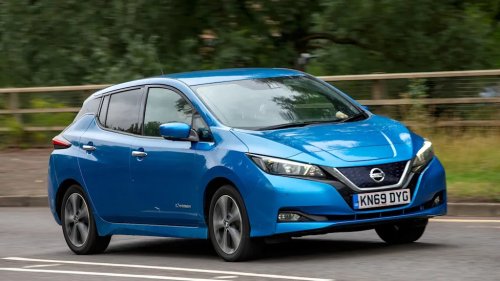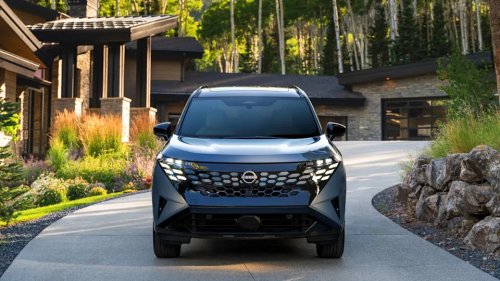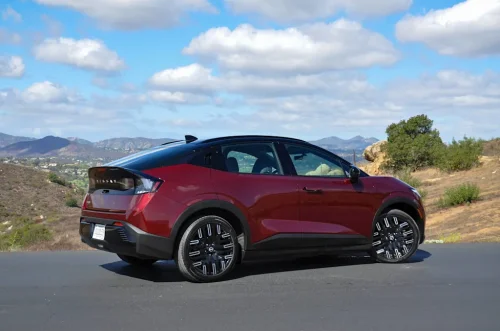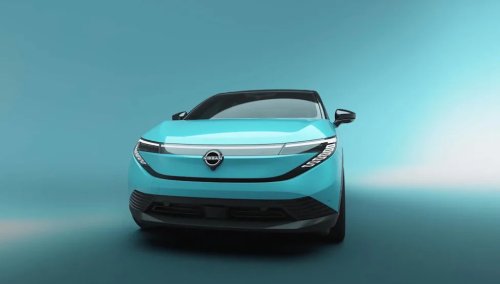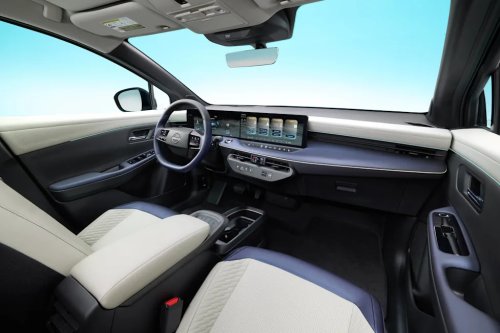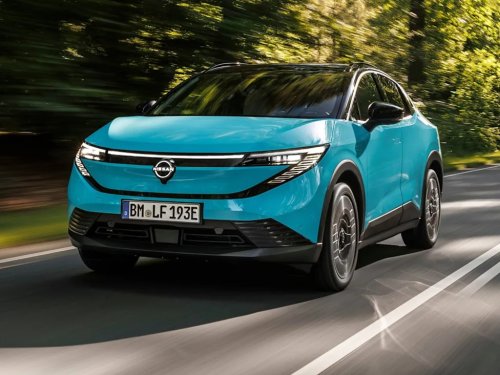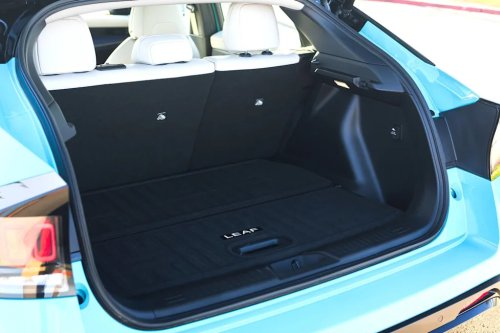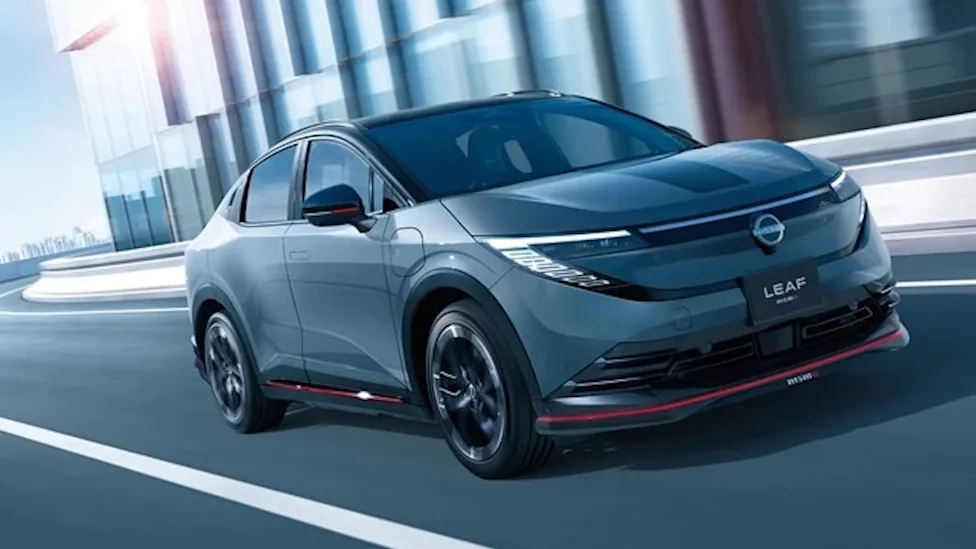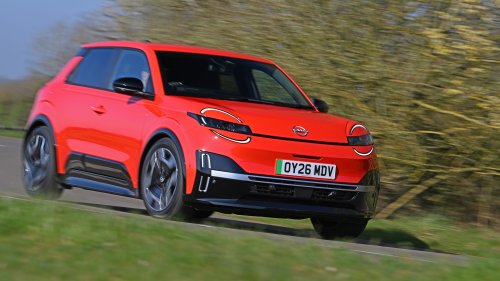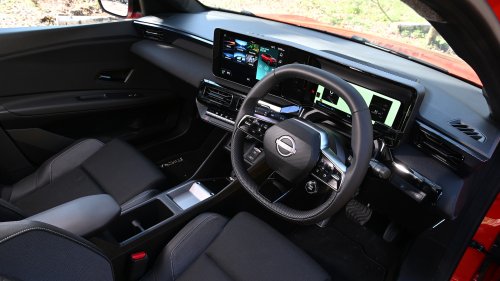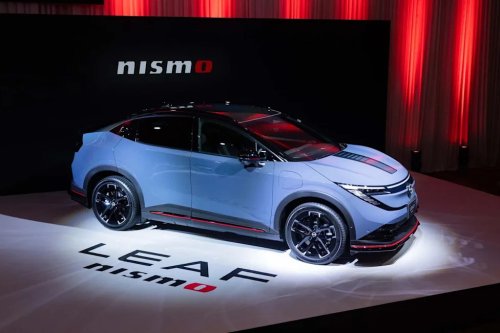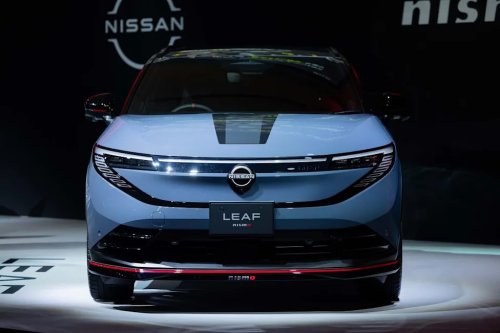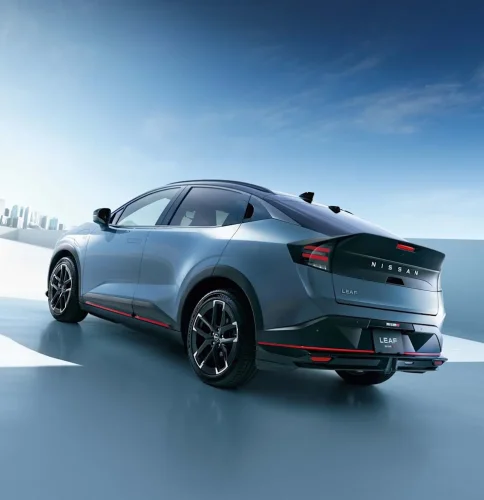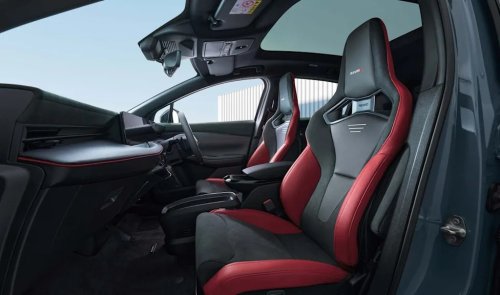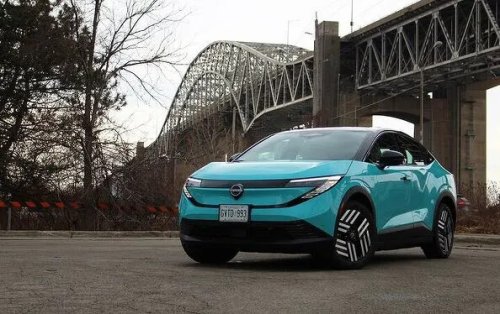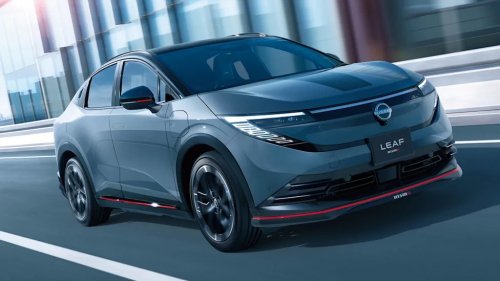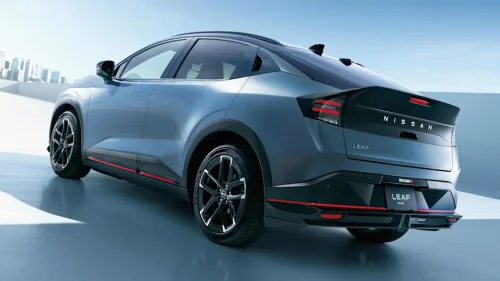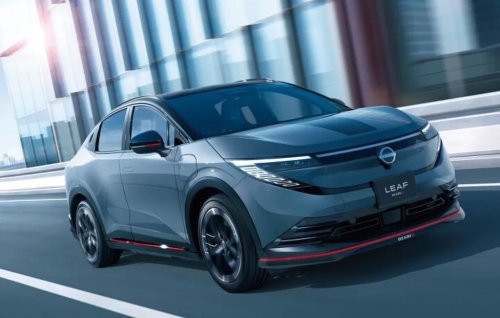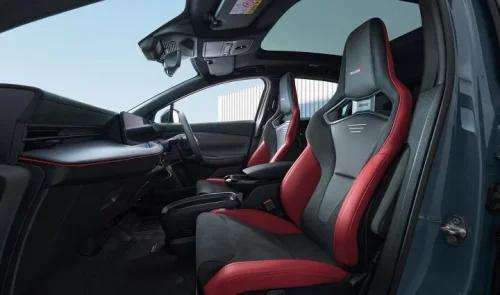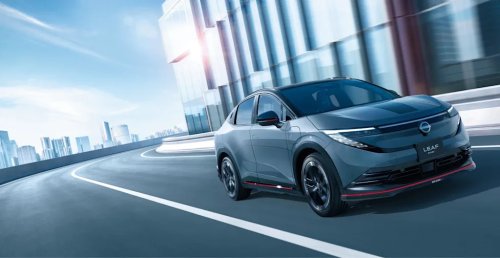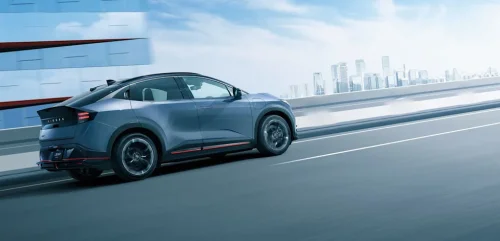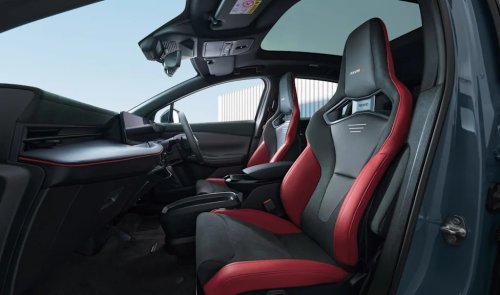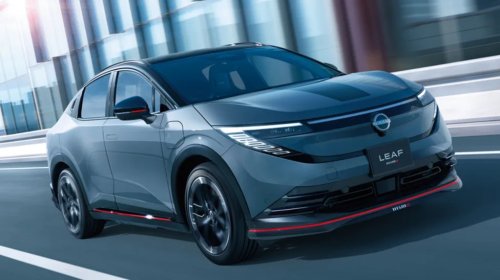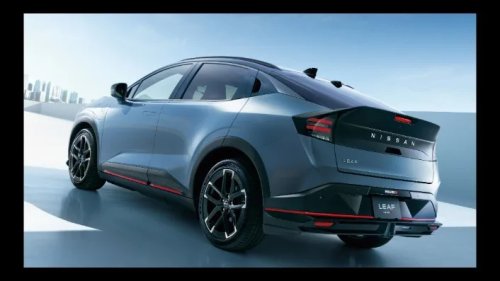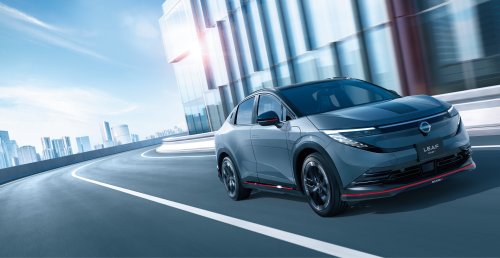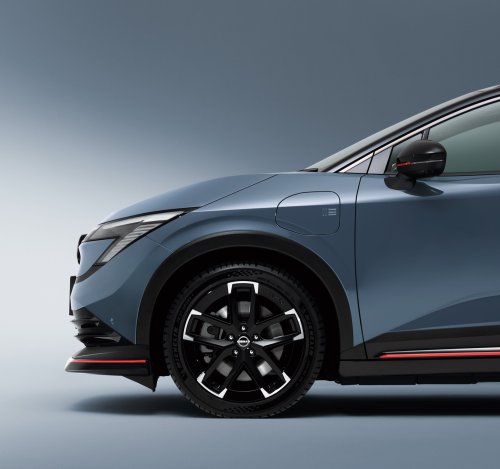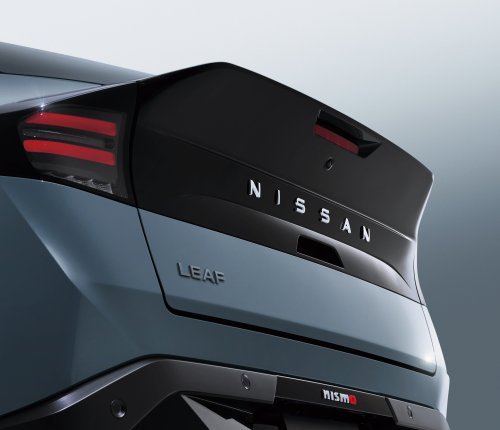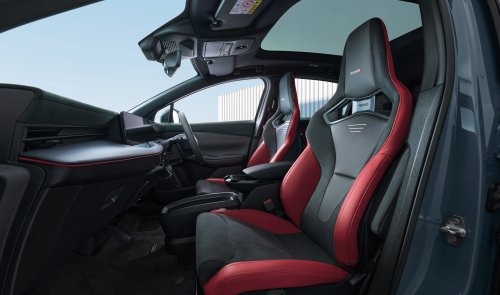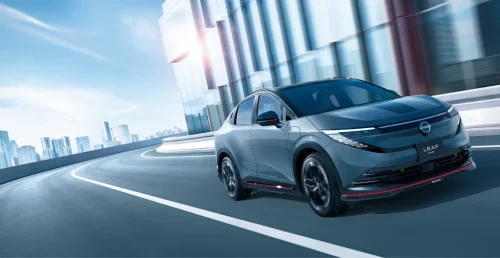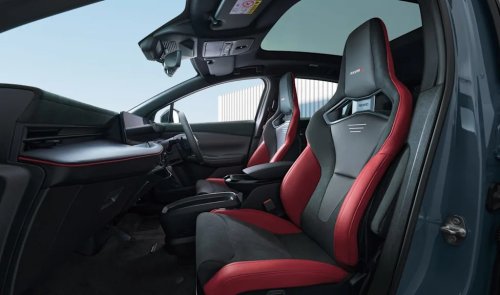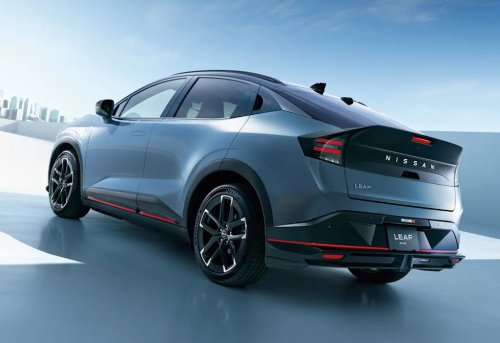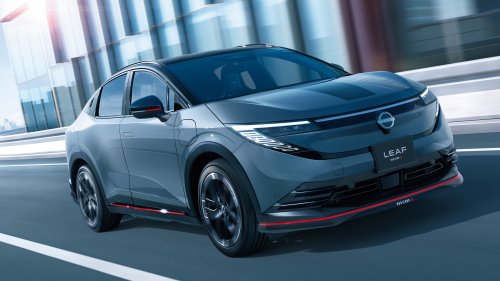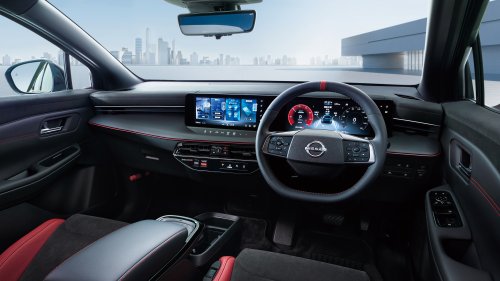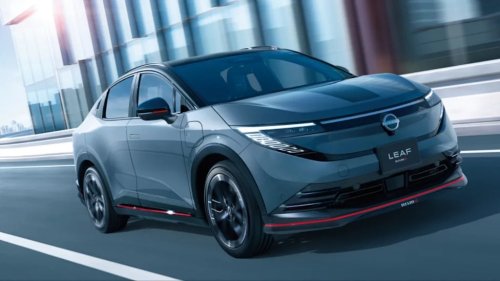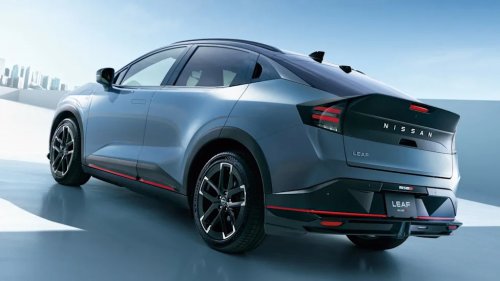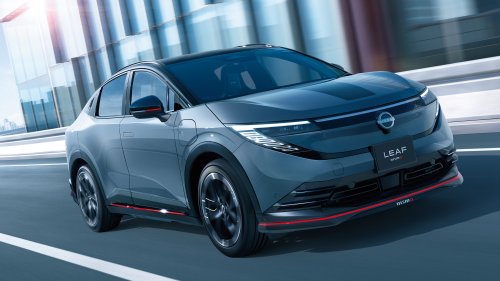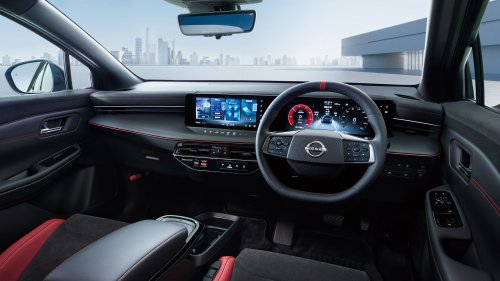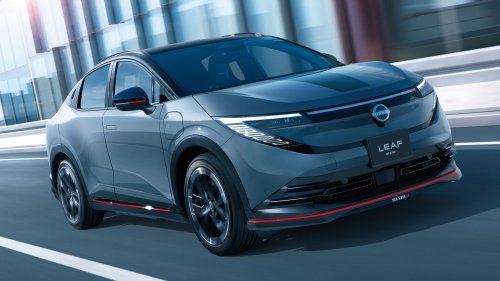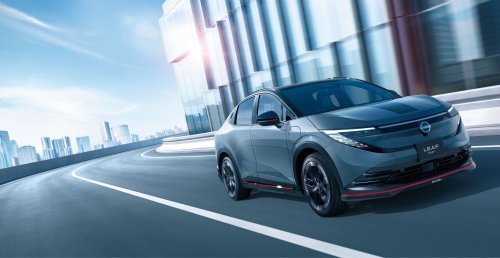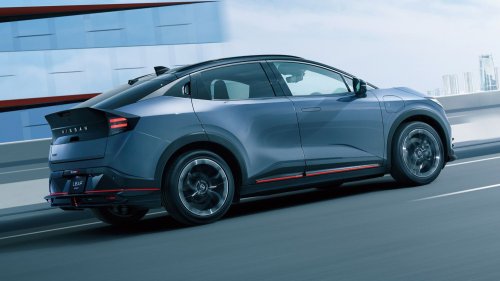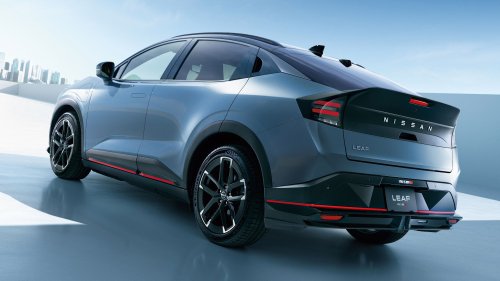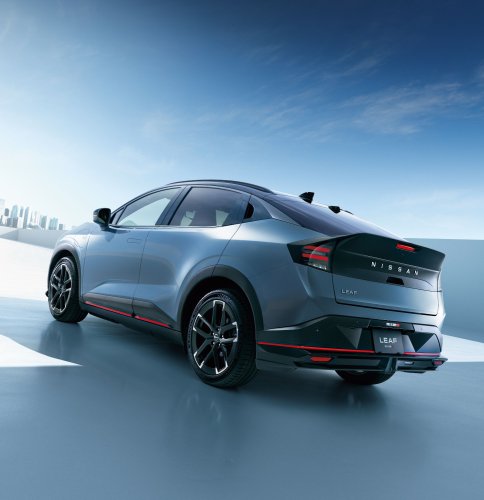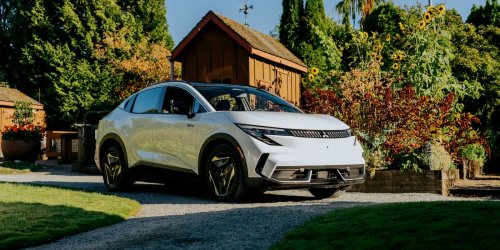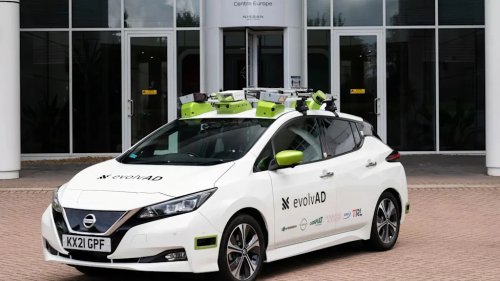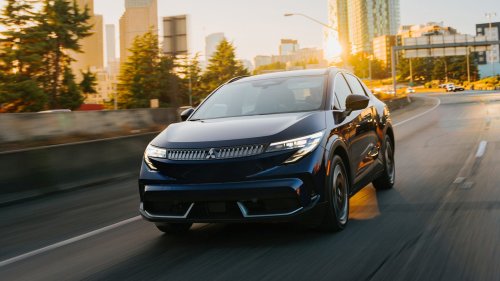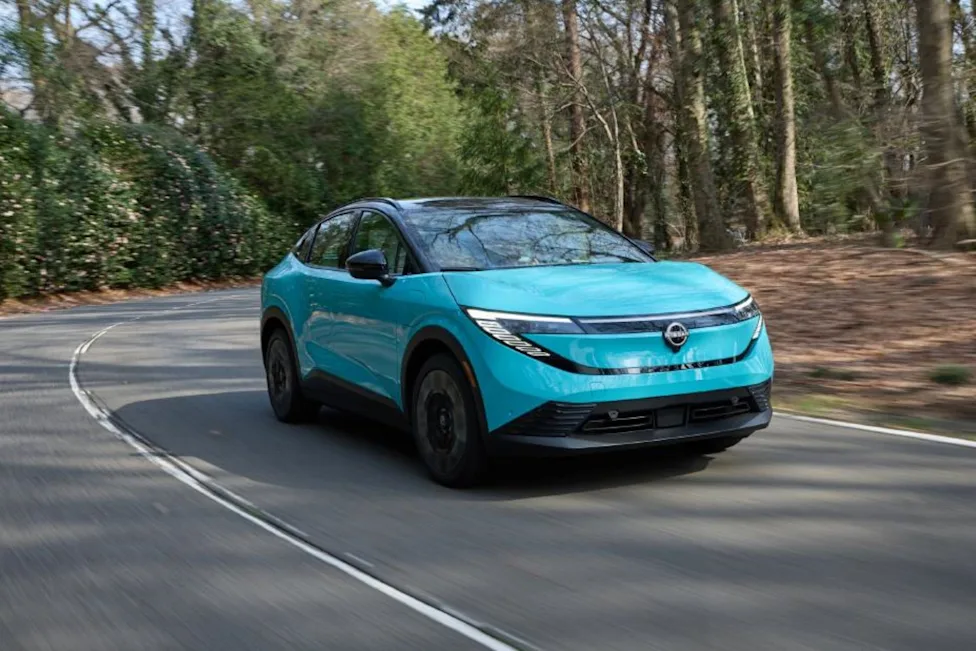



















Photo Credit: NissanFor many U.S. drivers, the Nissan Leaf was an early example of an electric car that felt more approachable and less expensive than a gas model. That history helps explain why a recent Reddit discussion about how rarely people see the latest Leaf has struck a nerve, as the former "affordable EV" becomes harder to spot.The thread's opening joke captured the confusion, with the poster asking whether the new Leaf was "in the witness protection program."What's happening?In the Reddit conversation, drivers focused on a frustrating shift for one of the best-known entry-level EVs in the U.S. The newest Nissan Leaf is showing up at dealerships with sticker prices above $40,000, as one commenter noted.AdvertisementAdvertisementFor a car long associated with budget-conscious buyers, that pricing is a sharp departure from the Leaf's earlier image. Commenters in the thread said one major reason is where the current generation is built. Because it is made in Japan, import tariffs can increase the cost before the vehicle reaches the lot.Canada came up as a revealing comparison. Reddit users said shoppers there can still find lower-priced versions that qualify for rebates, making the Leaf a much easier financial choice just across the border.Together, those factors help explain a strange turn in the U.S. market: a starter EV that was once a common sight is now so expensive that many buyers are looking elsewhere.Why does it matter?EVs can reduce household expenses over time because charging and maintenance are often cheaper, while gas-powered cars generally need more routine service. But when the starting price climbs into the $40,000 range, those longer-term savings become much tougher to reach.AdvertisementAdvertisementThe Leaf once filled an important role by giving drivers a lower-cost way to move away from gasoline without paying luxury-level prices. If cars in that part of the market start to vanish, shoppers may end up with fewer practical options even as interest in electrification keeps rising.That means the speed of the transition may depend not only on technology, but also on affordability.What's being done?One response from shoppers has been to look more closely at used EVs, which can still provide many of the same fuel and maintenance savings at a far lower purchase price than a new model affected by import-related costs.A vehicle's final price can change significantly depending on where it is assembled and whether it qualifies for federal, state, or local incentives. That helps explain why similar EVs can look reasonably priced in one market and overpriced in another.AdvertisementAdvertisementAutomakers are also facing pressure to offer lower-cost electric vehicles that can qualify for incentives and avoid tariff-related price increases. If more production moves closer to U.S. buyers — or if policy changes make it easier to bring in lower-priced imports — that could help reopen the entry-level EV market.Get TCD's free newsletters for easy tips, smart advice, and a chance to earn $5,000 toward home upgrades. To see more stories like this one, change your Google preferences here.