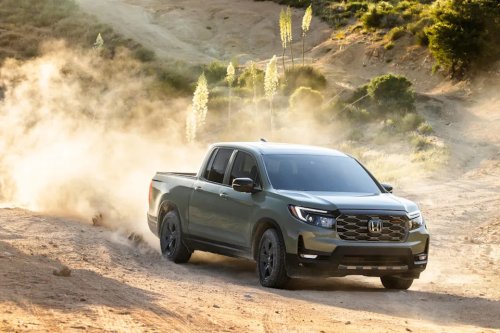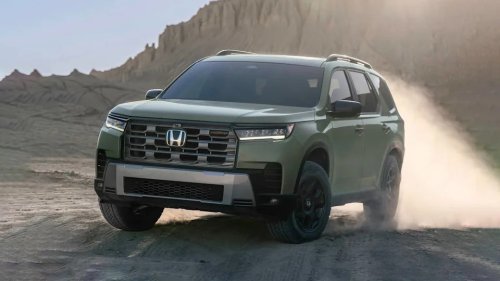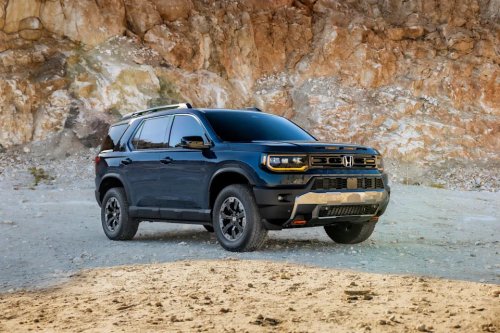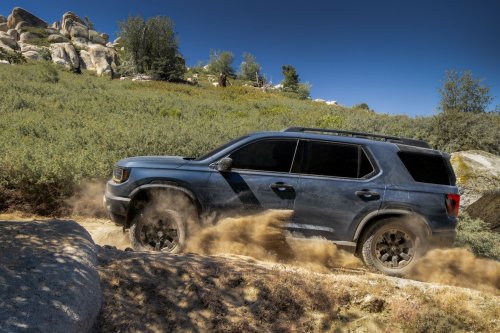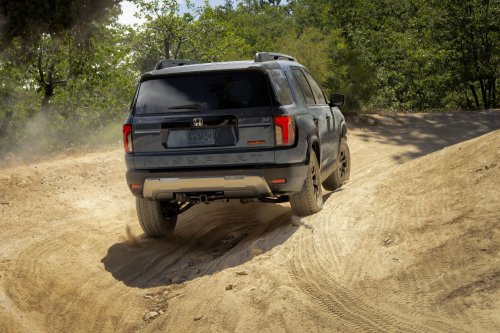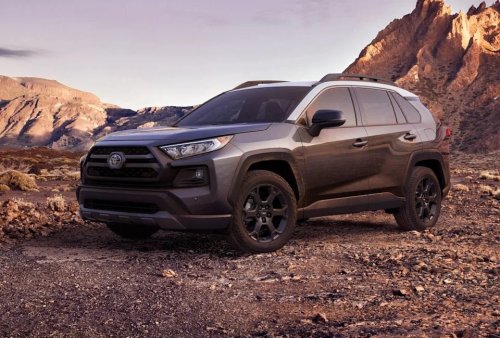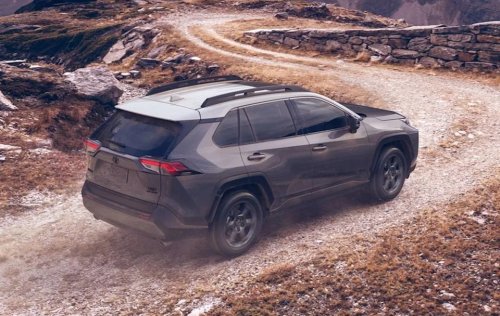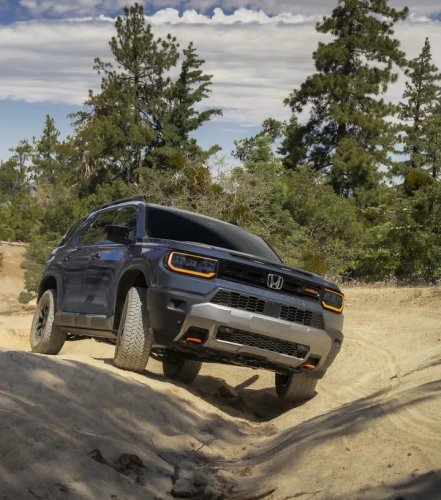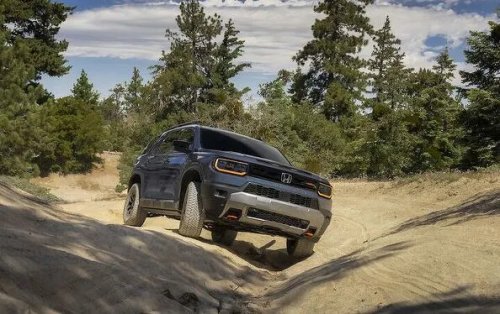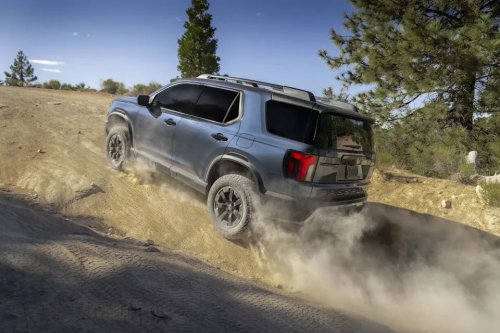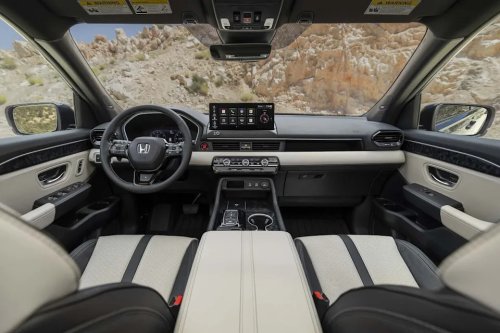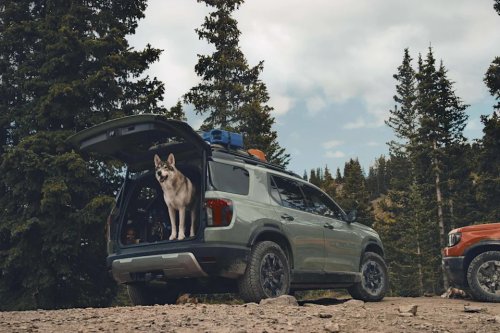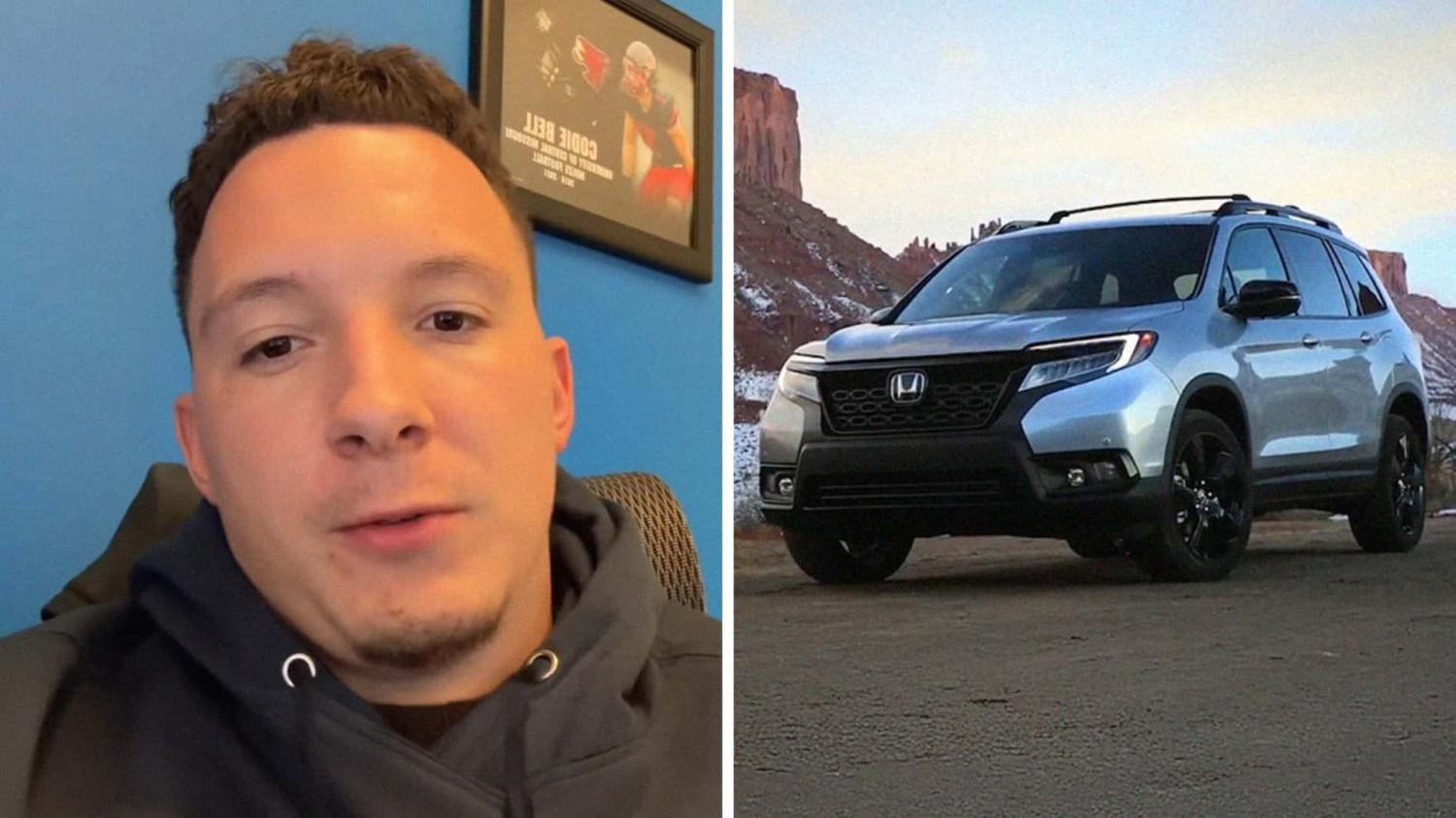




















For a special cross-section of car buyers, the trip to the dealership is akin to entering an athletic arena where they feel they have to come out as the winner. No deal is good enough, no price is low enough, and there’s no end to the throw-ins and add-ons they’ll ask for before a deal gets done. A viral TikTok clip from Missouri car salesman Codei Bell (@5starmotorco) shows us this dynamic up close. For the combative customer interested in a 2020 Honda Passport, even getting the lowest price in the country on that year and model didn’t feel low enough. “The most frustrating thing about this business is no matter what you do, you can't make some people happy,” Bell said in the clip that’s been viewed more than 19,000 times. After a first visit from a couple who seemed ready to move forward, Bell said the deal fell apart almost as soon as they left. “He calls us back, … couldn't be more than two miles down the road, and asked if we were negotiable on the price. I said, ‘Brother, I've had it for 170 days. No. It's the cheapest one in the country,’” Bell said. “Then he gets mad at me and hangs up.” 2020 Honda Passport: The Sale That Fizzled Out From Bell's telling, there wasn't much left to sell. The couple had already spent time behind the wheel, checked it over, and walked away with the kind of positive impression salespeople usually look for at the finish line. There was no visible hesitation or sign that the vehicle itself was the issue. The happiness with the Passport is what makes the follow-up call stand out so distinctly. It wasn't a drawn-out negotiation or a list of concerns, but just a single question that immediately changed the tone of the interaction. Suddenly, what looked like a near-certain sale had fizzled out entirely. All because the focus shifted away from the vehicle and its appeal to buyers and became entirely about price and deal terms. In the comments, viewers didn't see a single obvious takeaway. Instead, the clip turned into a debate about whether the customer's reaction was unreasonable or completely predictable. Some sided with the buyer and argued that a vehicle sitting unsold for that long is its own signal. Their thinking was that if it hadn't moved in that time, then the number attached to it may not match what shoppers are willing to pay right now. From that perspective, asking about price flexibility isn’t a stretch but just a normal part of reading the deal landscape. Others pushed back, pointing to broader conditions that have slowed activity across the market. Even competitively priced listings, some viewers noted, can linger when buyers pull back, making time-on-lot a less reliable indicator than it might seem. A third group focused less on pricing and more on psychology. For many customers, they argued, the process matters just as much as the outcome, and being told there's no room to move can feel like a dead end regardless of the starting number. Deal-Making Has Changed What the clip shows us is less about one SUV and more about a familiar friction point in modern car sales. Pricing is becoming increasingly data-driven, with dealers advertising aggressive numbers up front in an effort to stay competitive online. But that approach doesn't always align with how buyers expect the process to unfold. That tension is becoming more common as dealerships adjust how they price vehicles in an era where most shoppers begin their search online. Instead of listing a higher number and negotiating down, many dealers now aim to post what they consider a competitive, near bottom price from the start. The goal is to stand out in nationwide searches and avoid losing buyers who are comparing dozens of similar listings at once. That approach can change the rhythm of a deal. With less margin built into the asking price, there's often less room or willingness to negotiate once a customer shows interest. For the sales staff, it can streamline the process and reduce the time spent going back and forth. But for buyers who still expect some movement, the experience can feel abrupt and constrained. It also creates a different kind of pressure on vehicles that sit. When a car listing lingers, the expectation isn't always that the price is already optimized but that it's waiting to be adjusted. That gap between how prices are set and how they're interpreted can turn even a straightforward transaction into a standoff. In this case, the disconnect shows up fairly distinctly in one single exchange. The seller treats the listed price as the final answer, in what could be interpreted as an attempt to reduce haggling and friction with the customer. From the other side, the customer sees the price as an opening pitch and an invitation to pull the number lower. When those assumptions misalign, even a deal that appears close on paper can fall apart fast. For Bell, it's a frustrating outcome tied to a customer who won't budge. For viewers, it's a reminder that in car buying, agreement on the vehicle doesn't always mean agreement on how the deal is supposed to come together. Motor1 reached out to Bell via phone and direct message. We’ll update this if they respond. We want your opinion! What would you like to see on Motor1.com? Take our 3 minute survey. - The Motor1.com Team