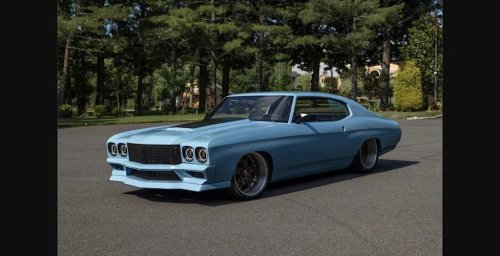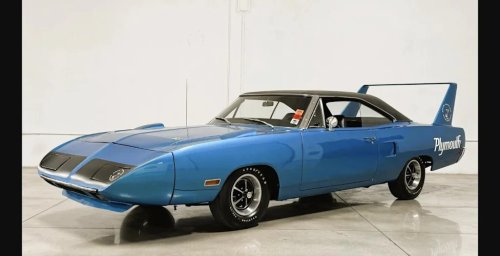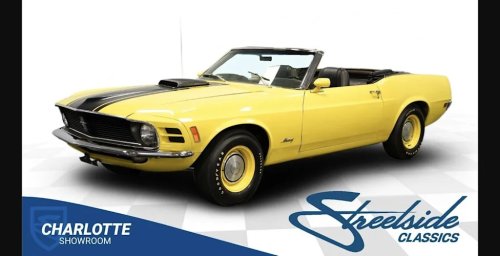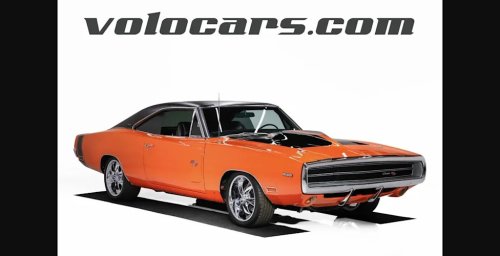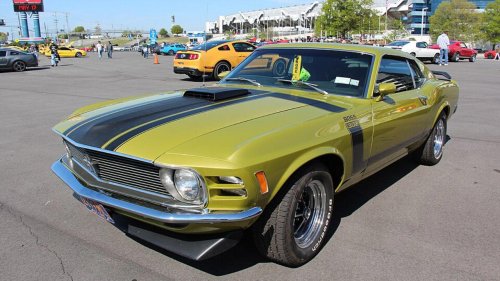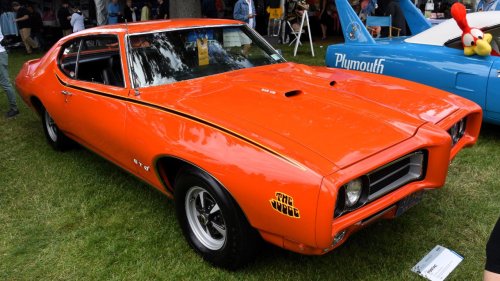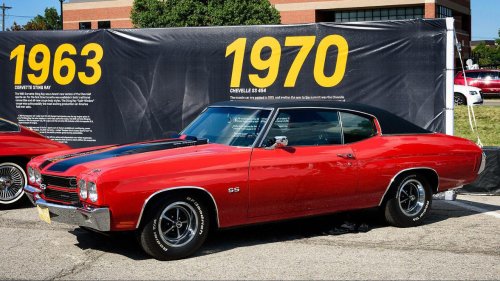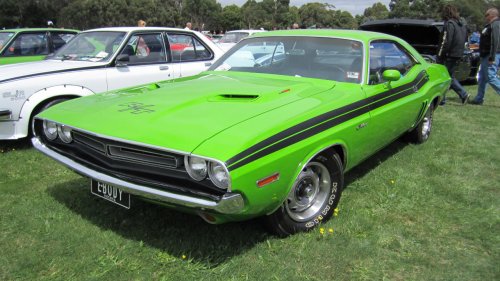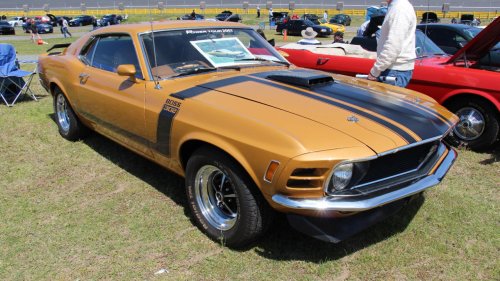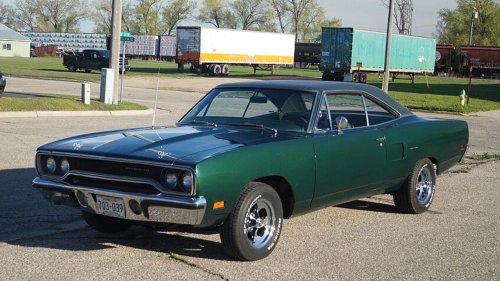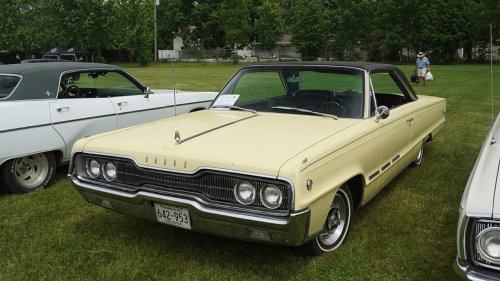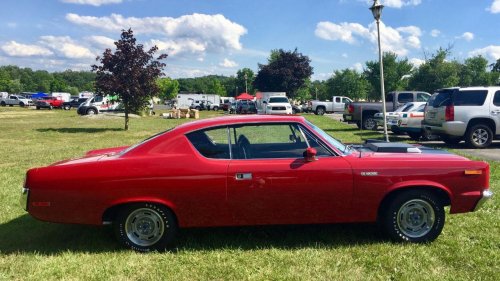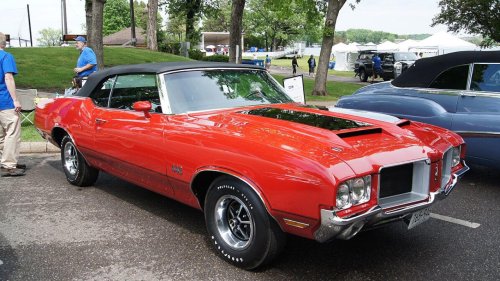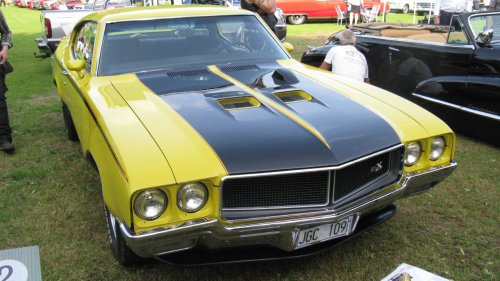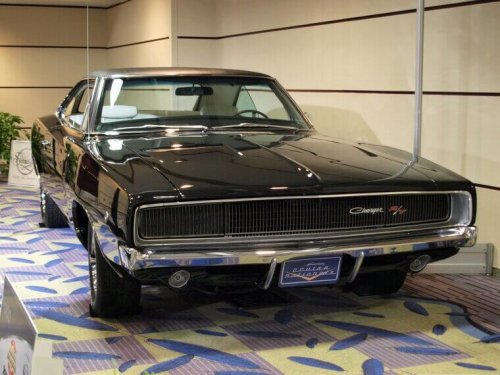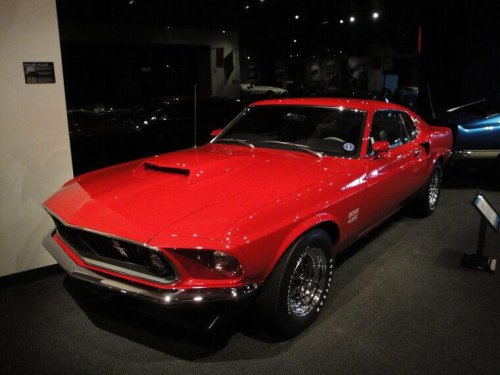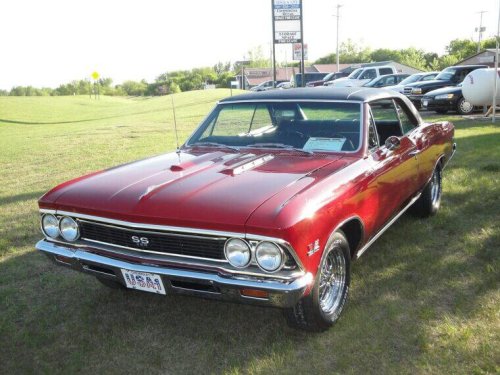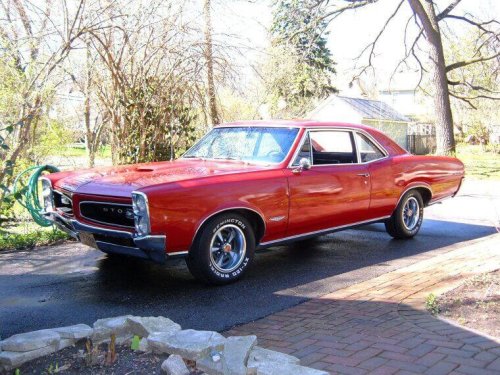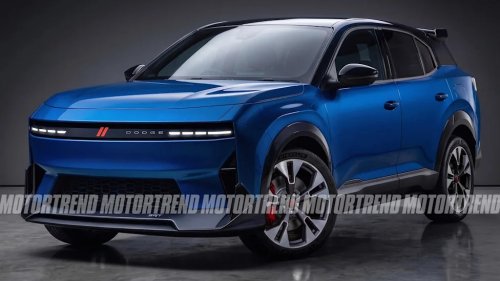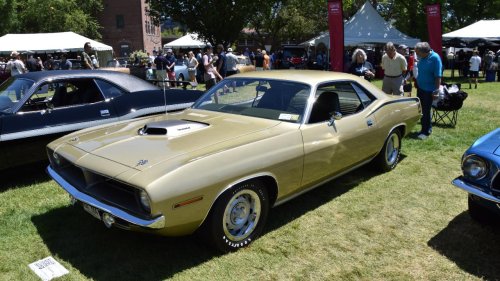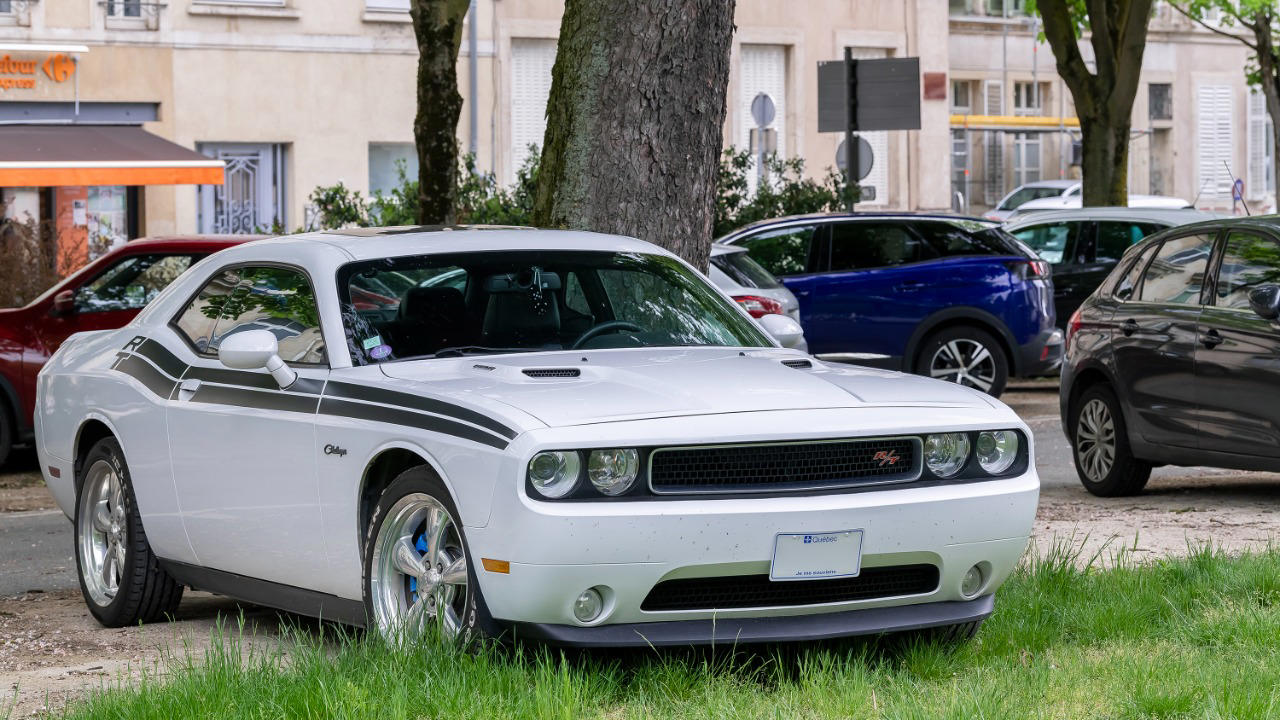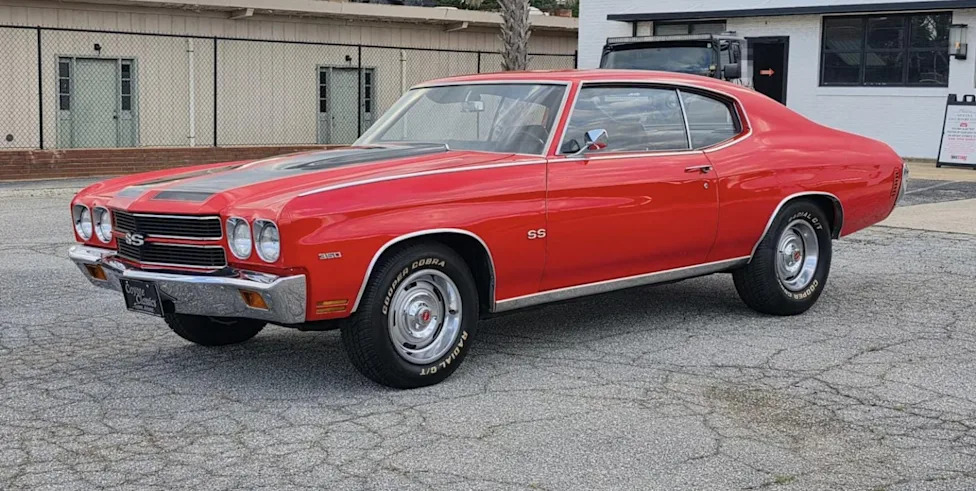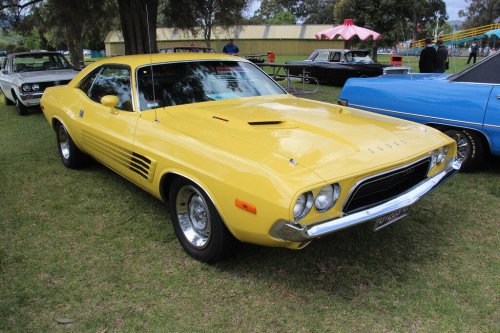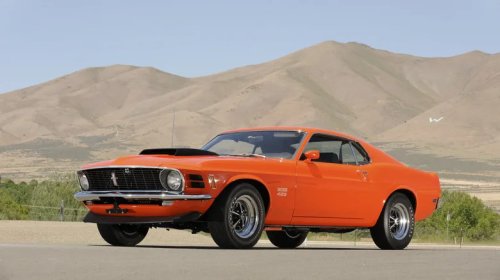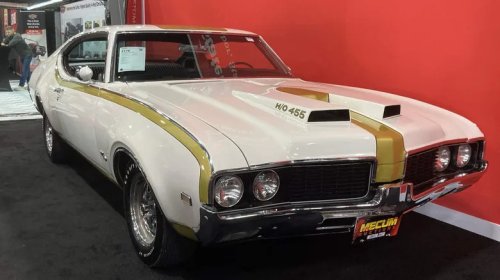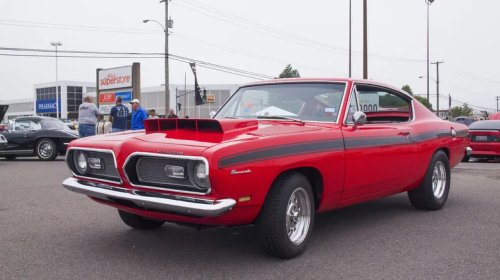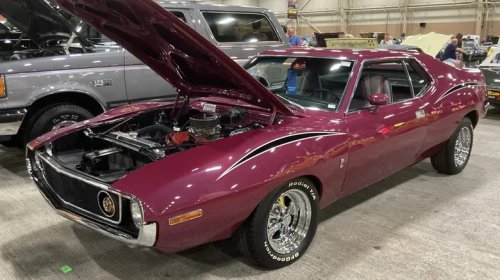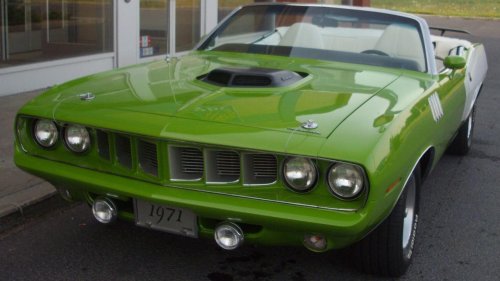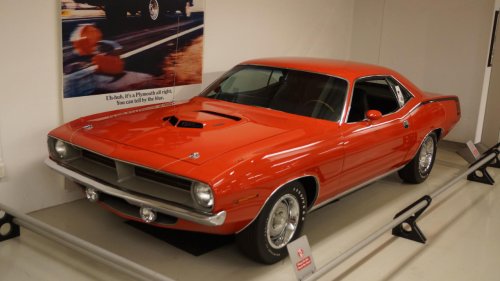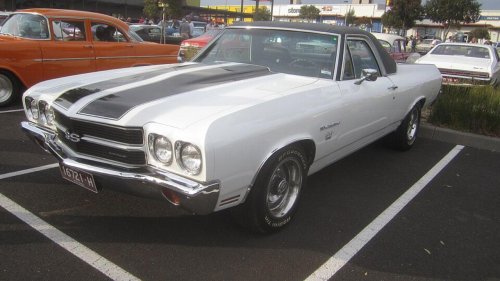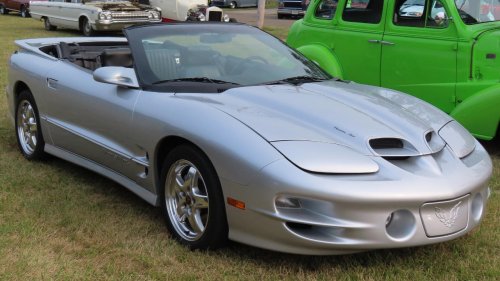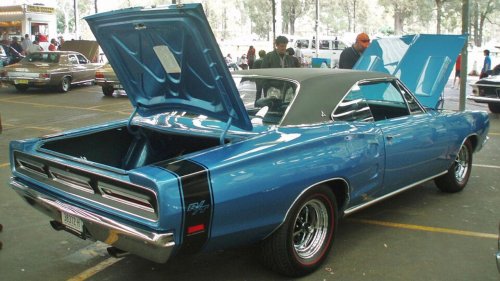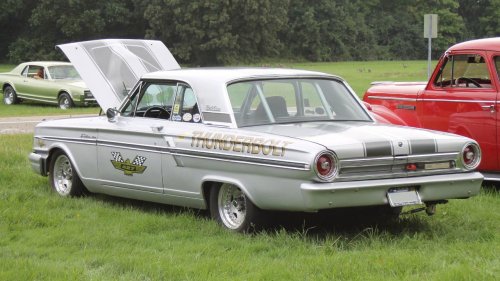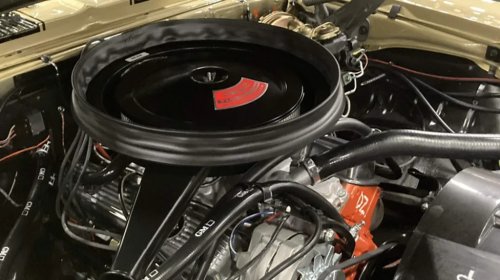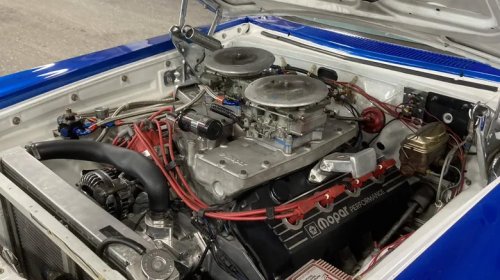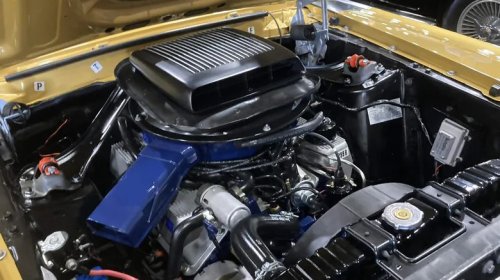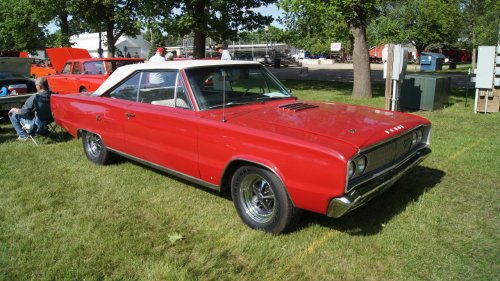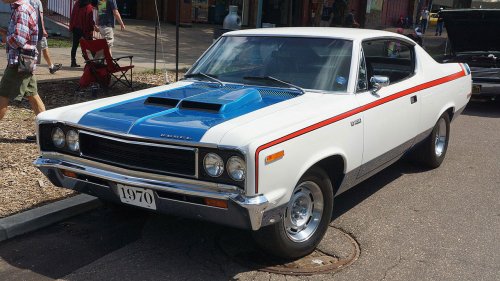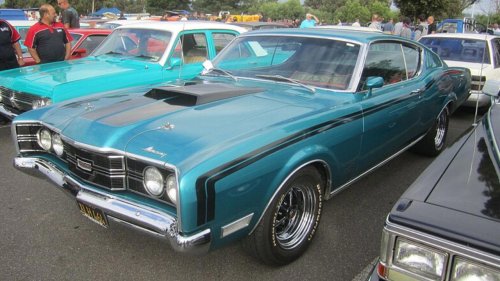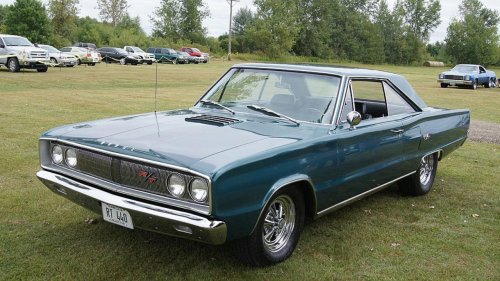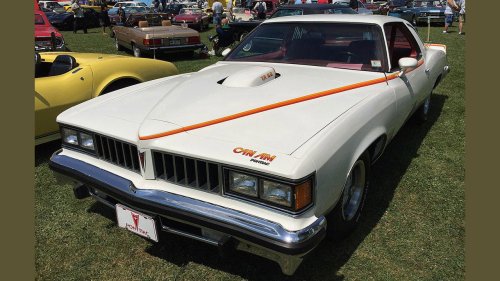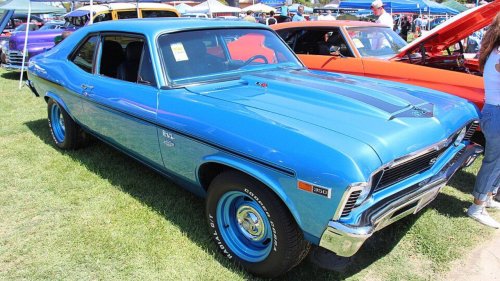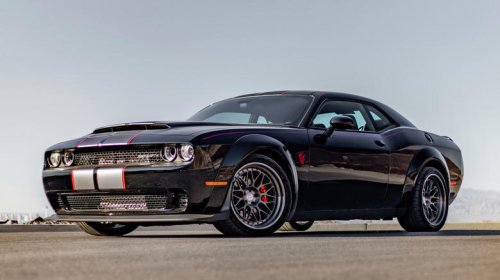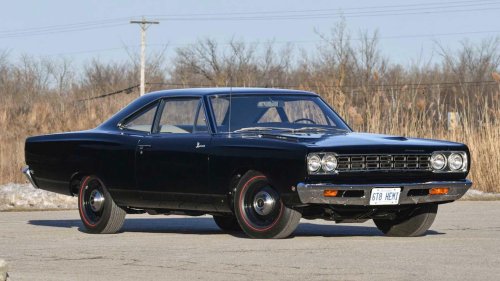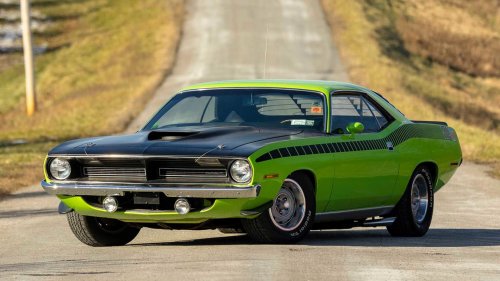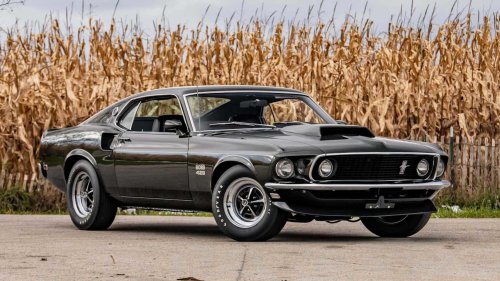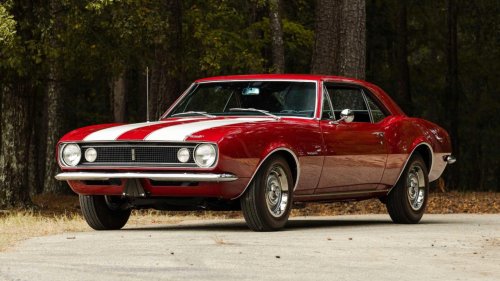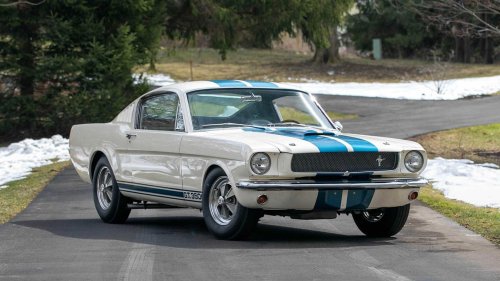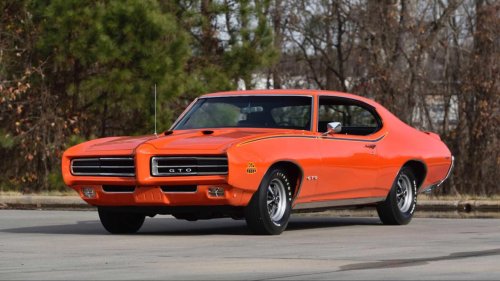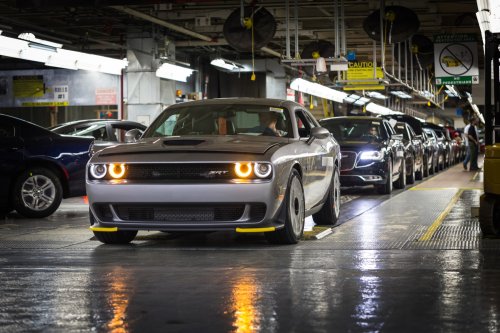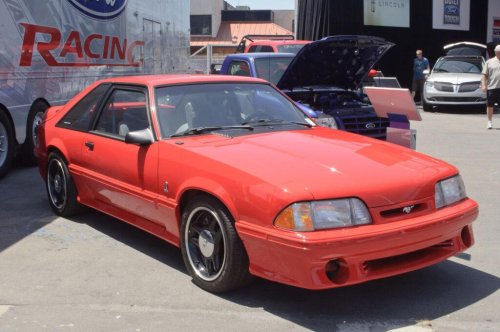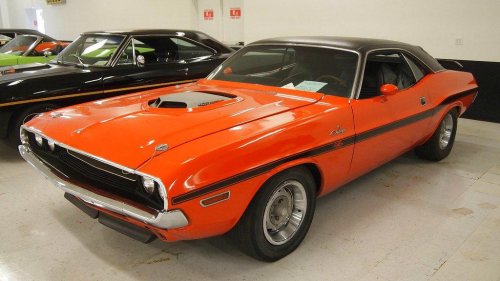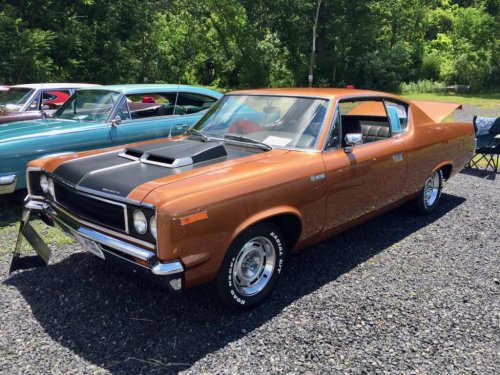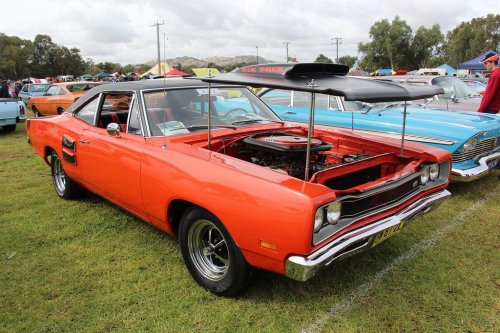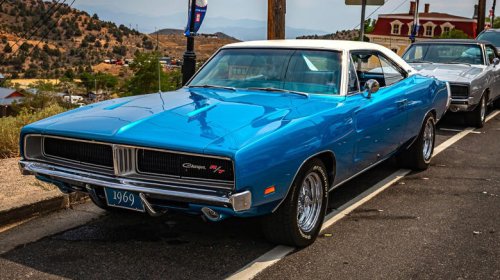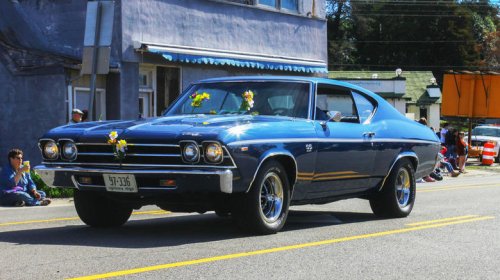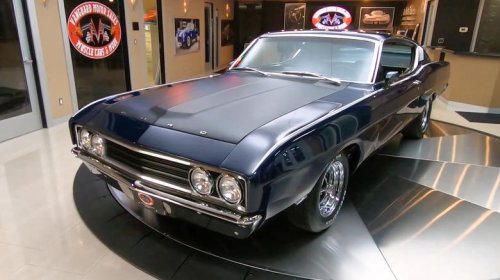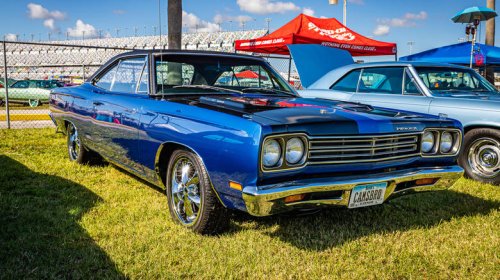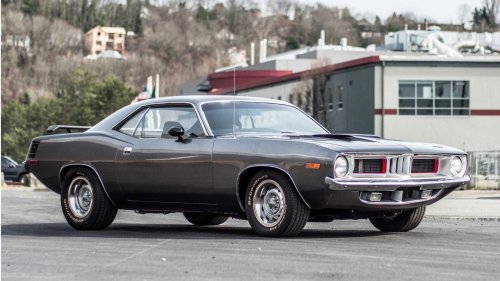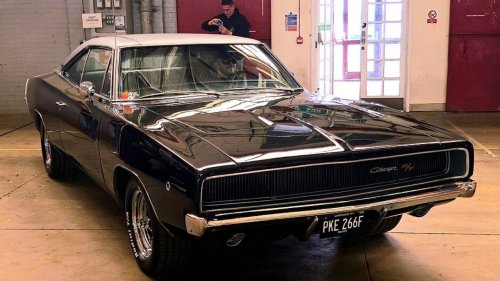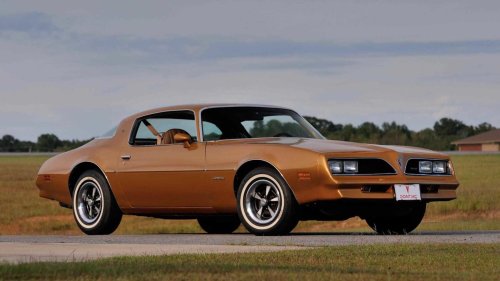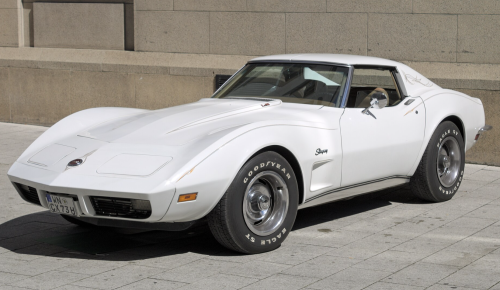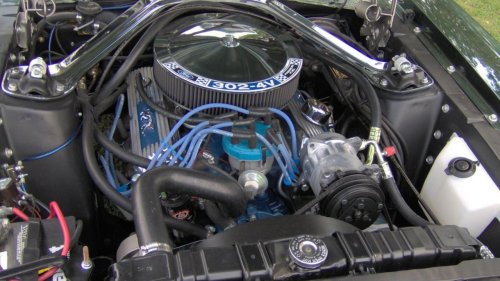
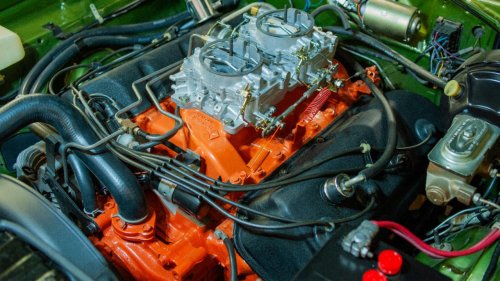
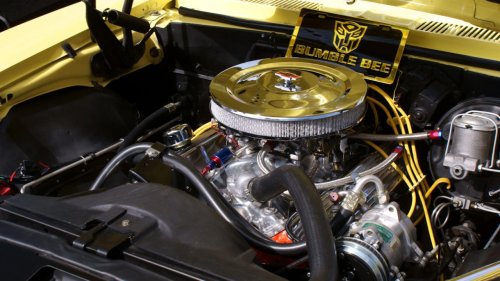
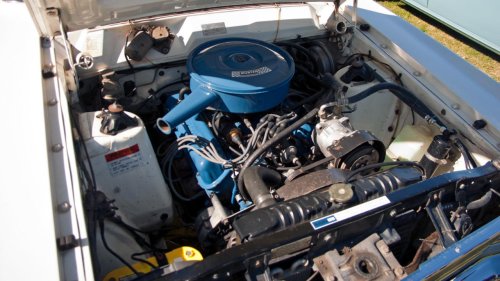
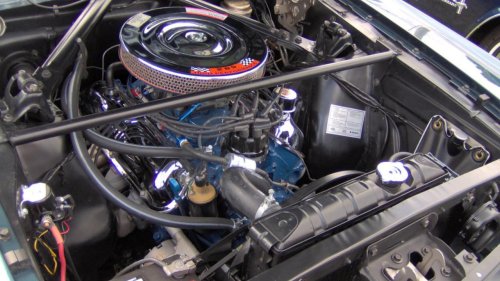
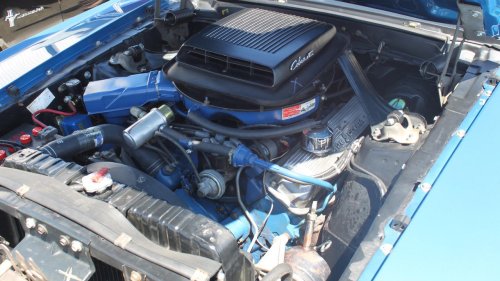
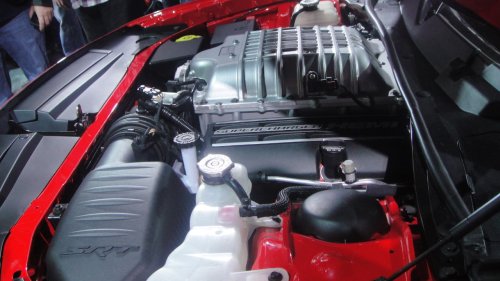



















Muscle car culture is built around engines that combine brute force with distinctive character, and a handful of powerplants have come to define that heritage. From high winding small blocks to legendary big block brutes, these engines shaped performance expectations on both street and strip. The following eight iconic muscle car engines every enthusiast should know continue to influence how modern builders, collectors, and manufacturers think about American performance.Chrysler 426 HEMI V8The Chrysler 426 HEMI V8 is often treated as the definitive muscle car engine, and several performance lists place it at or near the top of classic V8 rankings. Its 426 cubic inch displacement and hemispherical combustion chambers gave it a reputation for immense power potential, especially when tuned for drag racing. Reports on iconic muscle engines highlight how Mopar used this HEMI in cars such as the Dodge Chall models that dominated straight line contests. Beyond raw output, the 426 HEMI carries major historical weight. Coverage of classic engine lineups notes that the HEMI powered homologation specials like the Daytona and the ’Cuda, which reshaped expectations for factory backed racing. For collectors and restorers, an authentic HEMI car often commands a significant premium, which reinforces how this engine still sets the benchmark for desirability and long term value in the muscle segment.Chevrolet 350 Small-Block V8The Chevrolet 350 Small Block V8 earns its place through versatility rather than headline grabbing ratings. A technical overview of the Table of Contents on significant American engines lists the Chevrolet 350 Small Block alongside high profile performance units, underscoring how its balance of size, power, and durability made it a default choice for builders. While not as exotic as a HEMI, the 350 became the heart of countless Camaros, Novas, and Chevelles. Its influence extends beyond factory applications. Because the 350 responds well to modifications, it became a staple of grassroots hot rodding and kit car projects, with crate versions still popular among restorers. That widespread use means the 350 effectively standardized expectations for small block torque curves and parts interchangeability, shaping how later engines were engineered and how the aftermarket evolved around American V8 performance.Ford 302 Windsor V8The Ford 302 Windsor V8 illustrates how a relatively compact engine can achieve iconic status through longevity and flexibility. Coverage of Best Muscle Car powerplants notes the 302 as a key Ford contribution, and enthusiasts frequently highlight its role in late 1960s and early 1990s performance models. A separate profile of iconic 302 engines describes the 302 cubic inch Ford V8 as one of the longest running engines in American car culture, Born in the late 60 and still relevant decades later. That continuity allowed the 302 Windsor to bridge the gap between classic carbureted muscle and fuel injected modern performance. It powered everything from early Boss inspired builds to Fox body Mustangs that introduced a new generation to V8 tuning. For current owners, the 302 remains attractive because parts are plentiful, knowledge is widespread, and the engine can be tailored for street reliability or track focused setups without losing its recognizable character.Ford 289 HiPo V8The Ford 289 HiPo V8, often associated with early Mustang performance, shows how a smaller displacement engine can still define an era. A feature on Greatest Classic Muscle highlights the 289 as a key step in Ford’s performance strategy, with images of a 1965 Ford Mustang engine 289 Barrett Jackson sale underlining its collector appeal. The 289 designation, especially in High Performance form, became shorthand for responsive, rev happy power. By prioritizing lighter weight and higher rev capability, the 289 HiPo helped prove that muscle car performance did not always require massive cubes. It influenced later small block designs and supported Ford’s early success in road racing, which in turn boosted showroom demand. For enthusiasts today, the 289 offers a link to the first wave of pony car excitement and remains a desirable foundation for period correct restorations.Ford 428 Cobra Jet V8The Ford 428 Cobra Jet V8 represents the brand’s answer to escalating big block competition. A detailed ranking of most powerful muscle lists the Ford 428 Cobra Jet at number 9, noting that the 428 Police Interceptor engine was already strong when Shelby adopted it in the 1967 models. The Cobra Jet package refined that base with improved breathing and tuning aimed squarely at quarter mile dominance. This engine gave Ford a credible challenger to rival big blocks in drag racing and showroom bragging rights. Its presence in Mustangs and other intermediates signaled that Ford was fully committed to the horsepower race, not just styling competition. Collectors value original Cobra Jet cars for their documented performance heritage, and the engine’s reputation continues to influence how modern Ford big blocks and crate engines are benchmarked.Dodge Hellcat Supercharged HemiThe modern Dodge Hellcat supercharged Hemi shows how contemporary engineering can revive traditional muscle car values. A technical overview of Here are 10 of the most powerful engines highlights Dodge Direct Connection 6.2-Liter Hellephant A170 with 1100 HP, which shares philosophy with the production Hellcat units. Both rely on a supercharged Hemi architecture that delivers immense output while retaining a recognizable V8 soundtrack. By offering such engines in relatively affordable sedans and coupes, Dodge reframed expectations for modern muscle. The Hellcat Hemi helped spark renewed interest in high displacement, rear wheel drive performance at a time when efficiency and downsizing dominated discussion. For enthusiasts, it demonstrated that manufacturers could still build outrageous street legal powertrains, influencing aftermarket tuning trends and encouraging other brands to revisit high output special editions.