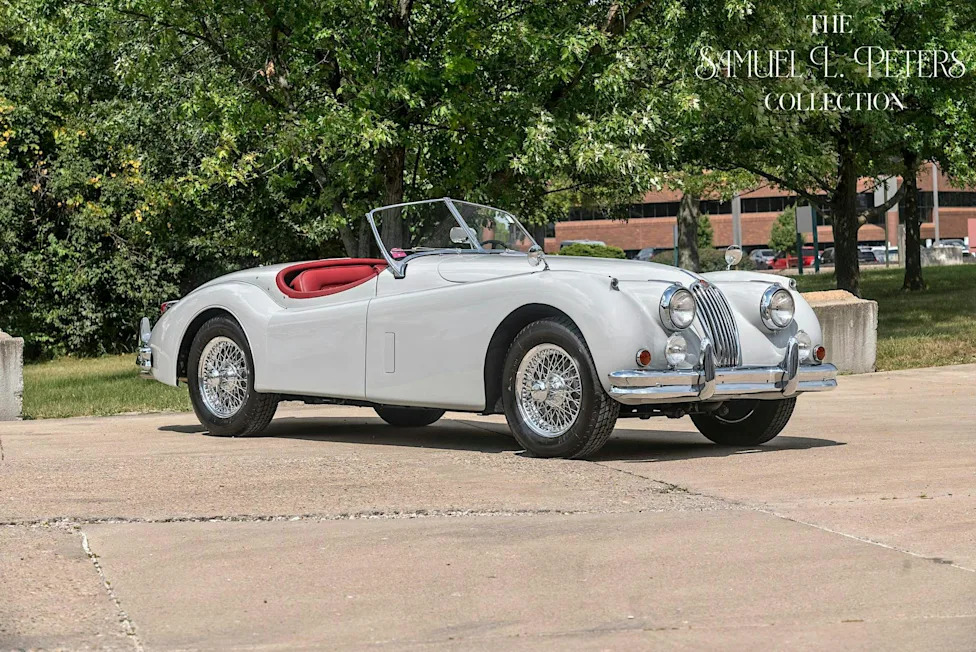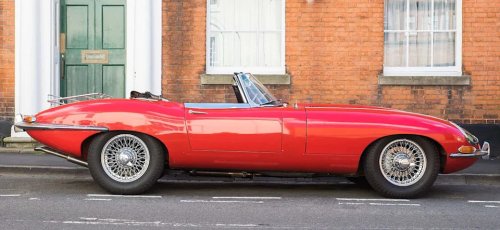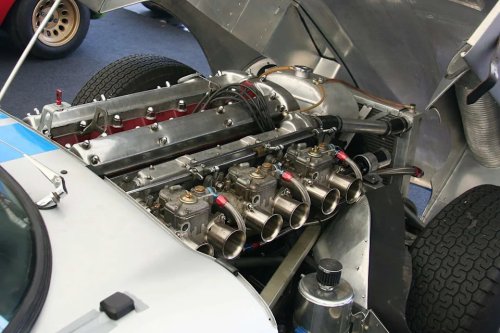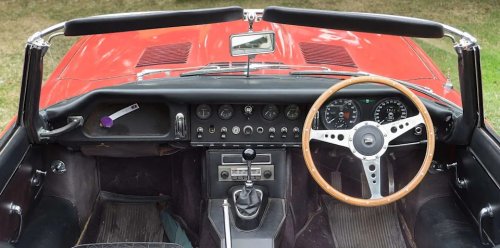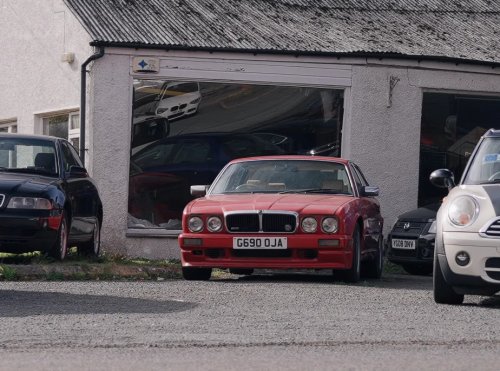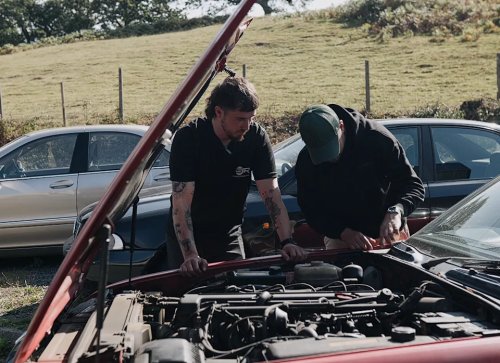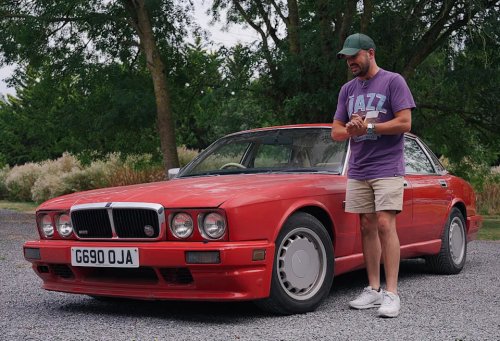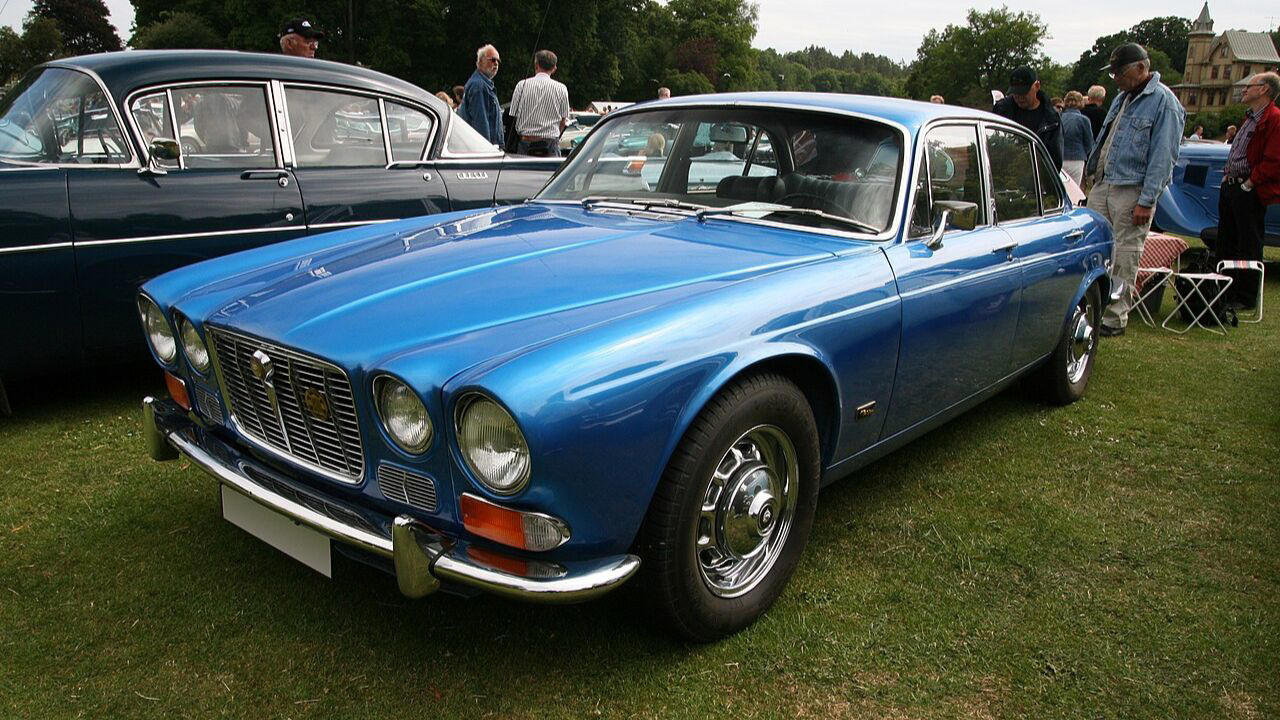



















Mechanics warn the 1969 Jaguar XJ6’s complexity can turn ownership into a commitmentThe 1969 Jaguar XJ6 is one of those cars that can still stop traffic, yet mechanics caution that its engineering depth turns ownership into an ongoing relationship rather than a casual fling. Behind the wood and leather sits a complex web of fuel plumbing, electrics, and suspension parts that rewards methodical care and punishes neglect. For buyers seduced by low entry prices, the first lesson is simple: the car itself is not expensive, but keeping a complicated 1960s luxury saloon healthy can be. Owners and specialists describe the early XJ6 as a car that repays commitment, planning, and a realistic maintenance budget. The allure that hooks buyers The original Jaguar XJ Series 1 arrived at the end of the 1960s with the kind of specification that still looks impressive. The 1969 Jaguar XJ6 carried a 4.2-liter DOHC six-cylinder engine that period figures rate at 180 horsepower, combined with four-wheel independent suspension and disc brakes on every corner. Enthusiasts point out that this specification, shared with later XJ6 models built through 1987, set a benchmark for comfort and refinement in its class, which helps explain why the XJ6 and XJ12 family ran from 1969 to 87 as a core Jaguar product line. The blend of straight-six power, long-distance ride quality, and understated styling continues to attract buyers who want a classic that still feels modern enough for regular use, and the fact that values for many XJ6 and XJ12 examples remain relatively modest only strengthens that pull, as highlighted in coverage of Jaguar XJ6 and prices. That same combination of engineering sophistication and accessible pricing is also what worries experienced mechanics. They see cars that have been bought on impulse, run on a shoestring, and then arrive at the workshop with stacked problems that all trace back to deferred maintenance on a complex platform. Why mechanics call it a commitment Specialists who work on Jaguar XJ Series cars stress that the basic design is sound, but the car assumes a level of care that many owners never provide. On enthusiast forums associated with groups like the Jaguar Clubs of North America, where discussions of XJ6 reliability are common, long-term owners describe the cars as dependable when serviced correctly and infuriating when neglected. That pattern is echoed in buyer’s guides that repeatedly highlight service history as the single most important factor when evaluating any XJ6 from Series I to Series III. Mechanics often frame the 1969 XJ6 as a luxury car with the running costs to match. The twin-cam XK engine, complex fuel system, and intricate suspension design all demand regular attention. When that attention is absent, the car tends to fail in clusters: corroded fuel tanks trigger running issues, tired suspension bushes ruin the ride, and minor oil leaks turn into major contamination of rubber parts. The result is a car that can feel fragile even though its core components are quite durable when maintained. The XK engine: strong, but not forgiving Under the bonnet, the 4.2-liter DOHC six-cylinder is part of the long-running XK engine family that powered everything from early XKs to E-types. Guides to the Jaguar XJ6 Series I to III describe The XK unit as inherently reliable, with most failures attributed to owner neglect rather than design flaws. Commentators in one detailed buyer’s guide list Engines that have been regularly serviced, with proper coolant changes and oil quality, as capable of very high mileages without internal rebuilds, which reinforces the view that the engine itself is not a weak point when treated correctly. Mechanics, however, warn that the XK engine does not tolerate shortcuts. Cooling system neglect can lead to overheating, which on an aluminum head twin-cam design risks warping and head gasket failure. Incorrect valve clearances, ignored timing chain noise, or poor-quality ignition parts can all turn a smooth-running straight-six into a temperamental unit that is difficult to start and prone to misfires. For a 1969 car that may have passed through many hands, verifying whether these fundamentals have been handled by competent workshops becomes a central part of any pre-purchase inspection. Fuel system headaches that define ownership Ask any mechanic who regularly works on XJ6 models to name the most common trouble spot, and the fuel system usually tops the list. Technical advice from specialists such as Brian Donovan notes that one of the biggest problems on these cars is the fuel system, particularly the twin rear tanks that rust internally. As the tanks corrode, debris contaminates the fuel, blocks filters, and can damage pumps and carburetors or injection components. The changeover valve that switches between tanks is another frequent failure point, and when it sticks or leaks, owners experience stalling, fuel starvation, or fuel odors in the cabin, as explained in One of the key technical guides. For a 1969 XJ6 that has sat for any length of time, mechanics often assume that both tanks will need inspection, cleaning, or replacement, along with new lines and a fresh changeover valve. That work is neither cheap nor simple, yet skipping it leaves the car vulnerable to intermittent running issues that can be difficult to trace. Owners who treat this as an early, one-time investment tend to enjoy far more reliable use afterward, while those who postpone it often chase fuel problems for years. Suspension and body: comfort at a cost The ride quality that made the Jaguar XJ Series famous comes from a sophisticated suspension layout. The independent rear suspension uses inboard disc brakes and multiple rubber mounts, while the front end relies on numerous bushes, ball joints, and steering components. Guides focused on the Jaguar XJ Series 1 buyer’s market point out that Bodywork and suspension condition are among the biggest concerns for any Series 1 XJ, since corrosion and worn components can quickly turn a once-supple car into a rattling project that absorbs money. In practice, mechanics often see 1969 cars where the structure around the front suspension mounts, sills, and rear subframe has suffered from rust. Repairing these areas properly requires skilled welding and careful alignment, which is far more involved than simply bolting on new parts. At the same time, replacing tired bushes, shocks, and ball joints with quality components can transform the way an XJ6 drives, restoring the quiet, composed character that originally defined the model. This is where suppliers such as mount specialists and tool providers, both Discovered via Cut and Jaguar SIII citation trails, come into play for owners who choose to tackle some of the work themselves or support local workshops. Electrical complexity and age-related gremlins Like many high-end cars of its era, the 1969 XJ6 uses a wiring harness and electrical layout that was complex for the time. Multiple relays, separate circuits for twin fuel tanks, power windows, central locking, and an array of gauges all add up to a lot of potential failure points once age and previous repairs are factored in. Mechanics frequently encounter brittle insulation, corroded connectors, and non-original wiring splices that can make fault-finding a slow process. Owners who engage with specialist communities, including social channels such as the Jaguar Clubs and member groups Discovered via Untitled, often share wiring diagrams, relay locations, and troubleshooting steps that help demystify these systems. Even so, mechanics stress that a 1969 XJ6 will rarely behave like a modern car in terms of electrical reliability unless someone has already invested time in cleaning grounds, refurbishing connectors, and removing poor-quality modifications. Manual gearboxes, MOD cars, and drivetrain quirks Most XJ6 models in markets like the United States were supplied with automatic gearboxes, but a minority of 1969 cars were built with manual transmissions, including rare MOD (manual with overdrive) versions. Enthusiasts on Jaguar forums describe What a fine Series 1 MOD example can be when properly sorted, and also highlight some specific issues. One common problem involves the O-ring that sits in the groove where the cable enters the gearbox, which can leak and lead to messy underbodies or low fluid levels if ignored, as explained in a detailed thread on Series 1 MOD ownership. Technical advice from classic car specialists suggests that Converting an automatic car to a four-speed gearbox with overdrive, as the car was offered in Europe on some models, is a desirable upgrade for those who want more driver involvement and lower cruising revs. However, mechanics point out that such conversions are only successful when done with all the correct ancillary parts, including pedal boxes, linkages, and appropriate rear axle ratios. Poorly executed conversions can introduce vibration, driveline noise, or clutch problems that are difficult to resolve. Owner experiences: when complexity meets reality Real-world accounts from long-term owners illustrate how the 1969 XJ6 can either become a faithful companion or a rolling project. In one extensive discussion of 1968 to 92 Jaguar XJ6 models, enthusiasts debate what it takes to keep these cars on the road. One contributor notes that they cannot see anyone who can keep a twin cam MG engine alive doing anything that horrible to an XK engine, a comment that reinforces the view that basic mechanical sympathy goes a long way. The same thread, recorded at 7/8/23 4:34 in the discussion timeline, underlines how shared knowledge helps owners navigate the car’s quirks, as seen in the Jul forum exchange. Mechanics who read these accounts often see a pattern. Owners who approach the XJ6 as an ongoing project, budget for preventative work, and use quality parts tend to report reliable, enjoyable cars. Those who expect modern-car simplicity, or who try to run a 1969 luxury saloon on minimal spending, frequently encounter repeated breakdowns that sour the experience. Buying advice: how to avoid a mechanical money pit Buyer’s guides focused on the Jaguar XJ6 from 1968 to 1987 consistently stress that service history is critical. One detailed New Zealand feature on the model notes that as with most classic cars, one of the most important aspects to consider when thinking about an XJ6 purchase is service history, and emphasizes that Today the XJ6 can look remarkably inexpensive for a classic enthusiast, but that comment only applies when the car has been maintained. The same piece, which appears both on a classic car site and on a platform where Buying a Jaguar is discussed for a broad enthusiast audience, highlights how cheap purchase prices can disguise large upcoming bills, as seen in coverage of Nov Jaguar history and mirrored analysis on Nov Buying Jaguar prospects. More from Fast Lane Only Unboxing the WWII Jeep in a Crate 15 rare Chevys collectors are quietly buying 10 underrated V8s still worth hunting down Police notice this before you even roll window down The post Mechanics warn the 1969 Jaguar XJ6’s complexity can turn ownership into a commitment appeared first on FAST LANE ONLY.