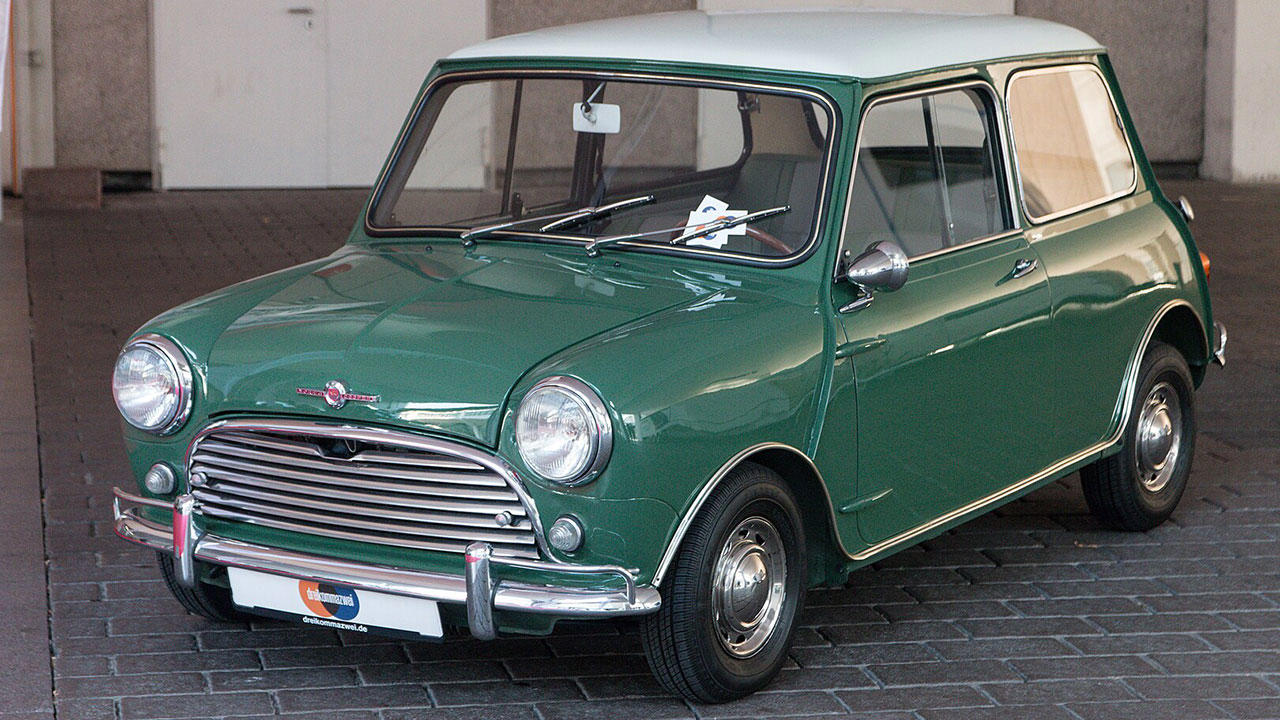
The 1967 Austin Mini Cooper is fun to drive but not always fun to work onThe 1967 Austin Mini Cooper sits at a rare intersection of charm and challenge. On a tight road it can embarrass modern performance cars, yet in the garage it often demands patience, specialized knowledge and a steady supply of parts that are not always as good as the originals. For anyone tempted by its compact charisma, the reality is clear: driving one can feel like a party, but keeping it healthy is closer to a part-time job. The appeal that never really aged Enthusiasts still talk about the 1967 Austin Mini Cooper with the kind of affection usually reserved for far more expensive machinery. One writer who sampled a period car argued that this particular Mini could deliver more enjoyment than some high priced exotics, describing how its light weight and short wheelbase turn any back road into a playground, and how the 1967 Austin Mini Cooper S felt alive at legal speeds in a way that modern supercars often do not, as seen in a review of a 1967 Austin Mini. The basic recipe helps explain that loyalty. The classic Mini started with an engine output of 34 hp, yet the tiny footprint and front wheel drive layout gave it strikingly agile cornering performance that turned city streets and country lanes into its natural habitat, as described in a history of the classic Mini. By 1967, the Austin Mini Cooper added more power, disc brakes and a sportier suspension tune, sharpening that character without losing the basic friendliness that made it a cultural symbol of fun and agility. Period photos and modern social posts still highlight how the 1967 Austin Mini Cooper became a symbol of fun and agility, with its front wheel drive layout and boxy profile delivering a surprisingly roomy interior despite a compact exterior, a point repeated in fan descriptions of the Austin Mini Cooper. That packaging trick, which placed the engine transversely over the gearbox and pushed the wheels to the corners, still feels clever in a world of bloated hatchbacks. On the road, few classics feel this light on their feet Owners routinely describe a 1967 Austin Mini Cooper as more fun than its modest power figures suggest. With so little mass to move and such short gearing, the car leaps away from a stop and rewards drivers who keep the revs up. The steering is direct, the seating position upright and close to the glass, and the view over the stubby hood makes threading through traffic feel like piloting a go kart. The classic Mini shape also gives a clear sense of where each corner of the car sits, which helps drivers place it precisely on narrow roads. That sense of agility is not accidental. The original design placed the engine and transmission in a compact package over the front axle, freeing space for passengers and lowering the center of gravity. The 1967 Austin Cooper S variants added stronger brakes and a more focused suspension tune, further sharpening turn in and reducing body roll. Contemporary video walkarounds of surviving Austin Cooper S cars show how small the car looks next to modern vehicles, yet also how serious the mechanical hardware remains, with disc brakes peeking through tiny wheels and a purposeful stance that suggests the car is ready to be driven hard, as seen when Steve for This walks around an Austin Cooper S that has been sitting for years. Fans also point to the social side of driving a 1967 Austin Mini Cooper. The car attracts attention at fuel stations and parking lots, and owners often talk about strangers sharing stories of past Minis or asking for photos. In that sense, the driving experience extends beyond the time behind the wheel and into a broader community that spans forums, social media groups and local club meets. Daily driver dreams meet mechanical reality The question many prospective owners ask is whether a 1967 Austin Mini Cooper can serve as a daily driver. On enthusiast forums, one popular thread about considering a classic Mini as a daily driver makes the trade-off clear. Commenters emphasize that the car itself is straightforward but that an owner either needs a good mechanic who understands old cars or a willingness to learn how to do the work personally. One contributor summed up the situation by saying it is not difficult at all, provided the driver accepts that regular tinkering is part of the package, a sentiment shared in a discussion about considering a classic. Weather and traffic conditions add further complications. A 1967 Austin Mini Cooper lacks modern crash structures, airbags and electronic stability systems. Braking performance, while strong for its era, cannot match contemporary standards, especially in wet conditions. The heating and ventilation system is basic, and defrosting glass on cold mornings can be slow. Owners in colder climates often report that winter use accelerates corrosion, particularly in the sills, floorpans and rear subframe mounts. Still, some drivers do use classic Minis as regular transport, often by accepting a shorter commute and planning maintenance around mileage and seasons. They may park the car for the harshest months, then bring it out in spring after a thorough inspection. For them, the daily joy of driving a light, communicative car outweighs the inconvenience of more frequent repairs and the absence of modern comfort features. Maintenance: simple in theory, unforgiving in practice Mechanically, the 1967 Austin Mini Cooper is not a complex car. The engine is accessible, the suspension is straightforward and the electrical system is rudimentary compared with modern vehicles. Yet several experienced specialists stress that success depends on consistent, disciplined maintenance rather than occasional attention. One set of Mini specific tips highlights how critical regular oil changes are, advising owners that if they are only good at one maintenance task, it should be changing the oil, since the gearbox shares the same lubricant as the engine in many Minis, as explained in a guide to Mini oil changes. Another collection of Mini focused advice notes that even simple jobs can become difficult if previous owners have cut corners. Stripped threads, mismatched hardware and improvised wiring repairs are common on cars that have passed through multiple hands. One guide to Mini tech tips walks through frequent trouble spots such as cooling system neglect, worn suspension bushings and corroded electrical connectors, and emphasizes that catching issues early is far cheaper than waiting for a breakdown. Video diaries from owners reinforce this pattern. One creator who bought a turnkey classic Mini intending to simply enjoy it later documented a long list of hidden problems, from oil leaks to worn steering components and tired rubber mounts, in a video bluntly titled about everything wrong with his car. Another video about why an Austin Mini broke down recounts how a series of small oversights, including fuel system contamination and deferred servicing, eventually left the car stranded, as seen in footage of an Austin Mini break. Common weak points and how they show up Suspension and steering components on a 1967 Austin Mini Cooper work hard, particularly on rough roads. In a discussion about 1967 Mini Cooper suspension issues, one contributor named Graham Reid responded to a question from Aaron Lennox Suspension by pointing out that suspension knuckles can wear deep into front upper arms and contribute to droop in the nose, and that worn rubber cones and tired dampers can further exaggerate the effect, leaving the car sitting low and riding poorly, as described in a thread where Graham Reid explains the problem. Bodywork also demands vigilance. A project series on a 1967 Mini Cooper S highlights how the lower front bumper lip is vulnerable to road debris and curb impacts, which remove paint and leave the sheet metal bare and prone to rust. The same coverage notes that the rear seam of the hood can trap moisture and road grime, again encouraging corrosion if not cleaned and protected, as seen in a feature on the lower front bumper. On fuel injected classic Minis, particularly later SPI cars, enthusiasts have cataloged common faults in detailed videos. One overview of classic Mini 101 SPI problems walks through issues such as failing sensors, aging wiring and idle control troubles that can cause rough running and hard starting, especially if the car has sat unused for long periods, as explained in a guide to SPI Minis. While a 1967 Austin Mini Cooper uses carburetors rather than SPI systems, the lesson carries over: age and storage conditions can turn once simple fuel and ignition systems into sources of repeated headaches. Parts quality: original charm, modern compromises Even when an owner is ready to tackle mechanical work, the quality of available replacement parts can complicate the job. On one Mini focused forum, a discussion titled Poor Quality Parts describes how many Minis are now treated as classic cars and driven only 1,500 to 3,000 miles a year, which masks the shortcomings of some reproduction components that would fail quickly under daily use, as one contributor put it when saying that since Minis are often used sparingly, the problem is not always obvious, in a thread that begins with the phrase Since most Minis. Owners in that conversation complain about rubber components that crack prematurely, electrical parts that fail out of the box and body panels that need significant adjustment to fit correctly. Others counter that sourcing from reputable suppliers can mitigate these issues. In another forum thread about Quality Parts, a user with the handle unburntfuelinthemorning describes buying rubber parts from Minispares a few years earlier and finding that they have lasted reasonably well, suggesting that careful selection of vendors can improve reliability, as mentioned in a discussion that praises Minispares. For a 1967 Austin Mini Cooper, this means that restoration and maintenance often involve a mix of original parts, new old stock and modern reproductions, each with its own compromises. Some owners go to great lengths to refurbish original components rather than replace them, especially when the new alternatives have a reputation for poor durability. Others accept that certain items, such as brake hoses or fuel lines, must be replaced on age grounds even if the new parts may not last as long as the factory originals once did. Lessons from modern MINI issues Although the 1967 Austin Mini Cooper belongs to a different era than modern MINI models, looking at contemporary MINI problems offers a useful contrast. Guides to common repairs and maintenance for MINI Coopers list issues such as automatic transmission failure on early automatic cars, power steering pump failures and thermostat housing leaks as frequent trouble spots, as outlined in advice on common repairs. Another summary of six common problems that need repair in MINI Coopers singles out clutch failure on first and second generation cars as a recurring complaint, particularly in urban driving, as described in a list of Six Common Problems.Upgrades, personalization and the temptation to go too far More from Fast Lane Only Unboxing the WWII Jeep in a Crate 15 rare Chevys collectors are quietly buying 10 underrated V8s still worth hunting down Police notice this before you even roll window down The post The 1967 Austin Mini Cooper is fun to drive but not always fun to work on appeared first on FAST LANE ONLY.



















 +73 others