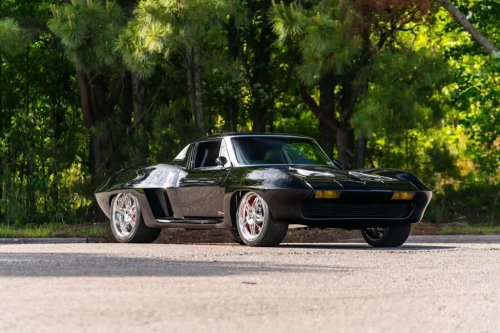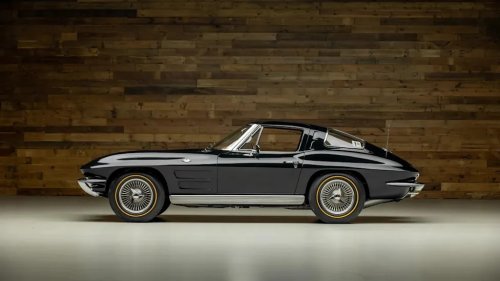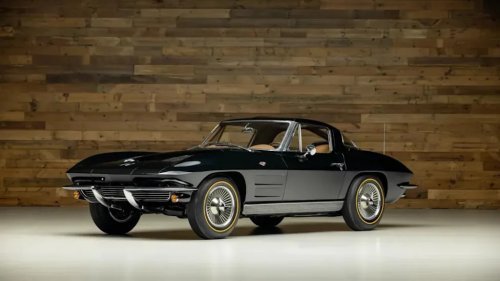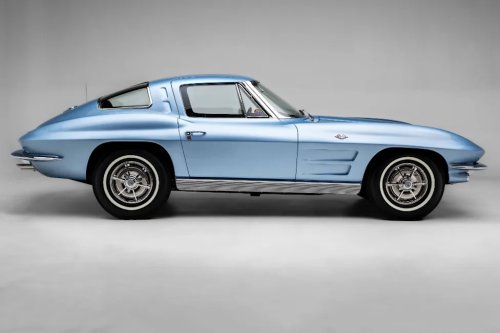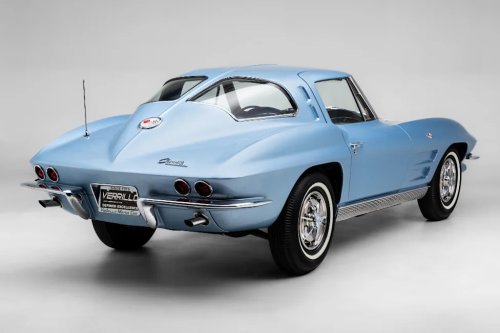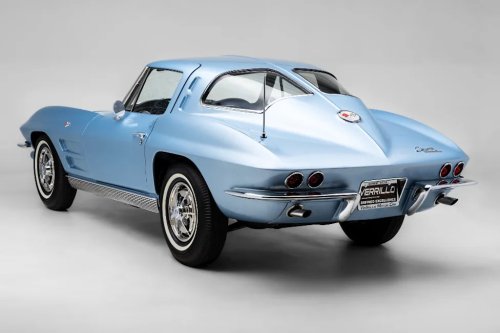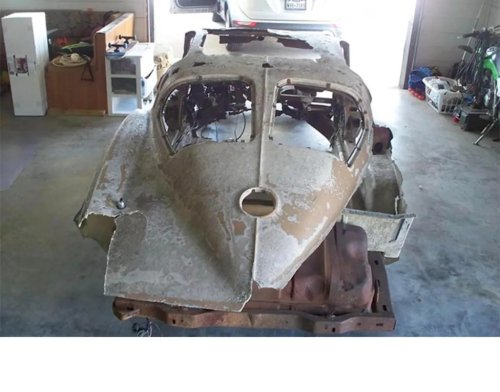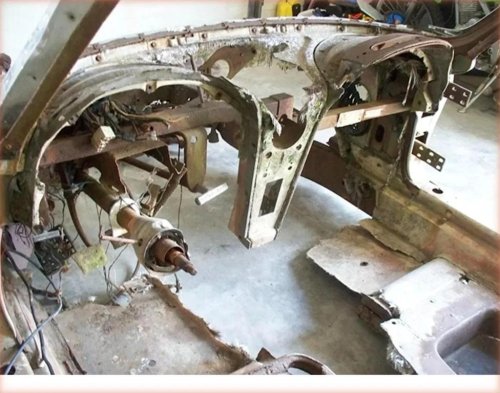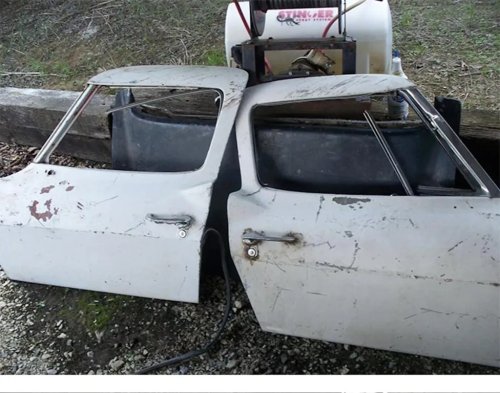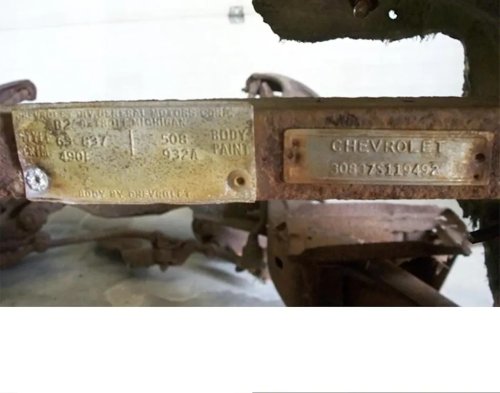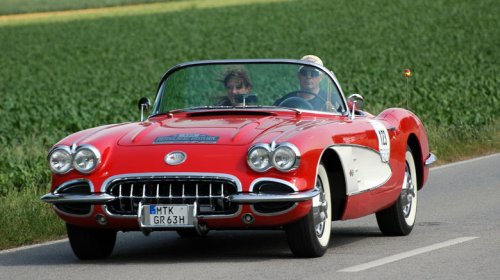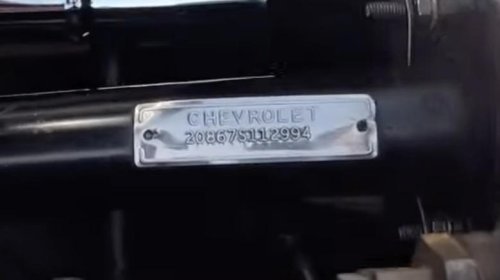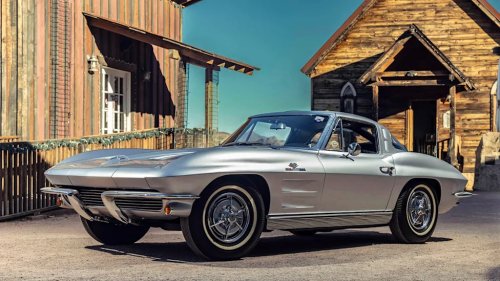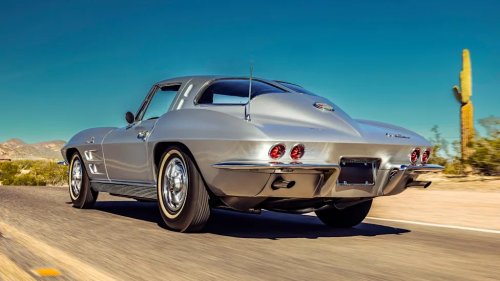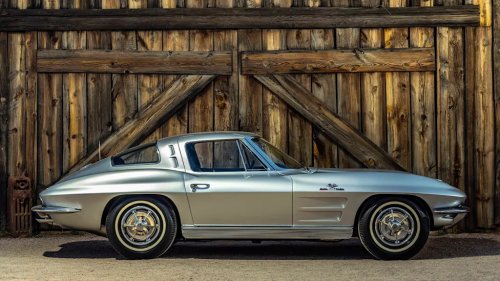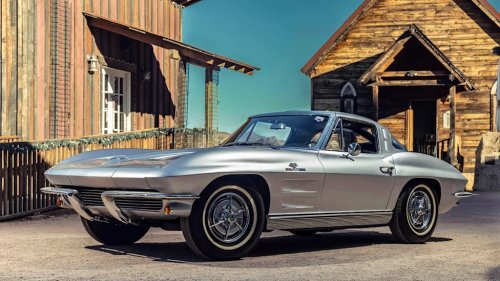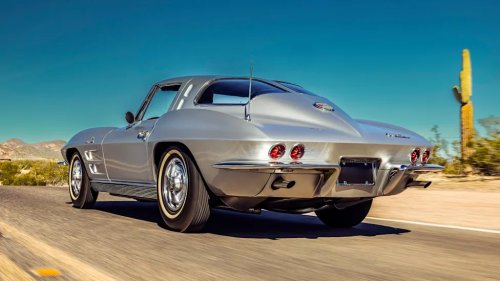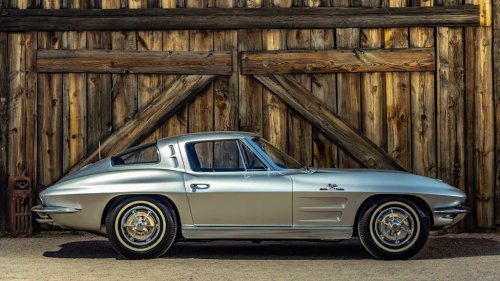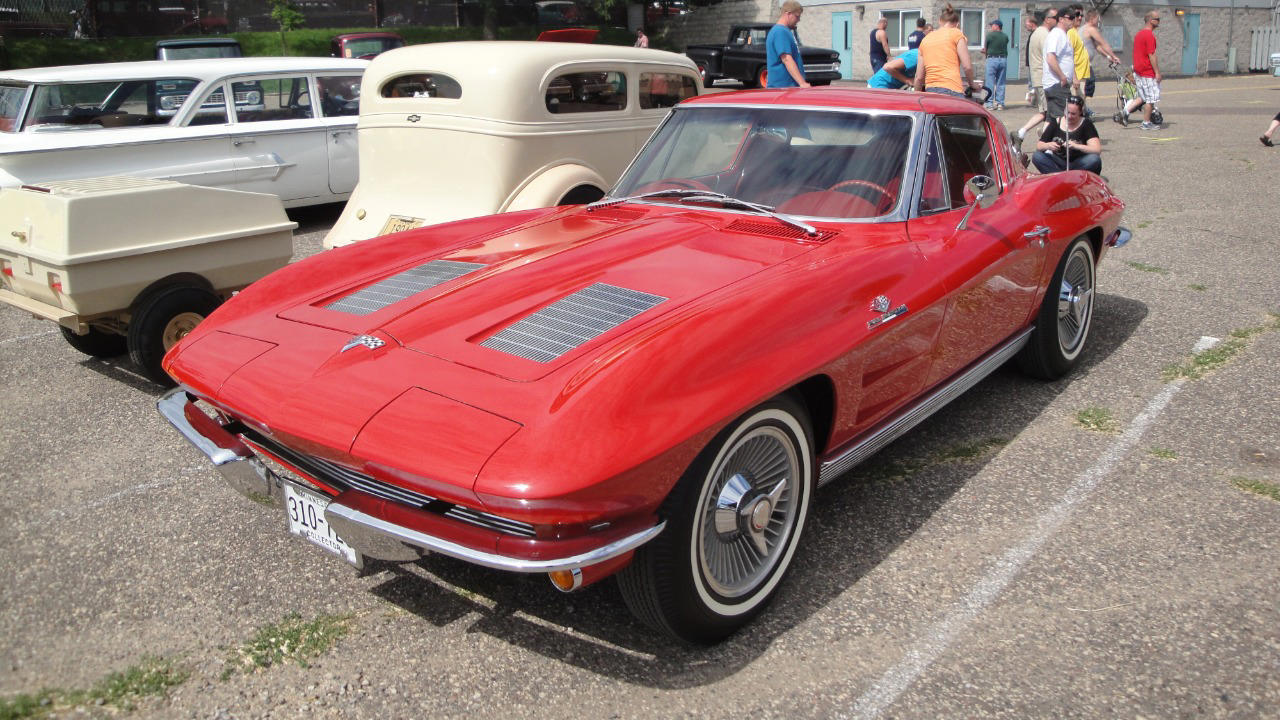



















He inherited a 1963 Corvette and found more than just a carWhen a son inherits a 1963 Corvette, he does not just receive fiberglass and chrome. He steps into a story that began long before he turned a key, a story written in sacrifice, stalled dreams, and the kind of promises parents make when the future still seems wide open. The man at the center of this kind of inheritance quickly learns that the car in his garage is a family archive on four wheels. Every dent and missing part carries a memory, and every decision about whether to restore, keep, or sell becomes a referendum on what that history is worth. The promise in the garage For Jan, the story of his 1963 Split Window Corvette starts with a simple declaration from his father: “My Dad bought this car in 1984. He told me he was going to fix it up for me when I finished high school.” The car was never just transportation. It was a promise that linked a teenager’s future to a father’s determination to provide something special. Life, as it often does, intervened. Jan recalls that he “decided at some point that I didn’t want to go to college,” and his father responded in the most practical way he knew. The Corvette became a sacrifice, a tool to unlock opportunity for someone else in the family. “He sold the car to pay for my sister’s college,” Jan explains, turning a dream of shared horsepower into tuition and textbooks. Decades later, the car reappeared. The same 1963 Split Window Corvette that had once left the family came back, not as a gleaming showpiece but as a “testament to unlived potential,” a phrase Jan uses to describe the dusty, incomplete project that landed in his hands. The car had waited through years of neglect and changing priorities, its bodywork and missing trim telling a quiet story about everything that had come first: careers, children, medical bills, aging parents. When Jan finally inherited the car, he did not just receive a classic. He inherited the weight of that earlier decision, the knowledge that the Corvette had once been traded away so someone else could move ahead. Any plan for the car now had to reckon with that history. A legend shaped by design and scarcity The 1963 Split Window Corvette holds a special place in automotive culture, which only amplifies the emotions tied to an inheritance like Jan’s. The car marked one of the most dramatic design shifts in the model’s history, with the sharp new body of the second generation transforming the familiar American sports car into something far more futuristic. Period coverage noted that “Description Road & Track magazine stated in 1963, ‘As a purely sporting car, the new Corvette ( Chevrolet Corvette ) will know few peers.’” That assessment captures how the 1963 model, especially in Split Window coupe form, became a benchmark for performance and style. The car that Jan’s father chose in 1984 was not simply an old two-door. It was a sculpted statement that enthusiasts still regard as one of the high points of the entire Corvette lineage, a status reflected in the way collectors approach any well documented 1963 Chevrolet Corvette. Under the hood, the most coveted examples often carried high performance small blocks, such as a 327 cubic inch V8 rated at 340 horsepower. Those figures, 327 and 340, appear again and again in auction descriptions and enthusiast discussions because they signal a car built for serious driving. They also hint at why so many families held on to these cars even when money was tight. Letting go of a 1963 Split Window Corvette meant saying goodbye to a machine that had defined an era. Collecting in the blood The cultural pull of a 1963 Corvette can be seen in how people talk when they encounter one. In a segment that has circulated among enthusiasts, a picker walks into a dim garage and stops short at the sight of a 1963 Split Window. “Collecting’s in my veins. It just, it’s in your jeans,” he says, trying to explain why the car hits him so hard. The owner pulls back a cover and the reaction is immediate: “Now we’re talking. Yeah you’re kidding. Right. Oh man here’s a 1963 spli…” The unfinished exclamation says as much as any full sentence. In that moment, the car is not a commodity. It is a revelation, the kind of find that justifies years of dead ends and disappointing leads. The picker’s excitement, captured in that clipped phrase, mirrors what many heirs feel when they first open a garage door and realize that the dusty shape in front of them is a Split Window coupe. What looks like a faded project to a casual observer lands like a lightning bolt to someone who grew up around stories of 1963 Corvettes. The emotional charge in that discovery scene helps explain why a single car can hold a family in its orbit for generations, a dynamic that plays out every time an old project is pulled into the light on a 1963 Corvette feature. Why this year matters so much The 1963 model year occupies a rare place in Corvette lore. The split rear window, which appeared only once, created a distinctive silhouette that enthusiasts can identify from across a parking lot. That design decision, controversial at the time for its impact on rear visibility, became the signature that separates this car from every other midyear Corvette. On a popular enthusiast discussion, Sterling Logan and David Panton sit down with CORVETTE TODAY host Steve Garrett to explain why this specific configuration still fascinates collectors. Sterling, whose father Jerry owned a Split Window, talks about how the car bridged generations in his own family. The conversation ranges from design to driving feel, but it keeps circling back to the emotional charge that comes with seeing that divided rear glass and knowing that it represents a one year experiment that Chevrolet never repeated. For heirs like Jan, the insight from enthusiasts such as Sterling Logan and helps frame what they have inherited. The car in the garage is not just a classic. It is a 1963 Split Window, a model that even seasoned Corvette fans treat as a kind of holy object. That knowledge can turn a personal decision about whether to keep or sell into something that feels far larger, almost like a duty to preserve a small piece of automotive history. Family sacrifice written in steel and fiberglass Jan’s story is not the only one in which a Corvette becomes a stand in for a parent’s choices. In another family, a son named Feb describes the car he is now responsible for with a mix of pride and hesitation. “Thank you for letting me join. This is my dad’s 57, his baby before he had actual babies. He started restoring it in the 90s, but…” The sentence trails off, leaving the reader to fill in the rest: jobs changed, kids arrived, money went elsewhere, and the project stalled. The shorthand “57” carries its own weight. To Corvette fans, it signals a first generation car that predates the 1963 redesign, a model steeped in chrome and mid century optimism. Feb’s father poured time and money into that 57 long before he had children, then kept it even as his life shifted around him. By calling it “his baby before he had actual babies,” Feb captures the quiet tension between a cherished object and the real demands of raising a family. Now, with his father gone, Feb is the one holding the keys. He thanks the community for advice as he weighs whether to finish the restoration, sell the car, or simply preserve it as a static reminder of who his father was. The decision is not just financial. It is emotional, shaped by memories of watching his dad wrench on the car in the 90s and by the knowledge that the 57 represented a part of his father’s identity long before he was born. In that context, the phrase “Thank you for letting me join” reads as more than a polite opening. It is an acknowledgment that inheriting a car like this can feel isolating. The new owner is suddenly responsible for a machine that meant the world to someone else, and every choice about it can feel like a judgment on that person’s priorities. The online community becomes a kind of surrogate pit crew and support group, ready to help interpret the significance of a 57 that has outlived its original caretaker. The economics of sentiment Behind the emotion lies a hard reality. Classic Corvettes, especially rare models like the 1963 Split Window, can be worth substantial sums in the right condition. Auction listings for well documented cars with strong drivetrains, such as a 327 rated at 340 horsepower, routinely attract global interest. The numbers 327 and 340 appear not just in engine specifications but in valuations, with buyers paying premiums for cars that retain their original components. For heirs who did not grow up immersed in the hobby, those figures can be dizzying. A project car that looks like a pile of fiberglass and boxes might still command a serious offer from a restorer who understands its potential. At the same time, the cost of finishing a stalled restoration can easily outstrip a family’s budget. Bodywork, paint, interior trim, and drivetrain rebuilding add up quickly, especially for someone starting with a car that has sat for decades. That tension between sentimental value and financial reality often plays out in the language heirs use. Jan describes his car as a “testament to unlived potential,” a phrase that applies as much to the family’s plans as to the car’s incomplete restoration. Feb talks about his father’s 57 as “his baby,” then immediately confronts the fact that the car is unfinished and that he may not be the one to see it through. In both cases, the Corvette becomes a mirror that reflects the gap between what parents hoped to do and what they were able to accomplish. What an heir really inherits Inheriting a 1963 Corvette means inheriting choices. There is the obvious question of whether to restore, preserve, or sell. There is also the quieter challenge of deciding how to carry forward the values that the car represents. For Jan, that might mean acknowledging that his father sold the car once to fund his sister’s education, then found a way to bring it back into the family later. The car, in that reading, stands for sacrifice followed by redemption. For Feb, the 57 in the garage represents a different kind of story. His father’s long running restoration, which began in the 90s and never quite reached the finish line, speaks to the way personal passions can be crowded out by the demands of everyday life. Keeping the car might feel like honoring that passion. Letting it go to someone who can finish the work might feel like a more practical form of respect. More from Fast Lane Only Unboxing the WWII Jeep in a Crate 15 rare Chevys collectors are quietly buying 10 underrated V8s still worth hunting down Police notice this before you even roll window down