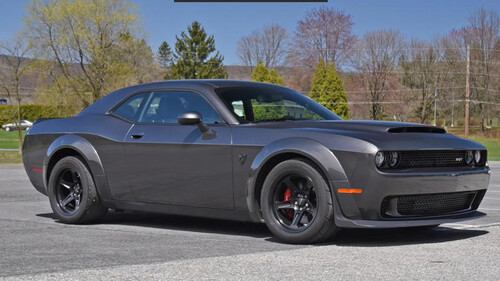
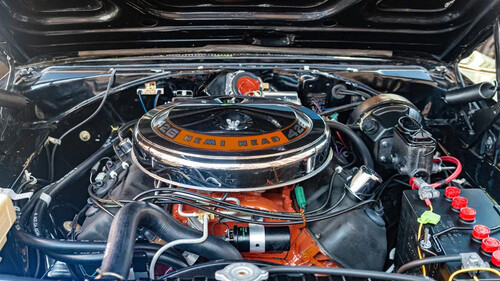
The engine that made the Dodge Hellcat sound like pure chaosThe Dodge Hellcat has taken the automotive world by storm, known for its ear-piercing roar and exhilarating performance. Behind this iconic vehicle is an engineering marvel that produces a sound many enthusiasts describe as pure chaos. Understanding the intricacies of the Hellcat’s engine reveals why it has become a symbol of raw power and unrestrained automotive passion. The Heart of the Hellcat: HEMI V8 Engine Overview At the core of the Dodge Hellcat lies the formidable 6.2-liter HEMI V8 engine, an engineering masterpiece that delivers astonishing performance. With a staggering output of 707 horsepower and 650 lb-ft of torque, this engine is not only a powerhouse but also a significant player in the muscle car arena. The HEMI design features an iconic hemispherical combustion chamber, allowing for more efficient airflow and combustion, which contributes to both power and sound quality. The HEMI V8 has a storied history within the Dodge brand, dating back to the 1950s. Over the decades, it has evolved into a symbol of American muscle, with each iteration pushing the boundaries of performance. The Hellcat variant represents the pinnacle of this evolution, showcasing how modern engineering can amplify the raw power of a classic design. The Supercharger Effect: Boosting Performance and Sound The Hellcat’s supercharger plays a pivotal role in enhancing both performance and sound. This mechanically driven supercharger forces more air into the engine, allowing for greater fuel combustion and subsequently more power. With a boost pressure of 11.6 psi, the supercharger enables the Hellcat to achieve remarkable acceleration, going from 0 to 60 mph in just 3.6 seconds. But the supercharger does more than just enhance performance; it also significantly influences the Hellcat’s distinctive sound profile. The whine of the supercharger, combined with the throaty growl of the V8, creates an auditory experience that many enthusiasts find exhilarating. This sound is unique when compared to naturally aspirated engines, which tend to produce a smoother, more linear sound. The chaotic blend of sounds from the Hellcat’s supercharged V8 is a testament to its engineering prowess and raw power. The Role of Exhaust Systems in Sound Production The design and materials of the Hellcat’s exhaust system are crucial in shaping its sound. Constructed from high-quality stainless steel, the exhaust system features a series of mufflers and resonators that work together to produce an aggressive yet refined sound. The strategic placement of these components allows for optimal sound quality, ensuring that the roar of the engine can be heard and felt. Exhaust tuning plays a significant role in this process. By adjusting the size and shape of exhaust components, engineers can manipulate the sound waves produced by the engine. Aftermarket options, such as those offered by companies like Borla and Corsa, allow owners to further customize their Hellcat’s sound. These modifications can amplify the roaring growl or even provide a deeper, more aggressive tone, showcasing the versatility of the Hellcat’s auditory signature. The Chaos Factor: Engine Dynamics and Performance The Hellcat’s engine dynamics contribute significantly to its chaotic sound during acceleration. With a power output of 707 horsepower and 650 lb-ft of torque, the Hellcat’s engine is engineered for performance. The rapid changes in RPM during acceleration create a symphony of sounds, from the deep rumble at lower speeds to the ear-splitting roar at higher RPMs. This dynamic range is what many enthusiasts refer to as “chaos,” a fitting description for an engine that often feels like a wild beast waiting to be unleashed. As I’ve experienced firsthand, the sound of the Hellcat while accelerating is not just noise; it’s a visceral experience that enhances the perception of speed and power. The engine’s response is immediate, and the accompanying sound creates a sense of urgency that few other cars can match. In a world where driving often feels automated, the Hellcat’s auditory feedback connects the driver to the experience in a uniquely thrilling way. Technological Innovations in Engine Design Advanced technologies have been integrated into the Hellcat’s engine design, making it a marvel of modern engineering. One such innovation is variable valve timing (VVT), which optimizes engine performance across various RPM ranges. This technology allows the Hellcat to maintain its power while also improving fuel efficiency, a remarkable feat for an engine of its size and power. These innovations not only enhance performance but also contribute to the distinctive sound profile of the Hellcat. By allowing for more precise control over the timing and duration of valve openings, VVT helps create a richer sound that resonates through the exhaust system. As we look to the future, trends in engine technology, such as electric turbocharging and hybrid systems, may further influence sound production in performance vehicles, making the Hellcat’s auditory signature even more significant. Sound Engineering: The Art Behind the Noise Sound engineering is a critical aspect of refining the Hellcat’s auditory experience. Engineers work meticulously to create a sound that balances performance with compliance to noise regulations. The goal is to ensure that the Hellcat’s roar is not just loud, but also melodious and engaging to the driver and onlookers alike. Techniques such as active exhaust systems allow for varying sound profiles depending on driving conditions. For instance, the Hellcat can be quieter during regular driving but unleash its full auditory potential when in sport mode. This dynamic approach to sound engineering ensures that the Hellcat remains a daily driver while also satisfying the cravings of performance enthusiasts. The emotional impact of the engine sound is a carefully crafted experience, designed to resonate with the passions of drivers. Comparative Analysis: Hellcat vs. Competitors When comparing the Hellcat engine and its sound to competitors like the Ford Mustang GT500 and Chevrolet Camaro ZL1, it becomes clear that each manufacturer has a unique approach to engine sound design. The Mustang GT500, with its supercharged V8, delivers a more classic muscle car sound, while the Camaro ZL1 offers a raw, aggressive tone that some enthusiasts prefer. Consumer preferences for engine sound are often tied to brand loyalty and personal taste. The Hellcat’s chaotic sound profile has carved out a dedicated following, with many owners expressing a strong emotional connection to the auditory experience. As automakers continue to innovate, understanding how sound design influences consumer choices will be vital in shaping the future of high-performance vehicles. Owner Experiences: The Sound of Chaos For many Hellcat owners, the sound of the engine is a key aspect of the driving experience. Anecdotes abound about the thrill of starting the engine and unleashing its roar, often eliciting reactions from bystanders and fellow enthusiasts. Social media platforms, particularly Instagram, are filled with videos showcasing the Hellcat’s auditory signature, allowing owners to share their passion and connect with a larger community. The culture surrounding the Hellcat’s sound is vibrant, with meetups and car shows often revolving around the shared love for the chaotic roar of these vehicles. The emotional connection that drivers feel towards their Hellcats is amplified by the unique sound, creating moments that are both exhilarating and memorable. For many, it’s not just about the performance; it’s about the entire experience, driven by that unmistakable sound of chaos. The Future of Engine Noise in Performance Cars As environmental regulations become increasingly stringent, the future of engine sound design may face challenges. Innovations in electric vehicles (EVs) are prompting discussions about how sound will evolve in high-performance cars. While some argue that electric engines lack the emotional impact of traditional combustion engines, many manufacturers are exploring ways to artificially enhance sound in EVs to create a visceral experience for drivers. Looking ahead, the Hellcat and similar performance vehicles may need to adapt to these changes in sound production. While the roar of the HEMI V8 is iconic, the automotive industry is changing rapidly. The balance between preserving the auditory experience that enthusiasts cherish and complying with regulations will be a crucial challenge for manufacturers. As we navigate this evolution, one thing remains clear: the sound of the Hellcat will always hold a special place in the hearts of automotive enthusiasts. More from Fast Lane Only Unboxing the WWII Jeep in a Crate 15 rare Chevys collectors are quietly buying 10 underrated V8s still worth hunting down Police notice this before you even roll window down *Research for this article included AI assistance, with all final content reviewed by human editors.