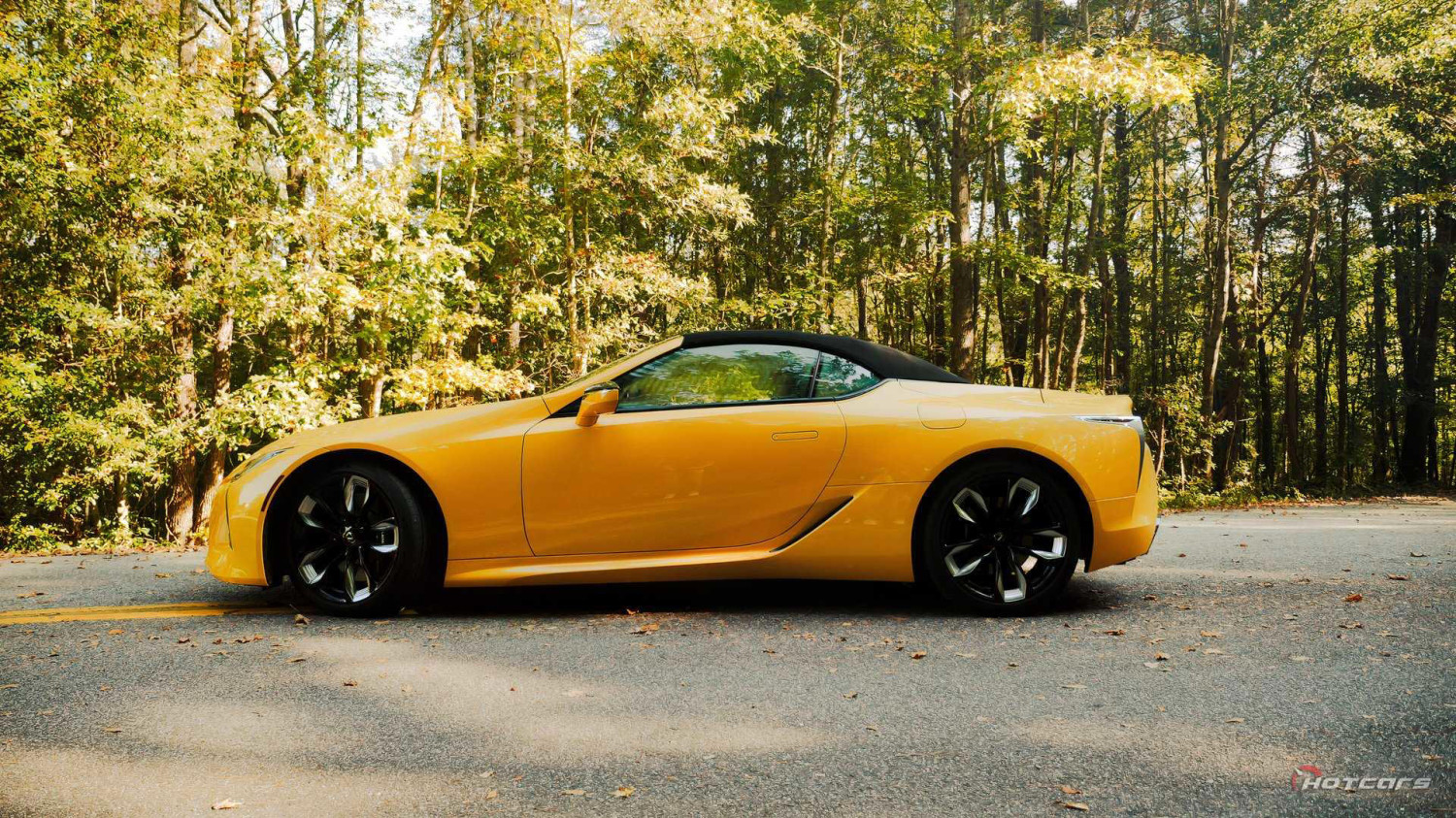
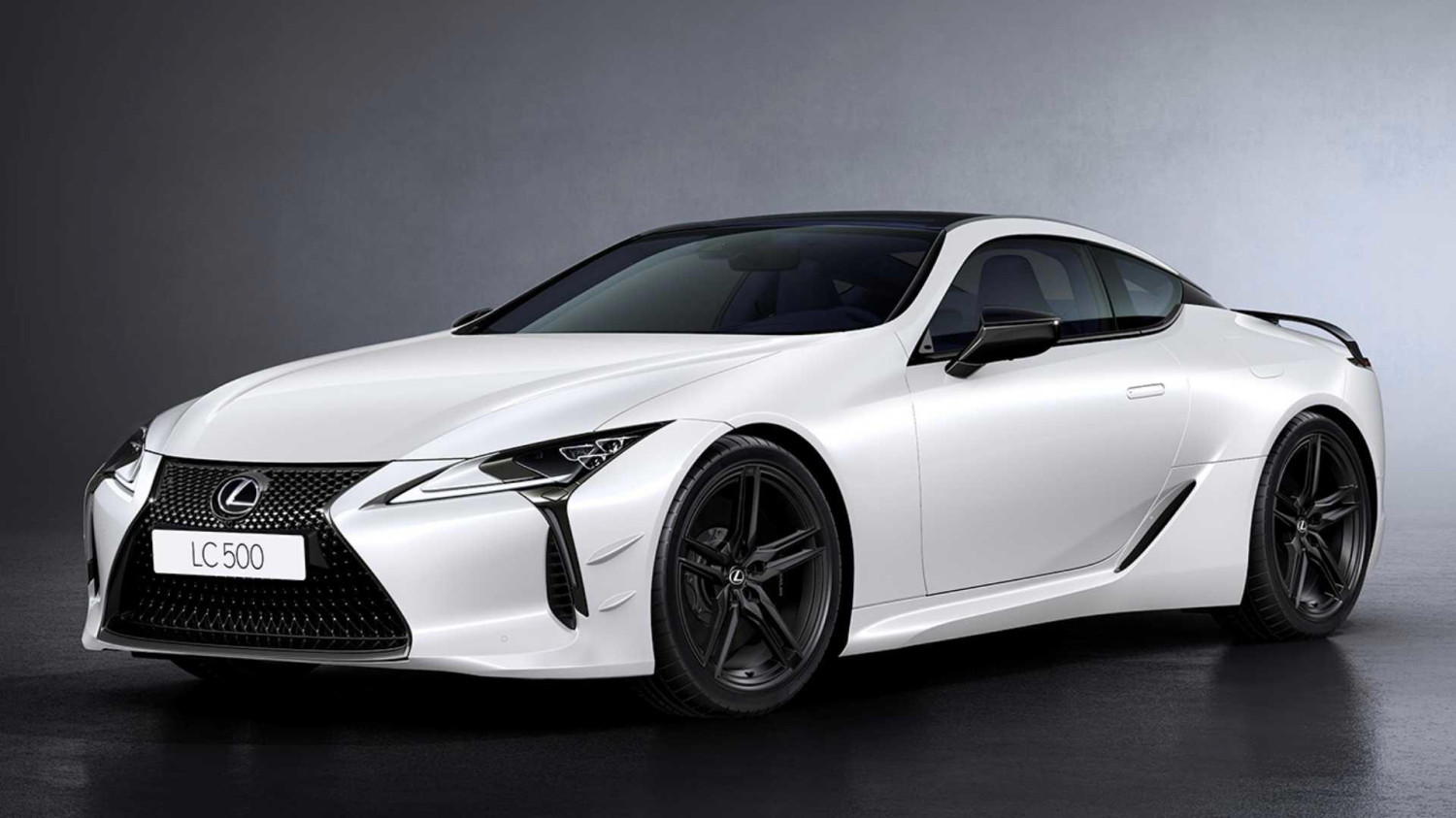
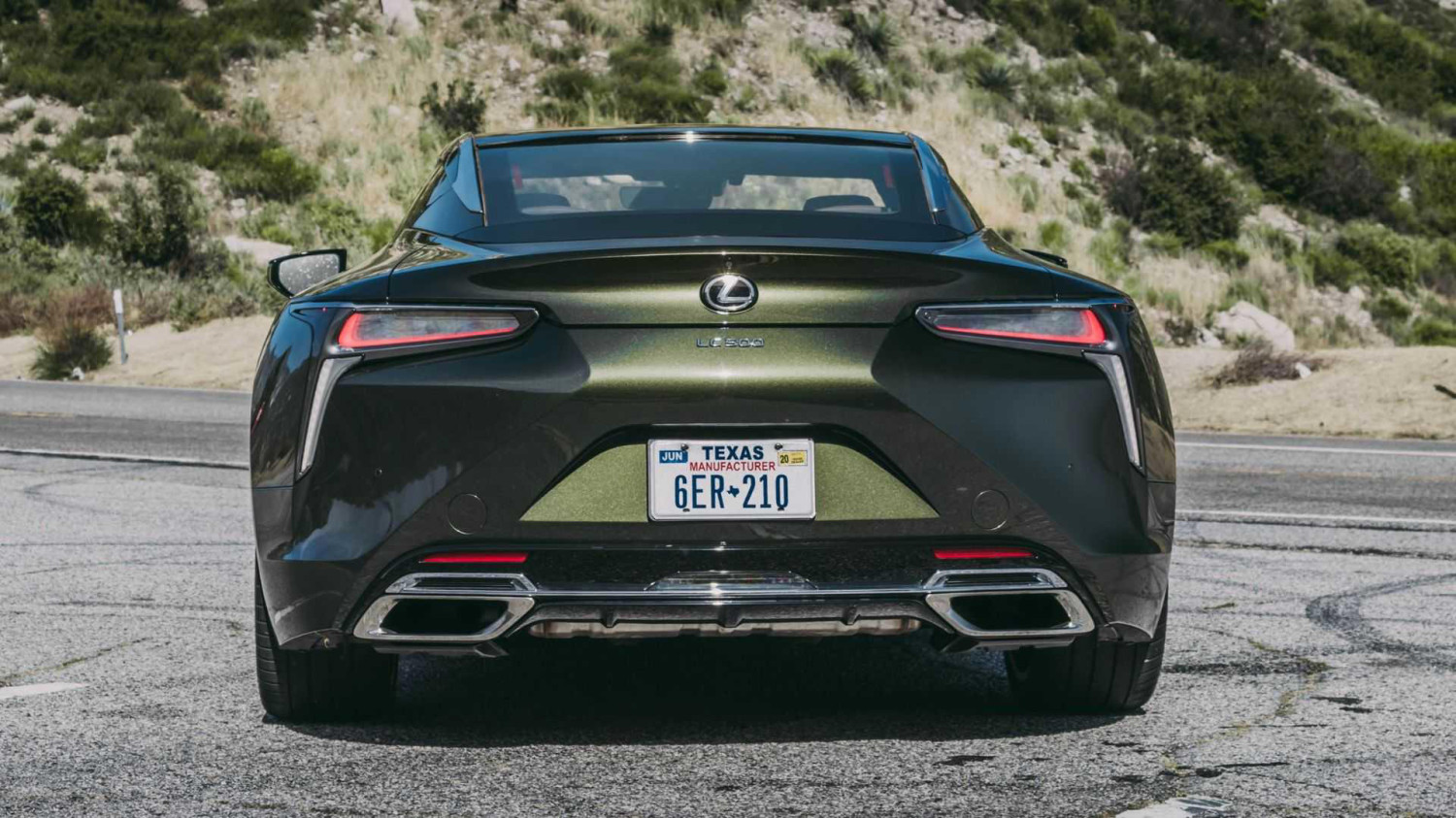



















Luxury sports cars have become incredibly good at grabbing attention. They launch harder, shift faster, and stack more technology into the cabin than ever before. What they don’t always advertise quite as loudly is what ownership looks like five or six years down the road. For decades, the enthusiast logic has been simple: if you want European prestige and performance, you accept a certain level of unpredictability in maintenance. If you want dependability, you buy something sensible and move on. That assumption leaves out a car that sits right in the middle of those two worlds.It looks exotic, sounds like a proper V8 should, and delivers legitimate grand touring performance. And it comes from a brand that consistently ranks near the top in industry-wide long-term reliability studies. I often talk about finding a car that is the best of both worlds, but this one truly does that, and with a little extra pizzazz. The Lexus LC 500 Deserves More Attention Than It Gets Source: Bradley Hasemeyer / Hot Cars / ValnetThe LC 500 isn’t subtle, especially in this yellow color, but that’s part of the appeal. The proportions are dramatic without feeling overdone or forced. It has the stance of a true grand tourer with a long hood, wide shoulders, and a presence that doesn’t need a loud badge to validate it. Lexus isn't really about the loud-and-in-your-face nameplates, but the LC does it without being too much.Under the hood sits a 5.0-liter naturally aspirated V8 producing 471 horsepower and 398 lb-ft of torque. Lexus lists a 0–60 mph time of 4.4 seconds. That places it squarely in competition with European grand touring coupes that dominate aspirational conversations.Fun Fact: Its 10-speed automatic can execute shifts in roughly 0.2 seconds under hard driving while still delivering the smoothness expected from a traditional torque-converter transmission.Here’s how it compares to several of those familiar names, such as the Porsche 911 Carrera, BMW M850i xDrive, and Mercedes-AMG SL 55. Performance Comparison The LC doesn’t chase the quickest acceleration number in the segment; Lexus really hasn't ever been about those stats. Instead, it delivers smooth, linear power from a naturally aspirated engine that revs cleanly and consistently. In an era dominated by forced induction and hybrid assistance, that character alone makes it feel distinct. Performance is only part of the story, though. What makes the LC 500 particularly interesting is what happens after the excitement of the first few months fades. That's when ownership really sets in, when the bills hit your email, and you need your first oil change.Fun Fact: The LC 500’s 5.0-liter V8 was refined by engineers who worked on the Lexus LFA, which helps explain why it revs so cleanly and sounds far more exotic than most luxury coupes. Reliability Data And Ownership Costs Tell A Different Story Consumer Reports has consistently ranked Lexus at or near the top of its brand reliability studies based on owner-reported data, and in several recent model years Lexus has placed first overall in predicted reliability among all brands. That reputation is not tied to one specific model; it reflects a broader company-wide engineering philosophy that prioritizes durability and refinement over rapid redesign cycles. The LC 500 benefits directly from that consistency. It is not built around a brand-new, experimental powertrain architecture. Its 5.0-liter 2UR-GSE V8 has been used in multiple Lexus performance applications over the years, which contributes to predictable long-term ownership outcomes rather than introducing untested components.Maintenance cost data reinforces that broader reliability narrative. According to RepairPal’s brand-wide data, Lexus vehicles average approximately $551 per year in repair costs, which is lower than many European luxury brands. By comparison, BMW averages around $968 per year and Porsche around $1,192 per year in estimated annual repair costs. While a V8 grand tourer will never cost the same to maintain as a compact sedan, Lexus consistently ranks among the more affordable premium brands in long-term service cost studies.Depreciation also plays a major role in the ownership equation, and the numbers need to be accurate. Kelley Blue Book’s 5-Year Cost to Own projections for a 2025 Lexus LC 500 show an expected five-year depreciation of approximately $57,000 to $62,000, depending on trim and configuration, representing roughly a 40% value loss over five years. That leaves projected residual values in the low-to-mid $40,000 range. Here is how that compares using KBB’s five-year projections for similar models.pressroom.lexus.com Five-Year Depreciation Comparison The Porsche holds value exceptionally well, reflecting strong demand and brand equity. The LC depreciates more aggressively than the 911 but generally remains competitive with other luxury grand tourers in its class. When you combine brand reliability rankings, lower average repair cost trends, and the depreciation curve, the LC starts to look like a pretty good idea. It delivers real speed, distinctive styling, and a track record of durability that many European rivals struggle to match over the long term. There isn't much to dislike about it. Why The LC 500 Tends To Age Better Than Many European Rivals The LC’s durability story comes down to engineering choices. The 2UR-GSE 5.0-liter V8 is naturally aspirated, meaning it avoids turbochargers, intercoolers, and high-boost pressure systems that add mechanical stress. Forced induction can deliver impressive torque figures, but it also introduces additional heat and complexity. Simplicity often ages more predictably, which is a hallmark of Lexus vehicles. Lexus also calibrates its performance cars conservatively. The LC isn’t tuned to operate at the edge of component tolerances; it tends to deliver strong output without pushing hardware beyond sustainable limits.Warranty coverage reinforces that confidence. In the United States, Lexus provides: 4-year / 50,000-mile basic warranty 6-year / 70,000-mile powertrain warranty That coverage aligns competitively within the luxury segment and reflects long-term drivetrain durability expectations. Build quality plays a role as well. Lexus interiors consistently receive high marks for material longevity and fit precision. Over time, fewer electrical gremlins, fewer trim issues, and fewer persistent rattles contribute significantly to perceived reliability. When you examine the LC through that lens, it becomes clear that its dependability is the result of deliberate engineering restraint rather than luck.Fun Fact: The LC 500 rides on Lexus’ dedicated GA-L rear-wheel-drive platform, engineered specifically for flagship performance models rather than adapted from a mainstream sedan. Depreciation Is The Hidden Opportunity LexusLuxury coupes are rarely rational purchases when new. They are driven by emotion, design, and performance appeal. The LC 500 follows that pattern, and its projected five-year depreciation reflects that reality, but depreciation does not erase the hardware. Once the steepest part of the value curve has passed, the LC remains a 471-horsepower V8 grand tourer with a brand reliability record that consistently ranks near the top of the industry. For second owners, that timing can transform the LC into one of the more compelling used luxury performance buys available.At that point, the buyer isn’t absorbing the largest value loss. They’re stepping into a car that still looks exotic, still delivers legitimate speed, and still benefits from a reputation built on long-term durability. The Lexus LC 500 sits in a space that few modern sports cars occupy with presence, performance, and mechanical character, backed by reliability data that consistently favors its brand.Sources: Lexus, Consumer Reports, Kelley Blue Book, RepairPal, Porsche, BMW.