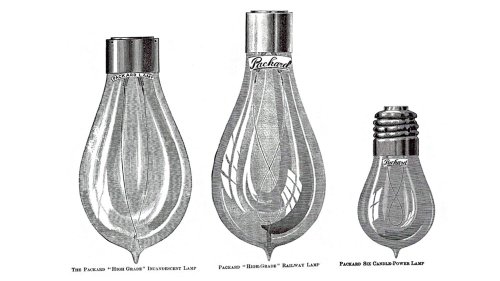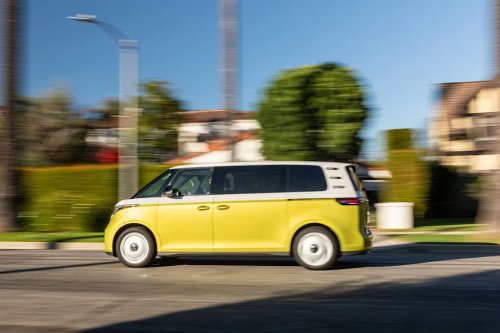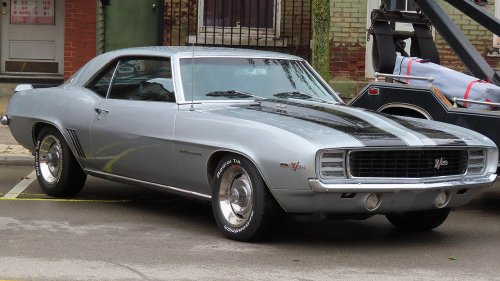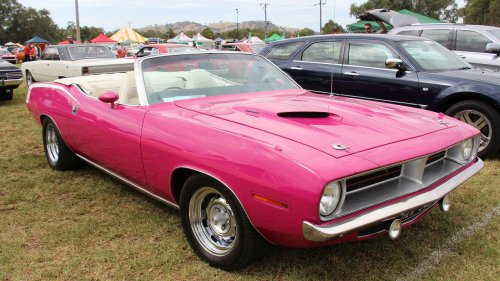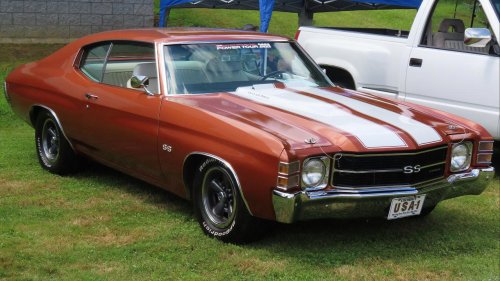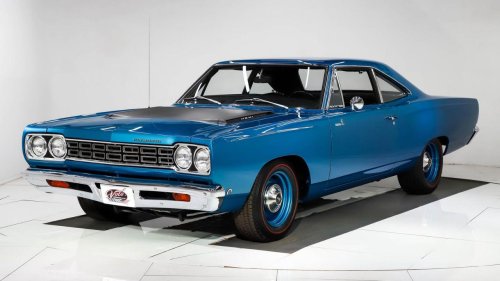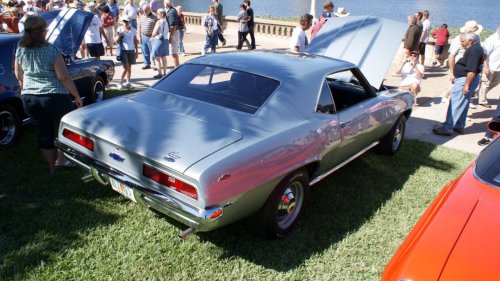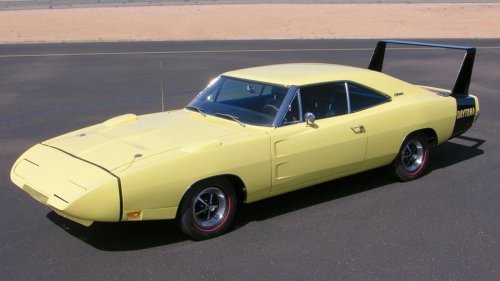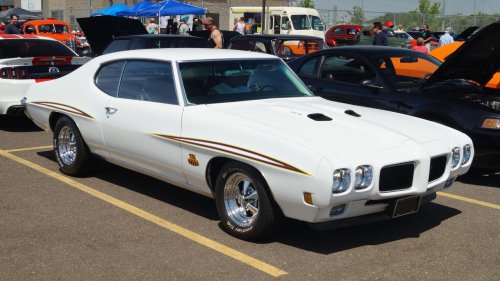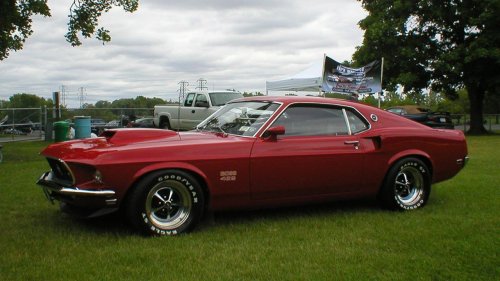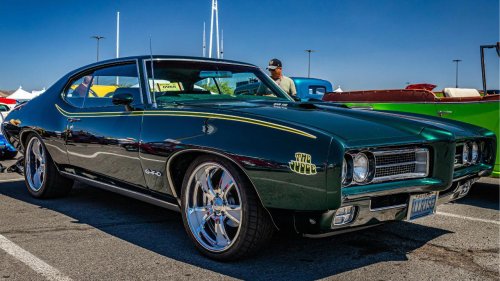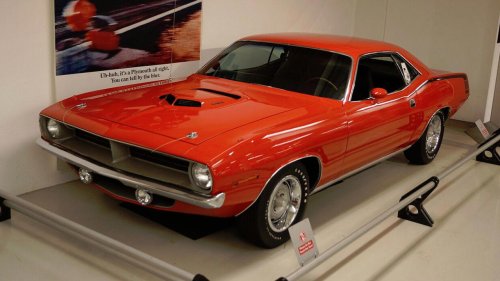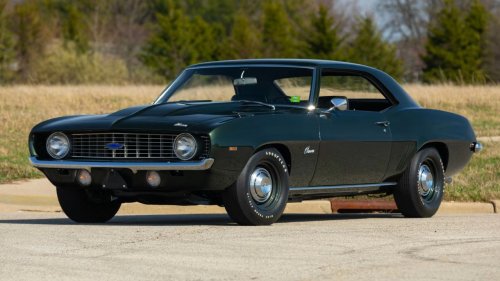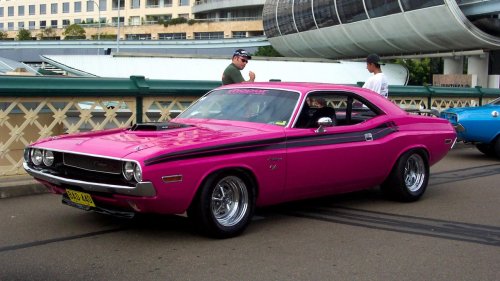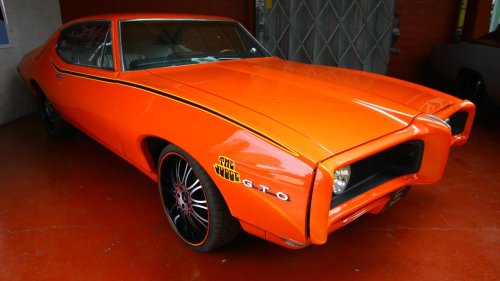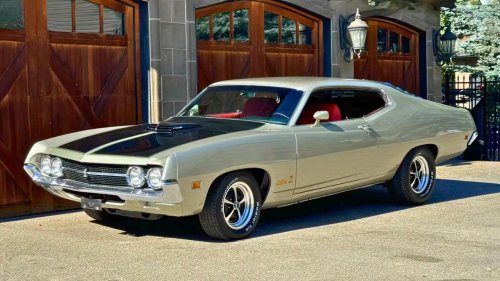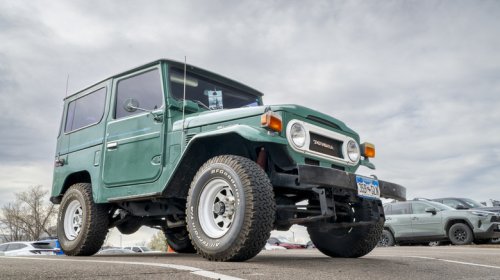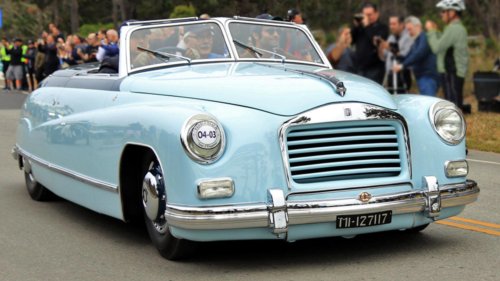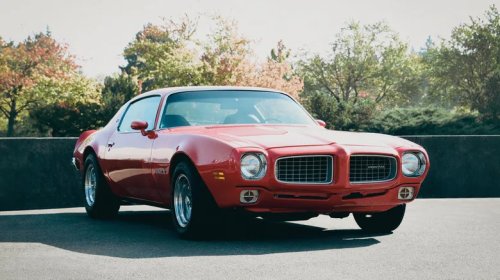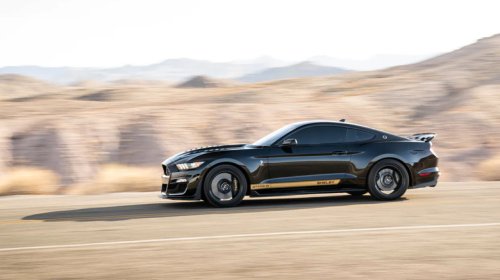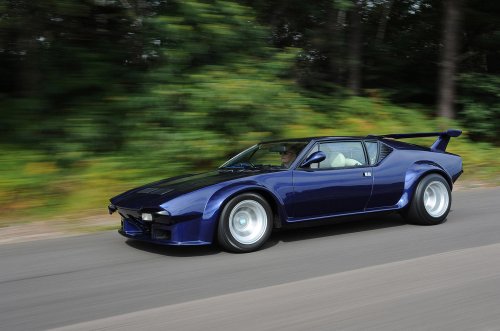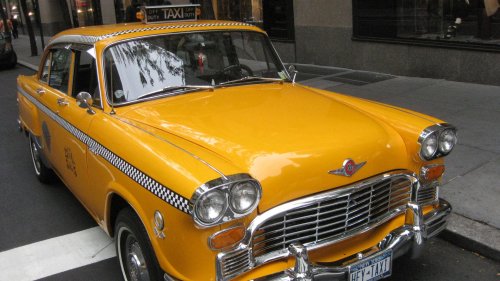
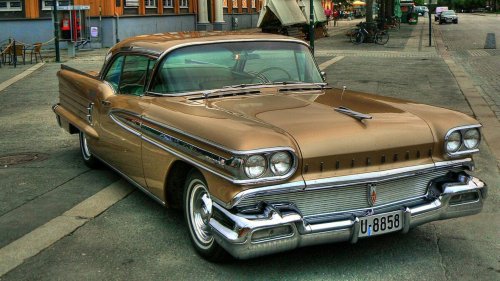
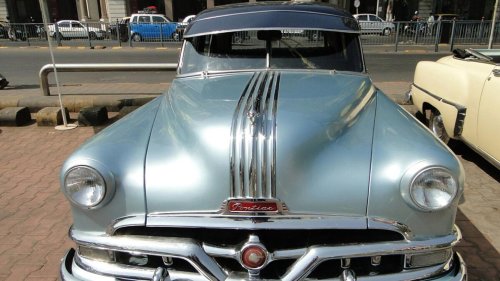
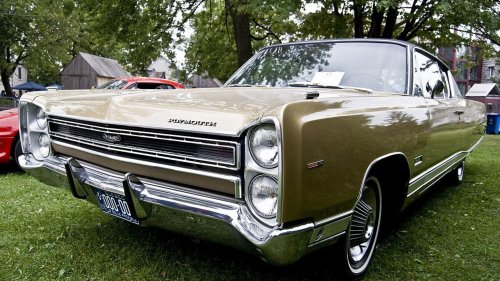
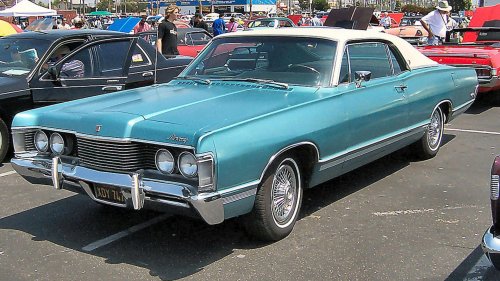
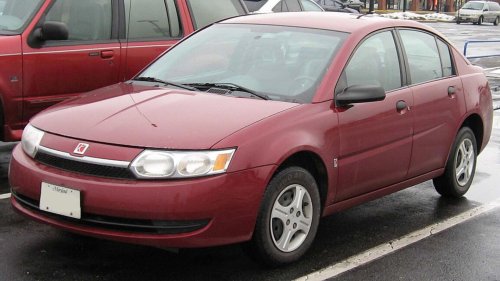

































Lost Legends Of The Auto WorldSome car brands burn bright and fade fast, while others stick around just long enough to leave a mark. You’ve no doubt heard of giants like Ford and Toyota, but what about the names that disappeared? These are 20 car companies that had big dreams, wild designs, and, in some cases, terrible luck. So, let’s take a ride through the automotive graveyard and see who didn’t make it to the finish line.1. OldsmobileIn 1897, Oldsmobile became one of America’s first automotive giants, producing over 35 million vehicles in its lifetime. Its signature Curved Dash model revolutionized the industry. By the early 2000s, shifting market trends forced General Motors to retire the brand in 2004, marking the end of an era.2. PontiacIn 2010, the discontinuation of Pontiac left behind a fleet of classics treasured by collectors worldwide. Muscle car enthusiasts still remember the brand for its legendary GTO, a car that redefined speed in the 1960s. GM introduced the brand in 1926 but struggled to keep it relevant. 3. PlymouthChrysler’s Plymouth brand debuted in 1928 as an affordable car option. Even with hits like the Barracuda and Road Runner, Plymouth faded amid corporate downsizing. Lastly, in 2001, they ceased production and left behind a legacy of classic American muscle and budget-friendly reliability.4. MercuryDesigned as a mid-tier Ford brand, Mercury balanced affordability and luxury. However, it failed to carve a distinct identity. Ford pulled the plug in 2010, prioritizing its flagship and Lincoln brands instead. Today, surviving Mercurys serve as reminders of the brand’s lost potential.5. SaturnGM introduced Saturn in 1985 as an innovative, customer-friendly brand. It focused on no-haggle pricing and unique engineering but couldn’t stay profitable. After GM’s financial crisis, Saturn was phased out by 2010. Those quirky cars remain sought-after among fans of its original vision.6. StudebakerFew brands have a history as rich as Studebaker, which transitioned from wagons to cars in the early 1900s. Despite producing some iconic models, financial struggles and competition forced its closure in 1966. Studebaker’s influence, however, lingers in automotive design and engineering.7. AMC (American Motors Corporation)AMC dared to challenge the Big Three with bold designs and compact cars. The Gremlin, Pacer, and Jeep Cherokee were standout models. However, financial difficulties led Chrysler to acquire AMC in 1987. Jeep survived, but AMC’s name faded into automotive history.8. DeLorean Motor CompanyDespite producing only one model, the DMC-12, DeLorean became a pop culture phenomenon thanks to Back to the Future. Financial struggles, legal troubles, and poor sales doomed the brand by 1982. Today, the DeLorean remains a sci-fi icon rather than a mass-produced success.9. EdselFord invested heavily in Edsel’s 1958 launch, but consumers rejected its odd styling and pricing. After just two years, Ford abandoned the brand, marking one of the biggest failures in automotive history. Edsel models are now rare collector’s items, serving as a reminder of marketing miscalculations.10. PackardOnce America’s premier luxury automaker, Packard set standards for elegance and engineering. The post-war economy and its merger with Studebaker led to its downfall. Later, the brand disappeared, and classic Packards remain highly valued among collectors for their craftsmanship.11. HudsonInnovative and performance-driven, Hudson introduced the “step-down” design for better aerodynamics. After merging with Nash to form AMC in 1954, the Hudson name was retired by 1957. Today, its engineering ingenuity is remembered in classic car circles and racing history.12. NashA pioneer in fuel efficiency and compact cars, Nash Motors merged with Hudson to form AMC in 1954. The Nash brand lasted until 1957, disappearing under the AMC umbrella. Its influence, however, persists in design elements seen in later American cars.13. Kaiser-FrazerFounded post-WWII, Kaiser-Frazer introduced stylish, innovative cars. However, fierce competition from the Big Three led to its decline. By 1955, the brand was phased out. Some models, like the Kaiser Darrin, remain prized among collectors for their unique fiberglass design.14. TuckerPreston Tucker’s 1948 Tucker 48 was ahead of its time, featuring safety innovations decades before competitors. Unfortunately, legal battles and production issues ended Tucker’s company after only 51 cars were built. Interestingly, its legacy inspires automotive enthusiasts and entrepreneurs.15. Checker MotorsBest known for its iconic yellow taxis, Checker Motors was once a staple of American city streets. However, demand for specialized taxis declined, and production ceased in 1982. Though the brand is gone, Checker Cabs remains a symbol of vintage urban transport.16. DuesenbergDuesenberg built some of the most luxurious and powerful cars of the 1920s and ’30s. The Great Depression wiped out demand for its ultra-high-end vehicles, leading to its closure in 1937. Duesenberg cars fetch millions at auctions for their rarity and prestige.17. Willys-OverlandWillys-Overland became famous for producing the military Jeep during World War II. After introducing the civilian Jeep (CJ), rising competition and production costs led to a decline. The brand's influence remained through Jeep models, but Willys-Overland itself disappeared as an independent automaker.18. TrabantA symbol of East German resilience, the Trabant was made from pressed cotton and had a two-stroke engine. While it was practical in a communist economy, it couldn’t survive reunification with West Germany. Production ended in 1991, yet it remains a cult favorite.19. YugoYugo, a Yugoslavian car brand, was founded in the 1980s by Zastava Automobiles and became infamous for its budget-friendly vehicles. Its sales plummeted, especially after the breakup of Yugoslavia and economic struggles in the 1990s. Finally, production officially ended in 2008.20. BorgwardOnce a respected German automaker, Borgward went bankrupt in 1961 due to financial mismanagement. Decades later, a revival attempt in the 2010s failed to capture the market. While the brand remains obscure, vintage Borgwards are still cherished by classic car enthusiasts.