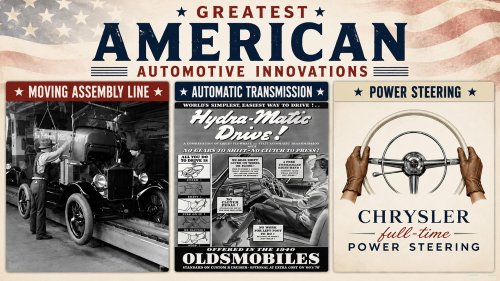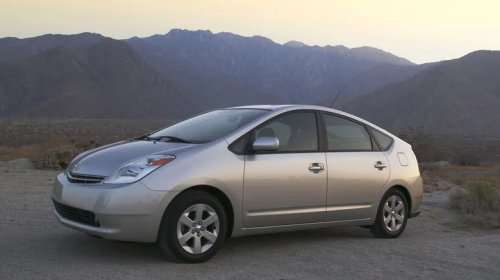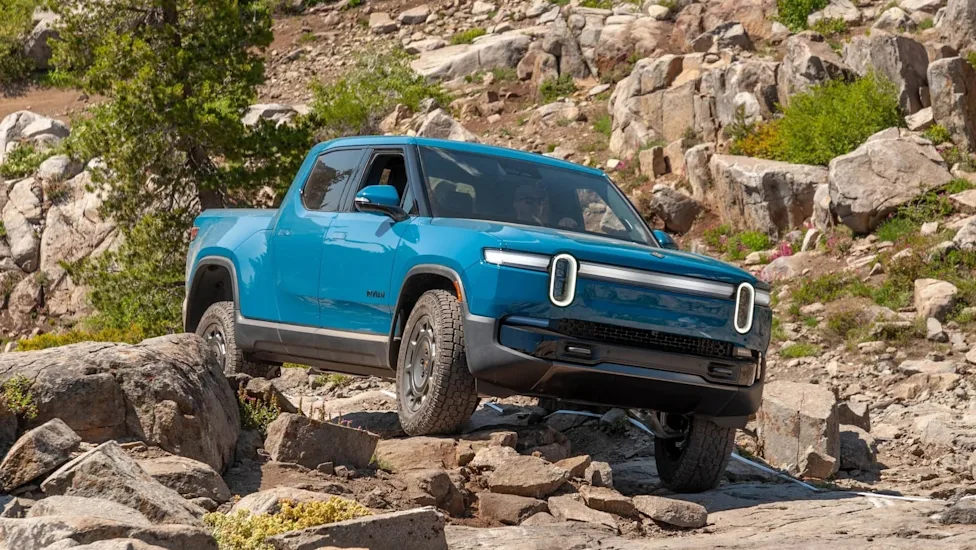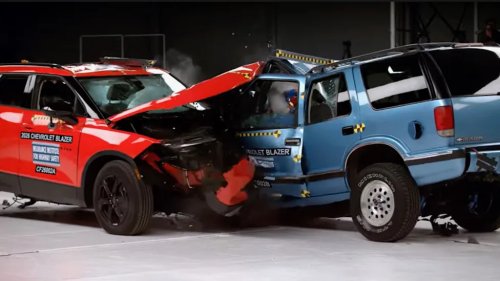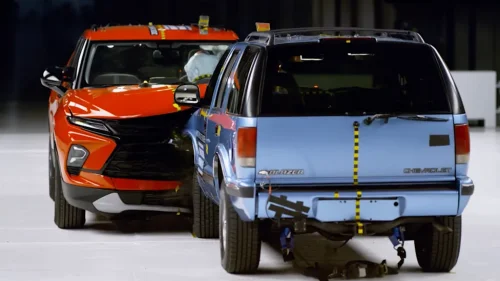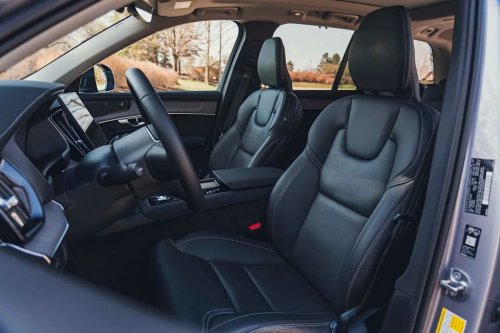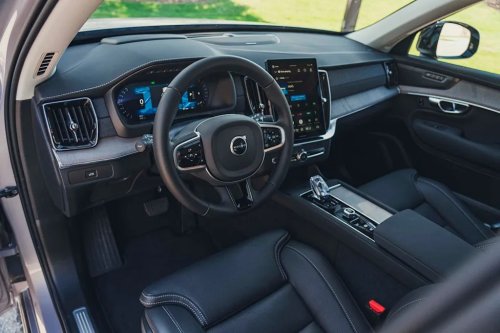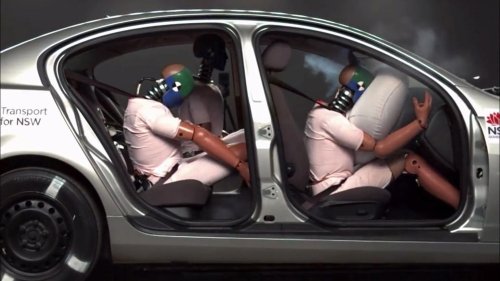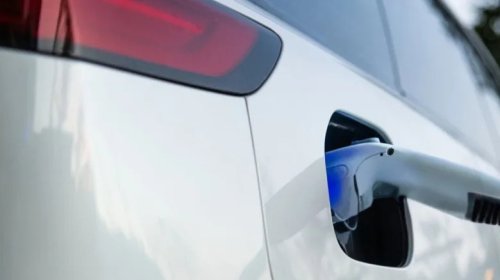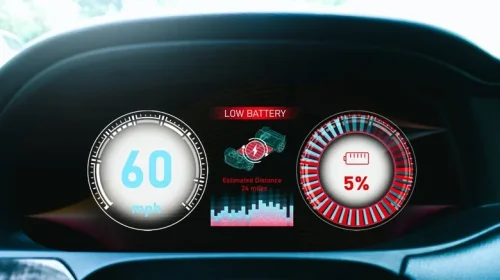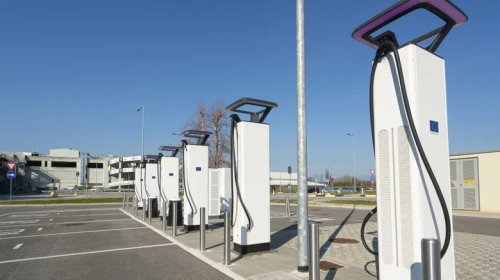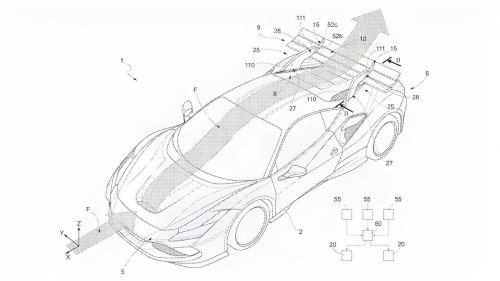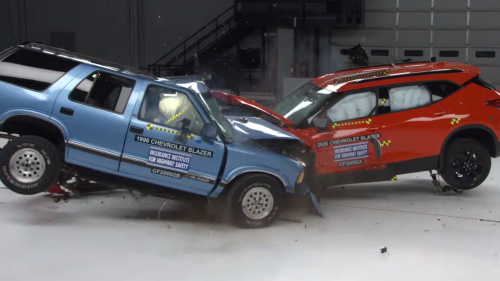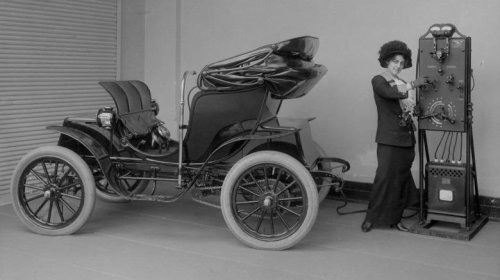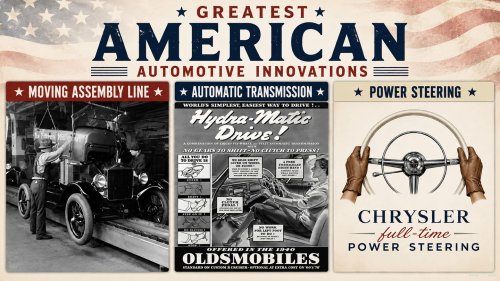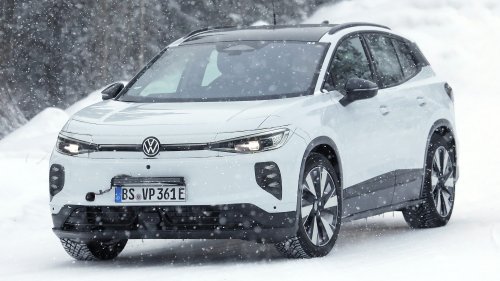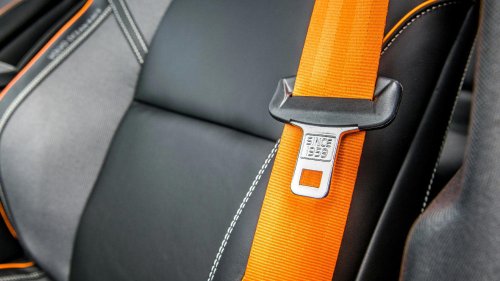
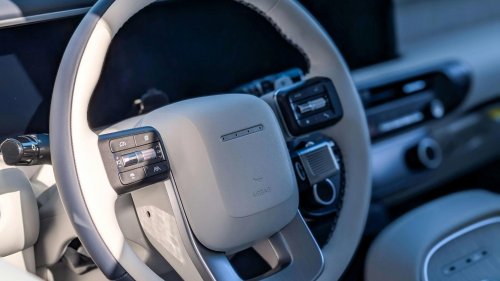






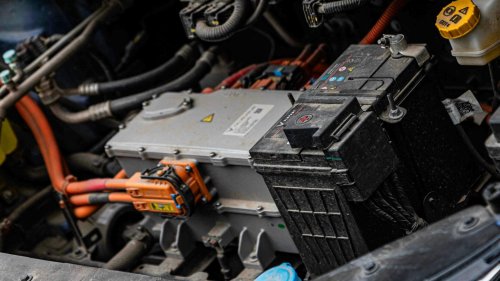
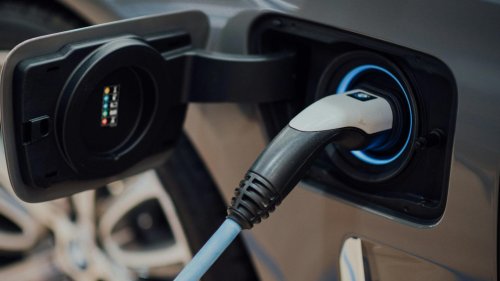



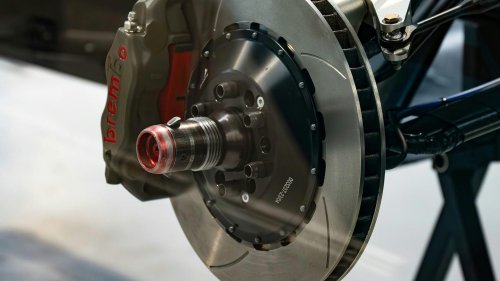



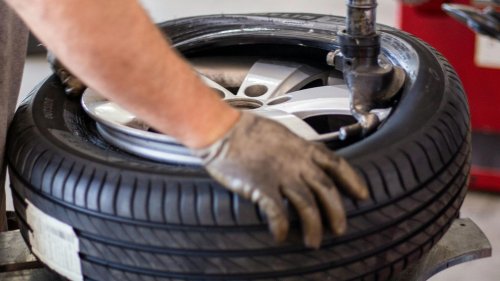





















1. Seat BeltsEarly cars didn’t even have seat belts, but now they’re standard safety gear in every vehicle. Modern three-point seat belts keep drivers and passengers secure in case of a collision. Their development has saved countless lives since their introduction.2. AirbagsAirbags provide extra protection beyond seat belts. Today’s vehicles often have multiple airbags, including side and curtain options. This innovation dramatically reduces injury risk during accidents.3. Power SteeringManual steering in the 1900s required significant effort, especially at low speeds. Power steering makes turning effortless and reduces strain on drivers. It also improves control and safety during everyday driving.4. Anti-lock Braking Systems (ABS)ABS prevents wheels from locking during sudden braking. This system improves steering control and reduces the chances of skidding. Modern ABS has become a standard safety feature in almost every car.5. Cruise ControlOnce a luxury feature, cruise control helps maintain a steady speed on long drives. It reduces fatigue and improves fuel efficiency. Newer adaptive systems even adjust speed based on traffic conditions.6. Electric WindowsManual crank windows were standard for decades, requiring effort to roll them up or down. Electric windows offer convenience with just a push of a button. This small innovation changed everyday driving comfort.7. GPS NavigationBefore GPS, drivers relied on paper maps and written directions. GPS systems now provide turn-by-turn guidance and real-time traffic updates. They make traveling safer and much less stressful.8. Rearview CamerasBackup accidents used to be common, especially in crowded areas. Rearview cameras give drivers a clear view behind the car, preventing collisions. Many vehicles now include parking sensors alongside cameras for extra safety.9. Hybrid EnginesHybrid engines combine gasoline and electric power for efficiency and lower emissions. They reduce fuel consumption while maintaining performance. Hybrids have paved the way for fully electric vehicles.10. Electric Vehicles (EVs)EVs run entirely on electricity and produce zero emissions. Modern EVs offer impressive ranges, fast charging, and advanced features. They represent a major shift in how cars are powered.11. Lane Departure WarningLane departure systems alert drivers when they unintentionally drift from a lane. This innovation helps prevent accidents caused by distraction or drowsiness. Many cars now include lane-keeping assist for automatic corrections.12. Blind Spot MonitoringBlind spot sensors warn drivers about vehicles in adjacent lanes. This feature reduces the risk of side collisions during lane changes. It’s become a standard safety addition in newer cars.13. Keyless Entry and Push-Button StartGone are the days of fumbling with keys. Keyless entry and push-button ignition provide convenience and speed. They also often come with security features to prevent theft.14. Automatic Emergency BrakingModern cars can detect potential collisions and apply brakes automatically. This reduces impact severity or avoids accidents altogether. It’s a major step forward in proactive vehicle safety.15. Adaptive HeadlightsHeadlights that adjust direction and intensity improve nighttime visibility. They respond to steering angle and road conditions. This innovation reduces glare and increases driving safety.16. Infotainment SystemsTouchscreen infotainment systems keep drivers connected with music, navigation, and calls. Integration with smartphones provides hands-free operation. These systems make the driving experience more enjoyable and functional.17. Regenerative BrakingHybrid and electric vehicles often use regenerative braking to recover energy. It slows the car while feeding power back into the battery. This improves efficiency and extends driving range.18. Tire Pressure Monitoring SystemsLow tire pressure used to be easy to miss, causing accidents or inefficient fuel use. Modern sensors alert drivers when tires need attention. Maintaining proper pressure extends tire life and enhances safety.19. Collision Avoidance SystemsAdvanced sensors and cameras allow cars to detect obstacles and pedestrians. The system can warn the driver or intervene automatically. This technology adds an extra layer of protection beyond traditional safety features.20. Self-Parking TechnologyParallel parking has become easier with automated parking systems. Cars can steer themselves into spots while drivers control the speed. It’s a convenience innovation that saves stress in crowded urban areas.